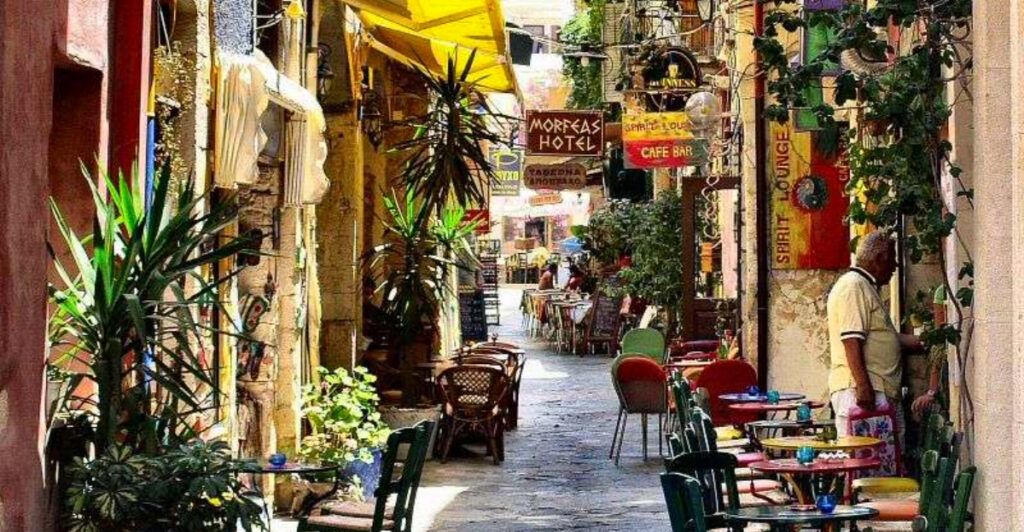
Greece is famous for its ancient ruins and sun-soaked islands, but hidden among its landscapes are medieval towns that feel frozen in time. Stone fortresses, narrow cobbled streets, and Byzantine churches sit perched on hilltops and cliffsides, offering breathtaking views of mountains, gorges, and sparkling seas.
These historic settlements tell stories of knights, pirates, and empires while rewarding modern travelers with some of the most stunning panoramas in the Mediterranean.
Rhodes Old Town — Island Ramparts and Historic Streets
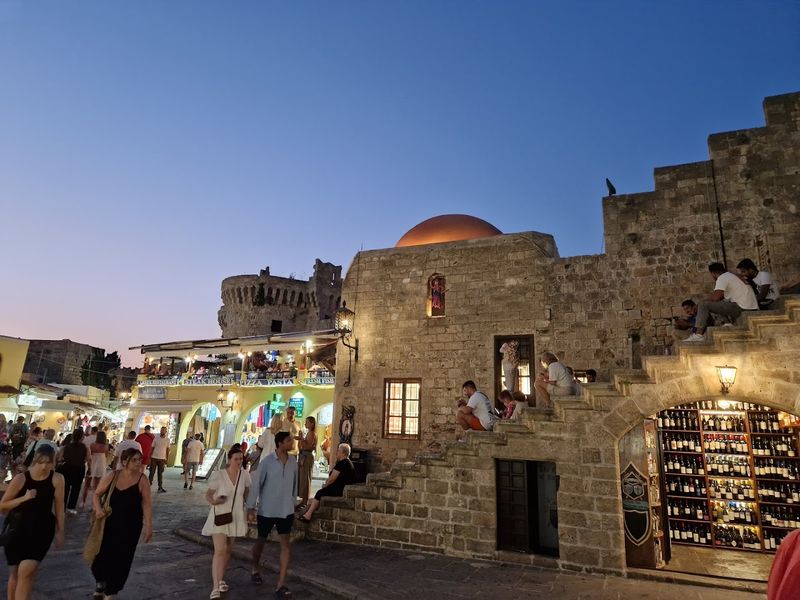
Walking through massive stone gates into Rhodes Old Town feels like entering a fortress built for legends. This UNESCO World Heritage Site preserves one of Europe’s best medieval cities, where crusader knights once patrolled battlements that still stand strong today.
The Street of the Knights stretches before you like a corridor through history, lined with imposing inns that housed warriors from different nations.
Every corner reveals another postcard moment—archways framing distant views, bougainvillea spilling over honey-colored walls, and the Palace of the Grand Master rising like something from a storybook. The fortifications wrap around the entire settlement, creating a protected world where time moves differently.
Climb the walls and you’ll see where medieval stone meets azure sea, a contrast that makes this place unforgettable.
The harbor views add another dimension to your exploration, with fishing boats bobbing beside ancient towers. Sunset transforms the ramparts into glowing ribbons of gold while the Aegean sparkles beyond.
Rhodes Old Town isn’t just preserved history—it’s a living medieval experience where every vista reminds you why knights chose this strategic, beautiful spot to build their stronghold centuries ago.
Monemvasia — The Gibraltar-Style Castle Town by the Sea
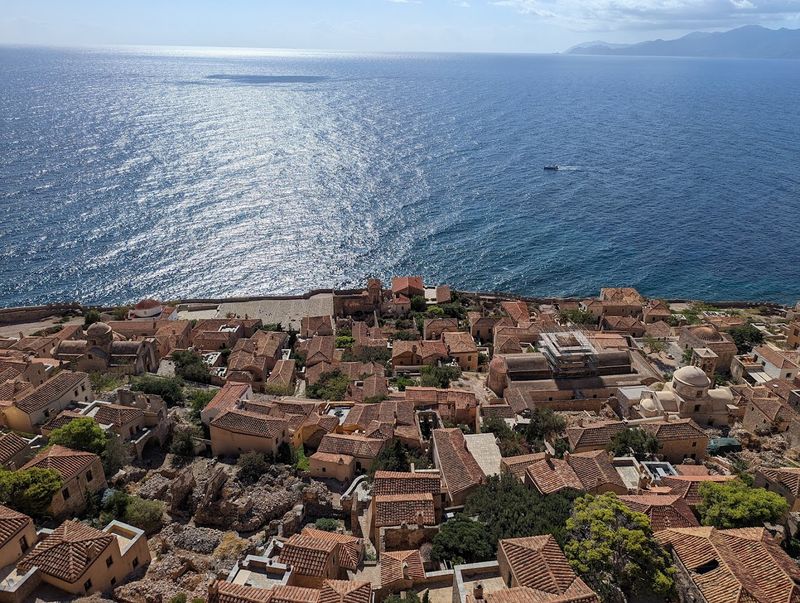
Picture a massive rock jutting from the sea with an entire medieval town carved into its face. Monemvasia delivers exactly that drama, a settlement so improbable it seems conjured by imagination rather than history.
The single causeway connecting it to the Peloponnese feels like crossing into another realm, leaving modern Greece behind with each step.
Byzantine churches hide in shadowy corners while stone houses stack upward toward the fortress crown. The Lower Town’s labyrinth of alleys opens unexpectedly onto sea-view terraces where the Myrtoan stretches endlessly blue.
Climbing higher through the Upper Town rewards the effort with ruins that command panoramic vistas—waves crashing against cliffs far below, the coastline curving toward distant mountains.
What makes Monemvasia magical isn’t just its castle-town architecture but how completely it immerses you in medieval atmosphere. No cars penetrate these ancient lanes, only footsteps echoing on worn cobblestones.
From the highest fortifications, you understand why this rock became an unconquerable stronghold—surrounded by sea, visible for miles, yet hidden enough to surprise invaders. The views from up there blend military strategy with pure natural beauty in ways few places can match.
Chania Old Town — Venetian Harbor and Mountain Backdrop
Chania’s waterfront looks like someone painted a postcard and forgot to stop improving it. The Venetian harbor curves gracefully, lined with buildings in shades of ochre, pink, and cream that glow warmest at golden hour.
That iconic lighthouse stands sentinel where harbor meets open sea, a symbol so photographed it might be Greece’s most recognizable medieval landmark after the Parthenon.
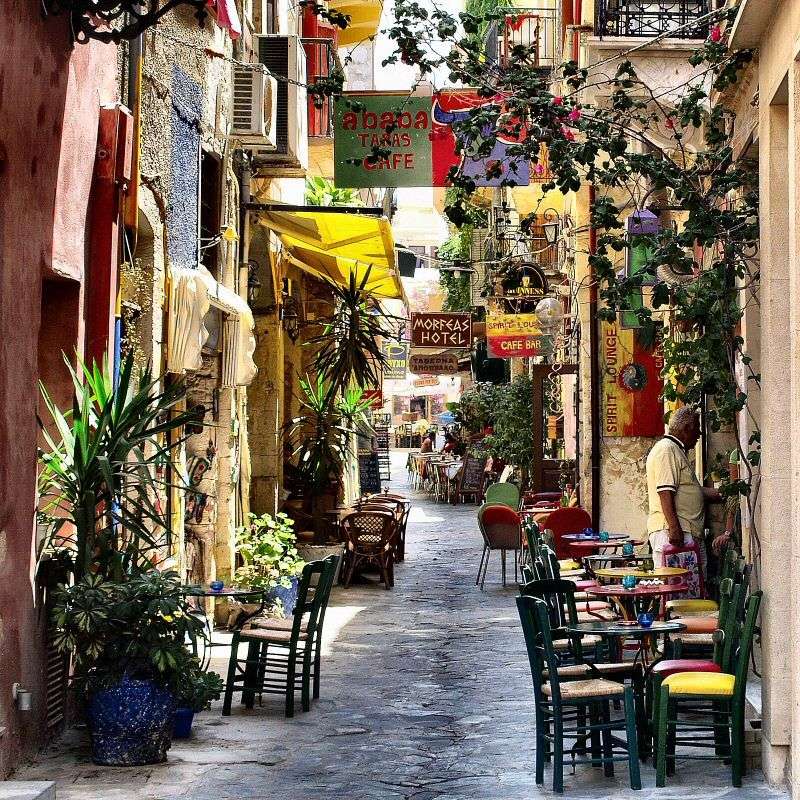
Behind the marina, medieval lanes twist through centuries of history where Venetian arches meet Ottoman minarets and Greek tavernas. These alleyways weren’t designed for efficiency but for defense, creating a delightful maze where getting lost becomes part of the adventure.
Hidden squares appear when you least expect them, filled with locals sipping coffee beneath plane trees.
The real showstopper comes when you look inland—the White Mountains rise dramatically beyond the town, their peaks sometimes snow-capped even when harbor-side cafes bask in sunshine. This juxtaposition of medieval maritime charm against rugged mountain wilderness gives Chania a depth that purely coastal towns lack.
Sunset here means watching light play across both water and mountain peaks, while the old town glows between them like a jewel in a crown.
Pyrgos Kallistis — Santorini’s Hilltop Medieval Gem
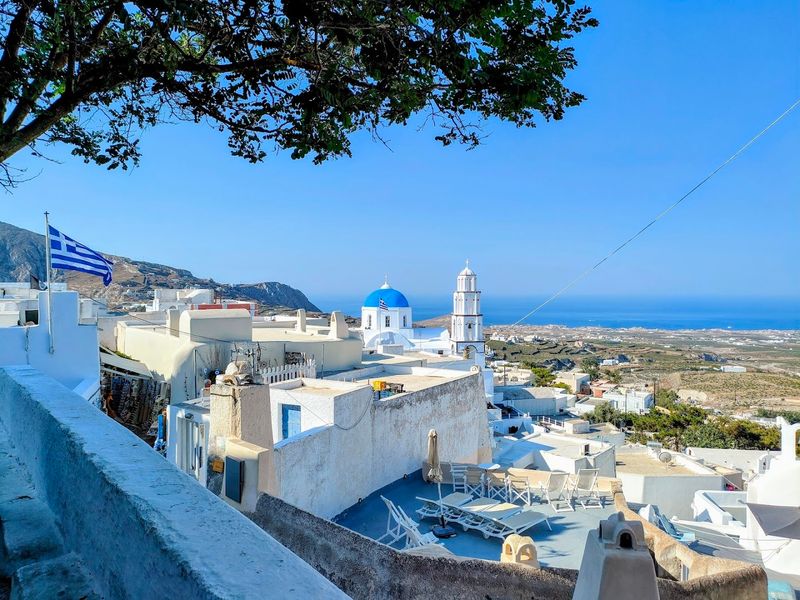
While tourists flock to Oia for sunset selfies, Pyrgos sits quietly on Santorini’s highest hill, guarding medieval secrets most visitors miss. This village spreads amphitheatrically around the ruins of Kasteli, a Venetian castle whose crumbling walls still crown the summit.
The climb through narrow passages feels like ascending through layers of history, each turn revealing another whitewashed chapel or blue-domed church.
From the castle ruins, the entire island unfolds beneath you—the famous caldera curves away to the west, villages cling to cliffsides like barnacles, and the Aegean sparkles in every direction. Unlike the crowded sunset spots, Pyrgos offers these panoramas with breathing room and authenticity.
The medieval layout means no two paths are alike, creating a labyrinth where exploration trumps following tour groups.
What Pyrgos proves is that Santorini has depth beyond its Instagram hotspots. This hilltop settlement maintains the traditional rhythm of island life while offering views that rival or surpass the famous ones.
The medieval bones of the place—those defensive walls, the strategic height, the tightly packed houses—all serve modern travelers seeking a quieter, more genuine encounter with both history and those legendary Santorini vistas.
Karytaina — Frankish Castle and Gorge Views
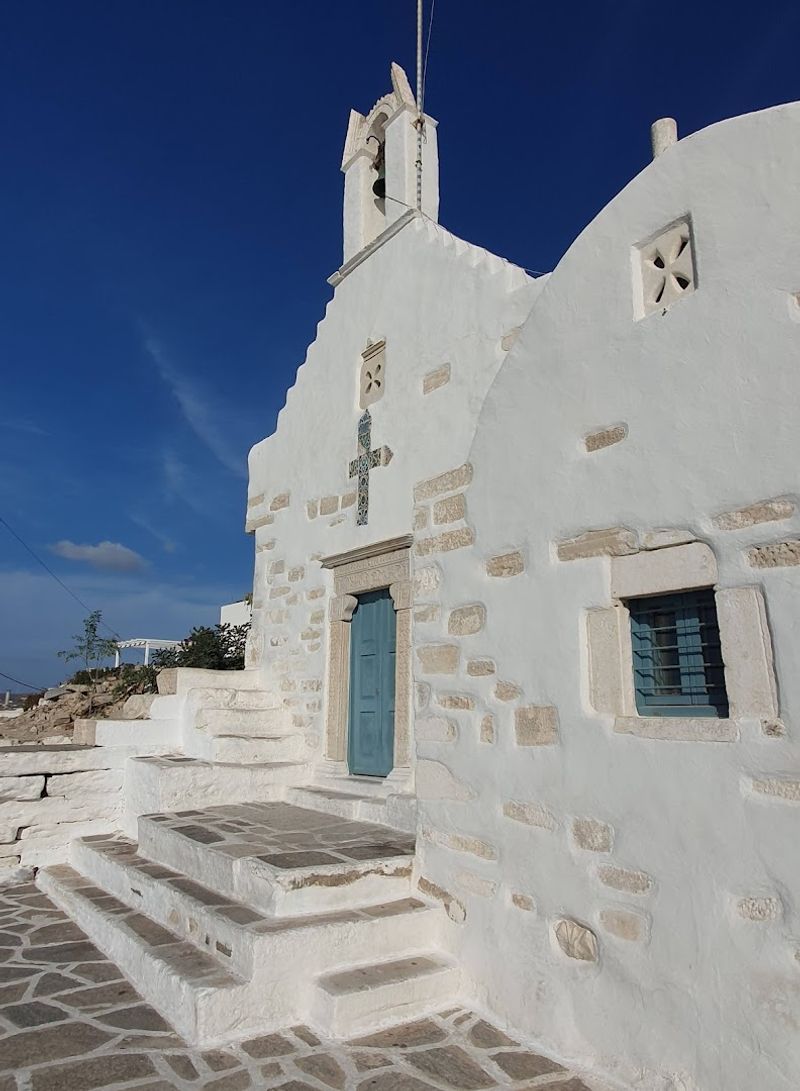
Perched like an eagle’s nest above the Alpheios River, Karytaina commands some of the Peloponnese’s most dramatic terrain. The 13th-century Frankish castle crowns the hilltop, its weathered walls still imposing against mountain skies.
Below, an ancient bridge arches gracefully over the river gorge, connecting past to present with stones laid centuries ago by hands we’ll never know.
The village itself tumbles down the hillside in traditional stone architecture, each house positioned to capture views across valleys that seem to stretch forever. Hiking up to the castle ruins means climbing through history while the landscape opens wider with every step—gorges cutting through mountains, forests darkening distant slopes, and that river glinting like a silver thread through it all.
Karytaina doesn’t get the tourist crowds of coastal towns, which means you might have the castle ramparts to yourself when you finally reach the top. The panoramic sweep from up there takes in rugged Greek interior at its finest—no sanitized resort views here, just raw natural beauty framed by medieval stone.
It’s the kind of place where you understand why Franks built fortresses on these heights, both for strategic advantage and because the views alone feel worth defending.
Mesta — Chios Island’s Fortified Village
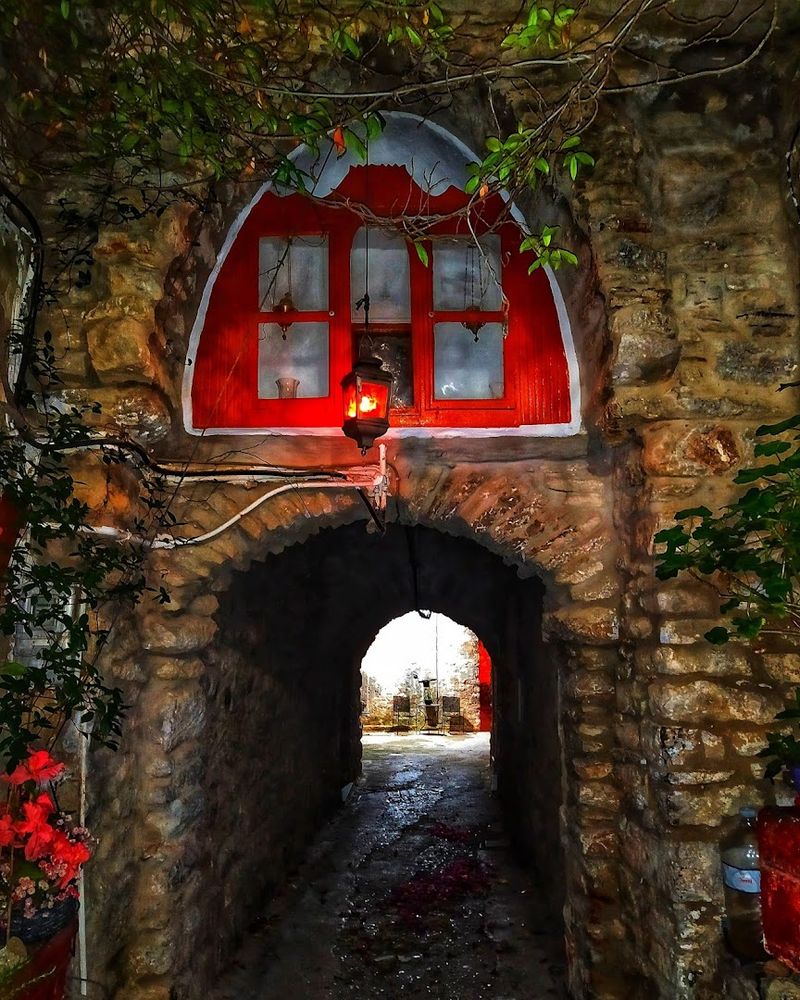
Mesta looks like it was designed by paranoid geniuses—and it was, sort of. Pirates terrorized the Aegean for centuries, so Chios islanders built this fortified village with defense as priority number one.
The result is a perfectly preserved medieval settlement where outer houses form continuous defensive walls and inner pathways twist through archways so narrow two people barely pass.
Walking these stone corridors feels like navigating a three-dimensional puzzle created to confuse invaders. Every turn might dead-end or open onto a tiny square where villagers once gathered when danger approached.
The architecture tells stories of communities living under constant threat, building beauty into necessity—those archways aren’t just functional, they’re graceful.
From Mesta’s elevated position, views stretch across olive groves toward the Aegean, a reminder that beauty and danger often share the same horizon. The village’s preservation means you’re experiencing medieval defensive architecture exactly as intended, minus the pirates.
Climb to higher points and you’ll see how the settlement’s design maximizes both protection and panoramic awareness—residents could spot approaching ships long before they became threats. That combination of ingenious planning and stunning coastal vistas makes Mesta a medieval marvel worth seeking out.
Mystras — Byzantine Capital Frozen in Time
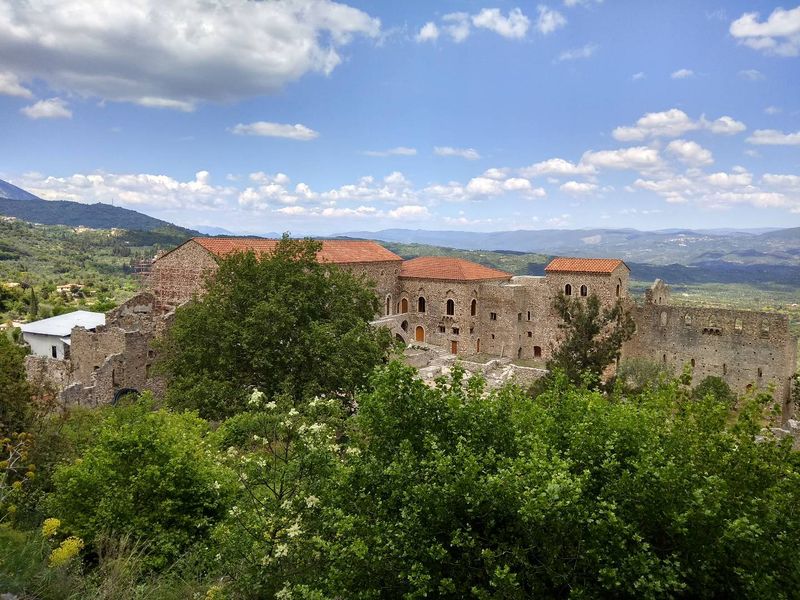
Sprawling across the slopes of Mount Taygetos, Mystras was once Byzantium’s second city—a powerhouse of culture, politics, and Orthodox Christianity. Now its ruins create one of Greece’s most atmospheric medieval sites, where palace walls still stand guard and church frescoes still glow with centuries-old color.
The entire settlement cascades down the mountainside in tiers of history waiting to be explored.
Wandering through Mystras means climbing past monasteries where monks once copied manuscripts, palaces where despots ruled, and fortifications that witnessed the Byzantine Empire’s final chapter. Each level offers better views—first across the valley toward modern Sparta, then wider to encompass mountain ranges that march toward distant horizons.
The strategic brilliance of the location becomes obvious as you climb higher.
What makes Mystras special isn’t just its Byzantine grandeur but how completely the setting enhances the experience. Taygetos rises dramatically behind while the valley spreads peacefully below, creating a sense of being suspended between earth and sky.
The ruins themselves seem to grow from the mountain, stone blending with stone in a way that feels organic. From the uppermost fortifications, you command views that emperors once claimed, understanding why they chose this magnificent, defensible spot to build their medieval capital.
Nafplio (Nauplia) — Venetian Walls Above the Sea
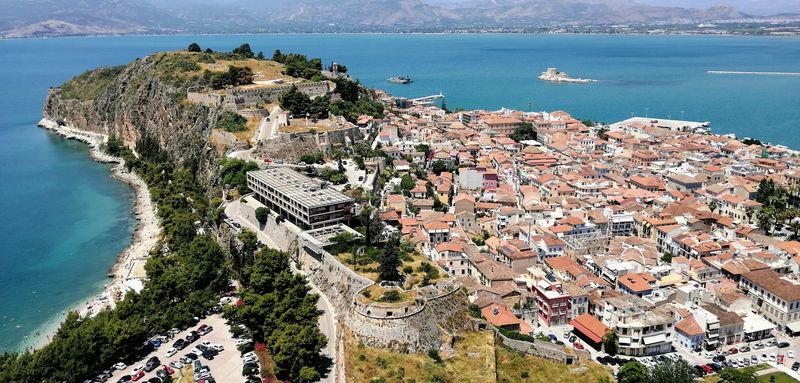
Nafplio wraps itself around a harbor like a cat in sunshine, all terracotta roofs and Venetian elegance. Two fortresses dominate the scene—Palamidi crowning the cliff behind town, and tiny Bourtzi sitting on its own island in the bay like a chess piece someone forgot to move.
The climb to Palamidi means conquering 999 steps (locals swear by that count), but every burning leg muscle becomes worthwhile once you reach the ramparts.
From those heights, the Argolic Gulf spreads blue and brilliant, the old town’s geometric streets map themselves below, and mountains frame the entire composition. Bourtzi looks like a toy from up there, though its own medieval walls once held real cannons aimed at real enemies.
The fortifications tell stories of Venetian engineering prowess—these weren’t just defensive walls but architectural statements declaring power and permanence.
Back at sea level, Nafplio’s charm works differently but just as effectively. Narrow lanes open onto elegant squares, neoclassical mansions stand beside medieval stonework, and harborside cafes offer front-row seats to boats coming and going.
The medieval and Venetian bones give the town character that pure beach resorts lack—history adds depth to beauty, making every view richer for the layers of time visible in fortification walls and ancient harbors.
Zagori Villages — Stone Settlements Overlooking Gorges
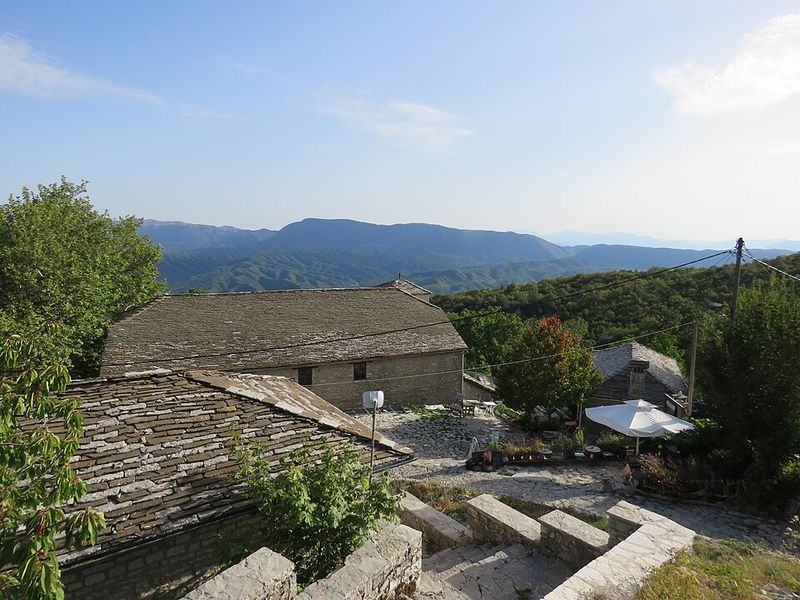
The Zagori region scatters dozens of stone villages across Epirus like someone spilled medieval settlements onto a topographic map. Built entirely from local gray stone, these communities blend into the mountainous landscape so perfectly they seem to have grown rather than been built.
Many trace roots to medieval times when isolation meant self-sufficiency and stone meant survival against harsh mountain winters.
Vikos Gorge—one of the world’s deepest—cuts dramatically through the region, visible from various village vantage points as a massive scar in the earth. The Pindus Mountains rise in successive ridges, their peaks often cloud-wrapped even when valleys bask in sunshine.
Villages like Ano Pedina offer viewpoints where you can see both the gorge’s depths and the mountains’ heights, a vertical landscape that makes most places seem flat by comparison.
What distinguishes Zagori from coastal medieval towns is this wilderness setting. Stone-arch bridges span rushing rivers, cobbled paths connect villages through forests, and views encompass untamed nature rather than civilized seas.
The medieval architecture here served different purposes—not defense against pirates but shelter from elements and isolation. Standing at a village edge, looking across gorges toward distant peaks, you experience Greece’s wild interior where medieval life meant harmony with mountains rather than mastery of them.
Othos — Karpathos’ Mountain Medieval Village
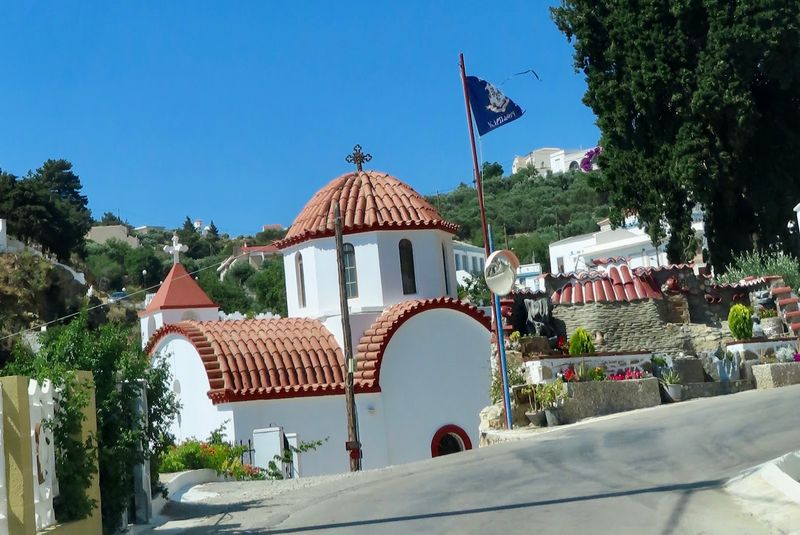
Climb to 500 meters on Karpathos Island and you’ll find Othos clinging to the mountainside like it’s afraid of heights but committed anyway. This traditional village represents a Greece most tourists never see—purely authentic, stubbornly traditional, and offering views that make the steep roads worthwhile.
The elevation means you’re literally looking down on the Aegean, a perspective that inverts the usual beach-to-mountain gaze.
Stone houses stack along the slope, their architecture unchanged by tourism trends or modern convenience. Walking these paths means stepping into a rhythm of life that medieval villagers would recognize—slow, communal, connected to land and sea through generations of accumulated wisdom.
The views stretch across valleys to the eastern coast, where that famous Aegean blue meets rocky shores far below.
Othos proves that medieval atmosphere isn’t just about castles and fortifications. Sometimes it’s about continuity—places where traditional building methods, community structures, and daily rhythms persist because they work.
From various points around the village, you can see why ancestors chose this height despite the climb: the vistas command approaches from the sea, breezes moderate summer heat, and the elevation provides perspective both literal and metaphorical. It’s medieval life without the museum quality, still breathing and real.
Kritsa — Crete’s Hilltop Village With Panoramas
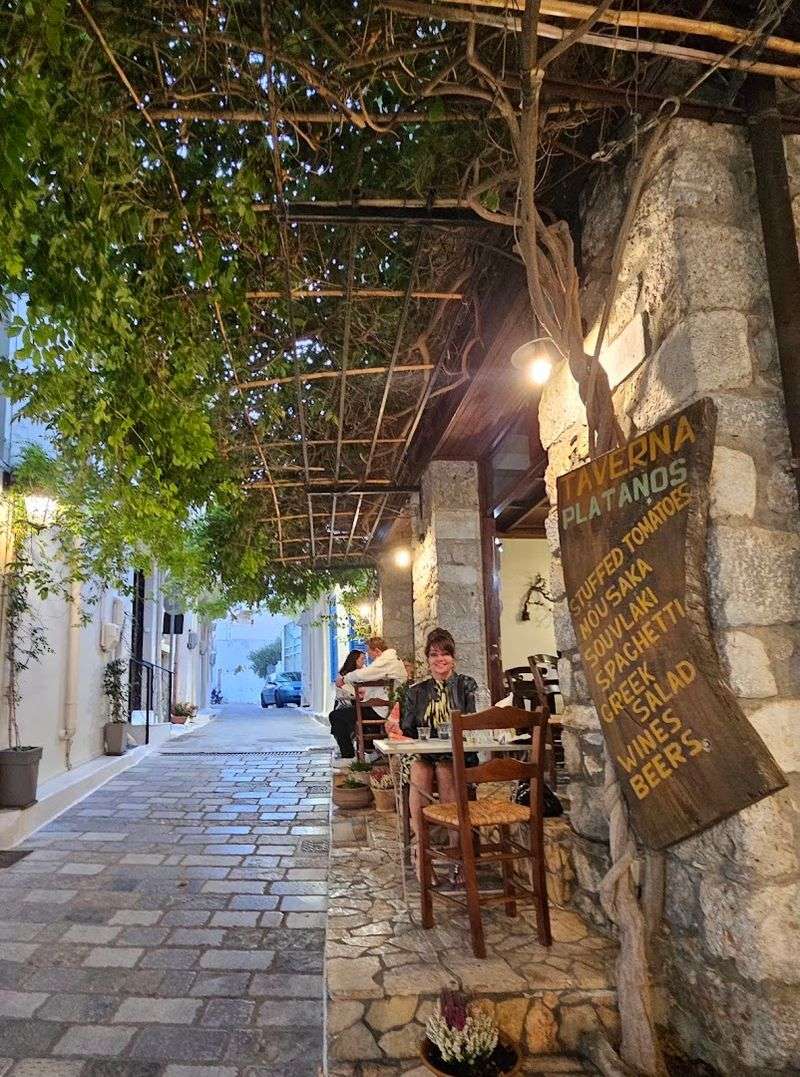
Kritsa tumbles down a Cretan hillside like white dice someone tossed from the summit, landing in a pattern that seems random but works perfectly. This ancient settlement predates the medieval period but gained its current character during those middle centuries when Byzantine influence shaped Crete’s villages.
The labyrinth of narrow lanes follows no grid—these streets evolved organically, responding to terrain and tradition rather than planning boards.
Byzantine churches hide throughout the village, their frescoed interiors preserving medieval art that somehow survived centuries of conquest and change. Climbing through Kritsa means discovering these treasures almost by accident, turning a corner and finding yourself face-to-face with 14th-century religious paintings.
The architecture tells stories of communities that valued beauty even in hard times, adding grace notes to functional stone.
From higher vantage points, Mirabello Bay spreads below in shades of blue that defy description—turquoise near shore, deepening to sapphire farther out, all framed by olive groves that silver in the breeze. The countryside rolls away in patterns of cultivation older than memory, terraces carved by hands long turned to dust.
Kritsa offers that increasingly rare combination: genuine traditional life continuing in a setting so beautiful it could be a movie set, except it’s completely real and refreshingly unpolished.
Corfu Old Town — Fortified Views and Historic Alleys
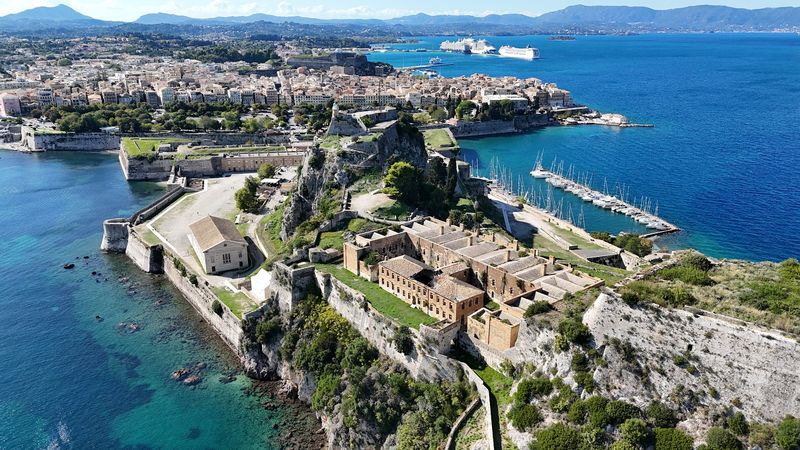
Corfu Old Town wears its history in layers like a cake made by competing bakers—Venetian fortifications, French arcades, British elegance, Greek soul. The result is a UNESCO World Heritage maze where every alley tells a different story and fortresses command views across the impossibly blue Ionian.
Two massive citadels bookend the old town, their walls and battlements offering elevated perspectives that make the climb worthwhile despite summer heat.
The narrow streets create a world apart from modern Corfu, their stone passages cool and shadowy even when beaches bake. Venetian shutters line buildings painted in faded pastels, laundry strings between balconies, and sudden squares open like breathing spaces in the urban labyrinth.
This is medieval town planning at its most organic—streets designed for foot traffic and defense, not cars and convenience.
From the fortress ramparts, you understand Corfu’s strategic importance. The sea approaches from multiple directions, the Albanian coast looms visible across narrow straits, and the town’s tiled roofs spread below like a terracotta sea.
These fortifications weren’t decorative—they defended a crucial position where Adriatic meets Ionian, where east confronts west. Today they defend only views, but what views: coastal panoramas that blend medieval architecture with maritime beauty in ways that justify every travel writer’s superlatives.
Share this story