Some bands arrive with a first album so strong that everything after lives in its shadow. This list looks at debuts that set a high bar in songwriting, impact, and cultural reach.
You will find albums that defined sounds, moved scenes forward, and still dominate playlists decades later. The goal is not to dismiss later work, but to recognize where the apex often began.
1. Guns N’ Roses – Appetite for Destruction (1987)
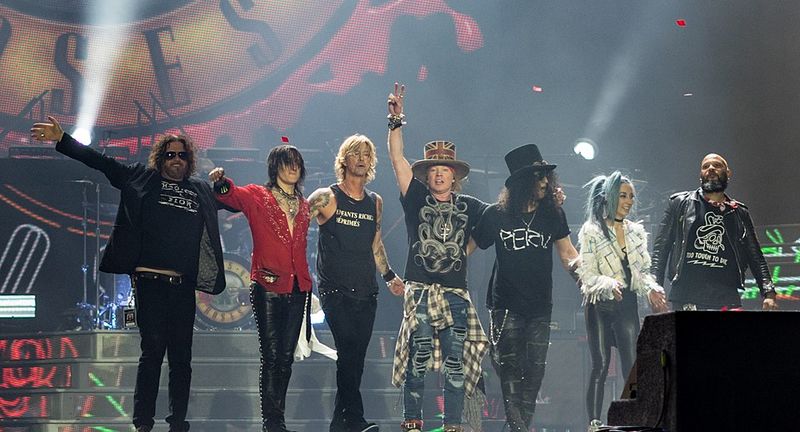
Appetite for Destruction landed like a shock, bringing street-level grit to radio rock in 1987. Its blend of sleaze, punk attitude, and classic riff craft made Welcome to the Jungle, Sweet Child o’ Mine, and Paradise City instant standards.
The album captured a volatile chemistry that felt dangerous yet precise, converting Sunset Strip menace into global anthems.
Production by Mike Clink kept the guitars sharp and the rhythm section punchy, while Axl Rose’s dynamic range cut through every mix. The sequencing moved with purpose, never sagging, giving the record a lived-in club energy.
Critics initially hesitated, but word-of-mouth and relentless touring turned it into a slow-burn blockbuster.
Later releases were ambitious and at times excellent, yet the debut’s unified aesthetic and cultural penetration were unmatched. Appetite defined hard rock at a critical transition point between glam gloss and alt-era reinvention.
When people think of the band’s essence, they go back to this document.
If you revisit it today, the immediacy remains intact. The riffs still snarl, the hooks still climb, and the swagger still frames the narrative.
Appetite stands as the definitive first statement, both blueprint and summit for the band’s identity.
2. Boston – Boston (1976)
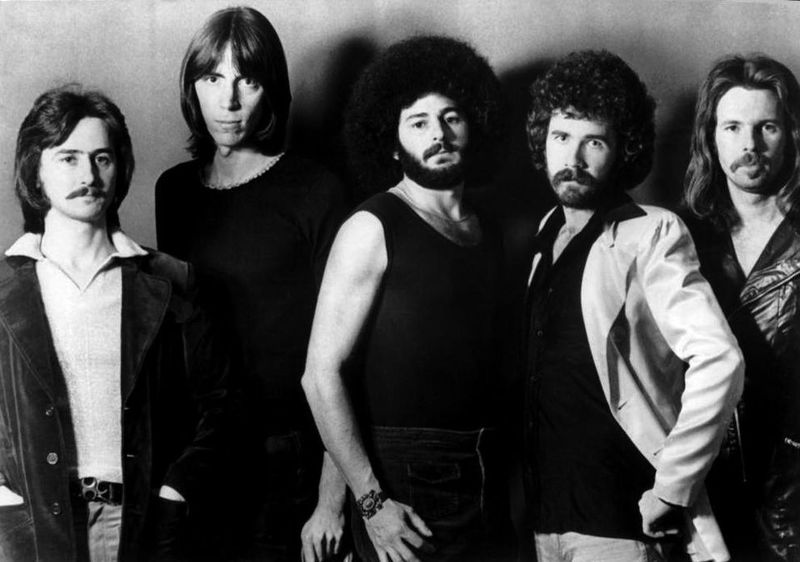
Boston’s debut fused arena ambition with meticulous studio craft, arriving fully formed in 1976. Tom Scholz’s obsessive engineering created stacked guitars and pristinely layered vocals that sounded futuristic for FM rock.
More Than a Feeling, Peace of Mind, and Foreplay/Long Time became fixtures, balancing muscle with melodic clarity.
The record was famously assembled in a home studio, then polished for mass appeal, setting a template for audiophile rock. Its sonic signature is bright yet powerful, with harmonized leads carrying soaring choruses.
Radio embraced it across formats, bridging hard rock and pop without diluting either side.
Subsequent albums refined the formula but rarely expanded its reach, partly because the debut already owned the space. The combination of technical perfectionism and emotional uplift proved difficult to surpass.
When listeners seek the quintessential Boston sound, this is where they land first.
Play it now and the mixes still feel vivid and air-tight. The guitars chime, the drums crack, and the vocals glide across precise arrangements.
Boston’s debut established a gold standard, marking a peak where mainstream rock, craft, and warmth intersected with rare balance.
3. The Stone Roses – The Stone Roses (1989)
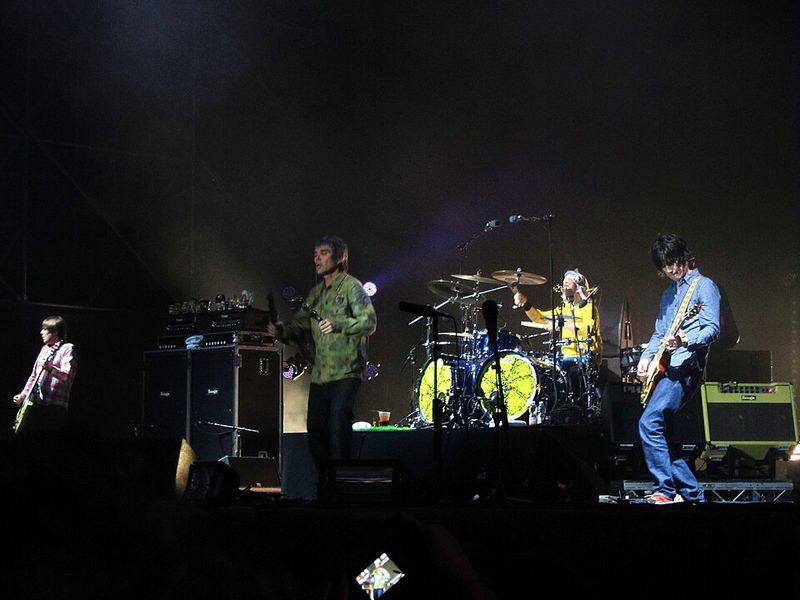
The Stone Roses’ debut distilled Madchester’s groove, psychedelia, and pop idealism into one cohesive statement. I Wanna Be Adored, She Bangs the Drums, and I Am the Resurrection locked into buoyant rhythms with chiming guitars.
John Squire’s melodic lines and Ian Brown’s cool detachment built a hypnotic mood that felt both casual and exacting.
The production balances danceable low end with jangly sparkle, hinting at rave culture without sacrificing guitar classicism. In the UK, critics and fans embraced it as a generational reset, connecting post-punk lineage with a sunnier sensibility.
Even its artwork and sequencing read as manifesto-level intention.
Years of legal troubles and delays blunted momentum, making the follow-up arrive under impossible expectations. While moments later shined, the debut’s alchemy stayed singular.
Many bands borrowed the swing, but few matched its ease and poise.
Revisiting it reveals songs that are both open-ended and durable. The choruses float, the grooves push, and the textures shimmer with resilient confidence.
The Stone Roses proved that a debut could set a scene, define a taste, and remain the touchstone despite time and change.
4. The Strokes – Is This It (2001)
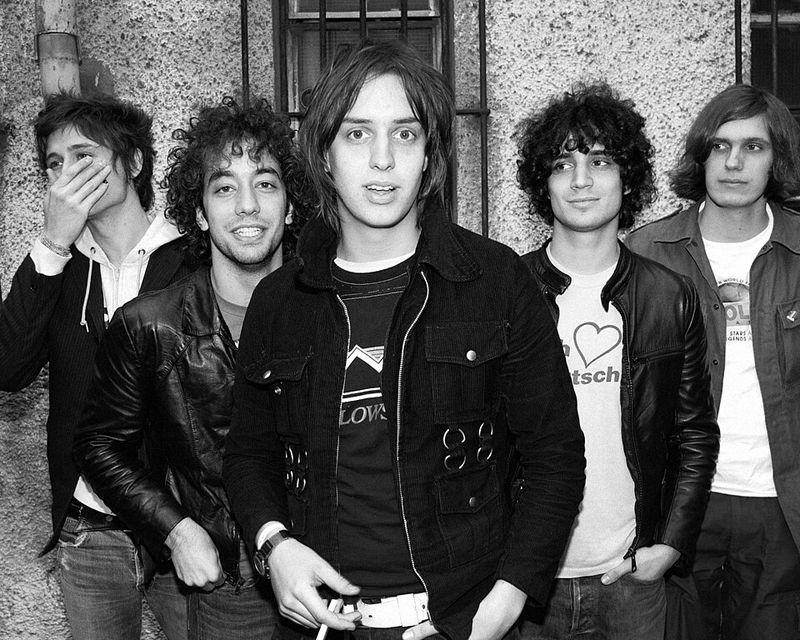
Is This It condensed downtown New York cool into sharp, economical songs that reset early 2000s rock. Tight rhythms, interlocking guitars, and Julian Casablancas’ weary melodic lines gave the album instant identity.
Tracks like Last Nite and Someday felt familiar yet new, merging garage grit with pop structure.
The production is famously dry, letting parts snap together with minimal studio gloss. This clarity made the interplay unmistakable, encouraging listeners to follow every riff handoff.
Critics aligned quickly, framing the record as a scene-defining spark for indie’s mainstream resurgence.
Later albums explored textures and tempos, but the debut’s concise mission remained unmatched in cohesion. Its cultural impact, from fashion to festival bills, established a template many bands chased.
The Strokes sounded like a group already living in their final form.
Play it today and the pacing still hits with unfussy confidence. The hooks arrive on time, the drums stay crisp, and the guitars converse without clutter.
Is This It stands as a pristine first impression, the clearest articulation of their strengths and their lasting reference point.
5. The Killers – Hot Fuss (2004)
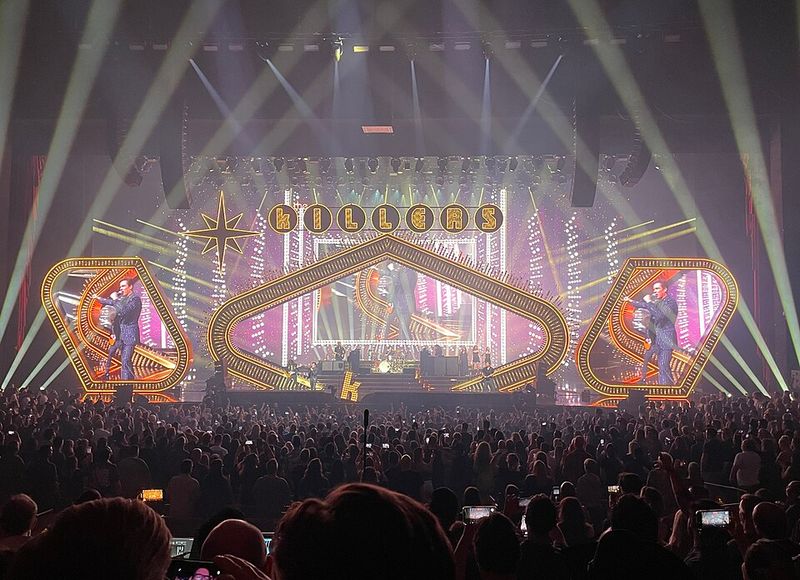
Hot Fuss arrived with glossy synth hooks and sharp guitar lines, threading new wave sheen through Vegas storytelling. Mr. Brightside and Somebody Told Me became enduring singalongs, while All These Things That I’ve Done offered an anthemic midpoint.
The band balanced club-ready pulse with rock urgency, making radio and dance floors meet.
Production leaned crisp and bright, highlighting Brandon Flowers’ dramatic vocal phrasing. Each track felt arranged for maximum immediacy without neglecting dynamics and bridges.
The album’s pacing carried a sense of momentum that encouraged full-play listens during the CD era.
Subsequent records earned critical moments, yet the debut’s cachet stayed culturally dominant. Its singles never left rotation, and its sound influenced a wave of synth-leaning indie acts.
When people name defining 2000s tracks, cuts from Hot Fuss often lead the roll call.
Return to it now and the choruses still light up quickly. The drums punch, the bass locks the groove, and the keys color everything with neon edge.
Hot Fuss stands as The Killers’ tightest front-to-back statement and the clearest snapshot of their breakthrough charisma.
6. Rage Against the Machine – Rage Against the Machine (1992)
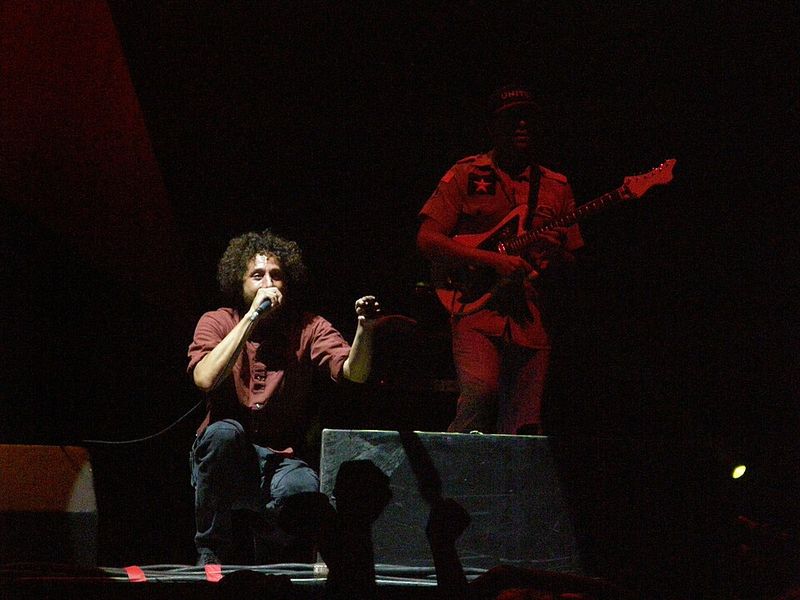
Rage Against the Machine’s debut fused rap cadences, metal weight, and funk precision into a singular protest record. Tom Morello’s guitar innovations mimicked turntablism, while Tim Commerford and Brad Wilk locked tight grooves.
Zack de la Rocha delivered pointed lyrics with rallying intensity that translated powerfully on stage and record.
The production captured live energy without losing clarity, making Killing in the Name and Bombtrack ignite on first impact. Each arrangement left space for dynamics, allowing quiet-to-explosion arcs to land hard.
Critics and audiences recognized a new vocabulary for heavy music with political focus.
Later albums expanded themes, but the debut’s purity and shock value remained unmatched. It set an expectation for sonic risk and lyrical directness that defined their brand.
The record’s artwork and message combined to form a complete, uncompromising statement.
Listen today and the riffs still cut like sirens. The rhythm section swings with tensile strength, and vocals channel urgency without blurring meaning.
Rage’s debut stands as their most essential distillation, the reference point for the band’s power, intent, and cultural footprint.
7. Weezer – Weezer (Blue Album) (1994)
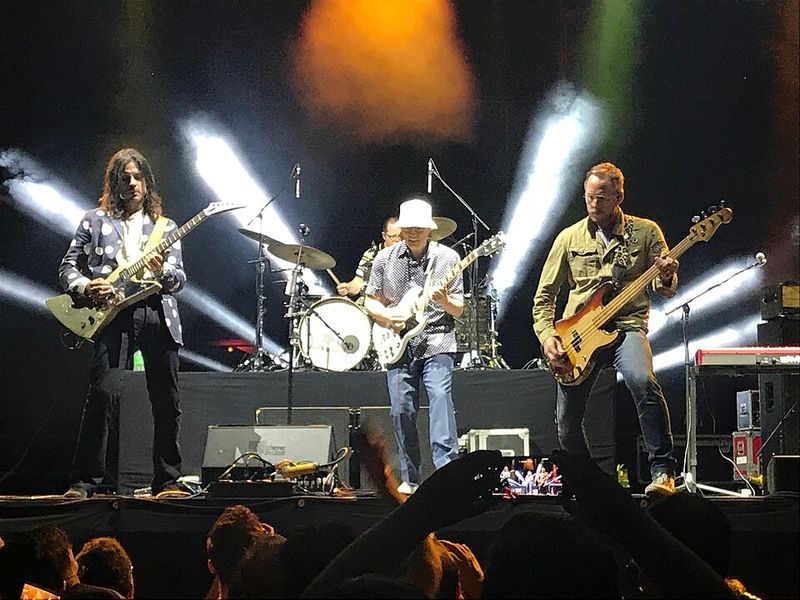
Weezer’s Blue Album delivered power-pop precision with crunchy guitars and clean melodies that felt instantly classic. Rivers Cuomo’s songwriting paired self-aware lyrics with airtight hooks, producing Buddy Holly, Say It Ain’t So, and Undone.
The sequencing gave each track room, creating a concise, replayable front-to-back experience.
Ric Ocasek’s production kept tones punchy and vocals crisp, highlighting harmonies without overstuffing mixes. Guitar leads were economical, making riffs memorable rather than showy.
The Blue Album resonated with both mainstream listeners and guitar nerds, bridging sincerity and irony with unusual ease.
Though Pinkerton earned cult devotion later, many still view the debut as the band’s cleanest peak. It captured a perfect balance of geeky charm and radio-ready craft.
When casual fans reach for Weezer, this is the record they usually mean.
Today, its economy and clarity remain instructive. The choruses hit, the bridges surprise, and the overall tone stays bright without gloss fatigue.
Weezer’s debut presents the band’s DNA in a distilled form, the standard by which their later eras are measured.
8. Arctic Monkeys – Whatever People Say I Am, That’s What I’m Not (2006)
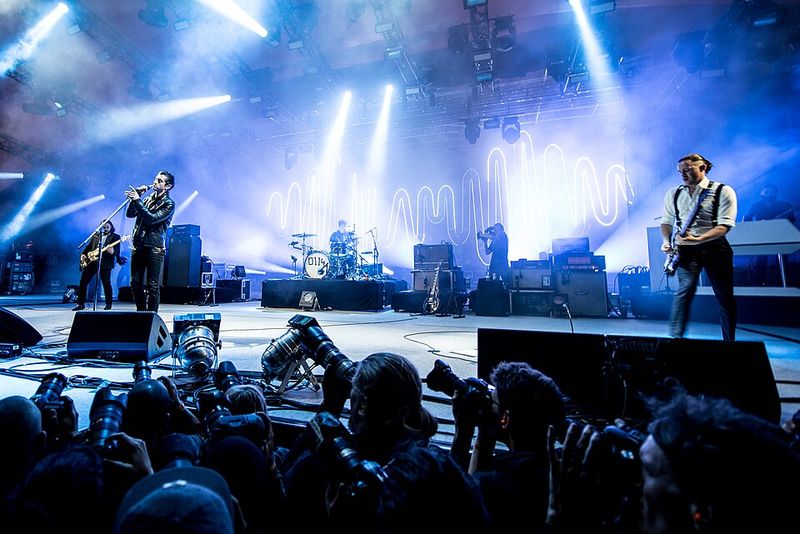
Arctic Monkeys’ debut captured sharp nightlife observations over taut, speedy guitar lines and elastic drums. Alex Turner’s lyrics balanced wit and detail, sketching club queues, taxis, and half-cut conversations.
Tracks like I Bet You Look Good on the Dancefloor and When the Sun Goes Down surged with scene energy.
The production stayed lean, letting rhythm shifts and wordplay drive momentum without studio clutter. The band’s quick interplay turned choruses into sprints and bridges into pivots.
UK hype could have sunk it, but execution justified the excitement with durable songs.
Later work evolved impressively, yet the debut’s immediacy and documentary feel remain singular. It arrives like a snapshot album, rooted in place and time but musically agile.
The record made indie clubs feel like news dispatches set to drum fills.
Return to it now for velocity and character. The guitars slash, the bass darts, and lyrics land punchlines with everyday precision.
This first chapter still defines the group’s breakout identity, the most distilled version of their early charge and charm.
9. The Pretenders – Pretenders (1980)
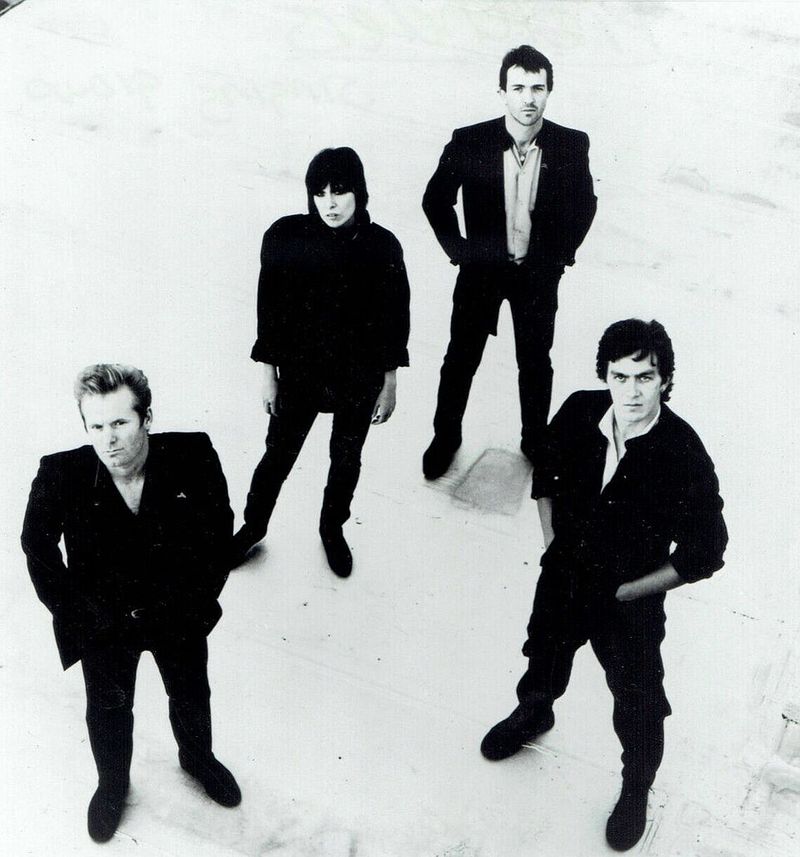
Pretenders blended punk snap with melodic sophistication on a debut that feels both tough and tuneful. Chrissie Hynde’s voice carried cool authority, navigating Brass in Pocket and Precious with precise phrasing.
The band’s guitar work moved between wiry rhythm and elegant leads without losing edge.
Production balanced bite and clarity, presenting arrangements that reward repeat listens. The rhythm section guided tempo shifts that made even mid-tempo tracks feel tightly wound.
Radio embraced the hooks while critics praised Hynde’s songwriting control and emotional economy.
Subsequent albums produced highlights, but the first record holds a rare unity of purpose. It set the group’s parameters and met them confidently, leaving a lasting benchmark.
When fans describe the quintessential Pretenders sound, this is usually the reference.
Revisiting it reveals a band fluent in contrasts. Toughness meets tenderness, minimalism meets melody, and every part earns its place.
Pretenders stands as an elegant opening statement whose focus and craft still carry weight.
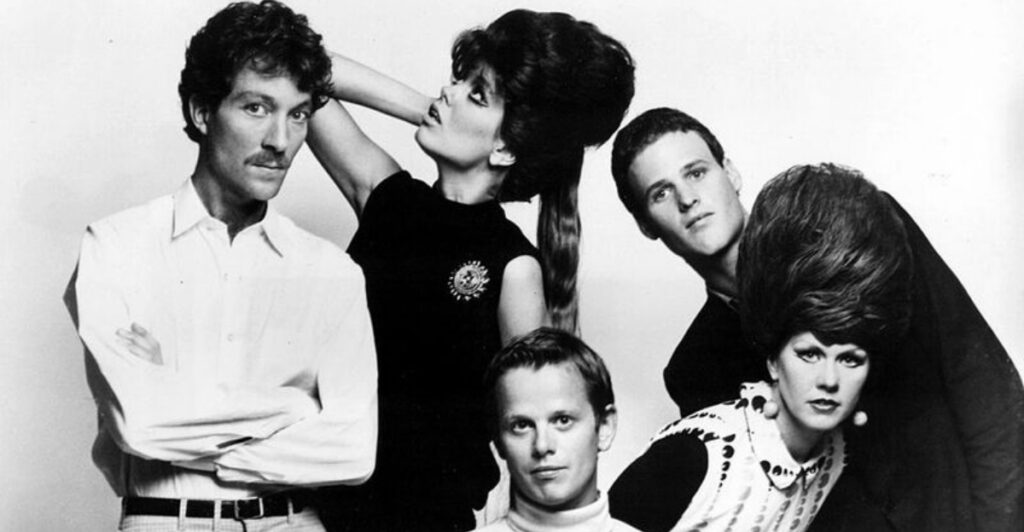
10. The B-52’s – The B-52’s (1979)
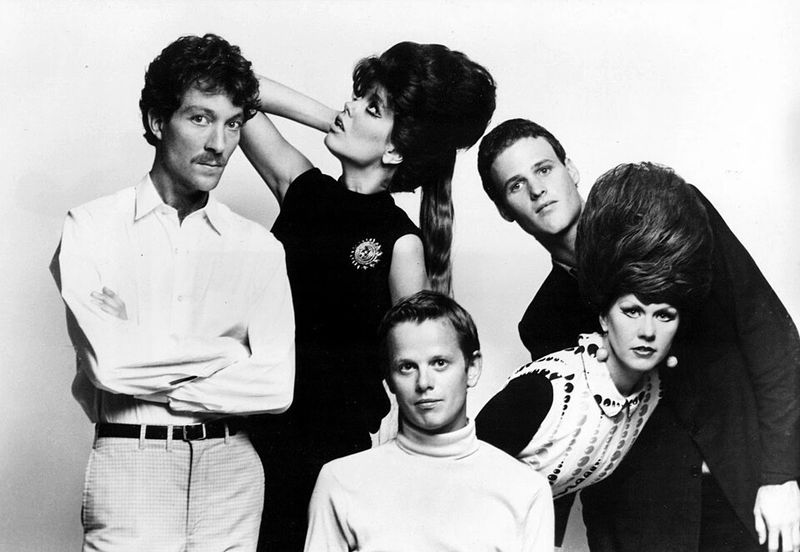
The B-52’s debut arrived quirky, colorful, and danceable, mixing surf guitar with space-age camp. Rock Lobster and Planet Claire turned go-go grooves into art-pop with witty call-and-response vocals.
The band leaned into kitsch without irony fatigue, making parties feel like performance art.
Production kept textures punchy and bright, with organ stabs and twangy lines in crisp balance. The rhythm section delivered springy momentum that suited both clubs and college radio.
Critics recognized a distinct voice that refused to fit standard punk or pop lanes.
Later albums delivered great singles, but the debut’s world-building felt especially complete. Its aesthetic coherence, from cover art to vocal blend, created an instantly recognizable brand.
You can hear its influence echo across indie, dance-punk, and alt-pop.
Spin it now and the energy still feels delightfully odd yet inviting. The hooks stick, the beats bounce, and the humor lands without feeling dated.
The B-52’s launched fully realized, and their first LP remains the clearest snapshot of that spark.
11. Violent Femmes – Violent Femmes (1983)
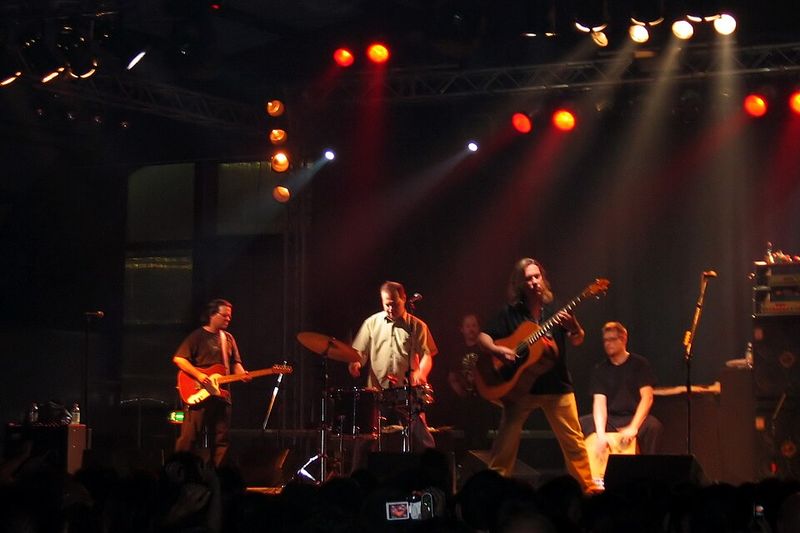
Violent Femmes’ debut paired nervy confessionals with acoustic bite, turning busker energy into alt-radio staples. Blister in the Sun, Add It Up, and Kiss Off used simple chords and charged dynamics to memorable effect.
Gordon Gano’s vocals carried teenage urgency without losing melodic shape.
The recording sounds close and raw, like a room performance caught with minimal polish. That intimacy let lyrics land with diaristic clarity, while rhythm accents kept everything jumpy.
College radio and mixtape culture passed the songs along, growing a loyal audience.
Later records explored broader tones, but the debut’s unfiltered spark proved singular. Its portability, from dorm rooms to small clubs, made it a rite of passage listen.
The balance of vulnerability and attitude struck a nerve across generations.
Play it today and the strums still feel percussive and immediate. The choruses shout back easily, and the pacing keeps nerves pleasantly on edge.
Violent Femmes’ first LP remains their essential statement, the simplest, most direct version of their appeal.
12. Third Eye Blind – Third Eye Blind (1997)
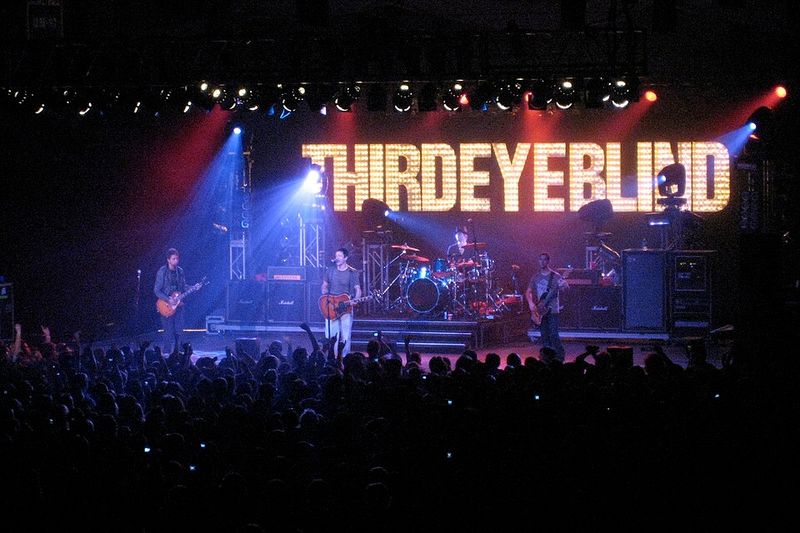
Third Eye Blind’s debut merged radio-ready hooks with alt-rock guitar textures during the post-grunge transition. Semi-Charmed Life, Jumper, and How’s It Going to Be delivered big choruses framed by thoughtful arrangements.
Stephan Jenkins’ melodic instincts and rhythmic delivery kept songs agile and memorable.
The production favored clarity, allowing layered guitars and vocal harmonies to shine without bloat. Sequencing balanced upbeat singles with reflective tracks, making the album a reliable front-to-back listen.
The record moved significant units while maintaining a slightly off-center edge.
Follow-ups contained strong singles, but the debut’s consistency and chart presence set the high-water mark. It captured a moment when alternative sensibilities comfortably lived on pop radio.
For many listeners, this album defines the band’s core sound and identity.
Revisit it and the melodies still snap into place. The drums sit tight, the guitars chime, and lyrics carry enough detail to hold attention.
Third Eye Blind’s first outing remains their most cohesive achievement, balancing mass appeal with craft.
13. Bloc Party – Silent Alarm (2005)
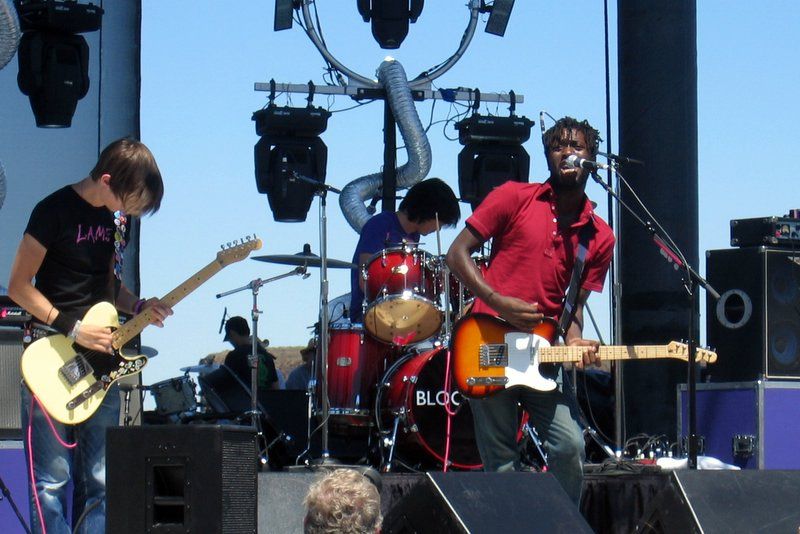
Silent Alarm channeled angular guitars, skittering drums, and emotionally direct vocals into a sleek post-punk revival statement. Helicopter and Banquet sprinted with nervous energy, while This Modern Love opened space for tenderness.
The band’s interplay felt precise and alive, driven by Matt Tong’s kinetic drumming.
Production emphasized clarity and separation, making guitar stabs, bass runs, and vocal lines distinct. The mix let tension build and release across carefully paced sequencing.
Critics widely praised the record, citing its urgency and melodic intelligence.
Later albums experimented with electronics and mood, yet the debut’s balance remained unmatched. It captured a scene zeitgeist without feeling trend-locked, giving it durable replay value.
Silent Alarm became a reference for danceable precision paired with introspective writing.
Spin it now and the rhythms still feel electric. The hooks surface quickly, but layers reveal on repeat listens.
Bloc Party’s first album stands as their clearest thesis, both immediate and considered, bridging club tempos with guitar-centric emotion.
Share this story