Most people think of Florida as flat, sunny, and packed with theme parks and beach resorts. But tucked away in the Florida Panhandle, there is a state park that breaks every single one of those expectations.
Here, you will find steep bluffs rising above a wide river, trails that actually make your legs work, and a historic plantation home that tells stories going back centuries. This park draws hikers, history buffs, campers, and curious day-trippers who want something genuinely different from the usual Florida experience.
The wildlife is varied, the scenery shifts around every bend, and the sense of stepping back in time is surprisingly strong. Whether you are planning your first visit or returning after years away, this place has a way of leaving a lasting impression that most Florida destinations simply cannot match.
Where Exactly You Will Find This Park
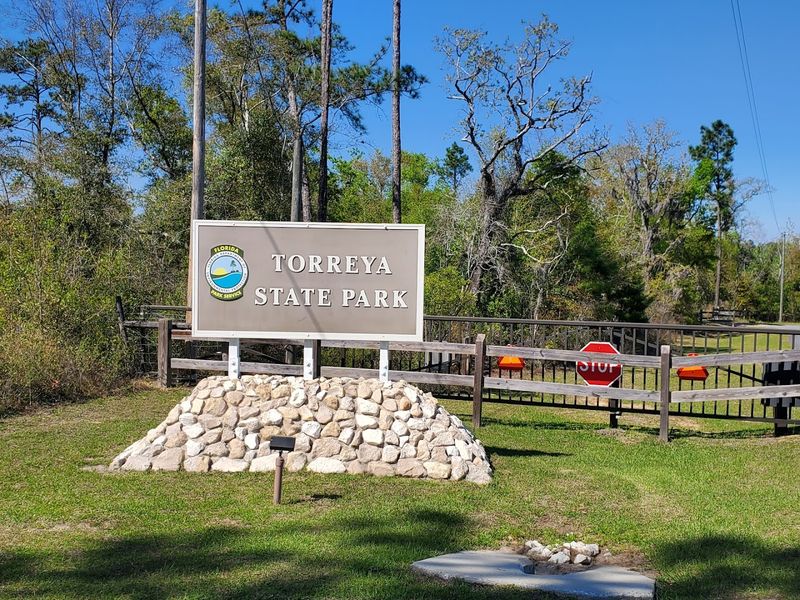
Torreya State Park sits at 2576 NW Torreya Park Rd, Bristol, FL 32321, deep in Liberty County in the Florida Panhandle. The address sounds remote because it genuinely is, and that remoteness is a big part of its appeal.
Bristol is a small, quiet town, and the park road winds through thick forest before opening up to the main facilities. The GPS coordinates place it at roughly 30.56 degrees north latitude, which puts it far closer in character to the Appalachian foothills than to South Florida.
You can reach the park by car, and the roads leading in are paved but narrow. The park is open daily, and you can reach the office at 850-643-2674 or visit the official site at floridastateparks.org/park/Torreya for current hours and fees.
Plan your route ahead of time, as cell service in the area can be spotty.
The Bluffs Above the Apalachicola River
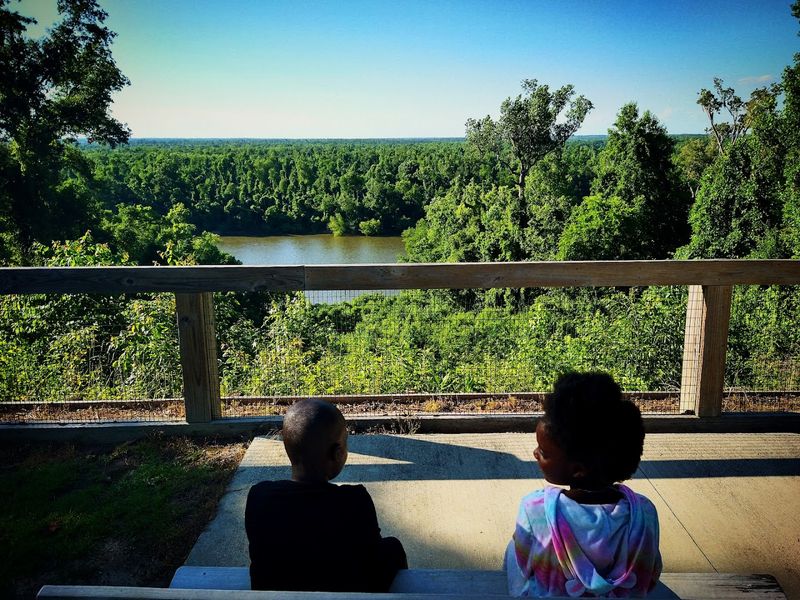
Few things in Florida prepare you for the moment you walk to the edge of the bluff and look down at the Apalachicola River flowing far below. The park sits atop a ridge that rises roughly 150 feet above the river, which is genuinely dramatic by any standard, but especially by Florida standards.
The views from the overlooks near the Gregory House are wide and peaceful, with the river curving through a broad valley of hardwood forest. On clear days, you can see for what feels like miles in every direction, and the contrast between the green canopy below and the open sky above is striking.
Visiting in the fall adds another layer of color, as the elevation and cooler temperatures here actually produce leaf color changes that most of Florida never sees. Standing at that overlook is one of those rare travel moments that feels genuinely worth the drive.
The Gregory House and Its Fascinating History
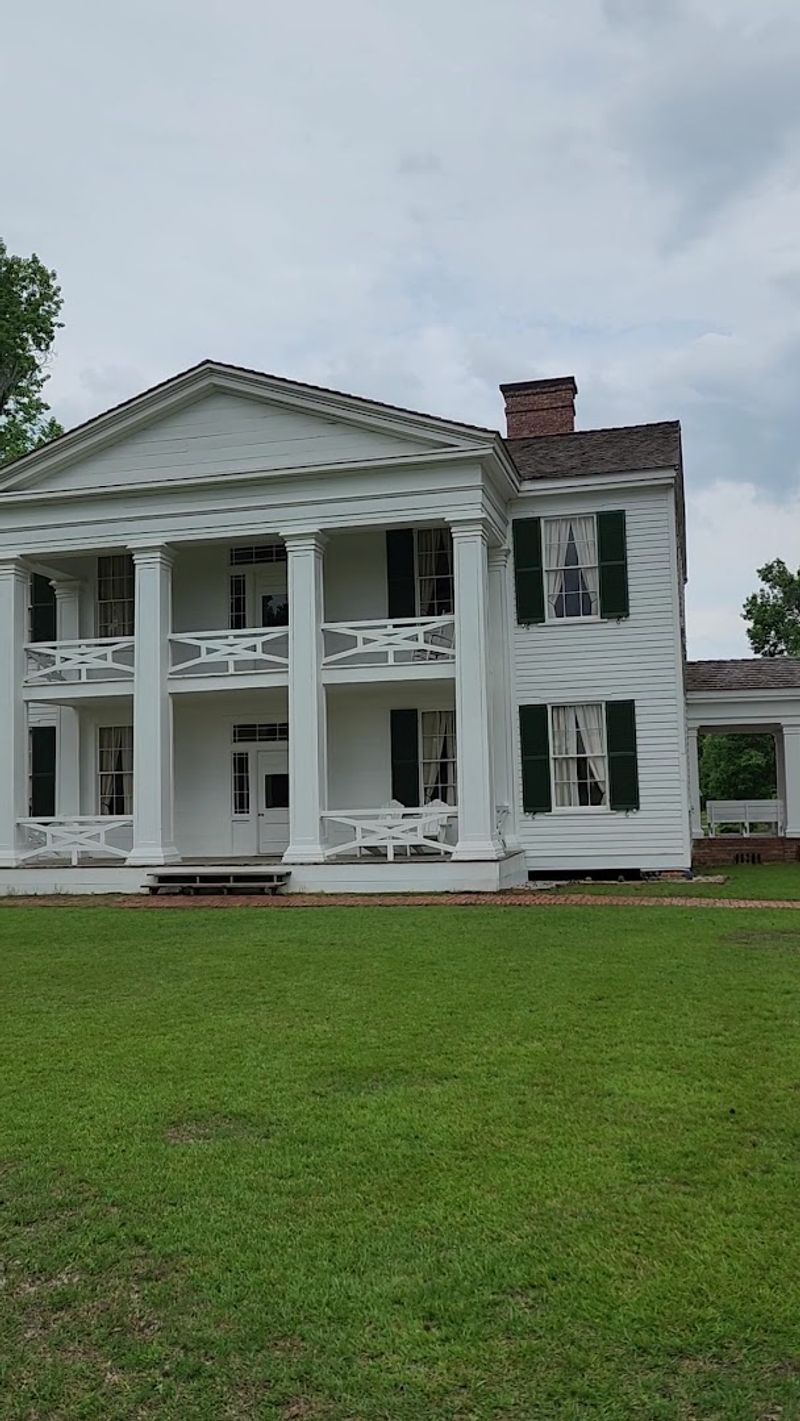
The Gregory House is the kind of place that makes history feel close and real rather than dusty and distant. Built in the 1800s as a river plantation home, the house features classic antebellum architecture with Georgian columns facing the Apalachicola River, and its design was specifically intended to allow the structure to float if floodwaters rose high enough.
That detail alone says a great deal about the ingenuity and resilience of the people who built and lived in it. Tours run at 10 AM on weekdays and at 10 AM and 2 PM on weekends, with an additional 2:30 PM option on Saturdays at certain times of year.
The tour costs just three dollars per person, which makes it one of the best-value history experiences in the entire state park system. The guides are knowledgeable, engaging, and clearly passionate about the stories this house holds within its walls.
Hiking Trails That Actually Challenge You
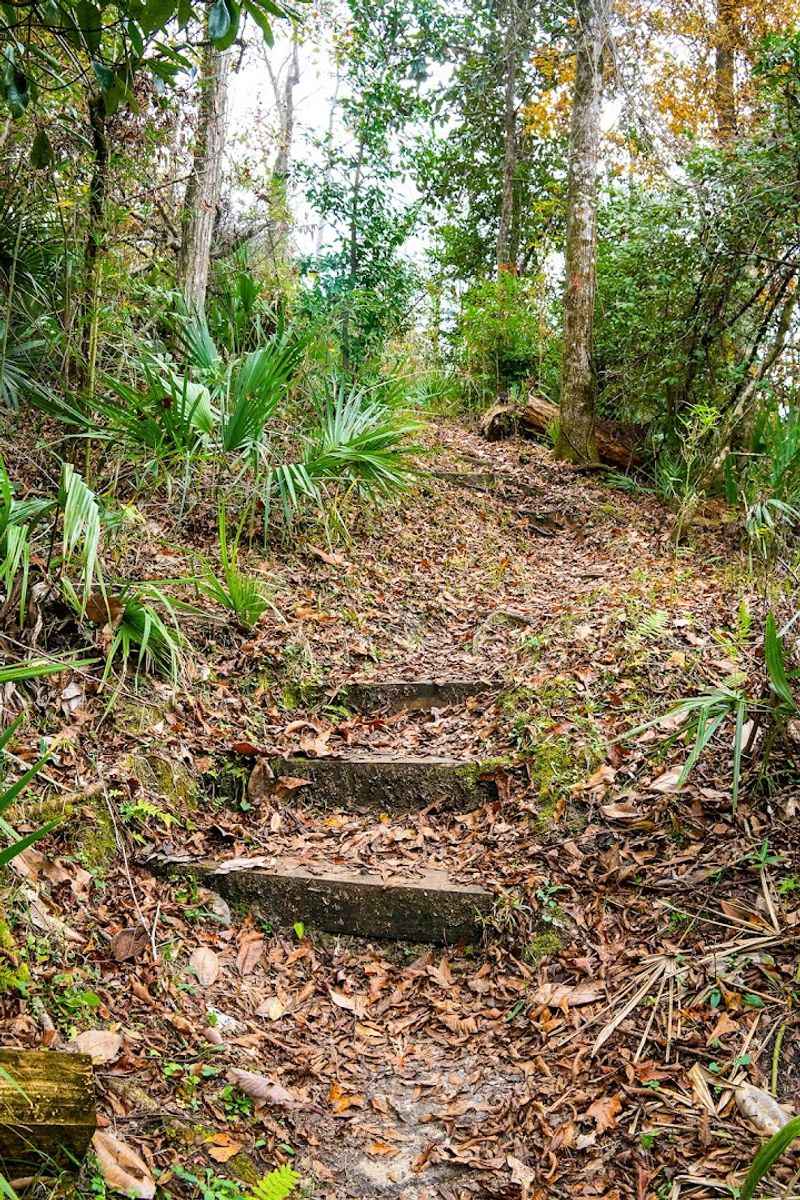
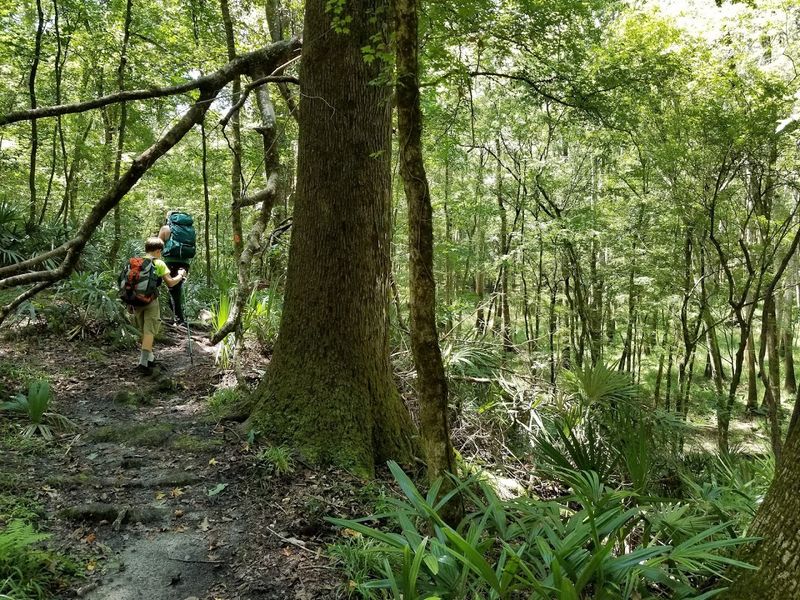
Flat hiking trails are practically a Florida trademark, which is exactly why Torreya State Park feels like such a refreshing change of pace. The trails here have real elevation changes, steep sections, and terrain that actually demands attention and effort from your legs and your lungs.
The main loop trail stretches roughly 6.7 miles, though some hikers report covering closer to 7.8 miles depending on the route taken. The trail meanders through several distinct plant communities, crosses small streams on wooden bridges, and passes through areas still showing the marks of Hurricane Michael, which struck the region in 2018.
Shorter trails are also available for visitors who want a taste of the terrain without committing to the full loop. The park recommends sturdy footwear and plenty of water, especially during warmer months, and the trail descriptions on the park website give honest assessments of difficulty levels.
The Rare Torreya Tree and Unique Flora
The park takes its name from one of the rarest trees on Earth, the Florida torreya, known scientifically as Torreya taxifolia. This ancient conifer grows naturally in only a tiny area along the Apalachicola River bluffs, making Torreya State Park one of the only places on the planet where you can see it in its native habitat.
The species has faced serious challenges from disease over the past century, and Hurricane Michael in 2018 wiped out roughly half of the approximately 600 torreya trees that had been propagating in the park. Conservation efforts are ongoing, and the park staff work hard to protect and restore the remaining population.
Beyond the torreya itself, the park’s unusual elevation and soil conditions support a plant community quite different from the rest of Florida, including species more commonly found in the Appalachian region. Botany enthusiasts will find plenty here to keep them occupied for hours.
Camping Options for Every Style of Traveler
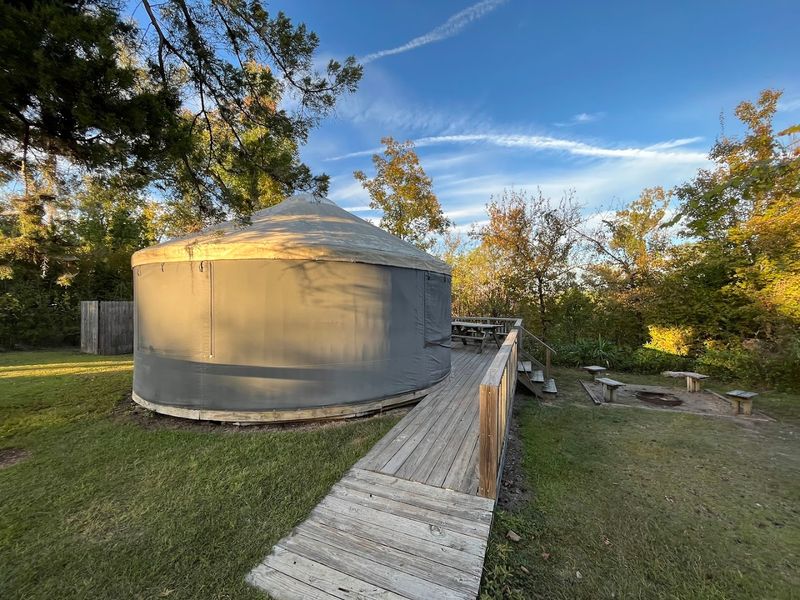
Camping at Torreya State Park has a genuinely old-Florida atmosphere that is hard to find elsewhere. The campground is small and quiet, with sites set among trees and separated by established shrubs and natural vegetation that give each spot a sense of privacy.
Most sites offer water and electric hookups, along with a picnic table and fire ring. The campground also features clean bathrooms, shower facilities, and a small laundry area with washer and dryer access at a very low cost per use.
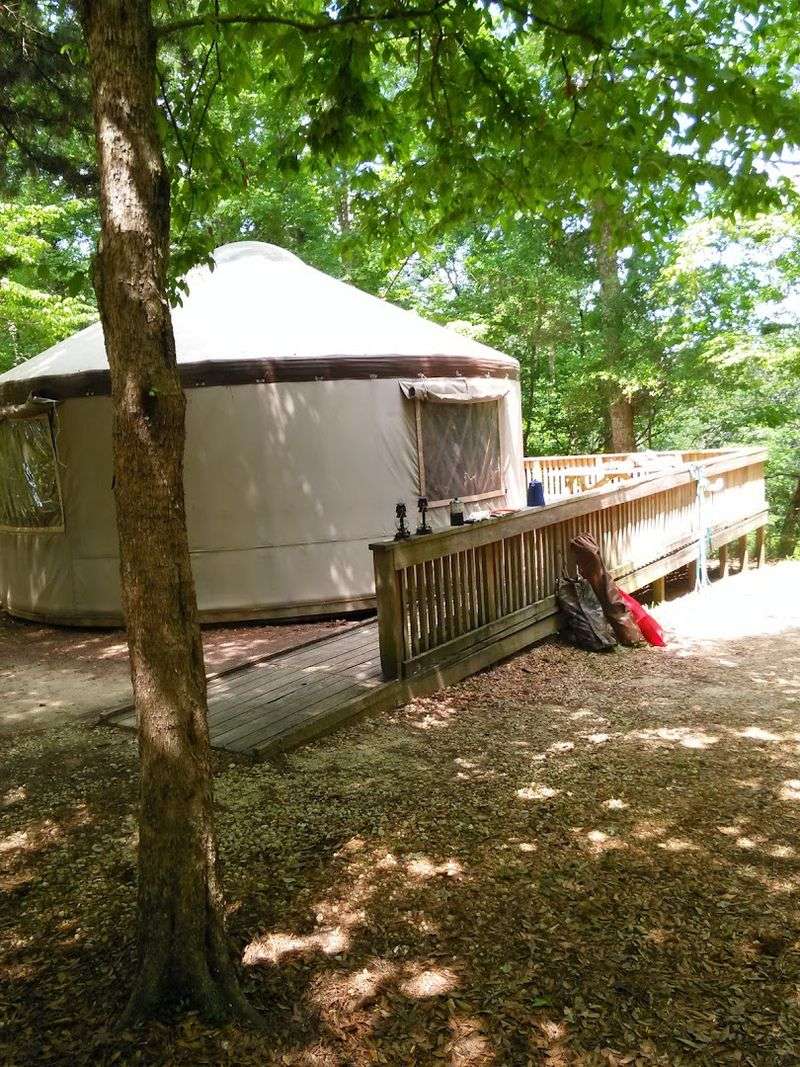
For those who prefer something between tent camping and a full cabin, the park offers yurts with decks, picnic tables, and campfire rings overlooking forested ravines. There is also a Cracker Cabin available for rental.
Site sizes vary considerably, so larger RV owners should review the site photos carefully before booking, as some spaces are quite narrow and require precise maneuvering.
The Weeping Ridge Trail and Its Waterfall
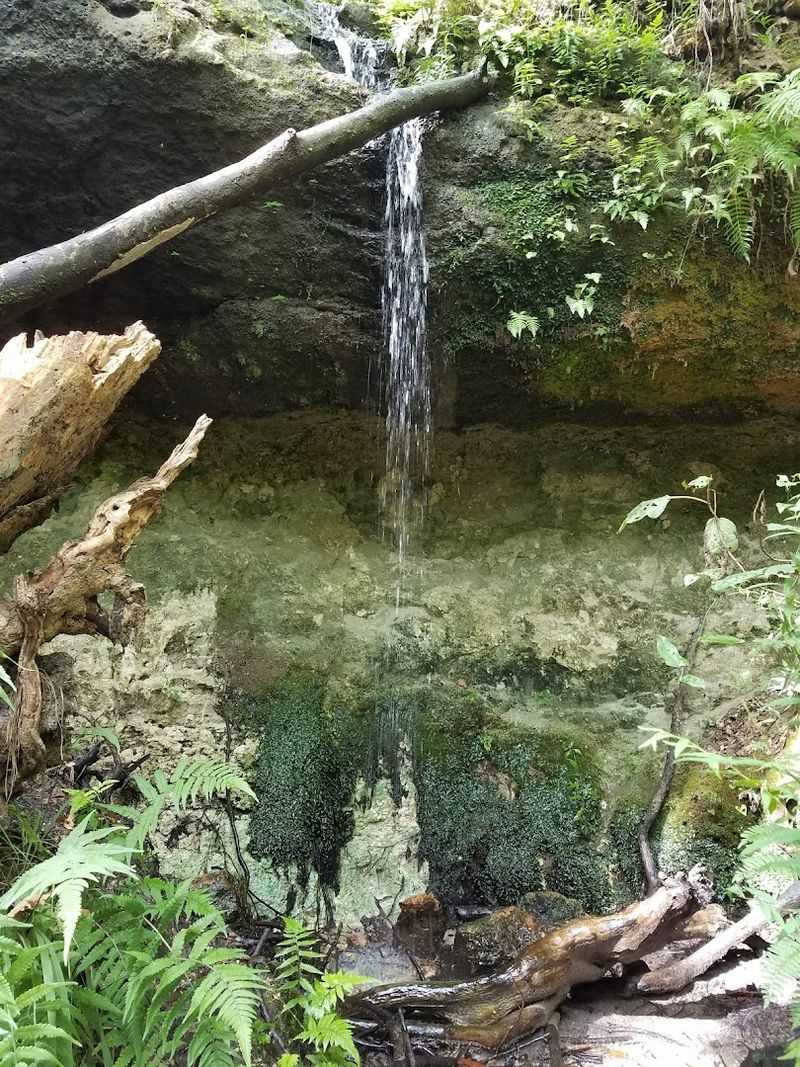
A waterfall in Florida is not something most people put on their list of things to find, which makes the Weeping Ridge waterfall at Torreya State Park a genuinely surprising discovery. The falls are modest in size, but seeing any waterfall in Florida feels unusual enough that most visitors find it memorable and worth the hike to reach it.
The trail to Weeping Ridge passes through shaded forest with dense undergrowth and occasional wet sections underfoot. The route requires some attention, especially after rain, when the ground can become slippery and the small stream crossings run higher than usual.
Wildlife sightings along this trail are common, including birds, gopher tortoises, and the occasional snake. Copperheads have been spotted on and near the trail, so watching where you step is genuinely important advice rather than just a formality.
Trekking poles and solid footwear make the experience considerably more comfortable.
Civil War History Hidden in the Woods
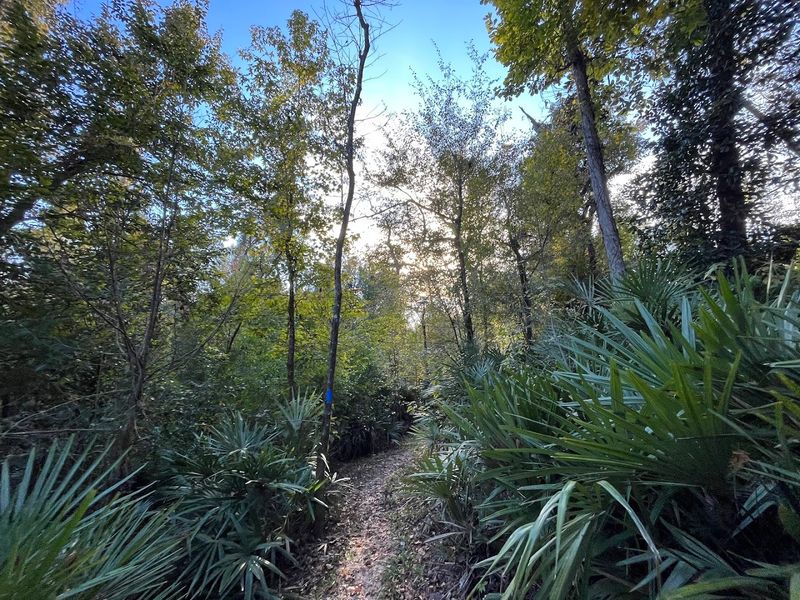
History at Torreya State Park goes well beyond the plantation house on the bluff. Hidden within the park’s forested terrain are the remains of Confederate earthworks, constructed during the Civil War to defend the Apalachicola River crossing against Union forces.
The trail leading to these earthworks is one of the more quietly fascinating hikes in the park, passing through dense vegetation before revealing the grass-covered mounds that mark the old fortifications. Standing there among the trees, it is easy to picture how strategically important this elevated ground would have been during that period of history.
The earthworks are not heavily interpreted with signage, which gives the site a raw and unpolished feeling that many history enthusiasts actually prefer. Combining this stop with the Gregory House tour on the same day creates a surprisingly rich historical experience that covers multiple chapters of Florida’s complex and often overlooked past.
Bird Watching and Wildlife Throughout the Park
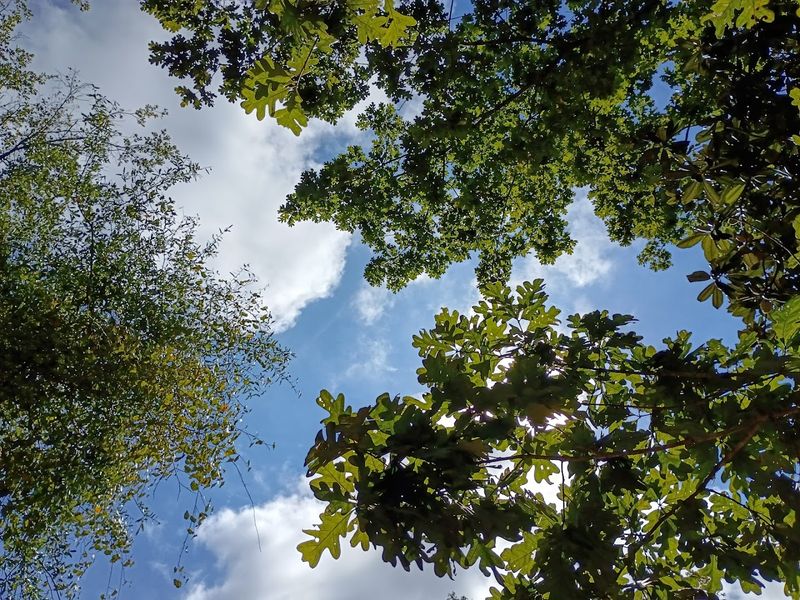
Torreya State Park’s unusual mix of habitats makes it a rewarding destination for bird watchers and general wildlife observers alike. The combination of river bottom forest, upland bluffs, ravines, and open areas creates conditions that attract a wider variety of species than most Florida parks can offer.
Songbirds, woodpeckers, raptors, and migratory species all pass through or reside in the park depending on the season. The fall migration period is particularly active, and the park’s elevated position makes it a natural stopping point for birds moving through the region.
Beyond birds, the park is home to gopher tortoises, white-tailed deer, various snake species, and a range of smaller woodland creatures. Bringing binoculars and a field guide adds a rewarding layer to any visit, and early morning hours tend to produce the most active wildlife sightings before the heat of the day settles in.
The Hurricane Michael Impact and Recovery Story
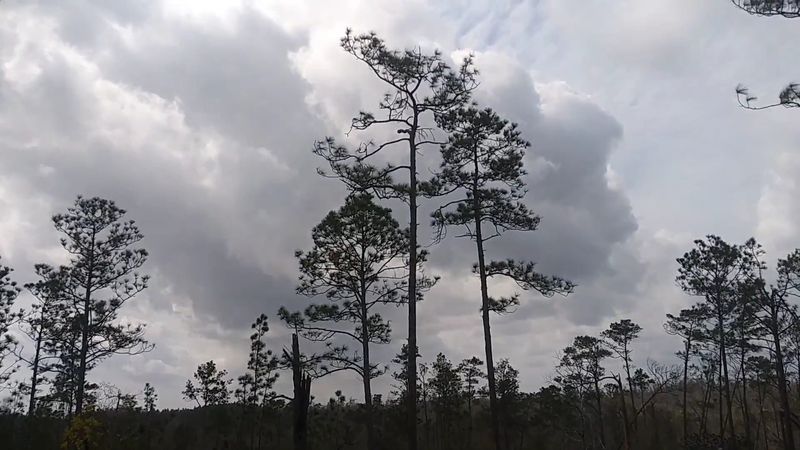
Hurricane Michael struck the Florida Panhandle in October 2018 as one of the most powerful storms to ever hit the continental United States, and Torreya State Park was directly in its path. The destruction was significant, with roughly half the forest canopy lost and trails blocked by thousands of fallen and snapped trees across more than 20 miles of trail corridor.
Visiting the park today, you can still see the evidence of that storm in the form of broken trunks, open sky where dense canopy once stood, and the ongoing regrowth of younger vegetation pushing up through the gaps. Rather than diminishing the experience, this visible recovery process adds an educational dimension that many visitors find genuinely moving.
Park staff and volunteers have worked steadily to reopen trails and restore facilities, and the progress made since 2018 is impressive. The park’s resilience mirrors the community spirit of the surrounding region.
Picnicking, Playgrounds, and Leisurely Park Visits
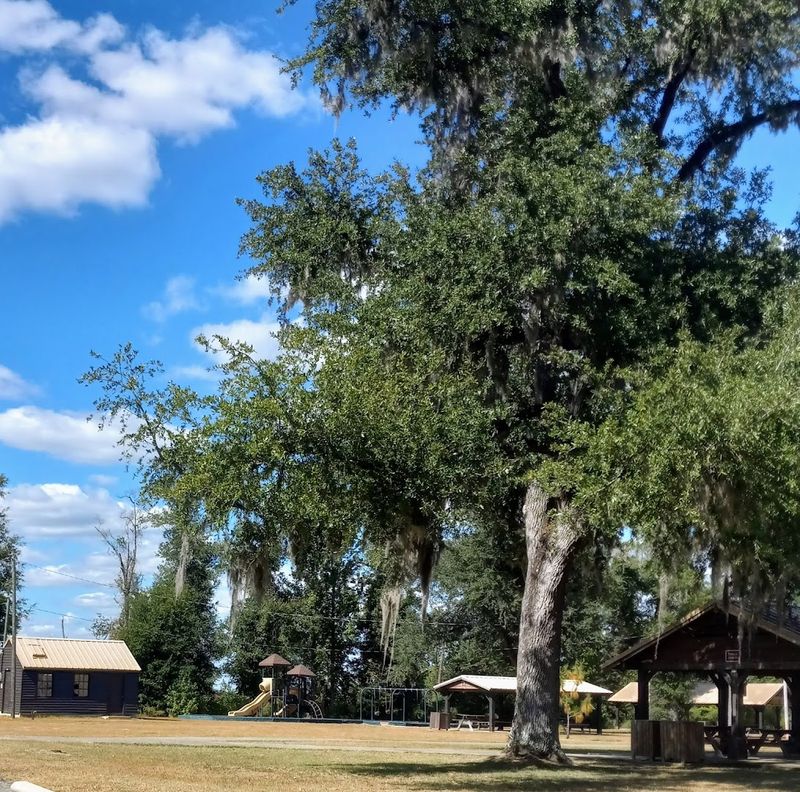
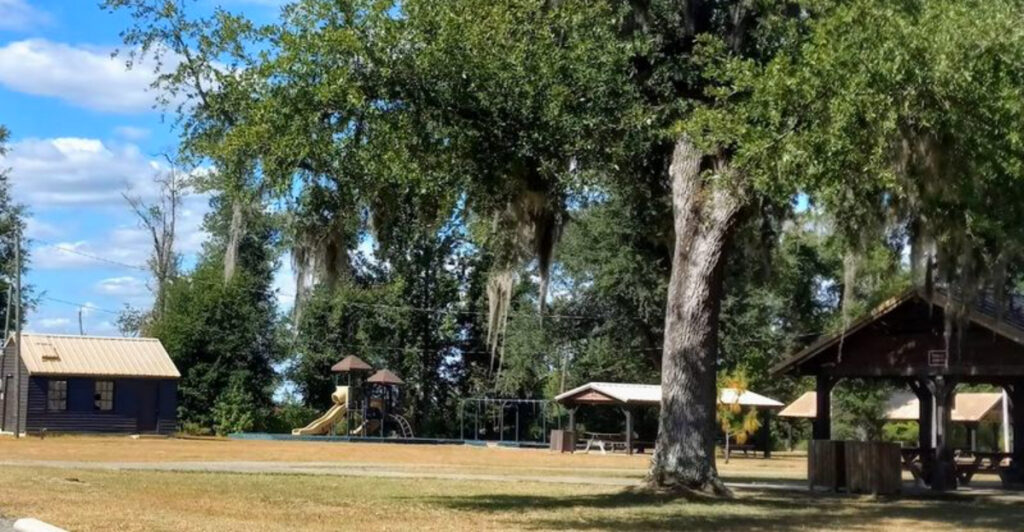
Not every visit to a state park needs to be a strenuous outdoor challenge, and Torreya State Park offers plenty for visitors who simply want a relaxing day in a beautiful natural setting. The park has several picnic areas with tables and overlooks that make for a genuinely pleasant outdoor lunch stop.
A small playground and a horseshoe area are located within easy walking distance of the campground, making the park a reasonable choice for families with younger children who need a mix of structured and open-ended activity. A covered building with rocking chairs and games provides a comfortable retreat on rainy days.
The combination of scenic overlooks, shaded picnic spots, and low-key recreational areas means that a visit here can be tailored to whatever pace suits your group. Some of the best moments at this park happen simply while sitting still and listening to the forest around you.
Tips for Planning Your Visit to Torreya
A few practical details can make the difference between a smooth trip and a frustrating one at Torreya State Park. The park is genuinely remote, so filling your gas tank and picking up supplies before heading out is a smart move, as Bristol offers limited services compared to larger towns nearby.
Cell service is unreliable in and around the park, so downloading offline maps and saving the park’s phone number, 850-643-2674, before you leave home is a good habit. Reservations for campsites and yurts can be made through the Florida State Parks reservation system, and booking ahead is strongly recommended for weekends and holiday periods.
Bug spray is essentially a required item, especially during warmer months when insects are active in the dense vegetation. Wearing long pants on the trails adds comfort and protection.
The park rewards visitors who arrive with a bit of preparation and a flexible attitude toward the unexpected.
Share this story