Some weekends are made for the couch. Others are made for cobblestone streets, dusty museums, and stumbling onto a jazz band mid-bite of a beignet.
If you are the kind of traveler who wants to feel history rather than just read about it, this list is your new best friend. Pack a bag, charge your phone, and get ready for 15 weekend getaways that will genuinely change how you see the world.
New Orleans, Louisiana: Follow the Music Into the Past
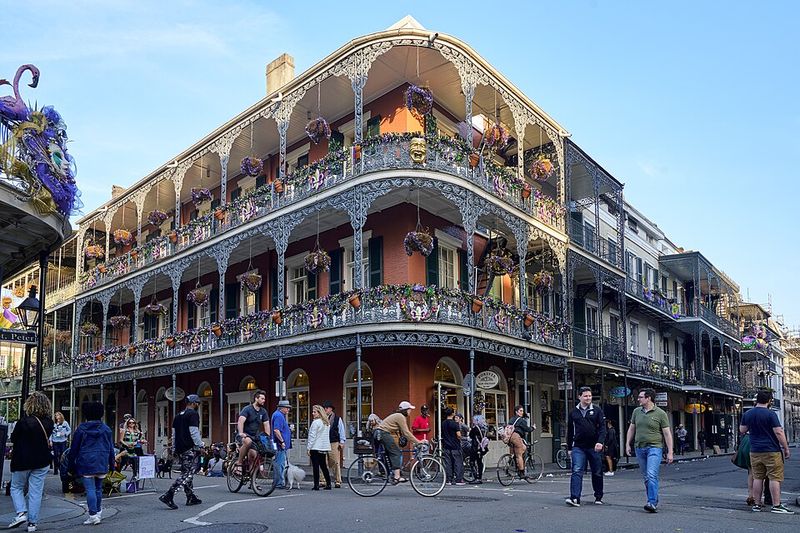
Nobody warned me that New Orleans would rearrange my brain. The French Quarter, also called the Vieux Carre, is the city’s oldest neighborhood, built on the original colonial footprint, and every block feels like it has something to say.
The architecture alone is worth the trip. Wrought iron balconies, pastel plaster walls, and courtyards hiding behind heavy wooden doors tell stories that no museum could fully replicate.
Walk slowly. Look up.
You will miss things if you rush.
Live music is not background noise here. It is the heartbeat of the city.
Build your days around it deliberately, not as an afterthought. Morning brass bands, afternoon jazz lounges, late-night blues bars: each one pulls you deeper into the culture.
Do not just eat and leave. The food, the music, and the architecture are all connected to the same cultural roots.
Spend both days on foot, following sound as much as a map. New Orleans rewards curiosity more than any city I have ever visited.
Santa Fe, New Mexico: Where the U.S. Feels Centuries Older
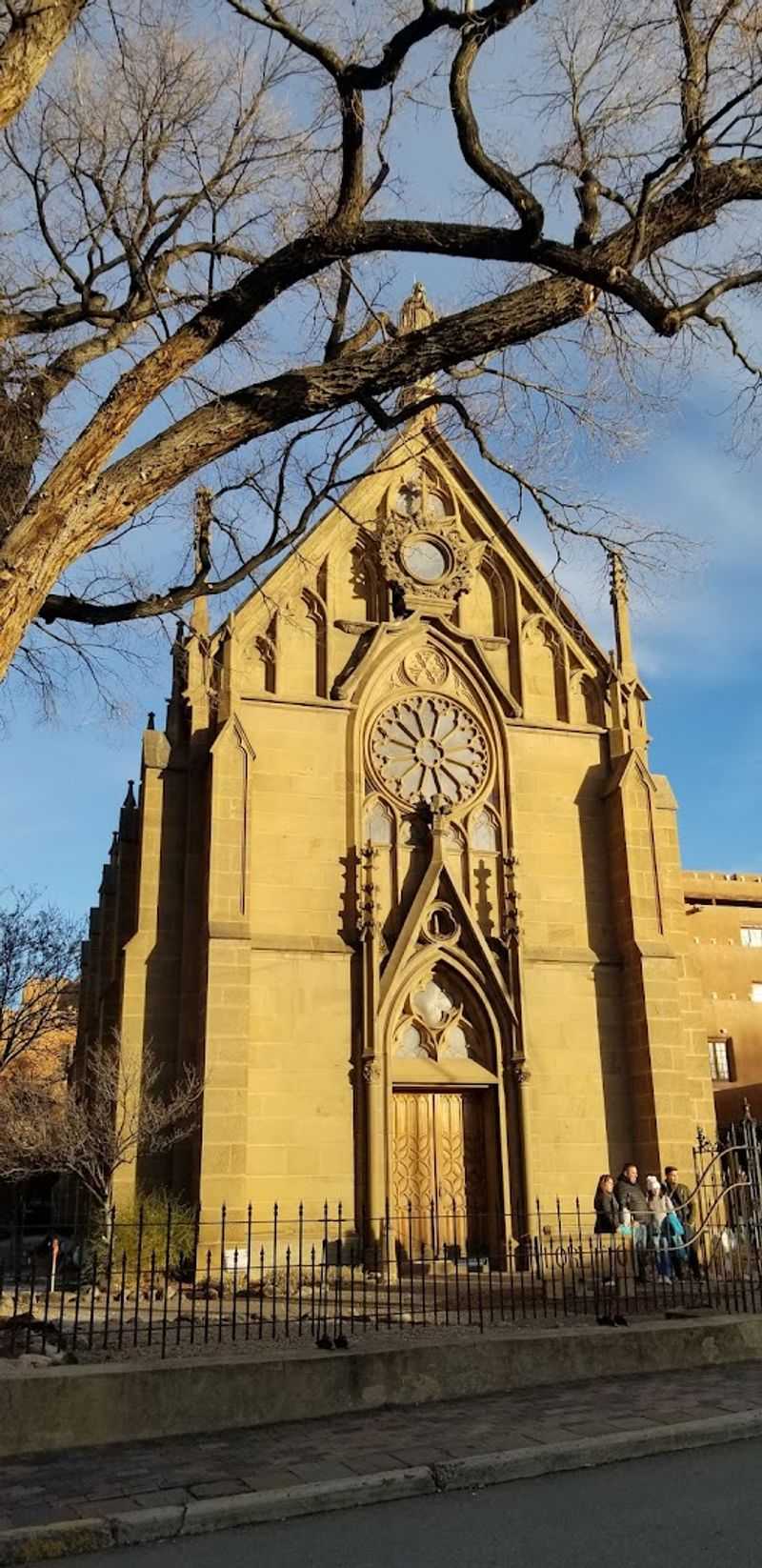
Santa Fe operates on its own timeline, and honestly, good for it. As the oldest state capital in the United States, this city carries Spanish and Indigenous cultural threads so tightly woven together that you feel them in the architecture, the food, and the art on every corner.
Start your weekend at the Plaza, the historic core that has been the center of city life for centuries. The Palace of the Governors, which faces the Plaza, is the oldest continuously occupied public building in the country.
That is not a small thing to stand in front of.
The museums here punch well above their weight. From the New Mexico History Museum to the Museum of Contemporary Native Arts, the range is genuinely surprising.
Give yourself permission to linger rather than check boxes.
Santa Fe also has a way of slowing you down, which is exactly what a cultural weekend needs. The light is different here.
The colors are different. Even the air smells like pinon wood smoke and something ancient.
Come with curiosity and leave with a few pieces of handmade turquoise jewelry you did not plan to buy.
San Antonio, Texas: Step Inside a UNESCO Story
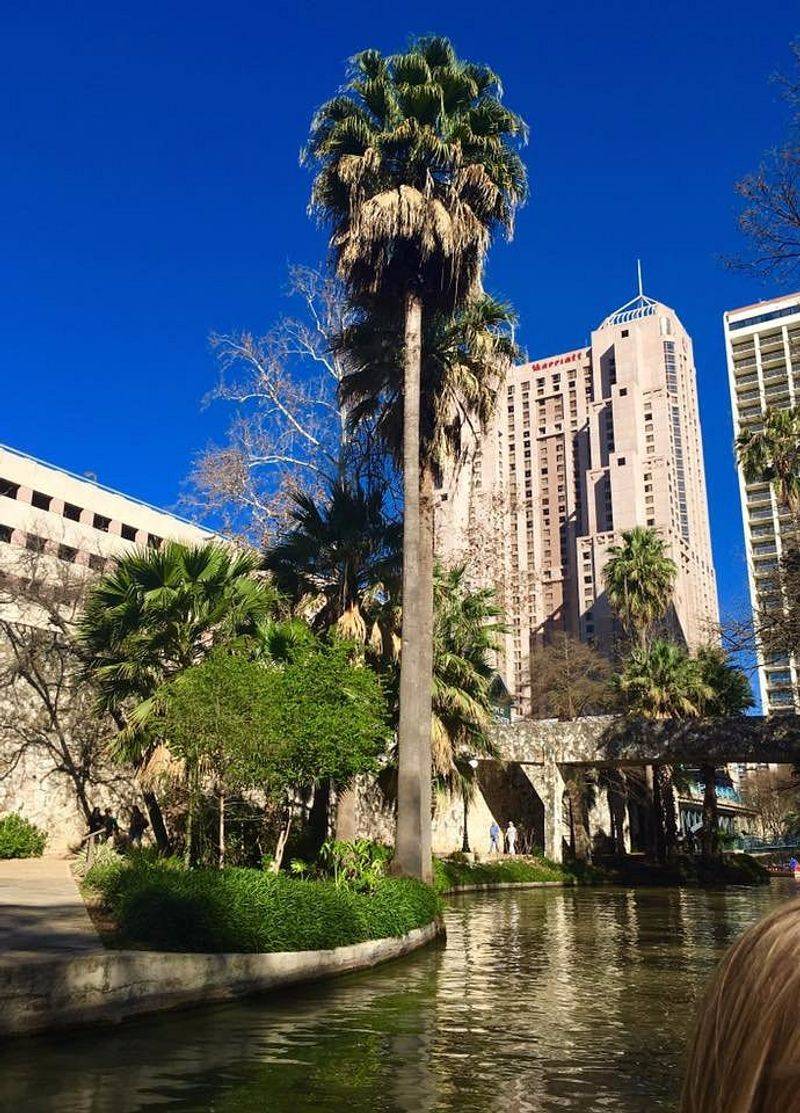
Five missions. One UNESCO World Heritage Site.
Zero excuses not to visit. San Antonio’s mission complexes are among the most significant historical sites in the entire country, and most people blow right past them to get to the River Walk.
The missions were established starting in the early 1700s and shaped community life in South Texas for generations. Mission San Jose is often called the Queen of the Missions, and once you see its intricate stone carvings, you will understand why that nickname stuck around for three centuries.
The smart move is to visit multiple missions along the river corridor rather than just stopping at the most famous one. Each site has its own character, its own story, and its own level of preservation.
Driving or biking between them gives you a sense of how they connected as a network.
San Antonio rewards the traveler who slows down. The missions are not just pretty ruins.
They were living communities, and the interpretation at each site helps you understand the people who built and inhabited them. This is the kind of history that actually sticks with you long after the weekend ends.
Washington, DC: Museum-Hop Like It’s a Superpower
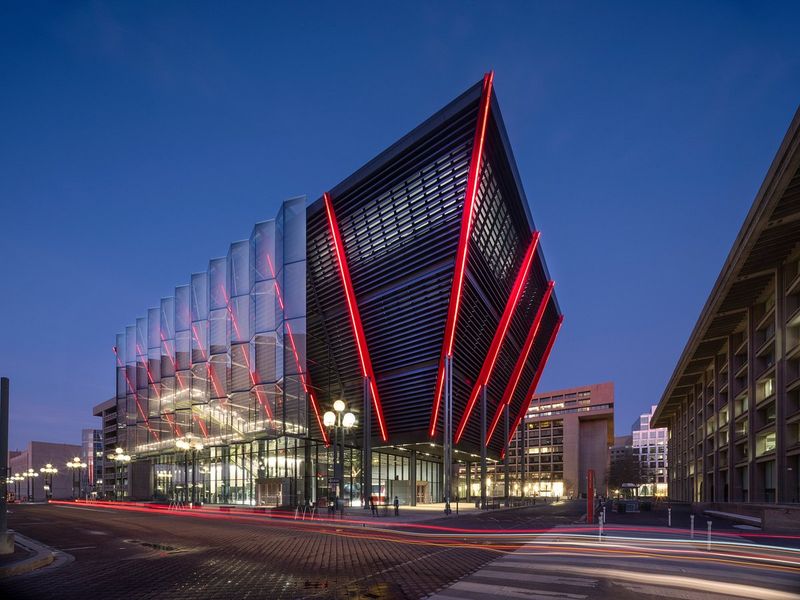
The Smithsonian system spans 21 museums and the National Zoo, with 17 of those museums sitting right in Washington, DC. That is not a museum collection.
That is a cultural universe, and it is all free to enter.
The biggest mistake first-time visitors make is trying to see everything. Pick two or three museums and actually stay long enough to read the labels, sit with the exhibits, and let things sink in.
Rushing through the Smithsonian is like speed-reading a novel and wondering why you feel nothing.
The National Museum of African American History and Culture, which opened in 2016, deserves its own full day if you can manage it. The building itself is stunning from the outside, but the experience inside is something else entirely.
Bring tissues. Seriously.
DC is also walkable in a way that makes museum-hopping feel effortless. The Mall connects everything, so you can drift between institutions without planning every step.
Grab a food truck lunch on the grass between stops. Let the monuments sneak up on you between museum visits.
A DC weekend done right feels less like sightseeing and more like a genuine education.
Philadelphia, Pennsylvania: Birthplace of a Big Idea
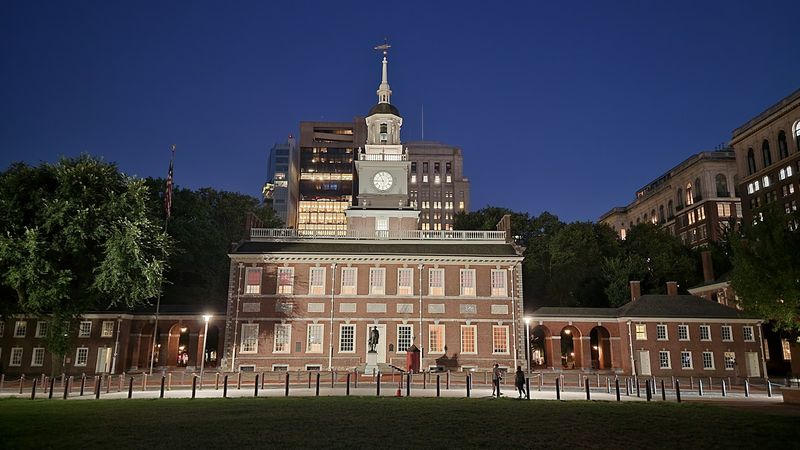
There is something quietly surreal about standing in the room where the Declaration of Independence and the U.S. Constitution were both debated and signed.
Independence Hall is a UNESCO World Heritage Site, and it earns that designation every single day.
Philadelphia’s historic district packs an extraordinary amount of founding-era context into a walkable area. The Liberty Bell, Congress Hall, Carpenters Hall, and the National Constitution Center are all within easy reach of each other.
This is not a scavenger hunt. It is a neighborhood that shaped a country.
Architecture fans will have a field day here. The 18th-century buildings surrounding Independence Hall have been remarkably well preserved, and the contrast between colonial-era structures and the modern city around them is genuinely striking.
Walk slowly through the historic area and pay attention to the details.
Make this a history-forward weekend rather than a general city tour. Philadelphia has great food and a lively arts scene, but the founding-era layer is what makes it irreplaceable as a cultural destination.
You can grab a cheesesteak anywhere. You can only stand in that room in one city on Earth.
Boston, Massachusetts: A 2.5-Mile Crash Course in America
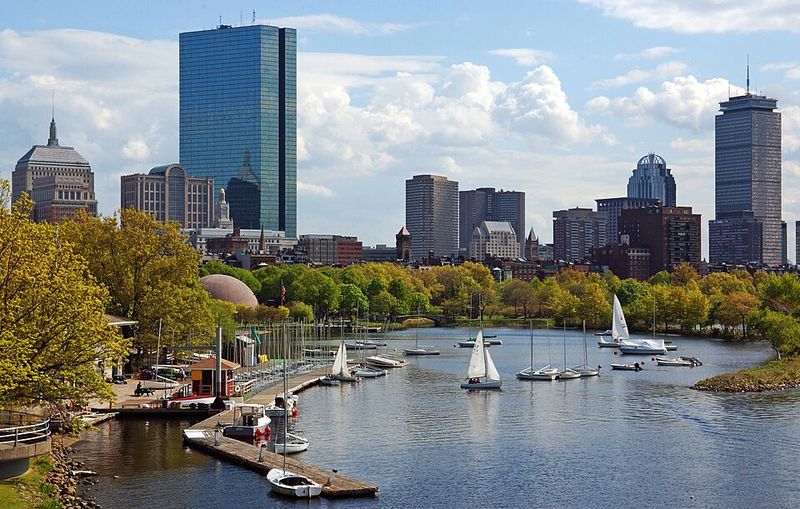
A red line painted on a sidewalk should not be this exciting, but here we are. Boston’s Freedom Trail is a 2.5-mile route linking 16 historically significant sites, and it is one of the most effective ways to absorb American history without sitting in a classroom.
You can walk the entire trail end-to-end, which takes a few hours at a comfortable pace. Or you can pick a theme, say the Revolutionary War or colonial architecture, and spend half the trail going deep instead of wide.
Both approaches work. Neither one will bore you.
The mix of guided tours and self-paced wandering is where the magic happens. Rangers and costumed guides at various stops add color and context that a placard simply cannot deliver.
But the quiet moments between sites, walking through the North End or crossing the bridge to Charlestown, are just as rewarding.
Boston is compact enough to feel manageable but layered enough to keep surprising you. Faneuil Hall, the Old North Church, the USS Constitution: each stop earns its place on the trail.
By the end of the weekend, your legs will be tired and your brain will be buzzing with things you actually want to remember.
Charleston, South Carolina: A City Built to Remember
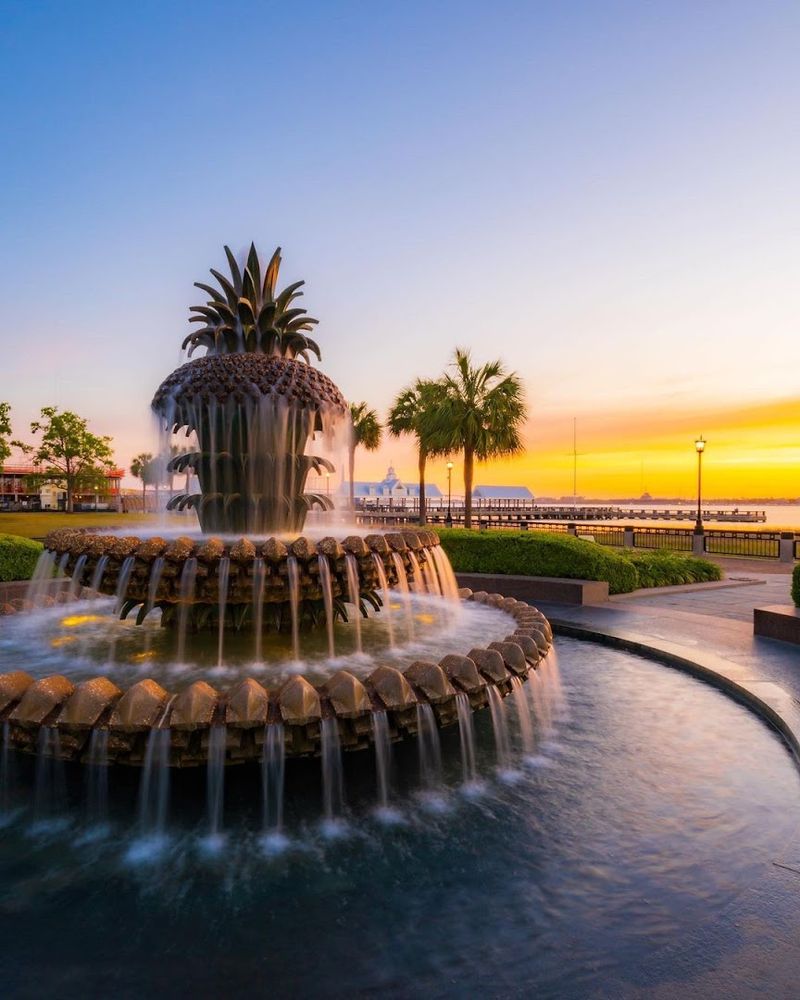
Charleston is one of those cities that wears its history openly, all of it, the beautiful and the painful. Designated a National Historic Landmark District in 1960, the historic district is remarkably well preserved and remarkably complex in equal measure.
The architecture here is genuinely jaw-dropping. Rainbow Row, the antebellum mansions of the Battery, the single houses with their side-facing piazzas: Charleston developed its own architectural language, and walking through the district is like reading a very stylish, very complicated book.
The museums and historic house interpretations are where the city goes beyond the postcard. The International African American Museum, which opened in 2023, is a landmark addition to Charleston’s cultural landscape.
It sits on the site of Gadsden’s Wharf, where hundreds of thousands of enslaved people arrived in America. The weight of that location is not lost on anyone who visits.
Prioritize the interpretation over the aesthetics, though the aesthetics are undeniably gorgeous. Charleston is a city that asks you to hold multiple truths at once.
The travelers who accept that challenge leave with a far richer understanding of American history than any textbook ever provided.
Savannah, Georgia: Squares, Stories, and a City Plan You Can Feel
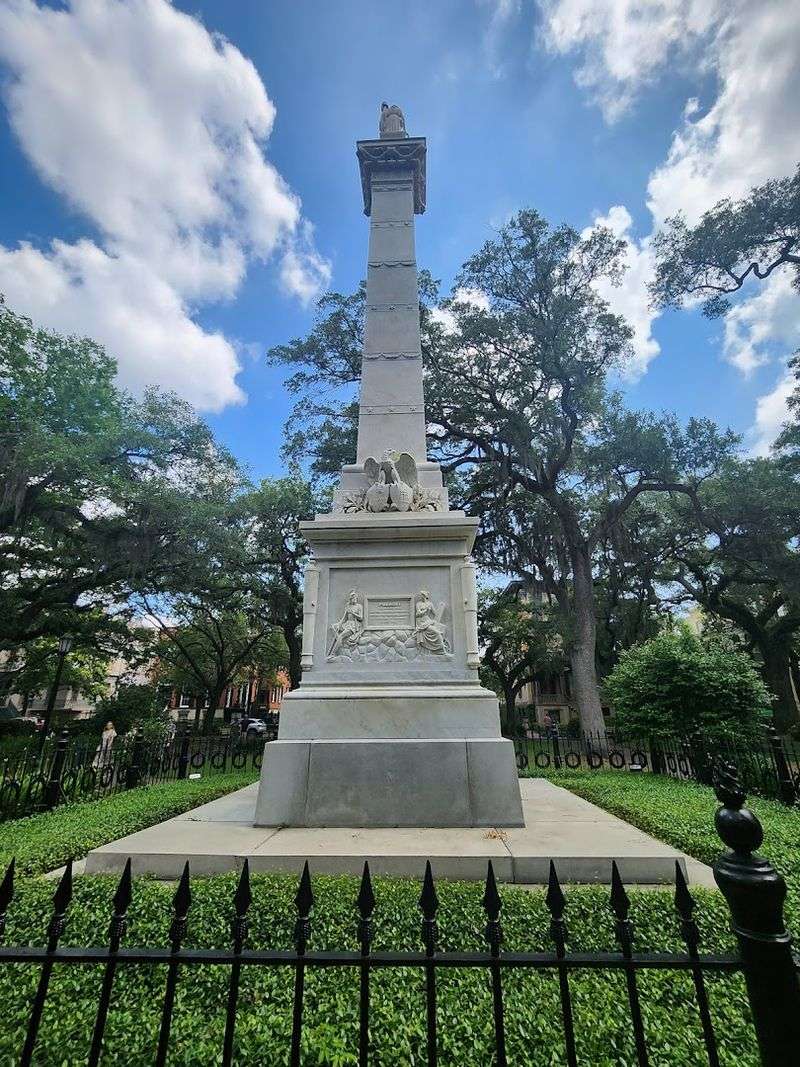
Savannah might be the only American city where the urban planning itself is a tourist attraction, and I mean that as a genuine compliment. The ward-and-square grid that founder James Oglethorpe laid out in 1733 still shapes the city today, and you can feel it with every block you walk.
The historic district is a National Historic Landmark, designated in 1966, and it contains more than 1,000 architecturally and historically significant buildings. That is not a typo.
Walking square to square here is less like sightseeing and more like moving through a living museum that happens to have excellent brunch spots.
Each of the 22 remaining squares has its own character, its own shade trees draped in Spanish moss, and its own story. Some honor Revolutionary War figures.
Others reflect the city’s antebellum social life. Pause at each one long enough to read the markers and look at the surrounding buildings.
Savannah rewards slow travel more than almost any city on this list. Skip the ghost tour on night one and use the time for a preservation-focused walking tour instead.
The real stories are stranger and more fascinating than anything a flashlight tour can offer.
Chicago, Illinois: Go Big on Art and Come Out Changed
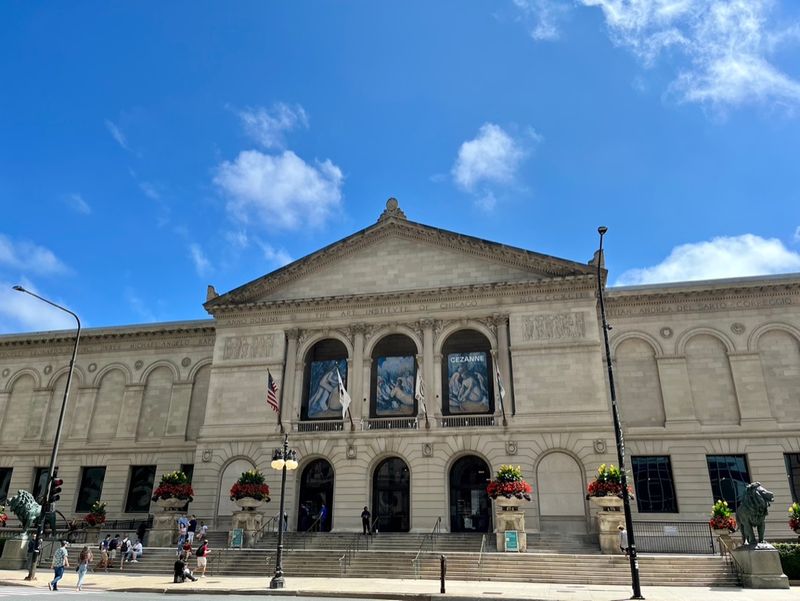
The Art Institute of Chicago was founded in 1879, and its collection has grown to nearly 300,000 works. That number is almost impossible to process, which is exactly why you should not try to see all of it in one visit.
Strategy beats stamina here.
Spend a full half-day, minimum, at the Art Institute. The Impressionist galleries are world-class.
The Thorne Miniature Rooms are genuinely bizarre and wonderful. The Modern Wing, designed by Renzo Piano, is an architectural experience on its own terms.
Pick two or three areas and go deep.
The magic of a great museum visit often happens in the galleries you did not plan for. Wander off the greatest-hits route and see what finds you.
Some of my most memorable art encounters have been in rooms I stumbled into by accident while looking for a bathroom.
Chicago’s cultural offerings extend well beyond the Art Institute, but for a weekend visit, anchoring your trip around this museum and then adding one or two neighborhood stops creates a satisfying rhythm. The city is built for walking, and the architecture between destinations is half the show.
Come hungry for beauty and leave slightly overwhelmed in the best possible way.
San Francisco, California: Eat, Shop, and Learn in Living Heritage

San Francisco’s Chinatown is the oldest in North America, established in 1848, and it is still one of the most densely populated urban neighborhoods in the United States. That history is alive and walking around on the sidewalk, not sealed behind glass in a museum.
The temptation is to treat Chinatown as a photo opportunity and move on. Resist that.
Walk the neighborhood core with genuine curiosity. Duck into the herb shops, the produce markets, the family association buildings with their ornate facades.
The texture of the place is the point.
The Chinese Historical Society of America Museum, housed in a 1932 Julia Morgan-designed building, offers the kind of context that transforms a neighborhood walk into something much more meaningful. Spend an hour there before or after wandering the streets and notice how differently you see everything.
Pair Chinatown with a visit to the nearby Barbary Coast Trail or the Beat Museum in North Beach for a fuller picture of San Francisco’s layered cultural identity. This city has more stories per square mile than almost anywhere in the country.
The ones in Chinatown are among the oldest and most underappreciated.
Los Angeles, California: A Museum Perched on a Mountain
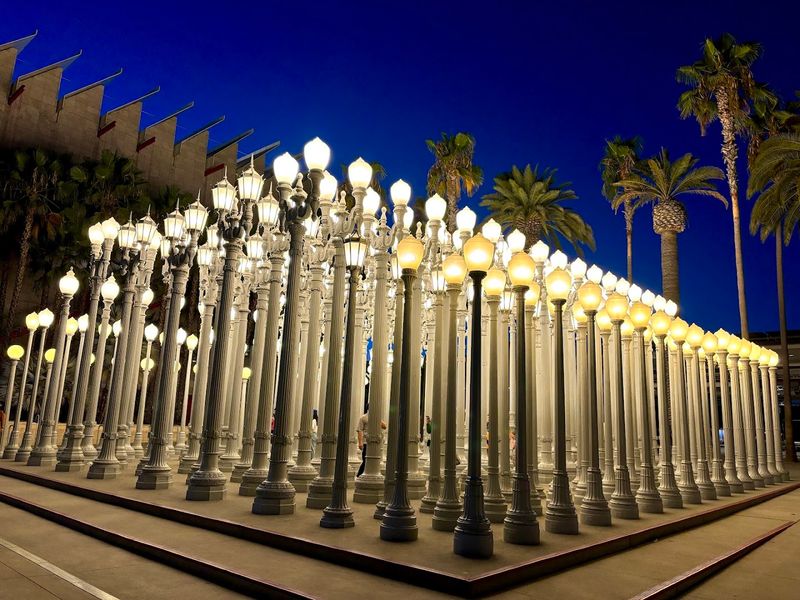
The Getty Center opened in 1997 and somehow still manages to feel like a discovery every time someone visits for the first time. Perched on a hilltop above Brentwood, the campus is part art museum, part architectural landmark, and part garden experience, all wrapped into one very ambitious afternoon.
Dedicate a full day to the Getty. The collection spans European paintings, decorative arts, photographs, and manuscripts, and the quality is consistently exceptional.
But the building itself, designed by Richard Meier, and the Central Garden, designed by Robert Irwin, deserve as much attention as anything hanging on the walls.
The view of Los Angeles from the Getty is one of the best in the city, which is saying something in a place full of rooftop bars and canyon overlooks. On a clear day, you can see from downtown to the Pacific Ocean.
It is the kind of view that makes you feel like you understand a place.
After the Getty, add one neighborhood cultural anchor, maybe the Broad in downtown or the Hammer Museum in Westwood, and then stop. A focused LA weekend beats a frantic one every single time.
Quality over quantity is the only rule worth following here.
Seattle, Washington: Pop Culture, Taken Very Seriously
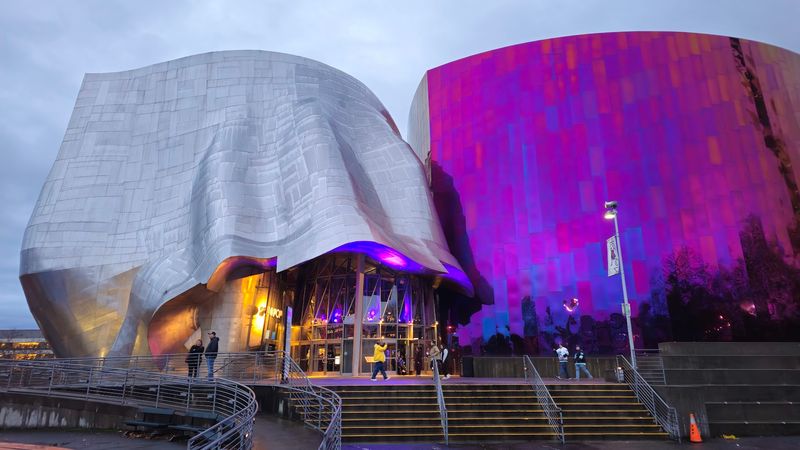
Paul Allen co-founded Microsoft and then spent a significant chunk of his fortune building a museum dedicated to rock and roll, science fiction, and pop culture. The Museum of Pop Culture, known as MoPOP, opened in 2000 and has been confounding expectations ever since.
The building alone is worth the trip. Designed by Frank Gehry, the structure looks like someone crumpled a handful of electric guitars and then stretched them into a 140,000-square-foot exhibition space.
It is wild. It is intentional.
It works.
Make MoPOP your centerpiece museum day and give it the time it deserves. The permanent collections on the history of rock, the science fiction hall of fame, and the horror film gallery are all genuinely well-curated.
The temporary exhibitions rotate frequently, so there is usually something new even for repeat visitors.
Build the rest of your Seattle weekend around the city’s music and arts energy. Capitol Hill has live music venues and galleries worth exploring.
The Crocodile, one of Seattle’s legendary music clubs, has hosted everyone from Nirvana to newer acts pushing the city’s sound forward. Seattle takes its culture seriously, and so should you.
Nashville, Tennessee: Go Way Beyond Broadway

The Country Music Hall of Fame and Museum first opened in 1967, moved to its current downtown location in 2001, and has been the most important building in American music history that most people treat as a warm-up act to the honky-tonks. Flip that script entirely.
Visit the museum early in your weekend, before your ears get overwhelmed by the Broadway strip. The collection is genuinely extraordinary.
Handwritten lyrics, stage costumes, historic instruments, and recording equipment tell a story about American music that goes far deeper than what plays on the radio.
After the museum, add one more cultural stop that connects to the songwriting and studio history of Nashville. RCA Studio B, where Elvis and Dolly Parton recorded, offers tours that are worth every minute.
The museum’s own Hatch Show Print exhibit gives you insight into the graphic design tradition behind country music’s visual identity.
Nashville has a reputation as a bachelorette party destination, and that is fair, but the city’s musical heritage is profound and accessible to anyone willing to look past the neon. The stories behind the songs are always more interesting than the songs themselves, and Nashville tells those stories better than anywhere else.
Asheville, North Carolina: Where Folk Art Gets the Last Laugh
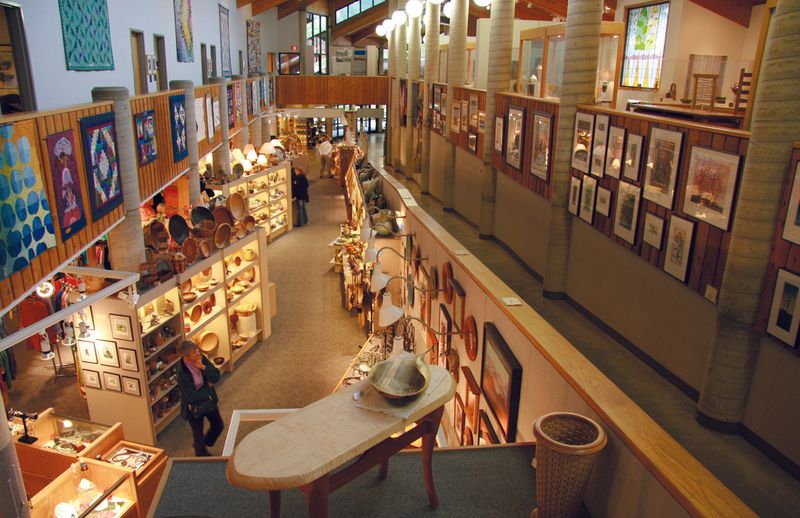
Asheville sneaks up on you. You arrive expecting a quaint mountain town and leave having visited more art studios, folk art galleries, and craft workshops than you planned for in a month.
The River Arts District alone contains over 200 working artists in repurposed industrial buildings.
The folk art tradition in western North Carolina runs deep. The Southern Highland Craft Guild, founded in 1930, represents some of the most skilled traditional craftspeople in the country.
Their Folk Art Center on the Blue Ridge Parkway is a short drive from downtown and absolutely worth the detour.
Asheville’s architecture adds another layer to the cultural weekend. The city avoided major urban renewal in the mid-20th century due to economic depression, which accidentally preserved a remarkable collection of Art Deco buildings downtown.
The S&W Cafeteria building and the Asheville City Hall are both stunning examples.
The food scene here is rooted in Appalachian culinary tradition with a modern creative twist. Eating well in Asheville is not a distraction from the cultural experience.
It is part of it. Come hungry, come curious, and give the crafts more than a passing glance.
They earned their place on the wall.
Taos, New Mexico: A Thousand Years of Continuous Culture
Taos Pueblo has been continuously inhabited for over a thousand years. Let that settle in for a moment.
While European nations were building their first cathedrals, the people of Taos Pueblo were already several generations deep into their community life in this exact location in northern New Mexico.
The Pueblo is a UNESCO World Heritage Site and an active community, not a preserved ghost town. Residents still live in the multi-story adobe structures, and visiting requires genuine respect for the protocols and boundaries that the community sets.
Follow them without question.
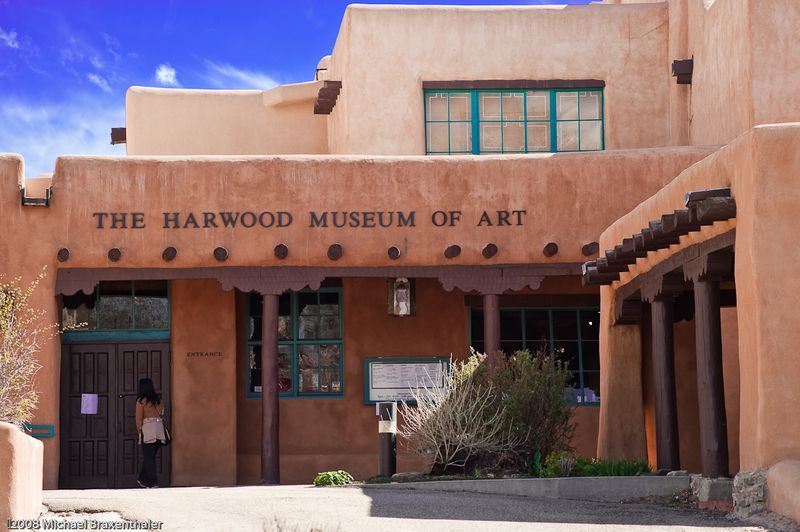
The town of Taos surrounding the Pueblo has its own rich cultural identity, shaped by the intersection of Indigenous, Spanish colonial, and 20th-century American artist communities. The Harwood Museum of Art and the Millicent Rogers Museum both offer excellent context for understanding how these threads connect and sometimes collide.
Taos is a smaller destination than most on this list, which is part of its appeal. The cultural density per square mile is extraordinary.
Two days here, done thoughtfully, will give you more to think about on the drive home than a week of rushing through larger cities. Slow down.
The place insists on it.
Share this story