Istanbul stands where Europe meets Asia, creating a city unlike any other on Earth. This ancient metropolis blends Byzantine cathedrals, Ottoman palaces, bustling bazaars and modern neighborhoods into one unforgettable destination.
Whether you’re drawn to history, food, culture or simply soaking up the energy of a city that has thrived for thousands of years, Istanbul delivers experiences that will stay with you long after you’ve returned home.
Marvel at Hagia Sophia — Byzantine Masterpiece
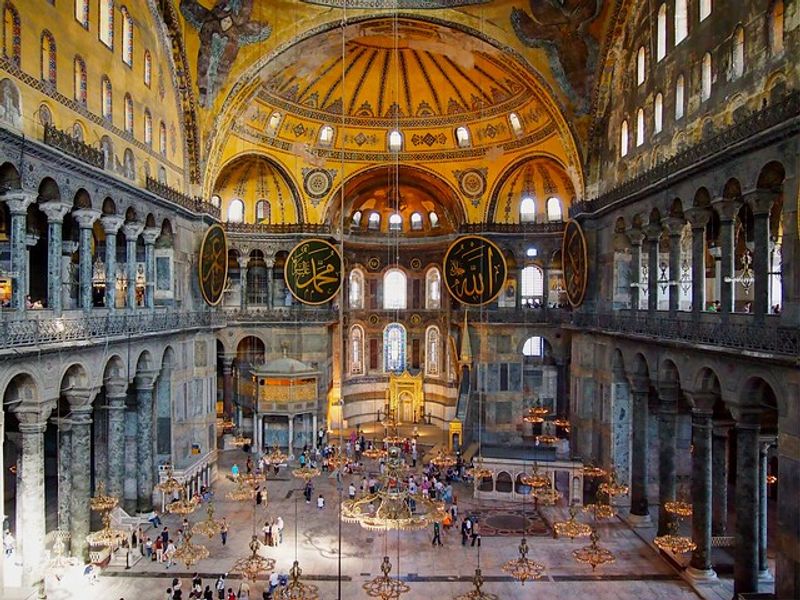
Walking into Hagia Sophia feels like stepping through a portal into the past. Built nearly 1,500 years ago as a Christian cathedral, this architectural wonder has witnessed empires rise and fall beneath its massive dome.
The interior leaves visitors speechless with glittering Byzantine mosaics depicting religious scenes alongside Islamic calligraphy medallions that were added after it became a mosque. The engineering alone is mind-blowing — architects back then created a dome that seems to float above the vast prayer hall, defying gravity in ways that still puzzle modern builders.
Natural light pours through windows circling the dome’s base, creating an ethereal glow that changes throughout the day.
Today, Hagia Sophia operates as both museum and mosque, reflecting Istanbul’s unique position bridging cultures and faiths. You’ll need at least an hour to properly absorb the details, from the marble columns shipped from ancient temples to the upper galleries where empresses once prayed.
The building’s ability to inspire awe hasn’t diminished after all these centuries.
Plan to arrive early before tour groups flood in, and consider hiring a guide who can point out hidden details you’d otherwise miss in this layered monument to human creativity.
Visit the Blue Mosque — Ottoman Architectural Icon
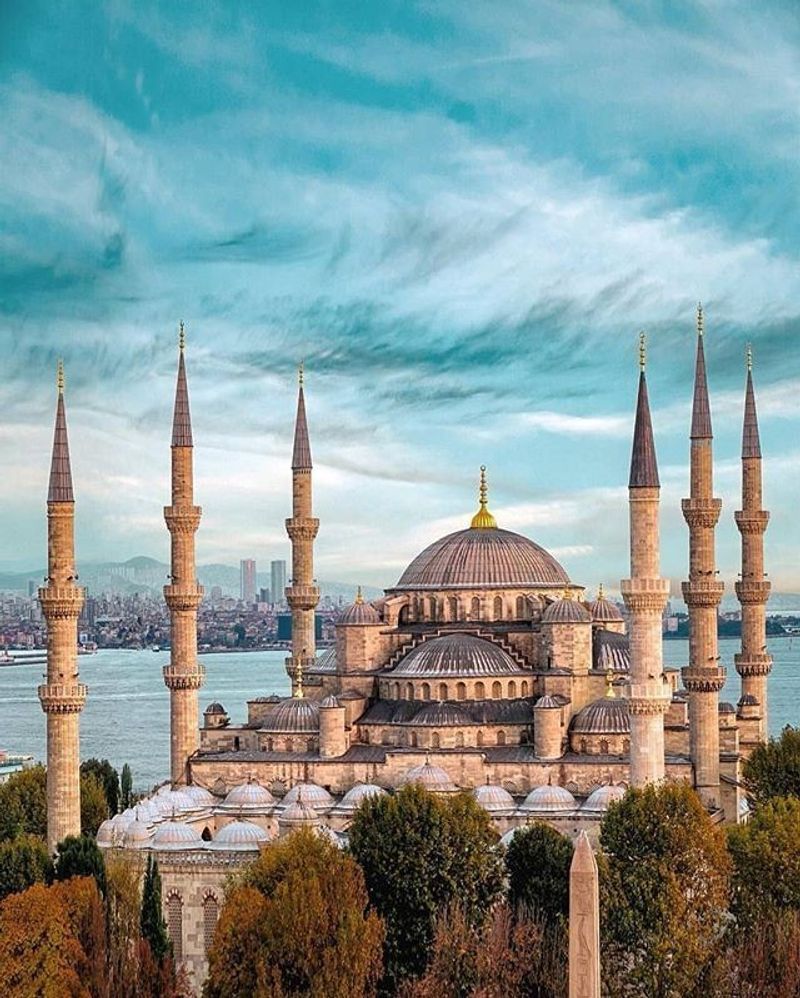
Six minarets pierce the sky above the Blue Mosque, a sight that caused controversy when it was built because only Mecca’s mosque was supposed to have that many. Sultan Ahmed I solved the problem by funding a seventh minaret for Mecca, and his Istanbul masterpiece has stood proud ever since.
The nickname comes from the interior, where over 20,000 handmade blue Iznik tiles create a shimmering ocean of patterns covering the walls and dome. Sunlight filtering through 260 stained glass windows makes the tiles seem to glow from within.
The effect is mesmerizing, especially during midday when natural light peaks.
Because this remains an active mosque, visitors must time their visit around prayer schedules and dress modestly — women need headscarves, and everyone removes shoes before entering. The spacious courtyard outside provides a peaceful spot to sit and admire the building’s proportions, with its cascading domes creating a rhythm that draws your eye upward.
Photography is allowed, but silence and respect are expected inside the prayer hall. The carpet beneath your feet is a donation from a believer, and you’re walking through someone’s sacred space, not just a tourist attraction.
Wander the Grand Bazaar — Ancient Market Labyrinth
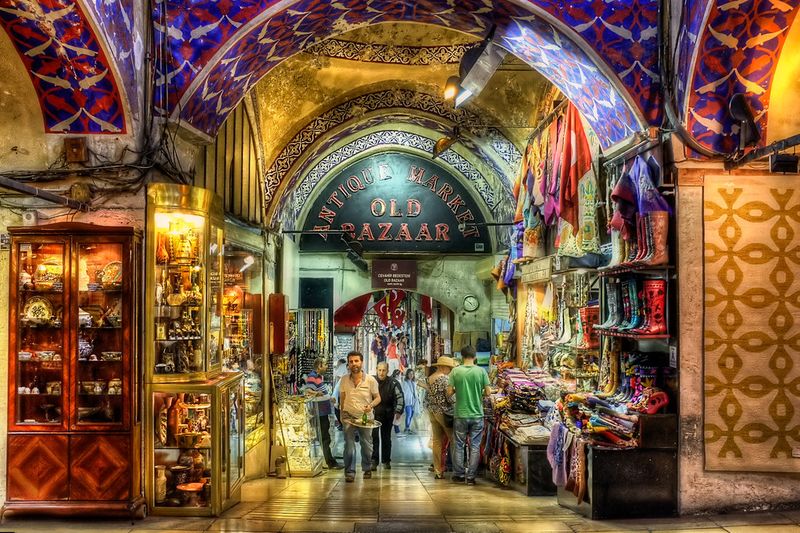
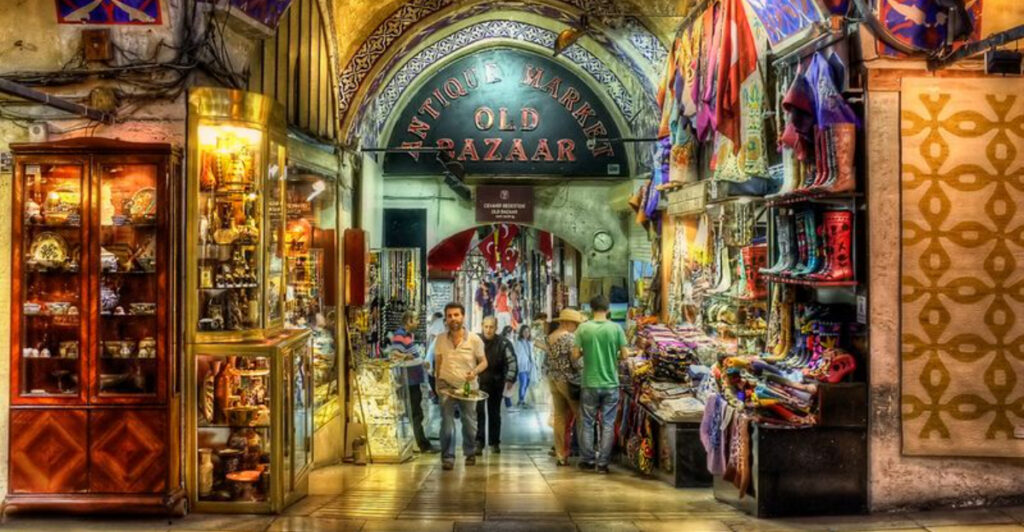
Getting lost is part of the experience at the Grand Bazaar, where 61 covered streets and over 4,000 shops create a maze that has confused visitors since 1461. The deeper you venture, the more treasures emerge from the shadows.
Colorful glass lanterns dangle from vaulted ceilings like frozen fireworks, casting rainbow patterns across shopfronts stacked with hand-woven carpets, evil eye charms, leather jackets, and enough gold jewelry to rival a dragon’s hoard. Shopkeepers call out greetings in a dozen languages, and the scent of apple tea mingles with leather and spices.
Bargaining isn’t just expected — it’s an art form here, a dance where starting prices are merely opening moves in a friendly negotiation.
Beyond the tourist-focused main lanes, quieter alleys reveal artisans hammering copper, tailors working vintage sewing machines, and antique dealers with Ottoman relics gathering dust. These hidden corners offer glimpses of traditional trades that have survived centuries of change.
Bring cash for better deals, comfortable shoes for walking, and patience for crowds that peak midday. The bazaar closes Sundays and religious holidays, so check before planning your visit to this living monument to commerce.
Explore Topkapi Palace — Sultans’ Opulent Home
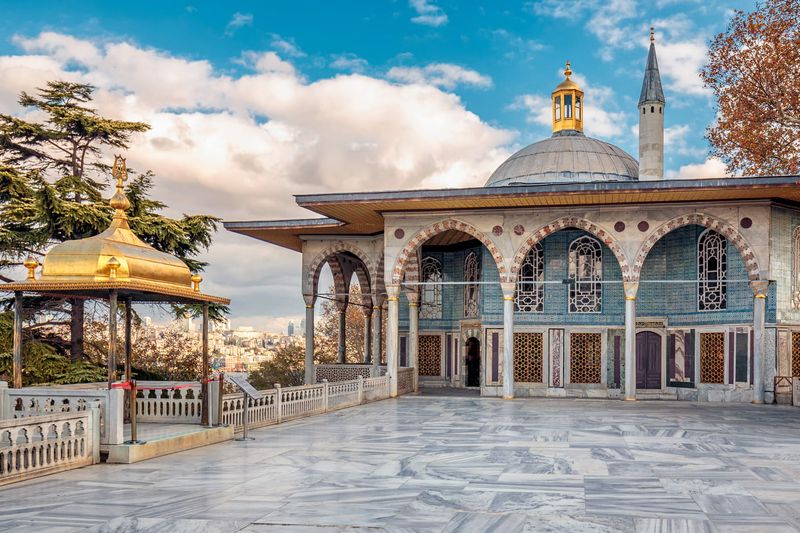
Sultans ruled an empire stretching across three continents from Topkapi Palace, and their wealth is on full display in treasury rooms glittering with emeralds the size of walnuts. The 86-carat Spoonmaker’s Diamond alone is worth the admission price.
Four successive courtyards lead you deeper into palace life, each more exclusive than the last. The first courtyard was open to the public during Ottoman times, but only the sultan’s most trusted advisors reached the innermost chambers where he conducted state business.
Today, visitors can explore the harem where the sultan’s family lived in luxurious seclusion, with over 400 rooms decorated in intricate tilework and mother-of-pearl inlay.
The sacred relics chamber holds items Muslims revere, including belongings attributed to the Prophet Muhammad. Visitors often describe this section as deeply moving, regardless of their faith.
Meanwhile, the palace kitchens display Chinese porcelain collections that rival museum holdings, evidence of the Ottoman Empire’s global trade reach.
Views from the palace terraces over the Bosphorus and Golden Horn remind you why this strategic location made Istanbul such a prize for conquerors. Allocate at least three hours to properly explore this sprawling complex without rushing.
Cruise the Bosphorus — Straits Between Continents
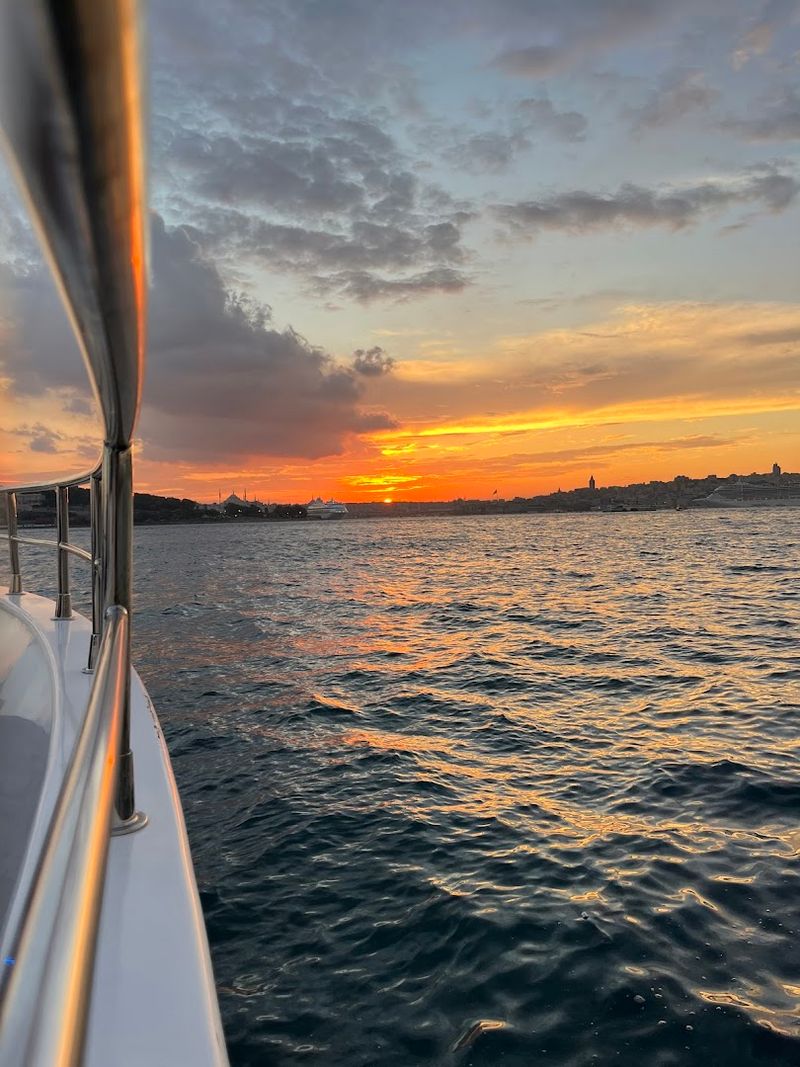
Straddling two continents sounds impossible until you’re cruising the Bosphorus with Europe on your left and Asia on your right. This narrow strait has witnessed more history flow past than most rivers see in millennia.
From the water, Istanbul’s skyline unfolds like a storybook illustration with mosque domes and minarets punctuating the horizon, waterfront palaces reflecting in the waves, and modern bridges arcing overhead to connect continents. Ferries loaded with commuters crisscross your path while fishermen cast lines from bobbing boats, creating a living tableau of city life.
Seagulls dive for scraps, their cries mixing with ship horns and the thrum of engines.
Sunset cruises are particularly magical as golden light gilds everything it touches and the evening call to prayer echoes across the water from dozens of mosques simultaneously. You’ll pass Dolmabahçe Palace’s ornate facade, medieval fortresses that once guarded the straits, and charming wooden houses called yalıs that wealthy Ottomans built as summer retreats.
Public ferries offer budget-friendly options for locals and savvy travelers, while private tour boats provide commentary and dinner service. Either way, this perspective on Istanbul is essential and deeply memorable.
Descend into Basilica Cistern — Subterranean Wonder
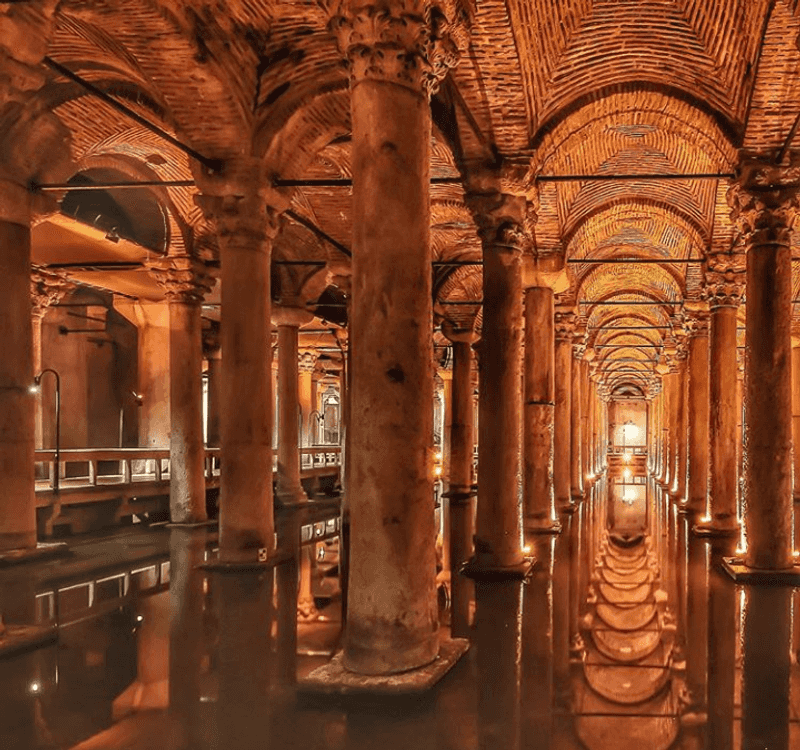
Few tourists expect to find a Byzantine cathedral lurking beneath Istanbul’s streets, but the Basilica Cistern isn’t actually a church — it’s a massive underground water reservoir that feels like a flooded palace. Descending the stone steps into this dim, cool space is like entering another world.
Three hundred and thirty-six marble columns rise from shallow water, their reflections doubling in the still surface to create an endless forest of stone. Atmospheric lighting casts dramatic shadows while classical music echoes off vaulted brick ceilings.
The effect is haunting and beautiful, completely unlike any other historical site in the city.
Two columns rest on Medusa head bases, carved stone faces turned sideways and upside down for reasons lost to history. Theories abound about why Byzantine builders positioned them this way, adding mystery to the already otherworldly atmosphere.
Carp swim lazily between columns, unbothered by the tourists photographing them from raised wooden walkways.
Built in 532 AD to supply water to the Great Palace, this cistern could hold 80,000 cubic meters of water brought by aqueducts from forests miles away. It’s remarkably well preserved, offering a cool escape from summer heat and a glimpse into Byzantine engineering prowess.
Stroll Through the Spice Bazaar — Sensory Feast
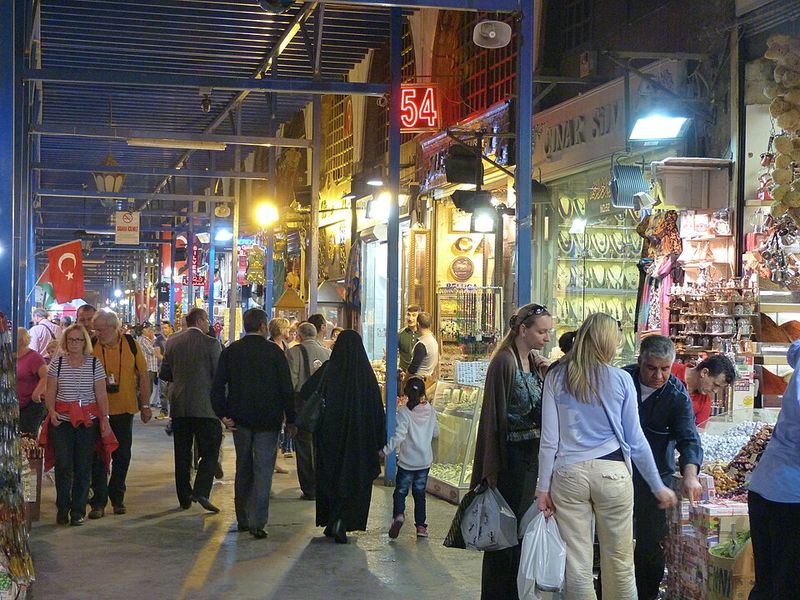
Your nose knows you’ve reached the Spice Bazaar before your eyes confirm it — waves of saffron, cumin, sumac, and dried mint wash over you as you enter this sensory wonderland. Built in 1664 as part of a mosque complex, the Egyptian Bazaar earned its nickname from spices imported along Egyptian trade routes.
Vendors pile their wares into colorful pyramids that beg to be photographed, with crimson paprika, golden turmeric, and deep purple dried eggplant creating an artist’s palette of natural pigments. Sample squares of Turkish delight dusted in powdered sugar, sticky with honey, or studded with pistachios before buying boxes to take home.
Dried figs, apricots, and mulberries offer healthy snacking alternatives to the abundant sweets.
Beyond spices, shops sell herbal teas promising everything from better sleep to improved digestion, plus Turkish coffee sets, olive oil soaps, and caviar from the Black Sea. The energy here differs from the Grand Bazaar — more local shoppers buying ingredients for tonight’s dinner alongside tourists hunting for edible souvenirs.
Prices are generally fixed or less negotiable than at the Grand Bazaar, though friendly bargaining is still acceptable. Arrive hungry and curious, ready to taste your way through centuries of culinary tradition concentrated in one aromatic building.
Wander Historical Neighborhoods — Balat & Karaköy
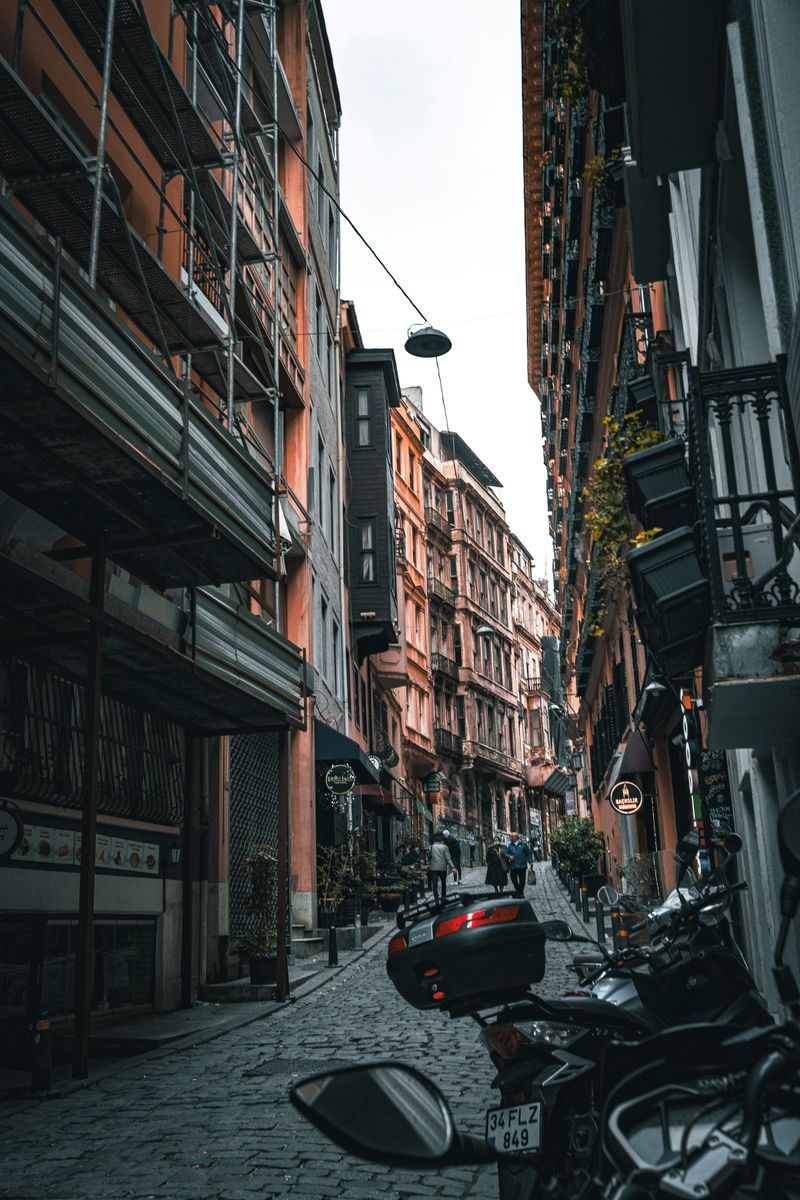
Rainbow-colored houses climb steep hillsides in Balat, creating Instagram gold that also happens to be a historically significant Jewish and Greek quarter. Centuries-old synagogues and churches hide behind peeling paint and weathered doors, while new cafes and art galleries breathe contemporary life into the old streets.
Laundry flaps from balconies above cobblestone lanes too narrow for cars, and elderly residents sit on stoops watching the neighborhood’s transformation into a hipster haven. Street art splashes across walls, some pieces commenting on gentrification and changing neighborhood character.
Antique shops overflow with Ottoman-era treasures, and small restaurants serve home-style cooking that hasn’t changed in generations.
Across the Golden Horn, Karaköy pulses with younger energy as a former port district turned creative hub. Industrial warehouses now house design studios, rooftop bars offer Bosphorus views, and specialty coffee shops attract freelancers tapping on laptops.
The Karaköy fish market still operates in the shadow of Galata Bridge, where locals buy fresh catch for dinner while tourists snap photos of the scene.
Both neighborhoods reward aimless wandering more than checklist sightseeing. Wear comfortable shoes for the hills, bring your camera, and allow several hours to properly explore these authentic corners of Istanbul.
Visit Süleymaniye Mosque — Peaceful Ottoman Complex
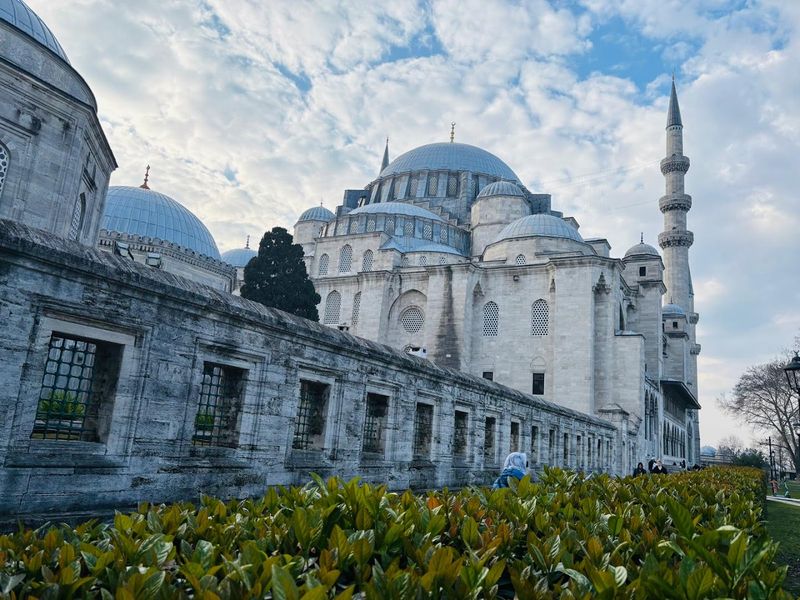
Perched on Istanbul’s highest hill, Süleymaniye Mosque watches over the city like a benevolent guardian. Architect Sinan designed this masterpiece for Sultan Süleyman the Magnificent, creating what many consider the most beautiful mosque in Istanbul — high praise in a city overflowing with stunning Islamic architecture.
The proportions achieve perfect harmony, with the central dome rising 53 meters and supported by half-domes that distribute weight through elegant arches. Inside, natural light floods through hundreds of windows, and the lack of excessive decoration focuses attention on the architecture itself.
Sinan incorporated acoustic engineering that allows a voice from the mihrab to reach every corner without amplification.
The complex includes tombs where Süleyman and his beloved wife Hürrem Sultan rest, plus the architect Sinan himself. Gardens surrounding the mosque provide peaceful spots to sit and contemplate the Golden Horn views stretching below.
Locals come here to pray and find tranquility away from tourist crowds that concentrate at the Blue Mosque.
The mosque’s elevation means you’ll climb some stairs to reach it, but the effort pays off in both architectural splendor and panoramic vistas. Visit during non-prayer times, dress modestly, and experience Ottoman spirituality at its most refined.
Enjoy Turkish Delights & Street Food
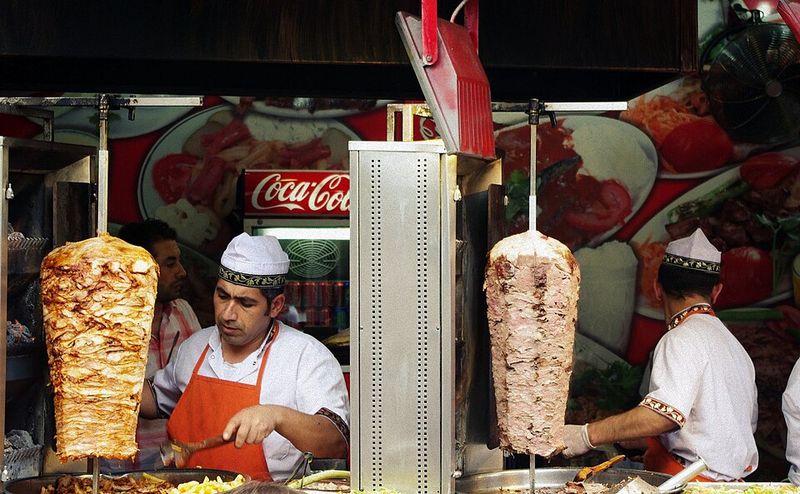
Forget fancy restaurants for a moment — Istanbul’s soul lives in its street food, where vendors have perfected recipes passed down through generations. Simit sellers balance trays of sesame-crusted bread rings on their heads, weaving through traffic to reach hungry commuters who grab these crispy, chewy circles for breakfast.
Near Galata Bridge, boats bobbing in the Golden Horn serve balık ekmek — grilled mackerel stuffed into crusty bread with onions and lettuce, handed to you wrapped in paper while seagulls circle overhead hoping for scraps. The combination of fresh fish, squeeze of lemon, and waterfront location creates a quintessentially Istanbul moment.
Meze spreads at casual eateries offer colorful arrays of small dishes — smoky eggplant purée, stuffed grape leaves, yogurt with garlic, and spicy pepper paste — perfect for sharing and sampling multiple flavors. For dessert, künefe delivers a cheese-based pastry soaked in sweet syrup and topped with crushed pistachios, served hot and stretchy.
Street vendors also sell roasted chestnuts in winter, corn on the cob in summer, and fresh pomegranate juice year-round. Eating this way costs a fraction of restaurant prices while providing authentic interaction with local food culture and the people who keep these traditions alive daily.
Explore the Princes’ Islands — Car-Free Escapes
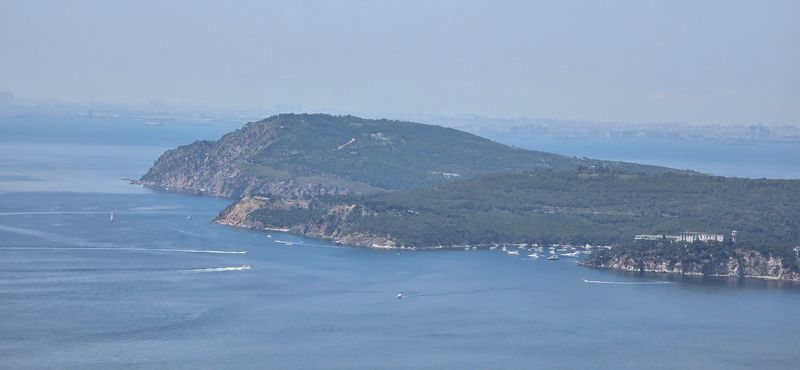
Silence greets you when the ferry docks at Büyükada, largest of the Princes’ Islands — no honking horns, no revving engines, just the clip-clop of horse hooves and bicycle bells. Cars have been banned here since these islands served as Byzantine exile spots for troublesome royalty.
Victorian-era wooden mansions in faded pastels peek through pine forests, remnants of when wealthy Greeks, Armenians, and Jews built summer homes to escape mainland heat. Some stand abandoned and mysterious, while others have been restored as hotels and restaurants.
The architecture feels frozen in time, like stumbling onto a movie set for a period drama.
Rent a bicycle to explore the island’s perimeter road, or hire a horse-drawn carriage for a leisurely tour past mansions and monasteries. Swimming spots dot the coastline, and seafood restaurants serve fresh catches with Marmara Sea views.
The largest island, Büyükada, offers the most activities, while smaller islands provide even quieter retreats.
The ferry ride itself — about an hour from the city — offers bonus sightseeing as you cruise past Asian and European shores. Pack a swimsuit, sunscreen, and appetite for seafood.
Many Istanbul residents escape here on weekends, so weekdays offer a more peaceful experience of this car-free paradise.
Discover Istanbul Archaeology Museums
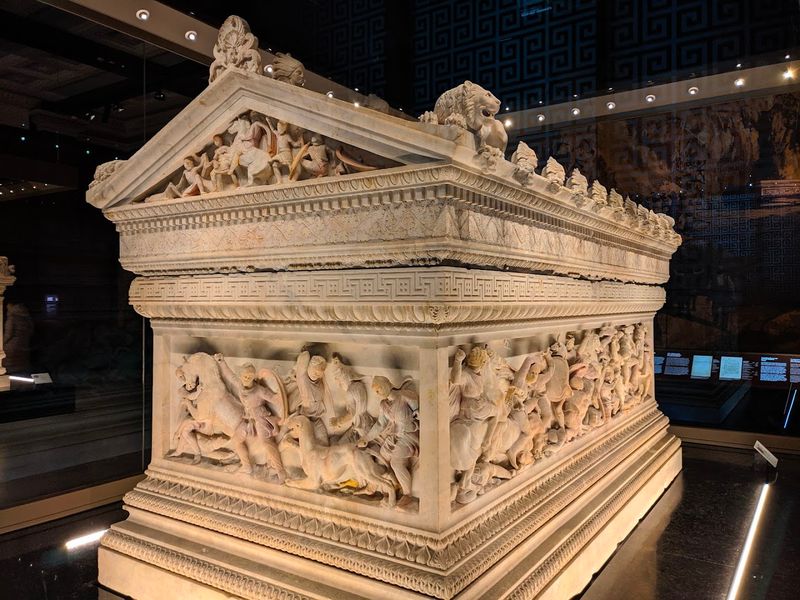
Three separate museums cluster together near Topkapi Palace, housing treasures that span 5,000 years of human civilization across Anatolia, Mesopotamia, and the Ottoman Empire. The main Archaeology Museum alone holds over one million objects, though only a fraction can be displayed at once.
The Alexander Sarcophagus ranks among the museum’s crown jewels — not because Alexander the Great was buried in it (he wasn’t), but because its carved battle scenes depicting Alexander are remarkably preserved, with traces of original paint still visible. Nearby, the Sarcophagus of the Crying Women shows mourning figures so lifelike you can almost hear their laments.
The Museum of the Ancient Orient displays Mesopotamian artifacts including Babylonian tablets and Hittite treaties, while the Tiled Kiosk showcases centuries of Islamic ceramic art in a building that’s itself a 15th-century artwork. Walking these halls reveals how many civilizations rose and fell in this strategic region, each leaving layers of culture behind.
Unlike Istanbul’s more famous attractions, the archaeology museums rarely see crushing crowds, allowing peaceful contemplation of ancient artworks. History enthusiasts can easily spend half a day here, while even casual visitors will find the star pieces impressive.
Audio guides provide context that brings the artifacts to life beyond simple viewing.
Climb Galata Tower — Panoramas Over Golden Horn
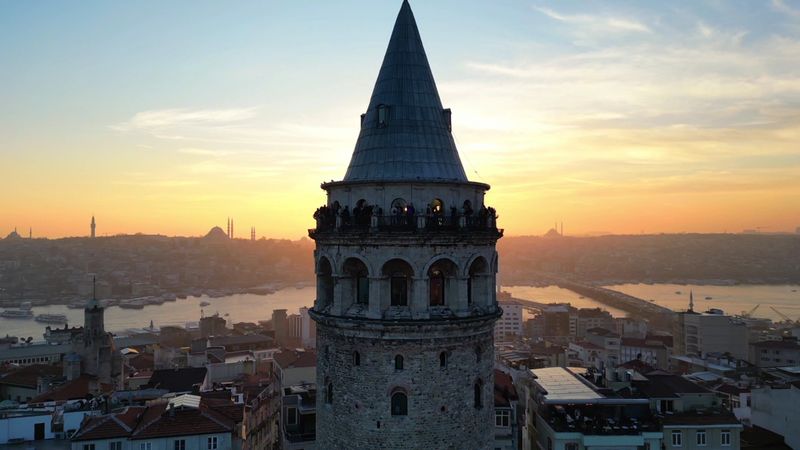
Built by Genoese colonists in 1348, Galata Tower has watched over Istanbul through Byzantine collapse, Ottoman conquest, and modern transformation. The stone cylinder rises 67 meters above the Galata neighborhood, its conical cap visible from across the city.
An elevator carries visitors most of the way up, but the final ascent requires climbing a narrow spiral staircase that adds a touch of medieval adventure to the experience. The observation deck circles the tower’s exterior, offering 360-degree views that make the climb worthwhile despite the crowds that pack the platform during peak hours.
From this vantage point, Istanbul’s geography makes sense — you can trace the Golden Horn curving inland, the Bosphorus separating continents, and the Sea of Marmara opening to the south. Mosques, churches, and synagogues dot the skyline, visual evidence of the city’s multicultural heritage.
Ferries trace white wakes across blue water while seagulls soar at eye level.
Sunset brings the most dramatic views as the city glows golden and lights begin twinkling across the hills. The tower stays open into evening, and while sunset crowds can be intense, the views justify the squeeze.
A cafe and restaurant occupy lower levels if you want to extend your visit with refreshments and more views.
Relax in a Traditional Hammam — Turkish Bath Ritual
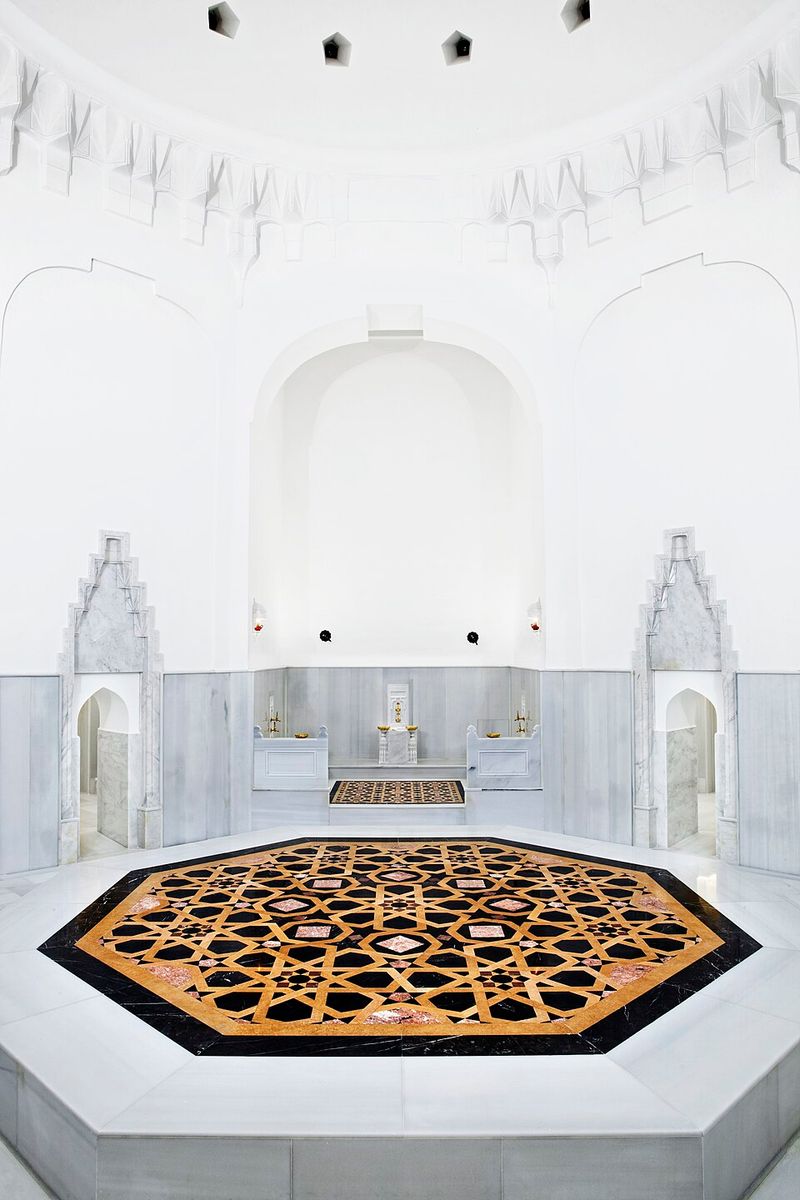
Steam billows through a domed marble chamber lit by star-shaped skylights, creating an atmosphere that feels both ancient and timeless. Turkish hammams have been cleansing and relaxing bodies for centuries, and the ritual remains essentially unchanged from Ottoman times.
The experience begins in a warm room where you sweat out impurities before moving to the hot room — a heated marble platform called a göbektaşı where an attendant scrubs your skin with a rough mitt until dead cells roll off in alarming quantities. It sounds harsh but feels surprisingly good, like shedding an old layer to reveal fresh skin beneath.
A foam massage follows, where the attendant works up mountains of bubbles and kneads your muscles until tension melts away.
After rinsing, you retreat to a cool room to sip tea and let your body temperature normalize while wrapped in towels. The entire process takes about an hour and leaves you feeling cleaner than you knew possible, with skin so soft you’ll keep touching your own arms in amazement.
Historic hammams like Çemberlitaş and Ayasofya Hürrem Sultan offer authentic settings with centuries-old architecture, while modern spa-hammams provide more luxurious amenities. Either way, this cultural experience provides perfect contrast to days spent walking ancient streets and climbing palace stairs.
Sip Tea with a View — Çamlıca Hill or Pierre Loti Café
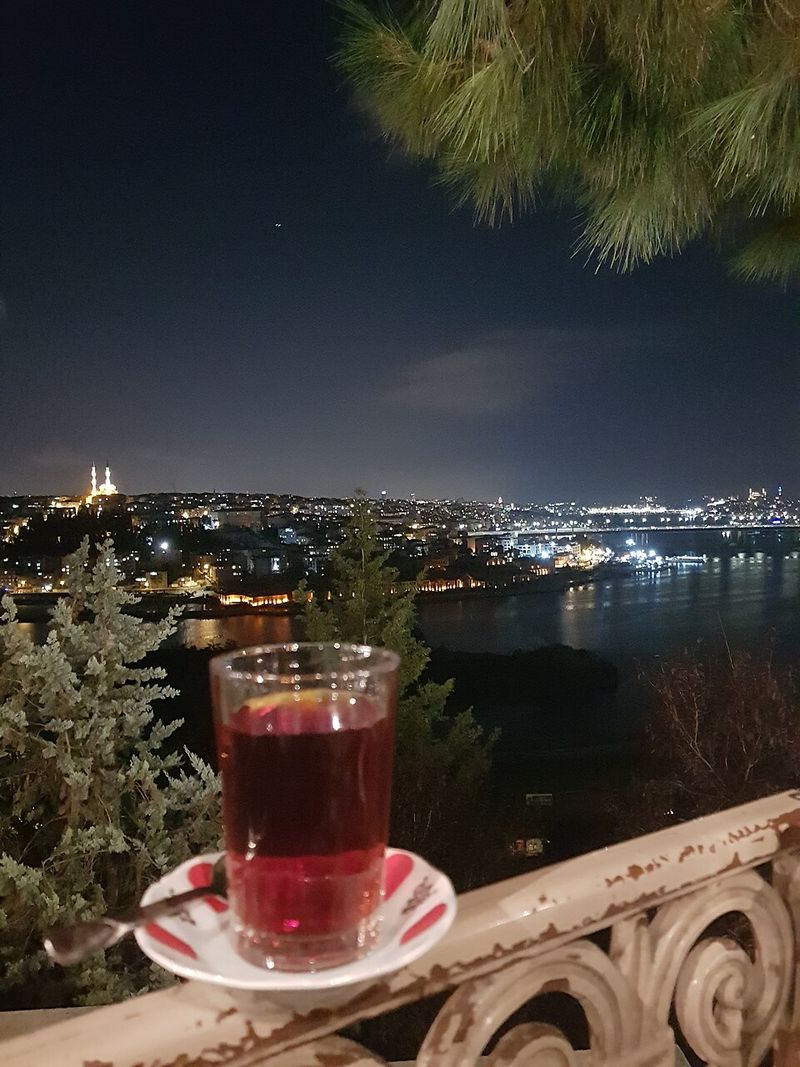
Turkish tea culture demands you slow down, sit, and savor the moment — exactly what travel should be but often isn’t. Çamlıca Hill on the Asian side offers the highest viewpoint in Istanbul, with manicured gardens and tea pavilions where locals gather to watch the sun set over the European shore.
On the European side, Pierre Loti Café clings to a hillside above the Golden Horn, named for a French writer who fell in love with Istanbul and wrote about it extensively. The café’s terraces provide sweeping views across the water to the old city, with mosque domes and minarets creating a skyline that hasn’t changed much since Pierre Loti’s time.
A cable car carries visitors up the steep slope, adding a touch of adventure to your tea break.
Tulip-shaped glasses arrive on small saucers, the tea brewed strong and hot, traditionally served without milk. Sugar cubes on the side let you sweeten to taste.
Locals spend hours here chatting with friends, playing backgammon, and watching the city’s rhythm unfold below — a practice worth adopting even if you’re only in town for days.
Both locations offer sunset magic as the city transforms from daytime hustle to evening glow. Bring a camera, order tea and maybe some Turkish pastries, and simply exist in the moment.
Share this story