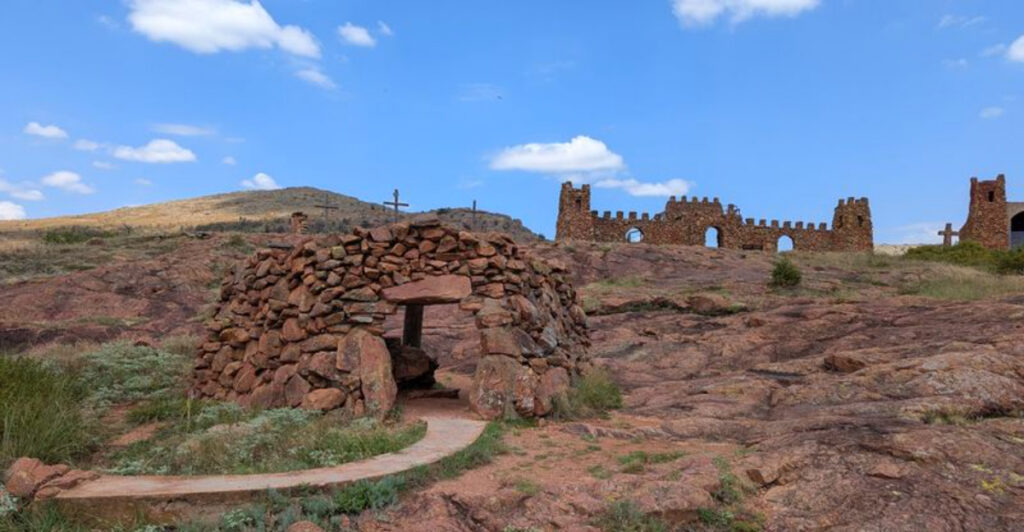
There’s a place tucked away in the Wichita Mountains where stone archways rise against red rock cliffs and ancient-looking structures dot the landscape like something out of a biblical tale. This isn’t some distant pilgrimage site across the ocean.
It’s right here in southwestern Oklahoma, where a century-old dream turned into a living replica of Jerusalem. I stumbled upon this unexpected treasure while exploring the wildlife refuge nearby, and what I found left me genuinely awestruck.
The combination of rugged natural beauty and handcrafted historical architecture creates an atmosphere that transports you thousands of miles and thousands of years away, all within a short drive from Lawton.
A Vision Carved in Stone
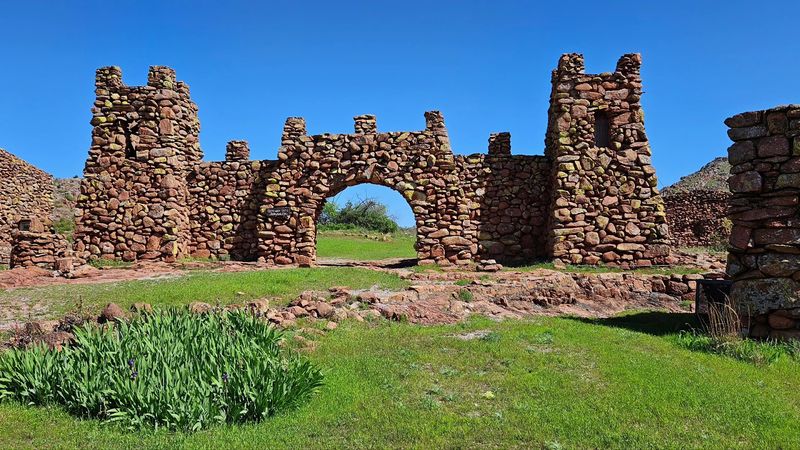
The Holy City of the Wichitas at 262 Holy City Road in Lawton, Oklahoma, started with one man’s powerful vision back in the 1920s. Reverend Anthony Mark Wallock dreamed of creating a place where the stories of Jerusalem could come alive for people who might never travel to the Middle East.
What began as a simple idea transformed into an ambitious project that would span decades. Local craftsmen and volunteers worked together to construct detailed replicas of biblical sites using native stone and materials from the surrounding Wichita Mountains.
Walking through the grounds today, you can see the dedication poured into every archway and structure. The builders paid attention to historical details while adapting their designs to withstand Oklahoma weather patterns.
I found myself marveling at how they managed to create such an authentic atmosphere in such an unexpected location. The structures blend surprisingly well with the natural red rock formations that serve as their backdrop.
This wasn’t just construction work. It was an act of faith made tangible through limestone and determination, creating something that has now welcomed visitors for nearly a century.
The Easter Pageant Tradition
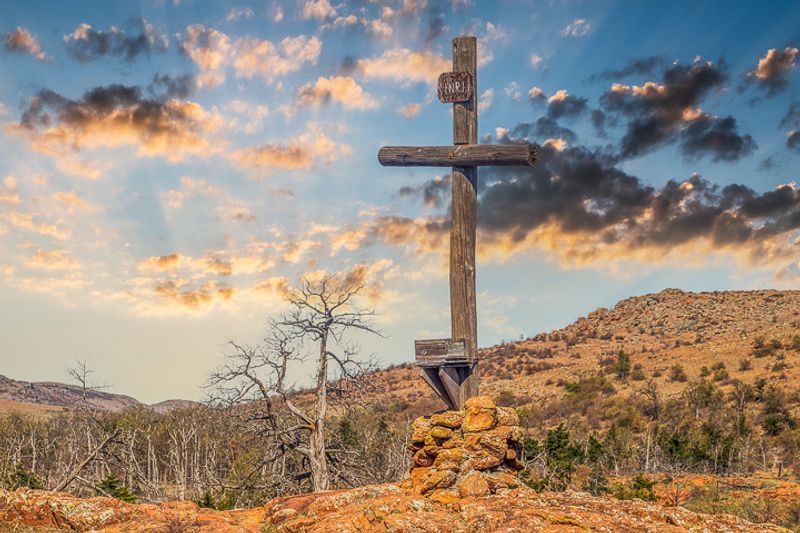
For a full century, this sanctuary has hosted one of the most enduring Easter pageants in the entire country. The tradition draws thousands of visitors each spring who gather to witness a dramatic retelling of biblical events.
The natural amphitheater setting provides an incredible backdrop for the performances. Actors in period costumes move between the stone structures while the audience sits on hillside seating that offers views of both the stage and the surrounding mountains.
I visited during the off-season, but even without the pageant happening, I could sense the significance of the space. Staff members told me stories about generations of families who return year after year to participate or watch.
The pageant isn’t some small community production either. It involves elaborate costumes, trained performers, and careful coordination across multiple scenes and locations throughout the property.
What strikes me most is the continuity. Through depression, war, and changing times, this community has kept the tradition alive for ten decades.
That kind of commitment to something speaks volumes about its importance to the people of southwestern Oklahoma.
Architectural Details Worth Studying
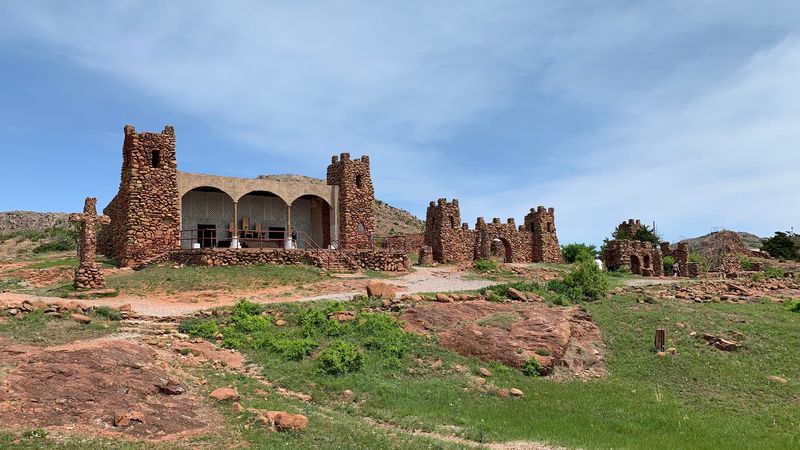
The craftsmanship throughout the Holy City deserves serious appreciation. Each structure showcases techniques that modern builders rarely employ, with hand-cut stones fitted together in patterns that have survived Oklahoma’s temperamental weather for generations.
I spent considerable time examining the arches and doorways. The builders used local limestone that matches the tones of the surrounding landscape, creating a visual harmony between human creation and natural environment.
Some structures feature intricate details like carved columns and decorative elements inspired by Middle Eastern architecture. Others maintain simpler designs that emphasize function and durability over ornamentation.
You’ll notice that each building serves a specific purpose in telling the larger story. From the temple replica to smaller residential structures, everything connects to create a cohesive representation of an ancient city.
The aging process has actually enhanced the authenticity in many ways. Weathered stone and settled foundations give these relatively young buildings an ancient appearance that feels remarkably genuine.
It’s architecture that invites you to slow down and really look at the skill involved in its creation.
The Natural Setting
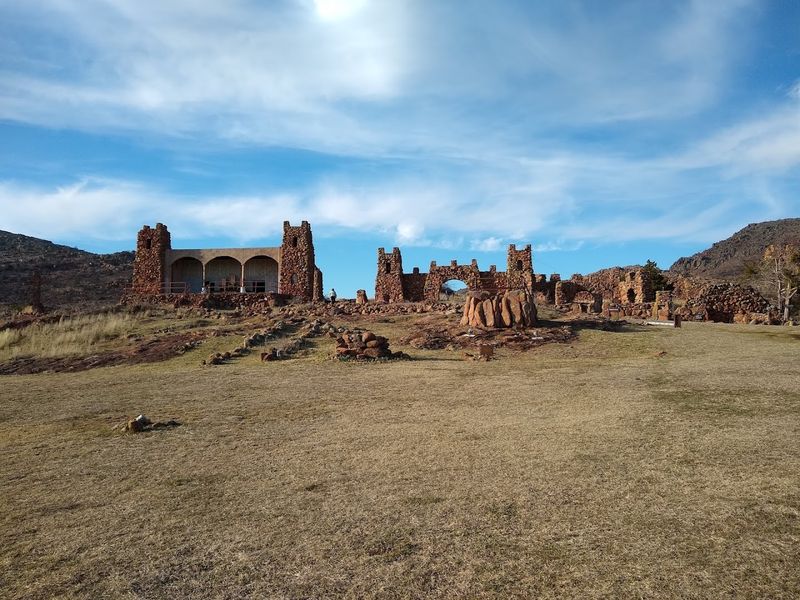
The Wichita Mountains provide a dramatic stage for this unusual attraction. Ancient granite peaks rise in the distance while red rock outcroppings frame the stone structures in ways that feel almost deliberately arranged.
I arrived early one morning when mist still clung to the valleys. The combination of stone buildings emerging from the fog with mountain silhouettes behind them created an otherworldly scene that my camera couldn’t quite capture.
The landscape here is classic Oklahoma wilderness. Prairie grasses wave in the constant breeze, and hardy vegetation clings to rocky slopes.
This rugged environment actually mirrors the terrain of the Middle East more closely than you might expect.
Wildlife is abundant throughout the area. During my visit, I spotted several deer grazing near the structures, completely unbothered by the human-made additions to their territory.
The designers chose this location wisely. The natural features enhance rather than compete with the architectural elements.
Hills provide natural amphitheater seating, while rock formations serve as both backdrop and boundary, creating an enclosed feeling that helps visitors focus on the experience rather than the modern world beyond.
Unexpected Wildlife Encounters
One of the most surprising aspects of visiting the Holy City is the wildlife that freely roams the grounds. The site sits within the Wichita Mountains Wildlife Refuge, which means you’re sharing the space with some impressive creatures.
During my visit, a massive bison wandered through the area, completely casual about its proximity to the buildings. Watching this enormous animal move past ancient-looking stone structures created a surreal juxtaposition of timelines and geographies.
Prairie dogs have established extensive burrow systems along the road leading into the site. I watched them pop up and down from their holes, their squeaky communications echoing across the landscape.
They’re entertaining little characters who seem to have no fear of visitors.
Several people mentioned buffalo sightings, and now I understand their excitement. There’s something profound about experiencing biblical architecture while North American megafauna graze nearby.
It’s a uniquely Oklahoma moment that you won’t find anywhere else.
Keep your distance from all wildlife, especially bison. They may look docile, but these are wild animals in their natural habitat.
Respect their space and enjoy observing them from safe viewing distances.
The Chapel Experience
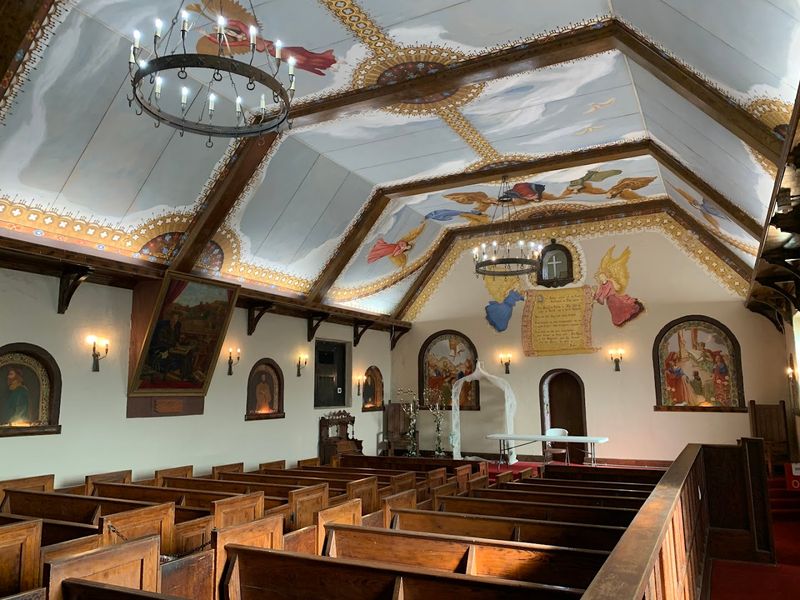
A small chapel stands as one of the most intimate spaces within the Holy City. Unlike the larger outdoor structures, this enclosed space offers a quiet retreat for reflection and prayer.
I stepped inside on a warm afternoon and immediately felt the temperature drop. The thick stone walls provide natural insulation, creating a cool refuge from Oklahoma’s intense summer heat.
Light filters through stained glass windows, casting colored patterns across simple wooden pews. The space isn’t elaborate or ornate, but that simplicity feels intentional and appropriate for the setting.
Several visitors were sitting quietly when I entered, some with heads bowed and others simply resting in the peaceful atmosphere. There’s an unspoken understanding that this space deserves reverence, regardless of your personal beliefs.
The chapel is available for special events including weddings, according to the staff. I can imagine how meaningful it would be to hold a ceremony in this unique location, surrounded by both natural beauty and spiritual significance.
It’s a space that invites contemplation and seems to slow time itself.
Walking the Grounds
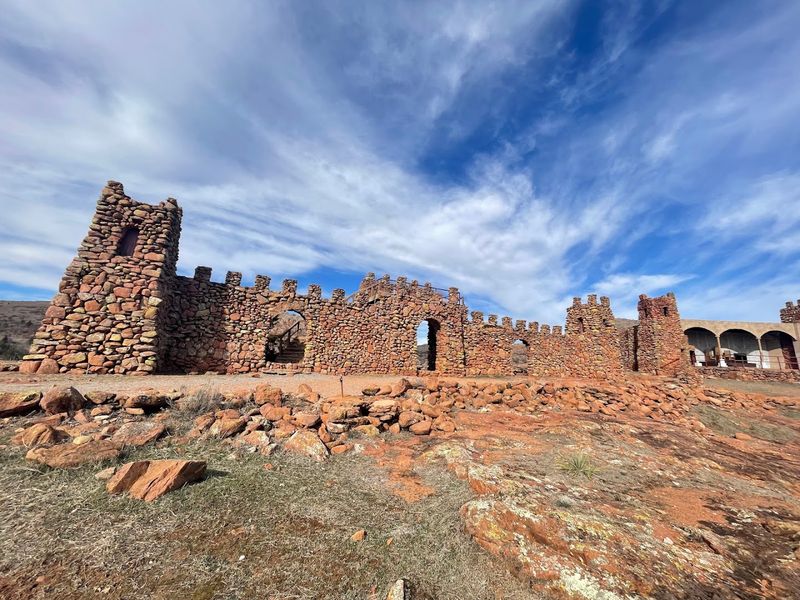
Exploring the Holy City requires comfortable shoes and a willingness to cover some ground. Pathways wind between structures, leading you on a journey through different scenes and settings.
The layout isn’t random. Each section connects to tell parts of a larger narrative, guiding visitors through a geographical and spiritual progression.
I found myself naturally moving from one area to the next without needing directional signs.
Some paths are paved while others remain natural dirt trails. The terrain includes gentle slopes and occasional steps, making most areas accessible though not entirely flat.
I noticed a few visitors using walking sticks for extra stability on uneven sections.
During certain times of year, portions of the grounds close for maintenance or event preparation. When I visited, some areas were roped off, but enough remained open to provide a satisfying experience.
The walk takes anywhere from thirty minutes to several hours depending on your pace and interest level. I spent about ninety minutes wandering slowly, reading informational plaques, and taking photographs.
Bring water, especially during warmer months, as shade is limited in some sections.
The Gift Shop and Visitor Center
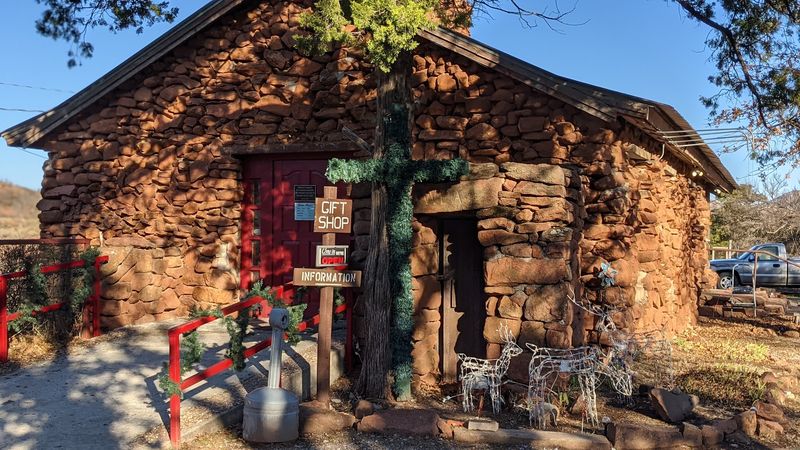
A modest gift shop serves as the visitor center and offers the only place to purchase cold refreshments on the property. This becomes important information when you’re exploring during Oklahoma’s scorching summer months.
The staff member I encountered was genuinely friendly and knowledgeable about the site’s history. She shared stories about the Easter pageant and answered questions about the construction process without any rehearsed script feeling.
The merchandise selection leans heavily toward religious items and local crafts. You’ll find crosses, bookmarks, postcards, and various small souvenirs.
It’s not a large retail operation, but it offers appropriate mementos for those wanting to remember their visit.
I appreciated that the gift shop doesn’t feel pushy or commercial. It exists as a service to visitors rather than a profit center, which fits the non-profit nature of the organization.
This is also where you can get information about upcoming events, including the famous Easter pageant schedules. The staff can provide details about parking, accessibility, and any current restrictions on certain areas of the grounds.
Photography Opportunities
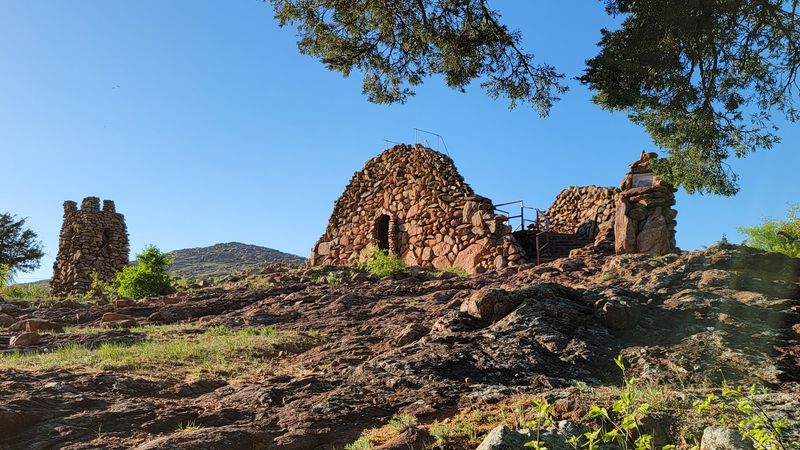
Photographers will find endless composition possibilities throughout the Holy City. The combination of architecture, natural landscape, and dramatic lighting creates conditions that range from documentary to artistic.
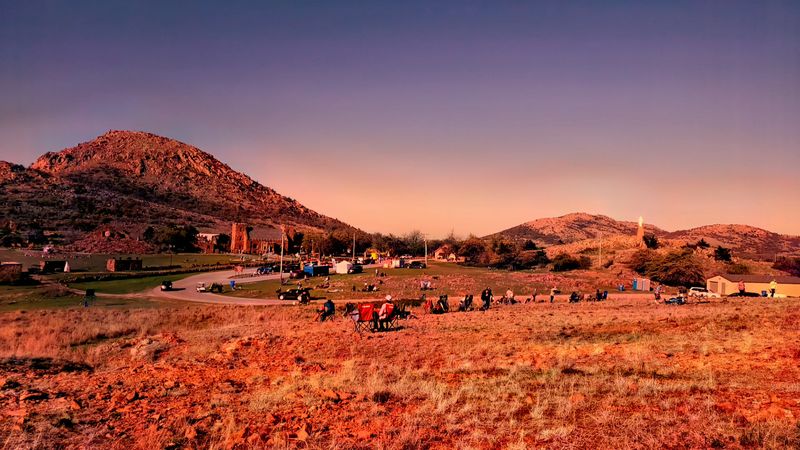
Golden hour produces particularly stunning results. I watched the setting sun paint the limestone structures in warm orange tones while casting long shadows across the prairie grass.
The mountains in the background turned purple and blue as daylight faded.
The stone textures photograph beautifully at any time of day. Close-up shots reveal the craftsmanship and weathering patterns that tell stories of decades exposed to wind and rain.
Wide-angle lenses help capture the scope of the setting, showing how the structures relate to their mountain backdrop. Telephoto lenses let you isolate architectural details or compress the distance between foreground structures and background peaks.
If wildlife appears during your visit, you have the chance for truly unique shots. That bison I mentioned earlier would have made an incredible photograph framed by stone archways, though I respected the safe distance and used my zoom lens instead.
Always prioritize safety over getting the perfect shot.
Planning Your Visit
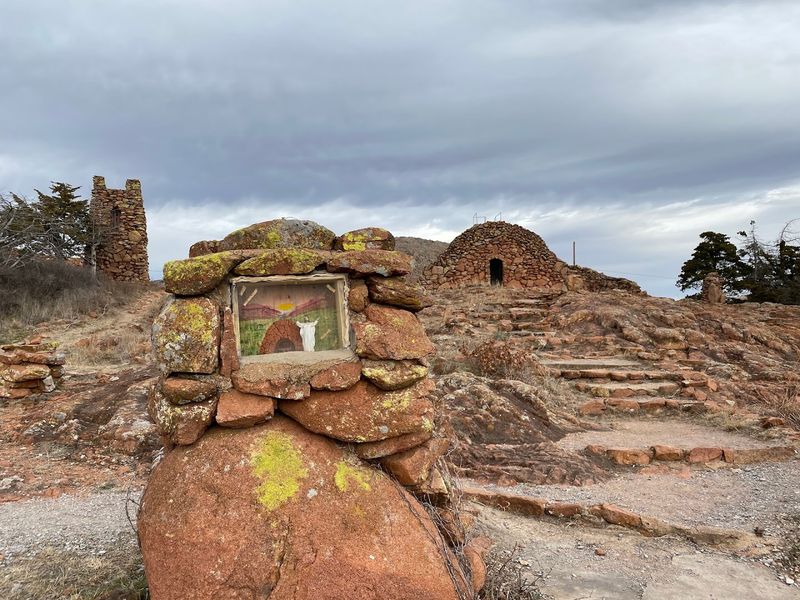
The Holy City operates on a schedule that varies slightly between weekdays and weekends. Most days it opens at 8 AM and closes at 6 PM, though Sunday hours start later at 1 PM and still close at 5 PM.
Admission is free, which seems almost unbelievable for a site of this quality and historical significance. The non-profit organization maintains everything through donations and volunteer support.
I recommend calling ahead at 580-429-3361 if you’re planning a special visit or want to confirm hours. The website at theholycityofthewichitas.org provides additional information about events and any temporary closures.
The best times to visit are spring and fall when temperatures are moderate and the landscape shows its most dramatic colors. Summer can be brutally hot with limited shade, while winter occasionally brings ice that makes pathways treacherous.
If you’re specifically interested in the Easter pageant, plan well in advance. This popular event draws large crowds and parking becomes challenging.
The pageant represents the site at its most active and populated, offering a completely different experience than a quiet weekday visit.
Combining your trip with exploration of the surrounding Wichita Mountains Wildlife Refuge makes sense since you’re already in the area.
The Peaceful Atmosphere
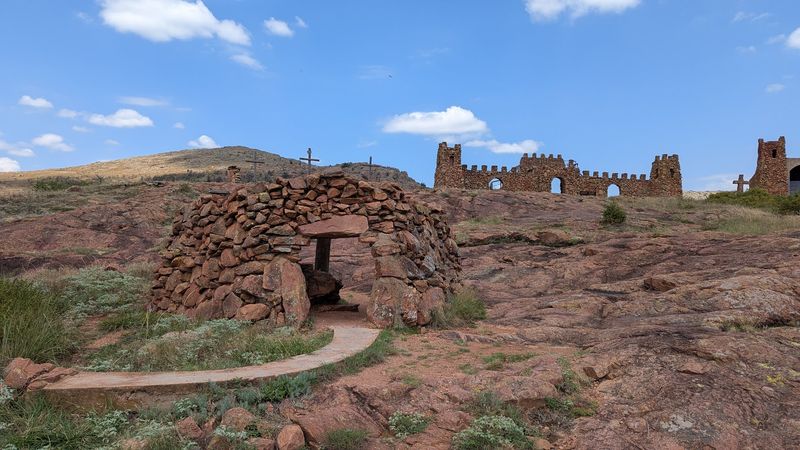
The silence here isn’t complete. Wind rustles through grasses, birds call from nearby trees, and occasionally you hear the distant sound of other visitors.
But these natural sounds enhance rather than disturb the peaceful quality.
Several visitors mentioned coming specifically to pray or meditate. The environment supports contemplative practices regardless of your specific beliefs or background.
It’s simply a good place to think clearly and breathe deeply.
I watched one family spread a blanket near one of the structures and simply sit together, not talking much, just being present in the space. That kind of comfortable silence speaks to the quality of the environment.
In our constantly connected, perpetually noisy modern world, places like this offer something increasingly rare: genuine quietness and the space to hear your own thoughts.
A Hidden Treasure Worth Finding
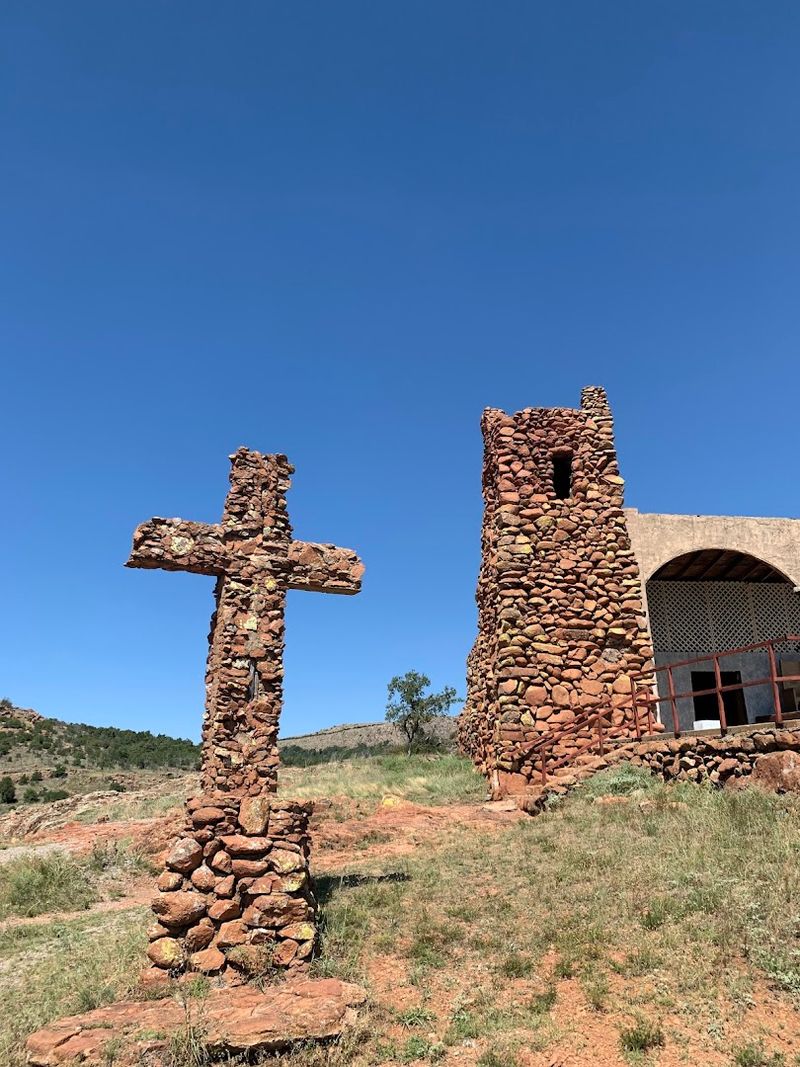
The Holy City remains relatively unknown outside of Oklahoma and the surrounding region. This hidden quality actually enhances the experience, keeping crowds manageable and preserving the contemplative atmosphere.
I’ve visited many historical and religious sites across the country, and this one stands out for its unique combination of elements. Where else can you explore biblical architecture while bison graze nearby and granite mountains rise in the distance?
The century-long commitment to maintaining this place and continuing the Easter pageant tradition demonstrates something admirable about community dedication. This isn’t a commercial venture or tourist trap.
It’s a labor of love that continues because people believe in its value.
Whether you approach it from a religious perspective, historical interest, or simple curiosity about unusual places, the Holy City offers something meaningful. It rewards those who make the effort to find it with an experience that lingers in memory.
As I drove away, I kept glancing back at the stone structures growing smaller in my rearview mirror. This hidden Oklahoma sanctuary had delivered exactly what its admirers promised: a genuine sense of stepping into another world, another time, while never leaving the American heartland.
Share this story