Most Americans plan trips to Paris, Rome, or Cancun without realizing there’s a whole world of incredible places waiting to be explored. Some of the best destinations on Earth are the ones you’ve probably never Googled.
From jaw-dropping mountain landscapes to ancient cities packed with history, these 13 countries deserve a spot on your travel bucket list. Trust me, your passport will thank you.
Kyrgyzstan
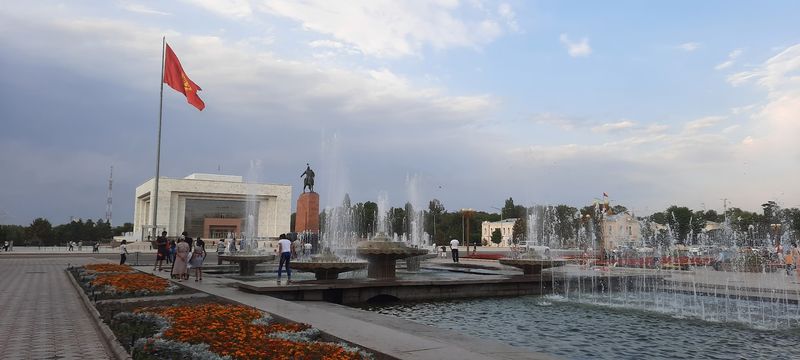
Kyrgyzstan is the kind of place where your jaw drops before you even leave the airport. Tucked into Central Asia, this country is pure wilderness with a nomadic soul.
The Tian Shan mountains stretch across the landscape like something out of a fantasy novel.
Staying in a yurt is the ultimate experience here. Local families open their homes to travelers, and you’ll eat fresh bread and drink fermented mare’s milk around a fire.
It sounds wild, and it absolutely is.
Hiking trails snake through valleys where you won’t see another tourist for days. Horseback riding is practically a national sport, and locals will happily teach you the basics.
The Son-Kul Lake, sitting at over 3,000 meters, is one of the most beautiful spots I’ve ever set eyes on.
Kyrgyzstan costs a fraction of what popular European destinations charge. Budget travelers can live like royalty here.
The country is still off most Americans’ radar, which means you’ll enjoy all that epic scenery without fighting crowds for the perfect photo.
Georgia
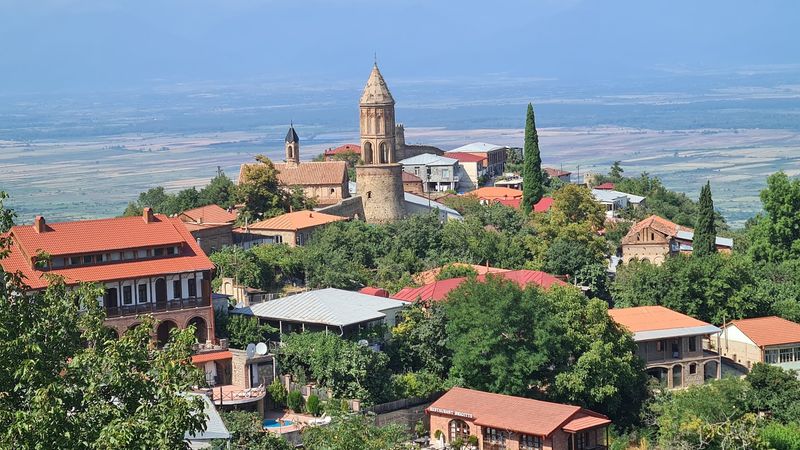
Georgia sits right where Europe shakes hands with Asia, and the result is one of the most fascinating cultural cocktails on the planet. Tbilisi’s old town is a maze of carved wooden balconies, sulfur bathhouses, and cafes that smell like fresh churchkhela.
You could wander those streets for days.
The food alone is worth the flight. Georgian cuisine features khinkali dumplings, cheese-stuffed khachapuri bread, and wine that dates back 8,000 years.
Fun fact: Georgia is considered the birthplace of wine, so every sip carries some serious historical weight.
Beyond the capital, the village of Sighnaghi perches over rolling vineyard hills like a scene from a postcard. The Caucasus Mountains in the north offer dramatic trekking routes through ancient tower villages.
Svaneti is particularly stunning and still refreshingly quiet.
Georgia is genuinely affordable and welcoming. Locals treat guests as gifts from God, which is literally written into their culture.
English is increasingly spoken in cities, making navigation easy. For history lovers, foodies, and outdoor enthusiasts, Georgia delivers a perfect triple threat without the tourist price tag attached to similar destinations.
Albania
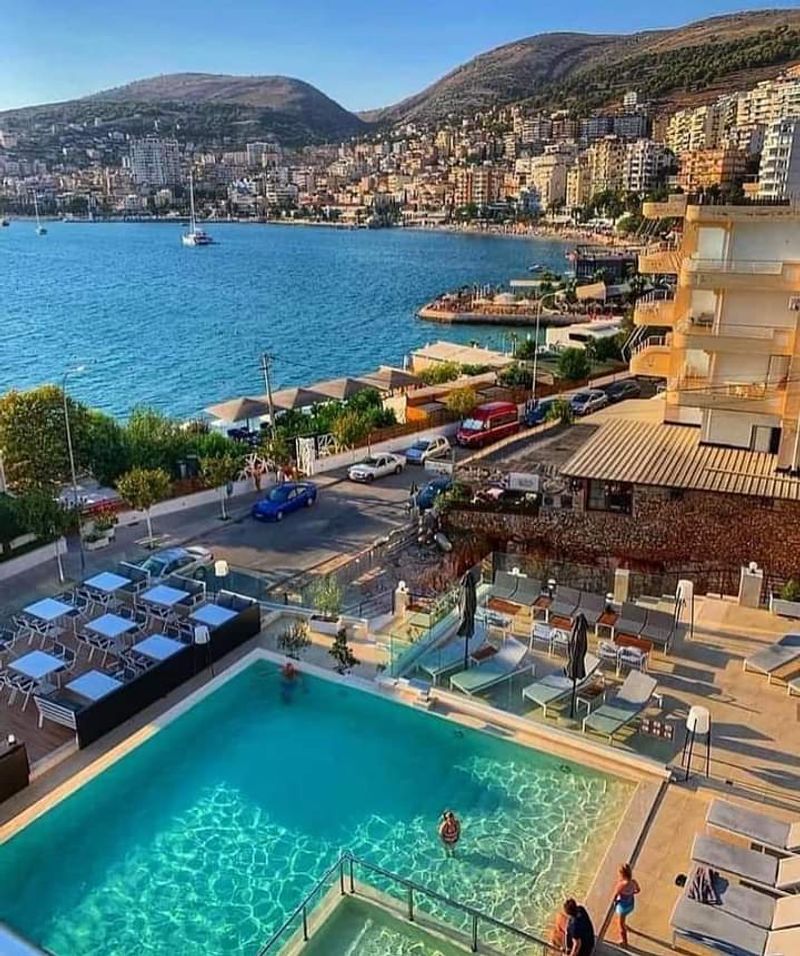
Albania is Europe’s best-kept secret, and locals would probably prefer it stayed that way. Wedged between Greece and Montenegro, this tiny country punches way above its weight in scenery, history, and sheer personality.
The Albanian Riviera alone could compete with any Mediterranean coastline.
Beaches here are pristine and uncrowded. Towns like Himara and Ksamil offer crystal-clear water without the wall-to-wall sunbeds you’d find in Mykonos.
Plus, a full meal with drinks costs roughly what a coffee costs in Rome.
Ancient ruins are scattered across the country like forgotten treasures. Butrint, a UNESCO World Heritage Site, layers Greek, Roman, Byzantine, and Venetian history in one compact archaeological park.
Walking through it feels genuinely surreal.
The mountain towns are equally compelling. Gjirokastra, nicknamed the City of Stone, is a UNESCO-listed Ottoman town built into a hillside with a castle that overlooks everything dramatically.
Albania’s rugged interior offers serious hiking without the serious crowds. The locals are famously warm and curious about foreign visitors.
If you want a European adventure that doesn’t drain your bank account or your patience, Albania is the answer hiding in plain sight.
Montenegro
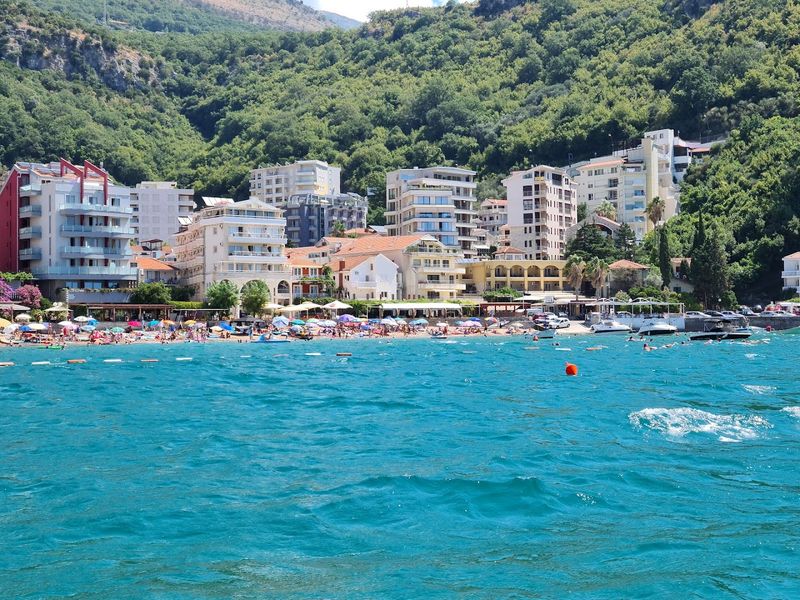
Montenegro is basically Croatia’s cooler, quieter, cheaper sibling. The Bay of Kotor is one of the most dramatic coastal scenes in all of Europe, and it’s a UNESCO World Heritage Site for very good reason.
Medieval walls, blue water, and mountains that drop straight into the sea create a view that feels almost theatrical.
Kotor’s old town is small enough to explore in a day but rich enough to keep you busy for three. Cats are practically the town mascots here, and there’s even a Cat Museum.
That alone earns Montenegro serious points.
Head inland and things get even wilder. Durmitor National Park is a playground of glacial lakes, canyon hikes, and ski slopes in winter.
The Tara River Canyon is the second deepest in the world, and rafting through it is an absolute thrill.
Montenegro costs noticeably less than nearby Croatia while offering similar or better scenery. Beaches on the Budva Riviera fill up in peak summer, so visiting in May or September gives you all the beauty without the crowds.
For first-time Balkan travelers, Montenegro is an ideal entry point that never disappoints.
Uruguay
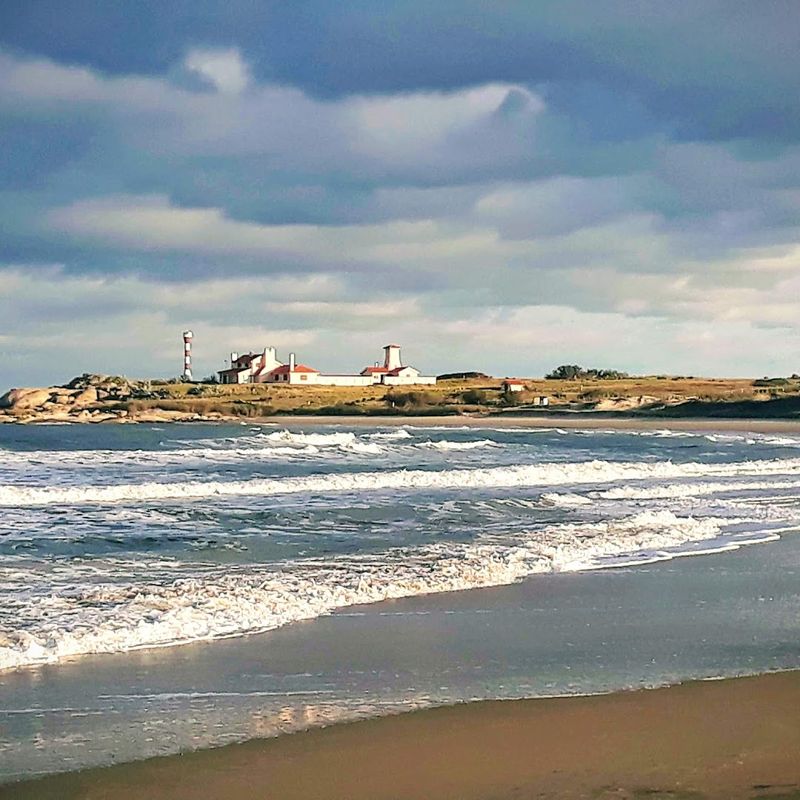
Uruguay gets skipped constantly because it sits between two travel giants, Argentina and Brazil. That’s a mistake most travelers regret once they finally show up.
Montevideo is one of the most livable, walkable, and genuinely charming capital cities in all of South America.
The rambla, a long coastal promenade, is where locals jog, sip mate, and watch the sun go down over the Rio de la Plata. There’s a relaxed rhythm to life here that’s genuinely contagious.
You’ll slow down whether you plan to or not.
Punta del Este has a reputation as a glitzy resort town, but visit in the shoulder season and it transforms into a peaceful beach escape with excellent seafood restaurants and gallery spaces. The contrast between peak and off-peak is remarkable.
Uruguay’s food scene is seriously underrated. Parrilladas, traditional steakhouses, serve some of the finest beef on the continent at prices that feel almost unfair.
The country also has a progressive, stable culture that makes it feel safe and easy to navigate. Uruguay won’t dazzle you with giant ruins or extreme landscapes, but it will win you over with quiet, consistent charm.
Nicaragua
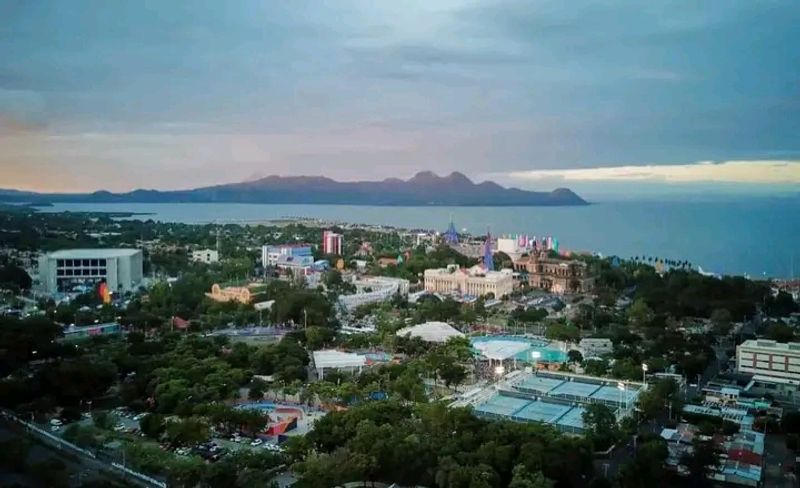
Nicaragua is the Central American destination that travelers keep almost discovering and then forgetting about. That’s their loss.
Granada is one of the oldest colonial cities in the Americas, painted in vivid yellows, blues, and reds, with a cathedral that looks like it belongs on a movie set.
León, the university city to the north, has a completely different energy. It’s grittier, more political, and home to some of the country’s best street food.
Sliding down the slopes of Cerro Negro volcano on a wooden board is a bucket-list activity you won’t find anywhere else on Earth.
Pacific beaches like San Juan del Sur attract surfers from around the world, but the waves and coastline stretch for miles beyond the tourist zone. Finding a quiet beach here is genuinely easy.
The jungle waterfalls in the north are equally worth the effort.
Nicaragua remains one of the most affordable countries in Central America. A good guesthouse and two solid meals can cost under thirty dollars a day.
Tourism has grown, but the country still has that rare quality of feeling undiscovered. Go before the word fully gets out, because it will.
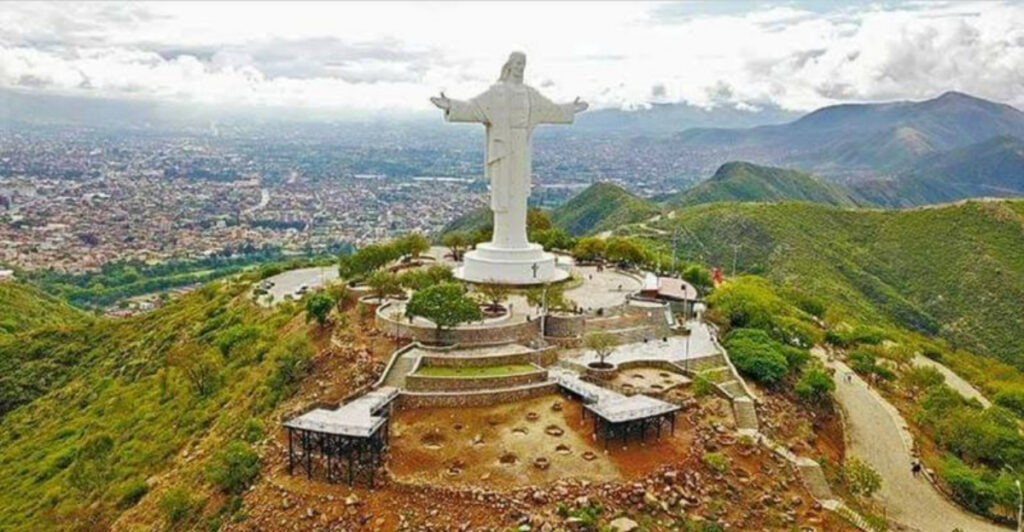
Bolivia
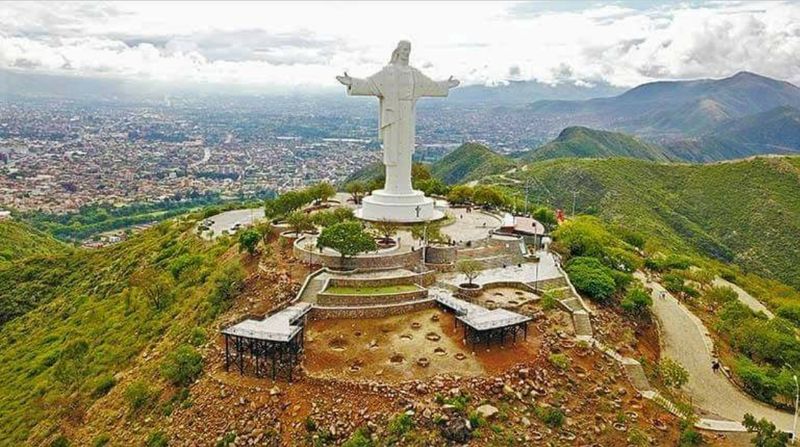
Bolivia is where the laws of nature seem to take a coffee break. The Salar de Uyuni is the world’s largest salt flat, stretching across 10,000 square kilometers of blinding white crust.
During the rainy season, a thin layer of water turns the entire surface into a mirror reflecting the sky. Photos from here look like they were edited, but they weren’t.
Lake Titicaca, the highest navigable lake in the world, sits on the border with Peru and hosts floating islands made entirely of reeds. The Uru people have lived on these islands for centuries.
It’s one of those experiences that genuinely makes you rethink what’s possible.
Bolivia’s Amazon region offers wildlife encounters that rival anything in Brazil, often with far fewer tourists competing for space. Jaguars, pink river dolphins, and macaws are all part of the package.
The country’s indigenous heritage is alive and visible in markets, festivals, and everyday street life.
Bolivia is among the most affordable countries in South America. The altitude in cities like La Paz and Potosi takes some adjustment, so spend a day or two acclimatizing before going full explorer mode.
The payoff is absolutely worth it.
Madagascar
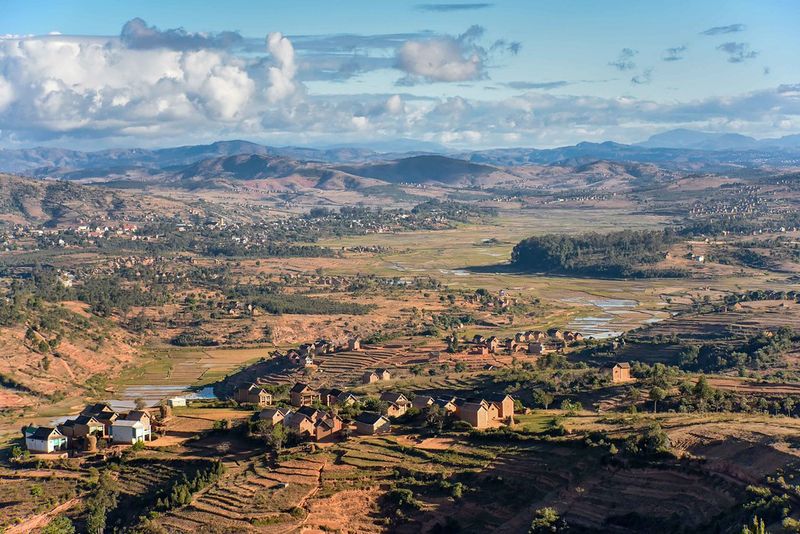
About 90% of the wildlife in Madagascar exists nowhere else on Earth. That statistic alone should be enough to book a flight.
This island nation off Africa’s east coast is basically evolution’s private laboratory, left to experiment undisturbed for millions of years.
Lemurs are the stars of the show, and spotting a sifaka leaping through the forest canopy is genuinely one of the most joyful wildlife moments available to any traveler. Ring-tailed lemurs are cheeky and bold.
Chameleons here come in every color and size imaginable.
The Avenue of the Baobabs is one of the most photographed landscapes on the continent, and for good reason. Ancient trees, some over a thousand years old, line a dirt road like giants frozen mid-step.
At golden hour, the scene is otherworldly.
Madagascar’s beaches on the northwest coast rival anything in the Maldives, often at a tenth of the price. The country does require some logistical planning since infrastructure can be challenging outside major areas.
But that’s also exactly why it remains so raw and authentic. Madagascar rewards patient, curious travelers with experiences that simply cannot be replicated anywhere else on the globe.
Estonia
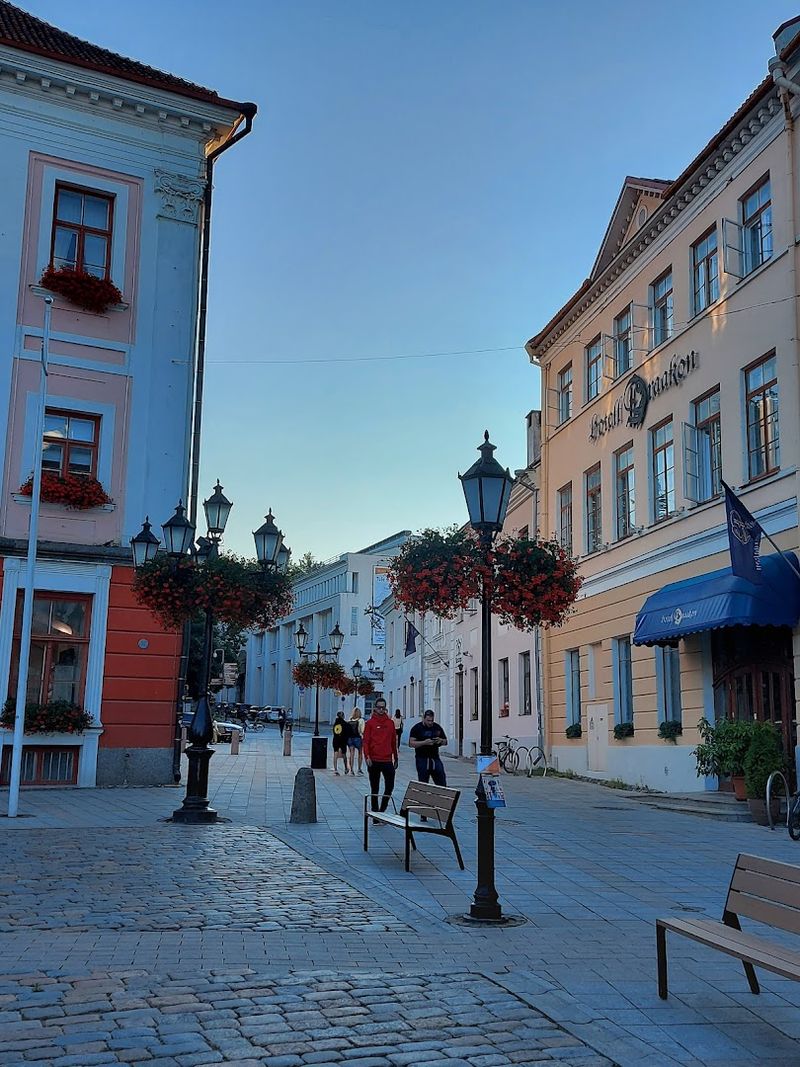
Estonia is the Nordic neighbor that nobody talks about, which is honestly baffling once you’ve visited. Tallinn’s old town is one of the best-preserved medieval cities in Europe, with limestone towers, cobblestone streets, and a town hall square that looks like it was lifted straight from the 15th century.
The city is also surprisingly modern and tech-savvy. Estonia was one of the first countries to offer e-residency and online voting.
Walking from a medieval tower to a cutting-edge startup cafe in five minutes is a very Estonian experience.
Outside Tallinn, the country opens up into forests, bogs, and a coastline dotted with small islands. Lahemaa National Park is just an hour from the capital and offers peaceful hiking through ancient manor estates and coastal cliffs.
It’s the kind of place where you hear mostly birds.
Estonian food culture is having a moment. The capital’s restaurant scene is inventive and uses seasonal Nordic ingredients with real creativity.
Craft beer and local spirits are excellent and affordable. Tallinn also makes a fantastic base for day trips into Latvia and Finland by ferry.
Estonia is compact, efficient, and quietly spectacular in a way that sneaks up on you completely.
Ecuador
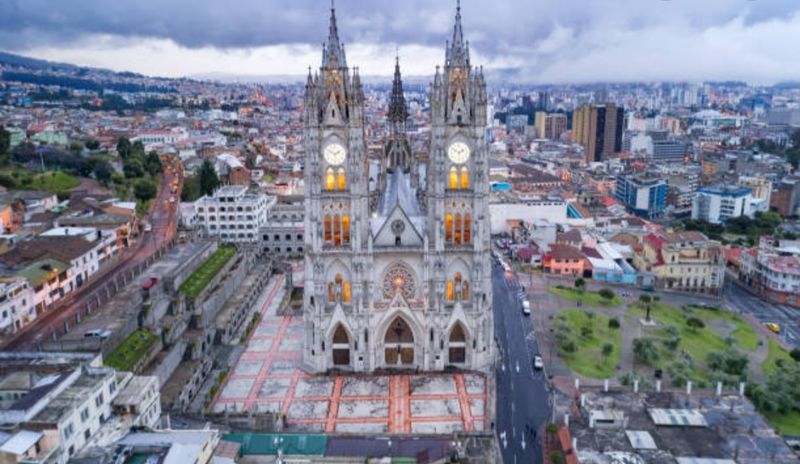
Ecuador is tiny on the map but absolutely enormous in what it offers. Most people know it as the gateway to the Galapagos Islands, but the mainland is where the real underrated magic happens.
Quito sits at nearly 2,800 meters above sea level and has one of the best-preserved colonial centers in all of Latin America.
Cuenca, further south, is even more relaxed and charming. Flower markets, craft workshops, and excellent local coffee make it a favorite among expats and long-term travelers.
The city earned its own UNESCO designation for good reason.
The cloud forest region around Mindo is a birdwatcher’s obsession. Ecuador has more bird species per square kilometer than almost anywhere else on Earth.
Hummingbirds visit feeders by the dozen, and the sound of the forest is constant and extraordinary.
High-altitude lakes in the Avenue of the Volcanoes region offer surreal landscapes accessible by local bus. Cotopaxi, one of the world’s highest active volcanoes, looms over the valley like a snow-capped guardian.
Ecuador runs on a straightforward dollar economy, making budgeting easy for American travelers. The mainland deserves far more attention than it typically receives, especially given how much it packs into such a small geographic footprint.
Laos
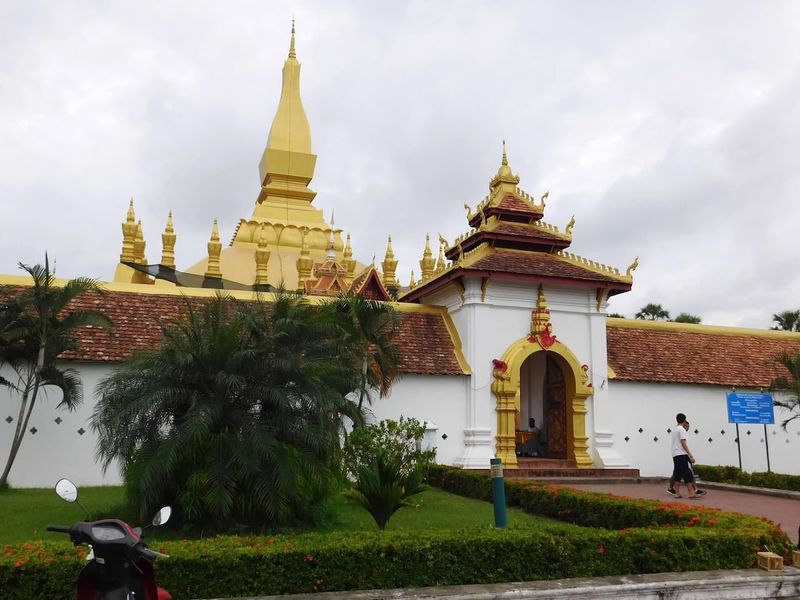
Laos operates at a different speed than the rest of Southeast Asia, and that’s entirely the point. While Thailand and Vietnam buzz with tourists and traffic, Laos just quietly does its thing.
The alms-giving ceremony in Luang Prabang, where monks collect food at dawn, is one of the most serene and moving travel experiences available anywhere in Asia.
Luang Prabang itself is a UNESCO World Heritage town that sits at the junction of the Mekong and Nam Khan rivers. French colonial architecture blends with Lao temple culture in a combination that shouldn’t work but absolutely does.
The night market here sells some of the best handwoven textiles in the region.
The Kuang Si waterfalls, just outside town, cascade through turquoise pools surrounded by jungle. Arriving early means you might have the lower pools almost to yourself.
Karst limestone scenery around Vang Vieng has become more touristy but remains genuinely beautiful.
Laos is one of the most affordable countries in Southeast Asia. Food, guesthouses, and transport cost very little, and the quality is consistently good.
For travelers who want to slow down, read a book by the river, and eat excellent sticky rice, Laos is the antidote to over-scheduled tourism.
Oman
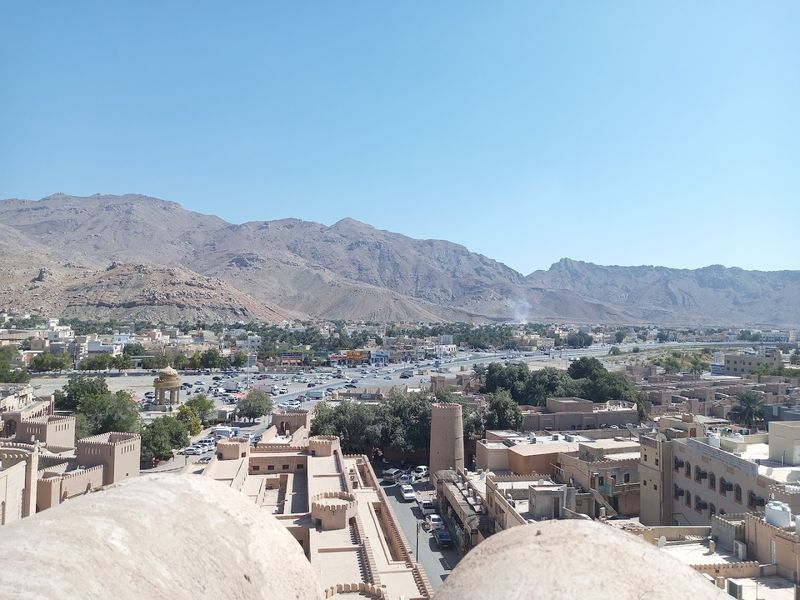
Oman is what happens when a country decides to do tourism right without losing its soul. While Dubai builds another skyscraper, Oman quietly polishes its forts, tends its frankincense trees, and waits for travelers smart enough to show up.
The country feels genuinely authentic in a region where authenticity can be hard to find.
The capital Muscat is a pleasant surprise. Clean, calm, and architecturally interesting, it lacks the frantic energy of its Gulf neighbors.
The Sultan Qaboos Grand Mosque is one of the most beautiful religious buildings in the world and is open to respectful visitors of all backgrounds.
Oman’s geography is wildly varied. The Wahiba Sands offer classic desert dune experiences, while the Musandam Peninsula has dramatic fjords that could pass for Norway.
Wadi Shab, a canyon with emerald pools accessible only by swimming through a narrow passage, is genuinely unforgettable.
The traditional souqs in Nizwa and Mutrah sell frankincense, silver jewelry, and Omani halwa without aggressive sales tactics. Omanis are famously hospitable and patient with visitors.
The country is safe, easy to navigate by rental car, and rewards those who venture beyond the capital with jaw-dropping scenery at every turn.
Belize
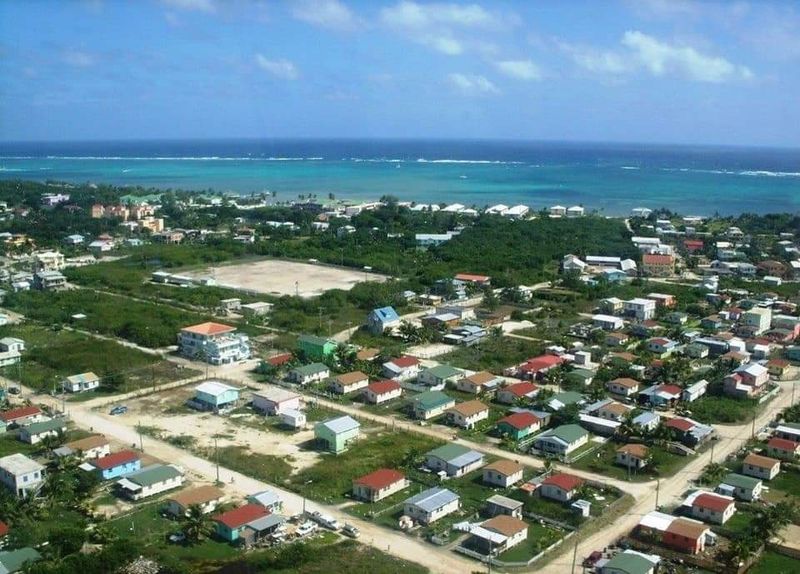
Belize is the only country in Central America where English is the official language, which makes it instantly accessible for American travelers. That alone sets it apart.
But it’s the combination of Caribbean beaches, ancient Maya ruins, and world-class snorkeling that makes it genuinely special.
The Belize Barrier Reef is the second largest in the world, and snorkeling or diving here is a full sensory experience. The Great Blue Hole, a massive underwater sinkhole visible from the air, is one of the most iconic dive sites on the planet.
Ambergris Caye and Caye Caulker offer relaxed island vibes with excellent seafood shacks.
Inland, the Maya ruins are equally impressive. Xunantunich and Caracol sit deep in the jungle, and exploring them feels like proper archaeological adventure rather than a sanitized tourist attraction.
Howler monkeys provide the soundtrack and they are loud.
Belize remains relatively small in terms of tourist volume compared to neighbors like Mexico. The country’s size makes it easy to combine beach and jungle in a single trip.
A week here can cover snorkeling reefs, hiking Mayan temples, and spotting jaguars in the Cockscomb Basin Wildlife Sanctuary. Belize packs an outsized punch for such a compact destination.
Share this story