After years of stuffing passports, dragging overpacked bags through airports, and eating questionable street food in the name of adventure, I have visited 31 countries across five continents. Some places were overhyped, some were underwhelming, and a handful genuinely stopped me in my tracks.
These 15 destinations earned a permanent spot in my travel brain, and I think they deserve a spot in yours too.
Italy: 61 UNESCO Sites and Counting
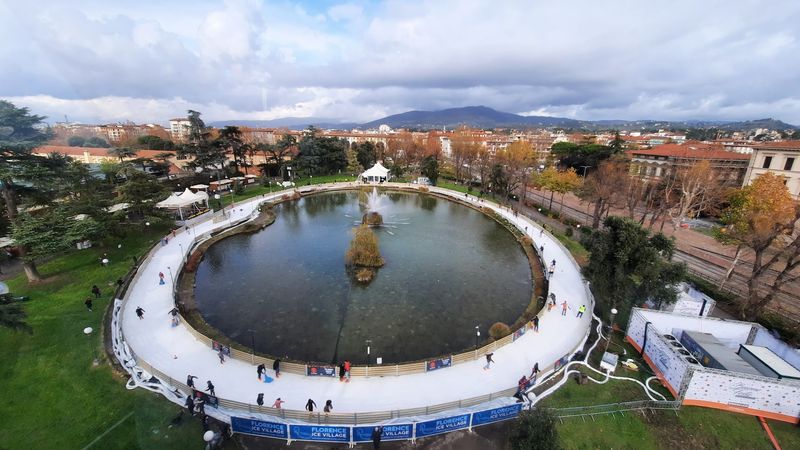
Italy has so much history packed into its borders that even a two-week trip barely scratches the surface. With 61 UNESCO World Heritage Sites, it holds the world record, and honestly, that number feels both impressive and slightly exhausting to think about.
I made the rookie mistake of trying to visit seven cities in ten days on my first trip. By day four, I was speed-walking past Renaissance masterpieces like I was late for a meeting.
Lesson learned the hard way.
Pick one region and go deep. Rome plus Florence plus one smaller town like Siena or Matera beats a chaotic 12-city sprint every single time.
You actually remember what you saw.
Shoulder season, meaning April to early June or September to October, is your best friend for beating the crowds without freezing. The food alone justifies the flight.
Every region has its own pasta shape, and yes, that matters enormously.
Budget extra time for getting lost in narrow alleys. Some of the best meals I found in Italy had no signs, no menus in English, and no regrets whatsoever.
Japan: Neon Cities Meet Quiet Temples
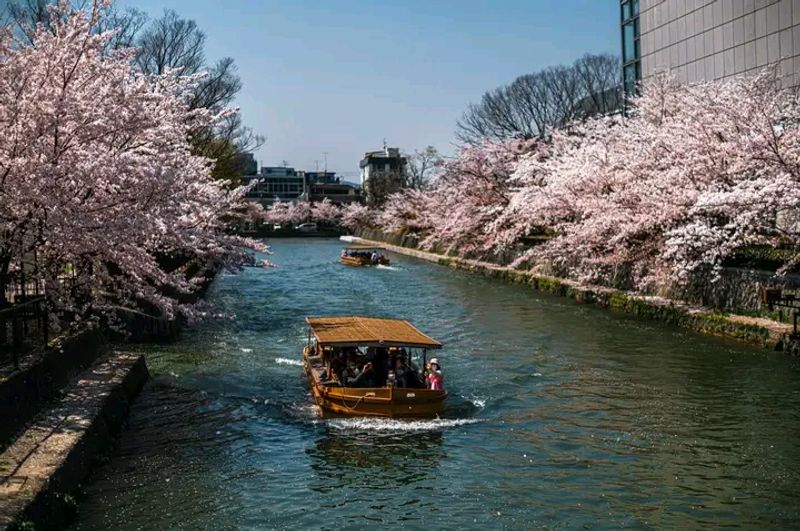
Japan is the rare country that absolutely nails two completely different vibes at the same time. You can be in a buzzing Osaka street market at night and standing silently in a 400-year-old temple by morning.
Himeji Castle is often called the finest surviving example of early 17th-century Japanese castle architecture, and standing in front of it, I understood why. It looks almost too perfect, like someone built a movie set and forgot to tell history.
The classic combo of Kyoto for temples, Osaka for food, and one quiet onsen town to decompress works brilliantly. Do not skip the onsen town.
Your bones will thank you.
Book trains and accommodations early if you are traveling during cherry blossom season or autumn foliage. These are not suggestions.
These are survival tips. Popular ryokans sell out months in advance.
Japan also rewards slow travel more than almost anywhere else I have been. The quieter neighborhoods, the tiny ramen shops with eight seats, the vending machine coffee at 7 a.m., these are the moments that stick with you long after the trip ends.
Spain: Where ‘Casual’ Is Still Jaw-Dropping
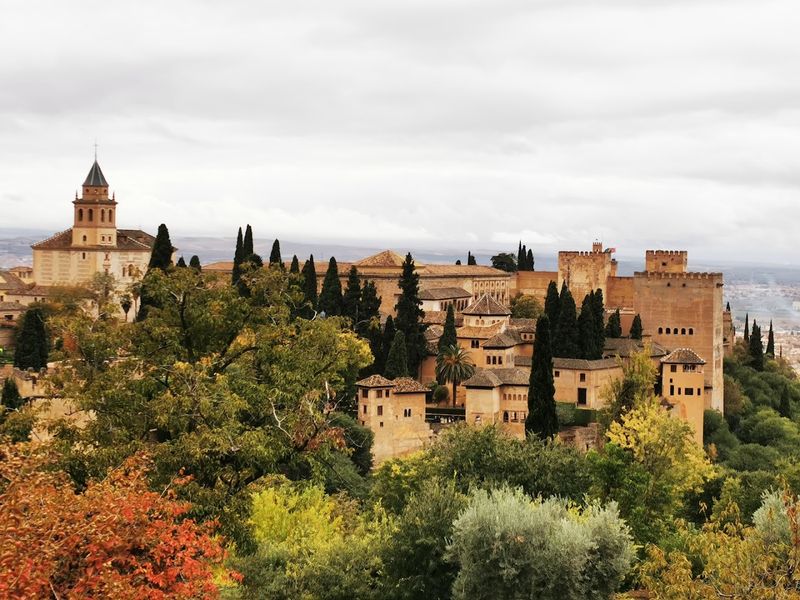
Spain has a funny habit of making you feel underdressed for its own beauty. You turn a corner in Granada expecting a nice view and suddenly the Alhambra is just sitting there, glowing in the afternoon sun like it owns the place.
It does, really.
The Alhambra, Generalife, and Albayzin together form the medieval heart of Granada and are UNESCO-listed for good reason. The detail in the tilework alone could keep you occupied for an entire afternoon.
Golden hour in Granada deserves its own travel category. Watching the Alhambra light up from the Mirador de San Nicolas while eating tapas nearby is the kind of evening that makes you question your entire life back home.
Reserve Alhambra tickets well ahead. This is not optional advice.
Tickets sell out weeks in advance, and showing up without one is a fast track to standing outside a very beautiful gate feeling very silly.
Spain also rewards spontaneity in other ways. The tapas culture means food appears almost automatically with drinks in Granada, which is either a wonderful tradition or a very clever way to make you order another round.
Probably both.
Greece: More Than Just a Layover
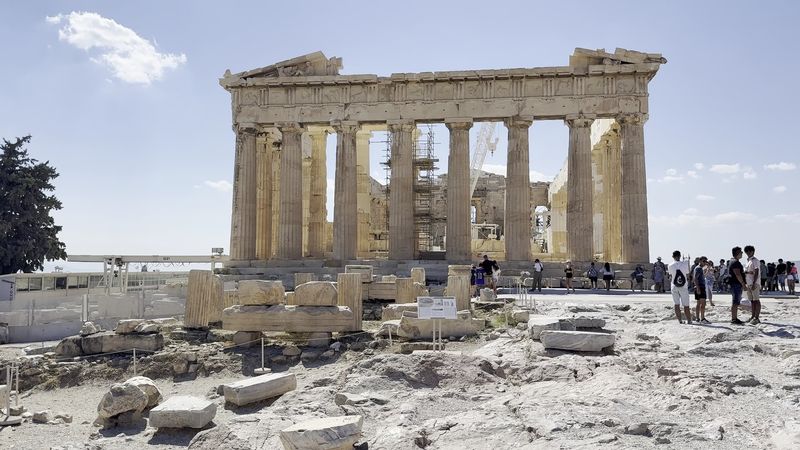
A lot of travelers treat Athens as a pit stop before hopping to the islands, which is genuinely criminal behavior. The Acropolis is a UNESCO World Heritage Site and one of the most recognizable symbols of human civilization, and it deserves more than a rushed two-hour visit between flights.
I spent a full morning up there and still felt like I needed more time. The Parthenon is enormous in person, and the view of the city stretching out below it is the kind of thing that makes you put your phone away for five whole minutes.
Go early in the day for major sites. By 10 a.m. in summer, the Acropolis is packed and the heat is brutal.
An 8 a.m. start gives you soft light, fewer crowds, and the smug satisfaction of being a smart traveler.
For the islands, pick one or two maximum. Trying to island-hop aggressively means spending half your trip on ferries feeling slightly seasick and slightly regretful.
Santorini is beautiful and worth it. Crete offers more variety and fewer crowds in its interior villages.
Both are excellent choices depending on whether you want sunsets or adventures.
Morocco: A Full Sensory Overload (The Good Kind)
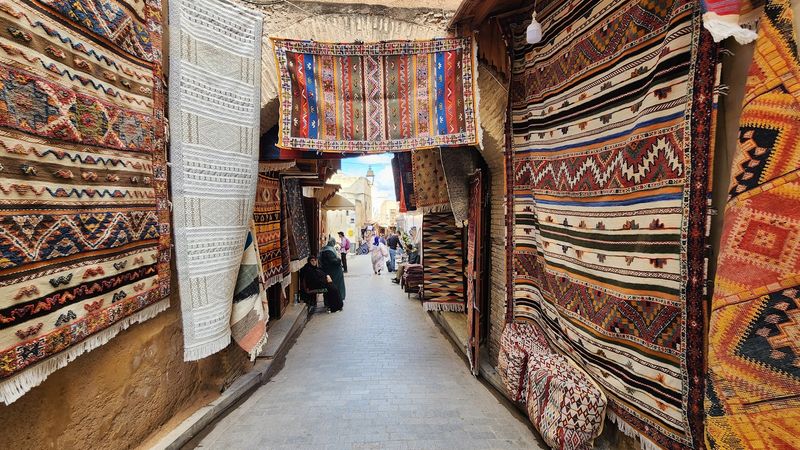
Walking into the Medina of Fez for the first time felt like someone turned every dial up to maximum. Color, noise, spice smells, narrow alleyways, donkeys, the call to prayer, and a guy on a bicycle somehow navigating through all of it.
The Medina of Fez is UNESCO-listed and was founded in the 9th century, reaching its peak in the 13th and 14th centuries. It is one of the largest car-free urban areas in the world, which means everything moves by foot, cart, or sheer determination.
A guided walk through the medina is genuinely worth the cost. Without one, you will get lost, and not in the charming way.
Getting lost in Fez means taking the same wrong turn eleven times while a cat judges you from a doorway.
Build slow mornings into your Morocco itinerary. This country is intense in the best possible way, but it requires energy.
A quiet breakfast on a riad rooftop before the city wakes up is one of the great travel pleasures.
The food, the craftsmanship, the architecture, Morocco stacks up rewards for curious travelers. Stay longer than you planned.
You will want to.
Jordan: Walk Past the Treasury
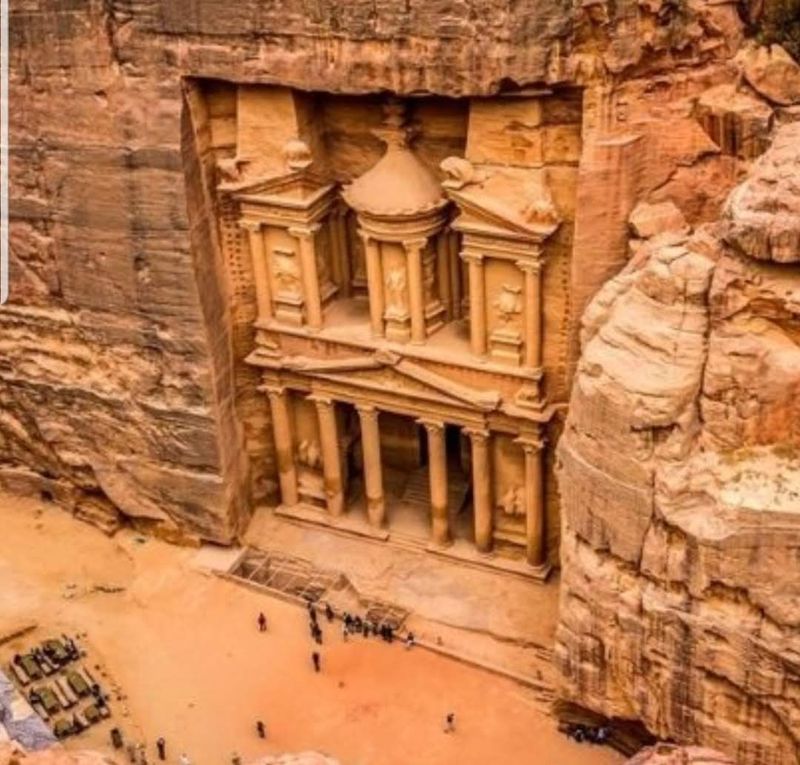
Most people see the Treasury at Petra, take about 400 photos, and leave. What they miss is that Petra keeps going for miles beyond that first famous view.
The Treasury is just the opening act.
Petra is UNESCO-listed and famously described as half-built and half-carved into the rock. The entire city is set into a red sandstone landscape that turns shades of pink, orange, and amber depending on the time of day.
It is genuinely otherworldly.
Stay long enough to walk the full site, including the Monastery, which requires a steep climb but rewards you with a structure even larger than the Treasury and far fewer people standing in front of it.
Start early to beat the heat and the tour groups. By midday in summer, the sun reflects off the sandstone and turns the whole place into a very scenic oven.
Arriving at opening time is one of the best decisions I made in Jordan.
The surrounding town of Wadi Musa has good food and friendly locals who are used to travelers but not yet tired of them. Spend two nights minimum.
One is never enough here.
Tanzania: The Migration Is Real and It Will Wreck You
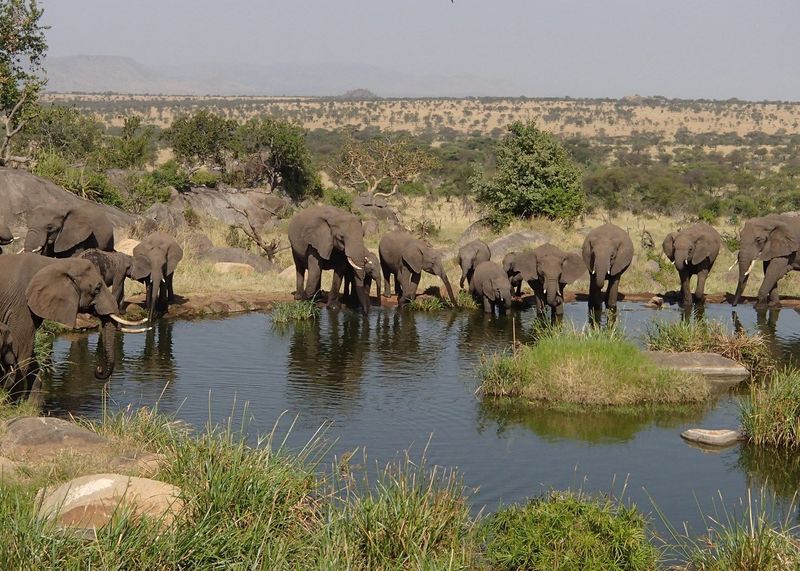
Nobody tells you how loud the Serengeti is at dawn. Birds, insects, distant roars, and the low rumble of thousands of wildebeest moving across the plain in a way that makes your chest feel tight for reasons you cannot fully explain.
The Serengeti is UNESCO-listed and is best known for the annual migration of wildebeest, zebras, and gazelles, followed closely by the predators that have been waiting patiently for exactly this moment. Nature is wild and slightly terrifying.
Planning around the migration route matters more than most guides will admit. The herds move north in summer and south in winter, and where you are in the park determines what you see.
Do your research or book with someone who has done theirs.
Fewer parks, more time in each is the right strategy. Safari days are exhausting in the best way, and spending three full days in one area beats rushing between five parks in a week.
Tanzania also has Zanzibar, which sits just off the coast and offers a completely different experience. Combining a safari with a few beach days on Zanzibar is not a bad idea.
Actually, it might be a perfect idea.
South Africa: History, Wildlife, and Coastline in One Country
South Africa is the kind of destination that keeps surprising you, just when you think you have figured out what kind of trip it is, it adds another layer. One morning you are watching penguins on a beach.
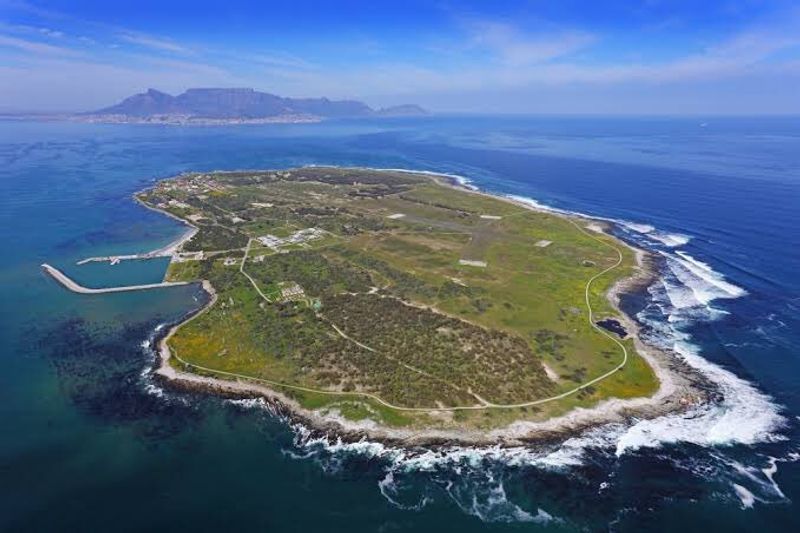
The next, you are standing on Robben Island feeling the full weight of history.
Robben Island is UNESCO-listed, and its prison complex stands as a testament to the triumph of human dignity over oppression. Nelson Mandela spent 18 of his 27 imprisoned years there.
Tours are often led by former political prisoners, which makes the experience unforgettable in a quiet, powerful way.
Cape Town alone could fill a week. Add a proper nature day in the Winelands or along the Garden Route and a history day in the city, and you have a genuinely balanced trip.
Do not overpack your itinerary. Distances in South Africa add up fast, and driving between major attractions takes longer than the map suggests.
Rushing between highlights means enjoying none of them properly.
The food scene in Cape Town is also seriously underrated. The combination of local produce, ocean fish, and international influences creates a dining culture that deserves its own dedicated trip someday.
Iceland: Geology’s Greatest Hits
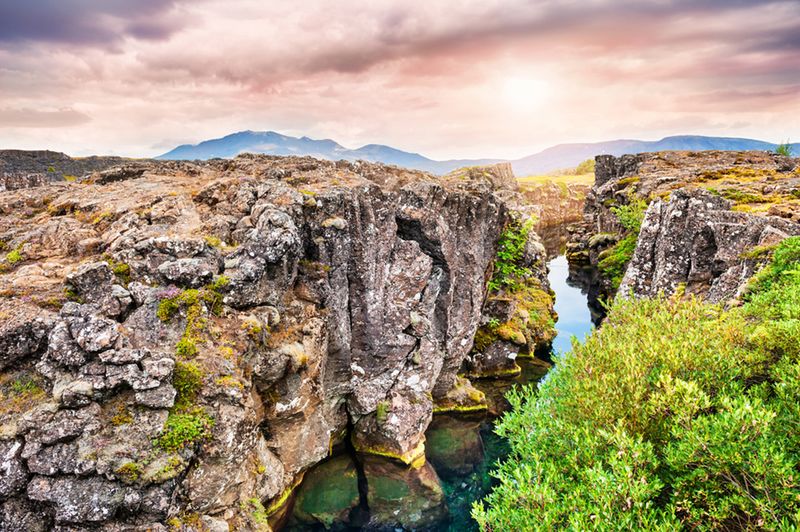
Iceland is what happens when a geology textbook comes to life and decides to show off. Volcanoes, geysers, lava fields, waterfalls, and the Northern Lights all exist within driving distance of each other.
The country is essentially one giant natural attraction.
Thingvellir National Park is UNESCO-listed and holds a dual significance: it sits on the rift between the North American and Eurasian tectonic plates, and it is where Iceland’s open-air parliament, the Althing, was established in 930 AD. That is a remarkable combination of natural and human history in one place.
Instead of chasing the entire Ring Road in five days, pick one epic road-trip segment and slow down. The south coast alone, with its black sand beaches, glacier hikes, and waterfalls, is worth several days of unhurried exploration.
Weather in Iceland changes without warning or apology. Build buffer time into your schedule because a planned hike might get replaced by a cozy guesthouse and a bowl of lamb soup.
That is also a good day.
Summer brings the midnight sun, which is magical and slightly disorienting. Pack an eye mask.
Blackout curtains in Iceland are considered optional, and they probably should not be.
Norway: The Postcard That Actually Delivers
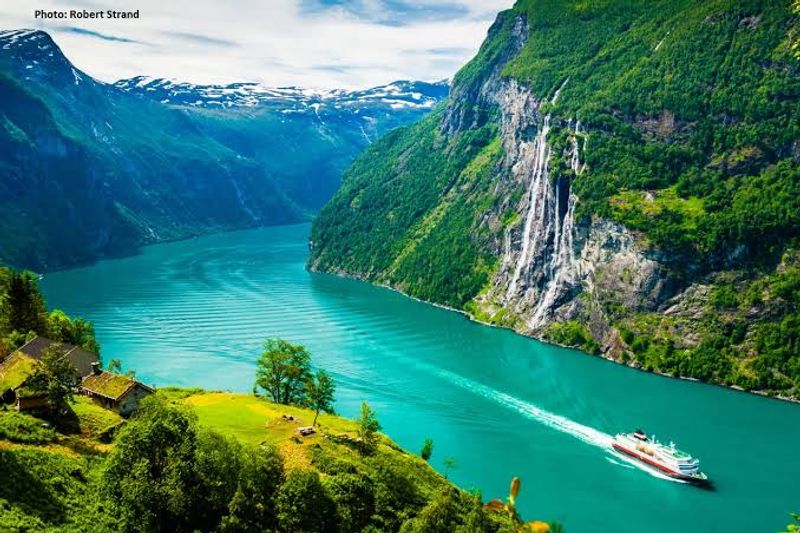
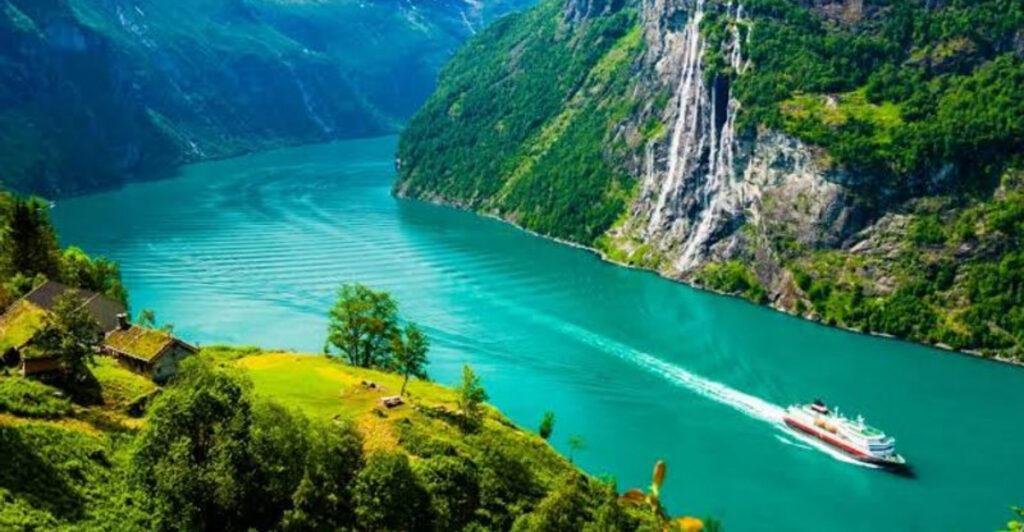
Every travel photo of Norwegian fjords looks slightly edited, and then you arrive and realize it actually looks like that. The fjords are real, the waterfalls are real, and the feeling of standing on a viewpoint above Geirangerfjord while your brain struggles to process the scale is also very real.
The West Norwegian Fjords, including Geirangerfjord and Naeroyfjord, are UNESCO-listed and represent some of the most dramatic coastal scenery on the planet. The cliffs drop hundreds of meters straight into water that is an almost unreasonable shade of blue-green.
A fjord cruise paired with one high viewpoint hike gives you the full experience from both angles. The view from the water and the view from above are completely different and equally worth having.
Summer is the iconic season for fjord travel, with long days and full greenery. Shoulder season in May or September brings quieter roads, fewer tour boats, and a moodier, more dramatic atmosphere that honestly suits the fjords well.
Norway is expensive, and there is no clever workaround. Budget accordingly and accept it as the price of seeing one of the most spectacular landscapes on Earth.
It is worth every overpriced coffee.
New Zealand: Where the Scenery Feels Fictional
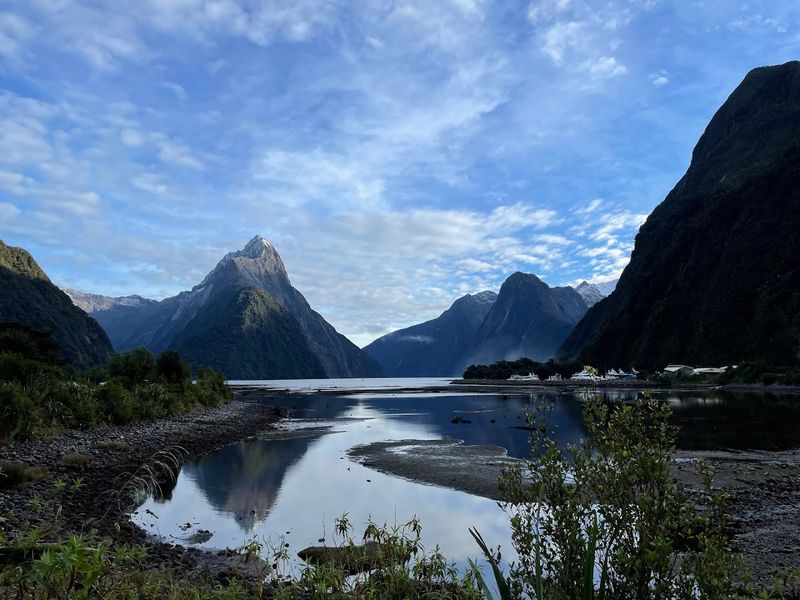
New Zealand’s South Island looks like a film set, and not by coincidence. The entire southwest corner, known as Te Wahipounamu, is UNESCO-listed and was shaped by glaciations into fjords, cliffs, lakes, and waterfalls that genuinely seem too dramatic to be real.
Milford Sound is the most visited part of this region and earns every bit of its reputation. The drive there through the Homer Tunnel alone is an experience.
Fiordland is moody, misty, and magnificent in a way that photographs struggle to capture.
If you are short on time, choose either the North or South Island and commit fully. Trying to cover both in under two weeks leads to a lot of driving and not enough stopping, which is the wrong way to experience New Zealand.
Driving days are consistently longer than they look on any map. The roads are winding, the scenery is distracting, and you will stop constantly for photos.
Factor this in before confidently scheduling three activities in one day.
The North Island has its own charm, with Rotorua’s geothermal activity, the Coromandel Peninsula, and Wellington’s excellent food scene. New Zealand rewards slow, curious travelers who are willing to pull over often.
Canada: Nature as a Full System Reset
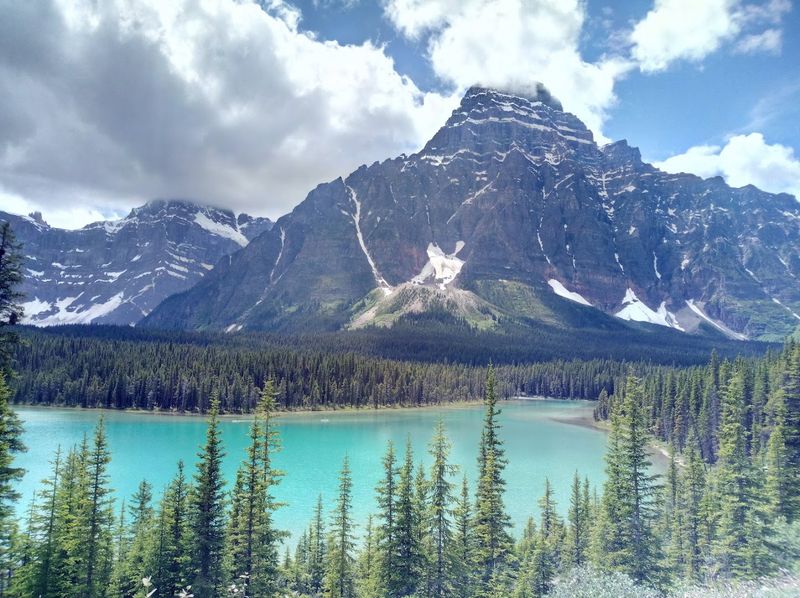
There is a specific kind of silence that exists at Moraine Lake at 6 a.m. before the tour buses arrive. The water is turquoise in a way that looks chemically enhanced but is entirely natural.
Standing there, it genuinely feels like your nervous system is rebooting.
The Canadian Rocky Mountain Parks are UNESCO-listed and include Banff, Jasper, Yoho, and Kootenay, filled with glaciers, peaks, lakes, waterfalls, and canyons across a landscape that covers more ground than most countries.
Early mornings at the most popular lakes are absolutely worth the effort. Moraine Lake and Lake Louise become crowded by 9 a.m. in summer, but at dawn they are peaceful and otherworldly.
Set that alarm without hesitation.
Book summer lodging in national park towns months in advance. Banff and Jasper fill up fast, and waiting until spring to book a July trip is an optimistic but ultimately painful strategy.
Beyond the famous spots, the Icefields Parkway connecting Banff and Jasper is one of the great road trips on the continent. Every pull-off reveals something worth stopping for.
Budget a full day for that drive, not half a day.
Peru: Give the Sacred Valley Its Moment
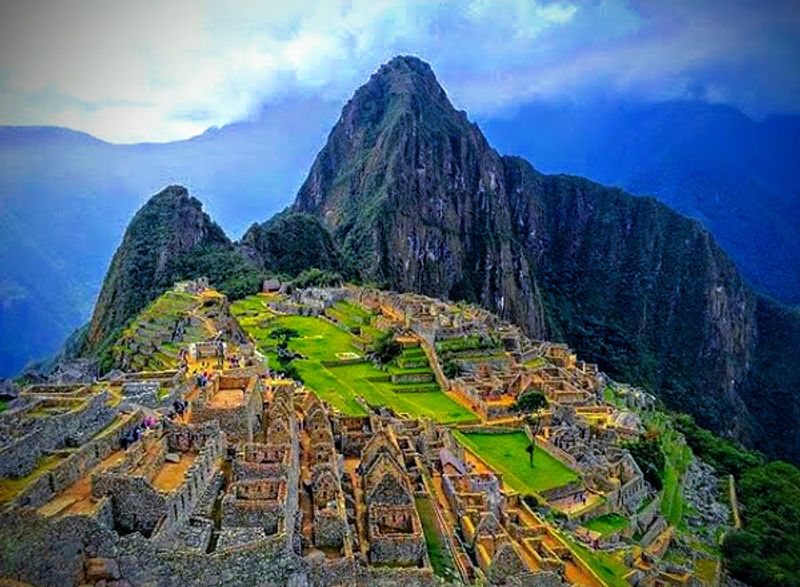
Machu Picchu has been on so many bucket lists for so long that it has almost become a cliche, and then you actually get there and the cliche evaporates instantly. The scale of it, perched on a ridge above clouds and jungle, is something no photo fully prepares you for.
The Historic Sanctuary of Machu Picchu is a UNESCO World Heritage Site and one of the best-preserved examples of Incan civilization. The engineering alone, built without modern tools at over 2,400 meters above sea level, is hard to wrap your head around.
Do not treat this trip as a quick ruins visit. Cusco and the Sacred Valley deserve real time.
The markets, the colonial architecture, the altitude acclimatization you desperately need, all of it rewards a slower pace.
Permits and entry circuits for Machu Picchu have specific rules that change periodically. Research the current requirements before booking anything else.
Logistics here matter more than almost any other destination on this list.
Altitude sickness is real and does not care how fit you are. Spend at least two nights in Cusco before heading to higher elevations.
Coca tea helps. Moving slowly helps more.
Ignoring the altitude does not help at all.
Vietnam: The Country That Keeps Pulling People Back
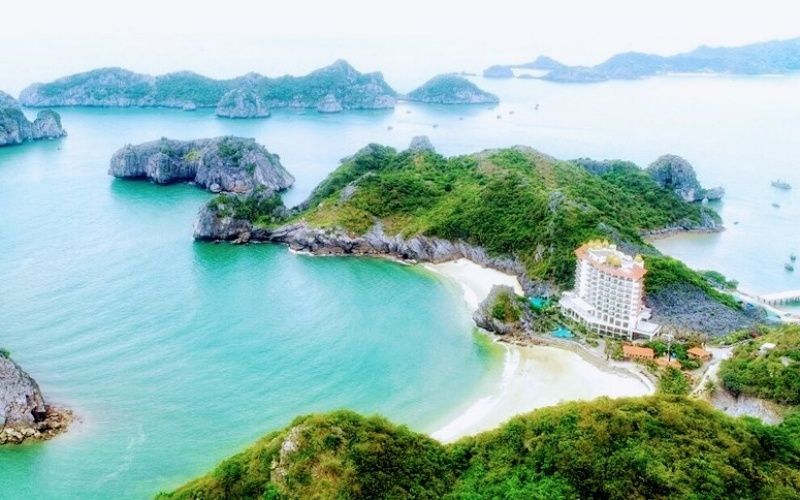
Vietnam has a specific quality that is hard to name but easy to recognize: it makes you want to come back before you have even left. The food, the landscapes, the noise, the kindness of strangers who wave at your bus for no reason at all.
Ha Long Bay and the Cat Ba Archipelago are UNESCO-listed and include over 1,100 islands and islets rising from emerald water in a limestone seascape that looks like it was designed by someone with an extremely good imagination.
An overnight boat trip on Ha Long Bay is one of those experiences that earns its price tag. Waking up surrounded by karst islands in the early morning mist is genuinely one of the more surreal and beautiful things I have experienced while traveling.
Book with a responsible operator. Ha Long Bay is a sensitive ecosystem and some cruise operators are better than others about respecting that.
A little research before booking goes a long way for both your experience and the environment.
Vietnam as a whole rewards north-to-south or south-to-north travel. Hanoi, Hoi An, and Ho Chi Minh City each have distinct personalities.
The country is longer and more varied than most people expect from a map.
Indonesia: Not One Trip, But Many
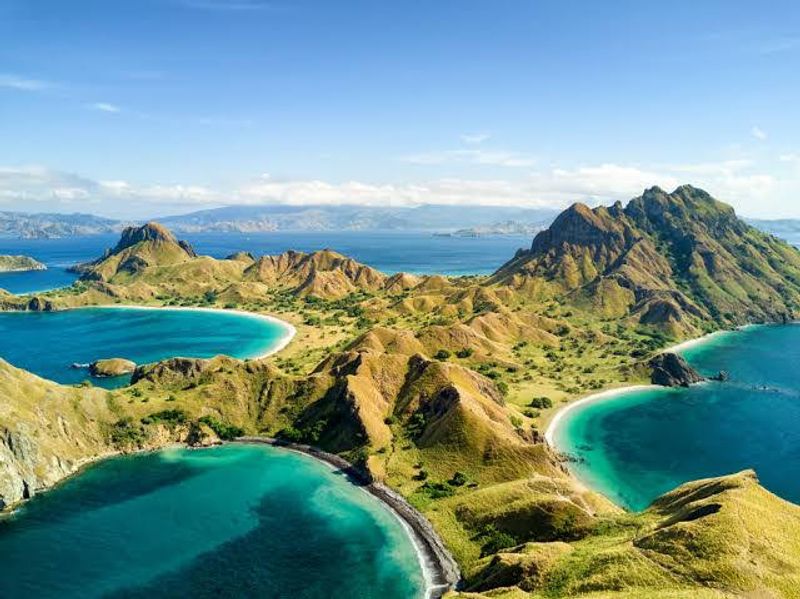
Indonesia is 17,000 islands spread across a stretch of ocean wider than the continental United States. Calling it one destination is technically accurate and also wildly misleading.
Every island group has its own culture, food, language, and landscape.
Komodo National Park is UNESCO-listed and includes the islands of Komodo, Rinca, and Padar, home to the Komodo dragon, the largest living lizard on Earth. Watching one move across dry savanna grass with that slow, confident stride is both fascinating and mildly terrifying.
The smart strategy for Indonesia is pairing one comfortable base, like Bali, with one wilder adventure, like Komodo or Flores or the Togean Islands. The contrast makes both experiences richer.
Respect local conservation rules in Komodo National Park. The dragons are protected, the ecosystem is fragile, and the regulations exist for good reasons.
Guided visits are required and genuinely add value to the experience.
Bali alone could absorb weeks of travel between its temples, rice terraces, surf breaks, and food scene. But the real magic of Indonesia reveals itself when you step off the main tourist trail and find a version of the archipelago that still feels genuinely undiscovered.
That version exists. Go find it.
Share this story