Ready for a trip back to a time when Main Street felt like a stage and everybody knew your name? The ’60s and ’70s packed small towns with quirky rituals, wholesome gatherings, and community pride that you could feel from the courthouse steps to the Friday night lights.
Some of these customs were charming, some a little cringe by today’s standards, but all of them stitched neighbors together. Let’s revisit the lost traditions you can still hear echoing if you listen closely.
1. Tobacco-Spitting Contests at County Fairs
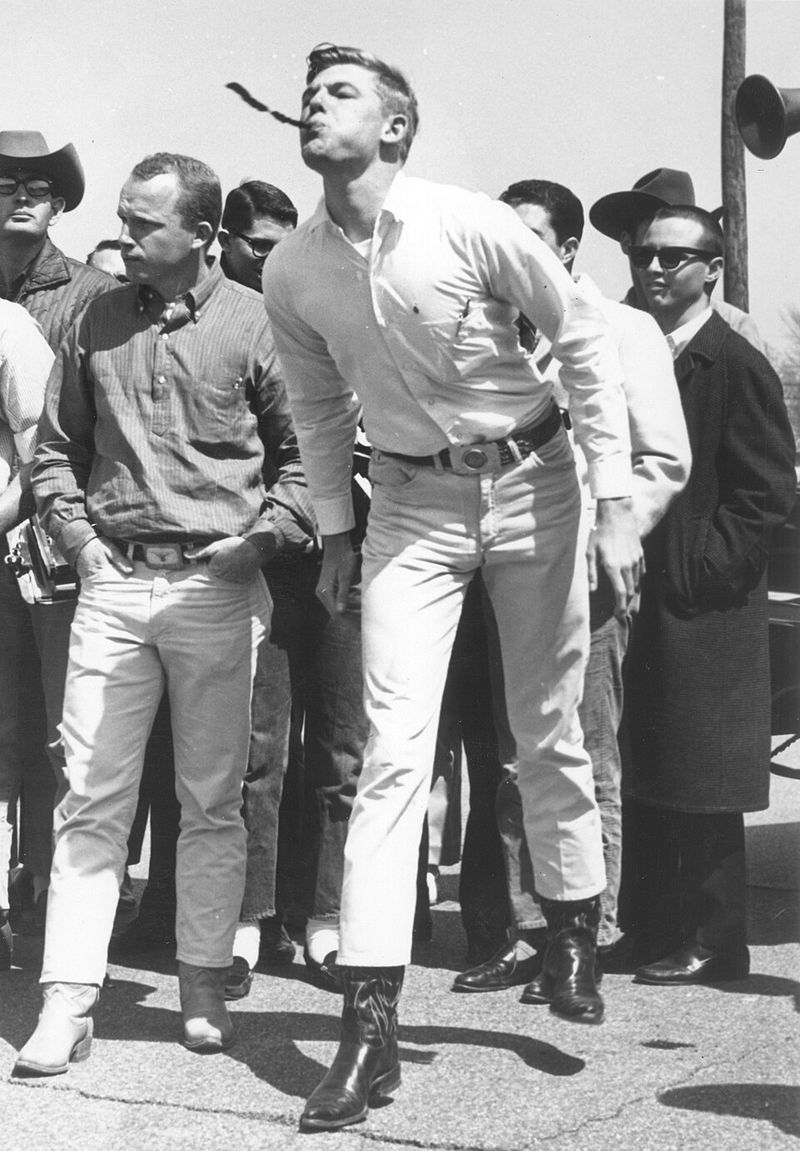
Nothing said small-town bragging rights like a tobacco-spitting showdown by the livestock pens. Crowds circled a chalked bullseye while contestants sized up distance and aim, cheeks bulging like chipmunks with a plan.
The emcee cracked corny jokes, and everyone laughed harder than they probably should have.
You can picture the sticky soda cups, the dust, the sunshine, and a prize ribbon that meant more than cash ever could. Winners strutted, kids gawked, and the whole thing felt oddly official despite the, well, subject matter.
It was spectacle, harmless to some and gross to others, but undeniably a scene.
Times changed, though, and public health did too, along with rules about tobacco use. Towns cleaned up their fairgrounds, and organizers sought friendlier competitions for families.
Now you might find watermelon seed spitting or pie-eating instead. The old bullseye faded, and nobody misses the stains on their shoes.
2. Teen “Sock Hops” in School Gyms
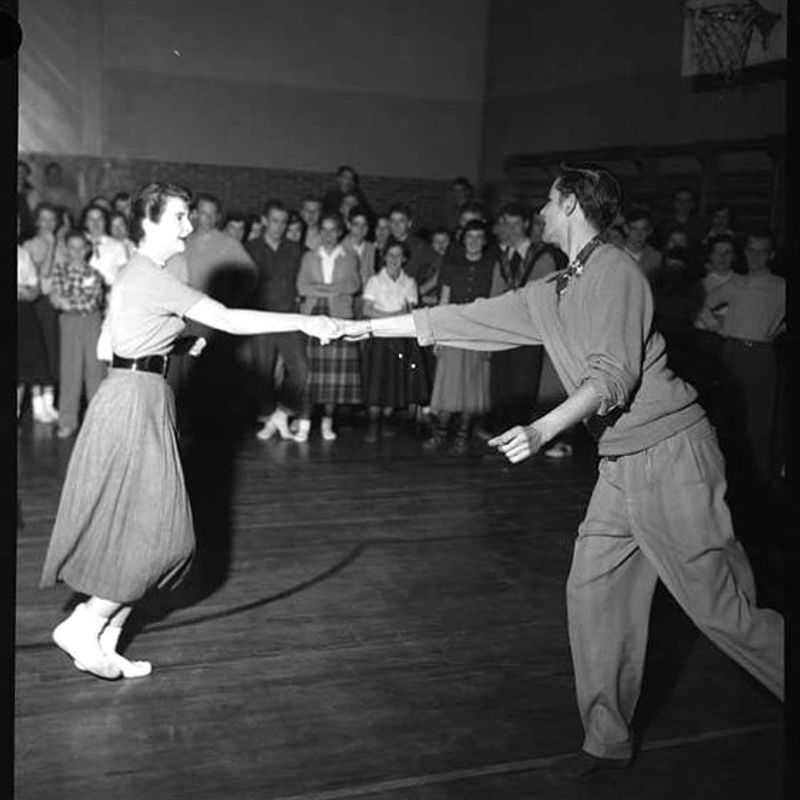
Hear that needle drop and the gym lights dim just enough to feel rebellious. At sock hops, shoes came off to save the floor, and so did nerves, as kids scooted, twirled, and tried not to sweat through their letterman jackets.
The jukebox ruled like a kind but merciless DJ.
Teachers chaperoned with folded arms and secret smiles. Punch bowls guarded the sidelines while friends compared dance steps and news from homeroom.
The music swung from surfy riffs to Motown grooves, and nobody needed a playlist algorithm.
We still dance, of course, but the ritual changed with venues, tech, and tastes. School dances kept going, yet the sock hop’s specific recipe faded.
Today’s glow is more LEDs and less linoleum. That sweet squeak of socks?
It slipped into memory, leaving a scuff mark on nostalgia.
3. Community Civil Defense Drills
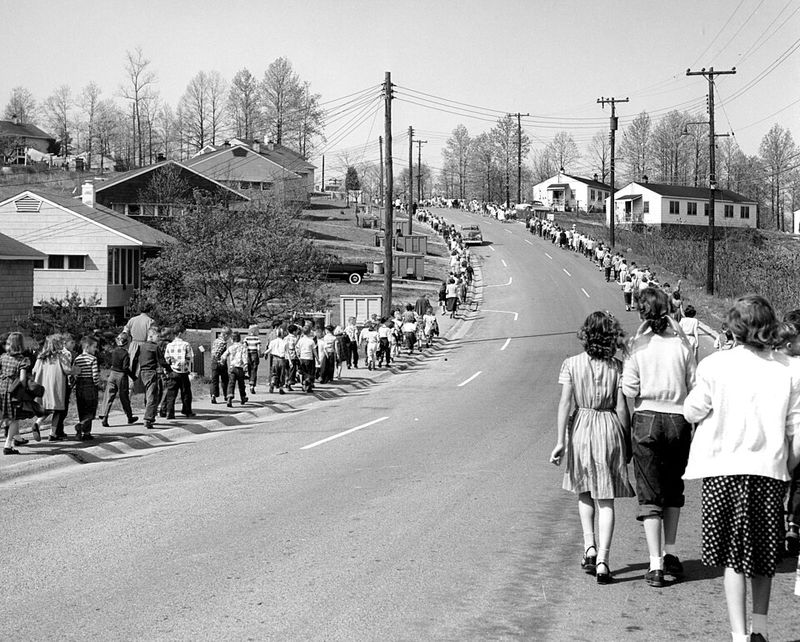
Shrill sirens once sliced the quiet, and everyone knew the script. Classrooms ducked and covered, shopkeepers checked basement shelters, and volunteers handed out leaflets stamped with blocky fallout symbols.
The drill felt somber, practiced, and uncomfortably routine.
Kids learned where the shelter was long before they found the best candy store. Families kept canned goods stacked like tin soldiers, because the pamphlets said mind the checklist.
Teachers tried to stay calm, though the uncertainty pressed in like a heavy coat.
As the Cold War thawed and emergency planning modernized, these public rituals waned. Preparedness moved behind the scenes, into quiet systems and private plans.
Street-corner demonstrations stopped drawing crowds. The yellow-and-black signs still pop up here and there, like ghosts reminding us what used to be considered normal.
4. Drive-In Movie Nights as Weekly Rituals
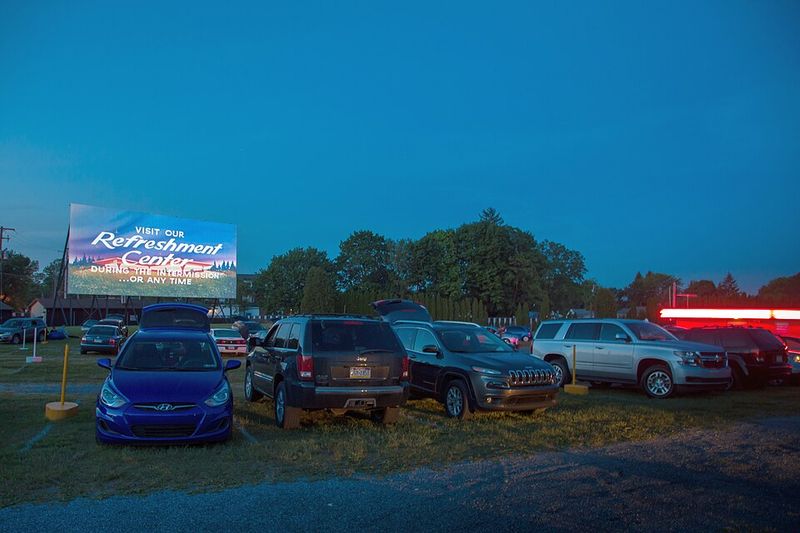
The sky was your ceiling and the dashboard your snack tray. Drive-ins turned Saturday into a blanket-on-the-hood tradition, where kids fell asleep halfway through the double feature and parents whispered through plot twists.
The snack bar’s neon promised popcorn that tasted like summer.
Speaker posts crackled, mosquitoes probed ankles, and nobody minded because the stars came with the ticket. You could cheer, laugh loud, or show off a freshly washed car.
It was cinema plus community, open air and open secrets.
As land values climbed and screens went dark, towns lost that weekly ritual. Streaming stole convenience points, and multiplexes chased the spectacle indoors.
A few drive-ins still flicker, especially on nostalgia nights, but the casual rhythm is gone. Now we park in silence, and the only glow is from a phone.
5. Saturday Morning Kiddie Parades
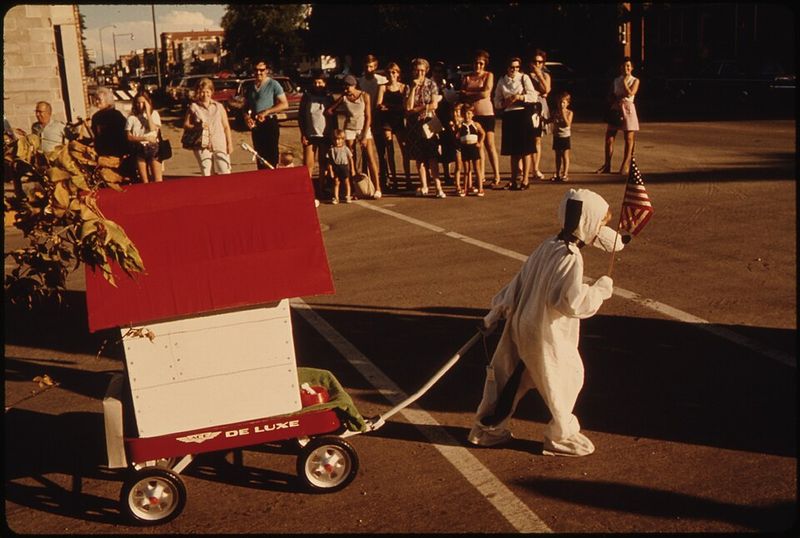
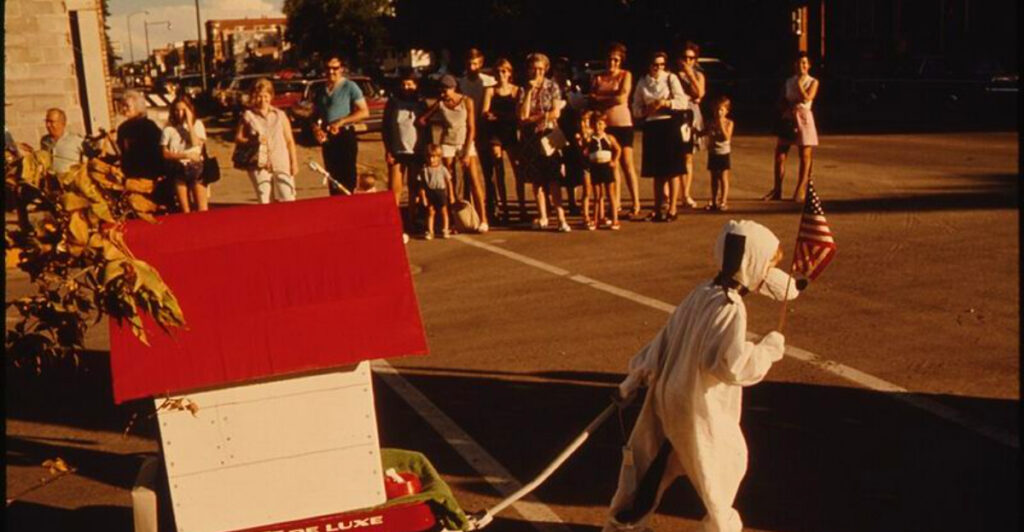
The jingling of spoke cards was the starter pistol. Kids rolled down Main Street on bikes draped in crepe paper, tin foil crowns wobbling and capes fluttering like big ideas.
Parents clapped as if medals awaited at the end of the block.
A volunteer mayor waved, a scout troop marched off-beat, and a very serious toddler towed a teddy bear in a wagon. The prizes were simple, like Best Use of Glitter or Most Patriotic Basket.
The point was motion and community, not trophies.
Weekend calendars filled up, traffic thickened, and liability rules tightened. Towns still throw family events, but the DIY sparkle dimmed.
You can rent a bounce house now, sure, yet it cannot replace a cardboard spaceship on training wheels. Those parades coasted away, streamers trailing like comet tails.
6. Town Beauty Pageants as Major Events
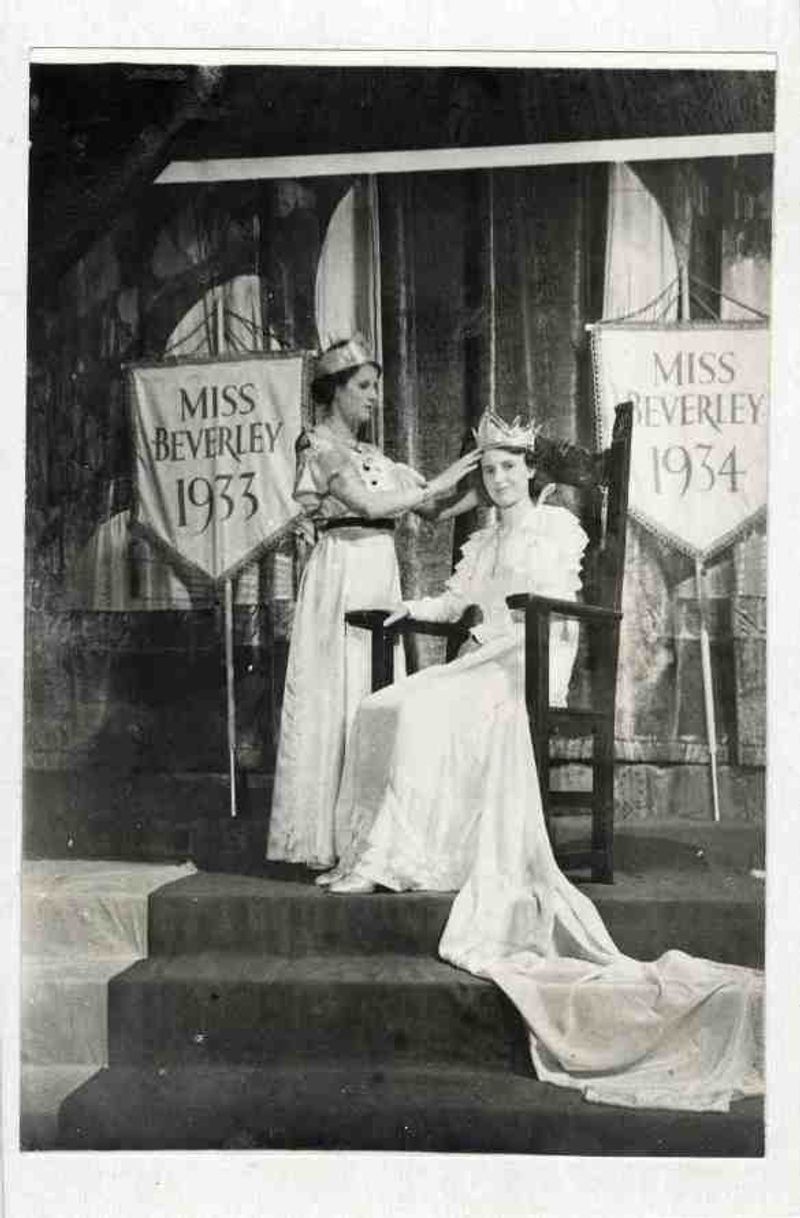
Spotlights once crowned hometown royalty on plywood stages. Contestants waved in slow motion, answering tidy questions while the crowd sized up gowns and grace.
The local hardware store sponsored bouquets, and the marching band saluted the queen.
It was part spectacle, part scholarship, part small-town headline. Families cheered, photo flashes popped, and newspaper clippings lived on refrigerators for months.
Pageantry felt like progress and tradition holding hands.
Over time, communities reassessed what celebration should applaud. Some pageants reinvented with talent, service, and inclusive categories, while others faded entirely.
Festivals shifted energy to concerts, makers’ markets, or fun runs. Crowns still shine, but the stage looks different, and the script is finally getting rewrites.
7. Community Talent Shows at the Grange Hall
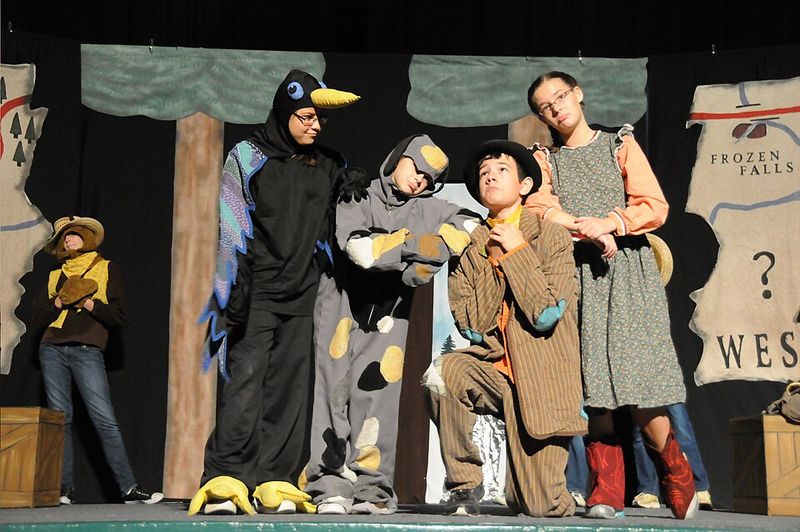
Nothing beat a squeaky mic and a brave neighbor. The Grange hall talent show put yodelers after jugglers and a comedian before a tap dancer who nailed it.
Applause sounded like thunder in a wooden room.
Families brought pies, kids ran the coat pile, and somebody’s uncle emceed with a pencil behind his ear. The prize?
Bragging rights plus a hug from half the town. You never forgot who surprised you with a perfect high note.
As entertainment moved online, the local stage dimmed. People still perform, but phones collect the ovations.
A few Grange halls keep the lights warm, yet the crowd is thinner. The posters curled at the corners, and the mic learned to nap between holidays.
8. Gas Station “Service with a Smile”
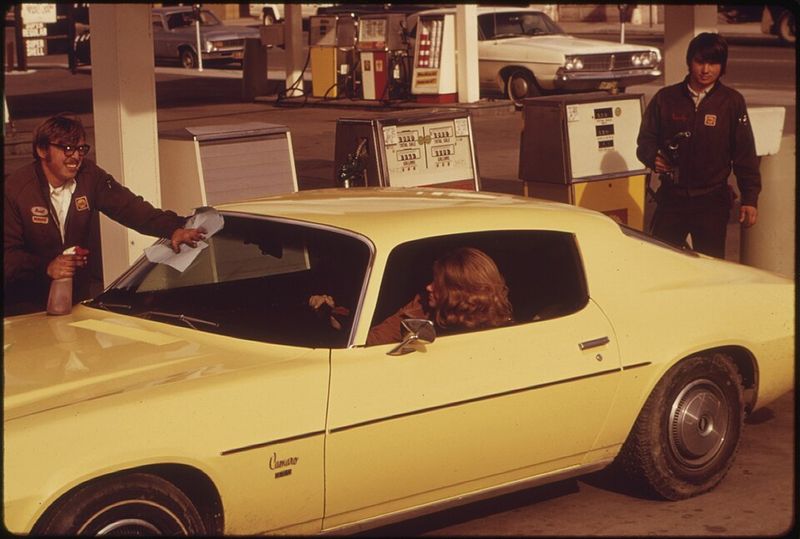
Pull in and stay seated, because help is already jogging toward you. Attendants popped hoods, checked oil, and finessed squeegees like concert violinists.
A clean windshield and a map folded just right counted as premium service.
Regulars swapped road tips while the air gauge hissed and the bell hose pinged each arrival. Payment meant a smile, a receipt, and maybe a window sticker for the glove box.
It felt personal, efficient, and oddly glamorous for a fuel stop.
Self-serve won the price war, and full-service faded to a few stubborn holdouts. Now the pump talks while you do the wiping.
The squeegee is communal, the map an app, and eye contact optional. That old forecourt hospitality lingers mostly in stories told over coffee.
9. Town-Wide Paper Routes Run by Kids
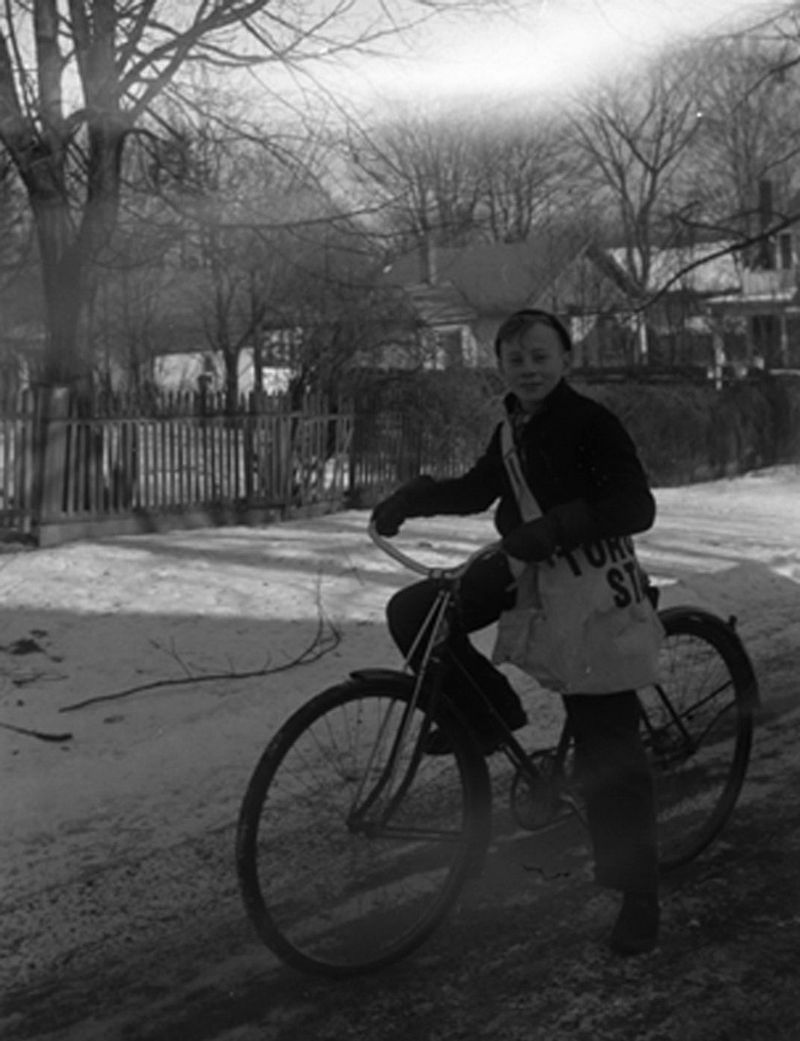
Town-wide paper routes used to be a rite of passage for kids. It was one of the first real jobs many of them ever had.
Before school, they mapped out streets and memorized delivery lists. Each house had specific instructions, and getting it right mattered.
Canvas bags carried more than newspapers. They carried responsibility and a growing sense of independence.
Kids quickly learned efficiency. They organized papers in order, planned the fastest route, and adjusted when customers added or paused subscriptions.
At the end of the week or month, carriers collected payments in person. They kept handwritten ledgers and tracked who had paid and who needed a reminder.
Those visits built communication skills. Kids learned how to speak confidently with adults and handle money responsibly.
Parents saw it as practical training. A paper route taught time management, accountability, and follow-through.
Digital subscriptions replaced many physical copies. Payments moved online, and personal collections faded away.
The paper still arrives in some neighborhoods. But the experience of running a route, managing customers, and earning money independently has largely become a story from another time.
10. Weekly Bingo at the Community Hall
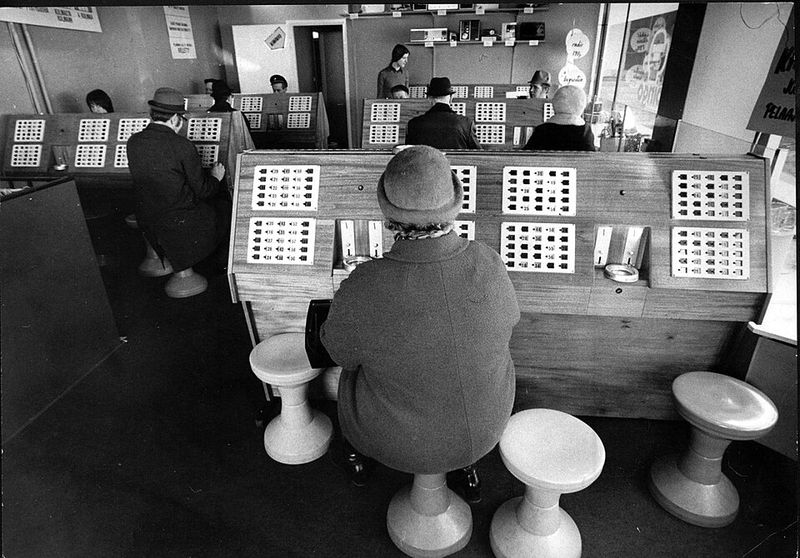
The word bingo could lift a roof tile. Tuesday nights meant lucky charms lined beside paper cards, with coffee strong enough to stand a spoon upright.
The caller’s voice rolled numbers like a drumbeat for friendships.
Prizes were practical and perfect: hams, gift baskets, maybe a gas voucher. You learned everyone’s tells, from the thoughtful chin tap to the deadly quiet stare.
Laughter filled the gaps between B-12 and O-69.
Lotteries, casinos, and streaming nights trimmed attendance. Some halls hold on, but calendars look thinner and jackpots smaller.
The coffee urn still sputters, though fewer hands reach for refills. Tradition survives in whispers and dabber stains that refuse to fade.
11. Local Roller Rink Dance Nights
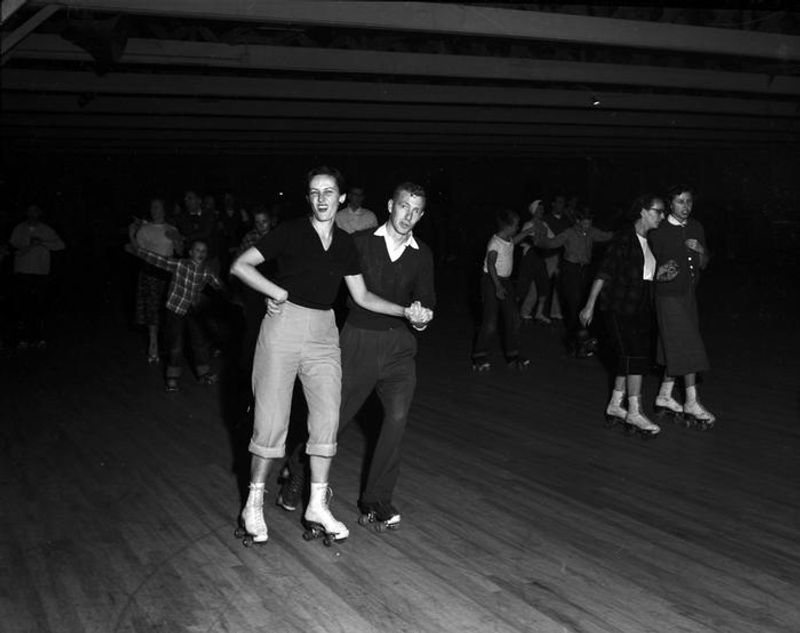
Wheels on varnish made the best Friday anthem. The mirror ball snowed light while a DJ cued slow skates and speed rounds.
Couples wobbled into romance, and solo pros carved figure-eights like they owned the map.
Snack bars sold neon slush and hope. A whistle kept order, mostly, and rental skates perfumed the air with leather and determination.
If you fell, strangers offered a hand faster than gravity.
Property costs rose, streaming won couch battles, and many rinks clicked closed. Some spaces became storage, some churches, a few breweries.
The music plays on, but the glide is missed. You can dance anywhere, sure, yet four wheels make courage feel smoother.
12. Community Barn Raisings
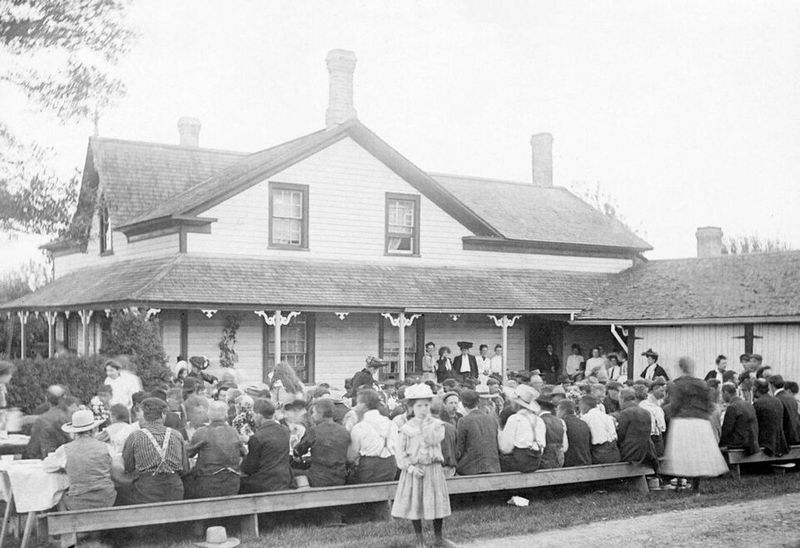
Before contractors and cranes took over, entire neighborhoods showed up when a barn needed raising. You brought a hammer, a covered dish, and a promise to haul your share, because next month it might be your turn.
Sawhorses lined the grass, and somebody’s uncle kept time with a nail pouch and a pocket radio.
Work breaks were a buffet of crockpots and sheet cakes, the kind that tasted like community and butter. Stories grew taller while the timber frame climbed, peg by wooden peg.
By dusk, the skeleton stood proud, and you left tired, splintered, and certain you belonged to something bigger.
13. Town Bonfire Pep Rallies
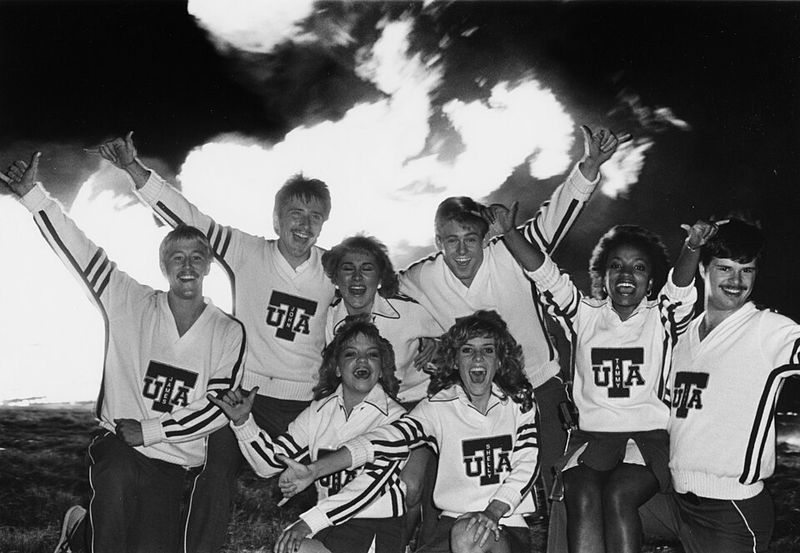
The roar of a bonfire could hype a game better than any chant. Students circled the blaze while the band hammered fight songs and cheerleaders flipped under sparks drifting like fireflies.
Coaches gave speeches that crackled almost as loud as the woodpile.
Neighbors bundled up, swapping gossip and thermos cocoa. Someone dragged a hay bale into the wrong spot, and a firefighter gave them the look.
It felt wild but sanctioned, a perfect recipe for memories and singed eyebrows.
Safety codes tightened, liability forms multiplied, and the tradition cooled. Schools switched to pep rallies in gyms, heavy on lights and light on flames.
The team still runs out pumped, but that primal fire drumbeat is history. You can warm hands on pride, sure, though it does not toast marshmallows.
Share this story