Most people think of the Jersey Shore and picture crowded boardwalks, fried food stands, and bumper-to-bumper traffic. But tucked away along a narrow strip of barrier island in Ocean County, New Jersey, there is a place that feels nothing like that.
Here, red foxes trot through the dunes, osprey circle overhead, and a historic lighthouse peeks across the water like it has been waiting for you to notice it. This park stretches nearly ten miles of largely untouched coastline, and it protects one of the last remaining natural barrier islands on the entire East Coast.
No rides, no neon signs, no chaos. Just sand, sky, marshland, and wildlife doing exactly what wildlife does when people mostly leave it alone.
If you have been searching for a quieter, wilder version of the Jersey Shore, keep reading, because this place might just change the way you think about the beach.
Where Exactly This Wild Escape Sits
Island Beach State Park is located along a ten-mile barrier island in Ocean County, New Jersey, with its main address at Central Avenue, Seaside Park, NJ 08752, just south of the borough of Seaside Park and north of Barnegat Inlet.
The park sits between the Atlantic Ocean on the east and Barnegat Bay on the west, giving it a genuinely split personality in the best possible way. One side offers open ocean waves and wide sandy beaches, while the other side opens into calm bay waters surrounded by marsh grass and tidal flats.
Getting there requires driving south on Route 35 through Seaside Park until you reach the park entrance, where you pay a daily fee that varies by season. The park is managed by the New Jersey Division of Parks and Forestry.
It operates year-round, though the busiest months run from late June through August.
The Story Behind the Park’s Creation
Not every beautiful place stays beautiful by accident. Island Beach State Park exists today because of a fortunate series of events that kept developers away from this barrier island for decades.
In the 1920s, a wealthy industrialist named Henry Phipps purchased the land with plans to build a resort community. Those plans never fully materialized, and the land sat largely undeveloped through the Great Depression and World War II.
New Jersey eventually acquired the property in 1953 and officially designated it a state park.
That history matters, because it means this strip of land never got the boardwalk treatment that transformed so much of the surrounding Jersey Shore. While neighboring barrier islands were carved up into beach towns, Island Beach remained intact.
Ecologists and naturalists now consider it one of the most ecologically significant coastal areas in the northeastern United States, preserving habitat types that have largely disappeared elsewhere along the Atlantic coastline.
Wild Foxes Roaming the Dunes

One of the most talked-about surprises at this park is the red fox population. These animals have established themselves comfortably throughout the dunes and forested areas, and spotting one is not nearly as rare as you might expect.
Red foxes at Island Beach are not aggressive, but they are wild animals and should never be fed or approached. They tend to appear most often in the early morning or late afternoon hours, moving through the dune grass or trotting along the edges of the parking areas with a casual confidence that suggests they know exactly who owns this place.
Photographers and wildlife watchers make special trips here just for a chance to see them. The foxes thrive here because the park provides undisturbed habitat with plenty of prey, including small rodents, birds, and insects.
Watching one pause and look back at you across a dune is one of those moments that stays with you long after you leave.
The Barnegat Lighthouse View That Steals the Show
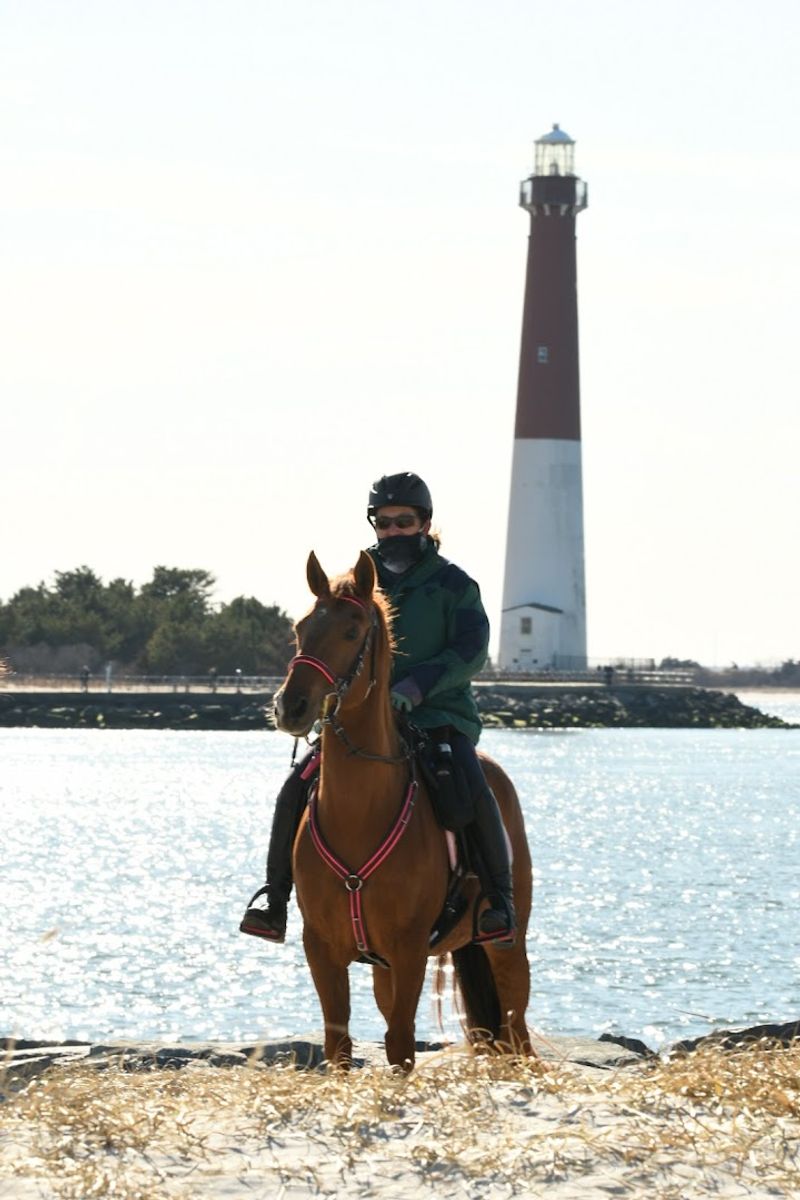
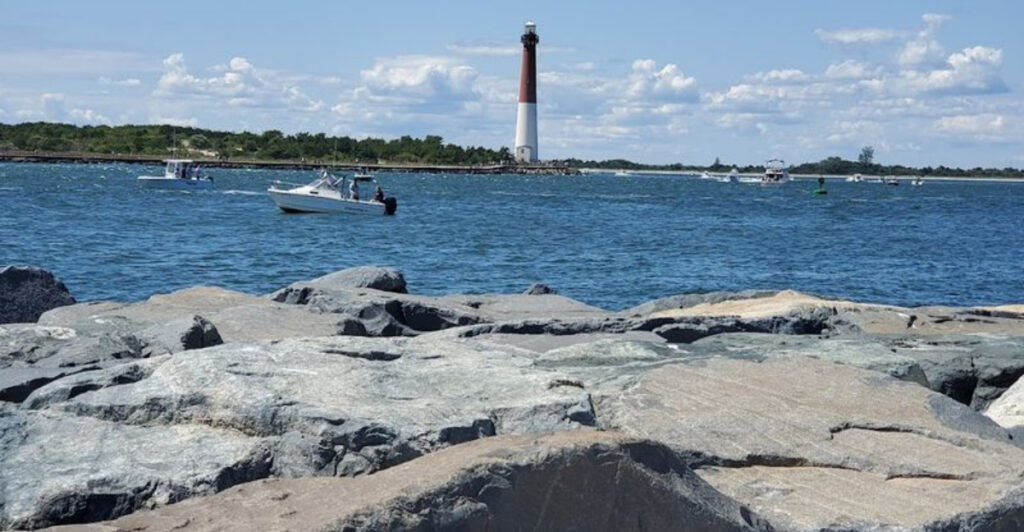
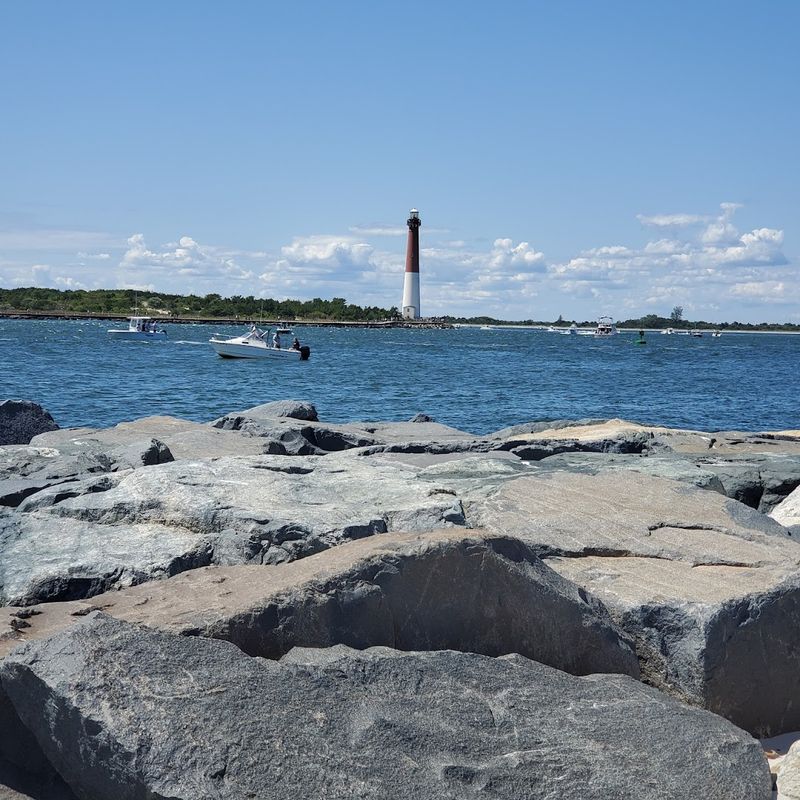
Standing at the southern tip of Island Beach State Park near Barnegat Inlet, you get one of the most photographed views in all of New Jersey, a clear sightline across the water to Barnegat Lighthouse on the northern tip of Long Beach Island.
The red-capped lighthouse, known locally as Old Barney, rises 172 feet above sea level and has guided ships since 1859. From the inlet at Island Beach, it appears framed by open water and sky in a way that makes it look almost too perfect to be real.
Fishing boats and kayakers frequently pass through the inlet, adding movement to an already striking scene.
Sunset visits to this southern section of the park reward patience with long golden light reflecting off the bay water toward the lighthouse. Many visitors consider this view the single most compelling reason to make the drive down the full length of the park road, and it is genuinely hard to argue with them.
The Beach Itself and What Makes It Different
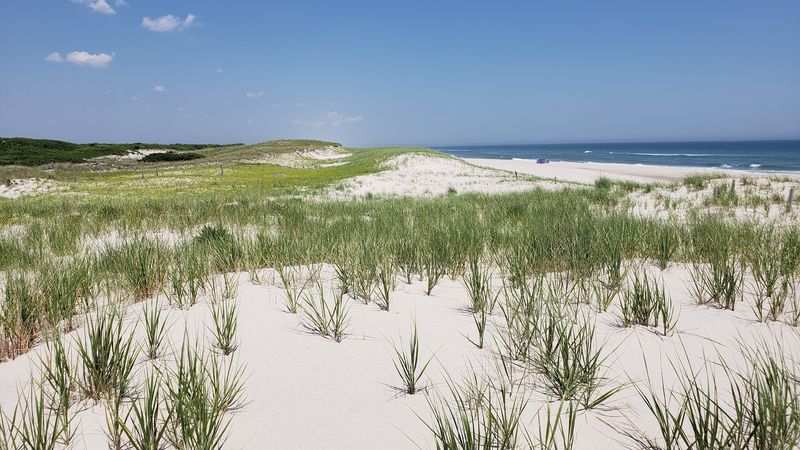
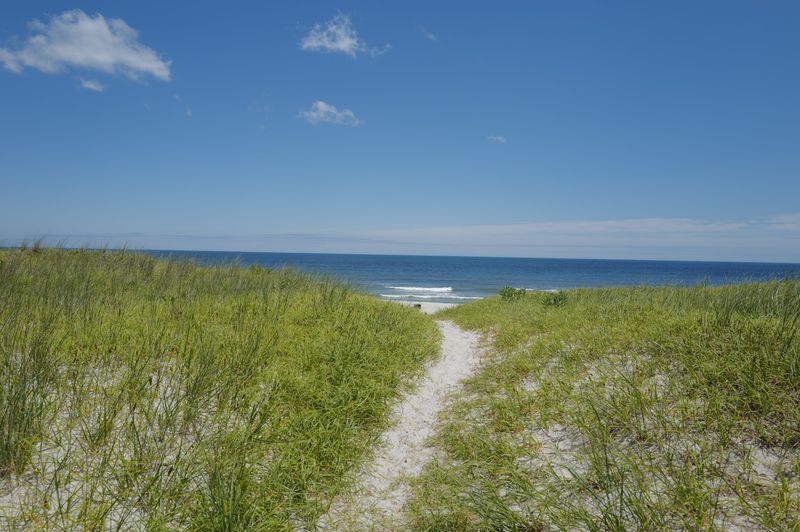
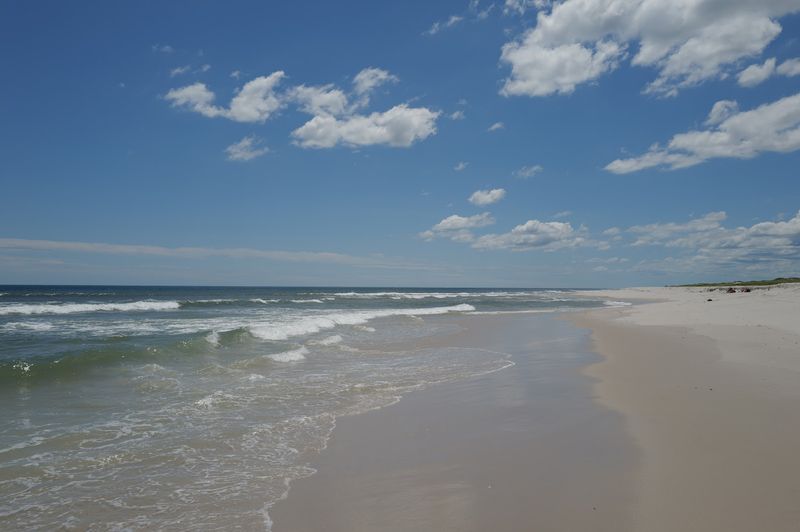
The beach at Island Beach State Park does not have a boardwalk, a snack bar on every corner, or rows of rental chairs stretching to the horizon. What it does have is about ten miles of relatively uncrowded Atlantic coastline backed by natural dunes covered in American beach grass.
Swimming is permitted in designated areas during summer months when lifeguards are on duty, typically from late June through Labor Day. Outside those areas and outside those hours, swimming is at your own risk.
The waves here can carry a real punch, so checking conditions before heading in is always a smart move.
The sand is clean and fine, and because development is prohibited throughout the park, the backdrop behind the beach looks the same today as it did a hundred years ago. Beachcombers regularly find whelk shells, horseshoe crab molts, and sea glass along the shoreline, especially after a storm pushes material up onto the beach.
Birdwatching That Serious Birders Travel Far to Experience
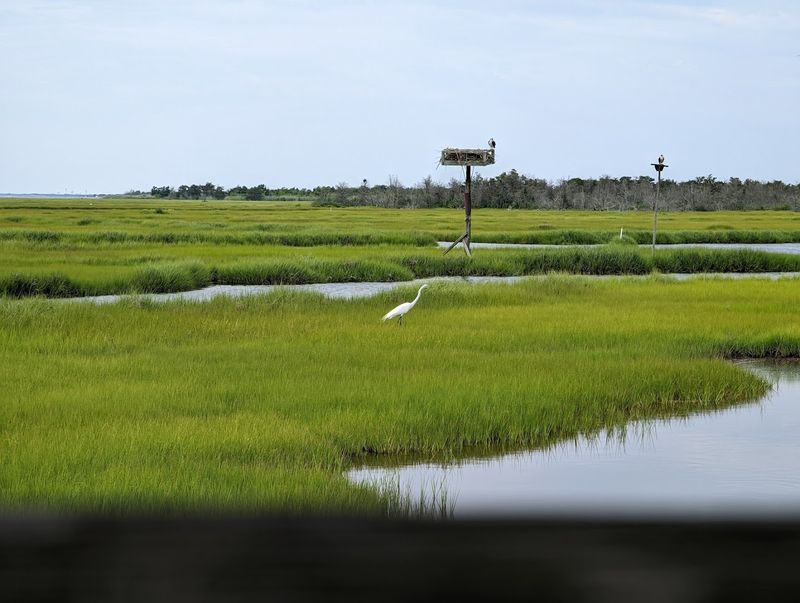
Few places in New Jersey concentrate as many bird species in one accessible location as Island Beach State Park. The park sits directly along the Atlantic Flyway, the major north-south migration route used by hundreds of bird species every spring and fall.
Osprey are practically the park mascots. These large fishing birds nest on dedicated platforms installed throughout the park, and watching them dive from height to catch fish in the bay is a regular sight from spring through early fall.
Peregrine falcons, northern harriers, American oystercatchers, and various warbler species all pass through or nest here depending on the season.
The southern end of the park near the inlet tends to attract the most concentrated birdwatching activity, particularly during fall migration in September and October. Birders set up spotting scopes along the beach and bay sides, cataloguing species as they move through.
Even casual visitors who are not birders often find themselves stopping to watch the osprey activity around the nesting platforms.
Kayaking and Fishing on Barnegat Bay
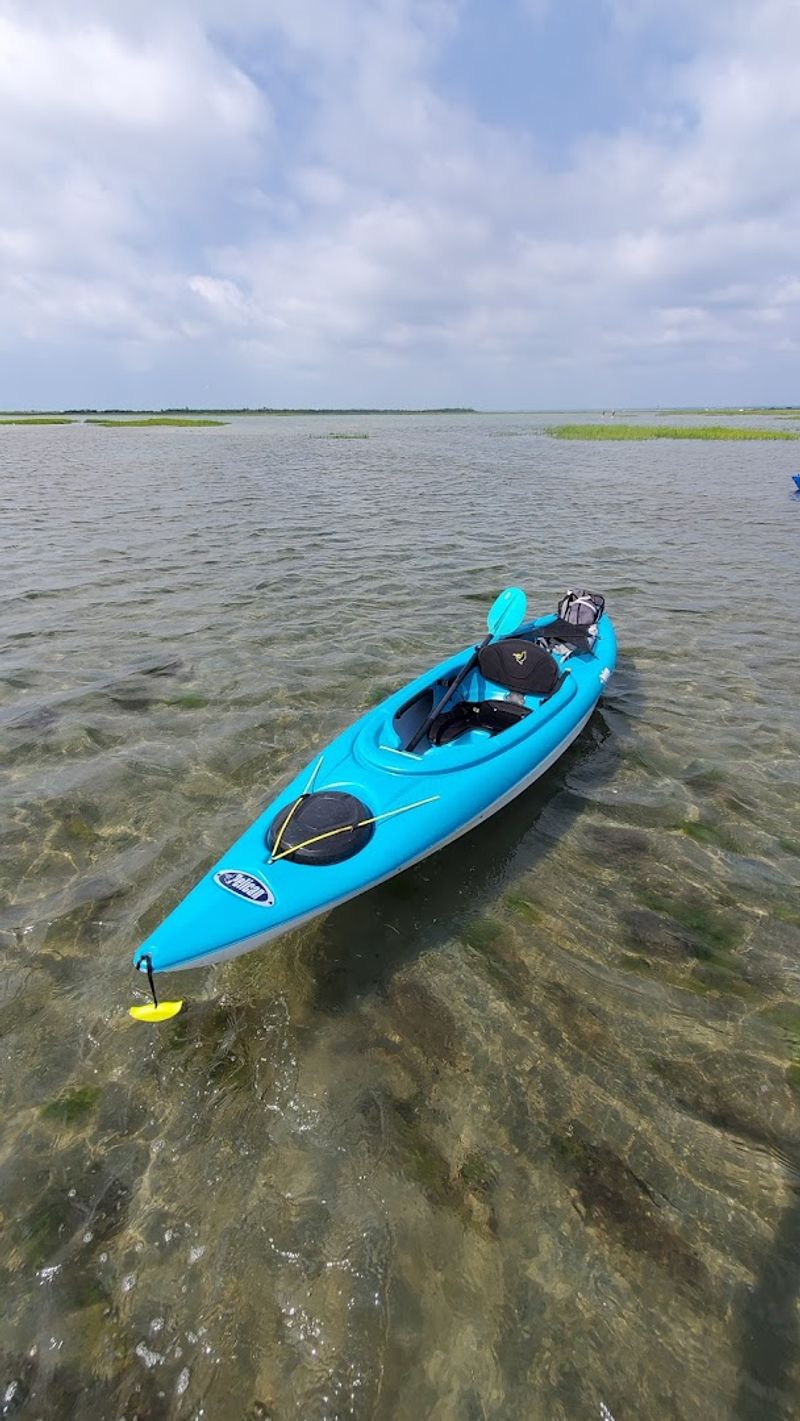
The bay side of Island Beach State Park opens up a completely different set of activities from what the ocean side offers. Barnegat Bay runs along the entire western edge of the park, and its calm, shallow waters make it an ideal spot for kayaking and fishing.
Anglers target striped bass, bluefish, flounder, and weakfish depending on the season. Surf fishing on the Atlantic side is also popular and permitted in designated areas, with some sections open to four-wheel-drive vehicles carrying valid beach driving permits.
The inlet area near the southern tip is particularly productive for fishing, drawing serious anglers who arrive before dawn.
Kayak and canoe launch points are available within the park, and the bay’s protected waters make for manageable paddling even for beginners. The marsh grass lining the bay edges creates a sheltered paddling corridor where herons, egrets, and various shorebirds are frequently encountered up close.
Renting equipment is possible from outfitters near the park entrance in Seaside Park.
The Maritime Forest Hidden Inside the Park
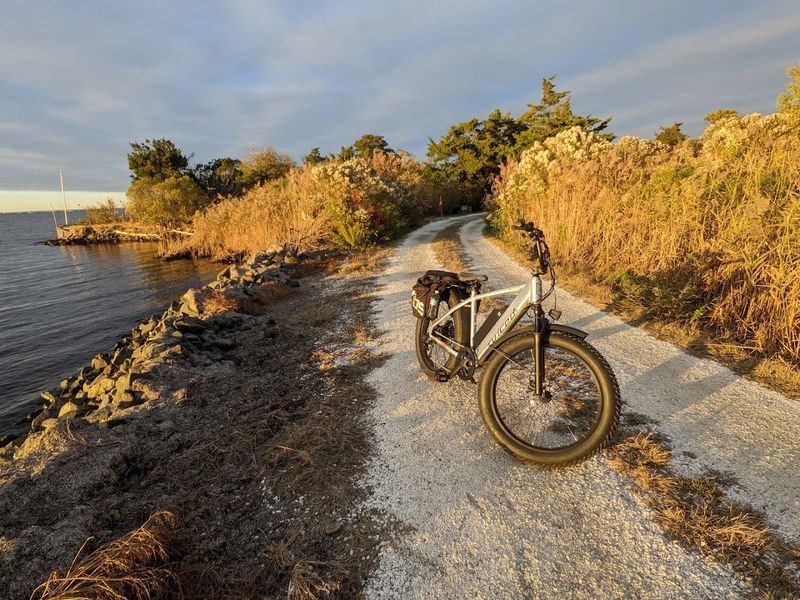
Most visitors arrive expecting only sand and ocean, so the maritime forest tucked behind the dunes comes as a genuine surprise. This forest community is one of the rare remaining examples of a natural barrier island forest ecosystem on the East Coast.
Scrubby oaks, hollies, bayberry, and beach plum grow in dense, wind-shaped thickets throughout the park’s interior. The trees here are short and gnarled, shaped by decades of salt spray and ocean wind into forms that look almost sculptural.
Walking trails wind through sections of this forest, offering a quieter, shadier alternative to the open beach.
The forest also provides critical habitat for migratory songbirds, which use it as a stopover point during spring and fall migration. Warblers, thrushes, and sparrows concentrate in these thickets in impressive numbers during peak migration weeks.
The contrast between standing in the dense forest and then walking two minutes to the open beach is one of the more surprising experiences the park offers.
Practical Tips for Planning Your Visit
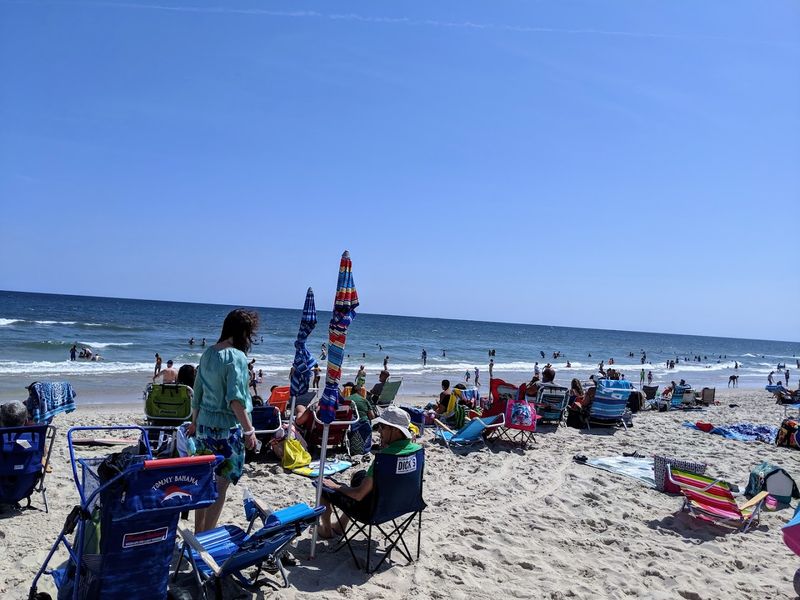
A few practical details can make the difference between a smooth day at Island Beach and a frustrating one. The park charges a per-vehicle entrance fee that increases significantly during peak summer months, so checking the current fee schedule on the New Jersey State Parks website before you go saves a surprise at the gate.
Parking lots fill up quickly on summer weekends, often reaching capacity before 9 a.m. Arriving early, ideally before 8 a.m., is the most reliable way to secure a spot.
Once the lots are full, the park stops admitting vehicles until space opens up, which can mean a long wait on the side of Route 35.
Restroom facilities and outdoor showers are available at several locations within the park. There is limited food available on-site, so packing your own meals and plenty of water is strongly recommended.
Pets are permitted in certain areas of the park but are prohibited on the guarded beaches during summer season.
Why This Park Deserves More Than One Visit
A single visit to Island Beach State Park is enough to understand why people keep coming back. The park changes noticeably with each season, offering a genuinely different experience in April than it does in July or October.
Spring brings migrating birds and blooming beach plum shrubs along the dune edges. Summer delivers the full beach experience with swimming, fishing, and wildlife activity at its peak.
Fall is many regulars’ favorite time, when the crowds thin out, the light turns golden, and the hawk and songbird migration turns the park into a birdwatcher’s destination of real significance.
Winter visits are quieter still, with the park open for walking, fishing, and wildlife observation even as the beaches empty out. Red foxes are often easier to spot in winter when the vegetation thins.
Each return trip tends to reveal something that was missed before, a fox den, a new bird species, or a stretch of beach that somehow felt different from the last time. That is the kind of place Island Beach State Park is.
Share this story