Deep beneath the hills of Sussex County, New Jersey, there is a world that most people never knew existed. A zinc mine that once employed hundreds of workers and produced millions of tons of ore quietly shut its doors in 1986, and for a while, it seemed like that chapter of history was over for good.
But the story did not end there. Today, that same underground world has been transformed into one of the most fascinating museums in the entire state, where you can walk through real mine tunnels, watch rocks glow under ultraviolet light, and get a close-up look at the kind of industrial history that shaped this corner of New Jersey.
Whether you are a curious kid, a geology fan, or just someone looking for a genuinely different day trip, this place delivers in ways that are hard to put into words.
Where the Underground World Lives
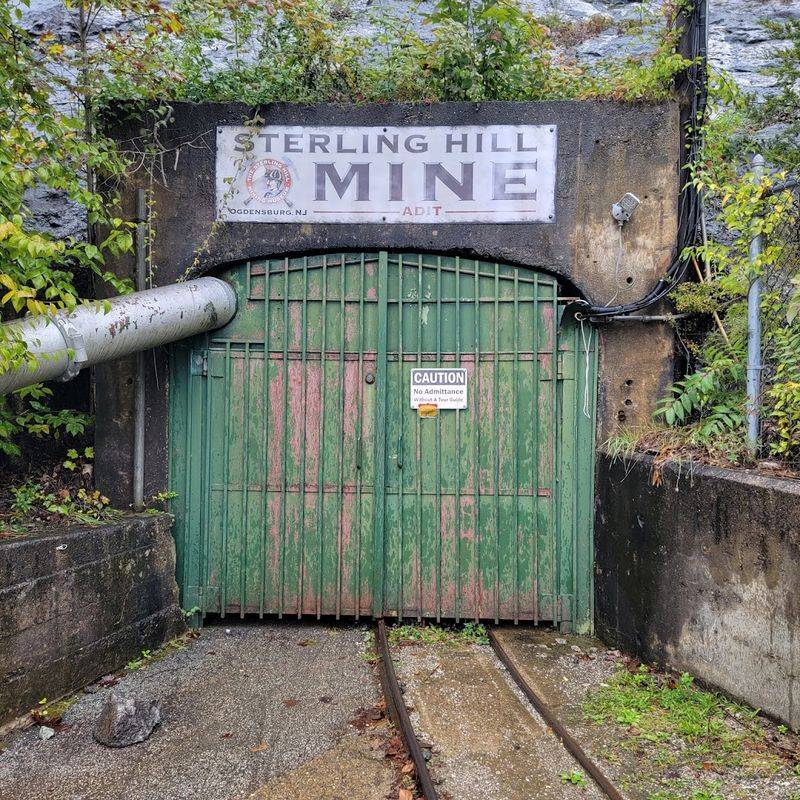
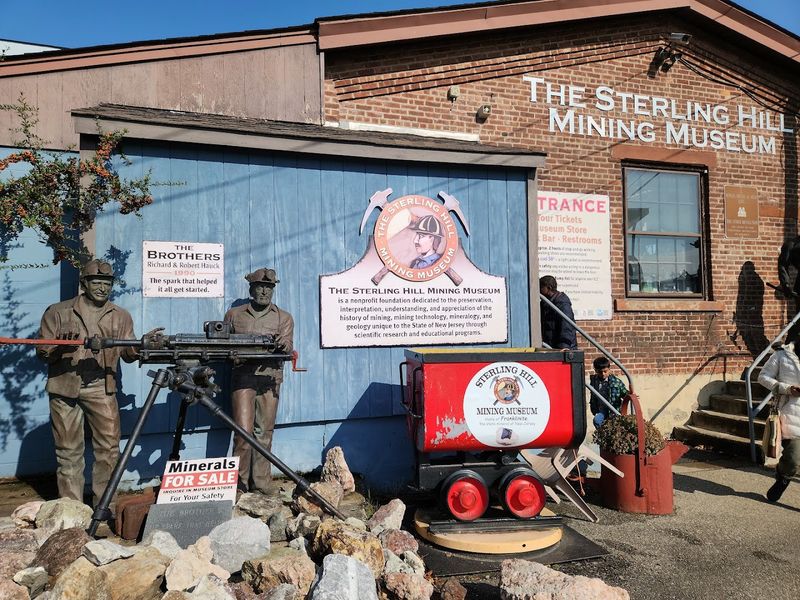
The Sterling Hill Mining Museum sits at 30 Plant St, Ogdensburg, NJ 07439, tucked into the rolling landscape of Sussex County in northern New Jersey. It is not the kind of place you stumble across by accident, but once you find it, you will be glad you made the trip.
The museum occupies the actual site of the old Sterling Hill zinc mine, which was one of the last operating zinc mines in the eastern United States before it closed in 1986. The property still has much of its original industrial character, with preserved outdoor equipment, buildings, and structures that tell the story of what life looked like here during the mine’s working years.
The address is easy to find with a GPS, and the grounds open daily at 10 AM, closing at 3 PM. Plan to arrive early, especially on weekends, because tours fill up and the experience runs close to two hours from start to finish.
A Mine That Shaped a Town
The history of the Sterling Hill mine goes back further than most people expect. Mining activity at this site dates to the late 1700s, though large-scale industrial zinc extraction really picked up in the 19th and 20th centuries.
For generations, the mine was the economic backbone of the Ogdensburg area.
At its peak, the operation pulled enormous quantities of zinc ore out of the ground, supplying a mineral that was essential for everything from galvanizing steel to making rubber and paint. The miners who worked here were not just employees; they were community members whose entire lives were tied to what happened underground.
When the mine finally closed in 1986, it was not because the ore ran out. The zinc deposits actually go down more than 2,500 feet, but because the water pumps stopped running after closure, the lower levels have since flooded completely.
That detail alone says a lot about just how vast this underground world really is.
The Underground Tour Experience
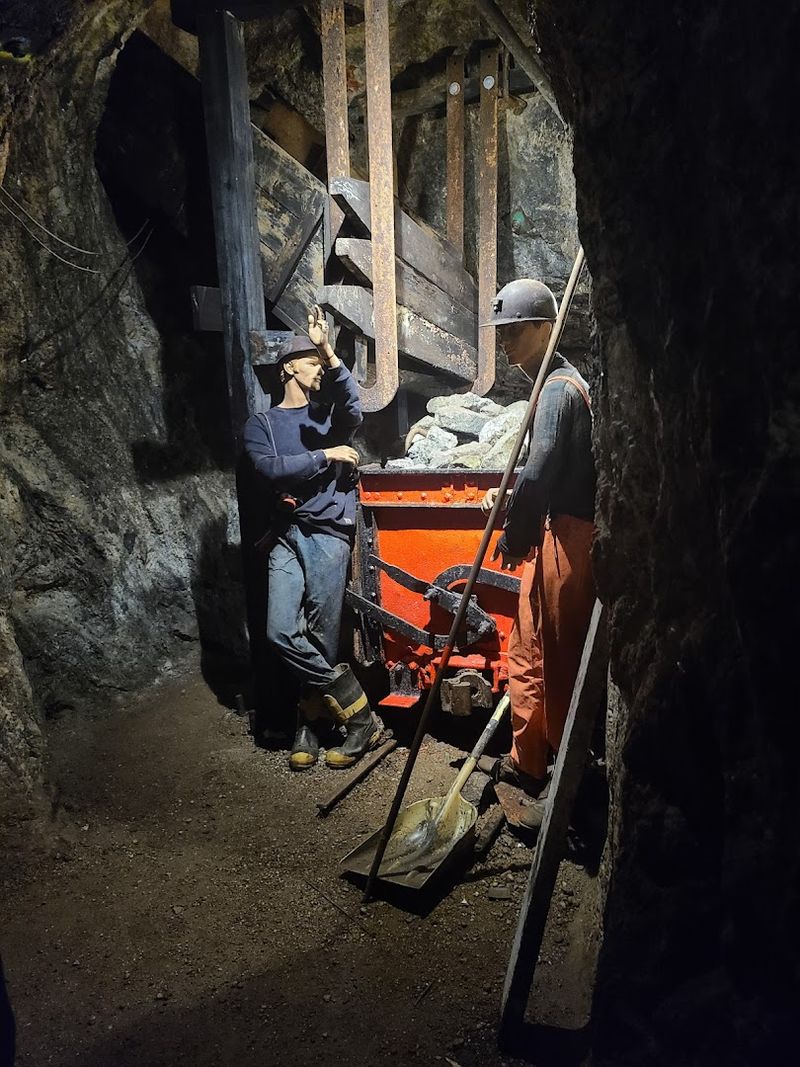
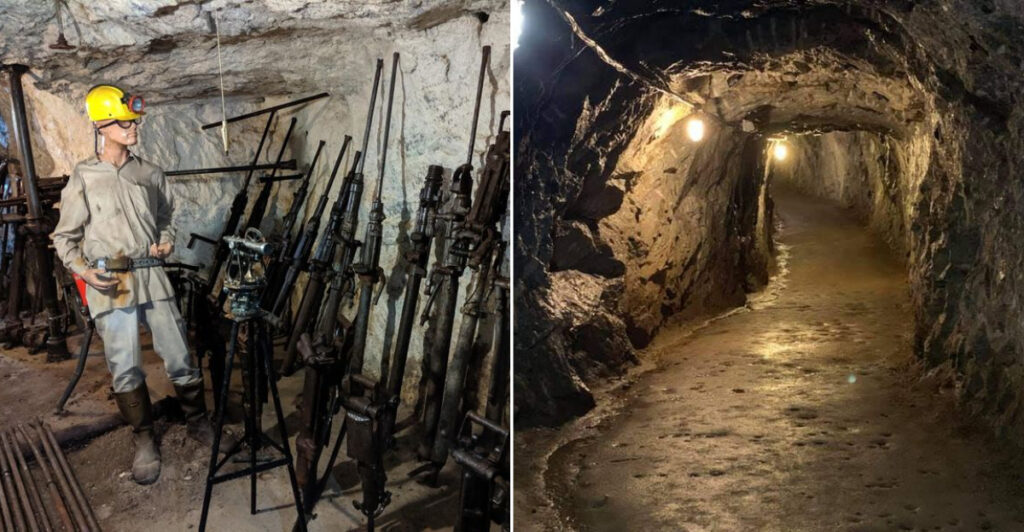
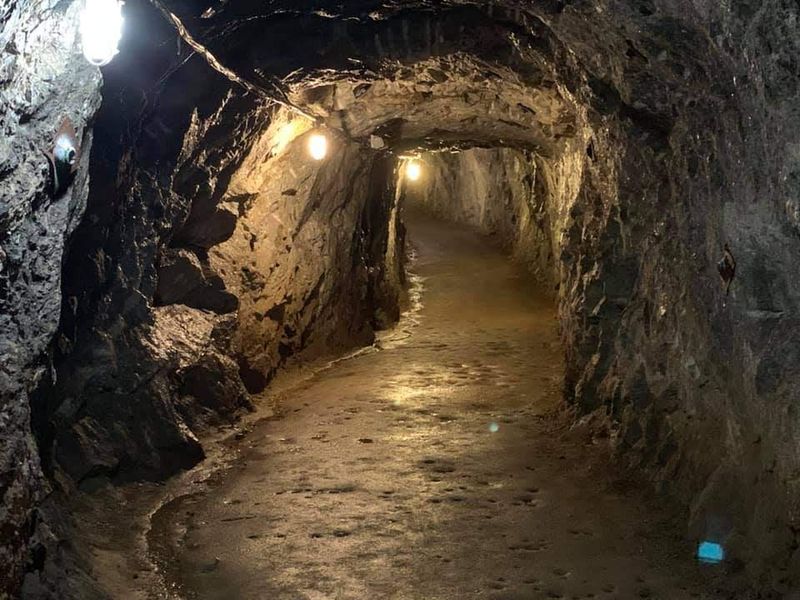
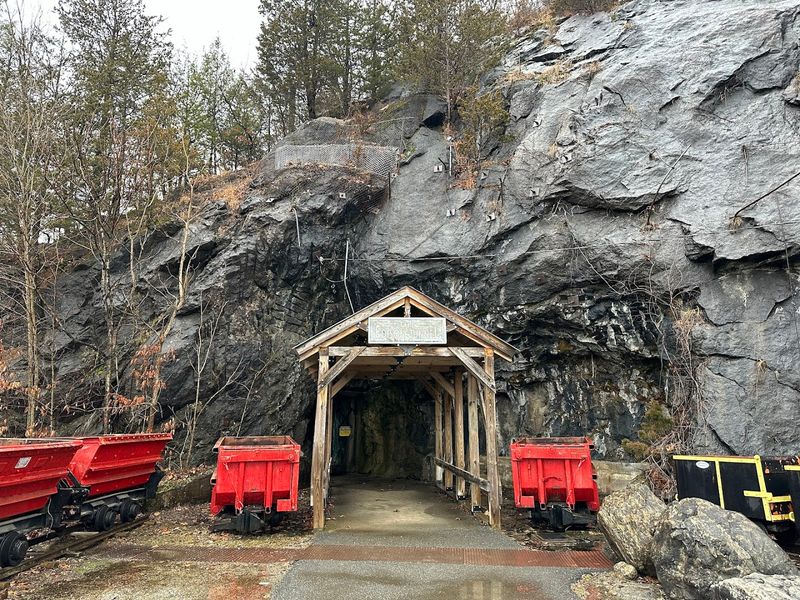
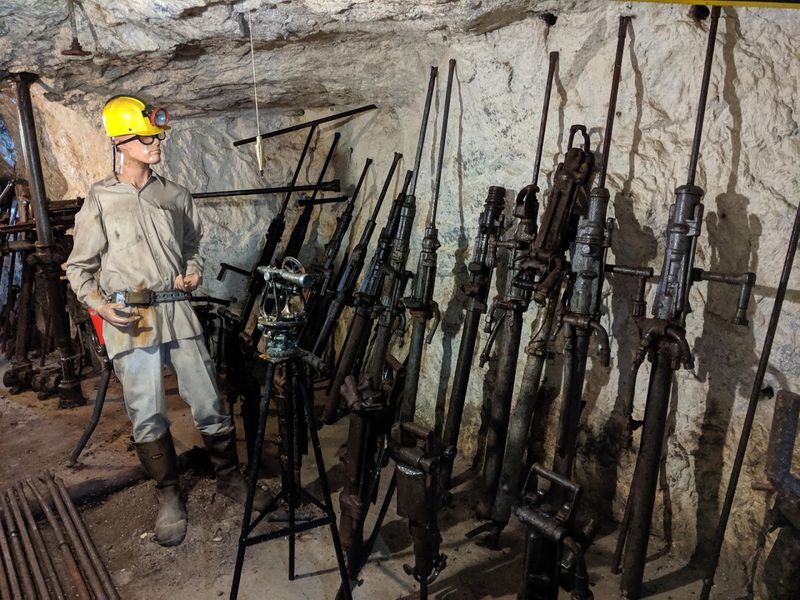
The guided underground mine tour is the centerpiece of any visit to Sterling Hill, and it earns that status without question. You walk into actual tunnels carved out by real miners over more than a century of work, and the guides do a thorough job of explaining how the operation functioned from top to bottom.
The tour covers the equipment miners used, the physical demands of the job, and the safety challenges that came with working underground every day. It is not a quick stroll; the full experience runs close to two hours, which gives you enough time to really absorb what you are seeing without feeling rushed.
Guides split larger crowds into smaller groups, so the experience stays personal even on busy days. The tunnels themselves are cool and damp, so a light jacket is worth bringing along.
Good walking shoes are also a smart choice, since the ground inside the mine is uneven and can be wet in spots.
The Rainbow Room and Glowing Rocks
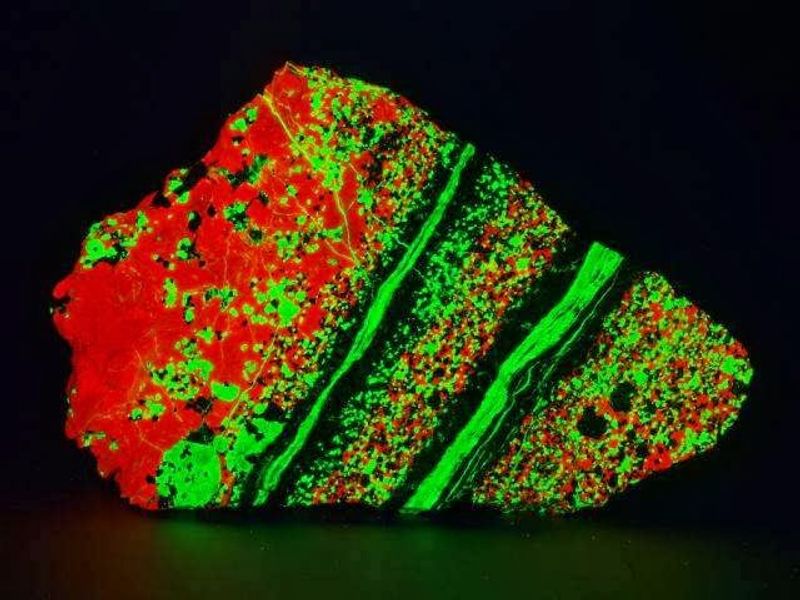
There is a moment during the Sterling Hill tour when the guide switches on the ultraviolet lights, and the entire room changes. Rocks that looked plain and gray a second before suddenly burst into glowing green, orange, red, and blue.
It is one of the most visually striking things you will see in any museum in New Jersey.
This is the Rainbow Room, and it exists because Sterling Hill sits on one of the world’s most significant deposits of fluorescent minerals. The zinc ore found here, particularly a mineral called willemite, is famous among geologists and collectors worldwide for its intense fluorescent response to UV light.
The display is not a trick or a special effect added for tourists. These are real rocks, in their natural state, reacting to ultraviolet light exactly the way they always have.
Kids tend to go completely quiet when the lights come on, which is probably the best review any museum exhibit could ever get.
The UV Mineral Collection Inside
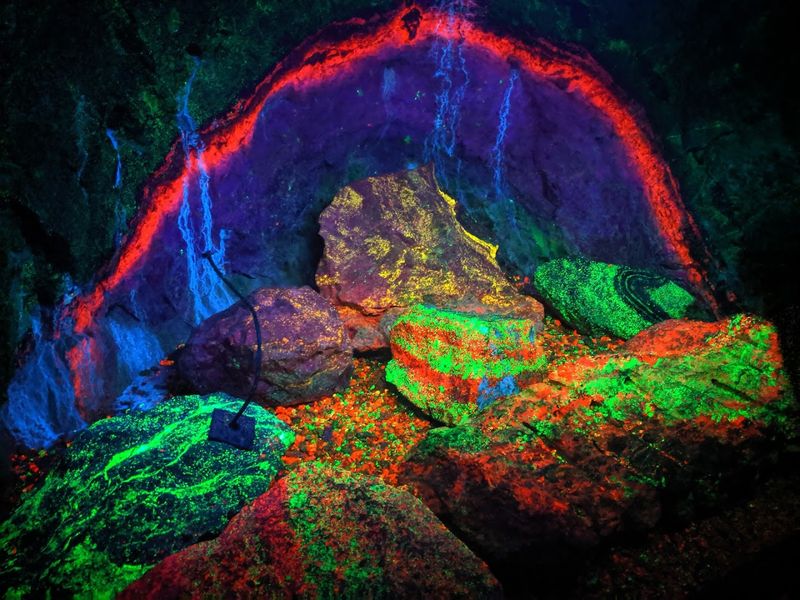
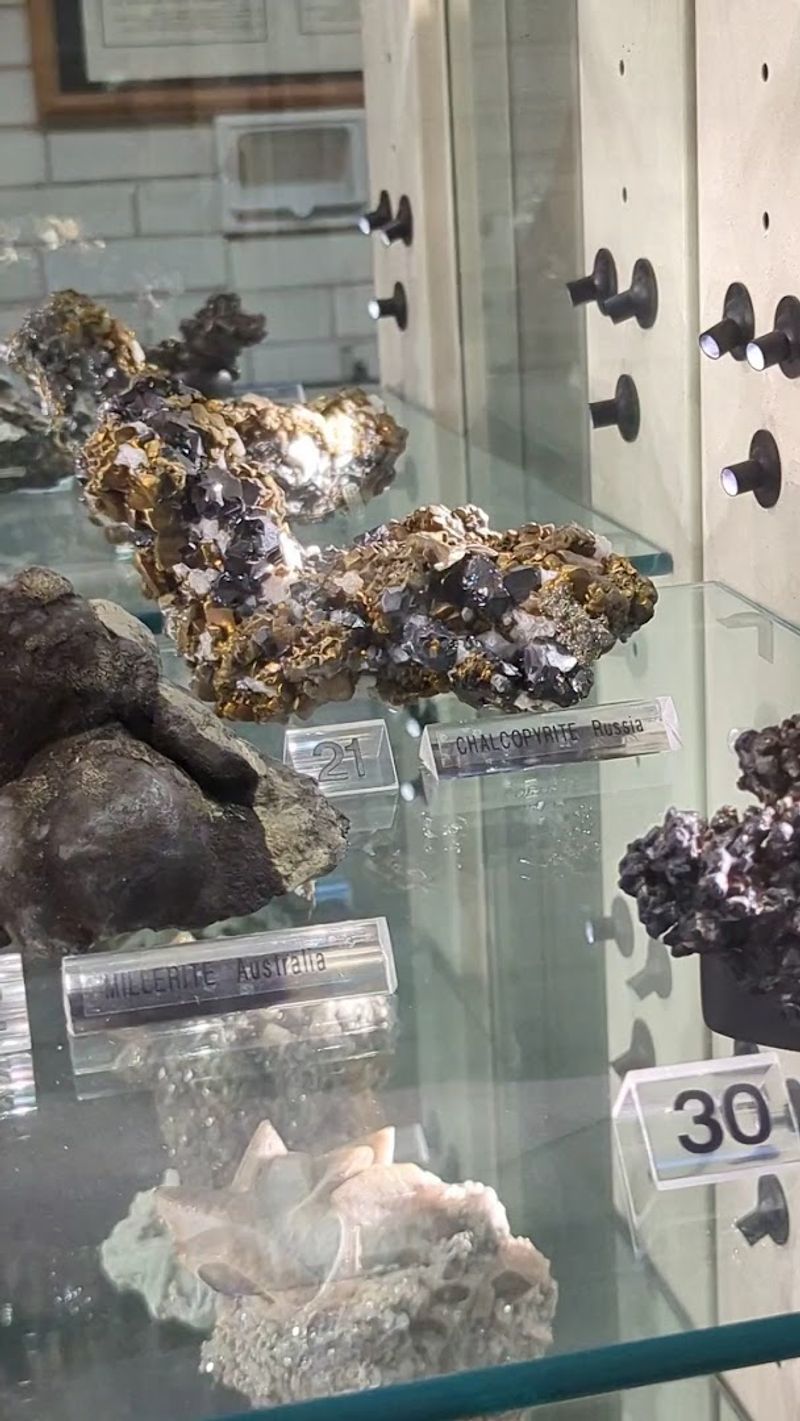
After the underground portion of the tour wraps up, the experience continues above ground with a dedicated ultraviolet mineral collection that spans three full rooms. The collection is extensive and covers specimens from locations all over the world, not just from Sterling Hill itself.
One of the most talked-about elements of this collection is the donation made by the founder of Oreck vacuum cleaners, who contributed his personal mineral collection to the museum. That single contribution added significant depth and variety to what was already an impressive display of fluorescent and non-fluorescent specimens.
The rooms are set up so that you can compare how minerals look under regular white light versus ultraviolet light, which makes the fluorescence even more dramatic when the switch happens. The collection includes meteorites, moon rocks, and other rare specimens that go well beyond what most regional museums can offer.
It is genuinely one of the most comprehensive mineral displays on the East Coast.
The Museum Buildings and Artifacts
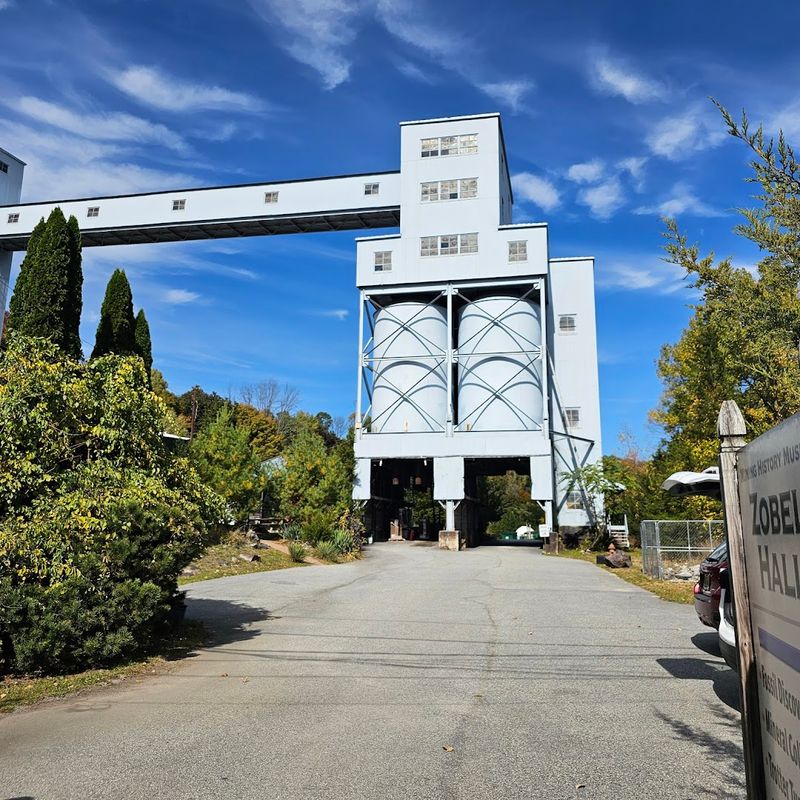
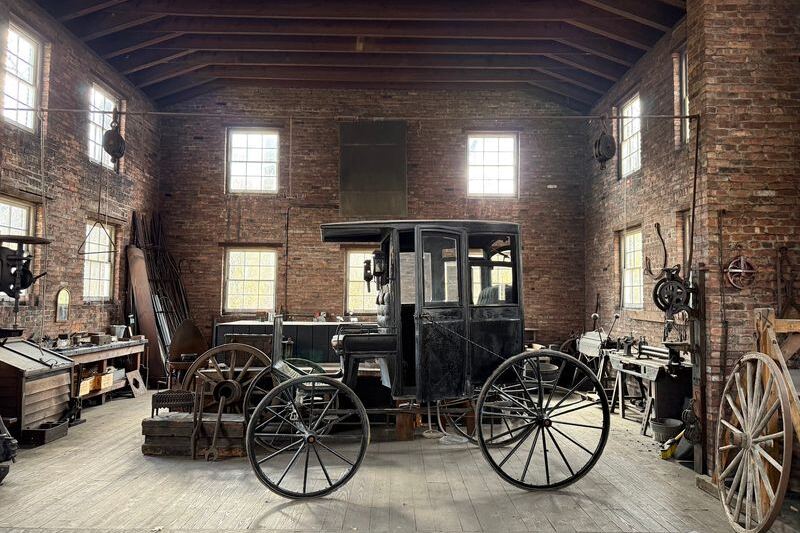
Beyond the underground tunnels and the glowing rocks, the museum buildings themselves hold a remarkable collection of artifacts that cover the full scope of what life at a working mine looked like. Old shower stalls are still mounted on the walls.
Lunch bins and lockers hang in their original positions, preserved exactly as miners left them.
Walking through these spaces gives you a concrete sense of the daily routine that workers followed for decades. The museum also holds exhibits covering topics well outside the mine itself, including dinosaur footprints, Native American artifacts, and a meteorite that actually crashed into a New Jersey home.
A steel beam recovered from the World Trade Center is also on the grounds, which adds a layer of broader historical significance to the site. The outdoor equipment displays let you get up close to the large-scale machinery that made the mine function, all of it preserved and available to examine without barriers.
It adds up to one of the most artifact-rich small museums in the state.
The Knowledgeable Tour Guides
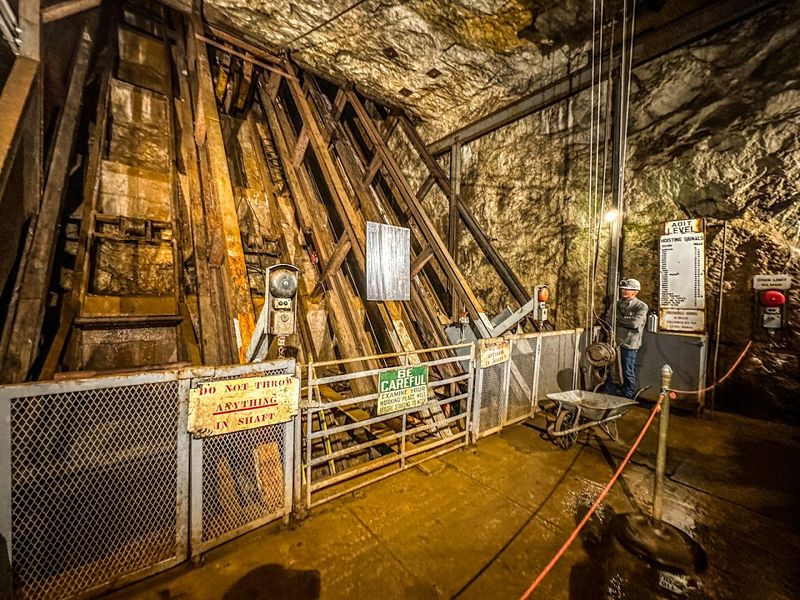
A lot of what makes the Sterling Hill tour work as well as it does comes down to the people leading it. The guides here are not reading from a script; they clearly know this material, and they know how to make it interesting for a mixed crowd of adults, kids, and everyone in between.
The history they share covers not just the technical side of mining but also the human side, including what daily life looked like for the men and women connected to this operation. That combination of industrial history and personal storytelling keeps the tour moving even when the subject matter gets technical.
Some guides have direct connections to the mine’s working history, which gives their accounts a firsthand quality that no amount of written signage can replicate. Groups are kept to manageable sizes so that everyone can hear clearly and ask questions without the tour feeling like a crowded shuffle through a dark hallway.
The guides consistently earn high marks from visitors of all ages.
Rock Collecting and Sluicing for Kids
The tour itself is the main event, but Sterling Hill also offers hands-on activities that give younger visitors something to take home beyond memories. The rock collecting and gem sluicing area lets kids purchase bags of sand that contain actual mineral specimens, which they then run through a water sluice to reveal what is hidden inside.
Each bag comes with a mineral identification card so kids can figure out exactly what they found. It is a practical, low-pressure activity that works well as a souvenir and doubles as a mini geology lesson without feeling like homework.
The guides recommend arriving early in the morning if you want to do the sluicing activity, because it closes around the same time the main tour ends and spots can run short on busy days. For families with children who are old enough to handle the two-hour underground tour, which works best for kids around seven and older, the full day at Sterling Hill makes for a genuinely well-rounded outing that holds attention from start to finish.
What to Expect on a Practical Level
A few practical details can make your visit to Sterling Hill go much more smoothly. The museum is open daily from 10 AM to 3 PM, and the tour runs for close to two hours, so arriving by 1 PM at the latest gives you enough time to get through the full experience before closing.
No reservations are required, but the ticketing process is manual and in-person, handled at the gift shop when you arrive. On busy weekends, showing up early is the best strategy to avoid long waits or missing a tour group entirely.
Cash is worth having on hand if you want to tip your guide, which many visitors do after a particularly good tour.
The mine interior is cool and damp regardless of the season outside, so a light jacket or hoodie is genuinely useful rather than just optional advice. Comfortable, closed-toe shoes with decent grip make the uneven tunnel floors much easier to manage.
The snack shack and bathrooms near the gift shop are convenient for families with young children.
Groups, School Trips, and Scout Visits
Sterling Hill has built a strong reputation as a field trip destination, and it is easy to understand why. The combination of underground exploration, hands-on mineral activities, and curriculum-connected content about geology and industrial history gives teachers a lot to work with before and after the visit.
Fourth-grade classes in particular seem to find the mine especially relevant, since New Jersey history and natural resources often come up in that grade’s curriculum. The guides adjust their explanations based on the age group in front of them, which keeps the content accessible without dumbing it down for adults who happen to be on the same tour.
Scout troops and other youth groups also visit regularly, and the museum’s layout accommodates larger parties without making the experience feel chaotic. The staff is practiced at managing mixed-age groups and keeping the energy positive throughout a long tour.
For group organizers, the museum’s website has details on scheduling and group rates worth checking before you book.
Why This Place Deserves a Spot on Your List
Not every museum can make geology feel genuinely exciting to a room full of mixed-age visitors, but Sterling Hill pulls it off consistently. The combination of real underground tunnels, world-class fluorescent minerals, preserved industrial history, and guides who clearly care about the subject creates an experience that is hard to replicate anywhere else in the region.
The 4.7-star rating across nearly 1,500 reviews is not an accident. It reflects a place that has figured out how to balance education with entertainment without leaning too hard on either side.
Adults leave with a deeper appreciation for the industrial history of New Jersey, and kids leave with glowing rocks and stories they will repeat for weeks.
A day trip to Ogdensburg for the Sterling Hill Mining Museum is the kind of outing that catches people off guard in the best possible way. Most visitors admit they expected something smaller and simpler, and almost all of them leave planning to come back.
That is about as strong a recommendation as any travel writer could offer.
Share this story