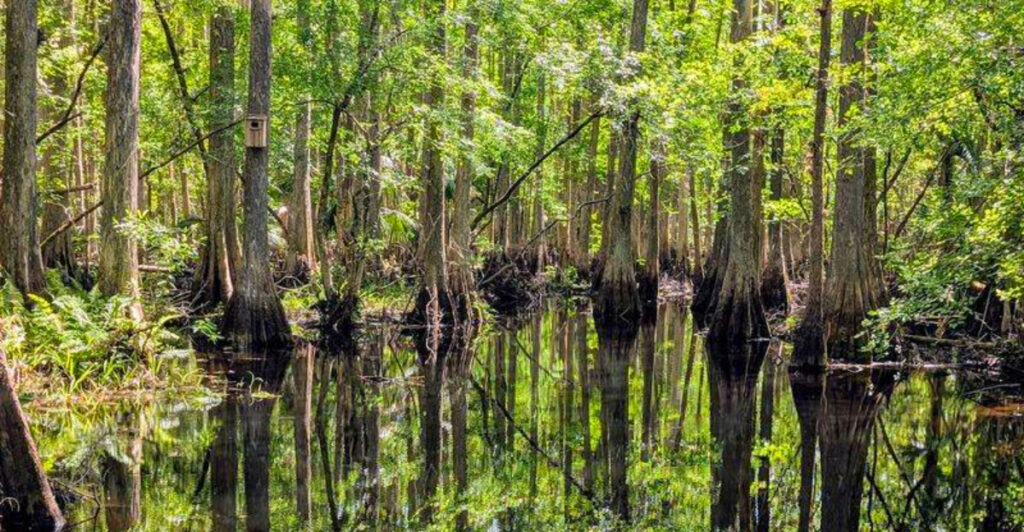
Florida in winter is not what most people expect. Instead of snow and bare branches, you get cool, crisp air, clear skies, and trails that feel almost magical without the brutal heat and bugs of summer.
A 2.4-mile loop through an ancient cypress swamp, surrounded by towering old-growth trees and jet-black water, becomes something truly special when temperatures drop and the crowds thin out. This is the kind of hike where you spot alligators gliding silently through the water, hear owls calling at dusk, and walk boardwalks that feel suspended between two worlds.
If you have ever wanted to see what Florida looked like before highways and theme parks, this trail delivers that experience in the most honest and peaceful way possible. Keep reading to find out why winter is the absolute best time to hit this trail.
Where the Trail Begins: Address and Location
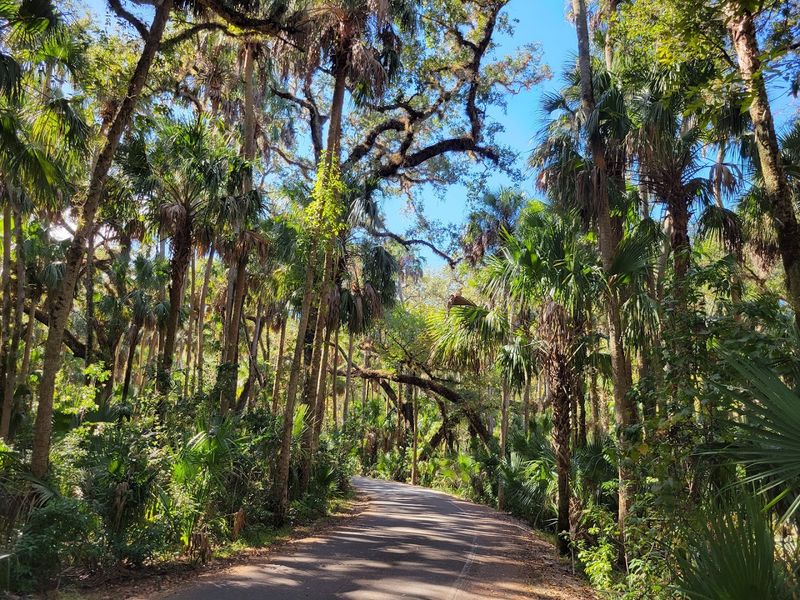
Florida’s oldest state park sits quietly off a two-lane road in Sebring, and the moment you pull through the entrance, the outside world starts to feel very far away.
Highlands Hammock State Park is located at 5931 Hammock Rd, Sebring, FL 33872, in the heart of the Florida highlands region.
The park has been welcoming visitors since 1931, making it one of the most historically significant natural areas in the entire state.
The entrance fee is just $6 per vehicle, which is honestly a bargain for what waits inside. Staff at the gate are friendly and hand out detailed trail maps that make navigation easy for first-time visitors.
Getting here takes about 90 minutes from Orlando and roughly two hours from Tampa, making it a very manageable day trip from most of central Florida’s major cities.
Why Winter Changes Everything on This Trail
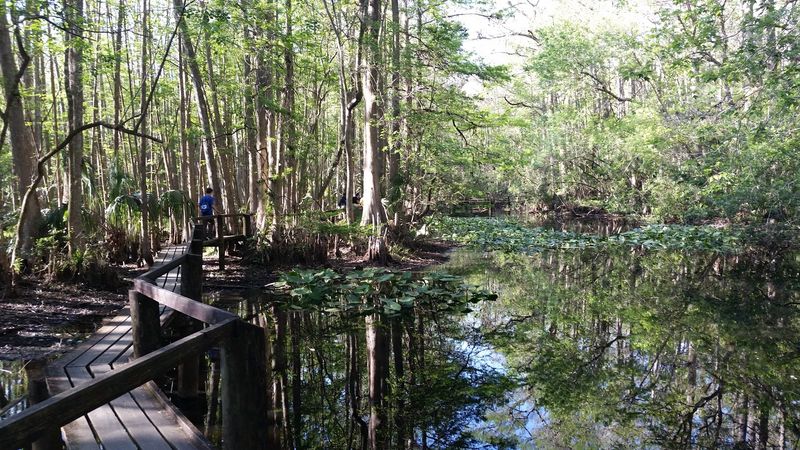
Summer in Florida can feel like hiking inside a sauna, with humidity that soaks your shirt before you reach the first bend in the trail. Winter flips the script completely.
From December through February, temperatures in Sebring typically range from the low 50s to the mid-70s Fahrenheit, creating ideal conditions for comfortable walking without breaking a sweat.
The bug population drops significantly in cooler months, which means you can actually enjoy the scenery without swatting constantly or drowning yourself in bug spray.
Wildlife tends to be more active and visible in winter too, since animals move around more freely when the heat is not pushing them into shade and stillness. Alligators bask openly on sunny days, birds gather in larger numbers near the water, and deer appear along trail edges with surprising regularity.
Winter hiking here simply feels like the park is sharing its best self with you.
The Ancient Cypress Swamp Boardwalk
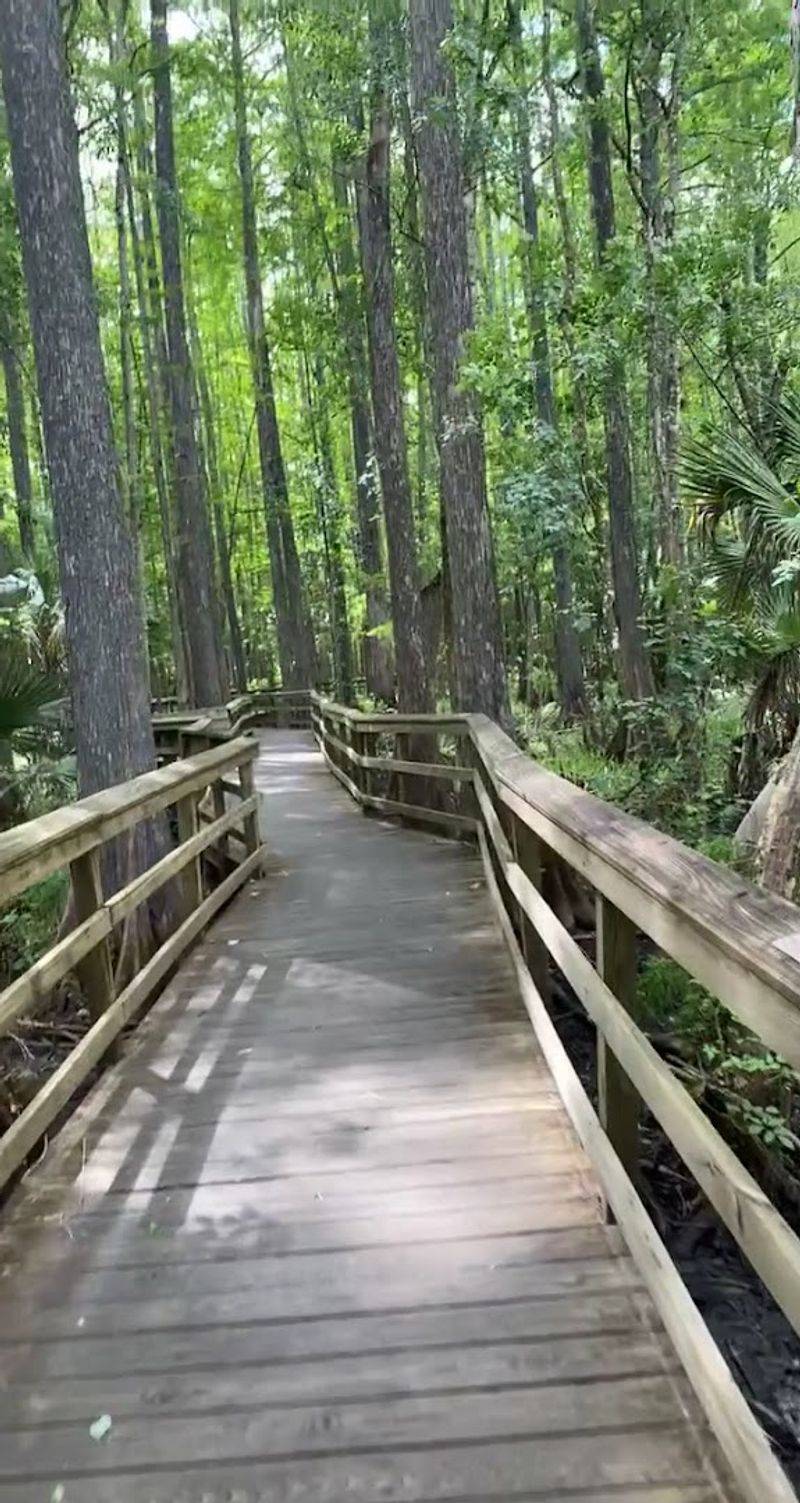
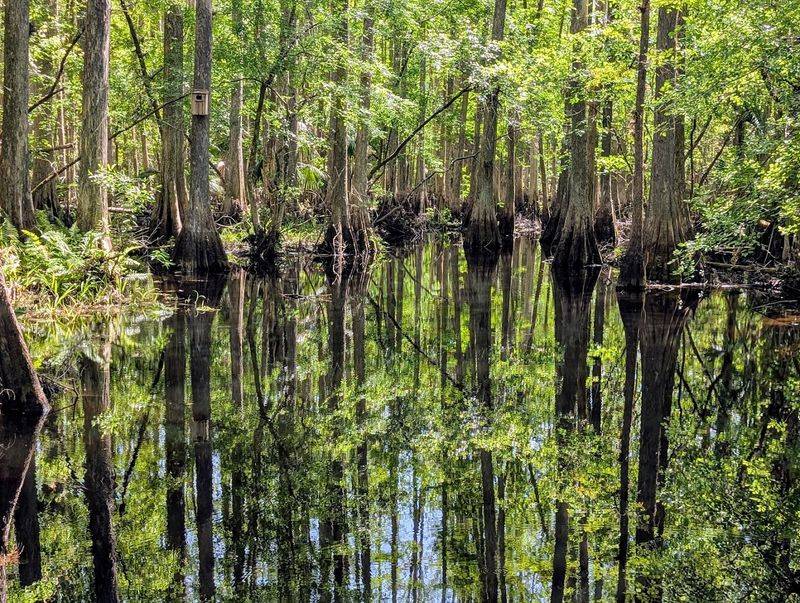
Nothing on this trail stops visitors in their tracks quite like the cypress swamp boardwalk section, where the trees are enormous and the water beneath your feet is the color of strong black tea.
The bald cypress trees here are genuinely old, with some estimated to be hundreds of years in age, their wide, flared bases rising out of the dark water like something from a prehistoric landscape.
The boardwalk keeps you elevated above the swamp floor, giving you a front-row view of the ecosystem below without getting your boots wet.
In winter, the light comes through the canopy at a lower angle, casting long golden beams across the water that photographers absolutely love. The sounds here are extraordinary too, with birds calling, water dripping, and the occasional splash of something large moving just out of sight.
This section alone is worth the drive to Sebring.
Wildlife You Can Actually See in the Cold Months
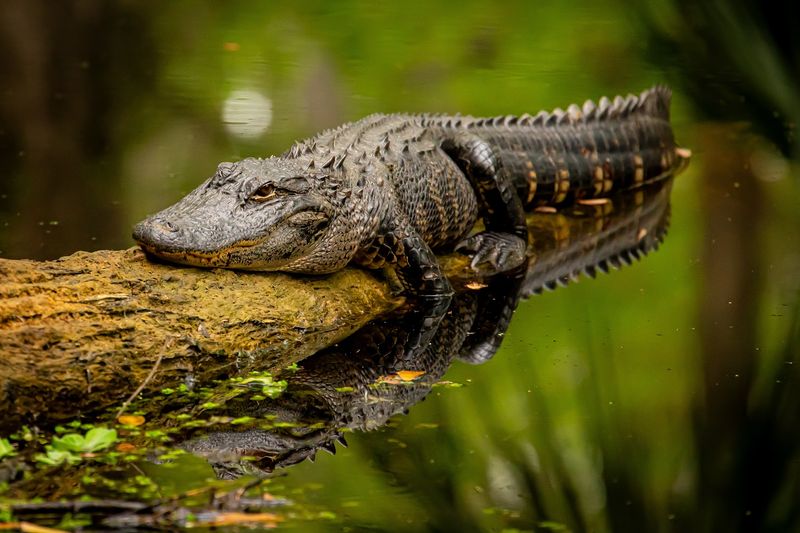
One of the great rewards of visiting in winter is how cooperative the wildlife becomes. Alligators, which can be harder to spot when they are deep in vegetation during summer, tend to bask openly on sunny winter days along the water’s edge.
Bird watching reaches a peak in winter here, with migratory species passing through and resident birds like great blue herons, ibis, anhingas, and barred owls being especially active and visible along the trails.
Deer sightings are common in the early morning and late afternoon, particularly near the edges of the hammock where open areas meet dense tree cover. Armadillos shuffle through the leaf litter with total confidence, seemingly unbothered by passing hikers.
Gopher tortoises are year-round residents and can often be spotted near their burrow entrances on warmer winter afternoons.
The park’s biodiversity is genuinely impressive, and winter gives you the best chance to witness it up close.
The 2.4-Mile Loop Trail Breakdown
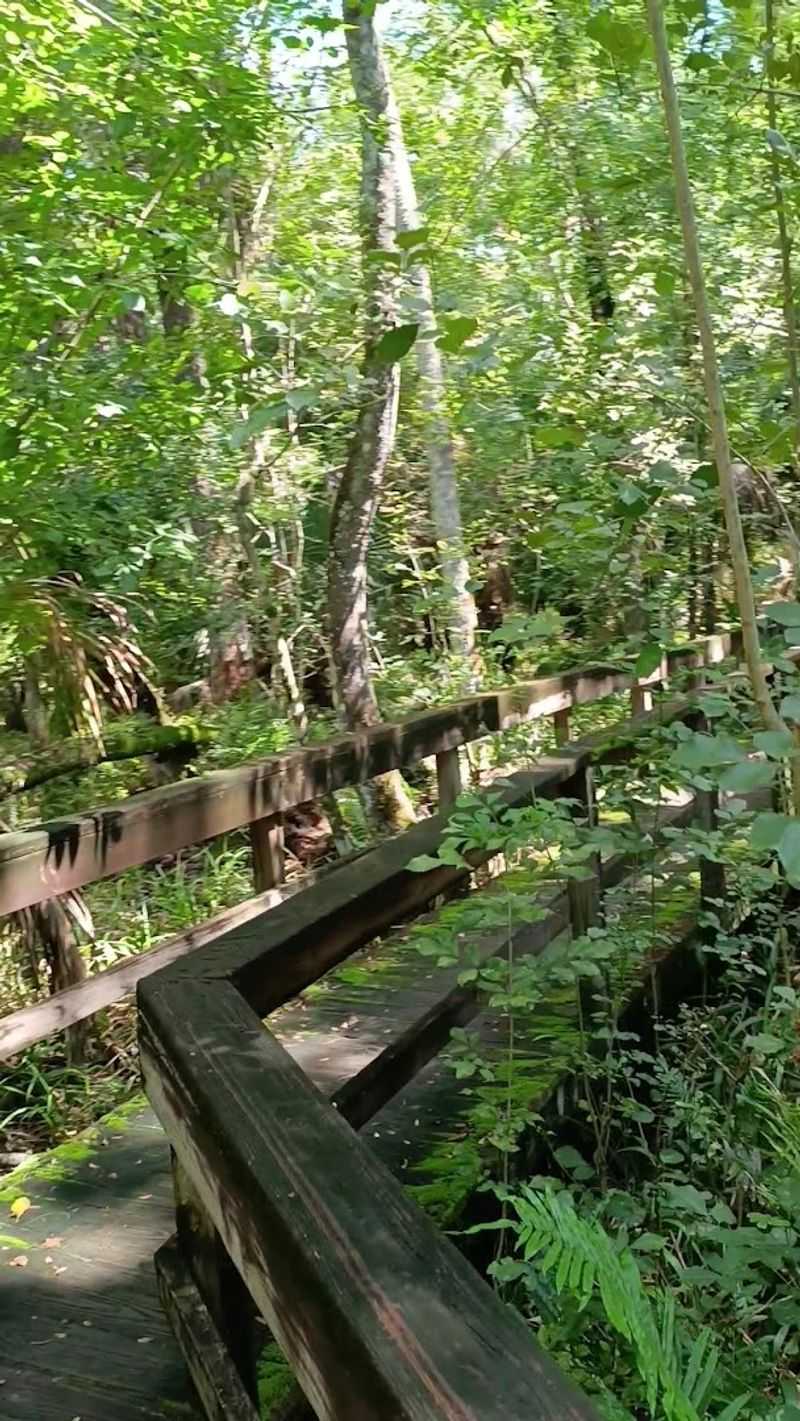
The main trail loop at Highlands Hammock covers approximately 2.4 miles and connects several distinct ecosystems, so the scenery shifts noticeably as you move from section to section.
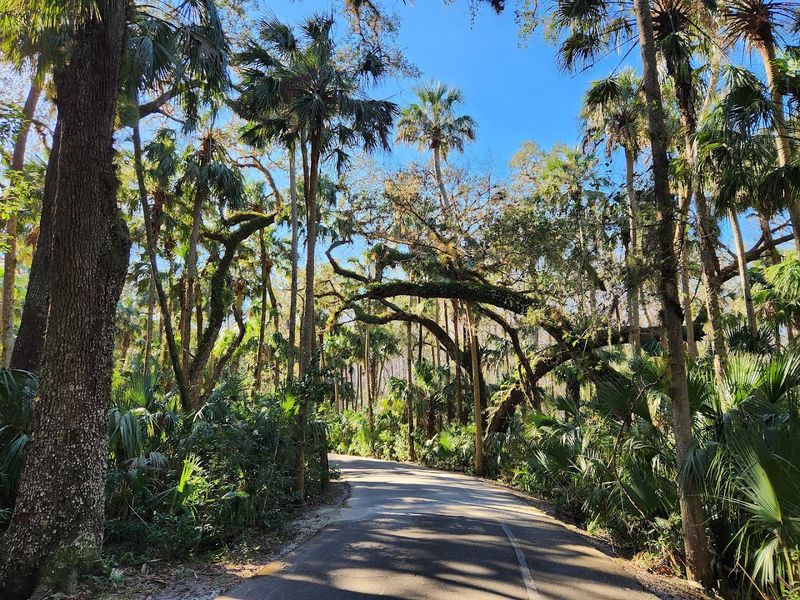
Most of the trail is flat and well-marked, making it accessible for families with children, older visitors, and anyone who prefers a relaxed pace over a strenuous workout. The surface alternates between packed natural paths, paved sections, and raised wooden boardwalks.
You pass through dense live oak hammock, open scrubby areas, pine flatwoods, and the signature cypress swamp, all within a single connected loop. Each environment has its own distinct character and its own cast of resident wildlife.
The trail is shaded for much of its length, which is a bonus even in winter when the sun can still feel warm during midday hours. Most visitors complete the full loop in 60 to 90 minutes at a casual, exploratory pace.
Old-Growth Trees That Demand Your Attention
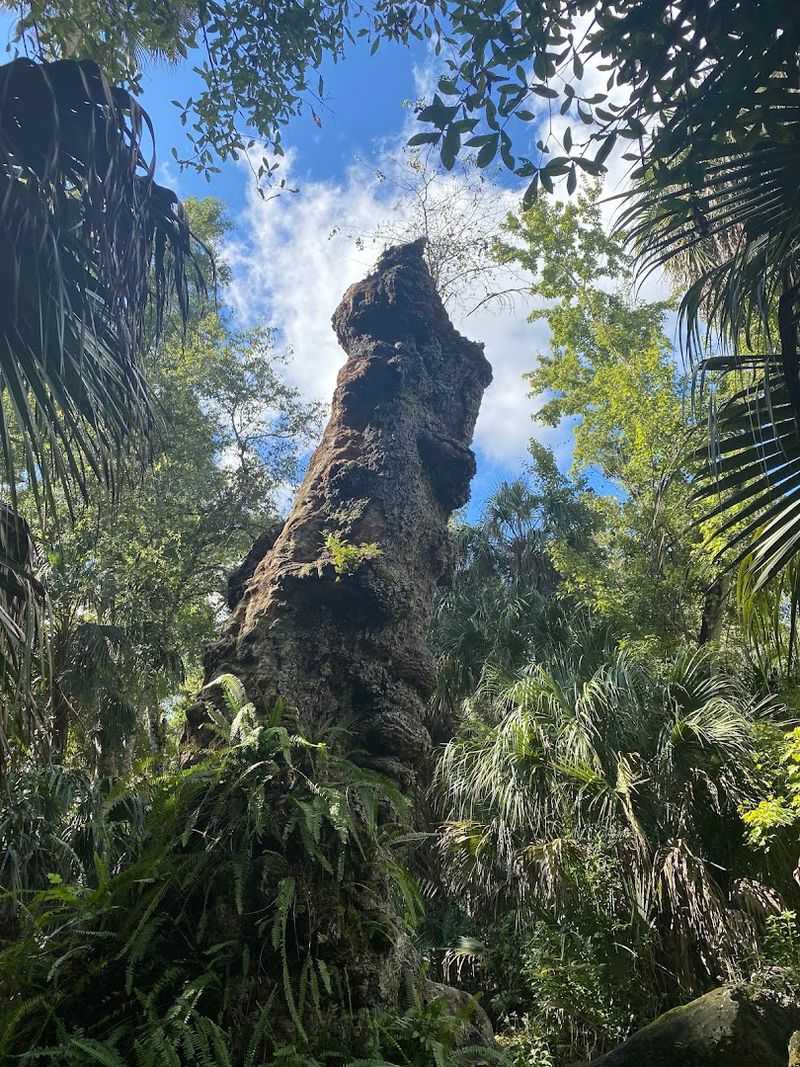
The trees at Highlands Hammock are the kind that make you stop mid-stride and tilt your head back just to see where they end. Some of the live oaks here have trunk diameters that would take several people linking hands to wrap around.
Spanish moss drapes from nearly every branch, giving the forest a soft, layered texture that shifts and sways in the breeze. On a cool winter morning with low-angle sunlight cutting through the canopy, the effect is genuinely breathtaking.
The old-growth hammock section of the trail is the most dramatic, where centuries-old trees form a dense, cathedral-like canopy overhead. Florida does not have many places left where you can walk through untouched forest like this, and the park has protected these trees since its founding.
Standing next to one of these giants puts your own sense of time and scale into a very different perspective.
The CCC Museum and Park History
Before you finish your hike, the small but fascinating Civilian Conservation Corps museum near the park center deserves a stop. The CCC was a Depression-era federal program that put young men to work building infrastructure across America’s public lands during the 1930s.
At Highlands Hammock, CCC workers constructed bridges, trails, picnic shelters, and buildings that are still standing and in use today. The museum displays tools, photographs, and written accounts that bring this chapter of Florida history to life in a tangible way.
Reading about the young men who shaped this park while earning just a dollar a day adds a meaningful layer to your visit. The trails you walk and the boardwalks you cross were built by their hands nearly a century ago.
The museum is free to enter once you have paid the park admission fee, and it typically takes about 20 to 30 minutes to explore thoroughly.
Tram Rides Through the Hammock
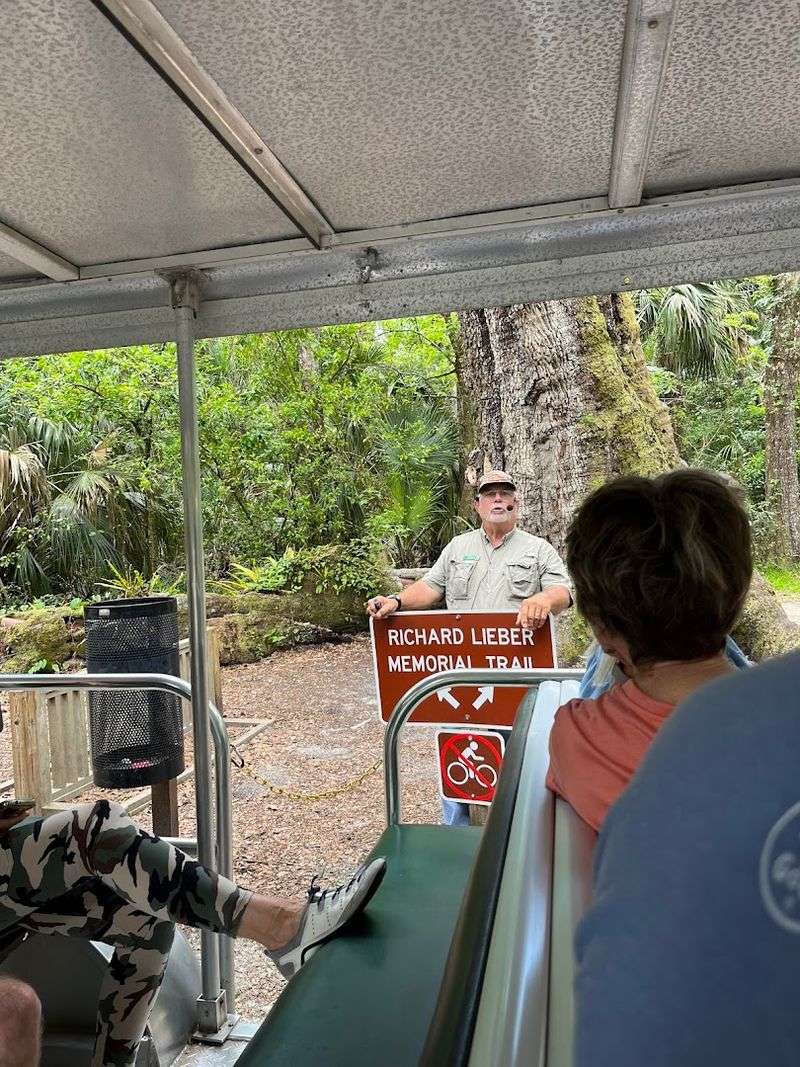
Not everyone wants to walk the full trail, and the park has a perfect solution in the form of a guided tram ride that takes you through the hammock at a relaxed, unhurried pace.
The tram follows a route through some of the most scenic sections of the park, and the guides are knowledgeable about the trees, wildlife, and history you pass along the way. They point out things you might easily miss on your own, like specific animal burrows, rare plant species, and the subtle differences between hammock zones.
In winter, the tram rides are especially enjoyable because the cooler air makes an open-air vehicle feel comfortable rather than stifling. The slower pace also gives wildlife more time to ignore you, which means alligator and bird sightings are common during rides.
Tram schedules vary by season, so checking the park’s website before your visit is a smart move to avoid missing out.
Biking the Park’s Trails and Paths

Hikers get most of the attention, but cyclists have a genuinely great experience at Highlands Hammock too. The park has a dedicated bike path as well as wider trails that accommodate fat tire bikes with ease.
The paved loop near the park’s center is popular for casual riders and is smooth enough for road bikes and kids on smaller cycles. The wider trail sections that wind through the hammock offer a more adventurous ride with tree roots, shaded curves, and occasional wildlife crossings to keep things interesting.
Gopher tortoises have been known to wander directly across the path without any sense of urgency, so slow and alert riding is always recommended. Deer and wild hogs have also surprised cyclists along the quieter trail sections.
Bike rentals are available at the park, making this a genuinely accessible activity even for visitors who did not bring their own equipment along for the trip.
Picnicking Under the Ancient Canopy
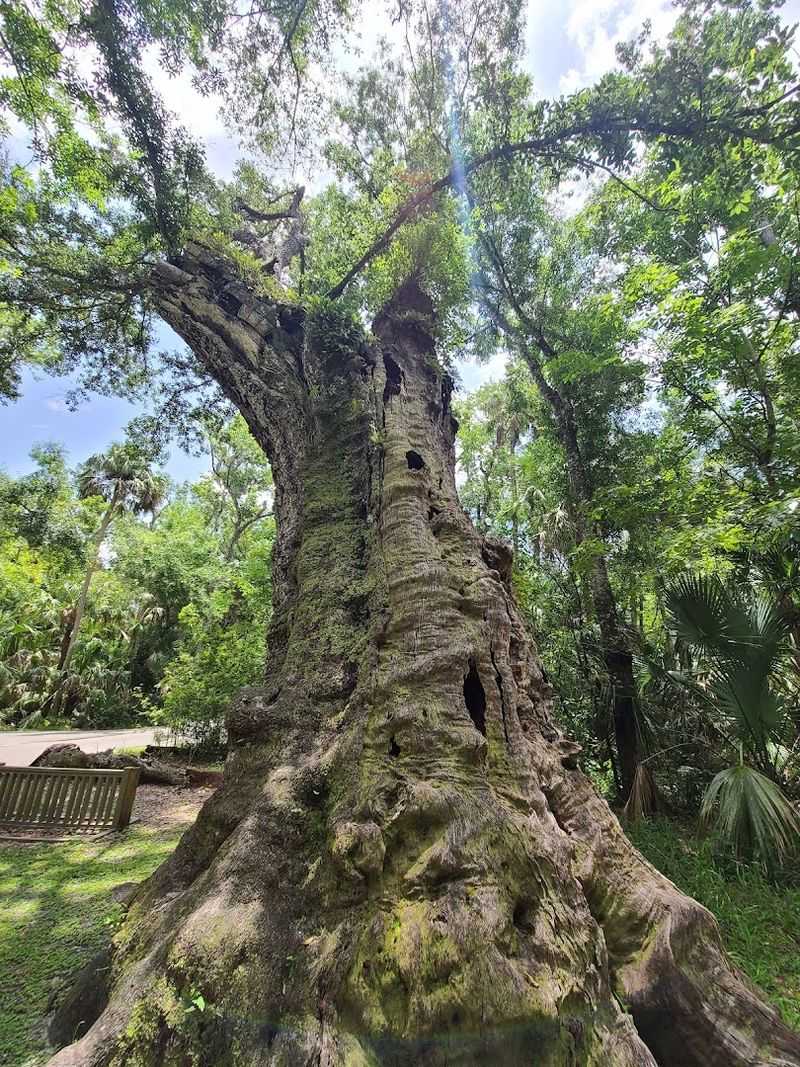
Few lunch spots in Florida can compete with a picnic table tucked beneath a centuries-old oak tree draped in Spanish moss, with birdsong filling the air and zero traffic noise in earshot.
The park has multiple picnic areas spread throughout the grounds, with tables, grills, and restroom facilities nearby. Winter is the ideal picnic season here because the temperatures are comfortable, the bugs are manageable, and the light through the canopy has that warm, golden quality that makes everything look beautiful.
Families spread out on blankets, photographers set up tripods, and solo visitors sit quietly with sandwiches and binoculars. The atmosphere is genuinely relaxed in a way that feels rare in modern Florida.
Bringing a cooler with snacks and drinks makes for a very satisfying full-day outing without needing to leave the park at all. The general store also sells ice cream, which makes a surprisingly good trail reward.
Camping at the Park for a Full Wilderness Experience
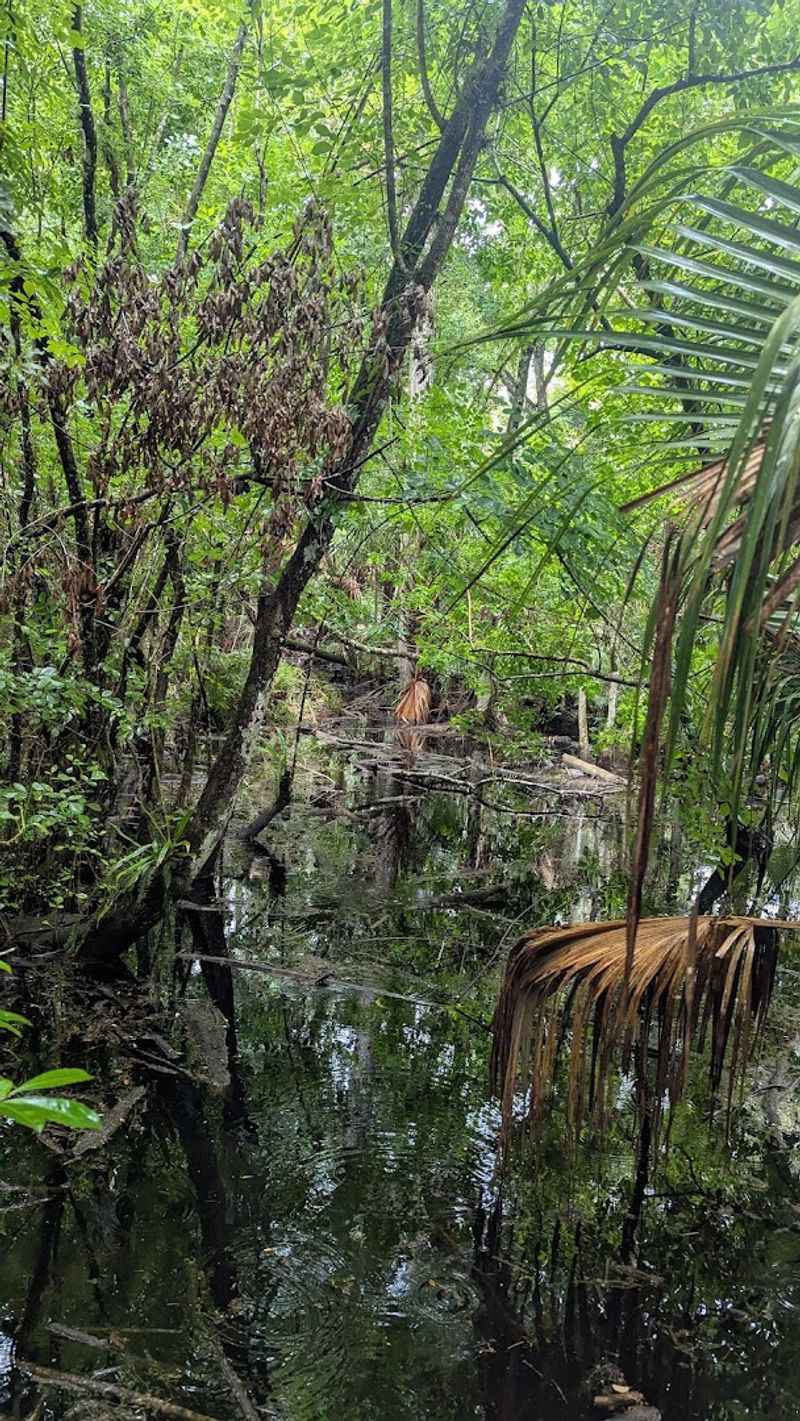
Day trips are great, but spending a night at Highlands Hammock unlocks a completely different relationship with the park. The campground here has full facilities including electric hookups, water connections, and bathhouse access for RVs and tent campers alike.
Winter camping in Sebring is genuinely pleasant, with overnight temperatures cool enough for sleeping comfortably in a tent without the oppressive humidity that makes summer nights difficult. The sounds at night are remarkable, with owls, frogs, and the distant calls of birds creating a natural soundtrack that no playlist can replicate.
The campground underwent renovation work recently, with plans to reduce the number of sites and improve the overall experience for guests. Spacing between sites was a common concern before the renovation, so the updated layout should make the camping experience feel more private and comfortable.
Reservations are strongly recommended, especially for winter weekends when the campground draws visitors from across the state.
Dog-Friendly Trails and What to Know
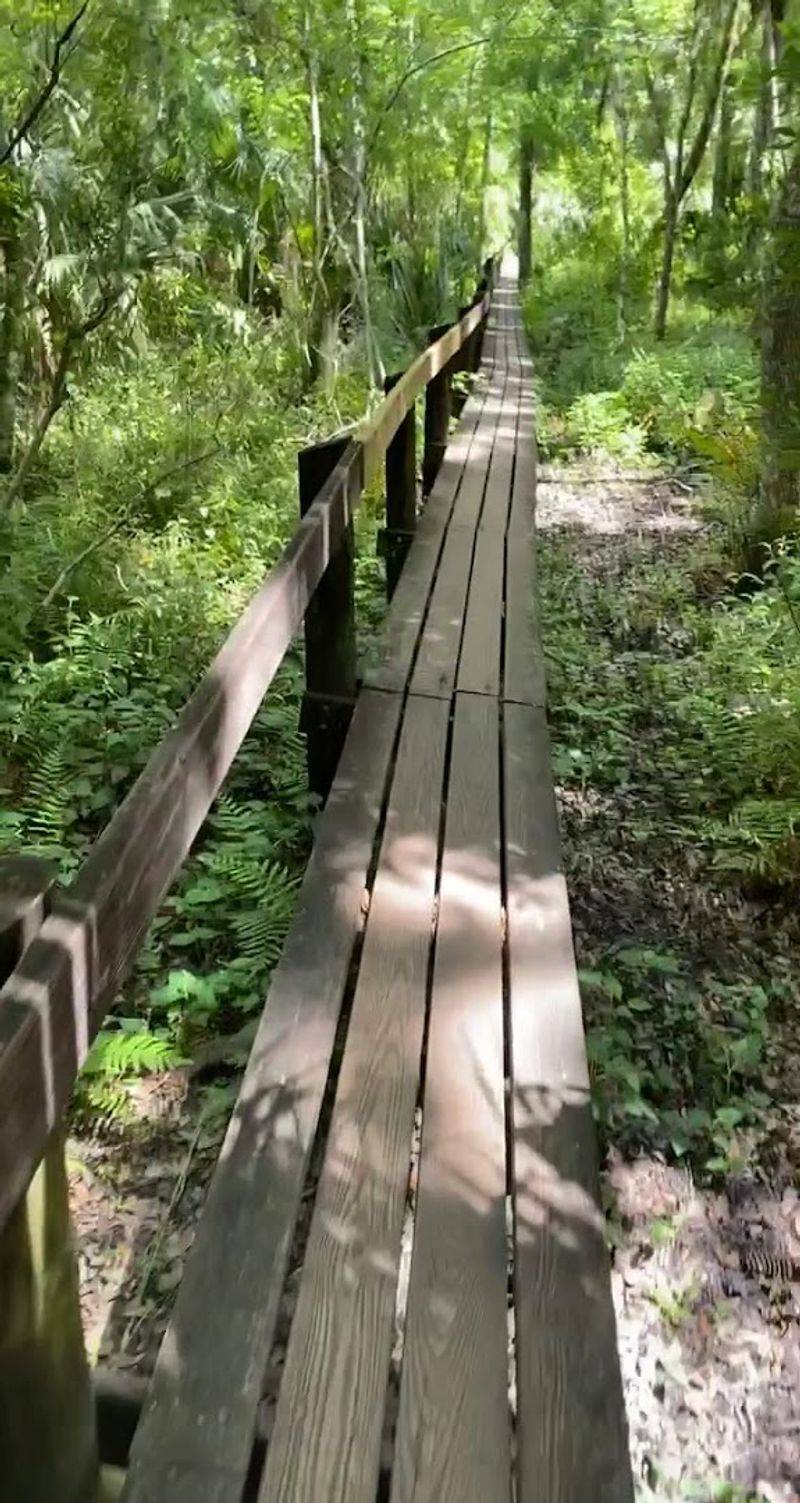
Bringing a dog to Highlands Hammock is absolutely allowed, and many visitors do exactly that. The trails are leash-required throughout the park, which keeps both pets and wildlife safe during your visit.
The paved loop and several of the wider natural trails are particularly well-suited for dogs, offering smooth surfaces and plenty of shade. Your dog will have no shortage of fascinating smells to investigate, from wild hog tracks in the soft soil to gopher tortoise burrow entrances along the path edges.
One practical note: wild hogs and alligators are real presences in the park, so keeping your dog close and on a short leash is genuinely important rather than just a formality. Cool winter temperatures make the walk far more enjoyable for dogs than a humid July afternoon would.
Water bowls and a collapsible bottle are worth packing, since water fountains in the park are limited to specific areas near the main facilities.
Photography Tips for the Winter Light
Photographers who visit Highlands Hammock in winter often describe the light as something close to perfect. The sun sits lower in the sky during winter months, which means golden hour lasts longer and the light stays warm and directional for more of the day.
The cypress swamp boardwalk section is the most dramatic spot for photography, especially in the early morning when mist sometimes hovers over the dark water and the light cuts through the trees at sharp angles. Reflections in the still water can double the visual impact of any shot.
Wildlife photography is also more rewarding in winter because animals are more active during daylight hours rather than hiding from midday heat. A zoom lens is useful for capturing alligators and herons without disturbing them.
A wide-angle lens works beautifully for the old-growth tree sections, where the sheer scale of the canopy is the main subject worth capturing.
Planning Your Visit: Practical Tips for First-Timers
A few practical details can make the difference between a smooth visit and a frustrating one. The park opens daily and charges $6 per vehicle for entry, which covers access to all trails, the CCC museum, and general park facilities.
Arriving early in the morning gives you the best chance of seeing wildlife before the trails get busier and the midday sun warms things up. Winter weekdays are especially quiet, sometimes offering the trails almost entirely to yourself.
Bug spray is still worth bringing even in winter, since warmer winter days can bring out gnats and mosquitoes in smaller numbers. Comfortable walking shoes or trail sneakers are all you need since the paths are well-maintained and flat.
Share this story