National parks protect some of the most spectacular landscapes on our planet, from towering waterfalls to ancient rock formations and wildlife-filled valleys. For first-time visitors, choosing where to start can feel overwhelming with so many incredible options available.
This guide highlights 15 unforgettable parks across the globe that offer the perfect introduction to nature’s grandest stages, each with accessible trails, stunning views, and experiences you’ll remember forever.
Yellowstone National Park — Wyoming/Montana/Idaho, USA
Steam rises like morning breath across valleys where bison herds wander like living legends. Yellowstone earned its title as the world’s first national park back in 1872, and it still delivers everything you’d hope for in a wilderness adventure.
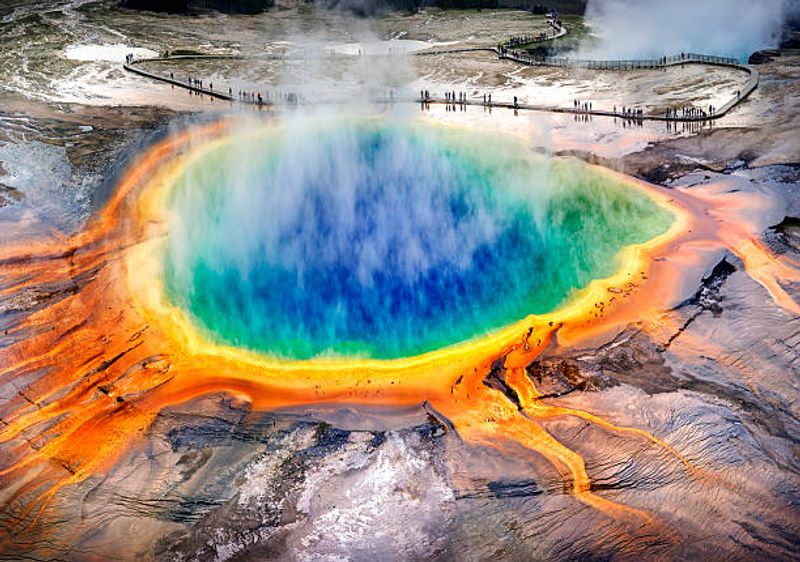
Old Faithful shoots boiling water skyward on a schedule reliable enough to plan your lunch around. The Grand Prismatic Spring glows with colors so vivid they look Photoshopped — brilliant oranges, yellows, and greens created by heat-loving bacteria thriving in the scalding water.
Beyond the geothermal wonders, massive herds of elk graze in meadows while wolves patrol distant ridges. Bears fish for trout in crystal streams, and if you’re lucky, you might spot a grizzly lumbering across a hillside.
The park spreads across three states, offering deep canyons like the Grand Canyon of the Yellowstone, where waterfalls plunge hundreds of feet. Hiking trails range from easy boardwalks around hot springs to challenging backcountry routes.
Whether you camp under starry skies or stay in historic lodges, Yellowstone gives you the complete package: geology, wildlife, waterfalls, and that pure wilderness feeling that reminds you why parks were protected in the first place.
Grand Canyon National Park — Arizona, USA
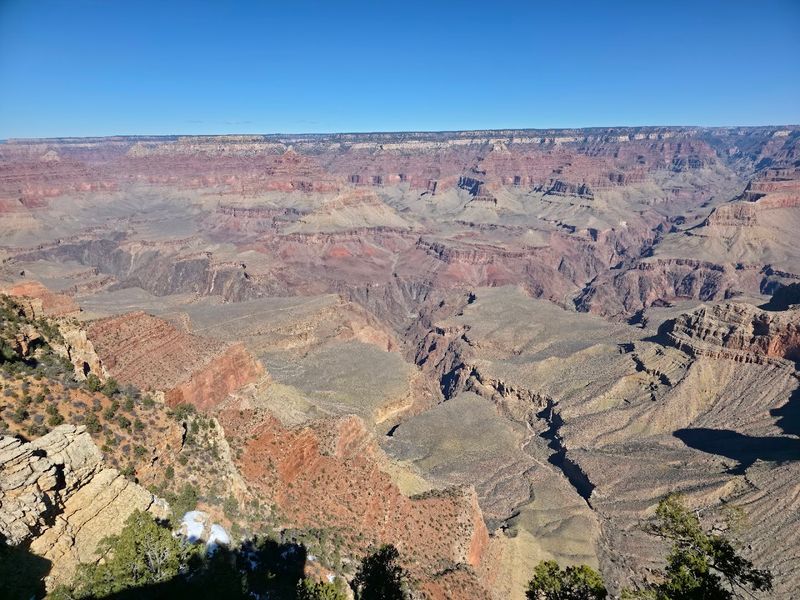
Standing at the rim feels like staring into Earth’s biography written in stone. Layer upon layer of ancient rock tells stories spanning nearly two billion years, carved by the relentless Colorado River far below.
The scale messes with your brain — what looks like a short walk to the opposite rim is actually a ten-mile trek that drops a vertical mile. Shadows shift throughout the day, painting the canyon walls in ever-changing shades of crimson, orange, and purple.
First-time visitors usually stick to the South Rim, which stays open year-round and offers paved trails perfect for families. The Rim Trail stretches for miles along the edge, delivering knockout views without demanding serious hiking skills.
Sunrise and sunset transform the canyon into something almost otherworldly. Golden light floods across the formations, making photographers scramble for the perfect shot while everyone else just stands there speechless.
Mule rides down into the canyon, helicopter tours overhead, and ranger programs at visitor centers add depth to your experience. This UNESCO World Heritage Site earns its reputation as one of Earth’s most magnificent natural wonders, inspiring that rare combination of humility and wonder that only geological masterpieces can trigger.
Yosemite National Park — California, USA
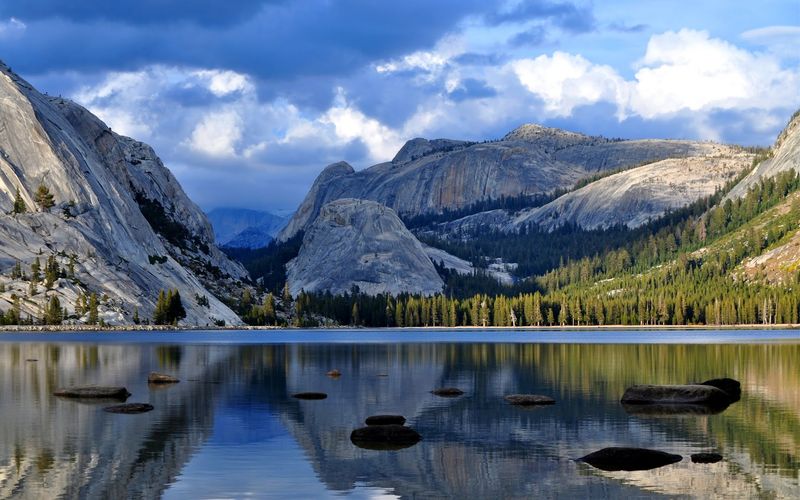
Granite giants dominate the landscape like sleeping titans turned to stone. El Capitan rises 3,000 feet straight up, drawing rock climbers from every continent who spend days inching up its sheer face.
Half Dome’s distinctive silhouette appears on California license plates and countless Instagram feeds for good reason — it’s one of those rare natural features instantly recognizable worldwide. Spring brings waterfalls roaring to life, with Yosemite Falls dropping 2,425 feet in three massive cascades.
The valley floor offers easy walking paths through meadows where deer graze peacefully, seemingly unbothered by camera-wielding tourists. Shuttle buses eliminate parking headaches while connecting you to trailheads and viewpoints throughout the park.
Giant sequoias in Mariposa Grove make you feel tiny, their rust-colored bark and massive trunks defying belief. Some of these ancient trees were already old when Columbus sailed to America.
Winter transforms Yosemite into a snowy wonderland perfect for snowshoeing and ice skating beneath towering cliffs. Summer crowds pack the valley, but early mornings still offer peaceful moments when mist hangs low and the granite glows pink with dawn light, creating scenes that feel almost too perfect to be real.
Zion National Park — Utah, USA
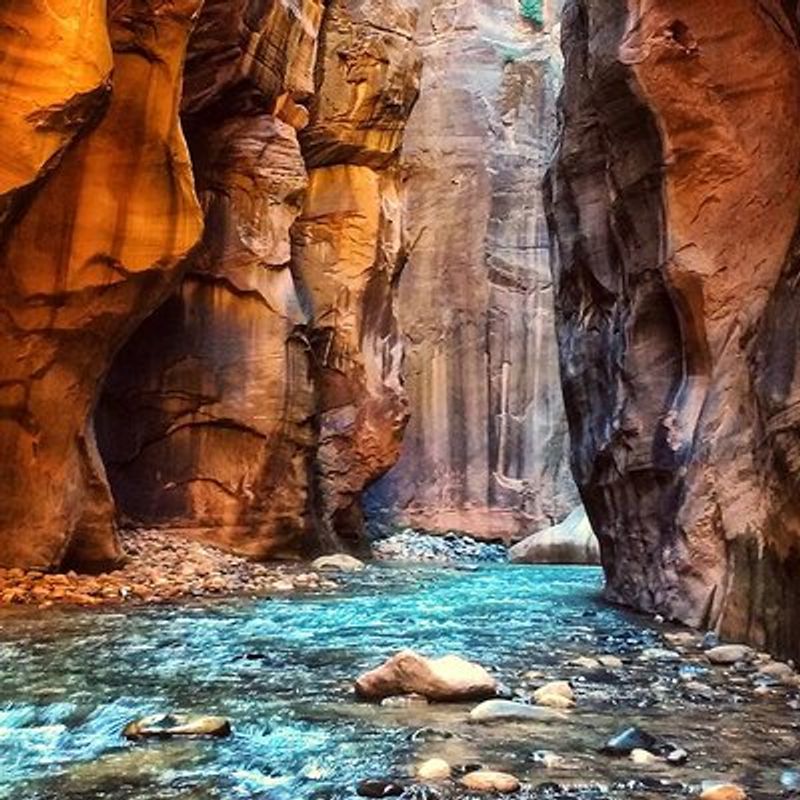
Red sandstone walls tower overhead like cathedral spires carved by patient water and wind. Zion’s narrow canyons funnel your attention upward, where streaks of desert varnish paint dark stripes down rust-colored cliffs.
Angels Landing tests your nerve with sheer drop-offs and chain-assisted scrambles to a summit offering 360-degree views. It’s not for everyone, but reaching the top delivers bragging rights and photographs worth the white-knuckle moments.
The Narrows takes you wading through the Virgin River between slot canyon walls so close you can touch both sides simultaneously. Cold water, slippery rocks, and towering stone make this hike unforgettable in ways that involve wet feet and permanent grins.
Shuttle buses carry visitors through the main canyon, stopping at trailheads and scenic overlooks where bighorn sheep sometimes pose on rocky ledges. The park’s accessibility makes it perfect for first-timers who want dramatic scenery without excessive difficulty.
Spring wildflowers splash color across the desert floor while autumn cottonwoods glow golden against red rock backdrops. Even short walks from parking areas reward you with stunning vistas, and the scale of everything — from towering cliffs to tiny desert flowers — creates constant visual drama throughout your visit.
Glacier National Park — Montana, USA
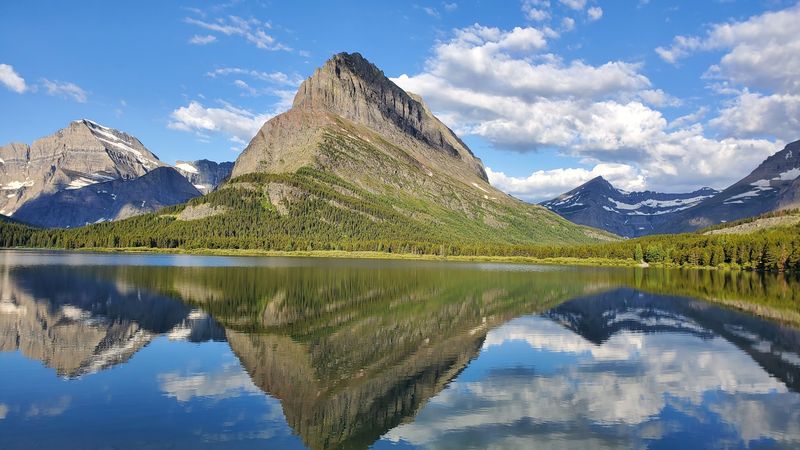
Mountain goats balance on impossible ledges while tourists crane their necks from scenic pullouts below. Glacier’s nickname — “The Crown of the Continent” — undersells the majesty of glacier-carved valleys, turquoise lakes, and jagged peaks stretching toward Canada.
The Going-to-the-Sun Road ranks among North America’s most spectacular drives, switchbacking up mountainsides with views that make passengers gasp and drivers grip steering wheels tighter. Snow keeps portions closed until summer, making the driving season precious and crowded.
More than 700 miles of trails range from lakeside strolls to challenging alpine scrambles. Wildflower meadows explode with color in July, painting entire hillsides in purples, yellows, and reds.
Grizzly bears and black bears roam freely, making bear spray a wise investment and trail conversations louder than usual. Moose wade through marshes while eagles patrol overhead, creating wildlife-watching opportunities around every bend.
The park’s glaciers continue shrinking due to climate change, lending urgency to visits. Scientists predict the namesake ice fields may vanish within decades, making this wilderness even more precious.
Whether you’re photographing sunrise over Saint Mary Lake or hiking to hidden waterfalls, Glacier delivers raw mountain beauty that justifies its legendary reputation among national park enthusiasts.
Acadia National Park — Maine, USA
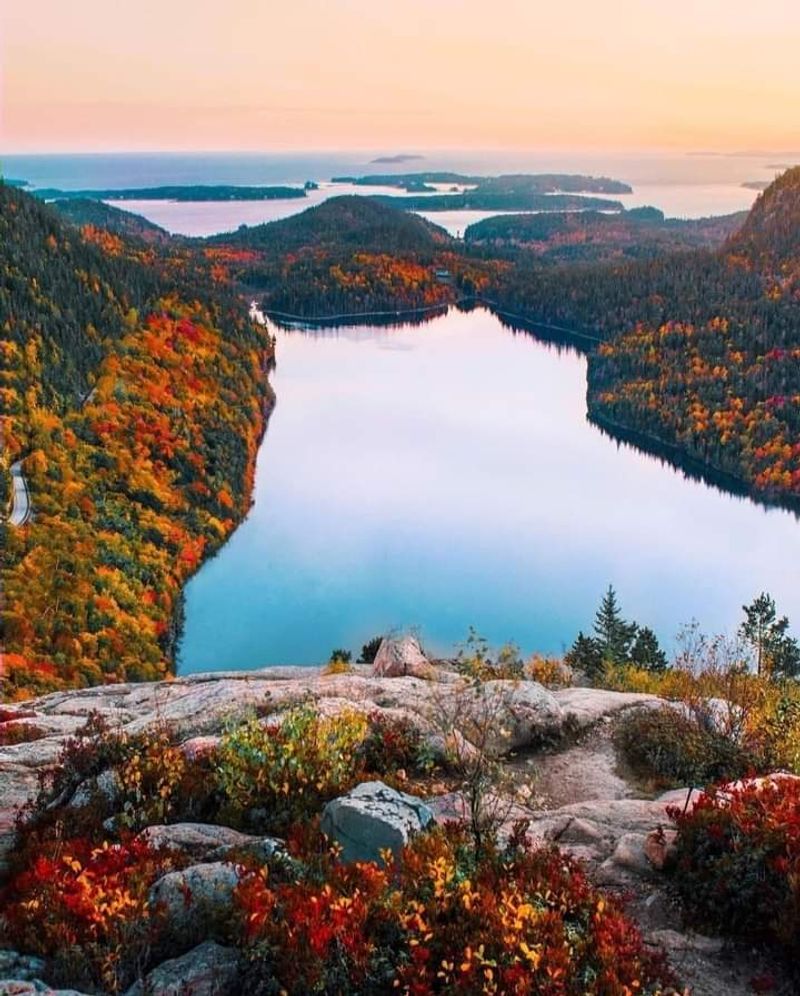
Waves crash against granite headlands where forests meet the sea in dramatic collision. Acadia occupies a unique niche among American parks, blending rugged coastline with mountain peaks and tranquil lakes in compact, accessible terrain.
Cadillac Mountain claims fame as one of the first places in the United States to see sunrise. Crowds gather in darkness, waiting for light to paint the Atlantic gold while islands emerge from morning mist like surfacing whales.
Carriage roads built by John D. Rockefeller Jr. wind through forests and around ponds, perfect for biking or leisurely walks without car traffic.
Stone bridges arch gracefully over streams, adding architectural beauty to natural splendor.
Thunder Hole lives up to its name when waves pound into a narrow chasm, creating booming echoes and shooting spray skyward. Timing your visit with incoming tides maximizes the spectacle and the soaking.
Jordan Pond House serves popovers and tea with mountain views, offering civilized refreshment after hiking trails. Fall foliage turns hillsides into tapestries of red, orange, and yellow, while summer brings wild blueberries ripening along paths.
The park’s manageable size lets first-time visitors experience mountains, ocean, forests, and lakes without marathon drives between destinations.
Everglades National Park — Florida, USA
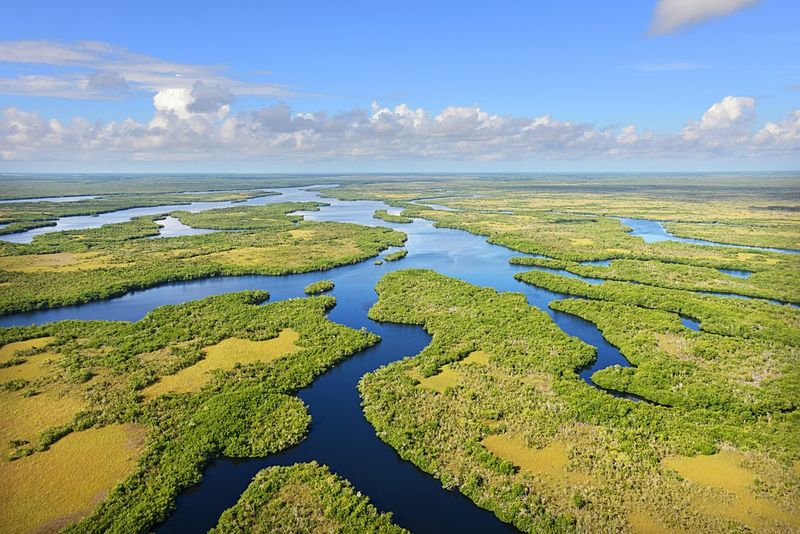
Alligators lounge like scaly logs along canal banks while anhinga birds spread wings to dry in humid air. The Everglades protects a watery wilderness completely unlike the mountain-and-forest formula most parks follow.
Sawgrass prairies stretch to horizons interrupted only by tree islands called hammocks. This “River of Grass” flows imperceptibly southward, creating ecosystems found nowhere else in North America.
Airboat rides skim across shallow waters, engines roaring as captains navigate channels between mangroves. These tours offer thrilling ways to cover territory while spotting wildlife from gators to rare Florida panthers.
Anhinga Trail delivers close encounters with wildlife from elevated boardwalks where herons stalk fish and turtles sun themselves on logs. Rangers lead programs explaining how this fragile ecosystem depends on water flow patterns threatened by development.
Manatees gather in warm-water refuges during winter, their gentle bulk surfacing to breathe while kayakers paddle quietly nearby. Mosquitoes can be fierce during summer, but cooler months offer comfortable exploration of trails winding through cypress swamps and coastal prairies.
The Everglades proves that not all spectacular parks need mountains or canyons — sometimes flat, soggy landscapes hide the greatest diversity and beauty.
Rocky Mountain National Park — Colorado, USA
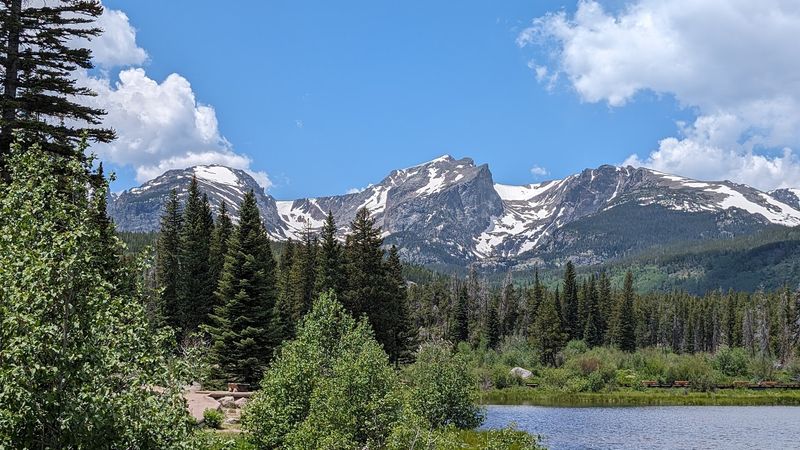
Elk bugle challenges echo across valleys where autumn turns aspen groves into shimmering gold. Rocky Mountain National Park packs serious alpine scenery within easy reach of Denver, making it perfect for first-time visitors short on travel time but hungry for mountain grandeur.
Trail Ridge Road climbs above treeline, reaching elevations where only tundra plants survive harsh conditions. The drive delivers panoramic views across wave after wave of peaks stretching toward distant horizons.
More than 350 miles of trails accommodate everyone from casual walkers circling Bear Lake to serious hikers tackling Longs Peak’s 14,259-foot summit. Wildflower meadows bloom in July, painting hillsides with color against snowcapped backgrounds.
Moose wade through willow thickets while marmots whistle warnings from boulder piles. Bighorn sheep navigate impossible cliffs with casual confidence that makes human rock climbers look clumsy by comparison.
Alpine lakes reflect surrounding peaks in mirror-perfect stillness during calm mornings. Thunderstorms build quickly in afternoons, reminding visitors that mountain weather demands respect and preparation.
Whether you’re photographing sunrise over frozen lakes or watching elk herds during the September rut, Rocky Mountain delivers concentrated alpine beauty without requiring multi-day expeditions into remote wilderness areas.
Arches National Park — Utah, USA
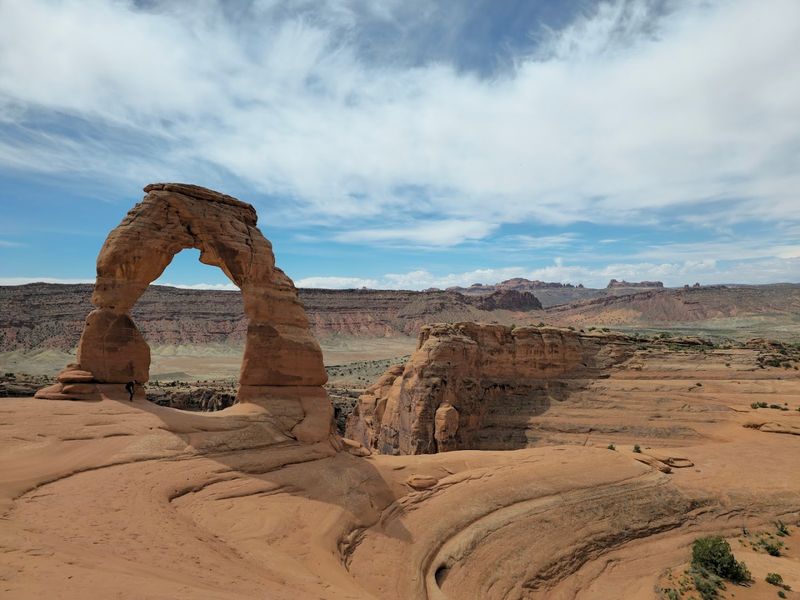
Delicate Arch stands alone on a slickrock amphitheater like nature’s victory monument. This iconic formation appears on Utah license plates and countless photographs, but seeing it in person — especially glowing orange in sunset light — creates moments cameras struggle to capture.
More than 2,000 natural arches punctuate this high desert landscape, carved by water, ice, and time from Entrada sandstone. Some arches span hundreds of feet while others barely frame the sky, each one unique in shape and character.
Balanced Rock defies gravity in ways that make engineers nervous, a massive boulder perched impossibly atop a narrow pedestal. The Windows Section clusters several large arches close together, offering easy walks suitable for families with young children.
Fiery Furnace requires ranger-guided permits to explore its maze of narrow canyons and hidden arches. The name fits — summer temperatures regularly exceed 100 degrees, making spring and fall far more comfortable for hiking.
Desert varnish streaks dark patterns down red rock faces while cryptobiotic soil crusts — fragile living communities — carpet the ground between formations. Stargazing here rivals anywhere on Earth, with minimal light pollution allowing the Milky Way to blaze across night skies in stunning clarity above silent stone arches.
Mesa Verde National Park — Colorado, USA
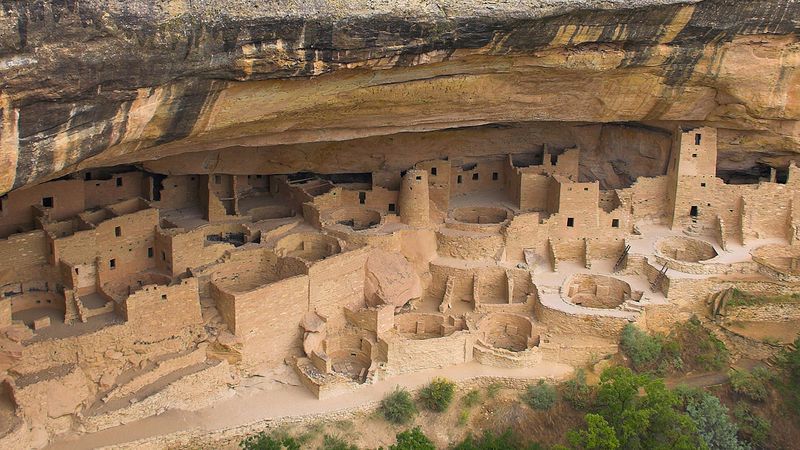
Ancient stone rooms huddle beneath protective overhangs where Ancestral Pueblo people built entire communities into cliff faces. Mesa Verde combines natural beauty with human history in ways few other parks manage, offering windows into lives lived centuries ago.
Cliff Palace contains 150 rooms and 23 kivas, making it the largest cliff dwelling in North America. Guided tours let you climb ladders into the alcove, walking among structures that housed families 800 years ago.
Balcony House requires climbing a 32-foot ladder and crawling through a narrow tunnel, adding adventure to archaeology. Rangers explain construction techniques, daily life challenges, and the mysterious exodus that left these dwellings empty around 1300 CE.
Spruce Tree House sits in a massive alcove visible from the museum, its preservation remarkable considering centuries of exposure. Self-guided overlook trails let you peer into additional dwellings from rim viewpoints without strenuous climbing.
The mesa-top landscape supports piñon-juniper forests where mule deer browse and ravens soar on thermals. Petroglyphs carved into rock faces add artistic dimensions to the cultural experience.
Mesa Verde proves that national parks protect more than scenic vistas — they preserve irreplaceable human stories written in stone and mortar across dramatic landscapes.
Banff National Park — Alberta, Canada
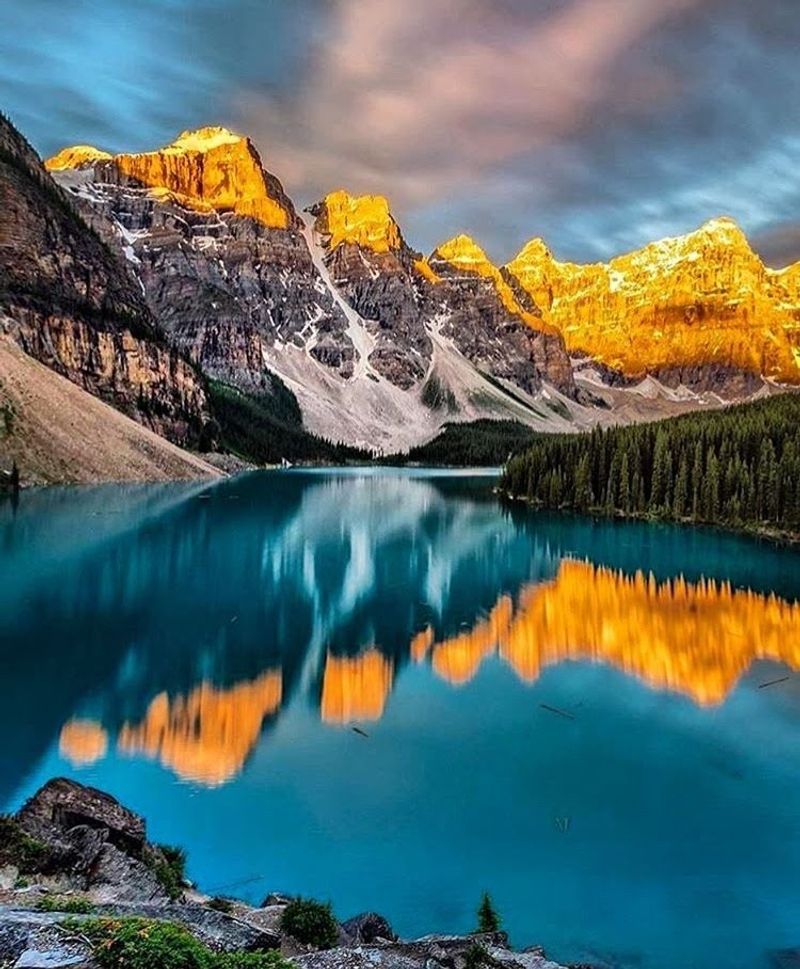
Turquoise water glows like liquid gemstones in lakes fed by glacial meltwater. Banff’s Lake Louise and Moraine Lake rank among the most photographed natural scenes on the planet, their impossible colors created by rock flour suspended in the water.
The Canadian Rockies deliver jagged peaks, massive glaciers, and alpine meadows in scenery that rivals anything Switzerland offers. Gondolas carry visitors to mountaintop restaurants where views stretch across wave after wave of snow-capped summits.
Hiking trails accommodate every fitness level, from lakeside strolls to challenging scrambles up peaks like Mount Temple. Grizzly bears and black bears roam freely, making wildlife sightings common and bear awareness essential.
The town of Banff provides civilized comforts — restaurants, shops, and hot springs — within minutes of wilderness trailheads. Elk wander residential streets like they own the place, which technically they did first.
Winter transforms Banff into a snow-sports paradise with world-class skiing at multiple resorts. Ice climbing, dog sledding, and frozen waterfall tours offer cold-weather adventures for those brave enough.
Whether you’re paddling a canoe across mirror-calm lakes or hiking past waterfalls tumbling from hanging valleys, Banff delivers alpine beauty that justifies its status as Canada’s first and most famous national park.
Kruger National Park — South Africa
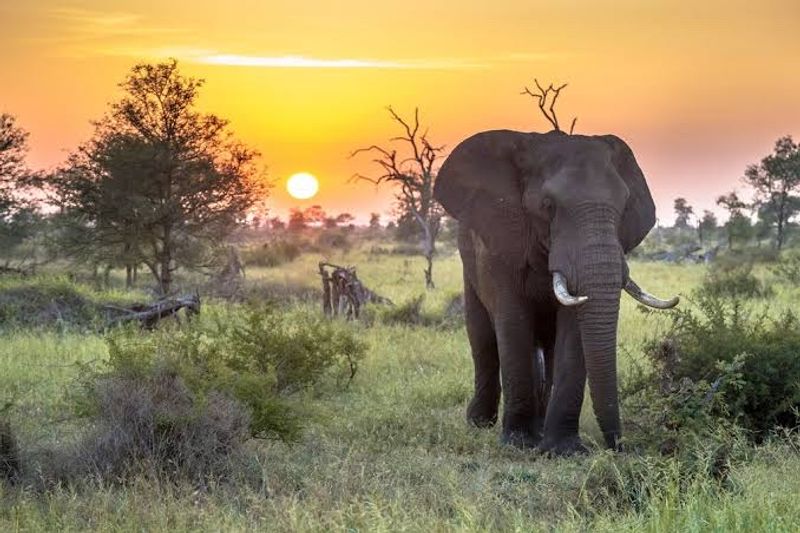
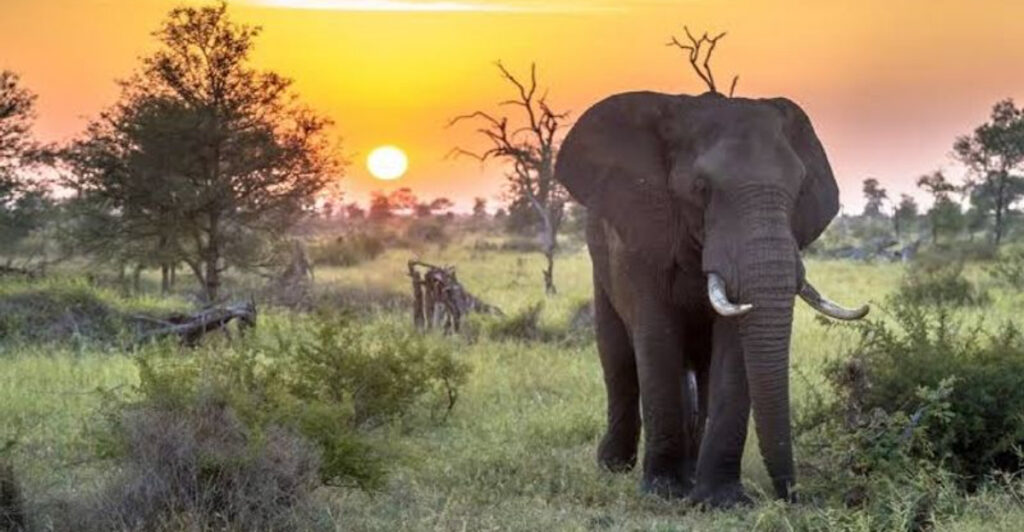
Lions doze in afternoon shade while zebras graze nervously at respectful distances. Kruger delivers Africa’s Big Five — elephants, lions, rhinos, leopards, and buffalo — across savanna ecosystems larger than some countries.
Self-drive safaris on well-maintained roads let visitors explore independently, stopping when elephants cross highways or leopards lounge in trees. Guided tours in open vehicles add expert knowledge and access to areas closed to private cars.
Waterholes become wildlife theaters where animals gather to drink, creating opportunities for incredible sightings and photographs. Patience rewards visitors as different species arrive throughout the day, from massive elephant herds to solitary rhinos.
Kruger’s accessibility makes it perfect for first-time safari-goers — comfortable lodges, restaurants, and even grocery stores exist within the park. You don’t need luxury tented camps or expedition gear to experience authentic African wildlife.
Bird enthusiasts find paradise here with over 500 species recorded, from tiny sunbirds to massive vultures. Sunrise and sunset game drives offer the best wildlife activity when temperatures cool and predators begin hunting.
Whether you’re watching a cheetah sprint across grasslands or listening to hippos grunt from a riverbank, Kruger provides that quintessential African safari experience that fuels dreams and fills memory cards.
Serengeti National Park — Tanzania
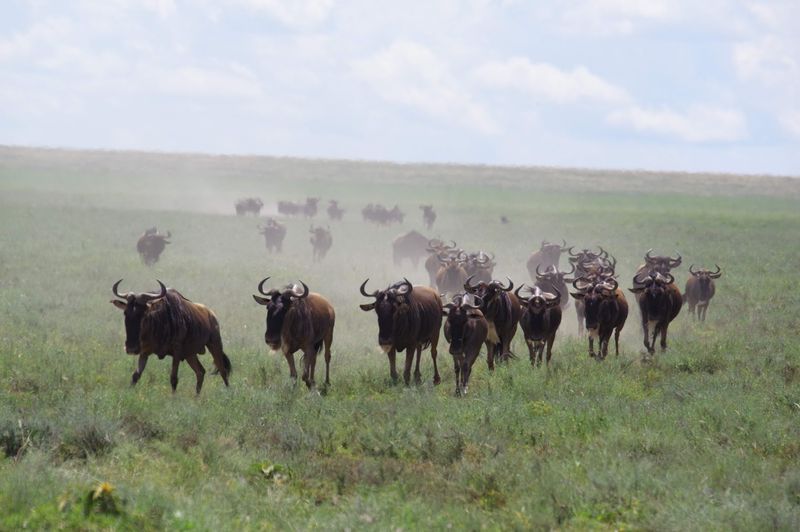
Wildebeest stretch to horizons in columns that take hours to pass a single point. The Great Migration ranks among Earth’s most spectacular wildlife events, with millions of animals following ancient routes in search of fresh grazing.
Predators shadow the herds like deadly escorts — lions, cheetahs, leopards, and hyenas all capitalize on the abundance. River crossings become dramatic life-and-death struggles when wildebeest plunge into crocodile-infested waters, driven by instinct stronger than fear.
The Serengeti ecosystem extends beyond park boundaries into Kenya’s Maasai Mara, creating protected corridors for migration routes used for millennia. Timing visits to coincide with migration movements guarantees unforgettable wildlife spectacles.
Hot air balloon safaris offer bird’s-eye perspectives over endless plains dotted with acacia trees. Floating silently at sunrise while animals wake below creates magical moments worth the splurge.
Even outside migration season, resident wildlife populations keep things interesting — elephant herds, giraffe towers, and countless antelope species roam year-round. Luxury lodges and tented camps provide comfortable bases for daily game drives led by expert guides who spot animals invisible to untrained eyes.
The Serengeti delivers that classic African safari experience magnified by sheer numbers and dramatic landscapes that define the continent.
Galápagos National Park — Ecuador

Giant tortoises lumber across volcanic slopes like armored tanks from prehistoric times. The Galápagos Islands inspired Darwin’s revolutionary ideas and continue amazing visitors with wildlife found nowhere else on Earth.
Marine iguanas sun themselves on black lava rocks, the world’s only lizards that swim in the ocean to feed on algae. Blue-footed boobies perform courtship dances that look hilariously clumsy, lifting bright blue feet in elaborate displays.
Snorkeling brings you face-to-face with sea lions, penguins, sea turtles, and tropical fish in water so clear you can count scales. The animals show little fear of humans, having evolved without major predators.
Strict regulations protect this fragile ecosystem — visitors must stay on marked trails and maintain distance from wildlife. Naturalist guides accompany all tours, explaining evolutionary adaptations and conservation challenges facing these islands.
Each island offers different species and landscapes, from the red sand beaches of Rábida to the volcanic craters of Isabela. Finches with differently shaped beaks, flightless cormorants, and land iguanas demonstrate evolution in action.
Whether you’re photographing Sally Lightfoot crabs or swimming with sea turtles, the Galápagos delivers once-in-a-lifetime encounters that justify the journey to these remote Pacific islands.
Iguazú National Park — Argentina/Brazil
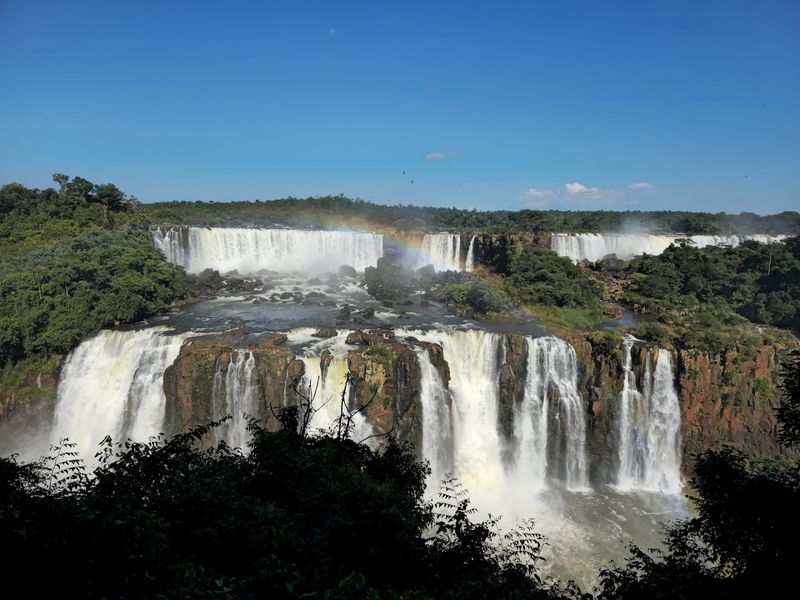
Thunder roars constantly as hundreds of waterfalls pound the river below in endless fury. Iguazú makes Niagara look modest, spreading across nearly two miles of cliffs where the Iguazú River plunges into a gorge amid subtropical rainforest.
Devil’s Throat forms the centerpiece — a U-shaped chasm where fourteen falls converge in deafening chaos. Walkways extend over the river, bringing you close enough to feel mist and hear the roar in your bones.
Both Argentina and Brazil offer park access with different perspectives. The Argentine side provides up-close encounters via extensive trail systems, while Brazil delivers panoramic views across the entire falls complex.
Rainbows shimmer constantly in the spray, creating photographic opportunities that require waterproof camera protection. Coatis wander trails begging for food while toucans and parrots add tropical color to the jungle canopy.
Boat tours carry thrill-seekers directly under the falls for soaking adventures that guarantee wet clothes and permanent grins. The surrounding Atlantic Forest harbors jaguars, tapirs, and hundreds of bird species, though spotting elusive mammals requires patience and luck.
Whether you’re walking behind curtains of falling water or watching sunset light paint the spray golden, Iguazú delivers sensory overload in the best possible way.
Share this story