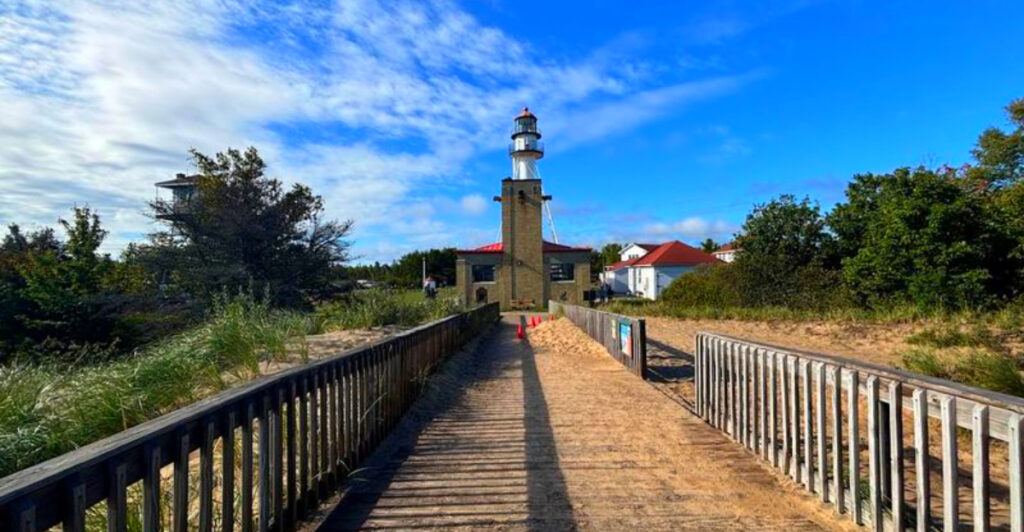
Whitefish Point Lighthouse has been guiding ships through one of the most challenging stretches of the Great Lakes for more than 175 years. Located on the southeastern shore of Lake Superior in Michigan’s Upper Peninsula, it stands at a place where maritime history, natural beauty, and powerful lake conditions all converge.
Visitors come for the lighthouse, but the surrounding shoreline tells an even bigger story. Whitefish Point is known for its connection to Great Lakes shipping, shipwreck history, and migrating birds, making it one of the region’s most significant destinations.
Whether you’re interested in maritime heritage, scenic walks along Lake Superior, or exploring a place that has played a vital role in Great Lakes navigation for generations, Whitefish Point offers an experience that is both memorable and uniquely Michigan.
Where The Road Ends: Getting There And The Exact Address
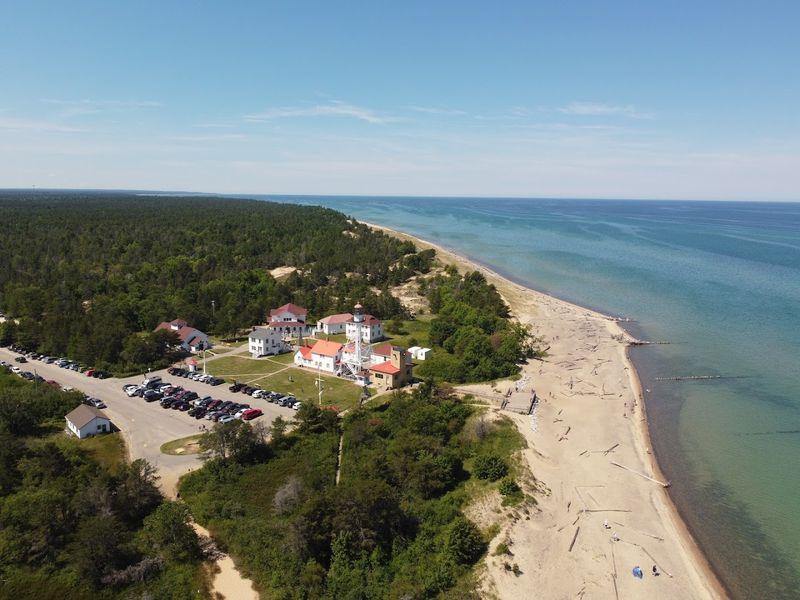
The directions become delightfully simple at the last turn, when the forest opens to water and a white tower rises over the sand. You will find Whitefish Point Lighthouse at 18335 N Whitefish Point Rd, Paradise, Michigan 49768, a straight shot north of town along a road that feels purpose-built for a rendezvous with Lake Superior.
Parking sits near the museum complex, and the boardwalks make the final approach easy on legs and shoes. I checked the posted hours before arriving, then still gave myself extra time for the shoreline, because the lake can steal minutes faster than any timetable.
Cell service flickers here, so I saved the map offline and wrote the address on a small card.
The coordinates point to more than a dot on a screen. They lead straight to the oldest operating lighthouse on Lake Superior, a place that blends working legacy and public welcome in one sweep of ironwork and windows.
The first glimpse made the drive feel short.
You will want layers because breezes skim the point even on mild days. Good shoes matter on the beach and on the ramps, especially if you plan to linger near the driftwood line.
I arrived early and felt the place wake gently.
A Beacon Since 1849
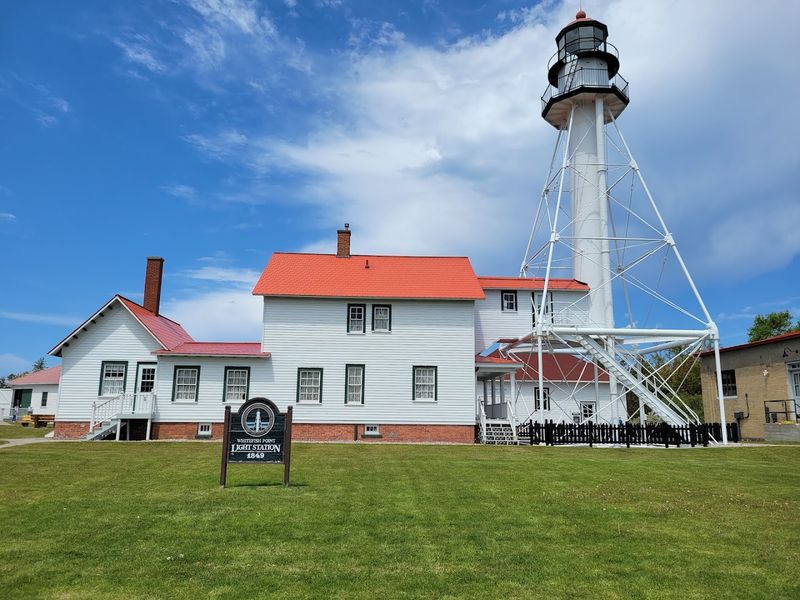
Some buildings brag with size, but this one wins with stamina. First lit in 1849, the Whitefish Point Light still does its job, guiding traffic across a corridor where every vessel entering or leaving Lake Superior passes nearby.
The skeletal iron design looks spare until you notice how every angle serves a purpose. I paused at the base to read about keepers who braved gales and ice, all to keep the lens turning.
The structure has changed with time, but the mission has stayed plain and powerful.
History feels tangible because the light keeps working while visitors wander the grounds. I watched a freighter slide along the horizon, tiny from shore yet tied to the tower by a line of duty.
The lake can be gentle or stubborn, and the beacon answers both moods.
Interpretive panels explain upgrades, storms, and the handoff from keepers to automated systems. That shift did not shrink the heart of the place.
It only wrote a new chapter for an old helper that still watches the same stretch of cold blue water.
Lake Superior’s Mood And The Fine Sugar Sand
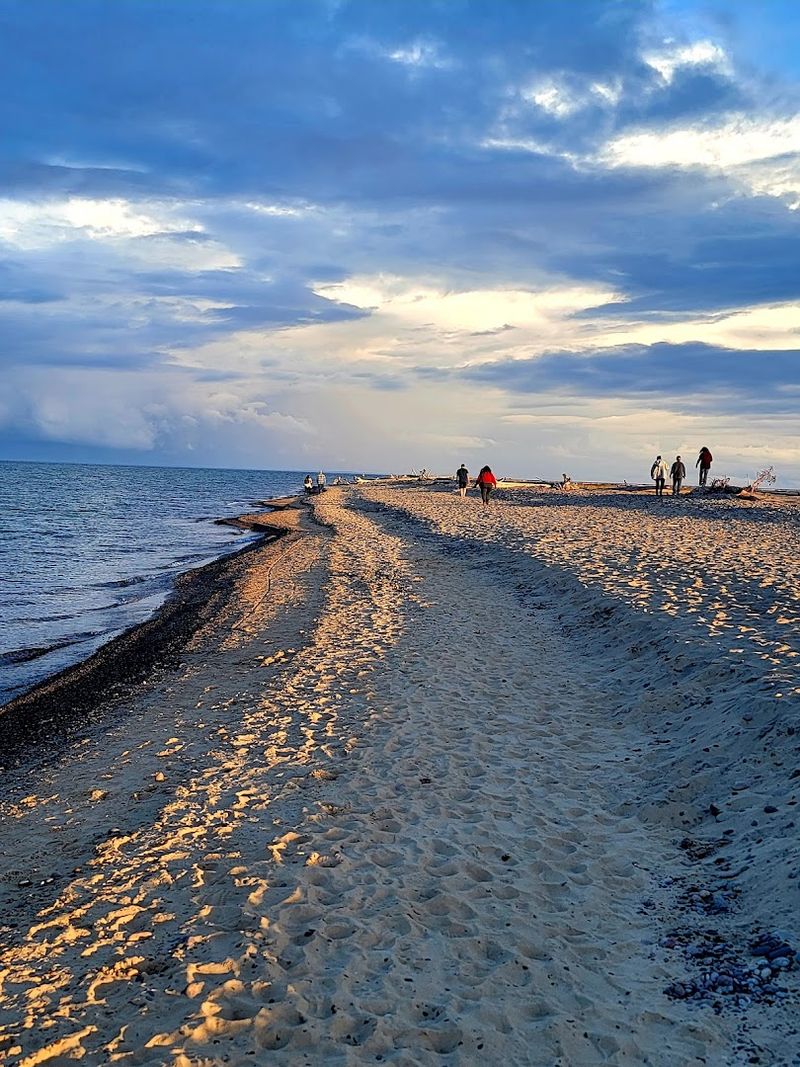
Weather at the point feels like a show with quick scene changes. One hour can bring sun on fine sugar sand, the next can whip up chop and cool the air by twenty degrees, so a sweatshirt in July is not overkill at all.
The beach lays out in pale ribbons crossed by darker bands, a natural art piece formed by wave action. I crouched to trace where black and brown layers carved delicate curves, while smooth stones clicked together just below the wash.
Shoes feel optional on the dry sand, yet I kept mine handy for the chill at the edge.
Tidal pools collect at low spots and mirror the sky with attitude. Kids hop them, rock hunters scan them, and photographers love the reflections.
The lake throws a better color palette than any filter.
Wind tells you how long to linger. On calm days, plan a slow stroll toward the viewing platform and watch freighters draw lines on the horizon.
On gusty afternoons, pull your hood tight and let the soundtrack be waves and gulls.
The Museum That Anchors The Story
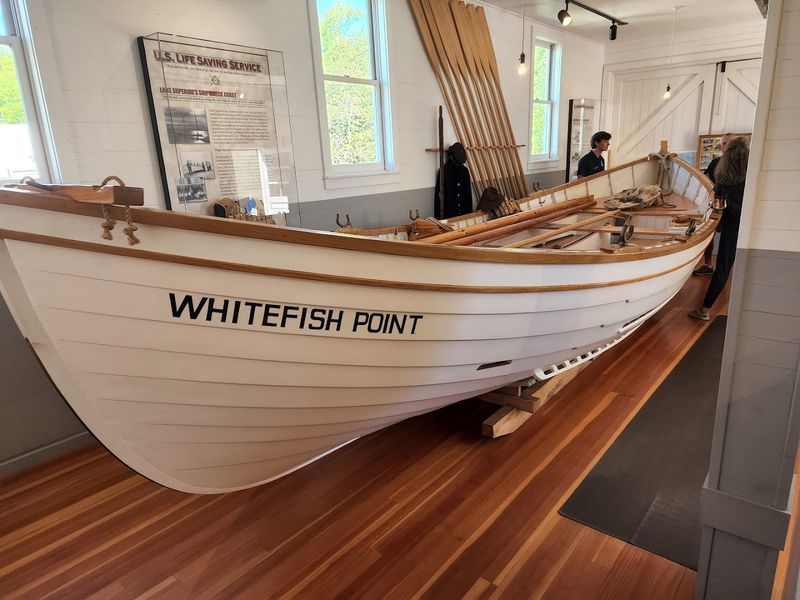
Stories here do not sit quietly in glass. The Great Lakes Shipwreck Museum wraps the lighthouse with context, placing artifacts and narratives within steps of the water that shaped them.
Exhibits explain routes, storms, and the everyday grind of moving cargo through a wild inland sea. I appreciated the clear timelines and maps that connect this specific point with a broader network of trade and travel.
Staff answered questions with an easy mix of knowledge and kindness.
Tickets cover multiple buildings, and it is worth planning a couple hours. A short film ties details together and gives you faces and voices to remember.
Even on a busy day, the flow keeps visitors moving without rushing the quiet corners.
Shoulder seasons may alter hours, so check before heading up the road. The grounds remain open, and the beach will still deliver plenty, but the indoor context adds depth that lingers long after the drive home.
It is the difference between seeing a tower and understanding its pulse.
Freighters At The Horizon Line
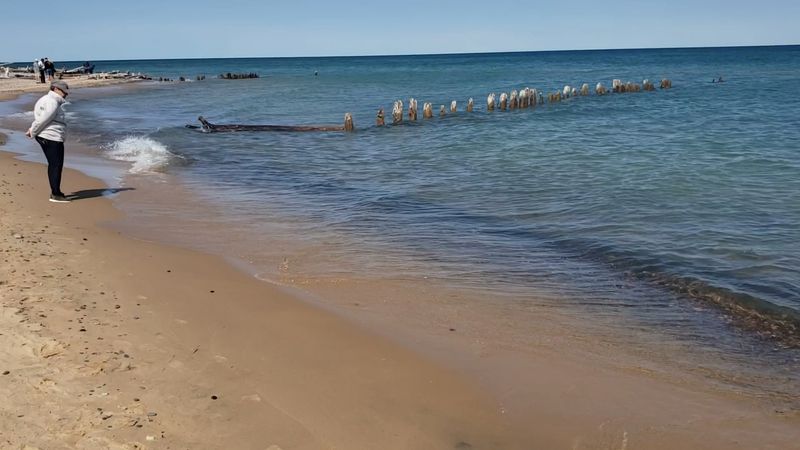
Some attractions schedule themselves. Freighters glide past the point like clockwork without caring who notices, yet watching them becomes oddly magnetic.
I leaned on the observation platform rail and tracked one moving toward Whitefish Bay, a long steel geometry cutting steady through chop. The ship looked slow but ate distance with calm purpose, and the lighthouse seemed to nod in approval from across the grounds.
Bring binoculars if you like details. Stacks, pilot houses, and deck gear turn into characters when magnified against sky and water.
You might catch radio chatter if you carry a scanner, but the silent ballet works just as well.
Evening light throws silhouettes that feel cinematic. Morning glare shows color and shape with crisp edges.
No matter the hour, the procession reminds you why a beacon matters at this bend in the shoreline.
Practical Tips For A Smooth Visit
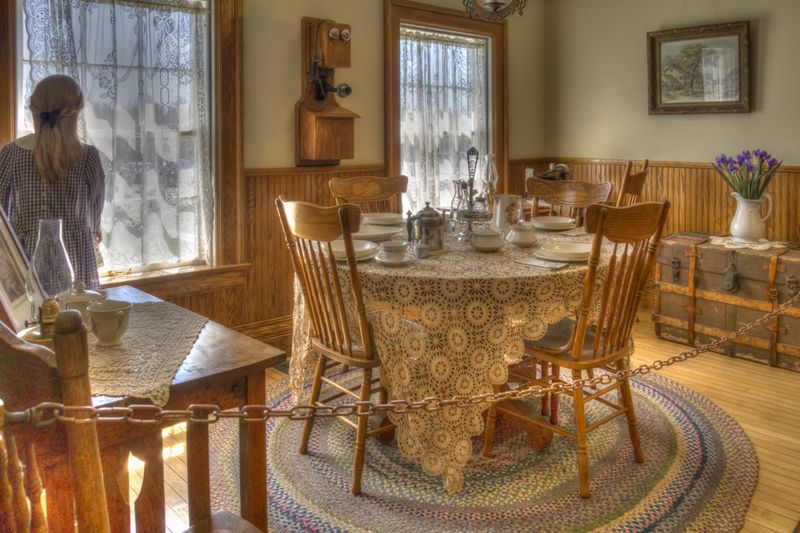
Little choices make big differences at this latitude. Layers keep the day comfortable because temps along the shore can run significantly cooler than towns to the south.
Parking exists but fills at peak times, so early arrival reduces laps in the lot. Restrooms are generally clean when open, though winter can limit access.
I pack water and snacks to keep the pace easy and leave room for an unrushed museum visit.
Bug repellent earns its spot in the bag, especially midsummer when mosquitoes sharpen their social skills. A hat, sunglasses, and a compact windbreaker weigh almost nothing and pay off the first time clouds roll in.
Shoes with grip help on damp boardwalks and pebbly stretches.
Signal can be patchy, so download maps and hours ahead of time. Check the museum website for seasonal schedules, and remember that the shoreline remains worth the drive even if exhibits are closed.
Flexibility here feels like a superpower.
Autumn Quiet And Winter Clarity
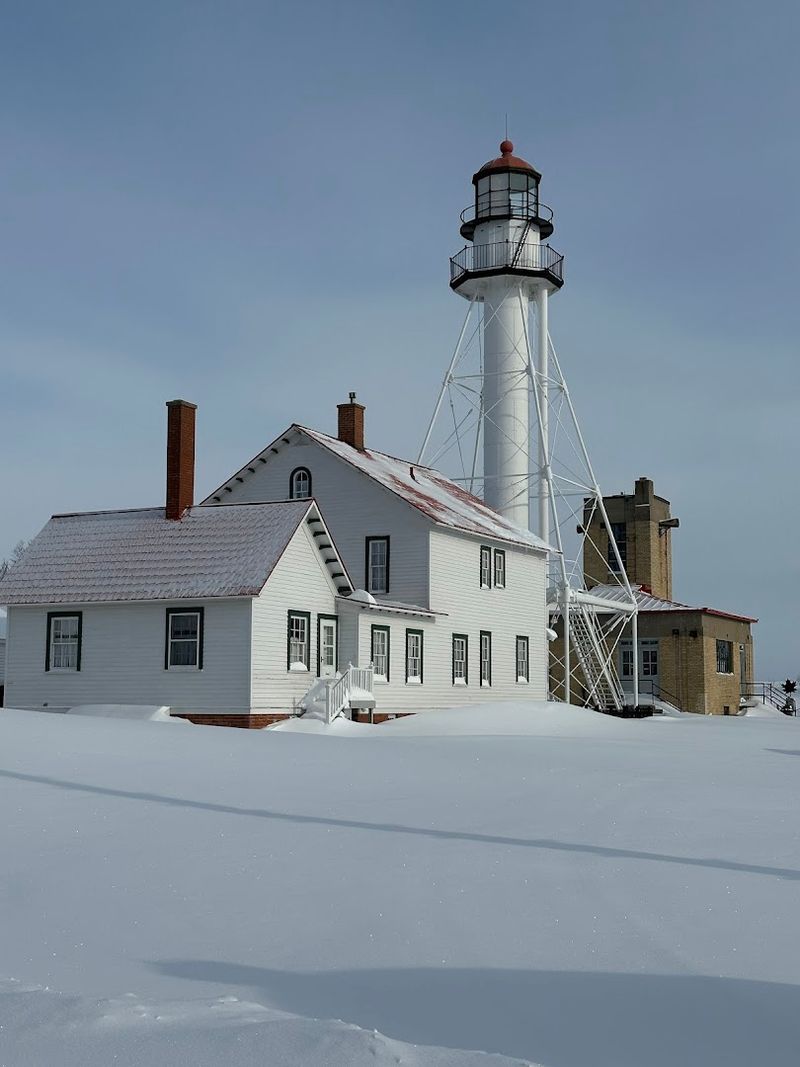
Peak summer buzz suits families and long daylight, but shoulder seasons reveal another personality. Fall trades bugs for color and calmer paths, while winter pares the scene down to crisp lines and wide silence.
I like October for cool air and clear views that stretch like a promise. Crowds thin, freighters still work, and the sky sits low with drama.
A fleece and hat beat the breeze without weighing you down.
Winter visits require respect for conditions and an eye on closures. The parking area is often plowed, and some walkways get cleared, but you will want traction and caution near any icy patches.
The museum schedule tightens, and outdoor time becomes the main event.
Each season trades perks. Spring can sparkle with migrating birds and fresh energy, summer welcomes long beach hours, fall writes poetry in leaves, and winter focuses the mind on water, wind, and the steady tower.
The point never repeats itself.
Shipwrecks In Context Without The Heaviness
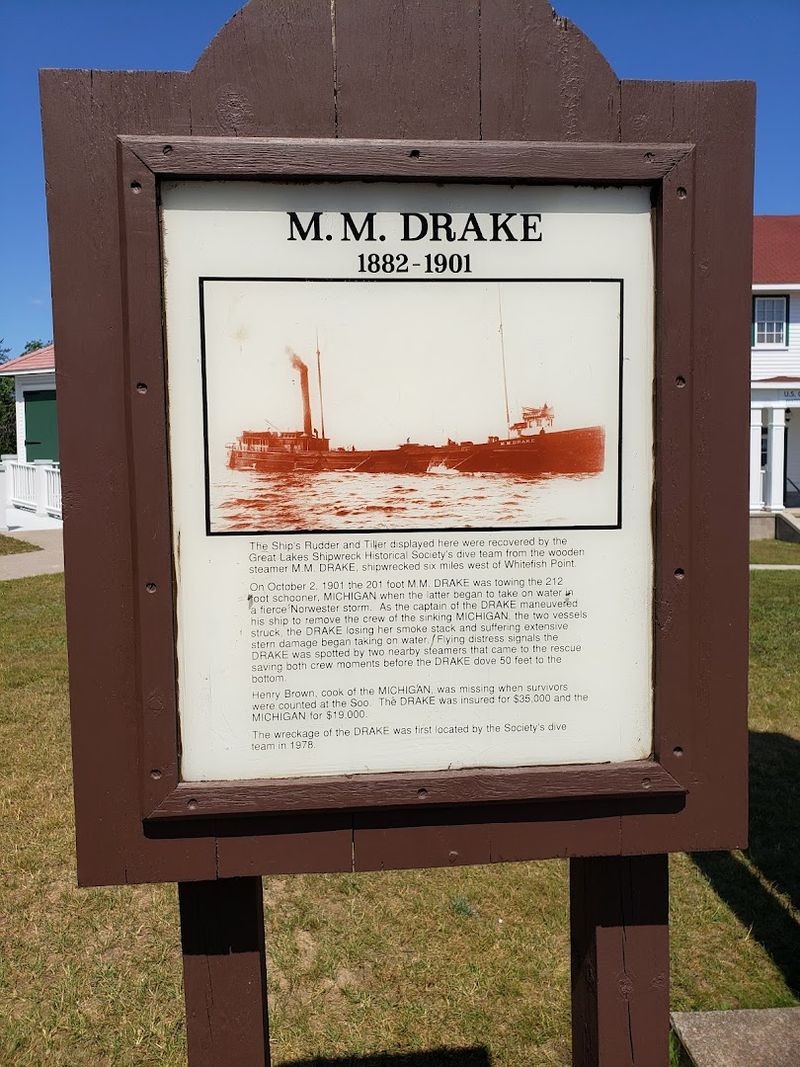
Context here speaks about problem solving more than anything else. The museum frames navigation, storms, and technology with a focus on lessons learned and ongoing care for those waters.
Displays walk through charts, radio beacons, and lifesaving services that evolved alongside cargo demands. I appreciated how the exhibits keep the emphasis on practice and progress instead of leaning on shock.
It feels respectful and straightforward.
Standing inside with the lake visible through a window helps everything click. You see the tools, then look out at the reason.
The lighthouse becomes a partner in a long project to make large distances feel more manageable.
Take your time with the timelines and photos. Ask questions because staff members are generous with details.
You leave understanding how work, vigilance, and innovation stack up like layers of steel on a hull.
Birds, Dunes, And A Living Shoreline
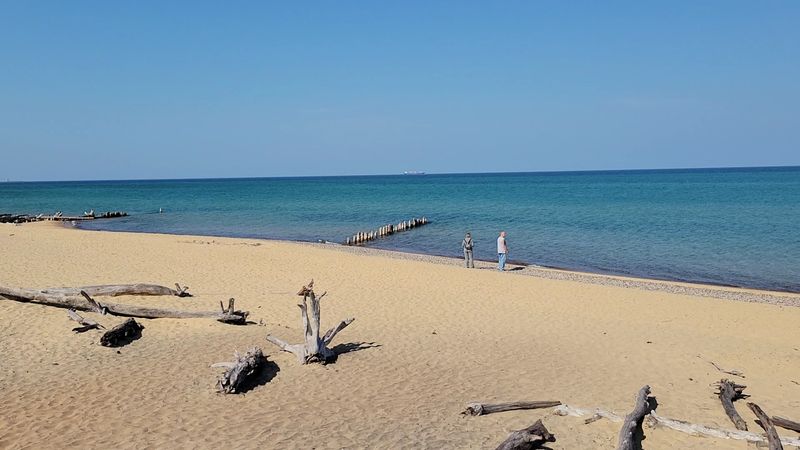
The point hosts more than ships and stories. Migratory birds ride the same geography that funnels freighters, and the dunes protect a living edge where grass keeps the sand in place.
Boardwalks help feet find views without trampling habitat. I watched swallows trace loops above the beach while gulls drew strict traffic patterns over the water.
The air carried a mix of pine and wet stone that reminded me to slow down.
Bring a small notebook or the birding app you like best. Even casual watchers can pick out movement along the tree line as seasons bend.
A compact pair of binoculars turns distant flickers into clear shapes and colors.
The shoreline works like a classroom, and the lighthouse serves as the front door. You step in for history and step out into a living system that surrounds it.
That blend might be the best reason to linger past your planned departure time.
Costs, Hours, And Expectations
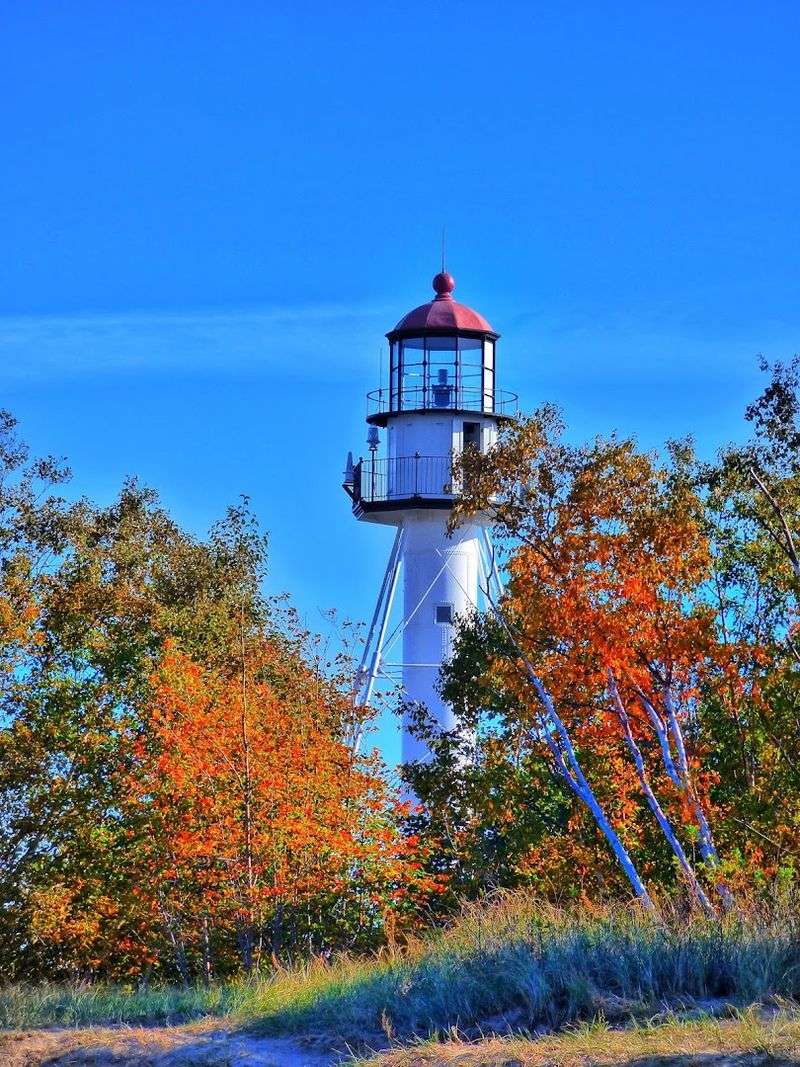
Money and time both count on a trip this far north. The grounds and beach are free to enjoy, while museum buildings and tower access require paid admission that supports preservation.
Hours shift with seasons, generally opening around mid spring and running through late fall. I checked the official website the morning of my visit and found updates posted clearly.
A quick call to the number listed also confirmed staffing and any special events.
Prices struck me as on par with other specialized museums that maintain historic structures in harsh climates. Plan a couple hours to get value from exhibits, then add roaming time along the shore.
You will want the buffer.
Bring a small backpack for layers and snacks so you can slide museum time around the lake’s mood. Expectations stay simple here: learn something new, feel the wind, and let the tower work its quiet magic while you plan the next stop up the peninsula.
Local Flavor In Nearby Paradise
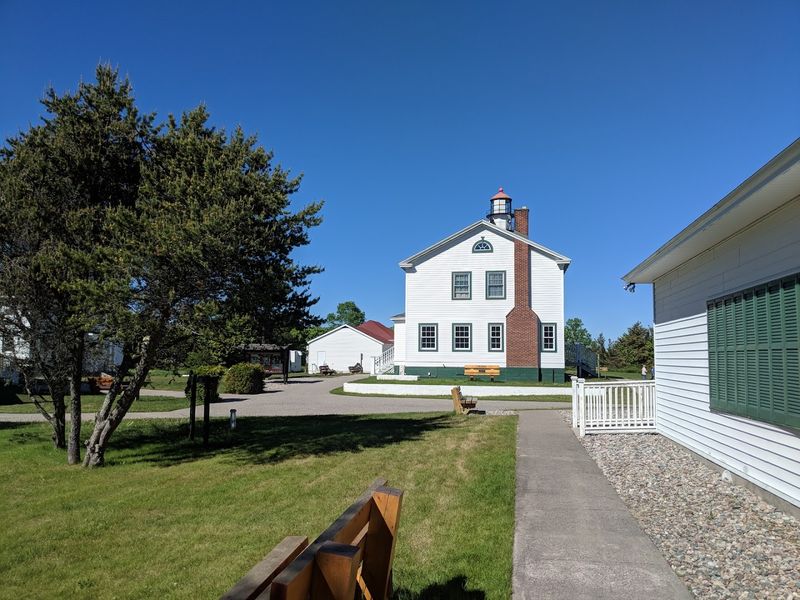
A visit to the point pairs nicely with a low key stop in Paradise. The small town keeps you supplied with fuel, coffee, and the kind of snacks that somehow taste better after an hour of wind.
Menus lean hearty and straightforward, and service often comes with directions, weather notes, and a story about last week’s freighter sighting. I topped off the tank and grabbed a warm drink before pointing my car back toward the forested two lanes.
Simple becomes perfect on days like this.
Souvenirs range from postcards to books that dive deeper into Great Lakes history. Staff at local shops know which trails run dry and which corners hold the best rock hunting after a blow.
Ask a question and you usually leave with three useful answers.
Paradise anchors the experience without stealing the spotlight. It supports the lighthouse visit with ease and lets the shoreline keep center stage.
That balance feels just right after time in the wind and light.
Closing Thoughts At The Water’s Edge
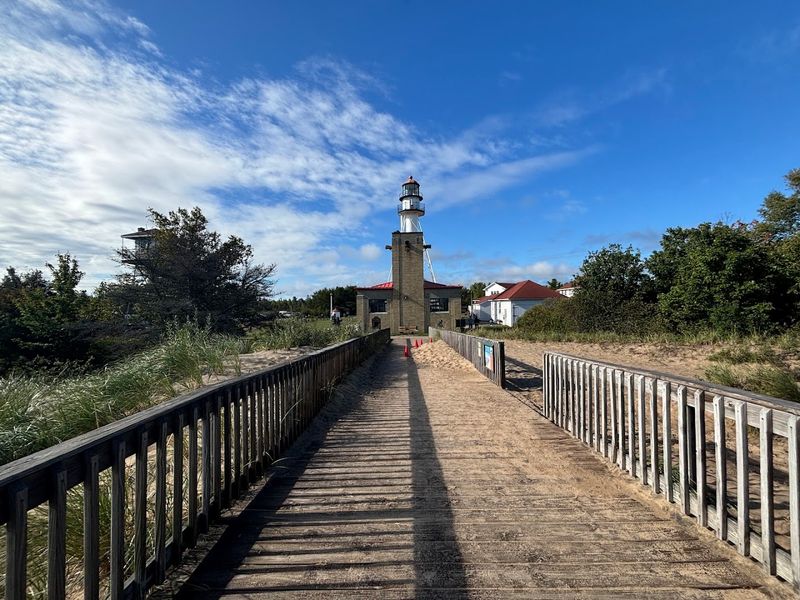
Some places tell their story without raising their voice. This shoreline, that tower, and the steady rhythm of passing ships add up to a conversation you can hear with your eyes.
I left with sand in my shoes and a head full of details that feel useful and alive. The address might fade from memory, but the image of iron against sky stays put.
Come ready for wind and insight, and drive away with both.
Whitefish Point Lighthouse keeps working while the rest of us catch our breath. That is the appeal and the comfort.
You go for views and leave feeling steadier than when you arrived.
The road south narrows into trees, yet the light continues its patient duty. It is nice to know a guide still stands where land falls away.
Some constants are worth the trip.
Share this story