Maps could have looked very different, and your travel stories might have sounded a lot stranger. Imagine telling friends you are off to New Orange or booking a long weekend in Yerba Buena.
The names we use today feel inevitable, yet dozens of close calls and power plays nearly stamped our skylines with labels that read more like trivia punchlines. Keep reading for the wild near misses and clever pivots that shaped the cities you know, with quick history, colorful details, and a few grin worthy twists along the way.
1. Los Angeles – Almost “Porciúncula”
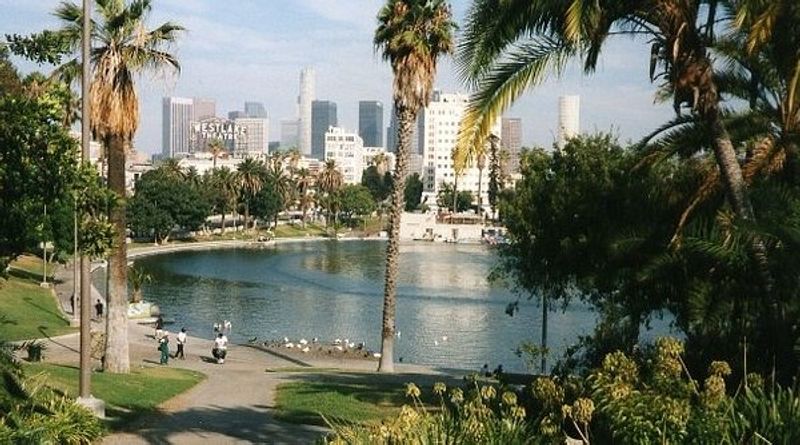
Say the full original name out loud and it rolls on like a gentle parade. El Pueblo de Nuestra Señora la Reina de los Angeles de Porciuncula carried devotion, geography, and ceremony in one breath.
If Porciuncula had stuck, airport boards would look like poetry and your text messages would trim syllables with ruthless speed. The river carried that Franciscan reference, tying the settlement to a wider spiritual map.
Angeles eventually stepped forward as the unfussy headline. The clipped modern name kept the halo while letting daily life move faster on street signs and contracts.
Yet the long form still whispers through mission bells, plaza edges, and the way sunlight drapes the basin in afternoon gold. It feels like a reminder to slow down and read the footnotes.
Porciuncula would have given the city a lyrical stamp. Los Angeles chose rhythm over ornament, and the brand scaled with film lots, boulevards, and neighborhoods that hum with many languages.
2. Chicago – Almost “Fort Dearborn”
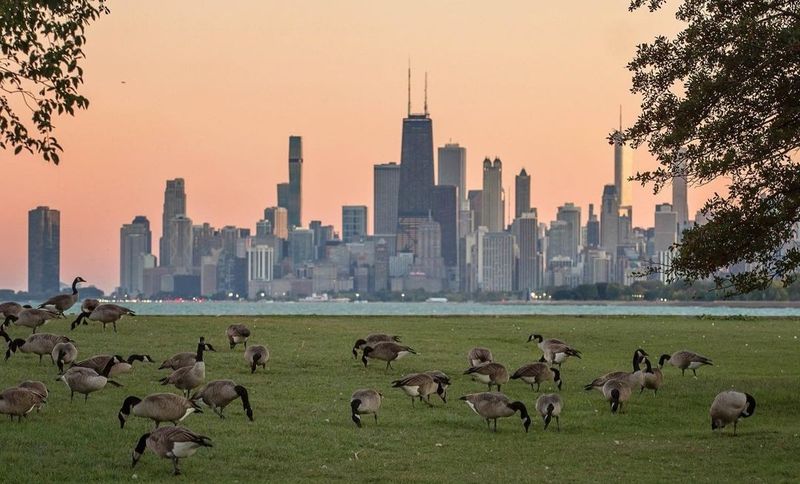
Steel and skyline might have worn epaulets if the earlier title had lasted. Fort Dearborn set a military tone on the lakefront, all palisades, blockhouses, and guarded gates.
As trade routes widened and canals promised movement, a fort name felt too narrow for a swelling settlement. People came to barter, ship grain, and sketch rail lines that would redraw the Midwest.
Chicago carried a sharper bite, rooted in Indigenous words for wild garlic that thrived in the marshes. The syllables cut clean and matched the brisk wind that hustles down the river.
Had Fort Dearborn endured, newspaper headlines might have sounded like dispatches. Business cards would hint at posted sentries instead of trading floors and stockyards.
Today you can still find markers and museum displays that frame the wooden walls and tense years. The city chose a name that could stretch with iron, architecture, and the grit of reinvention.
3. Houston – Almost “Harrisburg”
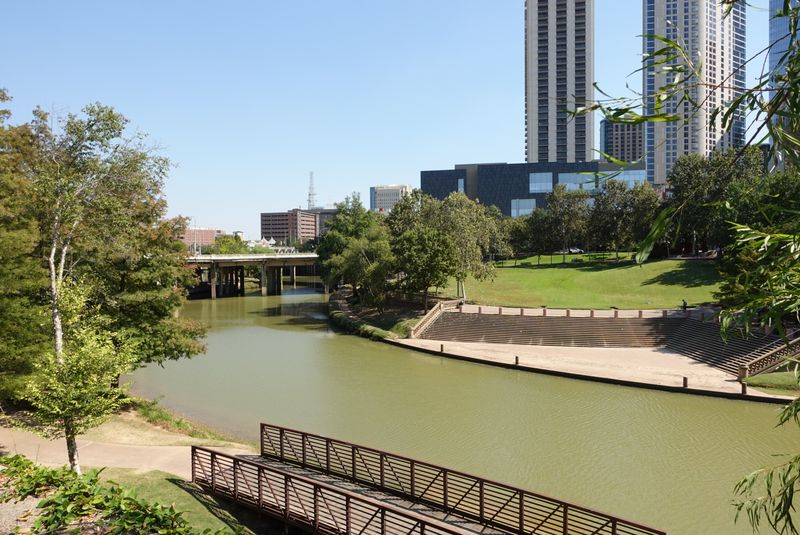
Flip the marquee and you get Harrisburg rising over the bayou instead. Early settlers had already planted that title nearby with docks, stores, and ambitions.
When the Allen brothers staked out their town, they aimed straight at influence. Naming it for Sam Houston tied the place to a hero of independence and brought clout to every land notice.
Harrisburg almost held the center, yet politics traveled faster than wagons. The chosen name drew investors, lawmakers, and an eager press.
You can still trace the shadow name on old maps and in neighborhood lore. It feels like a parallel track that never quite merged onto the main line.
Houston became shorthand for energy, missions, and a restless skyline that keeps testing the clouds. Harrisburg remains a footnote that tells you ambition often picks the paint for the sign.
4. San Francisco – Almost “Yerba Buena”
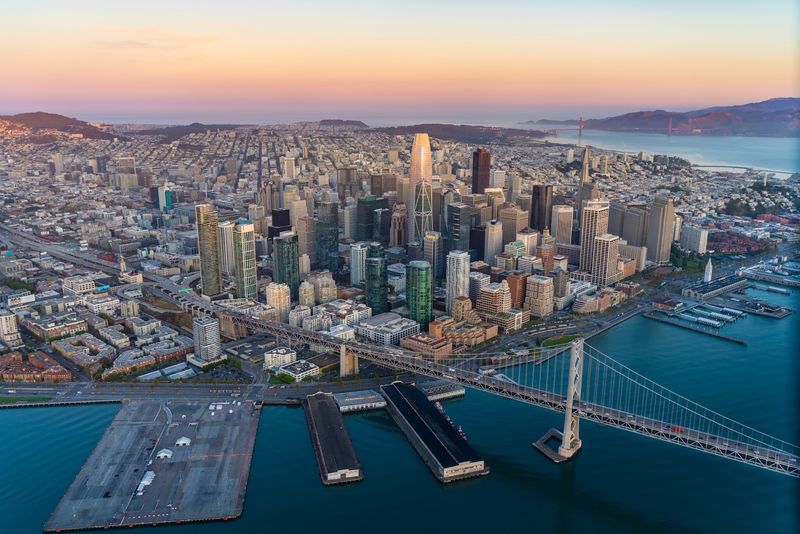
Minty and maritime, Yerba Buena would have given addresses a herbal twist. The name honored a local plant that crept over sand and hills with stubborn charm.
Then came the renaming in 1847, paired with a harbor that could cradle the world. San Francisco felt declarative and anchored in Spanish tradition while inviting global trade.
Gold Rush fever made short work of quiet labels. Newspapers, prospectors, and ships shouted the newer name across oceans.
Yerba Buena lingers on plazas and product labels, like a friendly nod to the earlier mood. It softens the edges of steep streets and fog horns.
San Francisco kept the poetry but trimmed the pastoral. The city grew into bridges, cable cars, and neighborhoods that climb like terraces over the bay.
The older name still feels intimate, almost secretive, like a garden tucked behind a painted Victorian. But San Francisco carries weight and rhythm, a name built for headlines, history books, and postcards sent around the world.
5. Philadelphia – Almost “Greene Country Towne”
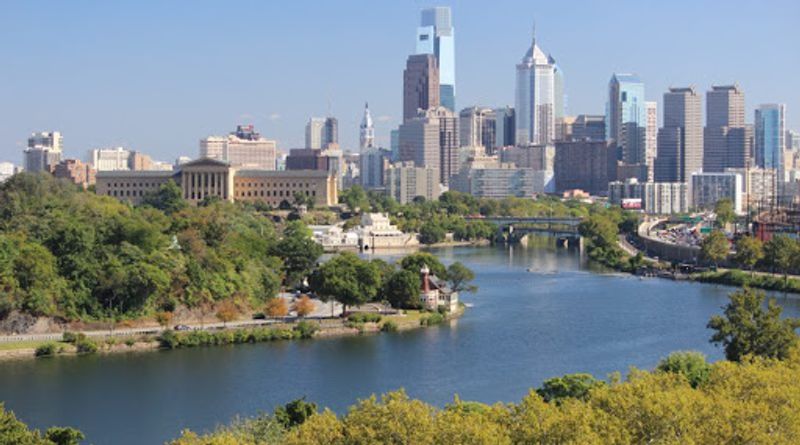
Picture every envelope addressed with a pastoral flourish. Greene Country Towne would have sold the city as fresh air and orderly fields at the edge of a river.
William Penn aimed for harmony and a measured grid, and the working title fit that vision. Still, it lacked the universal promise that a port city needed.
Philadelphia landed with philosophy baked into its syllables. Brotherly love communicated ideals to merchants, immigrants, and printers setting type late into the night.
The almost-name survives like a sketch under a finished painting. Parks, squares, and shaded lanes still match the old aspiration.
Philadelphia grew schools, presses, and a civic heartbeat that traveled far beyond the dock. The final name delivered both mission statement and welcome sign.
6. Nashville – Almost “French Lick”
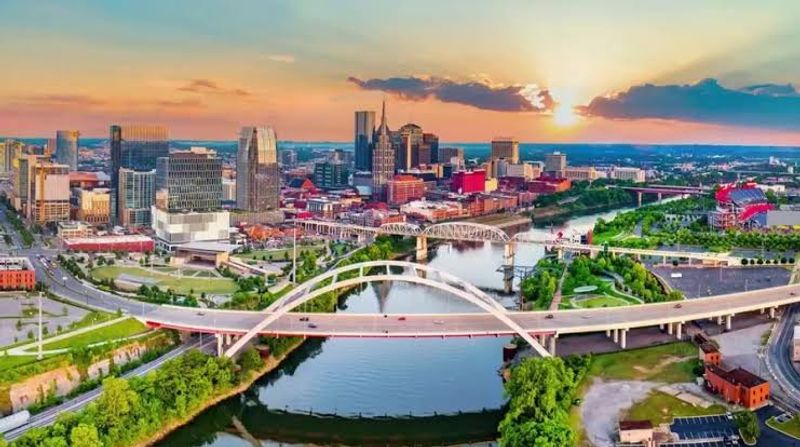
Salt and style do not always share a label. French Lick comes from the mineral licks that drew animals and people to the area long before stages and songs.
The name would have branded the city with rustic practicality. Stories might have leaned harder into frontier grit than polished stages and studios.
Nashville stepped in to honor General Francis Nash, giving the place a dignified cadence. It opened doors for institutions, newspapers, and civic pride with a steady tone.
French Lick did not vanish, though. You hear it in place names and folklore that describe the valley as a crossroads built on resources.
Today the city markets rhythm, halls, and creative hustle. The final name carries a melody that the earlier label simply could not sing.
7. Cleveland – Almost “Cleaveland”
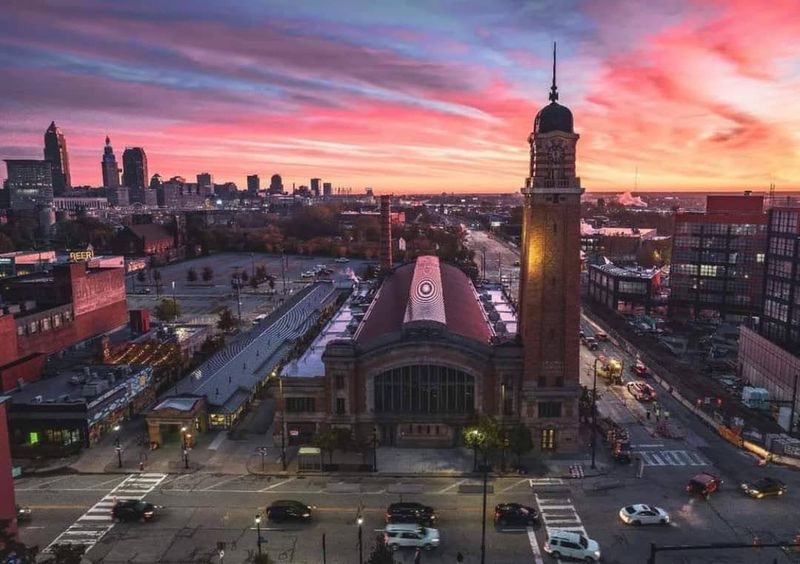
One missing letter changed the skyline by accident. The settlement honored surveyor Moses Cleaveland, and that tidy extra a seemed safe.
Legend says a newspaper masthead could not fit the full spelling. Type met space, the vowel fell off, and readers accepted the leaner word without fuss.
The revised name played better on signs, tickets, and shipping crates. It felt modern before modern was the goal.
Cleaveland still appears on statues and documents, a reminder that typography can steer destiny. The lake did not mind and the city kept building piers and neighborhoods.
Today Cleveland sounds crisp, practical, and ready for work. The story of the lost letter is the kind of tale you repeat on a walking tour because it sticks.
8. Portland, Oregon – Almost “Boston”
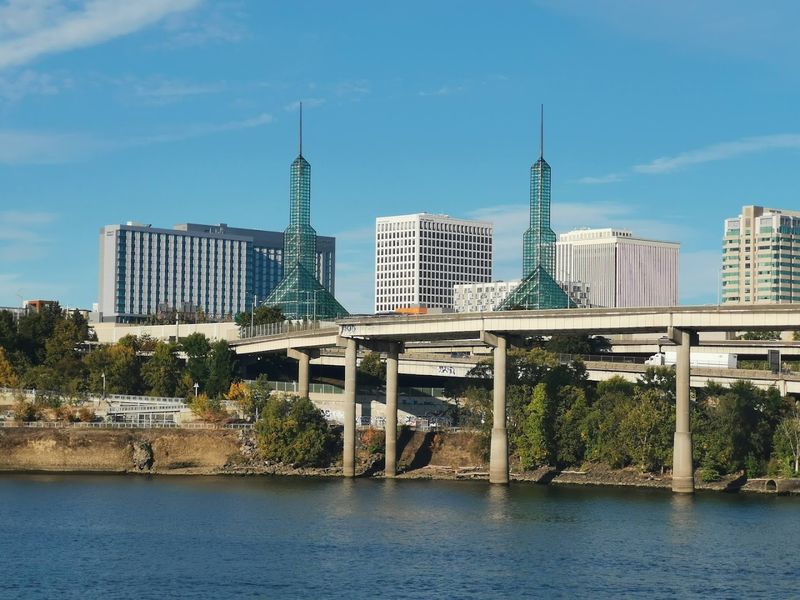
A coin decided the headline and that feels perfectly frontier. Two founders faced off with hometown pride, one voting Boston and the other Portland.
Best two of three tosses tilted the compass toward Maine. The winner set the tone for docks, mills, and a town that would inhale rain and grow roses.
Boston might have duplicated brand identity and muddied mail. Portland gave the settlement a distinct flag to wave on ledgers and maps.
The story travels well because it is short and human. You can hear the coin ring against wood and the relieved laugh that follows.
The city grew into bridges, bookstores, and boulevards edged with evergreens. That tiny arc of metal still echoes every time someone asks how the name stuck.
9. Phoenix – Almost “Stonewall”
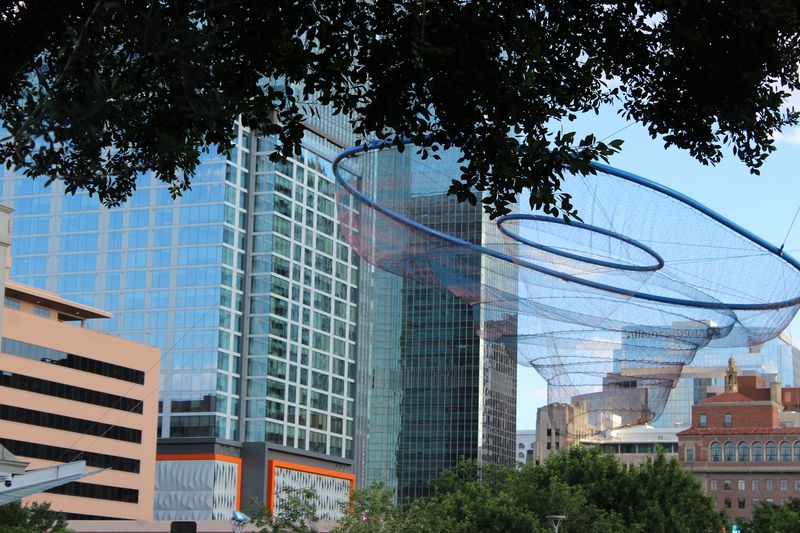
Rubble and rebirth shaped the vocabulary here. Settlers saw ancient canal beds and imagined a community rising on engineered bones.
Stonewall nearly took the plaque, reflecting a tide of postwar naming habits. The choice would have carried a specific figure and a heavier political shadow.
Phoenix leaped ahead with symbolism that felt bigger than any person. A city that rises again suggested energy for farms, rail, and every risk the desert demands.
The older canals guided the layout and the promise of water. Fields unfurled and storefronts followed, bright against the salt flats.
Today the name reads like a mission. Heat, light, and wide streets frame a place that keeps expanding its horizon with steady resolve.
10. Miami – Almost “Flagler”
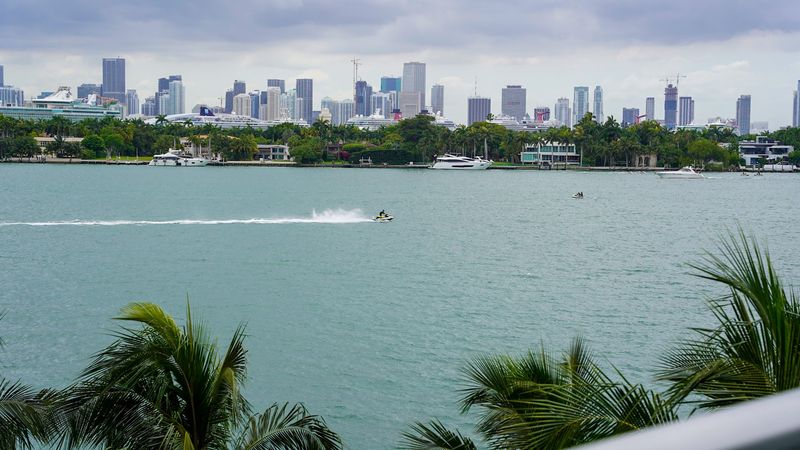
Tracks almost wrote the ticket. Proposals circled around Flagler, nodding to the railroad titan whose lines stitched Florida together.
Miami held fast with a name tied to the river and older communities. The sound is bright and quick, like sunlight cutting across water.
A corporate style label might have narrowed the city’s voice. Miami gave room for neighborhoods, languages, and a shoreline that changes color by the hour.
Rail stations still echo with that other possibility. You can almost see timetables printing Flagler in tall letters over the counters.
The final choice feels balanced and rooted. Miami became a banner for warmth, movement, and a bustle that starts before dawn.
That decision left space for culture to lead the story. Art Deco curves, Little Havana rhythms, and ocean air all sit comfortably under a name that feels alive.
It rolls off the tongue easily, welcoming newcomers without erasing the past.
11. Atlanta – Almost “Terminus”
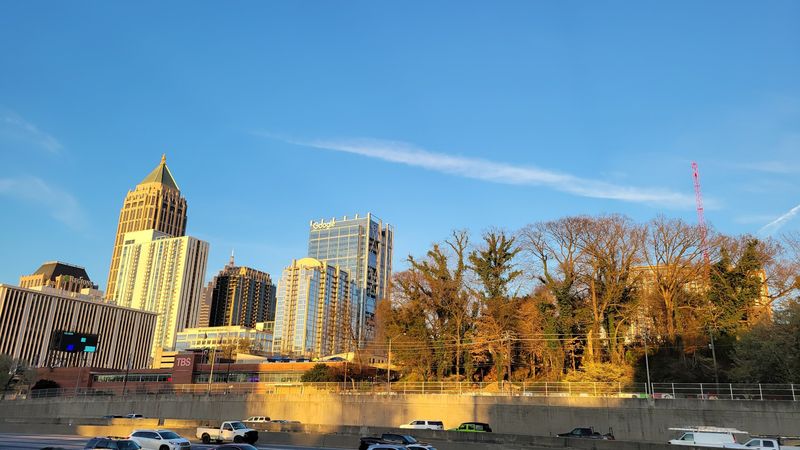
Steam and sparks almost stamped the city with pure function. Terminus said track ends here, and that honesty suited a junction built for movement.
Marthasville arrived, then Atlanta refined the brand. The final word rolled easily and matched the expanding web of rails and roads.
Terminus would have sounded blunt on a wedding invitation. Atlanta balanced industry with civics, culture, and a future that needed flexible phrasing.
You still feel the name in the constant arrival of trains and flights. Schedules define the rhythm, and the streets answer with momentum.
The city turned a crossing into a capital. That arc from utility to identity is the whole story in four tidy syllables.
12. New York City – Almost “New Orange”
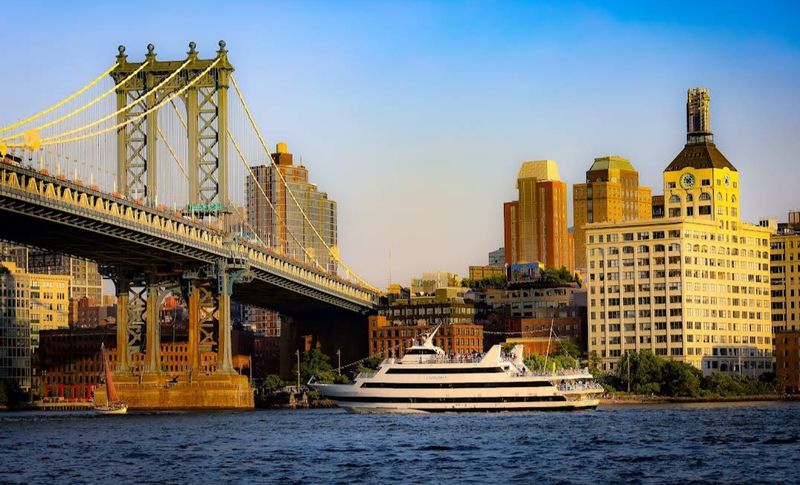
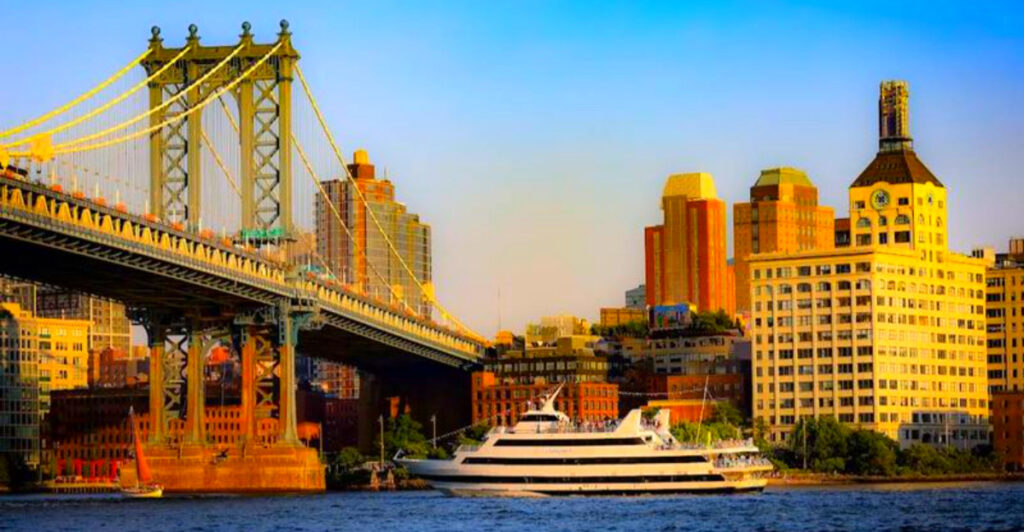
Orange would have ruled the map, at least for a moment, if history had zigged instead of zagged. In the mid 1600s, Dutch New Amsterdam fell to the English, then briefly flickered back to a Dutch identity as New Orange to honor the House of Orange.
You can picture the harbor lined with masts and mixed loyalties, Dutch merchants guarding their ledgers while English officers measured out authority. The tug of identity played out in street names, property claims, and proclamations posted to doors.
Then the Duke of York entered the story, and the branding settled like a new crest on the city. New York felt concise, political, and extremely portable for English ambitions across the Atlantic.
The almost-name New Orange lingers like a watermark you notice only after studying the page. It hints at a version of the city where orange standards ripple above the Battery and the boroughs wear Dutch spellings.
Today you walk Broadway, once a road charted by Dutch surveyors, and the past quietly narrates the corners. New York kept the energy of reinvention and left the citrus hue to history.
Share this story