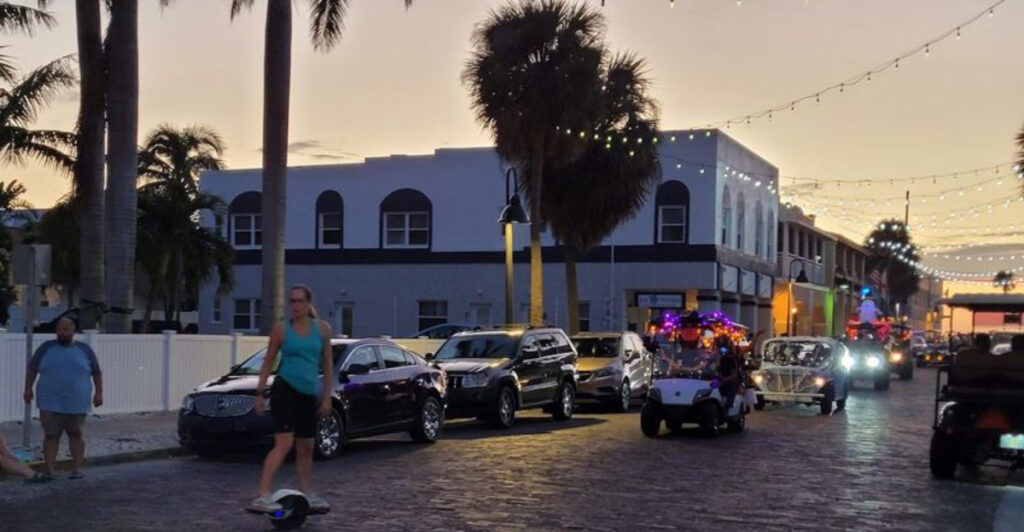
There is a stretch of Florida coastline where time seems to have forgotten to move forward, and honestly, that is a very good thing. Old wooden cottages line quiet streets, pelicans glide low over calm Gulf waters, and the smell of salt air mixes with the scent of sunscreen and fresh fish.
No high-rise hotels tower over the horizon here. No chain restaurants compete for your attention on every corner.
This is the kind of place that makes you slow down without even trying, where locals wave at strangers and the biggest decision of your day is whether to watch the sunset from the beach or from a weathered wooden bench. If you have been searching for what Florida felt like before the theme parks and the traffic, keep reading, because this little district is exactly what you have been looking for.
Where Pass-A-Grille Sits on the Map
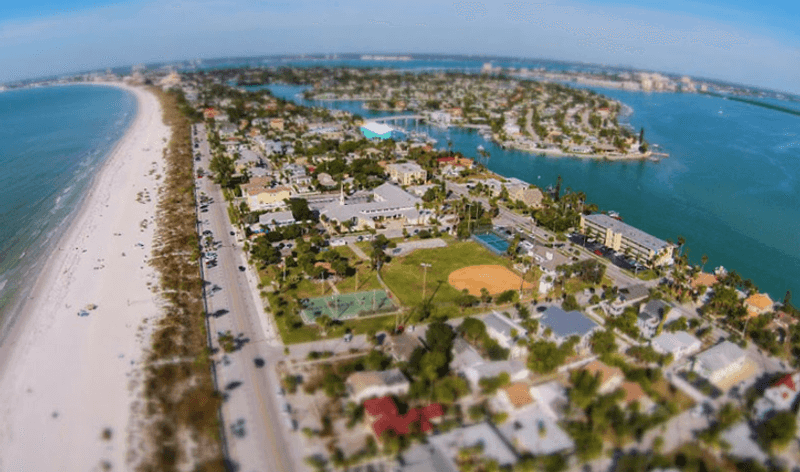
Pass-A-Grille Historic District sits at the southern tip of St. Pete Beach, Florida, on a narrow barrier island wedged between the Gulf of Mexico and Tampa Bay. The address is simply St. Pete Beach, FL 33706, and once you arrive, you will understand why people say this place feels like a different world.
The island is so narrow in spots that you can almost see the water on both sides at once. Getting here means driving south along Gulf Boulevard until the road quiets down and the strip malls disappear behind you.
The whole area covers just a few blocks, making it completely walkable. Rent a bike if you want to cover more ground, but honestly, your feet will do just fine.
This is a neighborhood built for slow exploration, and every unhurried step reveals something worth noticing.
A History That Started Long Before the Tourists Arrived
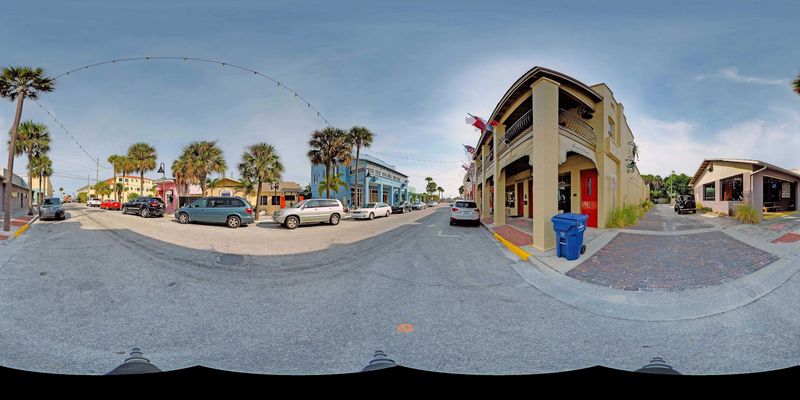
Pass-A-Grille is one of the oldest beach communities on Florida’s Gulf Coast, with roots going back to the late 1800s. Fishermen first settled here, drawn by the rich waters and the natural shelter the island provided.
The name itself is believed to come from Spanish or French origins, possibly referring to a place where fishermen would grill their catch over open fires.
By the early 1900s, the area had grown into a modest resort destination, attracting visitors who arrived by ferry and later by car. Many of the original buildings from that era are still standing today, which is a big part of what makes this district feel so special.
The neighborhood was officially listed on the National Register of Historic Places, recognizing its well-preserved architecture and cultural significance. History here is not tucked away in a museum.
You can touch it, stay in it, and walk right past it every day.
The Architecture That Makes Every Street a Postcard
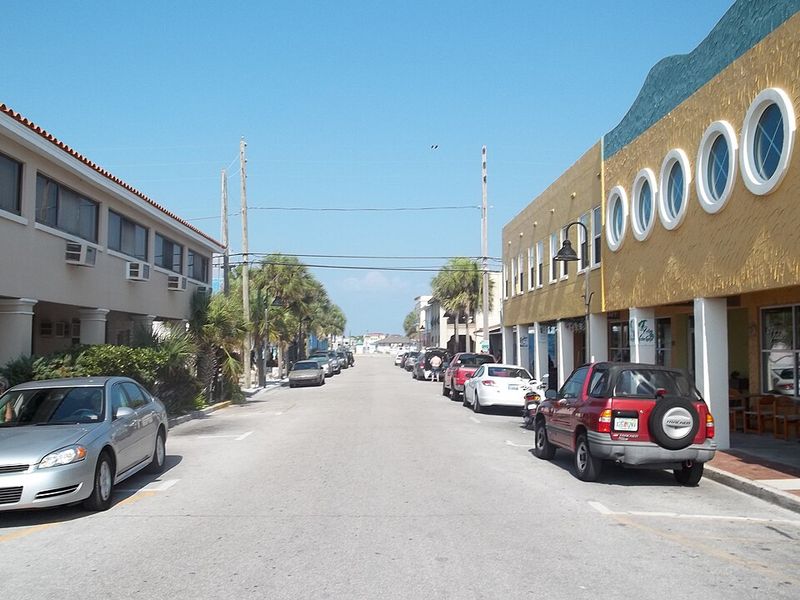
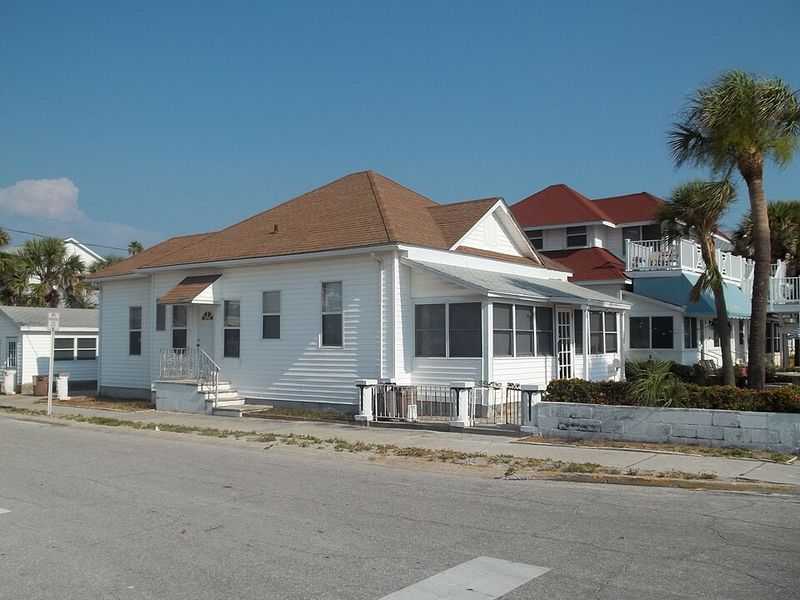
One of the first things you notice walking through Pass-A-Grille is how intact the old architecture looks. Bungalow-style cottages with tin roofs, wide front porches, and wooden shutters line the narrow streets in shades of pale yellow, seafoam green, and sun-bleached white.
These are not modern reproductions built to look vintage. Many of these homes were actually constructed in the 1920s and 1930s, and they have been carefully maintained or restored over the decades.
The Historic Pass-A-Grille Neighborhood Association works hard to keep the character of the area alive and consistent.
Walking down 8th Avenue or strolling along the beachside streets feels genuinely different from anywhere else in the Tampa Bay region. There are no cookie-cutter developments here, no identical facades repeating endlessly down the block.
Every building has its own personality, and the whole neighborhood looks like it was designed to be photographed from every angle.
Gulf Beach Access That Has Not Been Overdeveloped
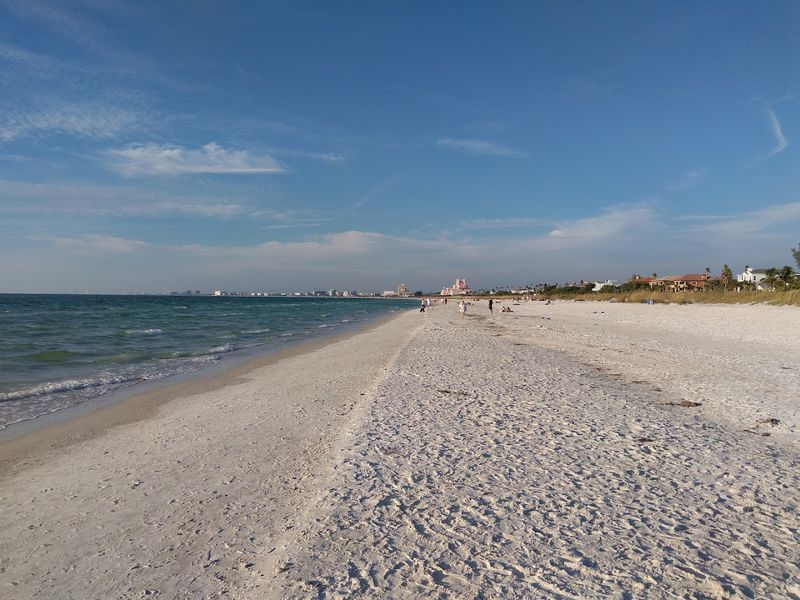
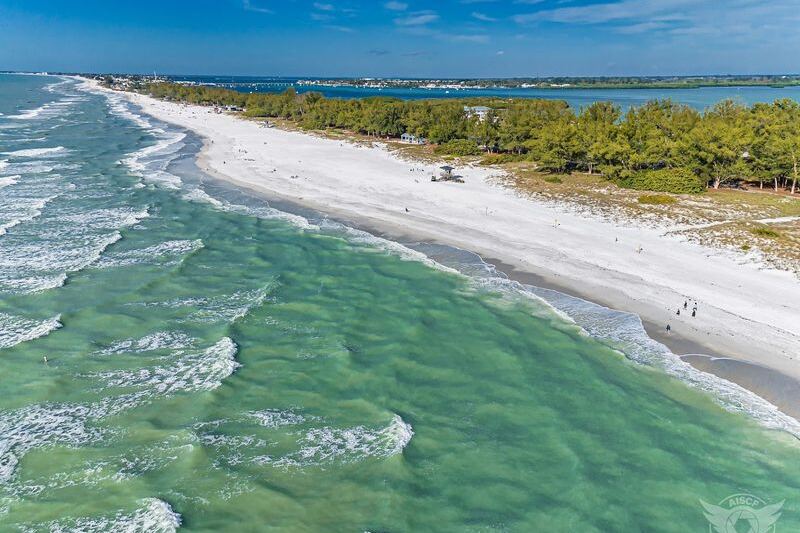
The beach at Pass-A-Grille is the kind that travel writers used to describe before every stretch of Florida sand got crowded with resorts and rental umbrellas packed in tight rows. The Gulf water here runs shallow and warm, with that characteristic clear green-blue color that makes the Gulf Coast so distinct from the Atlantic side of the state.
Public beach access points are easy to find, and the beach itself stretches for a comfortable length without ever feeling like you are standing in a queue. Families set up blankets, couples take long walks near the waterline, and shorebirds patrol the wet sand looking unbothered by everyone around them.
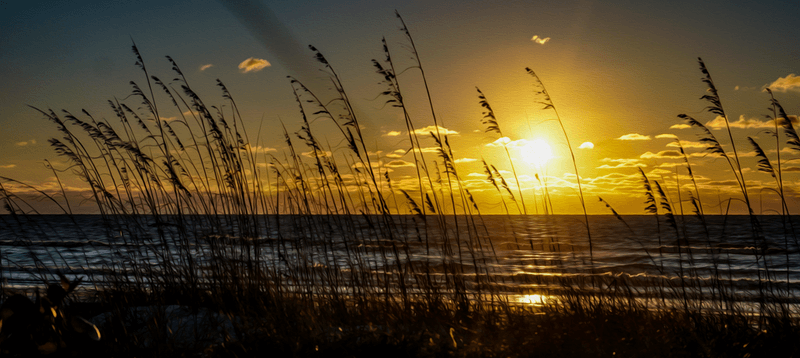
The lack of towering hotels behind the dunes means you actually get a view of the sky, which sounds like a small thing until you experience a Gulf sunset from this beach. The colors that appear in the last twenty minutes before dark are genuinely hard to describe without sounding like you are exaggerating.
The Don CeSar Hotel Looming Beautifully on the Horizon
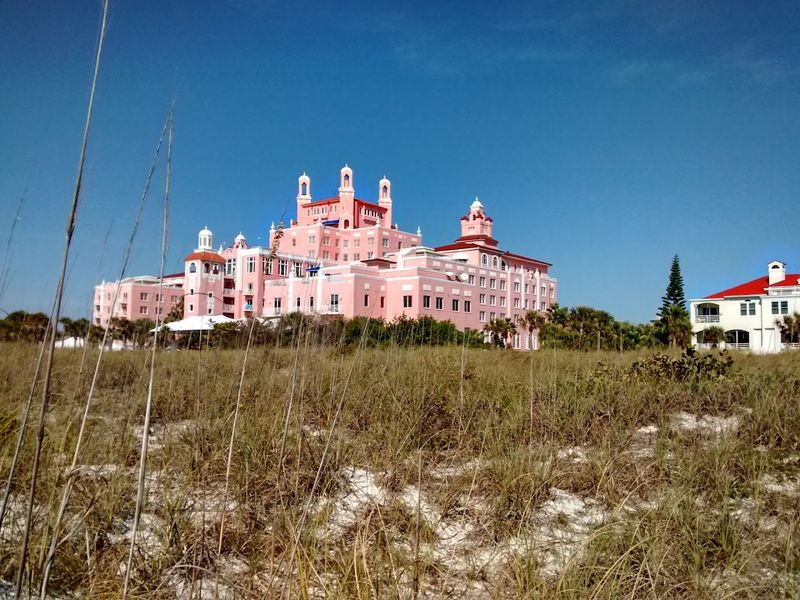
You cannot talk about this stretch of St. Pete Beach without mentioning the Don CeSar Hotel, the flamingo-pink landmark that has stood at the edge of the Gulf since 1928. It sits just north of the Pass-A-Grille Historic District and is visible from the beach for a long distance in either direction.
The Don CeSar, often called the Pink Palace, was built by Thomas Rowe and quickly became a playground for the wealthy and famous during the Roaring Twenties. F.
Scott Fitzgerald, Clarence Darrow, and even Al Capone reportedly spent time here. The hotel closed during World War II and was used as a military hospital before eventually being restored to its former glamour.
Today it operates as a luxury resort, and even if you are not staying there, walking past it on the beach is one of those experiences that makes the whole area feel like a living piece of Florida history rather than just a backdrop for vacation photos.
Dining With a Side of Old Florida Charm
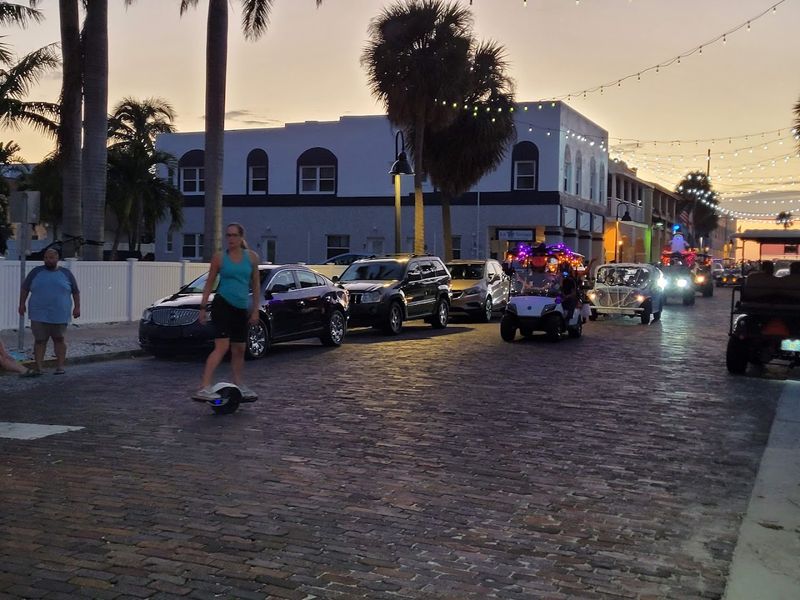
The dining scene in Pass-A-Grille skips the flashy and leans hard into the casual and flavorful. The restaurants here feel like places that have been feeding locals and regulars for decades, not spots designed by a marketing team to look photogenic on social media.
The Hurricane Seafood Restaurant is probably the most well-known spot in the district, serving fresh Gulf seafood with views that compete with the food for your attention. Grouper sandwiches, shrimp baskets, and fresh fish tacos are the kind of things you order here, and they arrive exactly as good as the smell coming from the kitchen suggested they would.
There are also smaller, quieter spots tucked along the main street that offer everything from breakfast to late-night bites. The pace of service matches the pace of the neighborhood: unhurried, friendly, and focused on making sure you leave satisfied and already planning your next visit.
Shopping Small and Finding Actual Treasures
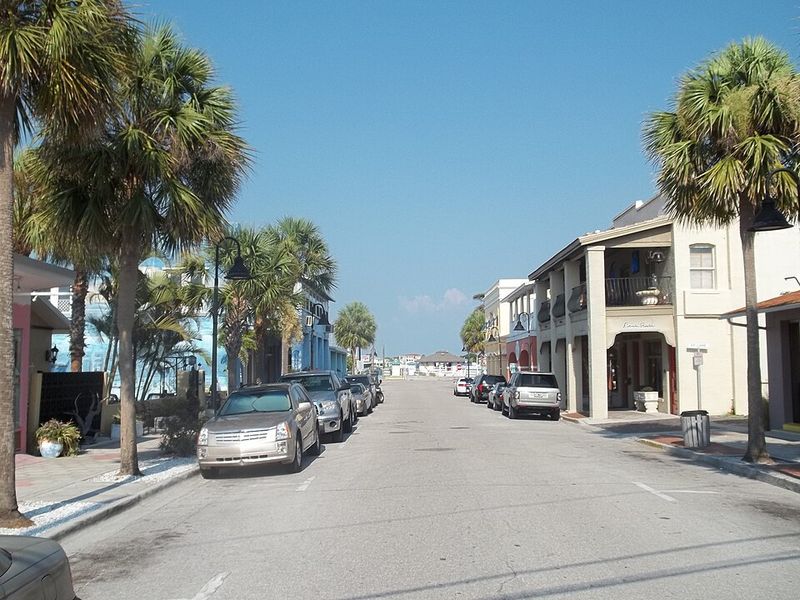
Shopping in Pass-A-Grille is the opposite of a mall experience. The shops here are small, independently owned, and stocked with things that actually reflect the character of the place rather than mass-produced souvenirs you could find in any airport gift shop.
You will find local artwork, handmade jewelry, vintage Florida postcards, and beach-inspired home goods tucked into storefronts along 8th Avenue. A few galleries showcase work from regional artists, and browsing through them feels less like shopping and more like a casual museum visit where you are allowed to buy things off the walls.
The shop owners tend to know their products well and are happy to talk about the artists or craftspeople behind them. It is refreshing to spend money somewhere and feel like it is actually going back into a real community.
Bring a tote bag and some patience, because the browsing is half the fun here.
Sunsets That People Plan Their Whole Day Around
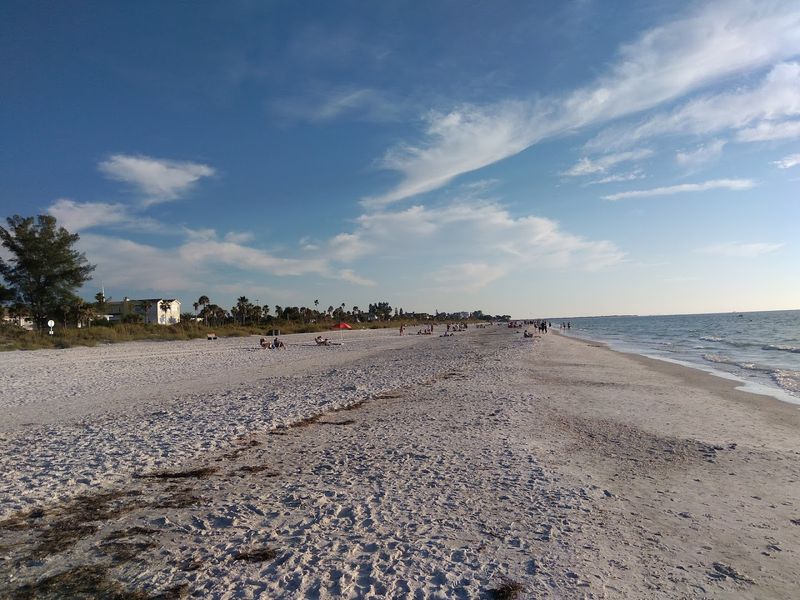
Florida has a lot of beaches, but Gulf Coast sunsets operate on a different level than most, and Pass-A-Grille is one of the finest places in the state to watch the sky do its thing. Because the beach faces due west, you get a completely unobstructed view of the sun dropping into the Gulf, and the colors that follow are the kind that make you put your phone down and just watch.
Locals and visitors alike treat the evening sunset as a communal event. People gather on the sand, some with beach chairs and snacks, others just standing quietly at the waterline.
There is a shared appreciation for the moment that makes strangers feel briefly like neighbors.
On clear evenings, you might catch the rare green flash, a split-second optical phenomenon that happens just as the sun disappears below the water. It is real, it is brief, and once you see it, you will understand why some people come back to this beach every single evening just hoping to catch it again.
The Heritage Village and Local Museum Connection
For anyone who wants to go deeper into the backstory of this place, the Gulf Beaches Historical Museum in Pass-A-Grille offers a fascinating look at how this community developed over more than a century. The museum is small but packed with photographs, artifacts, and stories that bring the early days of the district to life in a way that walking the streets alone cannot fully accomplish.
Exhibits cover everything from the original fishing camps to the early tourist trade, the construction of the Don CeSar, and the daily lives of the families who built their homes here generations ago. Admission is free or very low cost, which fits the unpretentious spirit of the neighborhood perfectly.
The staff and volunteers are genuinely enthusiastic about the history they are preserving, and a conversation with them often turns into an impromptu guided tour of the neighborhood’s most interesting stories. This is the kind of local institution that deserves more visitors than it gets.
Fishing, Kayaking, and Getting on the Water
Pass-A-Grille is not just about looking at the water from the shore. The surrounding waters offer some genuinely good opportunities for fishing, kayaking, and paddleboarding, especially for people who prefer their outdoor activities without a lot of gear or planning involved.
The waters on the bay side of the island are calm and shallow, making them ideal for beginners on a kayak or paddleboard. Rentals are available nearby, and the protected nature of the bay side means you can paddle without worrying about big waves or strong currents pulling you off course.
Fishing from the beach or from one of the small piers is a popular activity for locals of all ages. Redfish, snook, and spotted sea trout are common catches in these waters.
You do not need a boat or a guide to have a productive morning here, just a rod, some patience, and a willingness to get up before the heat of the day sets in.
Bird Watching and Wildlife Along the Shore
Wildlife watching in Pass-A-Grille is not something you have to seek out. It finds you.
Brown pelicans cruise just above the waterline in formation, roseate spoonbills flash their improbable pink color in the shallows, and osprey make dramatic dives for fish while you are still eating your breakfast sandwich on the beach.
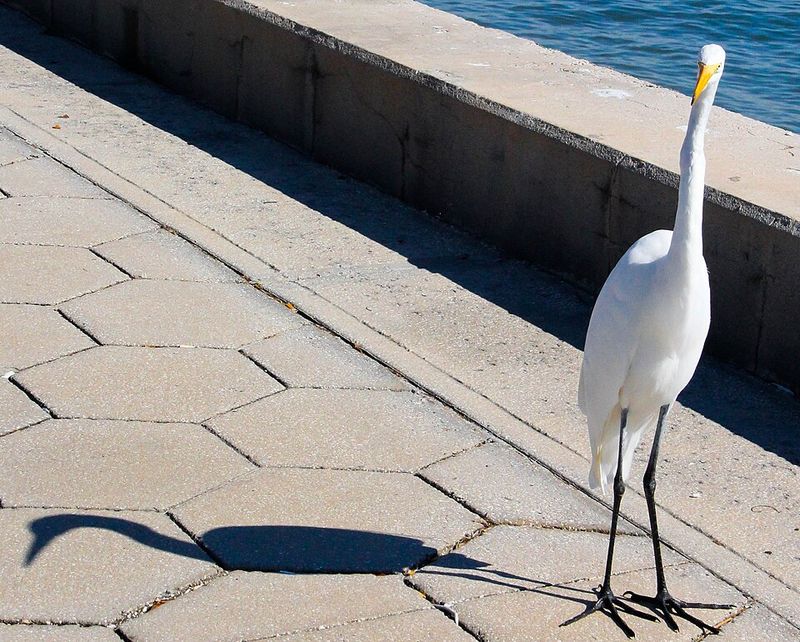
The bay side of the island, with its mangrove edges and tidal flats, is particularly rich with bird activity. Herons, egrets, skimmers, and sandpipers are year-round residents, while migratory species pass through during spring and fall in numbers that excite even casual observers.
Manatees are occasionally spotted in the calmer bay waters, especially in the cooler months when they seek out warmer areas near inlets. Dolphins are a near-daily presence in the Gulf, often visible from the beach without any special effort.
The wildlife here is not a scheduled event. It is simply part of the rhythm of the place.
Share this story