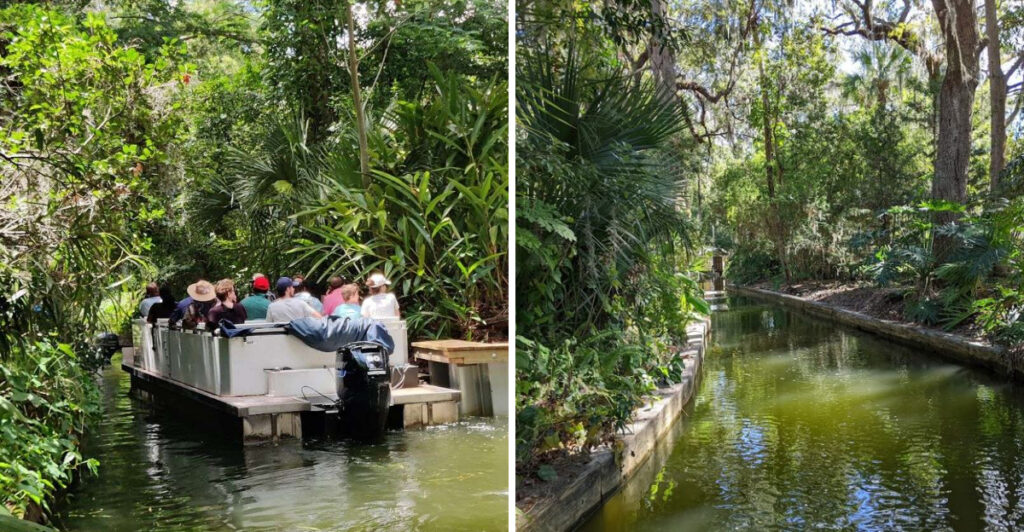
There is a place in central Florida where the water is so still and the trees hang so low that you genuinely start to wonder if you have paddled into a painting. Moss-draped oaks arch overhead, native birds glide silently past, and the whole scene feels more like a hidden rainforest than a suburb of Orlando.
The Winter Park Canal system connects a chain of spring-fed lakes through narrow, jungle-like waterways that most people drive right past without ever knowing they exist. This article takes you through every angle of this extraordinary spot, from its history and wildlife to the best ways to experience it yourself.
Where Exactly This Magical Waterway Begins
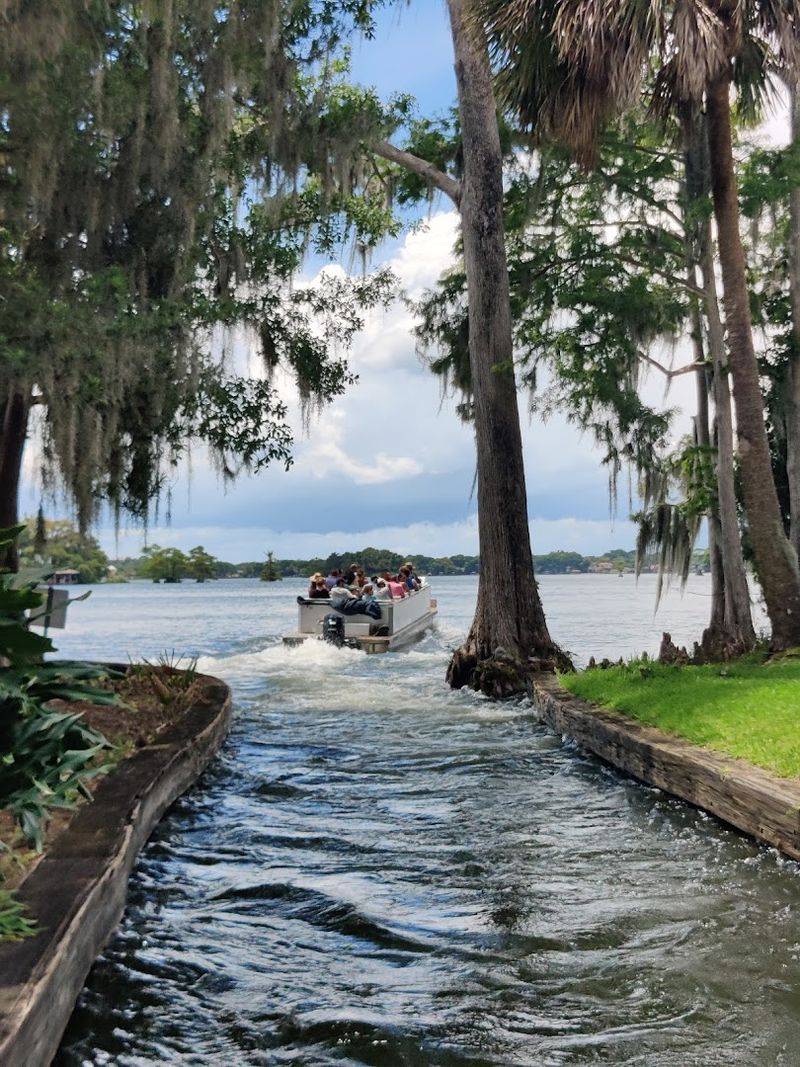
The Winter Park Canal system is officially accessible at 312 E Morse Blvd, Winter Park, FL 32789, right in the heart of one of central Florida’s most charming cities.
This is the launch point for the famous Winter Park Scenic Boat Tour, which has been operating on these waters since 1938, making it one of the longest-running boat tours in the entire state of Florida.
The canal itself serves as a connector between several spring-fed lakes, including Lake Osceola, Lake Virginia, and Lake Maitland, threading through narrow passages of dense subtropical greenery.
Finding the spot is easy. It sits just off Park Avenue, Winter Park’s beloved main street, so you can combine a canal adventure with a stroll through boutiques and cafes afterward.
The address puts you right at the dock, and parking is available nearby, making this a genuinely stress-free starting point for the experience.
The Canal’s Surprisingly Deep History
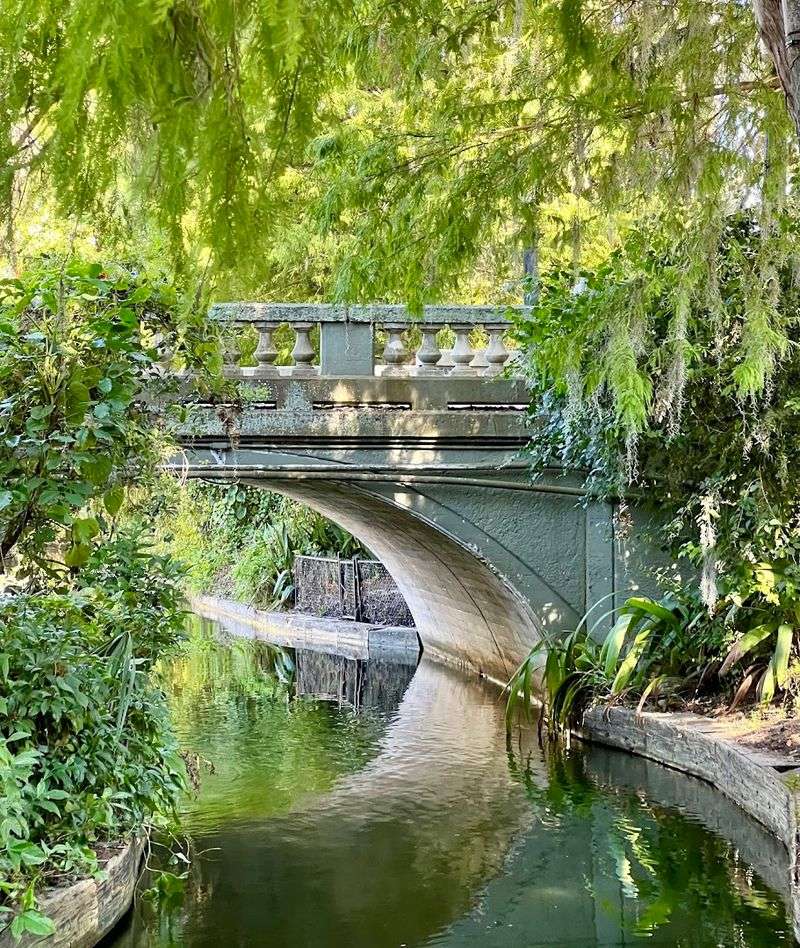
Long before tourists arrived with cameras and kayaks, the Timucua people used these waterways for transportation and fishing, recognizing the value of this connected lake system centuries ago.
European settlers later drained and reshaped parts of the landscape in the late 1800s, but the canal corridors largely survived, preserving their wild character through decades of development around them.
The Winter Park Scenic Boat Tour launched in 1938, turning what was essentially a local secret into a community institution that has welcomed millions of visitors over the decades.
That kind of longevity says something real about a place. When a simple boat ride through a narrow canal has been running continuously for over 85 years, it means the experience genuinely holds up.
The history here is not just preserved on a plaque but is actively alive in the water, the trees, and the boats still gliding through today.
What the Water Actually Looks Like Up Close
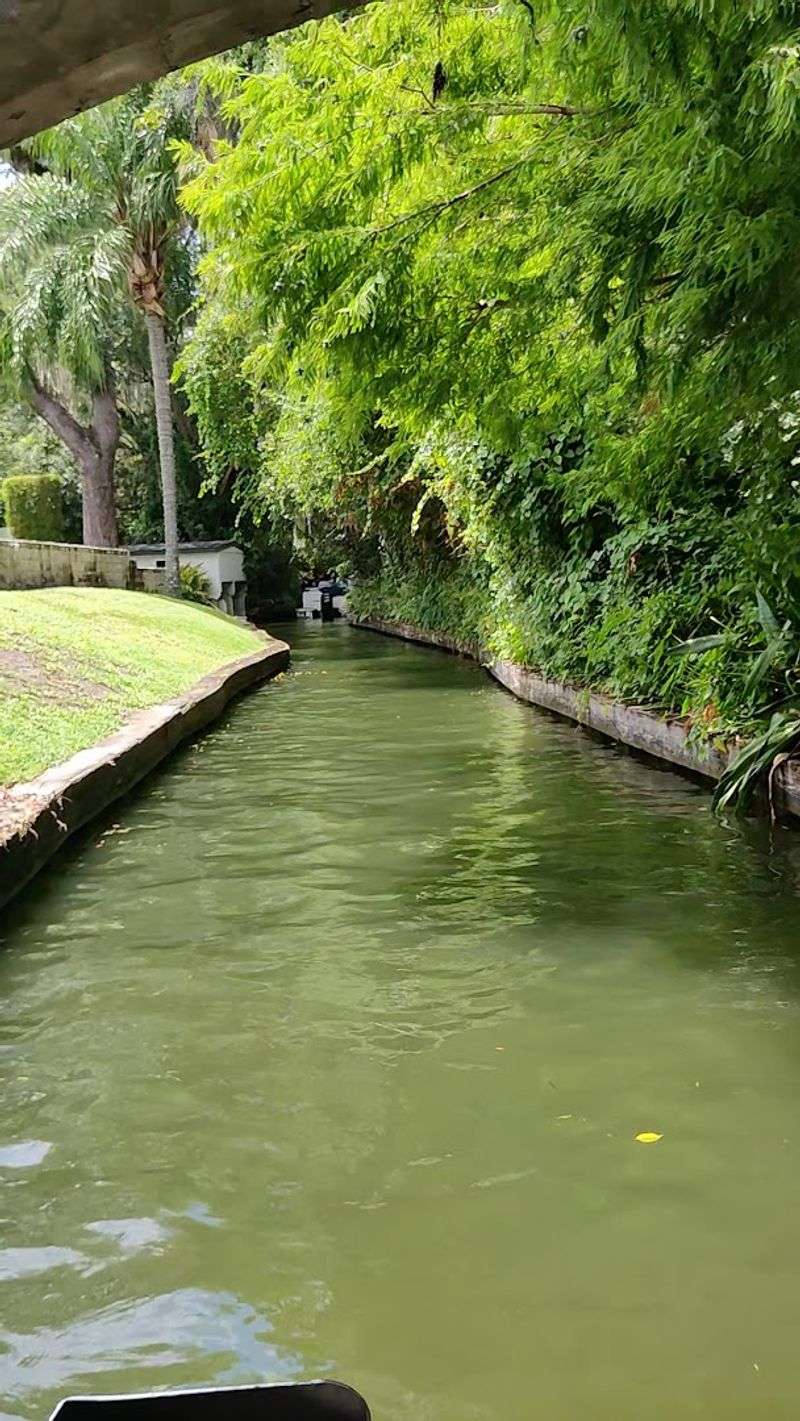
The water in the Winter Park Canal has a color that is hard to describe without sounding dramatic. It shifts between deep jade green and a dark, mirror-like black depending on the light and time of day.
That color comes from the tannins released by decaying leaves and cypress roots, a completely natural process that gives the canal its moody, otherworldly appearance.
On calm mornings, the surface acts like a flawless mirror, reflecting the overhanging trees so perfectly that the line between water and sky disappears entirely.
Lily pads cluster along the shallower edges, and patches of duckweed sometimes form bright green carpets that contrast sharply with the darker open water.
The visual effect is genuinely striking, and it is the kind of thing that makes first-time visitors reach for their phones almost immediately, even before the boat has left the dock.
The Canopy Overhead That Changes Everything
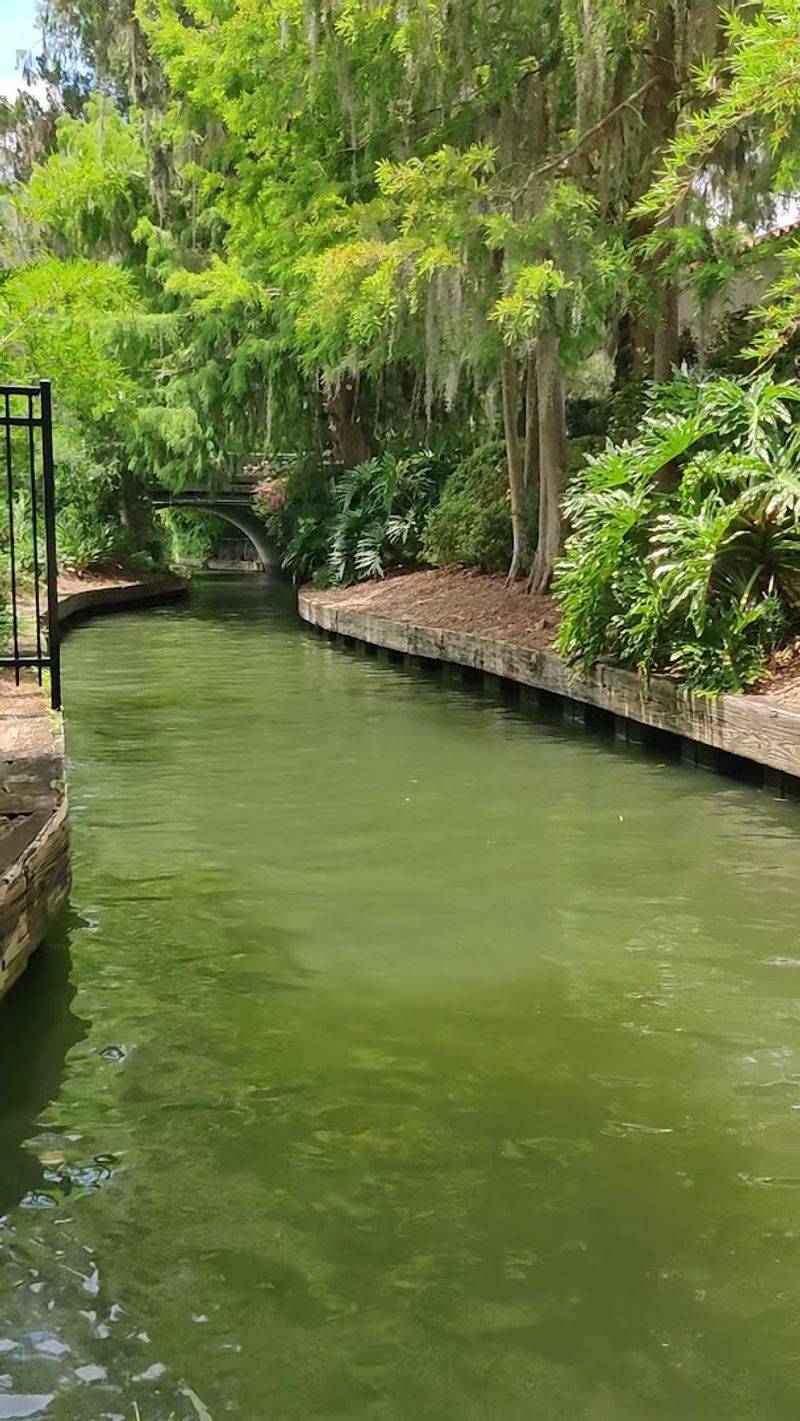
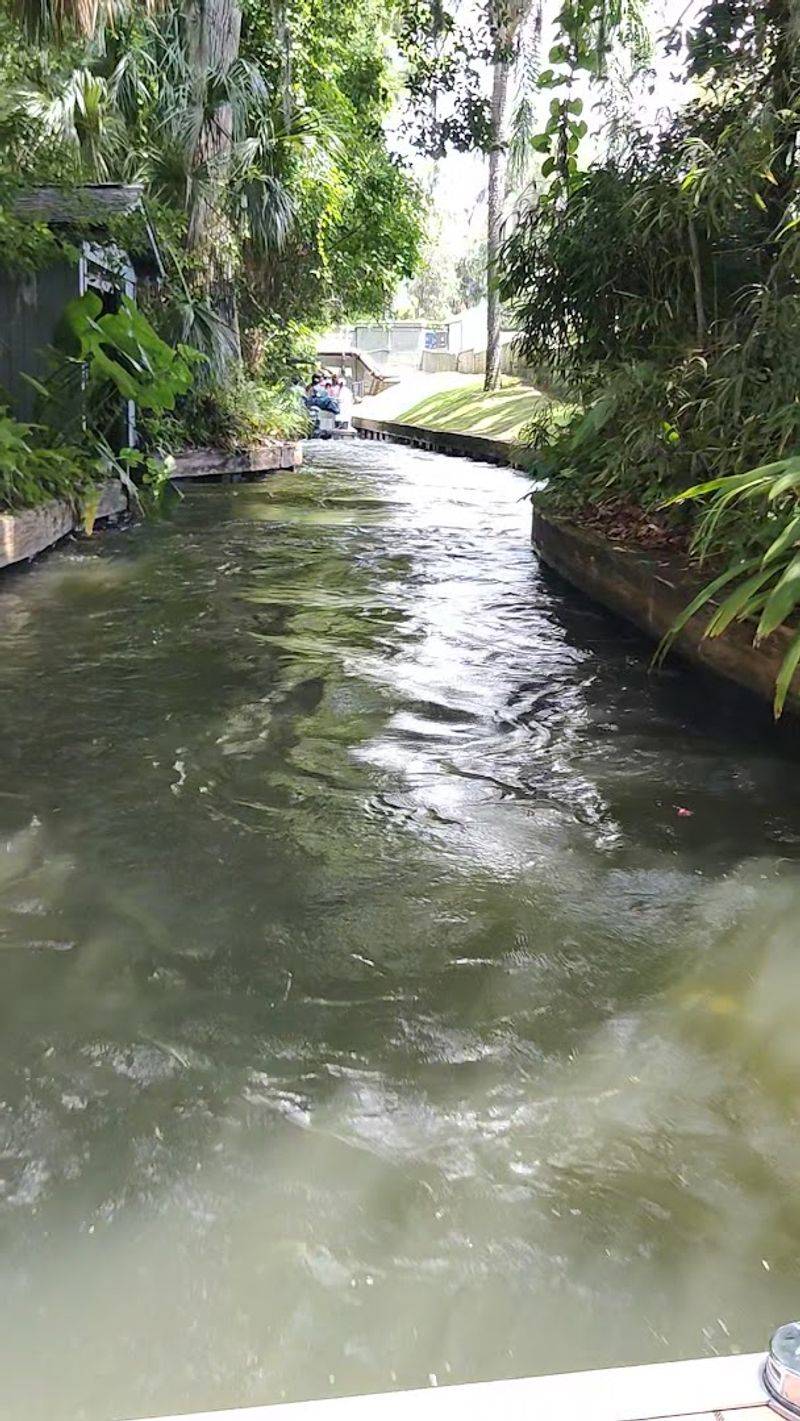
The single feature that makes the Winter Park Canal feel so surreal is the canopy. Ancient live oaks and bald cypress trees lean out over the water from both banks, their branches interlocking above to form a natural tunnel.
Spanish moss hangs in long, silvery curtains from nearly every branch, swaying gently in the breeze and filtering the sunlight into soft, dappled patches on the water below.
In some sections of the canal, the canopy is so dense that the temperature drops noticeably as you pass underneath, giving you a brief, cool reprieve from the Florida heat.
The effect is theatrical in the best possible way. You move from open lake into this enclosed green corridor, and the whole atmosphere shifts within seconds.
Nature built something here that no landscape architect could replicate, and the canopy is the undeniable star of the show every single time.
Wildlife You Can Expect to Spot Along the Way
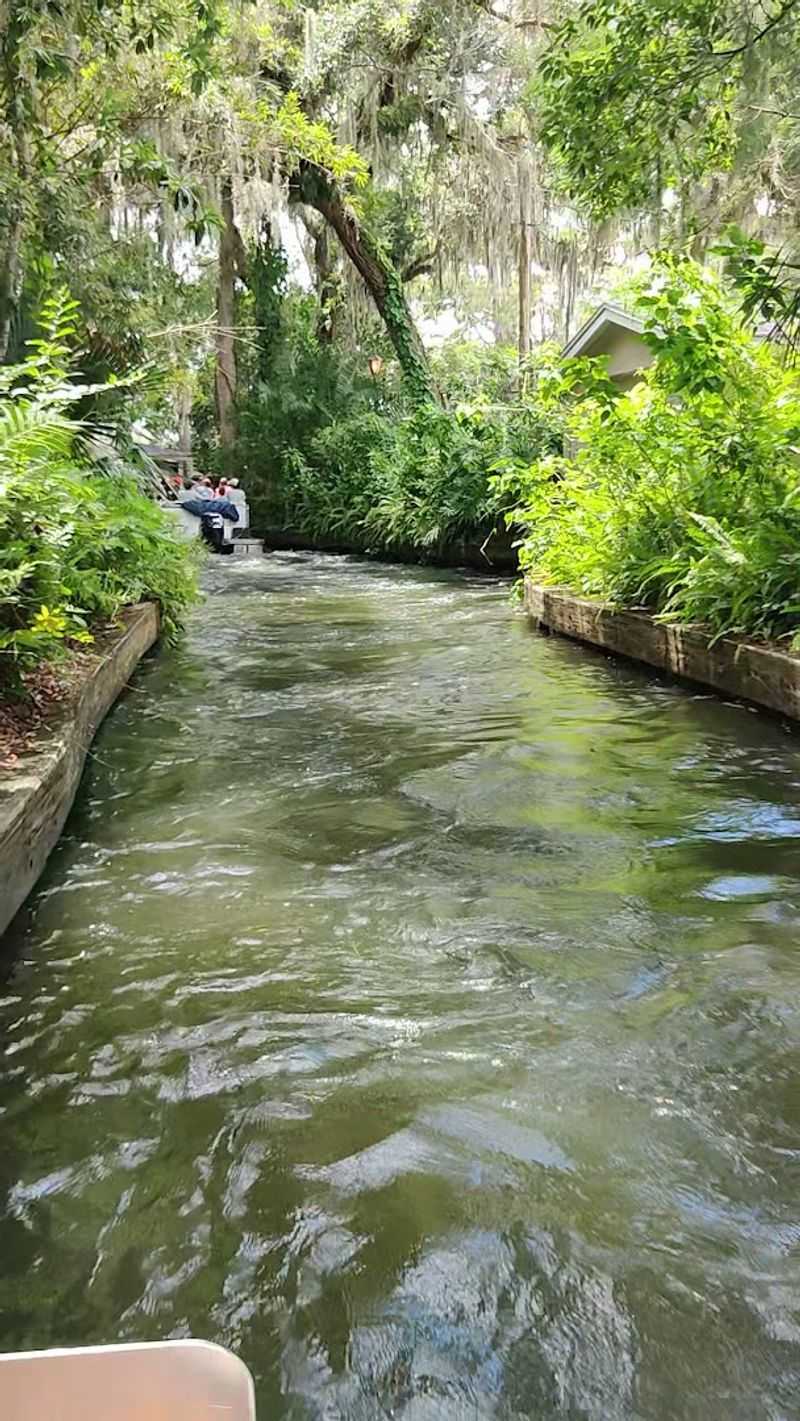
The canal corridor functions as a wildlife highway, and if you move quietly, the variety of animals you encounter is genuinely impressive for an urban waterway.
Great blue herons are practically permanent residents here, standing motionless on submerged roots and logs with that particular brand of patience that makes them look like decorative statues.
Anhingas are another frequent sight, often perching with their wings spread wide to dry in the sun, a posture so dramatic it looks like a nature documentary pose.
Turtles line up on logs in groups, and in the warmer months, American alligators can occasionally be spotted resting along the bank or drifting slowly through the water.
Osprey and various egret species round out the birdwatching opportunities, making the canal a genuinely rewarding spot for anyone who appreciates Florida’s wild side without needing to travel deep into a nature preserve.
Kayaking the Canal as a Solo Adventure
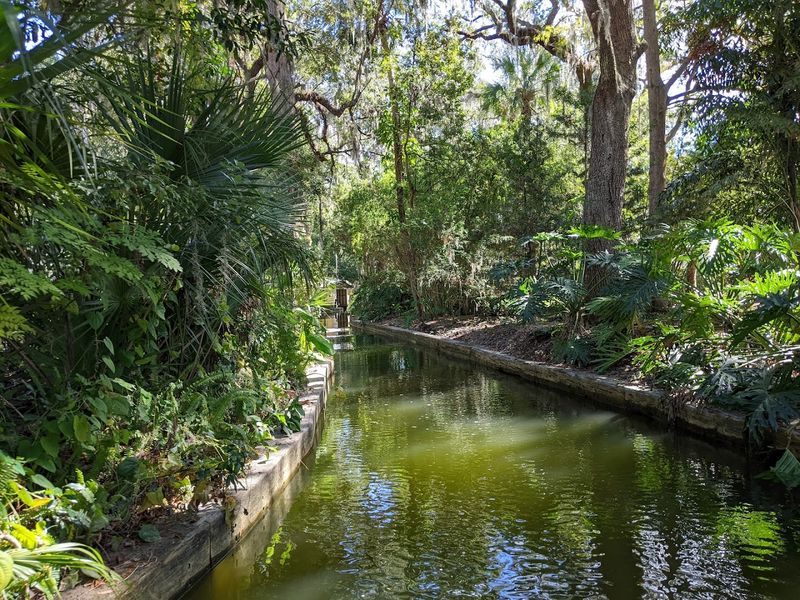
Getting out on the canal in a kayak is a completely different experience from taking the scenic boat tour, and both are worth doing if you have the time.
Several local outfitters near the Morse Boulevard access point rent kayaks and canoes by the hour, and the route through the canal system is well-marked enough that beginners feel comfortable from the very first stroke.
The narrow sections of the canal require a bit of maneuvering, which adds a fun, active element to the paddle rather than making it stressful.
Because you are sitting low on the water, the canopy feels even more immersive from a kayak than from a tour boat, and you can stop whenever you want to watch a heron or let a turtle cross your path.
Early mornings on weekdays are the quietest times to paddle, and the light filtering through the moss at that hour is the kind of thing that stays with you.
The Scenic Boat Tour Experience Explained
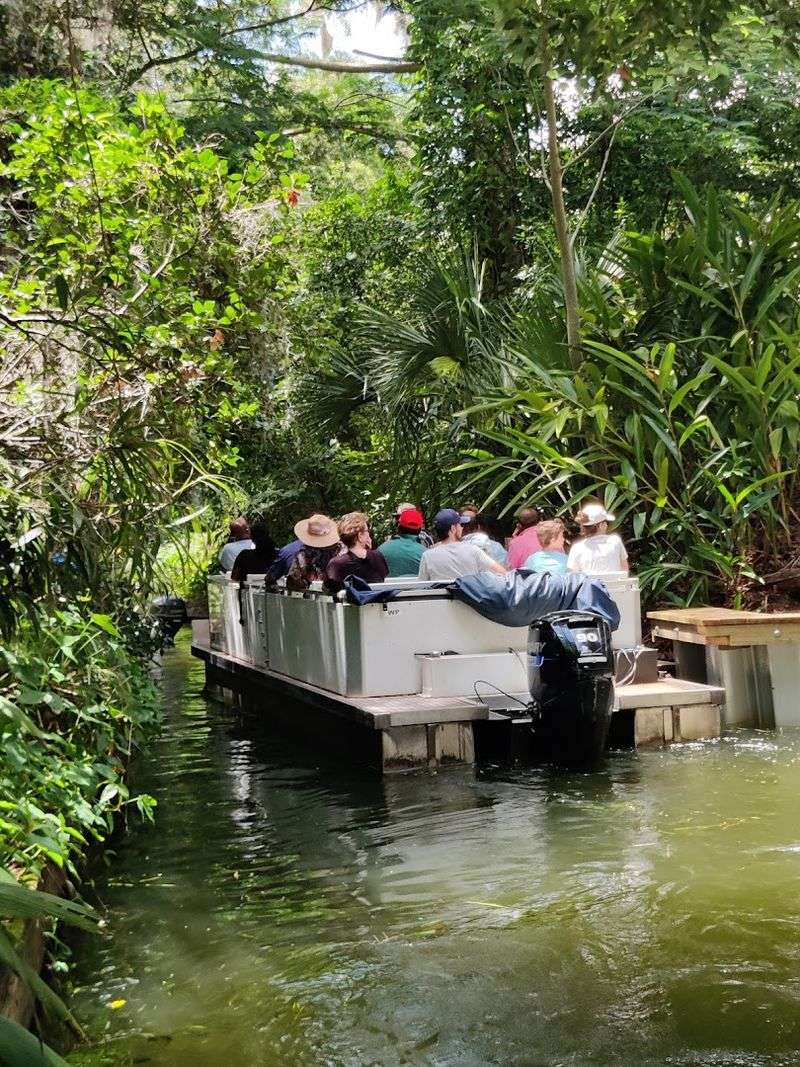
The Winter Park Scenic Boat Tour is the most popular way to experience the canal, and its decades of operation have turned it into something of a local legend rather than just a tourist attraction.
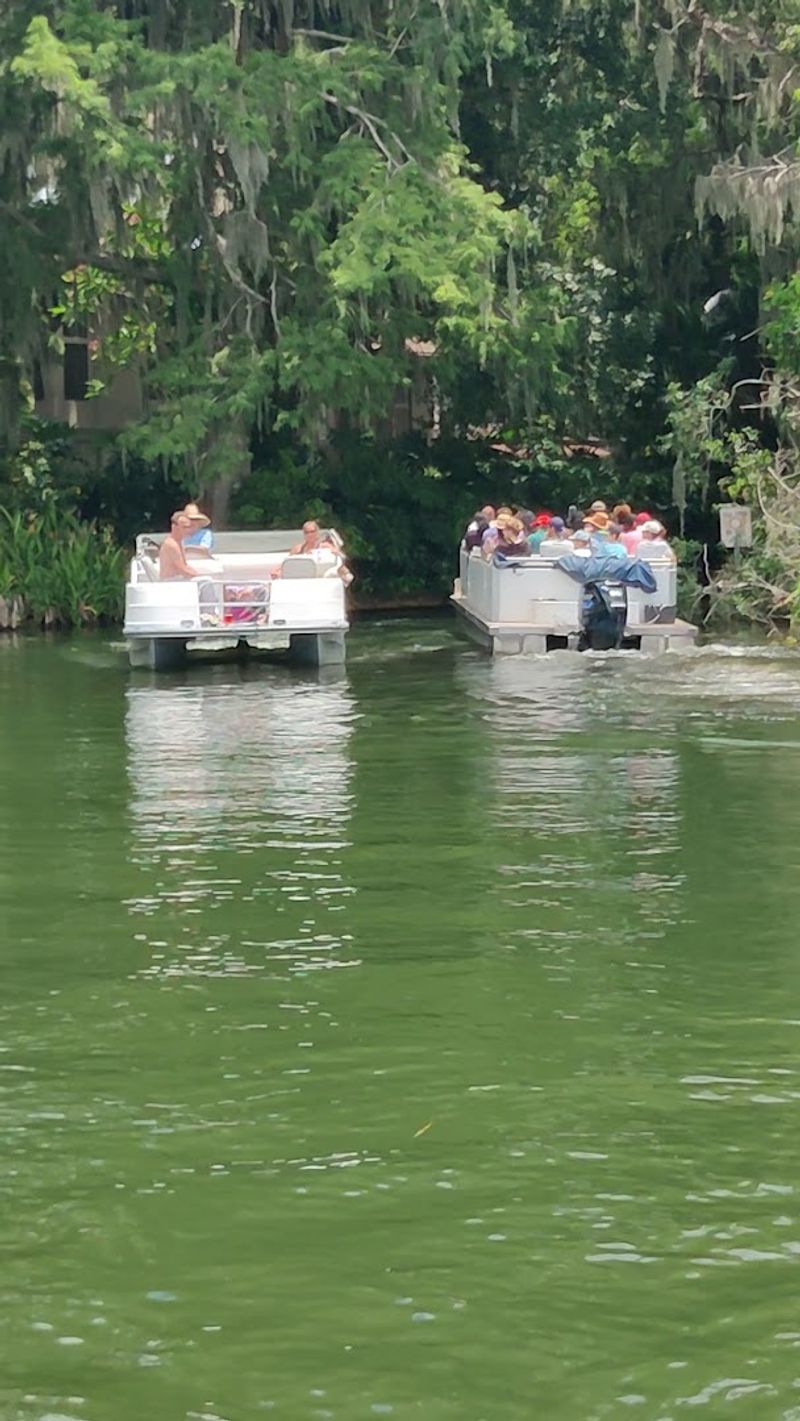
Small, open-air electric boats carry groups of passengers through the canal system and across the connected lakes, with a knowledgeable captain narrating the entire journey.
Tours run daily and last about one hour, covering approximately 12 miles of waterways and passing through all three major lakes as well as the connecting canal corridors.
The captains are genuinely entertaining, mixing local history, wildlife facts, and neighborhood commentary in a way that keeps the tour lively from start to finish.
Tickets are reasonably priced, and the boats fill up quickly on weekends, so arriving early or booking ahead is a smart move if you want a guaranteed spot on a specific departure.
The Lakes That the Canal Connects
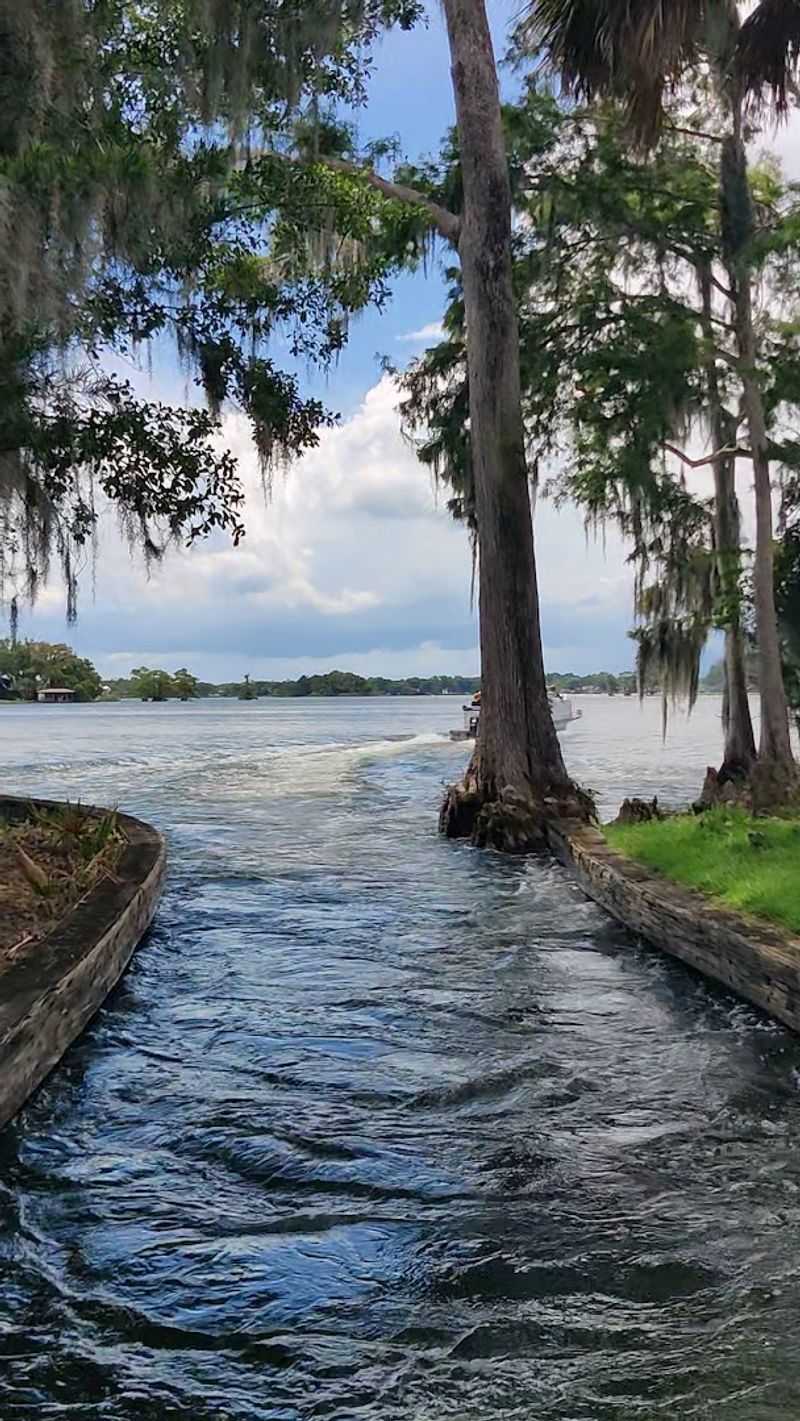
The canal does not exist in isolation. It is the connective tissue between a chain of spring-fed lakes that together form one of the most scenic water systems in all of central Florida.
Lake Osceola, Lake Virginia, and Lake Maitland are the three main bodies of water linked by the canal, each with its own character and set of surrounding landmarks.
Lake Virginia borders the campus of Rollins College, one of Florida’s oldest universities, giving that section of the tour a distinctly academic and architectural flavor as you glide past historic buildings and manicured lawns.
Lake Maitland is the largest of the three and opens up into wide, bright water that feels like a complete contrast to the enclosed, shadowy canal passages.
Moving between these lakes through the narrow canal creates a rhythm of expansion and compression that makes the overall journey feel genuinely varied rather than repetitive.
Rollins College and the Waterfront Views
One of the most unexpected highlights of the canal and lake tour is gliding past the waterfront edge of Rollins College on Lake Virginia, where the campus architecture meets the shoreline in a genuinely striking way.
Rollins College was founded in 1885, making it the oldest recognized college in Florida, and its Mediterranean Revival buildings look particularly elegant when viewed from the water.
The college’s boathouse and waterfront facilities are visible from the lake, and on weekday mornings, you can sometimes spot crew teams rowing in formation, adding a sense of activity and life to the scene.
The contrast between the manicured academic campus and the wild, mossy canal passages you just traveled through is part of what makes this tour so visually interesting.
It is a reminder that Winter Park manages to be both a polished, cultured city and a place with genuine natural wildness running right through its center.
The Lakeside Homes You Will Not Believe Are Real
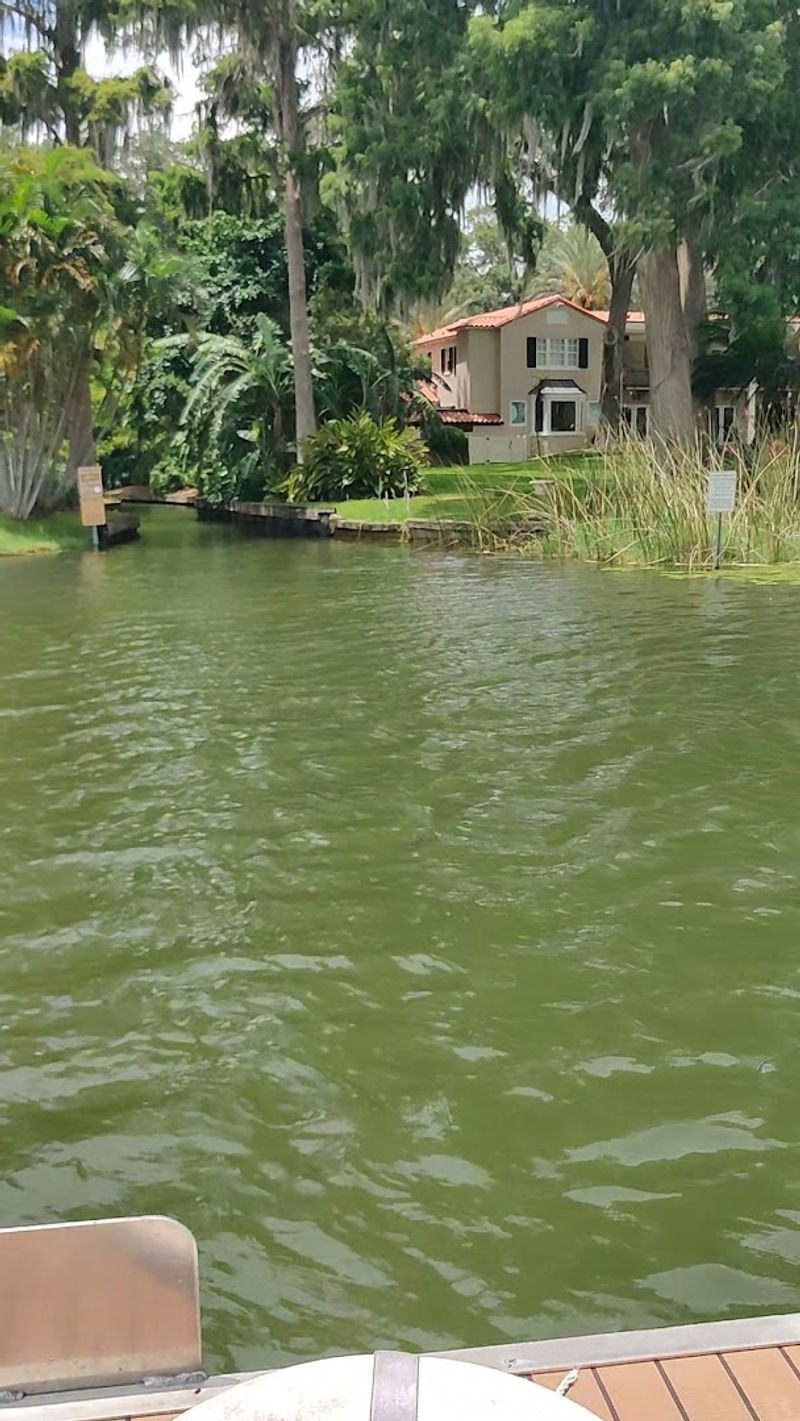
Part of what makes the boat tour so endlessly entertaining is the real estate. The shores of Lake Osceola and Lake Maitland are lined with some of the most extraordinary private homes in central Florida.
Multi-million dollar estates sit directly on the water, many with private docks, manicured gardens, and the kind of architectural detail that turns a boat ride into an informal architecture tour.
Some of the homes date back to the early twentieth century, when Winter Park became a fashionable winter retreat for wealthy families from the northeastern United States.
The tour captains often share brief stories about the properties and their histories, which adds context to what might otherwise just be a parade of impressive square footage.
Seeing these homes from the water gives you a perspective that you simply cannot get from the street, and it adds a distinctly glamorous layer to an already beautiful experience.
Best Times of Year to Visit the Canal
Florida’s reputation as a year-round destination is well earned, but the Winter Park Canal has some genuinely better windows than others for a visit.
The cooler months between October and April offer the most comfortable temperatures, typically ranging from the mid-60s to low 80s Fahrenheit, which makes spending an hour on an open-air boat or paddling a kayak genuinely pleasant.
Summer visits are absolutely doable, but the heat and humidity between June and September are intense, and afternoon thunderstorms are a near-daily occurrence during those months.
Wildlife activity tends to be highest in spring, when nesting birds are active along the canal banks and the vegetation is at its most lush and vivid green.
Weekday mornings in the fall and winter months are the sweet spot for combining comfortable weather, lower crowds, and the kind of quiet that lets you actually hear the birds rather than just see them.
The Plants and Vegetation That Define the Atmosphere
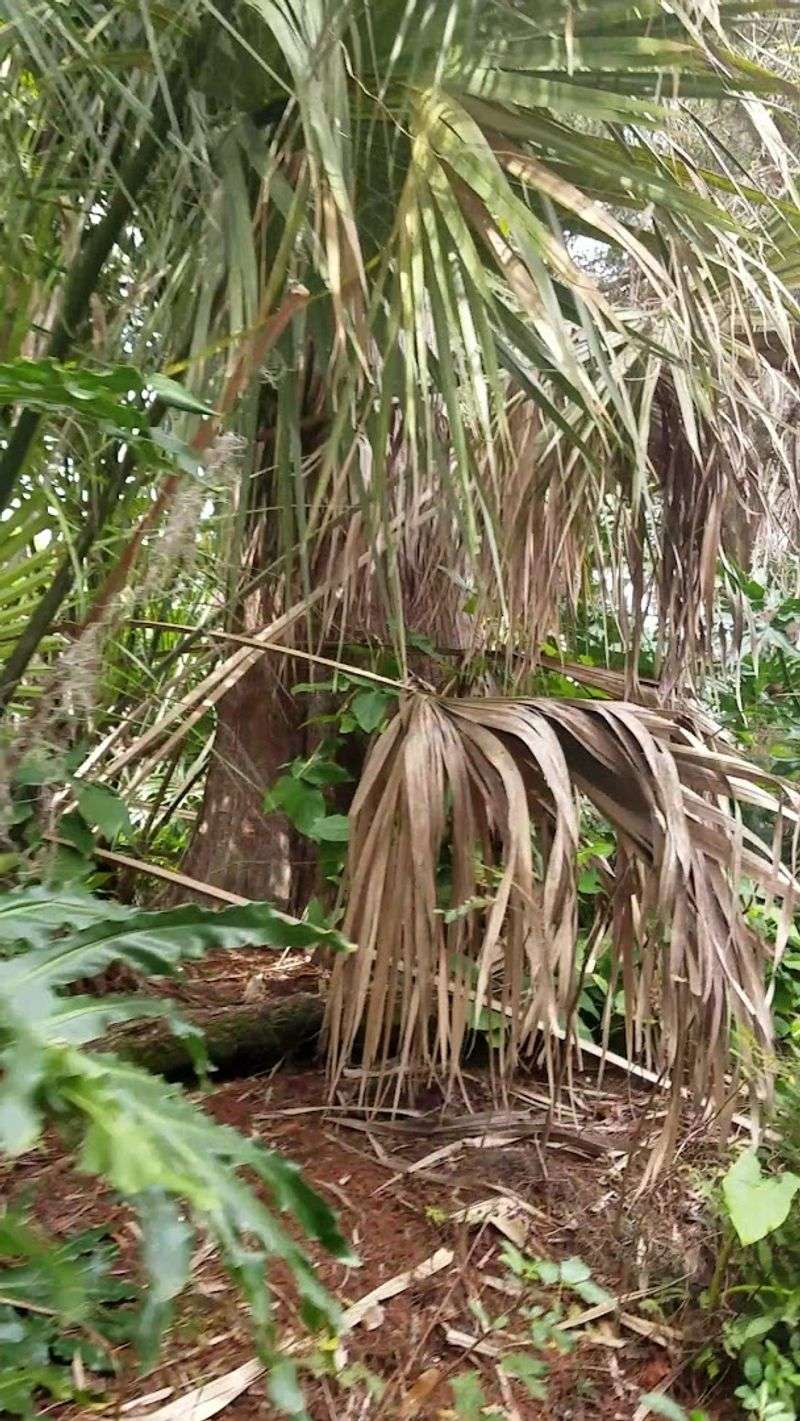
The vegetation along the Winter Park Canal is a big part of why the place feels so visually dramatic, and it is worth paying attention to the specific plants rather than just experiencing them as a general green blur.
Bald cypress trees are the dominant species in the wettest sections, their distinctive knobby roots, called cypress knees, poking up from the waterline in clusters that look almost architectural.
Wild ferns, native palms, and various aquatic grasses fill in the lower layers, creating a dense, layered wall of green on both sides of the narrower canal passages.
Resurrection ferns grow directly on the oak branches overhead, turning bright green after rain and giving the canopy an extra layer of texture and life.
The overall effect is a landscape that feels genuinely subtropical and untouched, even though you are technically paddling through a managed park system inside a busy Florida city.
Practical Tips for First-Time Visitors
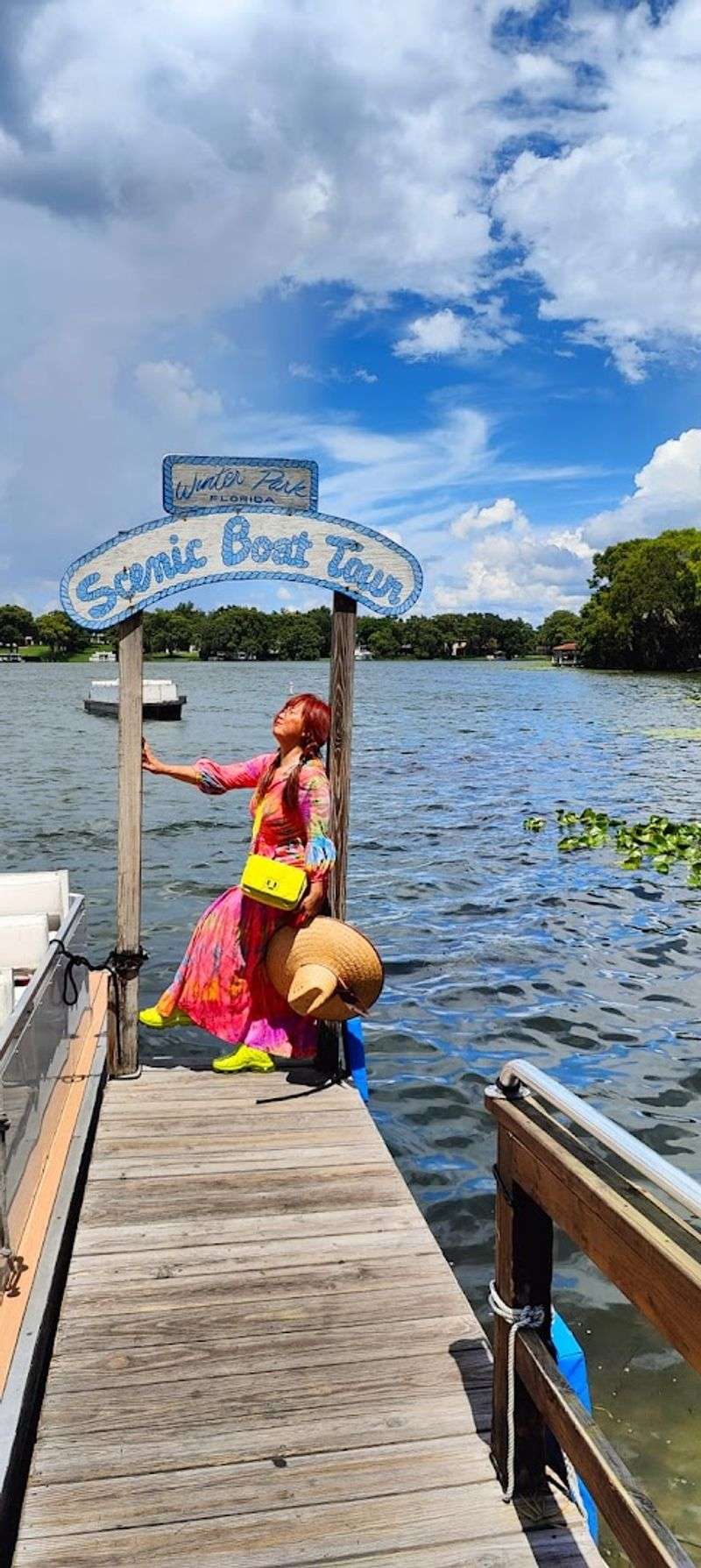
A few practical details can make the difference between a smooth visit and a frustrating one, so it is worth going over the basics before you head out to the canal.
The Winter Park Scenic Boat Tour operates daily, and the dock is located right at 312 E Morse Blvd, which is easy to find with any standard navigation app.
Arrive at least 15 minutes before your preferred departure time, especially on weekends, since the tours fill up quickly and walk-up spots are not always guaranteed.
Sunscreen and a hat are non-negotiable, even on overcast days, because the Florida sun reflects off the water and catches people off guard more often than you would expect.
If you are kayaking instead of touring, confirm rental availability in advance, bring water, and wear shoes that can get wet, since launching from the bank occasionally involves a slightly muddy step or two.
Photography Opportunities That Are Hard to Beat
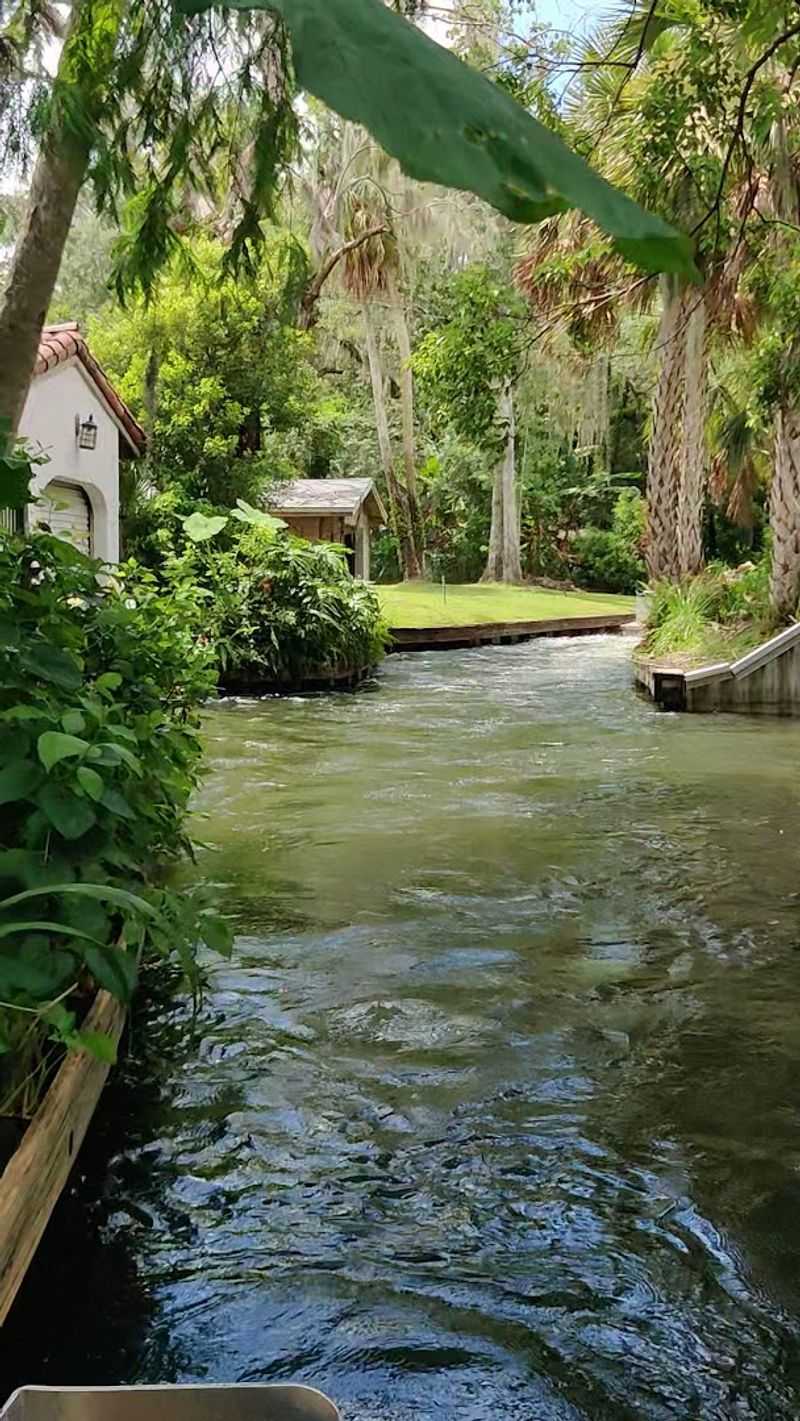
The Winter Park Canal is one of those rare places where almost every direction you point a camera produces something worth keeping.
The combination of dark reflective water, draped Spanish moss, dappled light, and wildlife creates a layered scene that rewards both wide-angle landscape shots and tight close-ups of individual details.
Golden hour, the hour after sunrise and the hour before sunset, produces the most dramatic light on the canal, when warm tones hit the moss and the water surface turns from green to gold.
Wildlife photography is particularly rewarding here because the animals are accustomed to quiet boat traffic and tend to hold their positions longer than they would in more disturbed environments.
Even a smartphone camera produces genuinely impressive results on the canal, which means you do not need professional equipment to leave with photos that make your friends question whether you were really in Florida.
Share this story