Most history books skip the good stuff. The real stories, the ones about resilience, community, and quiet rebellion, are hiding in plain sight across South Jersey.
From a doctor who healed his neighbors with homemade remedies to entire towns built by free Black families, these landmarks hold chapters that never made it into the classroom. Grab your curiosity and maybe a snack, because this history is too good to rush through.
Dr. James Still Historic Office Site & Education Center (Medford)
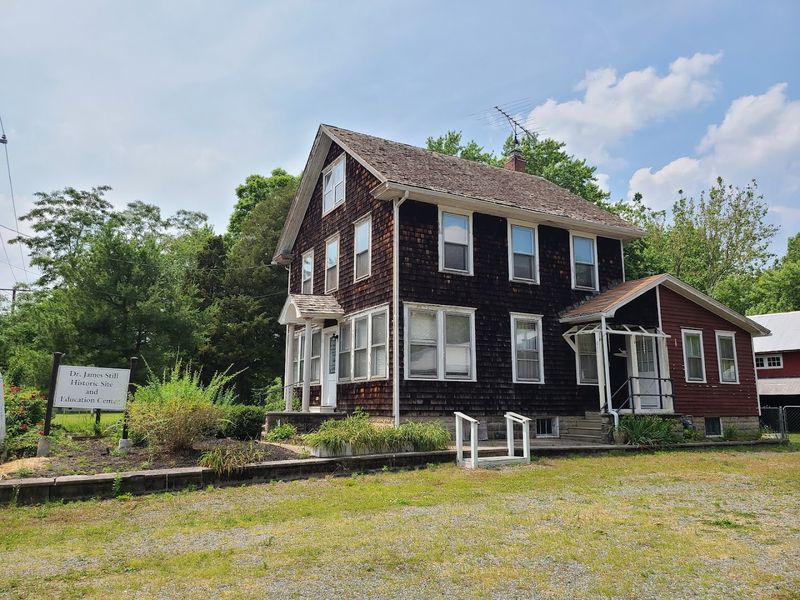
The man they called the “Black Doctor of the Pines” never attended medical school, yet he healed hundreds of patients across South Jersey. Dr. James Still taught himself medicine through sheer determination, using botanical remedies and relentless study in an era when Black men were systematically denied formal education.
His story is extraordinary on every level. Born free in 1812, Still built a thriving practice in Burlington County while navigating racism that would have crushed most people.
He charged what patients could afford, which sometimes meant accepting chickens instead of cash.
The Historic Office Site in Medford preserves his legacy and offers real context for what it meant to be a Black professional in the 1800s. Tours run on select Sundays, and group visits can be arranged in advance.
I visited on a quiet afternoon and left genuinely moved. The site is small but mighty, and the education center does a brilliant job of framing Still’s achievements without sugarcoating the obstacles he faced.
Check the site before visiting since hours are limited.
Peter Mott House Underground Railroad Museum (Lawnside)
Not every hero wore a cape. Some of them just quietly opened their back door in the middle of the night.
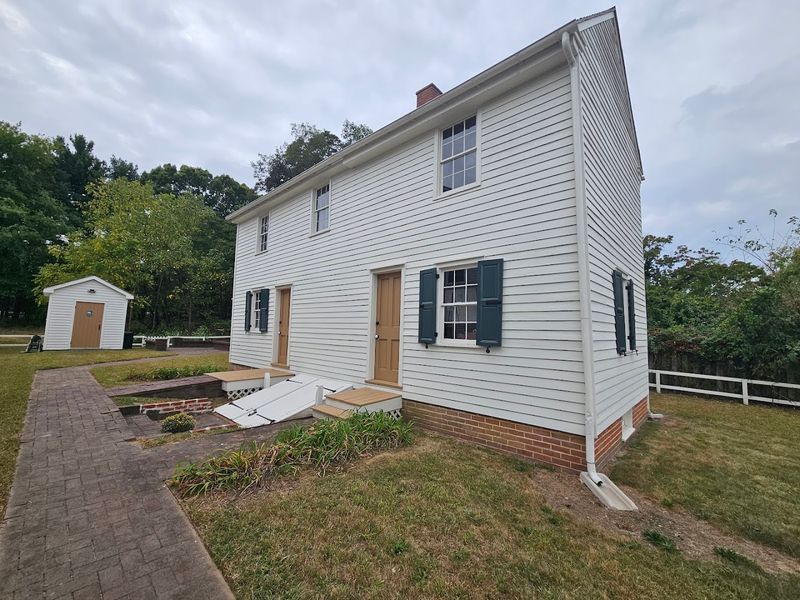
Peter Mott was a free Black man who used his own home in Lawnside as a stop on the Underground Railroad, helping freedom seekers move north without getting caught.
What makes this site genuinely rare is that the house is still standing. Most Underground Railroad sites exist only in oral tradition or historical records.
The Peter Mott House is a physical place you can walk through, which hits differently than reading about it in a textbook.
Lawnside itself is a fascinating story. It became one of the few municipalities in America that was incorporated and governed by Black residents, making it a symbol of self-determination long before that phrase became popular.
The museum does a solid job of connecting Mott’s personal story to the broader community history. Visitor details including accessibility notes are posted by the museum directly, so check those before heading out.
This one is absolutely worth the trip.
Mount Zion African Methodist Episcopal Church (Woolwich Township)
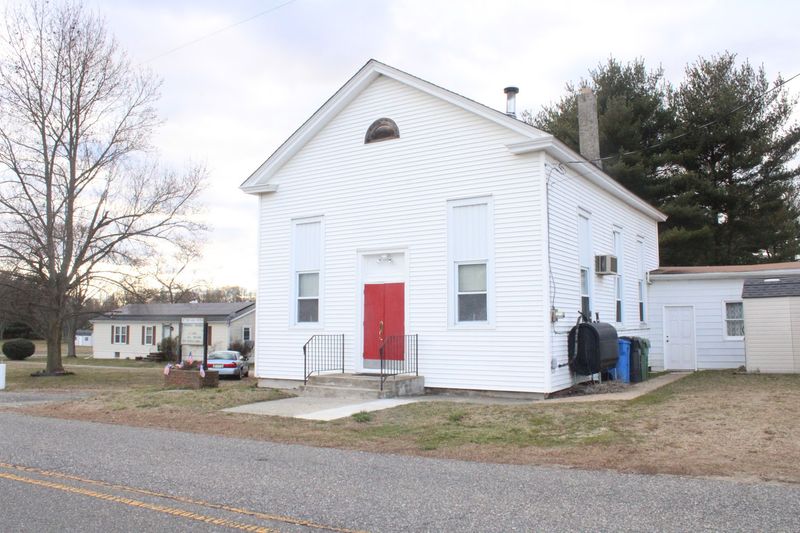
Woolwich Township is not exactly a place people expect to find a landmark this significant. Yet tucked into Gloucester County is Mount Zion AME Church, a congregation with roots stretching back to a free Black settlement that existed long before most people assumed freedom was even possible here.
The church is directly tied to land set aside for freed Black families, supported by anti-slavery Quakers who put their beliefs into action. That partnership between Black settlers and Quaker abolitionists shaped entire communities across South Jersey in ways that rarely get proper credit.
Mount Zion represents something beyond bricks and mortar. It is a living record of people who built institutions from scratch under impossible circumstances.
The congregation remains active today, which means you should absolutely plan your visit respectfully. Contact the stewarding organization before showing up, because this is not a museum with posted hours.
It is a place of worship first, and a historical landmark second. That combination, honestly, makes it more powerful.
History here is not behind glass. It is still breathing.
Historic Macedonia AME Church (Camden)
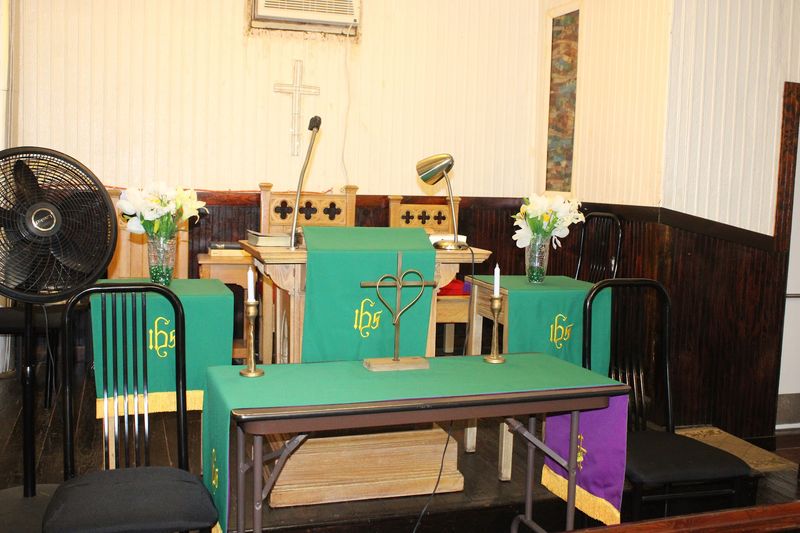
Founded in 1832, Macedonia AME Church holds the title of Camden’s oldest African American institution, and it has stood on the same site since day one. That kind of staying power is not an accident.
It is a testament to generations of people who refused to let their community be erased.
African Methodist Episcopal churches were more than places of worship. They were community centers, meeting halls, schools, and safe spaces during times when Black Americans had precious few of those.
Macedonia AME played all those roles for Camden’s Black residents through decades of struggle and progress.
Camden’s history tends to get overshadowed by its challenges, but this church is proof that the city has always had a backbone. The congregation is still active today, which means your visit requires some planning.
Contact the church ahead of time if you are hoping to stop by outside of service hours. Walking past the building alone is meaningful, but connecting with the people inside is where the real story lives.
Nearly two centuries of community memory are stored in those walls.
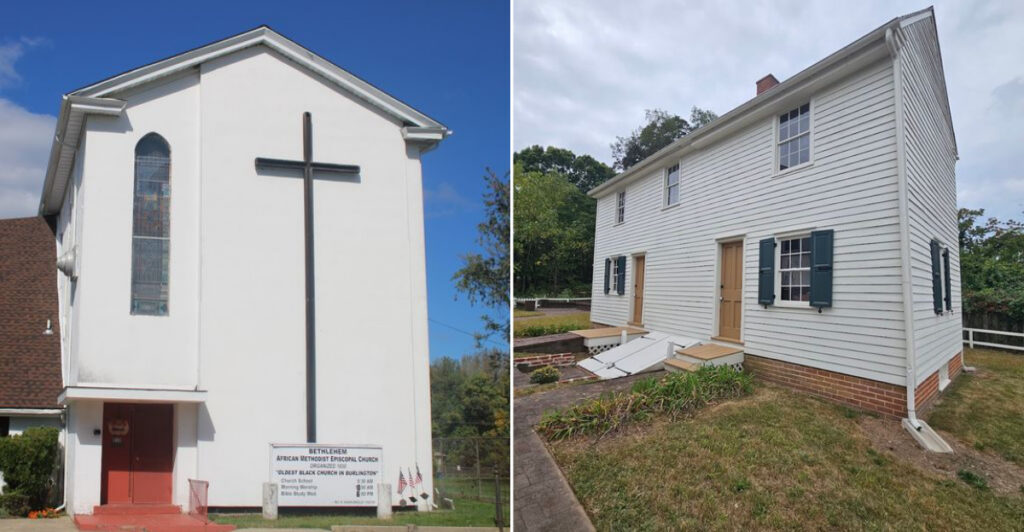
Bethlehem AME Church (Burlington)
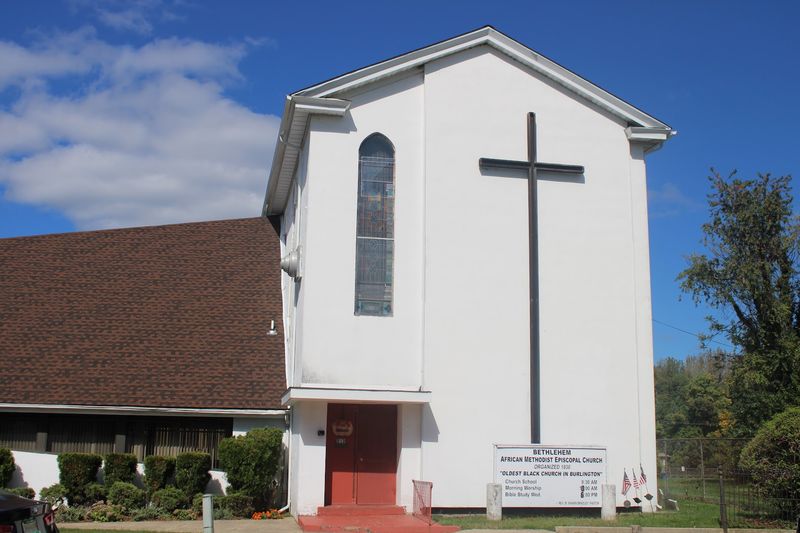
Burlington has layers. On the surface it looks like a quiet river town full of colonial charm.
Underneath, it holds a rich Black history that most visitors walk right past without realizing it. Bethlehem AME Church is one of those hidden layers, and it has been anchoring Burlington’s Black community since the early 1800s.
AME churches like Bethlehem were founded specifically because Black worshippers were tired of being pushed to the back pews of white churches. The AME denomination itself was born from that frustration, and every congregation carries that origin story with it.
Bethlehem’s roots connect directly to that founding energy.
The church remains active, which is honestly the best kind of landmark. History here is not frozen in time.
It keeps moving, keeps gathering, keeps celebrating and mourning alongside the community it was built to serve. The church’s own website publishes contact information and historical background, which is genuinely helpful if you want to plan a respectful visit.
Reach out before you go, especially if you are hoping for a tour or a deeper conversation about the congregation’s history.
Burlington Pharmacy (Burlington)
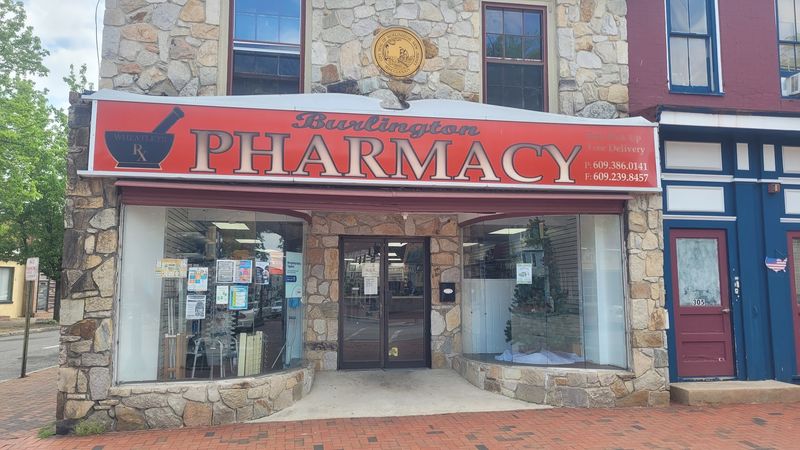
Here is something you do not expect on a history tour: a fully operational pharmacy. Burlington Pharmacy on High Street claims the title of New Jersey’s oldest continuously operating pharmacy, and it has been filling prescriptions from the same location for a remarkably long time.
Local oral tradition links the building to Underground Railroad-era refuge, suggesting it may have served as a hiding spot for freedom seekers moving through Burlington. Oral history does not always come with footnotes, but it carries real weight in communities where written records were deliberately kept incomplete.
Even without the Underground Railroad connection, this place earns its spot on the list. A business that has survived this long in the same location, in a community with this much history, is its own kind of landmark.
The key thing to remember is that this is an active pharmacy, not a museum. Real people are picking up real prescriptions here.
Be respectful, keep it brief if you stop in, and appreciate the fact that some history is still very much open for business. That is kind of wonderful when you think about it.
Mount Peace Cemetery (Lawnside)
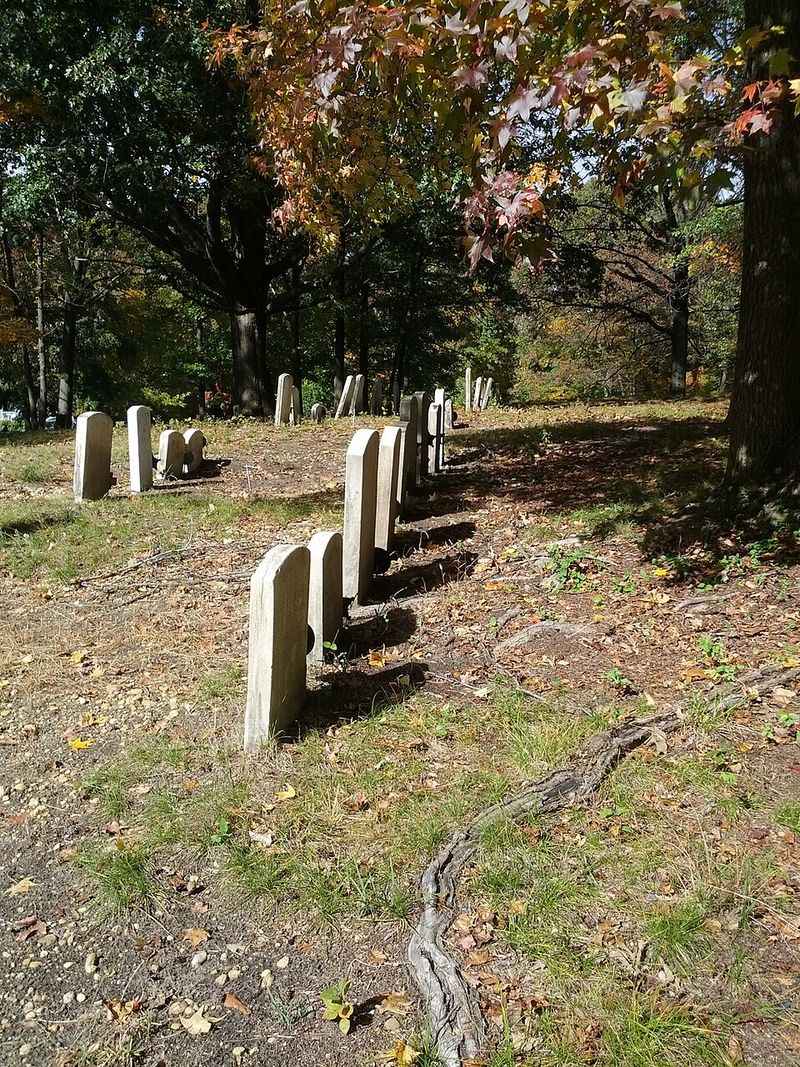
Cemeteries are basically open-air archives, and Mount Peace Cemetery in Lawnside is one of the most important archives in South Jersey. Established in 1900, it holds the graves of families, veterans, and community builders from historically Black Lawnside, a town that has always done things its own way.
Walking through a cemetery like this tells you things no textbook ever will. You see the names, the dates, the military markers.
You piece together generations of a community that survived, thrived, and left something permanent behind. Veterans from multiple wars are buried here, men and women who served a country that did not always return the favor.
The cemetery has an active preservation organization, which means it is not just a relic. People are actively working to restore headstones, document names, and keep the memory of these individuals alive.
Check their site for volunteer days if you want to do more than just visit. Getting your hands dirty pulling weeds around a century-old gravestone is a surprisingly meaningful way to connect with history.
Show up with respect, and maybe some sturdy gloves.
Burlington Friends (Quaker) Meeting House (Burlington)
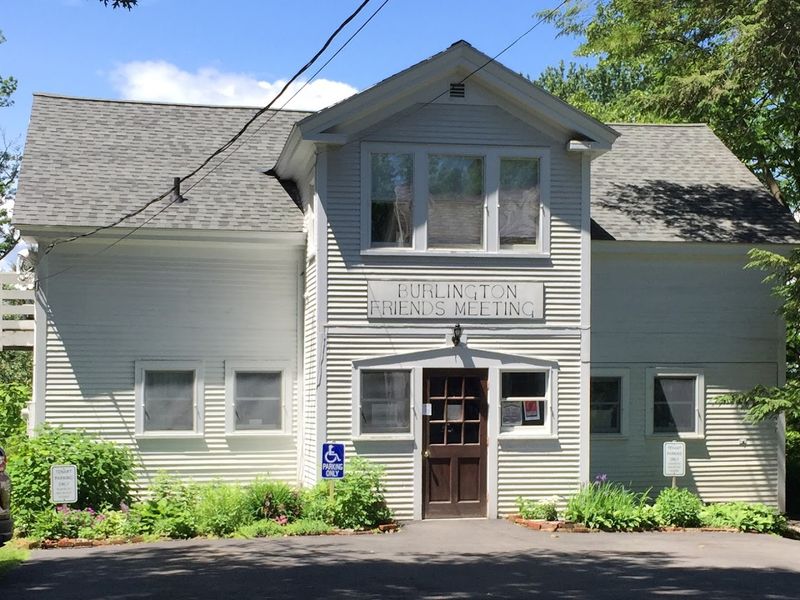
You cannot fully understand South Jersey’s Black history without understanding the Quakers. That might sound like a strange detour, but the Burlington Friends Meeting House is where a lot of the moral and organizational groundwork for local abolitionism was laid.
These were not passive bystanders.
Burlington Quakers debated, organized, and in many cases acted directly against slavery at a time when that position was genuinely dangerous. The connections between Quaker networks and free Black settlements like Timbuctoo, and safe houses like the Peter Mott House, are not coincidental.
They are part of an interconnected system of resistance.
The Meeting House itself is a beautiful, spare building that has been standing since the colonial era. It still functions as a place of worship and hosts events, so treat it like the living religious site it is.
Plan accordingly, check ahead, and do not show up expecting a museum experience. What you will find instead is a building that has witnessed centuries of moral debate and community action.
That kind of quiet gravity is worth more than any exhibit label. Context is everything, and this place provides it.
Share this story