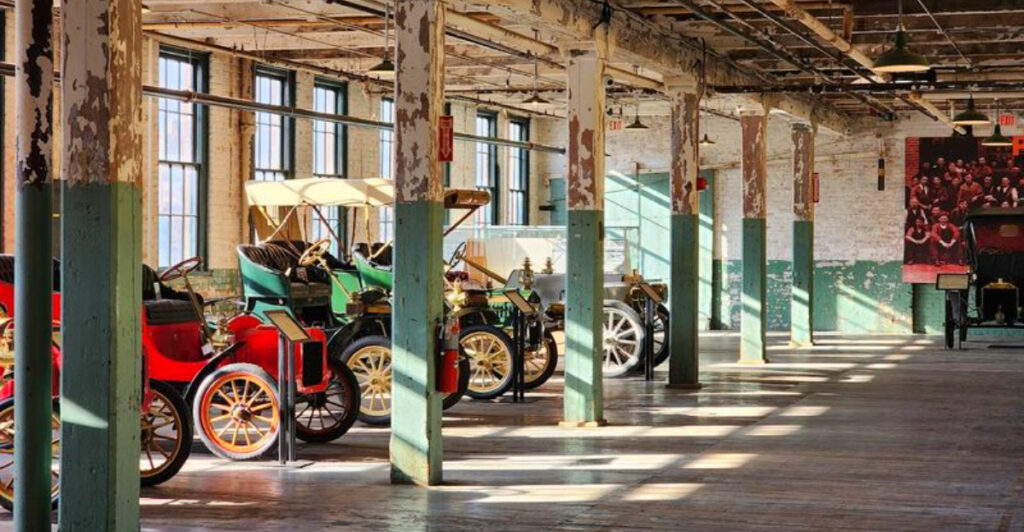
Detroit has a talent for telling big stories in brick and timber, and this one still smells faintly of oil, sawdust, and audacity. Inside a sunlit factory with creaky floors and honest scars, the past does not sit behind glass so much as stretch its legs and get to work.
Guides share tales that make gears and ideas click, then suddenly you realize this is not just about cars but how people solved problems at full speed. Keep reading and I will show you the corners, the clues, and the moments that changed how the world moved, one honest turn of a wrench at a time.
Finding the Birthplace
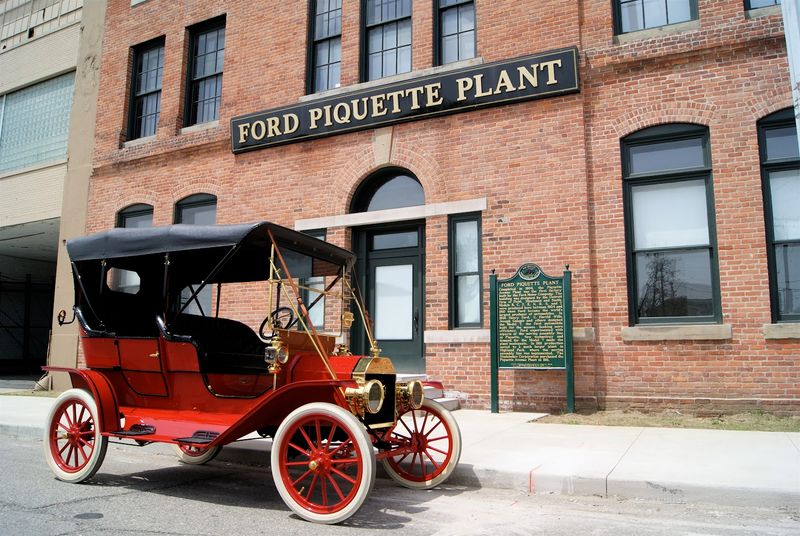
Detroit has a talent for telling big stories in brick and timber, and at the Ford Piquette Avenue Plant Museum, one of its boldest chapters still echoes through the floorboards. Housed inside the original 1904 factory at 461 Piquette Avenue, this red-brick landmark is where the first Model T took shape before it changed how the world moved.
The air inside still feels touched by oil, sawdust, and audacity.
Step past the threshold and the building does not behave like a quiet museum. Sunlight pours through tall factory windows, catching on timber beams and worn planks that once carried the weight of invention.
Here, history does not sit politely behind glass so much as stretch its legs and get back to work.
Guides share tales that make gears and ideas click, and suddenly you realize this is not just about cars but about people solving problems at full speed. Keep reading and I will show you the corners, the clues, and the moments that shifted transportation forever, one honest turn of a wrench at a time.
A Factory Built for Ideas
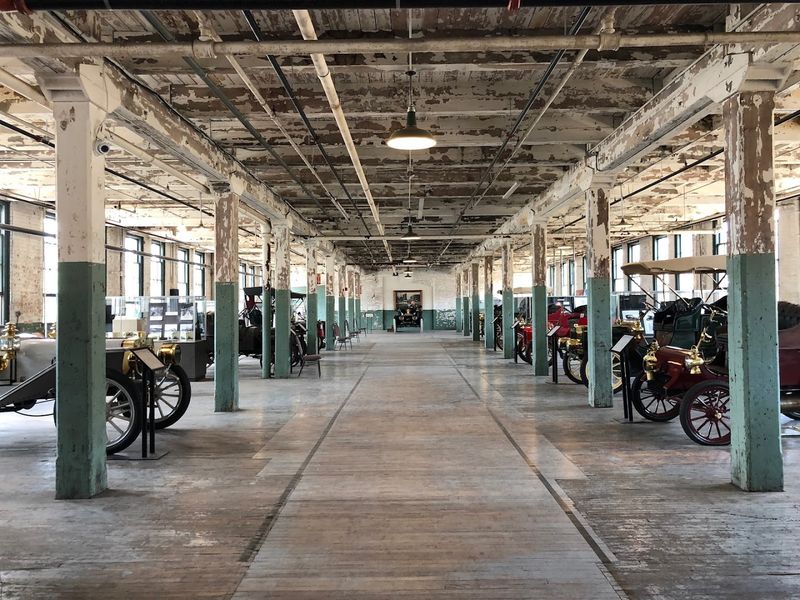
The building feels like a blueprint for momentum, with straight sightlines that let you trace decisions from drafting table to street. Field, Hinchman and Smith designed it in 1904 for function first, which accidentally created beauty.
Timber columns hold court while daylight turns the floor into a grid of possibilities.
Moving along the second floor, I studied the rhythm of posts and bays, each one like a quiet checkpoint from concept to car. Elevators once hoisted bodies and parts with matter-of-fact grit, making teamwork the star.
That teamwork still echoes in the measured way docents guide you through the space.
Display cases explain how early production depended on proximity, not speed, and how workflow would later leap forward elsewhere. The point here is pre-assembly line discipline, the art of getting steps in the right order.
You feel the patience in every board and brace.
Interpretive signs keep jargon short and context sharp, pairing photos with concise captions. I appreciated how technical detail never smothers human stories, letting names and faces ride shotgun.
By the time you finish the loop, the architecture has done its own tour.
The Secret Experimental Room
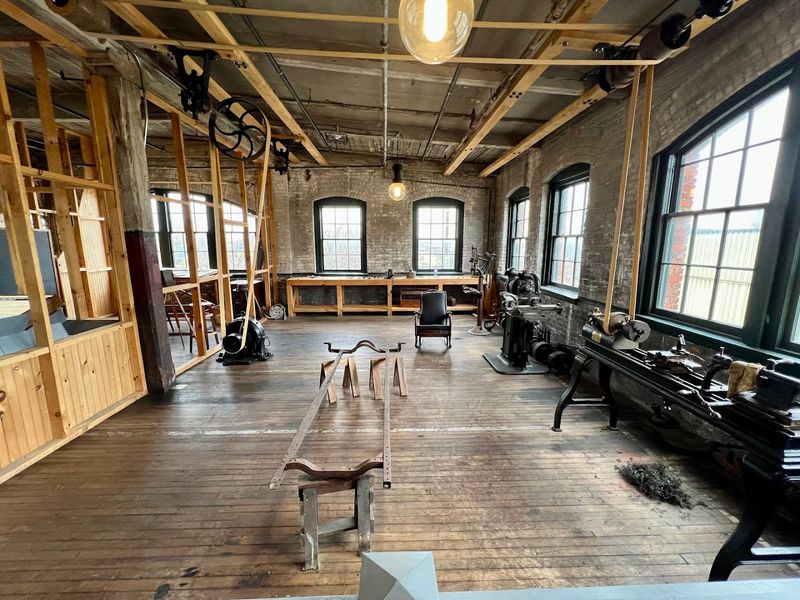
A small room tucked away on the third floor carries a large charge, and the museum treats it with due respect. This is the so-called secret experimental room where the Model T took shape, not as a lightning bolt but a steady stack of decisions.
Standing there feels like catching ideas before they cool.
Blueprints, mockups, and parts tell a focused story about simplifying complexity. The design brief reads like common sense with consequences: make it lighter, make it stronger, make it easier to fix.
That combination drove costs down and reliability up.
Docents explain how the team worked shoulder to shoulder, testing axles, engines, and frames in search of durability. Every component had to earn its keep on rough American roads.
The goal was not novelty but usefulness that lasted.
Photos of the crew give this room heart, turning legends back into colleagues with sleeves rolled. You can almost hear the pencil on vellum and the clatter of a part that fit just right.
When I left, the hallway seemed brighter for knowing what started here.
Henry Ford’s Office Recreated
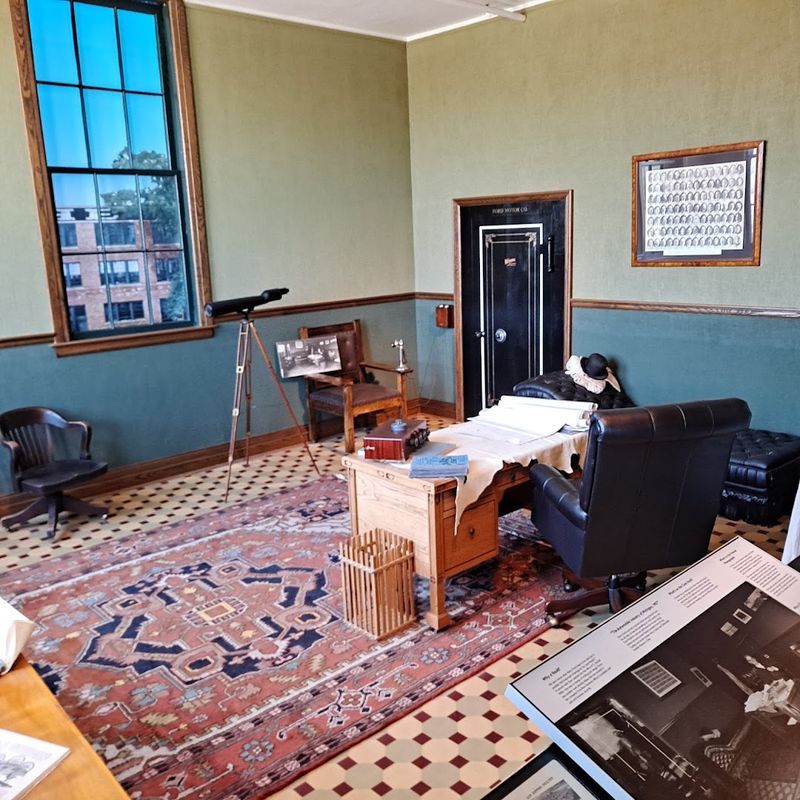
A modest office greets you without pretense, a workspace built for decisions rather than ceremony. A wood desk, a sturdy chair, and a practical telephone anchor the scene.
The room believes in work more than decoration, which fits its most famous occupant.
Labels outline the crossroads faced by Henry Ford during these years, linking product choices to factory realities. It is less about personality and more about process, which keeps the myth safely on the shop floor.
I liked how the display trusts visitors to connect dots.
Ledger books and correspondence hint at suppliers, wages, and timelines that had to line up. The office becomes a pressure gauge for a growing company, proof that good ideas still need schedules.
Budget lines turn into rails guiding progress forward.
Through the window, you catch a slice of the production bays, a reminder that any decision here touched many hands. That view delivers a nudge to think beyond a single signature.
Leaving the office, I felt the practical heartbeat of leadership more than its spotlight.
Collection of Early Cars
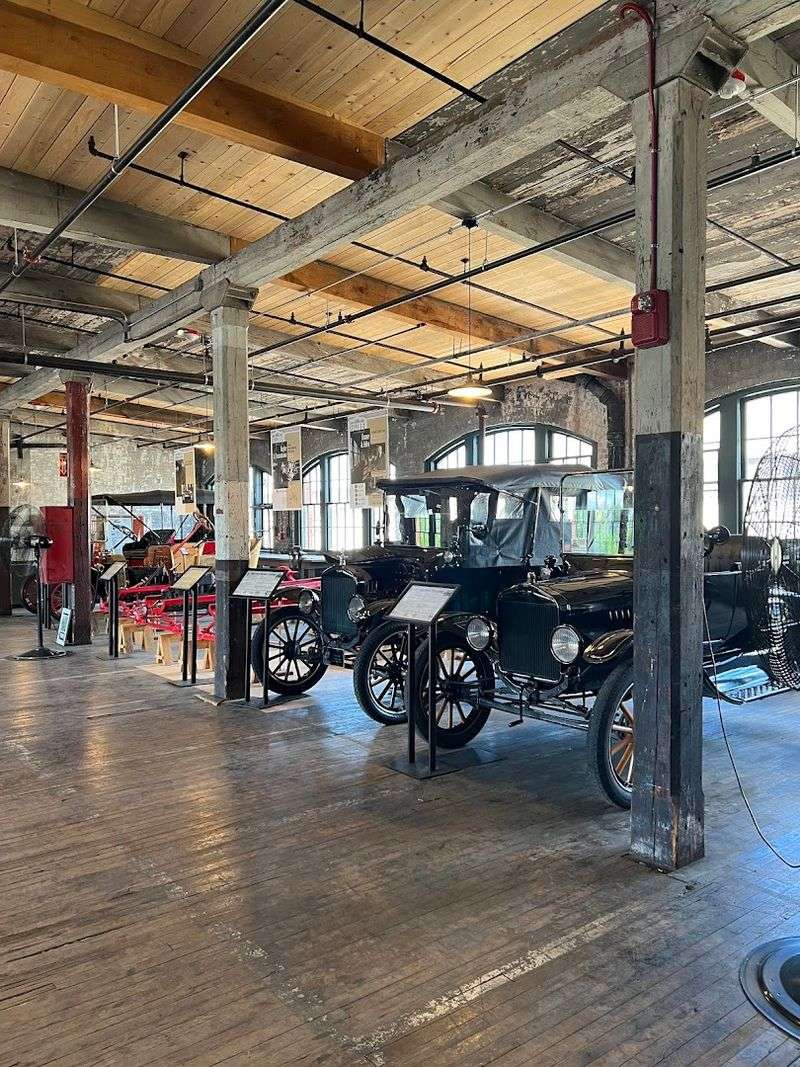
Rows of brass and paint carry a serene confidence, like a parade paused mid-breath. The museum holds more than 65 vehicles, with Fords sharing space with rival makes that sharpened innovation through competition.
Each car becomes a footnote you can walk around.
Reading the placards, I traced the steps from Model N and S to the leap that became T. You see experiments in seating, engines, and control layouts that now feel inevitable.
They were not inevitable then, and the differences are the lesson.
Docents invite questions about horsepower, torque, and materials without drowning you in measurements. Practical demonstrations focus on how parts work together, not just what they are named.
The approach keeps the room lively even for visitors new to car talk.
An occasional whiff of linseed or leather meets the warm notes of old wood, and the floorboards answer every step. I liked how the lighting never turns these machines into statues.
They read as tools built to be used, and that makes their stories travel.
Guided Tours That Click
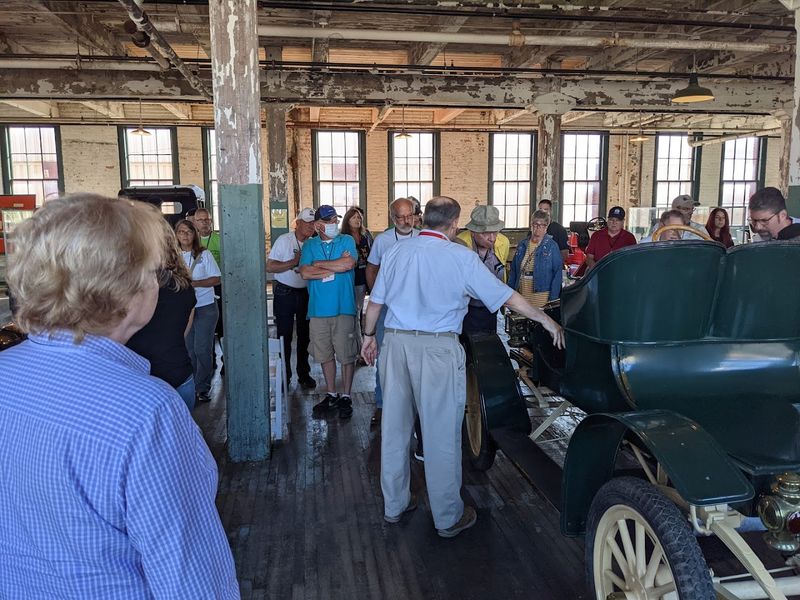
Good tours turn facts into motion, and the docents here run a smooth gearbox. Many are retired engineers or longtime enthusiasts who handle questions with patience and spark.
The result is a conversation that keeps adding gears without grinding.
Our guide connected dates, people, and prototypes into a story that felt both sturdy and nimble. Timelines on the wall provided signposts while personal anecdotes filled the gaps.
I left with a list of models I wanted to look up later.
Scheduling a guided time is easy, and self-guided options still give plenty of context. The opening film sets a baseline so you do not miss key milestones.
Either path works, but the human touch makes small details stick.
Groups flow well through the galleries, and there is space to linger without bottlenecks. Questions are welcomed, even the ones that start with a hunch.
By the last stop, our group felt like a temporary team that understood how this place ran.
Moments You Can Feel
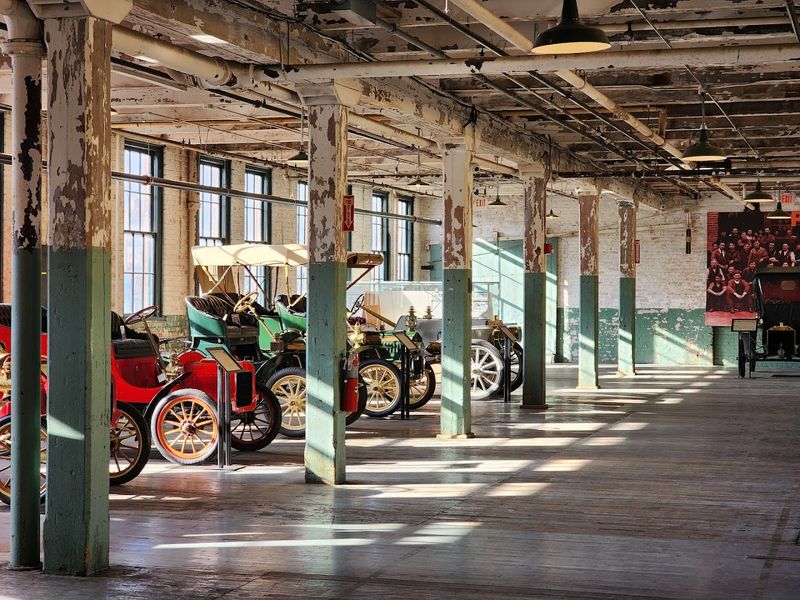
Small details do the heavy lifting here, and they are everywhere if you slow down. Tool marks in floorboards map the everyday choreography of a busy crew.
I found myself tracing grooves like a fingertip finding Braille.
Vintage signage mixes instruction with attitude, reminding workers to be precise and safe. Controls on early cars show how driving once meant managing systems by feel.
The learning curve becomes part of the exhibit.
Hands-on displays let you engage without fear of breaking anything sacred. Turning a crank or inspecting a cutaway feels respectful, not gimmicky.
The museum balances preservation with participation in a way that keeps the story moving.
Light plays across metal and varnish, shifting tone as the sun creeps along those generous windows. That natural theater means two visits can feel different hour to hour.
On my way out of this section, I caught one last shine on a hubcap and saved it like a postcard.
Planning Your Visit
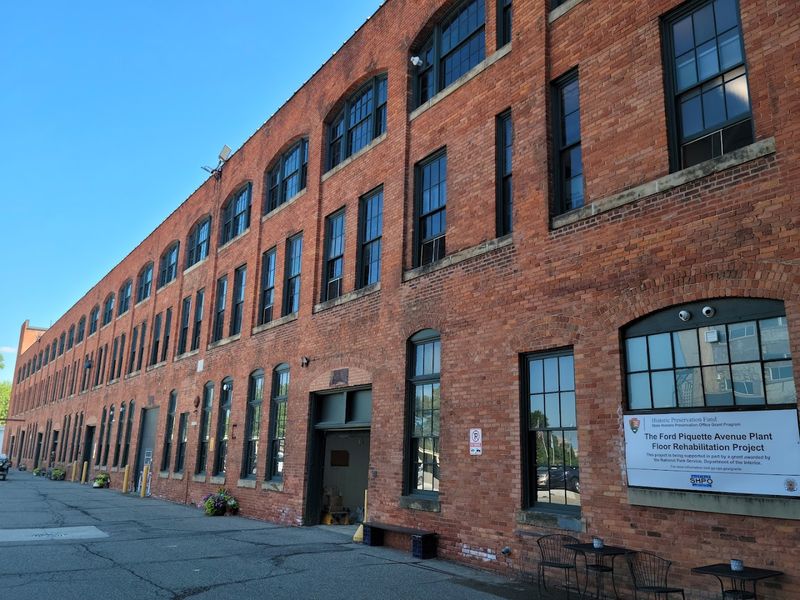
Good plans make better memories, and this museum rewards a little prep. Current hours typically run 10 AM to 4 PM on Wednesday through Sunday, with Monday and Tuesday closed.
I checked the official website and called ahead when my timing looked tight.
Parking is straightforward by the building, and the QLINE stop at Amsterdam Street puts you within an easy walk. Elevators and stairs connect floors, but some areas can feel warm in summer.
Bringing water and pacing your visit helps.
Tickets and tour times are posted at the desk and online, including options that fit families and small groups. The opening film and a guided slot make a strong combo.
I budgeted about 90 minutes and ended up staying longer without regret.
A small gift shop near the exit stocks smart books, patches, and scale models that skip tourist fluff. Staff members are happy to suggest related Detroit stops for deeper context.
Leaving with a map and a plan keeps the momentum rolling past the door.
Photography and Atmosphere
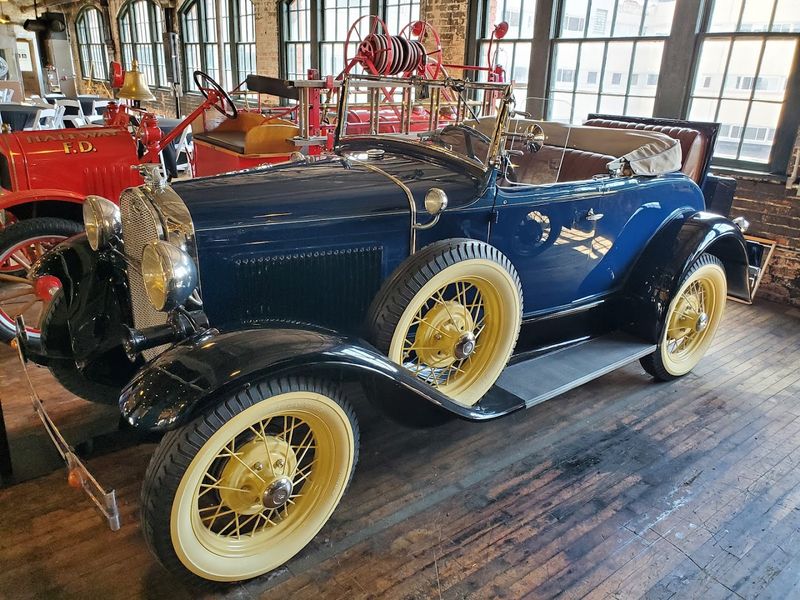
Cameras love this building, and the light returns the favor. Tall windows throw soft beams that flatter brass, paint, and timber without harsh glare.
Every step reveals a new angle that feels earned rather than staged.
I kept settings simple, leaning on natural light and steady hands. Reflections on polished parts ask for small movements and patience.
The best shots came from kneeling low and letting the floor lines guide composition.
Staff encourage photography for personal use as long as you respect ropes and fellow guests. Tripods can be tricky in busy hours, so planning for a light footprint helps.
Early slots tend to be calmer and kinder to shutter clicks.
Even without a camera, the atmosphere is the souvenir. Quiet, bright, and proud, the place holds its own rhythm.
I left with photos I liked and a mood I liked more.
Events Among the Beams
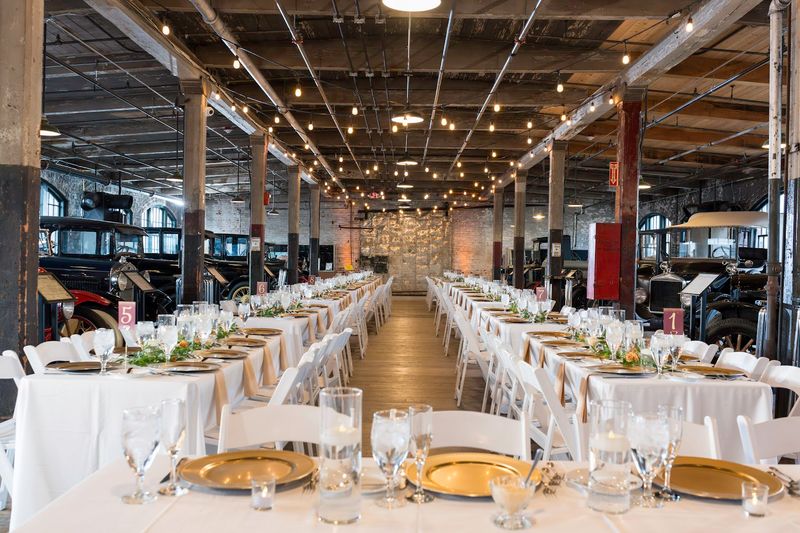
The factory cleans up nicely for private events without losing its backbone. I saw a wedding setup threading linens between history, and it somehow felt right.
The cars did not become props so much as honored guests with great posture.
Rental information covers capacity, vendor requirements, and time windows that respect the collection. Staff coordinate layouts to protect exhibits while giving hosts flexibility.
Sound carries well here, so planning for levels keeps conversation crisp.
Photos from events look timeless because the setting already earned that quality. Brick, timber, and brass work together like a classic arrangement.
You could share these images years from now and still feel the note sustain.
Even on regular days, signage hints at the venue side of operations. It is nice knowing a museum can diversify support without diluting mission.
The building seems pleased to host milestones after a career of making them.
Detroit Context And Connections
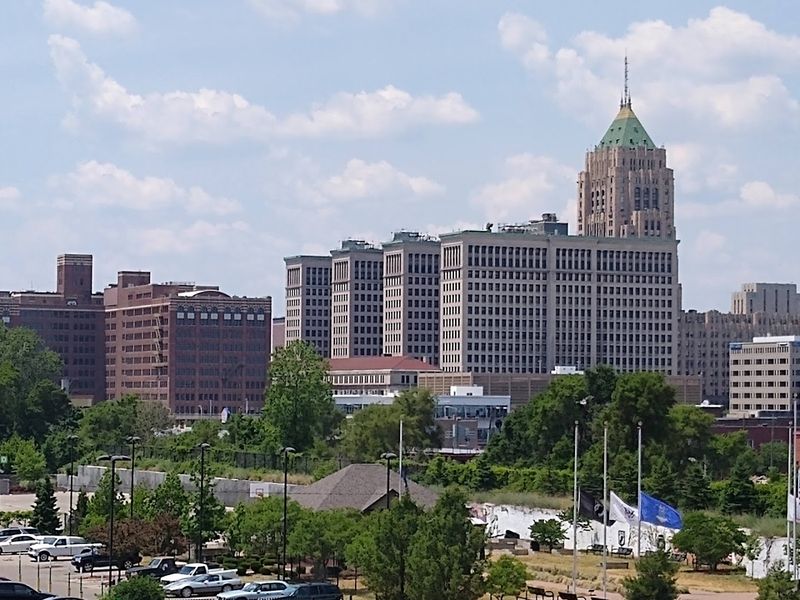
This stop fits neatly into a broader Detroit circuit that rewards curiosity. The city’s network of industrial landmarks stacks perspective, each one adding steel to the story.
A day here pairs well with other museums and neighborhoods that keep the narrative honest.
Transit access is practical with the QLINE and nearby parking, which lowers the barrier for spontaneous plans. Food and coffee options sit a short drive away, letting you debrief without rushing.
I appreciated how the museum respects your time and energy.
Volunteers often recommend routes that include architecture, murals, and sites that echo the era. Following their tips turned my map into a conversation with the city.
That conversation still rings when you see a vintage Ford on the street.
By situating this factory among Detroit’s living fabric, the visit stops feeling like a time capsule. It becomes a bridge that still carries weight.
I left with a tighter sense of place and a calendar already nudging me back.
Why This Place Matters
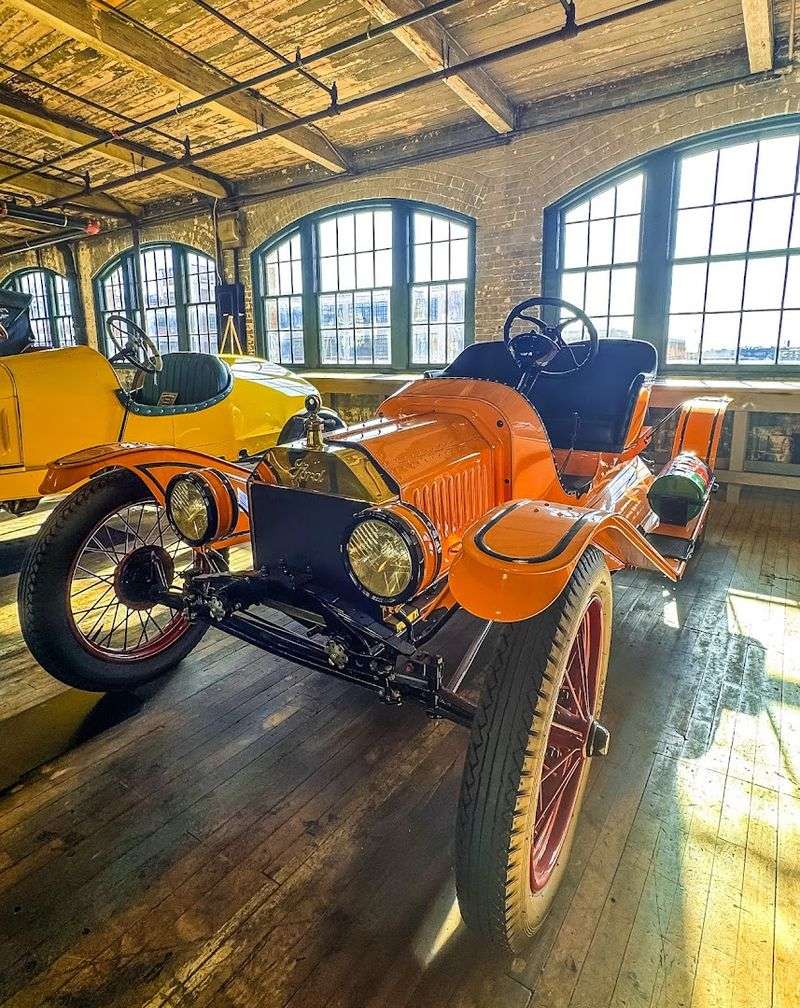
Some museums inform while others also calibrate your sense of possibility, and this one does both. The leap made here was not mystical, it was practical courage lined up with clear thinking.
That pairing still feels modern.
Standing beside a Model T in its birthplace reframes everyday errands and road trips. Mobility once meant planning around distance and time in a very different way.
A simple, serviceable car widened horizons for people who needed horizons widened.
Preservation efforts keep that lesson visible without polishing away the effort it took. The building stands as proof that progress can be thoughtful, local, and shared.
You leave ready to notice how good ideas travel.
Walking back to the door, I took one more look down the sunlit bay. The room seemed to nod as if to say keep going.
I did, and the city outside felt a little more in gear.
Share this story