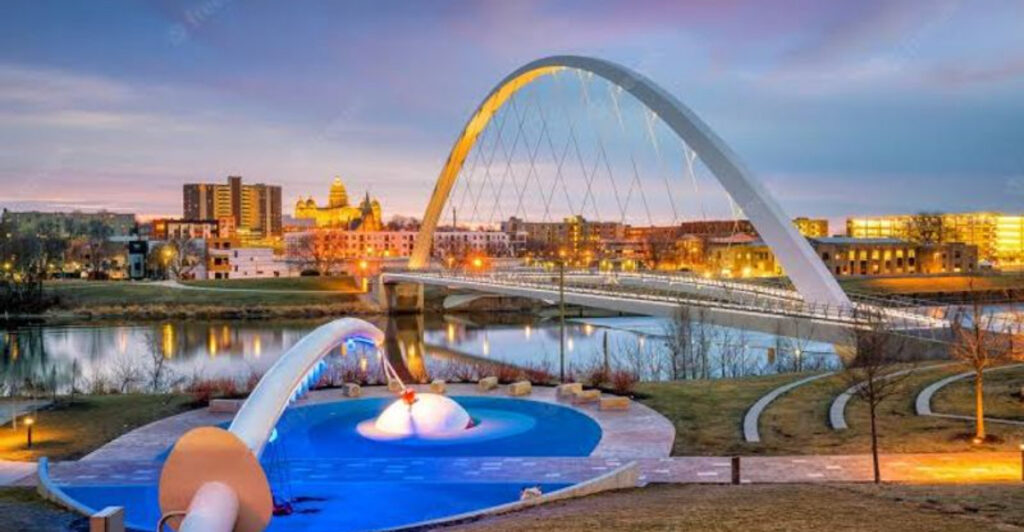
Most people think of New York, San Francisco, or New Orleans when planning a food trip. But some of the most exciting eating in America is happening in cities that rarely make the headlines.
From Sonoran hot dogs in Arizona to wood-fired breads in Virginia, these fourteen destinations offer bold flavors, creative chefs, and dining scenes that rival the big names without the crowds or the hype.
Tucson, Arizona – Sonoran comfort food, reimagined
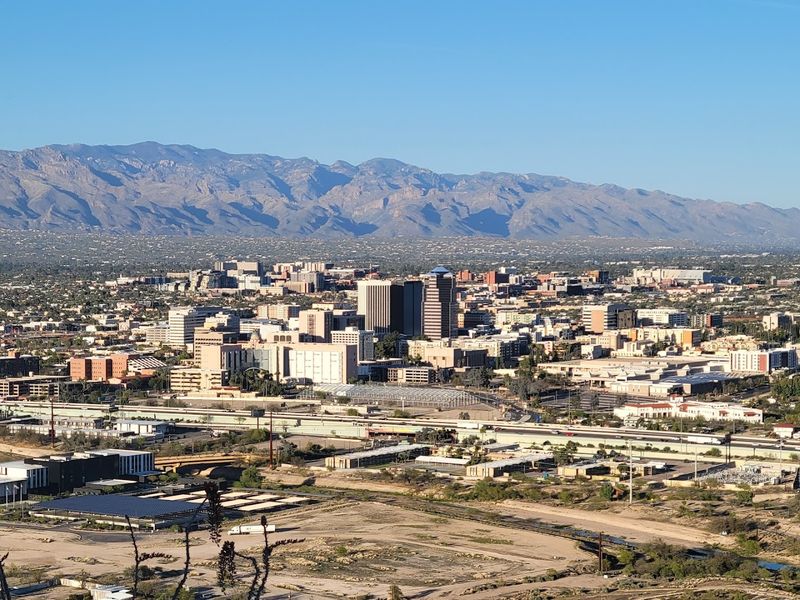
Tucson earned its UNESCO City of Gastronomy title for good reason. The Sonoran Desert influences everything here, from mesquite-grilled meats to prickly pear cocktails.
El Güero Canelo serves the city’s most famous Sonoran hot dog. Bacon-wrapped, piled with beans, onions, tomatoes, and jalapeños, this isn’t your ballpark frank.
It’s a full meal on a bun, messy and magnificent.
Tumerico flips expectations entirely. This Latin-inspired vegan spot wins over even the most dedicated meat eaters with flavor-packed bowls, tacos, and fresh juices.
Their breakfast burrito could convert anyone.
The city’s food heritage runs deep. Indigenous, Mexican, and ranching traditions collide in ways you won’t find anywhere else.
You’ll taste history in every bite, whether it’s at a James Beard-recognized taco stand or a family-run bakery.
Tucson doesn’t try to be trendy. It just knows its flavors inside and out.
The heat outside matches the heat on your plate, and somehow that balance feels exactly right. Come hungry, leave planning your return trip.
Birmingham, Alabama – Southern soul + Gulf seafood brilliance
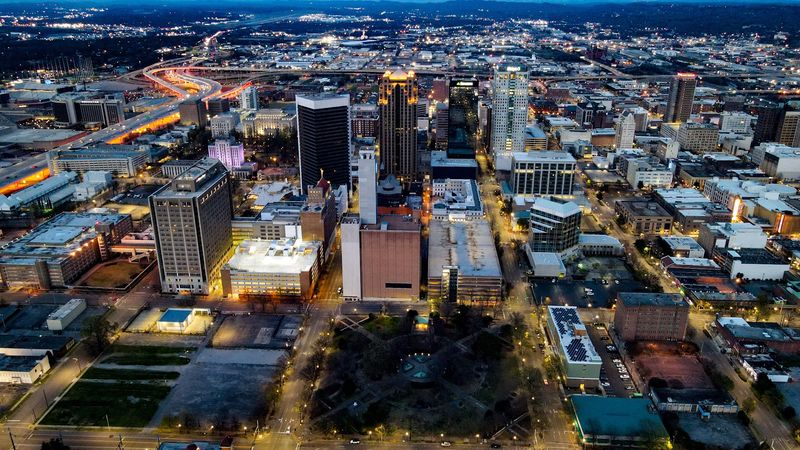
Birmingham’s culinary reputation has exploded over the past decade. Chefs here respect tradition while pushing boundaries, creating a food scene that feels both rooted and inventive.
SAW’s Soul Kitchen nails the classics. Their pulled pork, fried chicken, and mac and cheese deliver exactly what you crave.
The line out the door tells you everything you need to know.
Automatic Seafood and Oysters brings Gulf Coast elegance to the city. Fresh oysters, whole grilled fish, and expertly fried shrimp arrive in a sleek, welcoming space.
The quality rivals any coastal restaurant.
What makes Birmingham special is the confidence. There’s no apologizing for grits or trying to make collard greens sound fancy.
The food speaks for itself, backed by skilled chefs who understand technique and soul in equal measure.
The city’s size works in your favor. You can hit multiple restaurants in a weekend without spending hours in traffic.
Each neighborhood offers something different, from historic barbecue joints to polished new bistros. Birmingham earns its spot on any serious eater’s list.
Providence, Rhode Island – Big-city eating, small-city lines
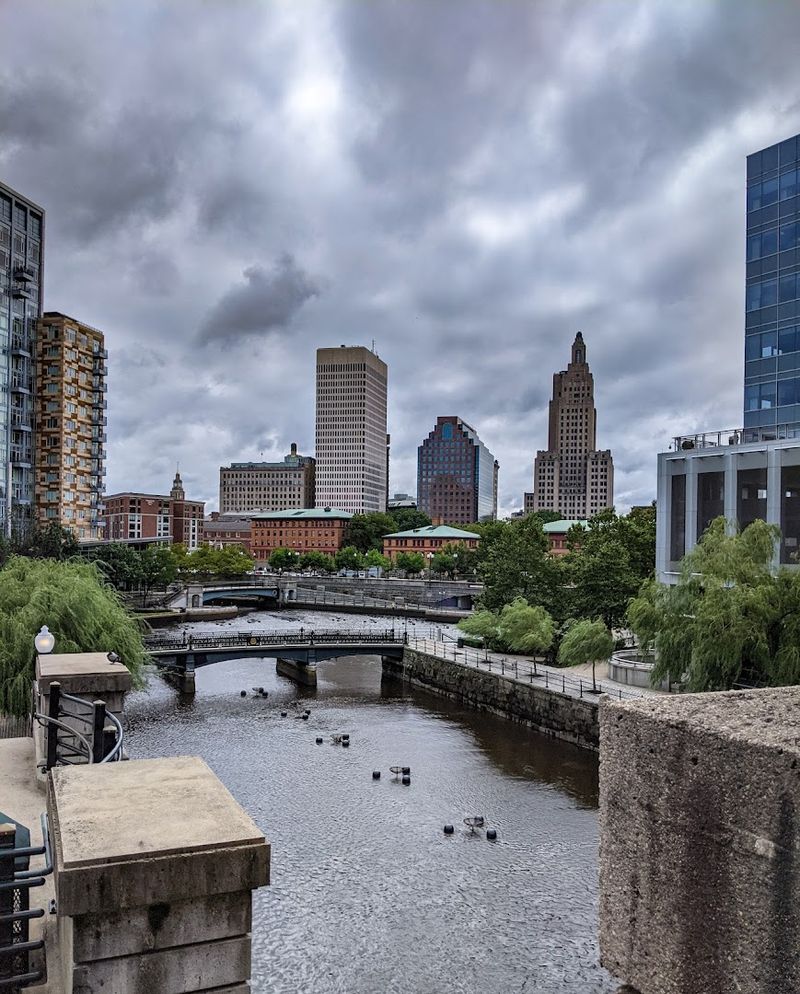
Providence punches way above its weight. This small city hosts restaurants that would thrive in Boston or New York, but here you can actually get a table.
Oberlin showcases Rhode Island’s seafood bounty with chef-driven precision. Their pasta is handmade daily, paired with local fish and shellfish in combinations that feel both familiar and exciting.
Every dish shows care.
Los Andes brings Peruvian and Bolivian flavors to Federal Hill. The ceviche is bright and fresh, the saltado hits every note, and the atmosphere buzzes with loyal regulars.
This isn’t fusion for fusion’s sake—it’s authentic and beloved.
The city’s walkability makes restaurant hopping easy. Federal Hill, Downcity, and the East Side each offer distinct dining personalities.
You’ll find Italian grandmothers’ recipes alongside innovative tasting menus, often within blocks of each other.
Providence doesn’t get the press of bigger cities, which means better reservations and friendlier service. The food community here is tight-knit, collaborative, and genuinely welcoming.
You’ll eat exceptionally well without the pretense.
Richmond, Virginia – Smoke, pastry, and cool city energy
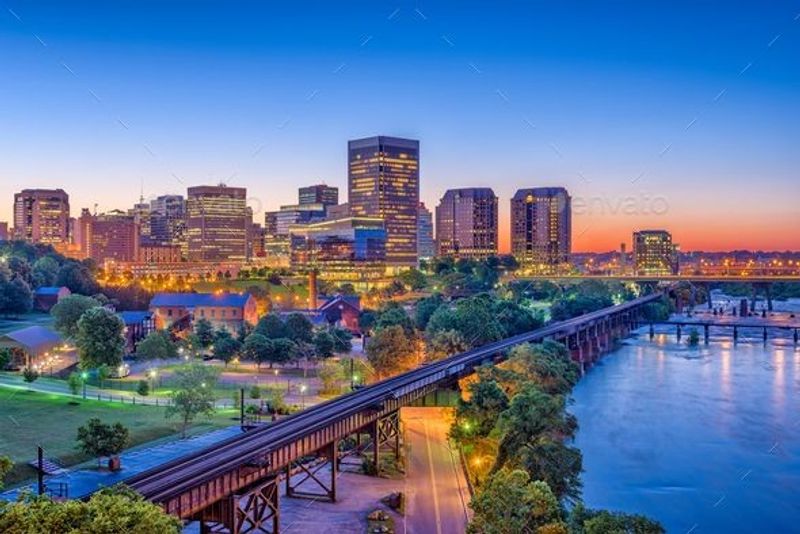
Richmond has transformed into one of the South’s most dynamic food cities. Old tobacco warehouses now house bakeries, breweries, and restaurants that draw crowds from DC and beyond.
Sub Rosa Bakery bakes everything in a wood-fired oven. Their sourdough, croissants, and seasonal pastries are worth the early morning wait.
The smell alone could make you weep.
ZZQ Texas Craft Barbeque proves Richmond can hang with Texas on brisket. The meat is tender, smoky, and perfectly seasoned.
Their sides, especially the mac and cheese, deserve equal attention.
The city’s neighborhoods each have their own vibe. Scott’s Addition buzzes with breweries and casual spots.
The Fan offers cozy bistros. Church Hill serves up history with your dinner.
What’s refreshing about Richmond is the lack of pretension. Even the fanciest restaurants maintain a welcoming, come-as-you-are attitude.
Chefs focus on ingredients and technique rather than trends. The result is food that tastes honest and satisfying, whether you’re grabbing a breakfast pastry or settling in for a multi-course meal.
Detroit, Michigan – Come hungry, leave obsessed
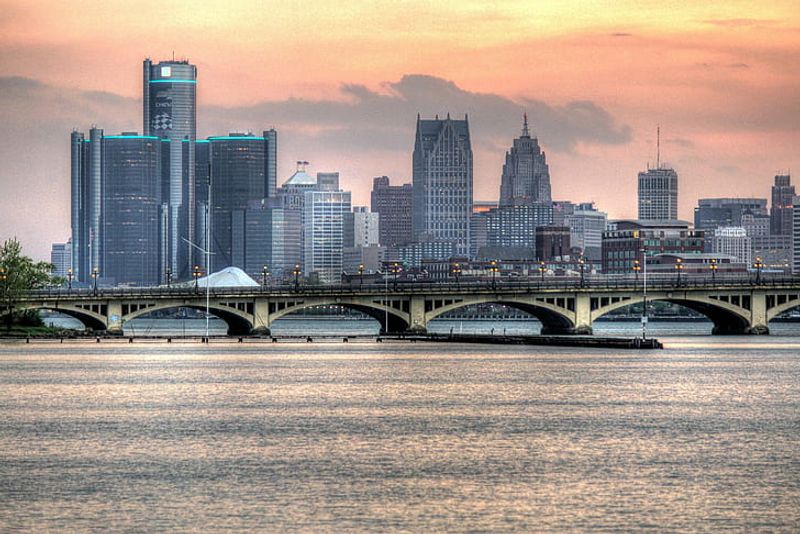
Detroit’s food revival mirrors the city’s broader renaissance. Chefs are reclaiming neighborhoods, celebrating local ingredients, and creating restaurants that feel uniquely Detroit.
Selden Standard anchors Midtown with vegetable-forward small plates that change constantly. The menu reflects whatever’s fresh, prepared with skill that never feels showy.
It’s the restaurant that put modern Detroit dining on the map.
Eastern Market on Saturdays is pure chaos in the best way. Vendors sell everything from fresh pierogi to smoked fish to Vietnamese banh mi.
Bring cash, bring appetite, bring friends.
The sandwich game here is serious. From Polish paczki to Middle Eastern shawarma to classic Coney dogs, Detroit’s immigrant communities have layered flavors across the city.
You could spend a week just exploring sandwich shops.
Detroit rewards exploration. The neighborhoods spread out, but each one offers discoveries.
Mexican Town, Hamtramck, and Dearborn bring global flavors. Downtown and Midtown showcase chef-driven concepts.
The energy is palpable, the food is real, and you’ll leave planning your next visit before you’ve finished this one.
Milwaukee, Wisconsin – Not just beer: legit dining and market snacking
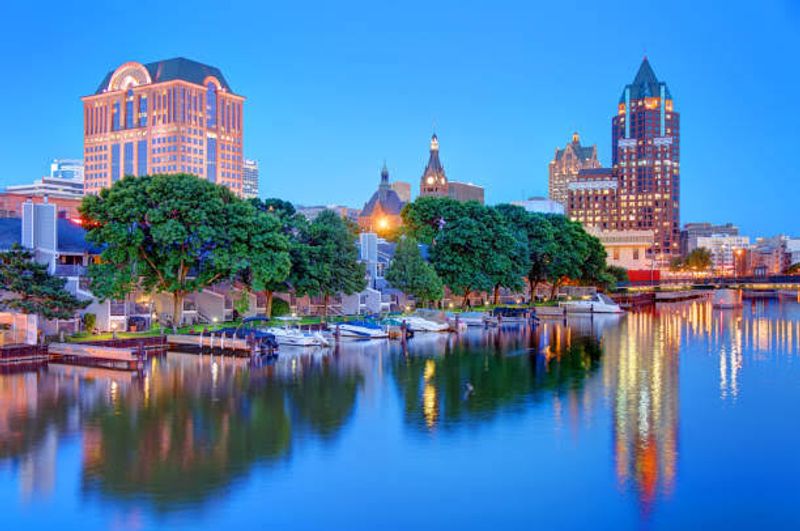
Milwaukee’s reputation stops at beer, which is a shame because the food scene here is quietly excellent. Yes, the beer is fantastic, but the restaurants deserve equal attention.
Odd Duck changes its menu constantly based on what’s available. The small plates showcase vegetables, local meats, and creative combinations that surprise without trying too hard.
It’s the kind of place that makes you trust the chef completely.
Milwaukee Public Market gathers vendors under one roof for maximum grazing potential. Cheese, charcuterie, tacos, crepes, fresh seafood, you can build an entire meal by wandering and sampling.
The energy on weekends is electric.
The city’s neighborhoods offer distinct food personalities. Bay View brings hip cafes and ethnic restaurants.
The Third Ward mixes upscale dining with casual hangouts. Brady Street serves up late-night eats and breakfast spots.
What makes Milwaukee work is the lack of attitude. Restaurants here focus on good food and good times without the scene or the prices of bigger cities.
You’ll eat well, drink well, and actually enjoy the people-watching.
Cleveland, Ohio – The market-to-table city you’re sleeping on
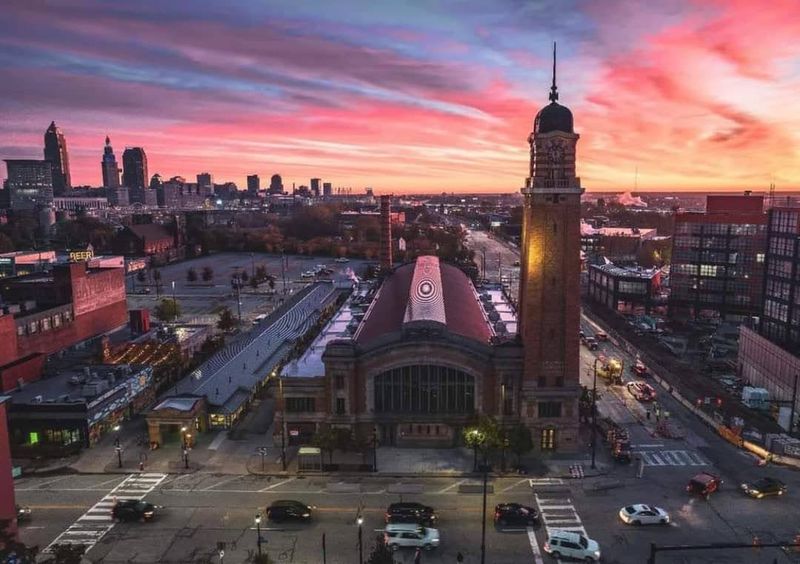
Cleveland’s West Side Market alone justifies a visit. This 1912 landmark houses over one hundred vendors selling everything from pierogies to baklava to fresh-caught walleye.
It’s a Saturday morning ritual for locals and a revelation for visitors.
Cordelia showcases Ohio’s agricultural bounty with heritage-inspired dishes. The menu changes seasonally, highlighting forgotten grains, local vegetables, and nose-to-tail cooking.
The cocktail program matches the food’s creativity.
The city’s restaurant scene has quietly matured. Ohio City and Tremont pack in chef-driven spots alongside neighborhood taverns.
Downtown is seeing a revival with new concepts opening regularly.
Cleveland benefits from its underdog status. Chefs here work without the pressure of coastal media attention, focusing instead on feeding their community well.
The result feels genuine rather than performative.
Lake Erie provides fresh fish that many restaurants feature prominently. The perch sandwiches alone could inspire a pilgrimage.
Combine that with Eastern European heritage cooking, modern American bistros, and a growing international food scene, and you’ve got a city that deserves far more recognition than it receives.
Pittsburgh, Pennsylvania – Pierogies to wood-fired steakhouse energy
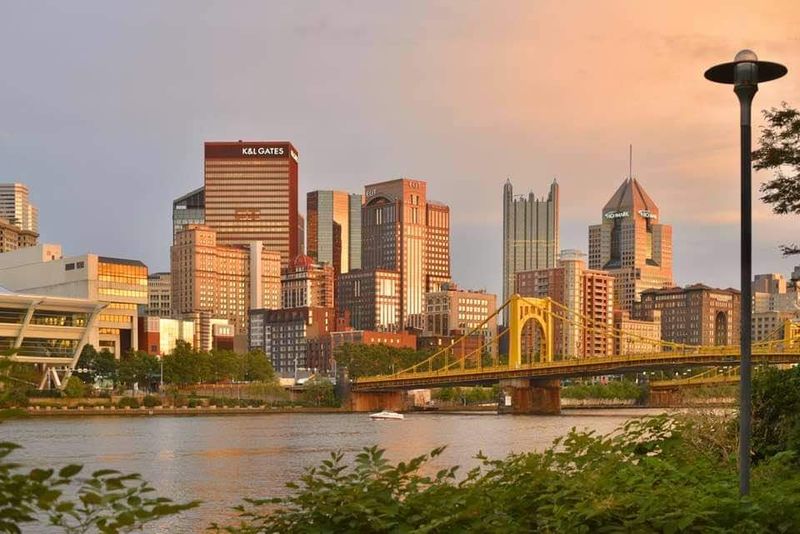
Pittsburgh’s food scene reflects the city itself: hardworking, unpretentious, and full of pleasant surprises. The range here is impressive, from Eastern European comfort food to South American grilling.
Apteka serves entirely vegan Polish-inspired food that makes you forget about meat. Their pierogies come with inventive fillings, their cocktails use house-made ingredients, and the space feels warm and inviting.
Even carnivores leave satisfied.
Gaucho Parrilla Argentina brings wood-fired Argentine cooking to the North Side. The meats are perfectly charred, the chimichurri is bright, and the portions are generous.
It’s the kind of meal that requires a post-dinner walk.
The neighborhoods here each tell a story. Lawrenceville buzzes with new openings.
Strip District offers market shopping and old-school delis. Downtown mixes business lunch spots with date-night destinations.
Pittsburgh doesn’t try to be anything other than itself. The food is honest, the portions are reasonable, and the prices won’t wreck your budget.
It’s a city that feeds you well without making a big deal about it, which might be the highest compliment possible.
Omaha, Nebraska – The wait, Omaha?
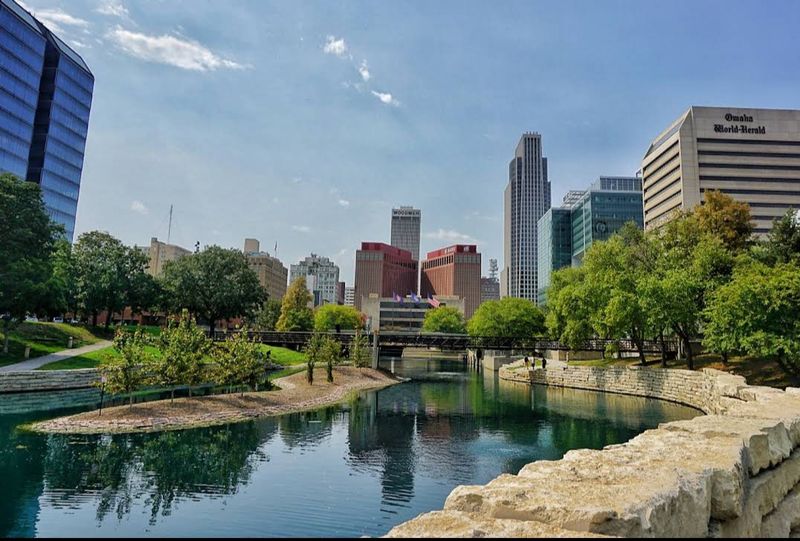
Omaha surprises people. This Midwestern city has quietly built a food scene that rivals much larger metros, with chefs who aren’t afraid to take risks.
Block 16 inside the Flagship Commons serves street food that defies easy categorization. Their menu bounces from Korean-inspired burgers to Indian-spiced fries to whatever the chef feels like creating.
It’s chaotic, delicious, and always packed.
Yoshitomo offers serious Japanese cooking in an elegant space. The sushi is pristine, the small plates are thoughtful, and the sake list is one of the Midwest’s best.
It’s the kind of restaurant that would thrive in any major city.
Omaha’s Old Market district concentrates restaurants in a walkable area perfect for a food crawl. You’ll find farm-to-table American, authentic Mexican, creative Asian, and classic steakhouses all within blocks.
The city’s size works in its favor. Chefs know each other, collaborate frequently, and support local farms and producers.
The food community feels genuine rather than competitive. You’ll eat exceptionally well and wonder why more people haven’t discovered Omaha yet.
Des Moines, Iowa – Small plates + brewery culture, done right
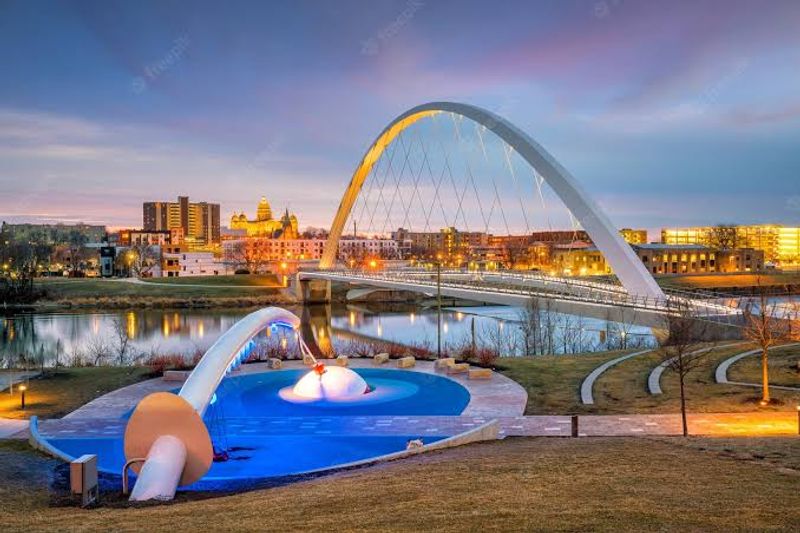
Des Moines flies completely under the radar, which means you’ll have this excellent food scene mostly to yourself. The city has embraced small plates, craft beer, and ingredient-focused cooking with enthusiasm.
Harbinger puts vegetables at the center of the plate without making a fuss about it. Their globally inspired small plates change frequently, showcasing seasonal produce in combinations that feel fresh and exciting.
The wine list is thoughtfully curated.
Lua Brewing combines excellent craft beer with food that actually matters. Too many breweries phone in their menus, but Lua’s kitchen holds its own with creative dishes that pair perfectly with their beers.
The East Village and Ingersoll neighborhoods pack in locally owned restaurants, cafes, and bars. You can walk from coffee to lunch to dinner to drinks without repeating yourself or settling for mediocre options.
Des Moines chefs focus on Iowa ingredients with a confidence that comes from actually knowing their farmers. The pork is exceptional, the produce is pristine, and the cooking shows respect for both.
It’s Midwestern hospitality backed by serious culinary skill.
Albuquerque, New Mexico – Chile capital energy
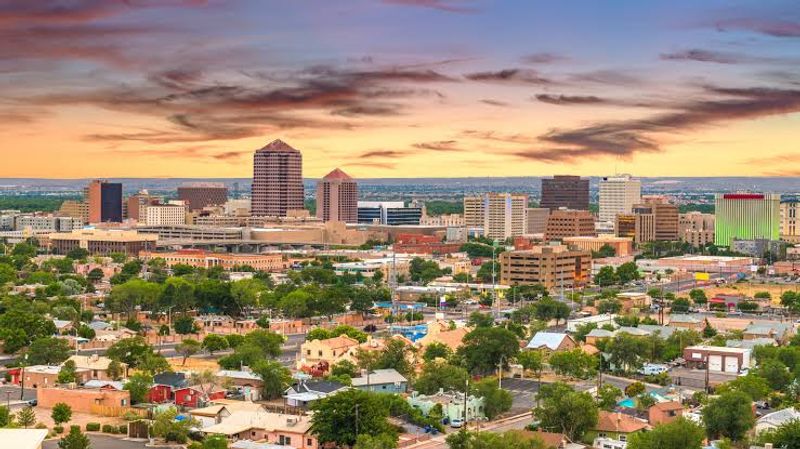
Albuquerque lives and breathes chile. Red or green isn’t just a question here, it’s a way of life.
The flavor profile is distinct from Mexican or Tex-Mex, rooted in centuries of New Mexican tradition.
Frontier Restaurant near UNM has been feeding students and locals since 1971. Their sweet rolls are legendary, their breakfast burritos are massive, and the green chile stew warms you from the inside out.
Go early or prepare to wait.
El Modelo makes everything by hand the way it’s been done for generations. Their tortillas, tamales, and carne adovada represent New Mexican cooking at its most authentic.
Nothing fancy, just perfectly executed tradition.
Bow & Arrow Brewing Co. brings local ingredients into their beers, using blue corn, chile, and other Southwestern flavors. The taproom serves solid food that complements the adventurous beer menu.
The chile in Albuquerque tastes different because it is different. Hatch chiles grow in specific soil under specific conditions, creating flavors you can’t replicate elsewhere.
Once you’ve had it here, you’ll understand why locals are so passionate about their chile.
Boise, Idaho – A clean city with not-so-clean cravings

Boise surprises visitors with its food depth. This outdoor-loving city also loves to eat well, supporting restaurants that emphasize local ingredients and comfortable atmospheres.
Bittercreek Alehouse anchors downtown with locally sourced pub fare that goes way beyond typical bar food. Their burger uses Idaho beef, their salads feature farm-fresh produce, and their beer list highlights regional breweries.
It’s elevated comfort without pretension.
The Wylder serves wood-fired pizzas with seasonal toppings that change based on what’s available. The crust is perfectly charred, the ingredients are quality, and the space feels like a neighborhood gathering spot.
Boise’s compact downtown makes restaurant hopping easy. You can walk from coffee to lunch to dinner without needing a car.
The Basque Block offers unique dining experiences reflecting the area’s Basque heritage.
What makes Boise’s food scene work is the emphasis on quality over flash. Restaurants here focus on doing a few things really well rather than trying to impress with lengthy menus.
The result is satisfying, honest food that pairs perfectly with the city’s laid-back outdoor vibe.
Greenville, South Carolina – Southern charm, Michelin-level ambition
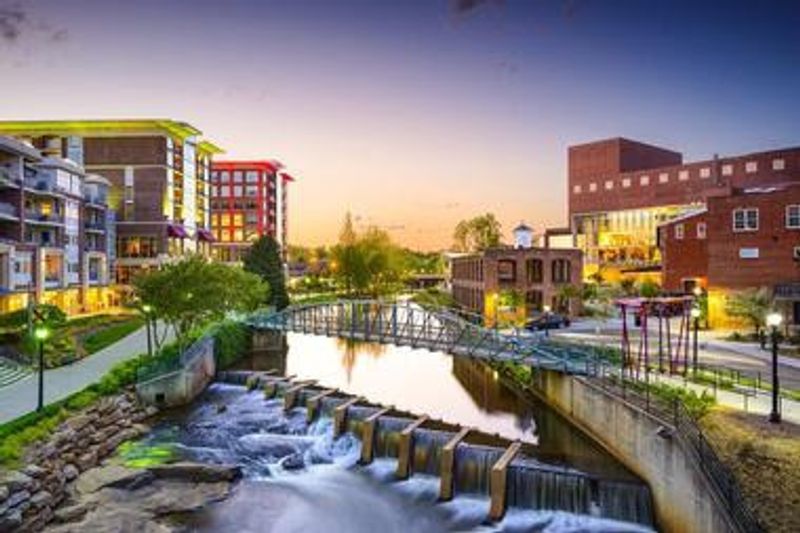
Greenville has quietly become one of the South’s most exciting food cities. The downtown’s Main Street revival brought restaurants that could hold their own in Charleston or Atlanta, but with easier parking and friendlier prices.
The Anchorage earned national recognition for its thoughtful approach to Southern ingredients. The menu changes constantly, focusing on what’s in season and prepared with technique that never overshadows the core flavors.
It’s special occasion dining that doesn’t feel stuffy.
Methodical Coffee represents the city’s growing cafe culture. Their roasting program is serious, their baristas know their craft, and the space invites lingering over a perfectly pulled espresso.
Greenville’s walkable downtown concentrates restaurants along Main Street and in the West End. You’ll find everything from upscale Southern to casual tacos to international cuisines, all within easy strolling distance.
The city attracts chefs who want to cook at a high level without big-city stress. That energy translates to ambitious menus, creative cocktail programs, and a dining scene that feels exciting without being exhausting.
Greenville proves you don’t need a major metro to eat exceptionally well.
Tulsa, Oklahoma – Cocktails + casual why is this so good eats
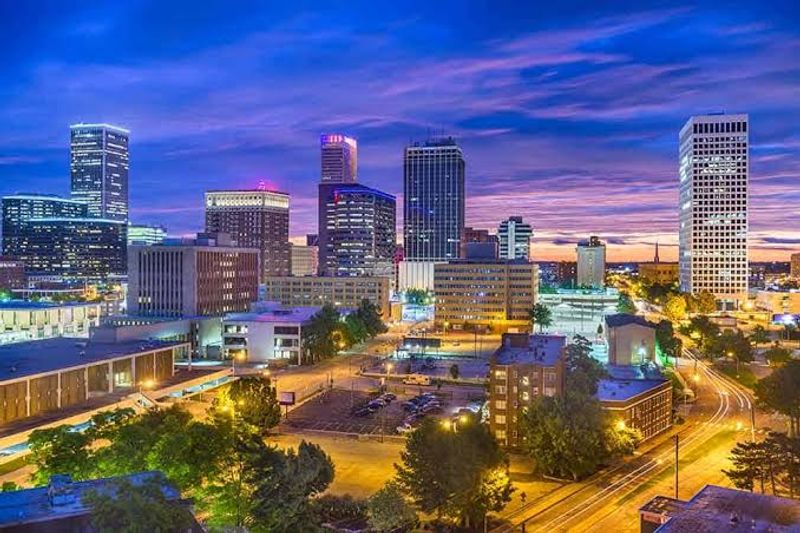
Tulsa’s Arts District brings together galleries, music venues, and restaurants that feel creative without trying too hard. The food scene here rewards curiosity with bold flavors and unexpected combinations.
Lone Wolf Banh Mi became an instant classic with their Vietnamese sandwiches and kimchi fries. The banh mi hits all the right notes – crispy bread, savory filling, bright pickles, fresh herbs.
The kimchi fries are addictive, combining Korean and American comfort food perfectly.
Valkyrie serves craft cocktails in a space that feels welcoming rather than exclusive. The bartenders know their spirits, the drinks are balanced, and the atmosphere encourages conversation.
It’s the kind of bar that makes you want to try something new.
Tulsa’s food culture embraces its oil-boom past and Native American heritage while looking forward. You’ll find traditional Oklahoma barbecue alongside modern fusion concepts, often excelling equally at both.
The city’s affordability means restaurants can take risks without betting everything on every dish. That freedom shows in creative menus, playful presentations, and a general sense of fun that makes eating in Tulsa genuinely enjoyable rather than stressful.
Share this story