Skiing is already thrilling, but imagine carving down a mountain and spotting a wild elk grazing just beyond the tree line. Some ski resorts sit in such stunning natural settings that wildlife encounters are practically part of the daily itinerary.
From grizzly bear territory in the Canadian Rockies to wolf country in Montana, these destinations offer so much more than great snow. Pack your poles and your binoculars — these ten ski resorts are where the mountains truly come alive.
Jackson Hole Mountain Resort — Wyoming, USA
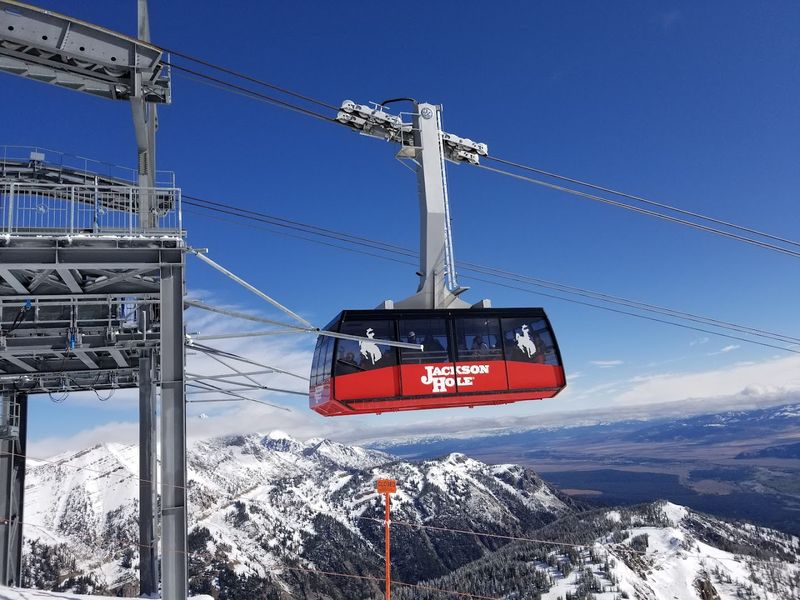
Standing at the top of Rendezvous Mountain, you can see for miles — and if you look down into the valley, there is a good chance something wild is looking back. Jackson Hole sits at the doorstep of both Grand Teton and Yellowstone National Parks, two of the most wildlife-rich landscapes in North America.
Elk, bison, mule deer and red foxes all roam the surrounding terrain throughout winter.
Just a short drive from the resort, the National Elk Refuge shelters one of the largest elk herds in the country. Thousands of elk gather there each winter, creating one of the most dramatic wildlife spectacles you can witness anywhere.
Guided sleigh rides through the refuge let you get surprisingly close to these massive animals without disturbing them.
Local outfitters offer combination wildlife and ski tours that make the most of both worlds. Early mornings are prime time for animal activity, so getting out before the lifts open can pay off big.
Whether you spot a coyote trotting through powder or catch a bald eagle circling overhead, Jackson Hole delivers wild encounters that are hard to top anywhere on earth.
Lake Louise Ski Resort — Alberta, Canada
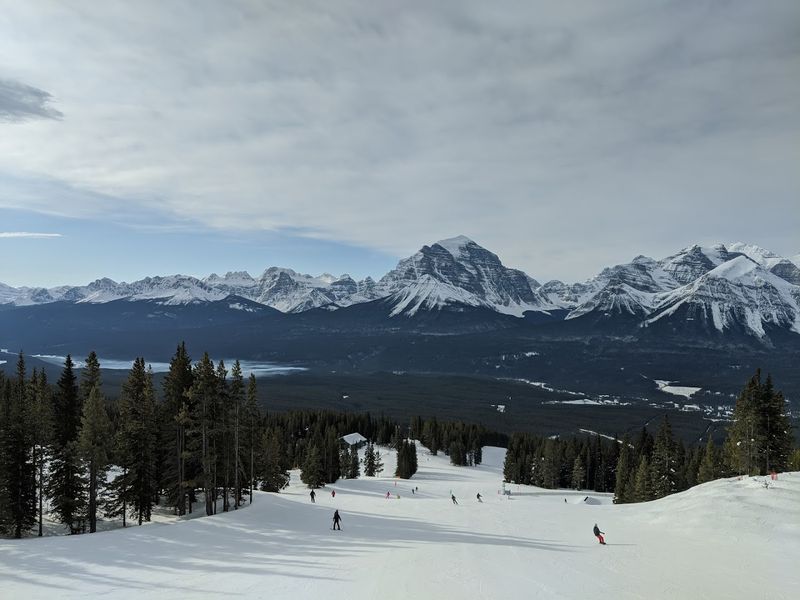
There is something almost surreal about riding a gondola through crisp mountain air while a herd of elk grazes quietly in the meadow below. Lake Louise Ski Resort sits entirely within Banff National Park, which means wildlife protection is baked into every corner of the experience.
Animals here are not just occasional visitors — they are permanent residents.
Mountain goats cling to rocky ridgelines above the ski runs, and elk wander through the lower resort areas with impressive confidence. Black bears and grizzlies are less common in deep winter but make memorable appearances during shoulder seasons.
Even during peak ski months, deer are spotted near wooded trails almost daily.
The gondola ride to the summit is a wildlife-watching opportunity in itself. Riders frequently report spotting animals through the windows as the cabin glides above tree line.
Banff National Park also runs active wildlife monitoring programs, so staff at the resort can often tell you exactly where animals have been seen recently. Combining world-class skiing with one of Canada’s most protected natural environments makes Lake Louise a genuinely rare destination for anyone who loves both powder and wildlife.
Whistler Blackcomb — British Columbia, Canada
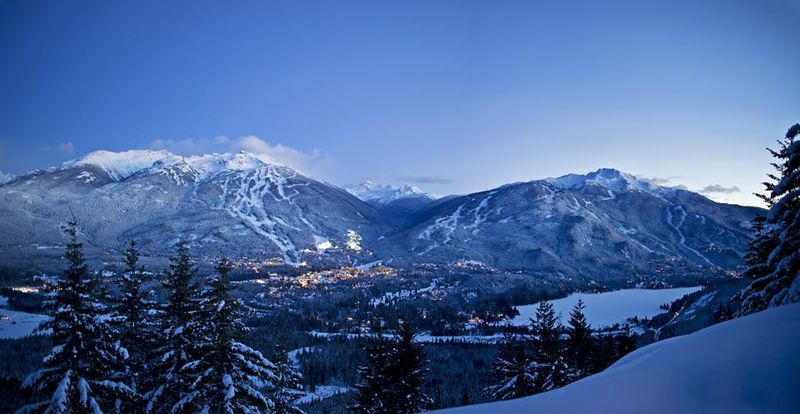
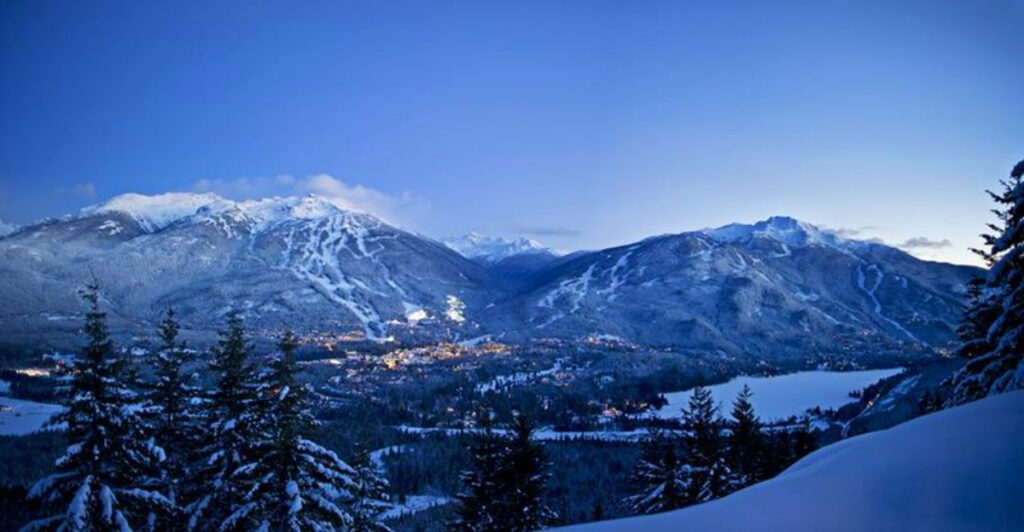
Fun fact: Whistler Blackcomb’s surrounding forests are home to one of the densest black bear populations in British Columbia, and the bears are so well-known locally that the resort actually runs a dedicated bear education program. Most skiers think of Whistler as a party destination, but the wilderness pressing in from every side is very real and very wild.
Coastal forests here are thick, ancient and full of life.
Deer are spotted regularly near the village and lower trails, especially in the quieter early morning hours before the lifts get busy. Smaller mammals like marten, snowshoe hare and even the occasional wolverine also inhabit the backcountry zones around the resort.
Birdwatchers have a field day spotting gray jays, Steller’s jays and various raptors riding thermals above the peaks.
The Whistler Blackcomb Wildlife Society actively works to protect animal corridors near the resort, which keeps the ecosystem healthy and sightings frequent. If you want to combine serious vertical drop skiing with genuine wilderness immersion, this resort checks both boxes without compromise.
Just remember to keep your distance — these animals are wild, and that is exactly what makes seeing them so unforgettable.
Steamboat Ski Resort — Colorado, USA
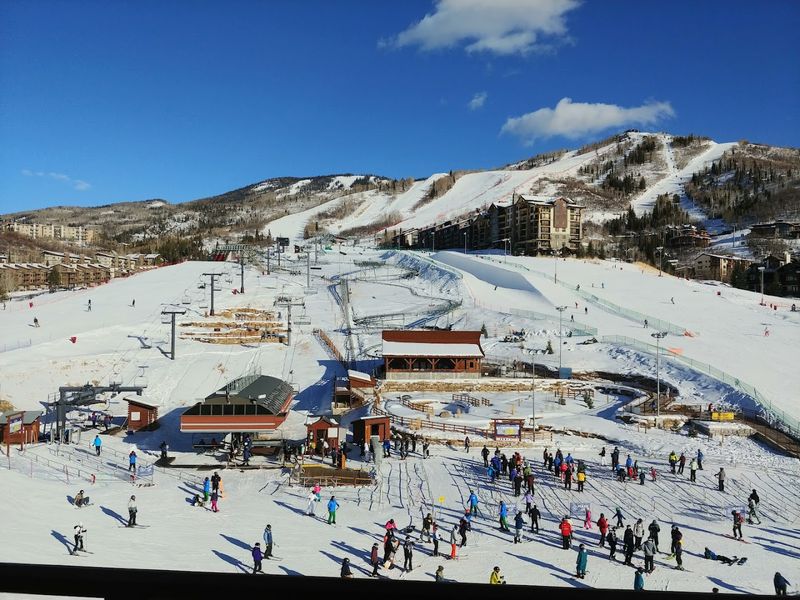
Steamboat Springs earned the nickname “Ski Town USA” for its deep ranching roots and authentic Western character — and out here, wildlife is not a novelty, it is just Tuesday. The resort is surrounded by vast ranchland and wilderness where elk and mule deer have migrated through for centuries.
Winter drives them down from higher elevations, and they often end up remarkably close to the resort base.
It is not unusual to pull into the parking lot before sunrise and find a small herd of elk grazing in the open meadow nearby. Locals barely blink at the sight, but first-time visitors tend to freeze mid-coffee and stare.
The Yampa Valley, which cradles the town of Steamboat Springs, acts as a natural funnel for migrating wildlife every winter season.
Beyond elk and deer, coyotes patrol the fringes of the resort at dusk, and great horned owls are heard calling through the pines on still evenings. The resort also sits close to Routt National Forest, which adds enormous habitat that supports diverse species year-round.
Steamboat is the kind of place where the wildlife sightings feel earned, not staged — which makes every encounter all the more memorable.
Kicking Horse Mountain Resort — British Columbia, Canada
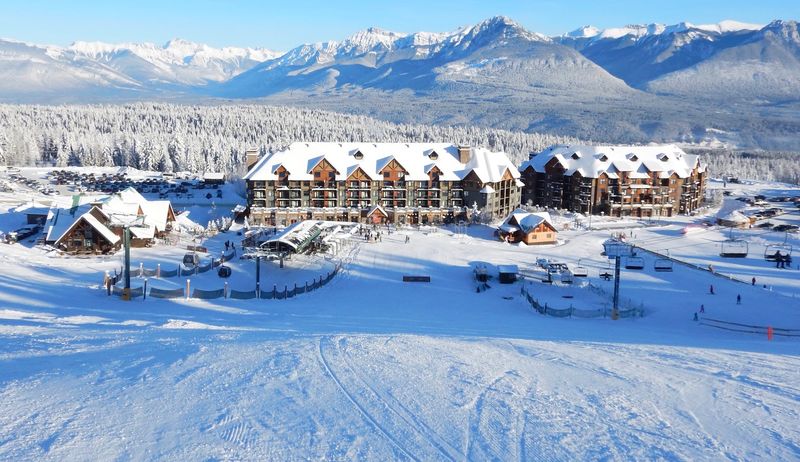
Kicking Horse is not a resort that apologizes for being remote — it celebrates it. Tucked deep into the Canadian Rockies near Golden, British Columbia, this mountain sits in some of the wildest terrain in the entire country.
Grizzly bears, black bears, elk, wolves and mountain goats all share this landscape, and the resort leans into that identity with pride.
The resort is actually home to a famous resident grizzly named Boo, who has lived in a large natural habitat area on the mountain since 2002. Visiting the Grizzly Bear Refuge at Kicking Horse is a genuine highlight, offering up-close education about one of North America’s most iconic predators.
Boo aside, wild grizzlies and black bears are spotted in the surrounding forests during active seasons.
Even in the depths of winter, wolf tracks have been found crossing lower ski runs after hours, and elk are regularly seen along forest edges near the gondola base. The sheer scale of untouched wilderness surrounding this resort means wildlife encounters feel completely natural rather than curated.
If you want raw, unfiltered mountain wilderness with world-class steep skiing thrown in, Kicking Horse delivers on every front without hesitation.
Alta Ski Area — Utah, USA
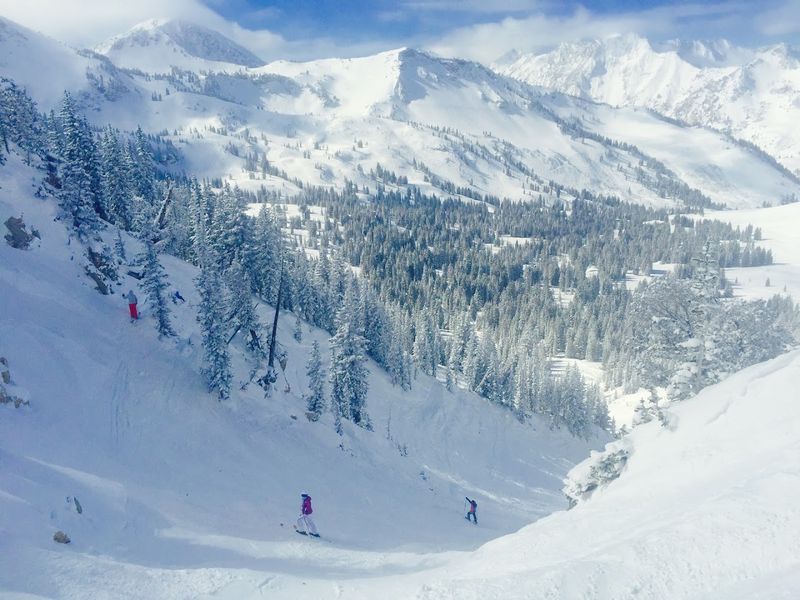
Alta is the kind of place that skiers speak about in reverent tones — deep powder, steep chutes, and a no-nonsense mountain culture that has stayed mostly unchanged since 1939. What many visitors do not expect is just how much wildlife calls this canyon home during winter.
Moose, mule deer and coyotes are regular fixtures in Little Cottonwood Canyon, where the resort sits nestled among the Uinta-Wasatch-Cache National Forest.
Moose sightings are almost a rite of passage for regular Alta visitors. These enormous animals are surprisingly comfortable moving through the canyon, and they have been spotted standing calmly beside the road or browsing willows just a short walk from the base lodge.
Mule deer also frequent lower elevations throughout the season, especially around dawn and dusk when human traffic quiets down.
Coyotes are heard yipping in the evenings, and birds of prey circle overhead on clear afternoons. The fact that the canyon is a dead-end road means less traffic and more wildlife activity compared to more accessible resorts.
Alta rewards patience — whether you are waiting for the perfect powder run or standing quietly in the trees hoping a moose walks past. Both are absolutely worth it.
Big Sky Resort — Montana, USA
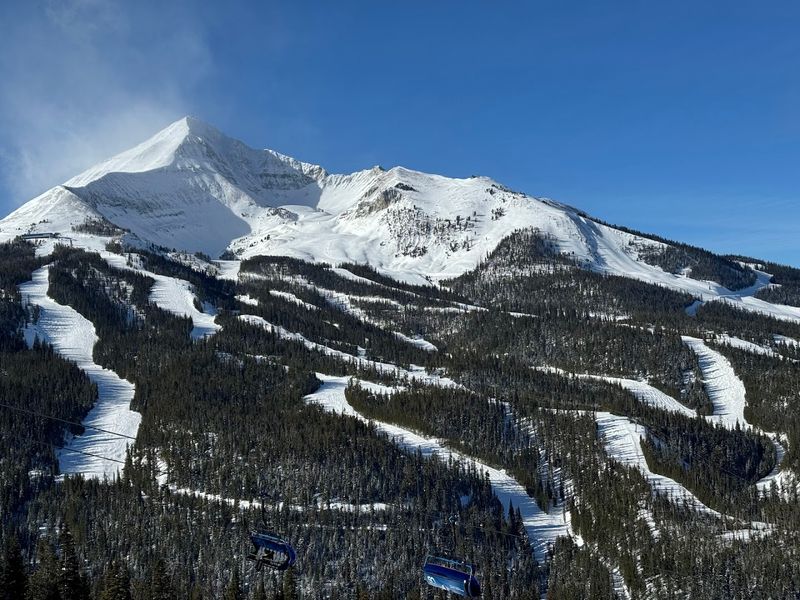
Montana has a reputation, and Big Sky Resort does absolutely nothing to downplay it. This is wolf country, elk country and bald eagle country all rolled into one massive mountain destination.
Sitting just an hour’s drive from Yellowstone National Park, Big Sky benefits from one of the most active wildlife corridors in the continental United States. Animals move freely between the park and the surrounding wilderness all winter long.
Elk herds are commonly seen in the Gallatin Valley below the resort, and wolf packs have been documented moving through the area during winter months. Bald eagles perch in tall snags along the river corridors, and moose wade through willows near wetland edges not far from the ski runs.
Even from the lifts, riders frequently spot animal tracks cutting across untouched slopes below.
Big Sky also offers guided wildlife safari tours during winter, often in partnership with Yellowstone-focused naturalists who know exactly where to look. The resort itself is enormous — the largest ski resort in the United States by acreage — which means there are quieter pockets of mountain where wildlife activity is undisturbed.
Skiing Big Sky feels like being part of something bigger than just a mountain resort.
Deer Valley Resort — Utah, USA
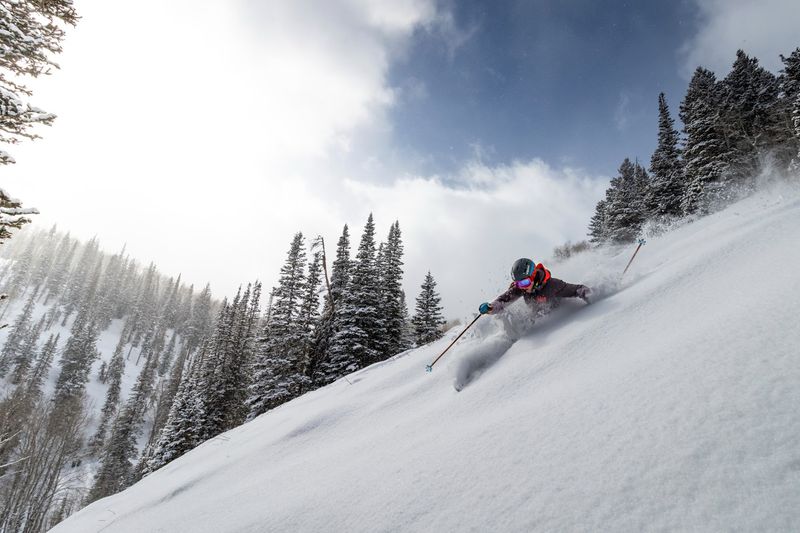
The name is not just clever branding — Deer Valley actually has deer, and they show up regularly enough to justify the title. Surrounded by the Uinta National Forest and woven into the broader Wasatch Range habitat, the resort sits along natural migration corridors that deer and elk use throughout the winter season.
Early morning and late afternoon are peak viewing windows, especially near the quieter edges of the resort.
Deer Valley is known for its polished, upscale mountain experience, but the wildlife around it operates on no such schedule. Mule deer have been spotted grazing near chairlift bases and crossing open glades between runs.
The resort’s expansion into Empire Canyon opened up new terrain that overlooks some of the most active wildlife movement zones in the area.
Beyond deer and elk, the surrounding forest supports coyotes, red foxes and a variety of raptors that hunt the open slopes during winter. Snowshoers and cross-country skiers exploring the quieter trails around the resort tend to have the best luck spotting animals.
Deer Valley may be famous for its groomed corduroy and five-star service, but the untamed wildlife just beyond the boundary ropes adds a layer of authenticity that no amount of luxury can replicate.
Revelstoke Mountain Resort — British Columbia, Canada
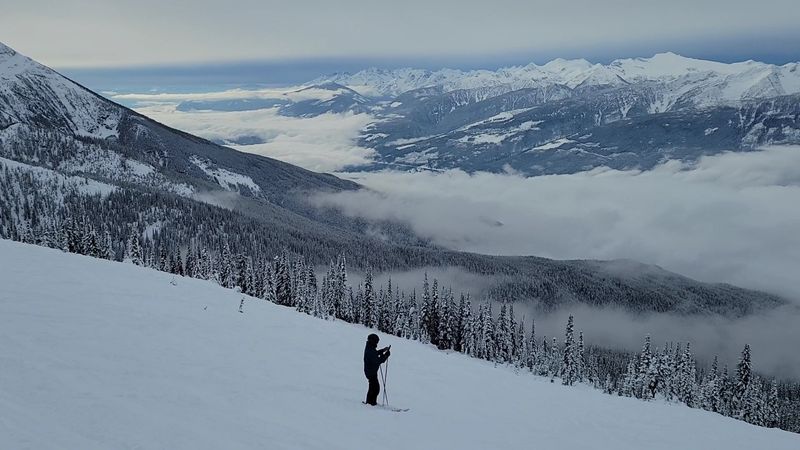
Revelstoke is the kind of mountain that makes experienced skiers go quiet. The vertical drop is staggering, the snowfall is legendary, and the wilderness surrounding it is so vast and untouched that wildlife sightings here feel genuinely wild rather than coincidental.
Nestled between the Monashee and Selkirk mountain ranges, the resort is embedded in one of the most biodiverse mountain ecosystems in Canada.
Elk and deer are spotted near the forest edges throughout winter, particularly during the softer light of early morning or late afternoon. Mountain goats pick their way across rocky ridgelines above the tree line, sometimes visible from the upper lifts on clear days.
Wolves have been tracked moving through the valley corridor below the resort, and their howling on still winter nights is something skiers talk about for years afterward.
The Columbia River valley below Revelstoke also supports a rich bird community, including osprey, eagles and various waterfowl that remain active through the colder months. The resort is still relatively uncrowded compared to larger North American destinations, which means wildlife encounters happen with less human interference.
That quieter atmosphere, combined with the sheer scale of surrounding wilderness, makes Revelstoke one of the most rewarding places on this list for serious wildlife enthusiasts.
Whitefish Mountain Resort — Montana, USA
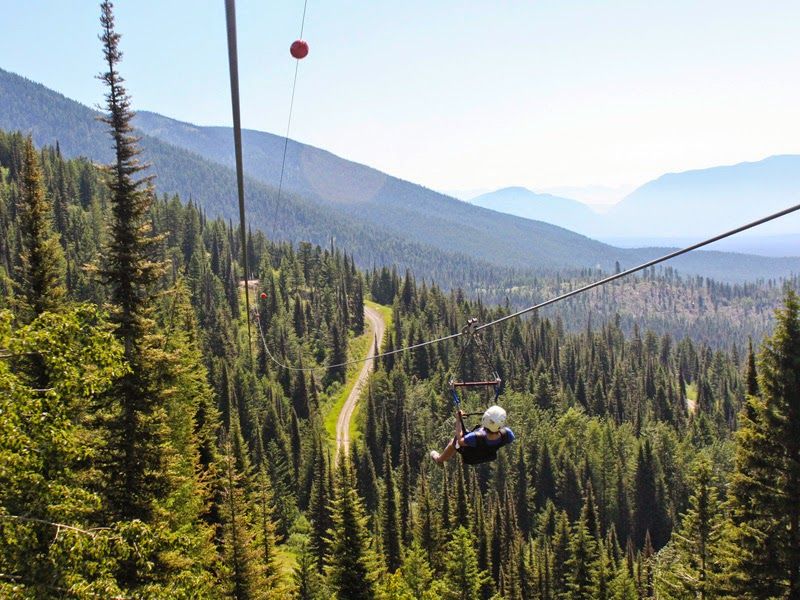
Whitefish Mountain Resort sits right on the edge of Flathead National Forest, which borders Glacier National Park to the east — and that geographic reality means the wildlife situation here is extraordinary. Deer and elk are practically neighbors with the resort, moving through the forested slopes and open glades that separate the ski runs from deep backcountry.
Sightings are so common that resort staff barely pause to mention them anymore.
White-tailed deer are especially abundant around Whitefish, browsing along trail edges and occasionally wandering through the lower resort areas during quieter periods. Elk herds use the surrounding forest as winter range, and their bugles echo through the trees during the transitional months on either side of peak ski season.
Mountain lions have also been documented in the region, though sightings of these secretive cats are rare and thrilling in equal measure.
The proximity to multiple protected wilderness areas creates an unbroken habitat network that supports a wide variety of species year-round. Bald eagles are a reliable sight along the Whitefish River corridor just below the mountain, and gray wolves have been reestablishing themselves throughout the Flathead region.
Whitefish delivers honest Montana wilderness alongside genuinely excellent skiing — no exaggeration required.
Share this story