Travel dreams are getting bigger in 2026, and the world is delivering some seriously exciting options. From ancient temples to futuristic coastlines, this year’s hottest destinations cover every kind of adventure imaginable.
Whether you are chasing sunshine, wildlife, or culture, there is a place on this list that will make you want to pack your bags immediately. Get ready to explore the places everyone is talking about right now.
Madrid, Spain — Europe’s Top Pick for 2026
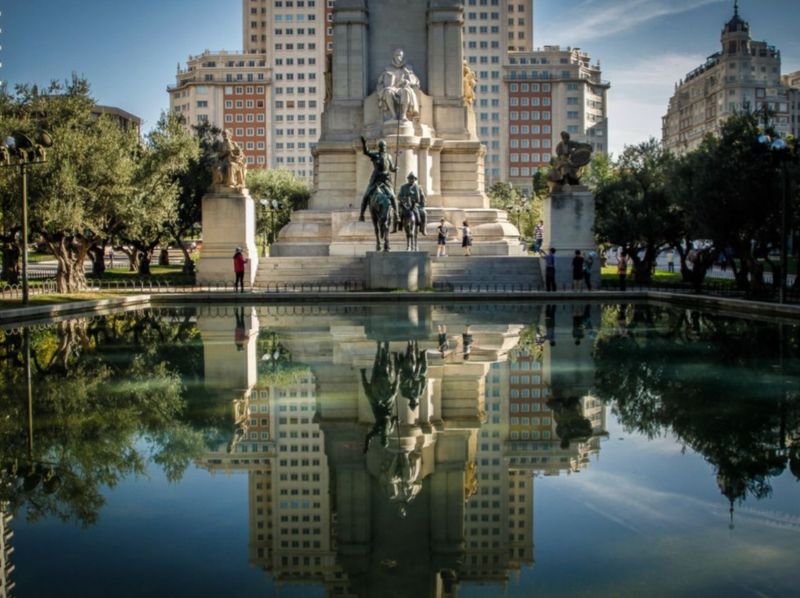
Sunshine for over 3,000 hours a year? Yes, Madrid actually delivers that, and it is just one reason Europe’s travel community voted this Spanish capital their top pick for 2026.
The city pulses with energy from morning coffee at a sidewalk cafe to late-night tapas in the La Latina neighborhood. Madrid is not just warm — it is genuinely alive.
Art lovers will find themselves speechless inside the Prado Museum, home to masterpieces by Goya and Velazquez. The nearby Reina Sofia houses Picasso’s legendary Guernica, making Madrid a must-see for anyone who appreciates great art.
Three world-class museums sit within walking distance of each other — that is practically unheard of.
Getting around is surprisingly simple thanks to a clean, affordable metro system that connects every major attraction. Plaza Mayor buzzes with street performers and outdoor dining that stretches well into the night.
Foodies will adore the Mercado de San Miguel, a stunning iron-and-glass market packed with local flavors. Madrid rewards curious travelers who wander off the main path and discover hidden plazas tucked between centuries-old buildings.
Kyoto, Japan — Cultural Classic & Seasonal Bloom Champion
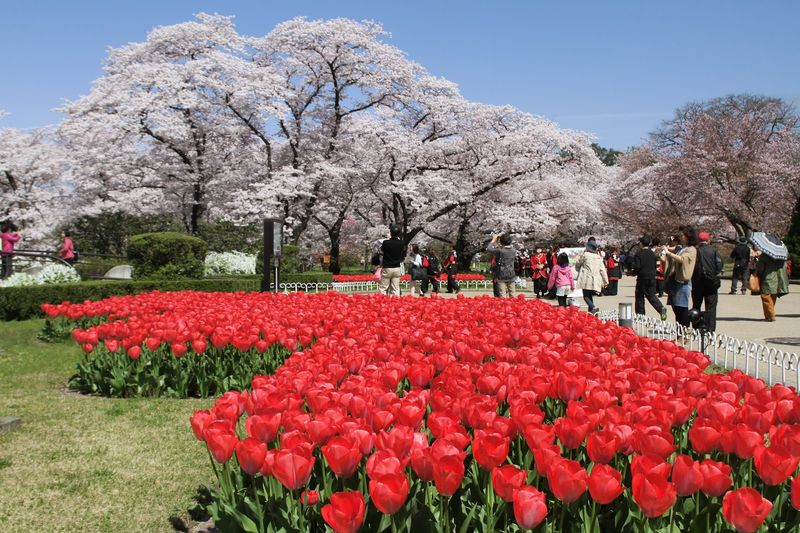
Thousands of pink petals drifting past a five-hundred-year-old wooden temple — that is the kind of scene Kyoto has been delivering to speechless visitors for centuries. Spring cherry blossom season draws enormous crowds to the Philosopher’s Path, a canal-side walkway framed by hundreds of cherry trees.
Autumn maple season is equally jaw-dropping, painting the hills in deep reds and golds.
Beyond the seasonal spectacle, Kyoto holds over 1,600 Buddhist temples and 400 Shinto shrines within its borders. Fushimi Inari Taisha, with its thousands of bright orange torii gates climbing a forested mountain, is one of the most photographed spots on Earth.
Arashiyama’s bamboo grove creates an almost surreal tunnel of towering green stalks that visitors never forget.
Traditional tea ceremony experiences are widely available throughout the Gion district, where geisha culture still thrives quietly alongside modern tourism. Kyoto’s food scene is refined and deeply seasonal, with kaiseki multi-course meals reflecting whatever ingredient is at its peak.
Travelers who slow down and explore the city’s quieter backstreets often discover moss-covered gardens and tiny shrines that feel entirely undiscovered. Kyoto remains completely worth every bit of the hype.
Costa Rica — Eco-Adventure Paradise
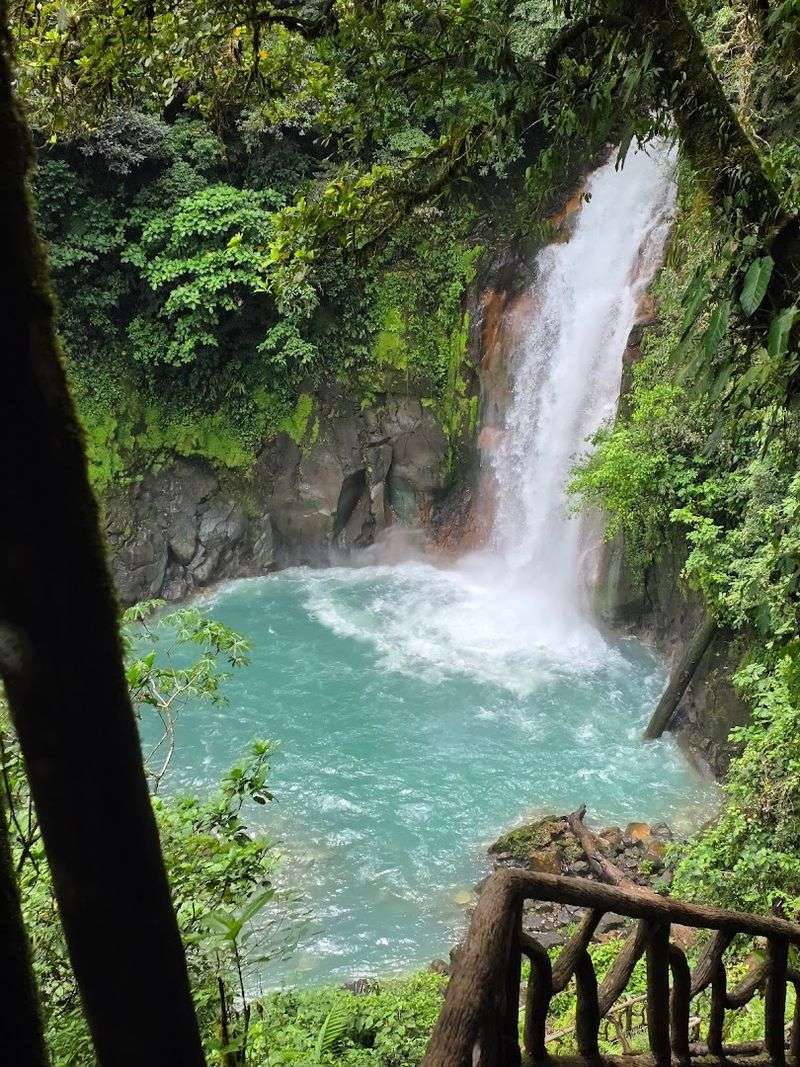
Somewhere between a zip line over a cloud forest and a close encounter with a howler monkey, most visitors realize Costa Rica has completely ruined them for ordinary vacations. This small Central American country packs an extraordinary amount of biodiversity into its borders, with over 500,000 species of plants and animals calling it home.
That number represents roughly five percent of all life on Earth.
Manuel Antonio National Park is a brilliant starting point, offering white-sand beaches right beside dense jungle where sloths hang lazily from trees. Arenal Volcano looms dramatically over hot springs and adventure trails that attract hikers from around the world.
The Monteverde Cloud Forest Reserve offers a misty, magical experience unlike anything found at sea level.
Costa Rica pioneered the concept of ecotourism decades ago, and the country still leads by example with strong conservation laws and nationally protected land covering nearly twenty-six percent of its territory. Local guides bring the forest to life with knowledge that no guidebook can fully replicate.
Sustainable lodges built into hillsides offer incredible wildlife views without disturbing natural habitats. For travelers who want adventure with a conscience, Costa Rica genuinely delivers on every promise it makes.
Slovenia — Fairytale Nature & Sustainable Travels
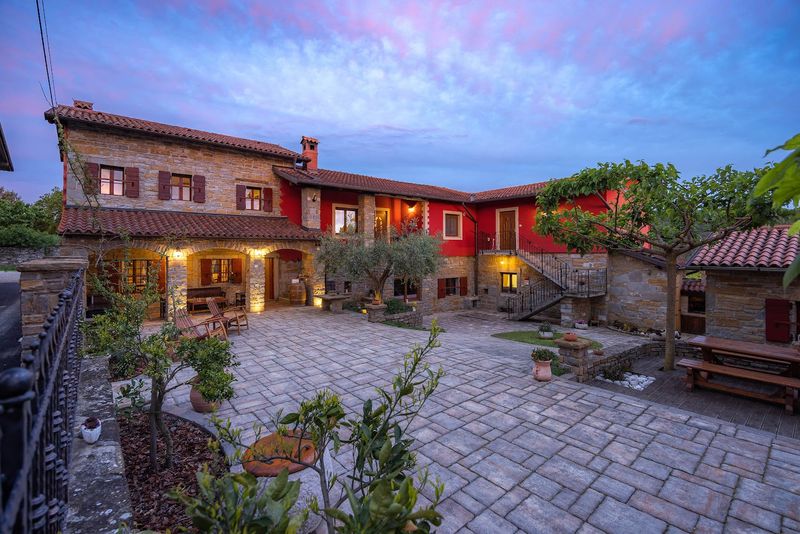
Imagine a postcard so perfect it looks digitally edited — that is the actual, unfiltered view of Lake Bled on a clear morning in Slovenia. A tiny island with a white church sits at the center of an impossibly green lake, framed by snow-dusted Alpine peaks.
First-time visitors frequently stop mid-sentence just to stare.
Slovenia is one of Europe’s most committed sustainable travel destinations, with Ljubljana earning recognition as a European Green Capital. The capital city bans cars from its historic center, creating a pedestrian-friendly old town full of open-air cafes, bookshops, and a lively riverside market.
It manages to feel both charming and surprisingly hip at the same time.
Outdoor adventurers will find endless options beyond Lake Bled, including the dramatic Soča River Valley with its turquoise rapids perfect for kayaking and rafting. Triglav National Park covers much of the country’s northwest corner with hiking trails that reward every level of fitness.
Slovenia also boasts impressive caves, including Postojna Cave, one of the largest cave systems in Europe. For a European escape that skips the overcrowded tourist trail without sacrificing beauty or culture, Slovenia is quietly becoming the smartest choice travelers can make in 2026.
Tokyo, Japan — A Metropolis Still on the Rise

No city on Earth pulls off the combination of ancient and ultra-modern quite like Tokyo, where a centuries-old Shinto shrine sits perfectly calm beside a forty-story neon-lit skyscraper. The city’s energy is genuinely contagious — even a simple morning walk through the Yanaka neighborhood feels like a small adventure.
Tokyo rewards every kind of traveler, whether you are obsessed with food, fashion, technology, or history.
Shibuya Crossing, the world’s busiest pedestrian intersection, is worth visiting just to experience the organized chaos of thousands of people moving in perfect harmony. Akihabara dazzles tech enthusiasts and anime fans with multi-story electronics shops and gaming arcades that run until late at night.
Meanwhile, Asakusa offers lantern-lit temple streets and traditional snack stalls that transport visitors back several centuries.
Tokyo’s food scene holds more Michelin stars than any other city on the planet — a fact that still surprises most people when they hear it. Ramen shops, sushi counters, yakitori alleys, and elaborate themed cafes make every meal an event worth planning around.
The city’s public transport system is so efficient and clean that getting lost feels almost impossible. Tokyo keeps evolving and somehow keeps getting better, which is exactly why it refuses to disappear from anyone’s travel bucket list.
New Zealand — Nature & Adventure in Full Spectrum
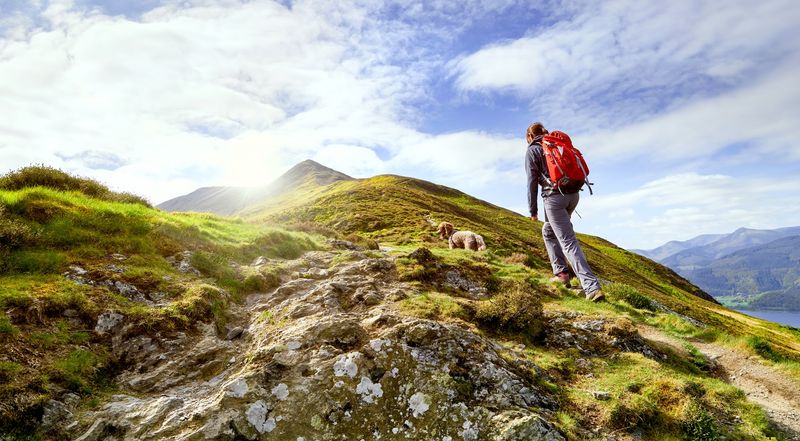
Standing at the edge of Milford Sound, surrounded by thousand-meter cliffs dropping straight into dark mirror-still water, you quickly understand why New Zealand feels less like a real place and more like a movie set. Actually, it literally was one — the Lord of the Rings trilogy was filmed across its landscapes, and the scenery genuinely looks that dramatic in person.
New Zealand does not disappoint.
The North Island offers a completely different flavor, with geothermal wonders at Rotorua bubbling and steaming from the earth in ways that seem almost science-fictional. Waitomo’s glowworm caves create a natural planetarium underground, with thousands of tiny bioluminescent creatures lighting the ceiling of ancient limestone caverns.
Hobbiton, the preserved movie set in the rolling Waikato hills, has become a genuinely beloved attraction beyond just film fans.
Adventure sports thrive here, including bungee jumping, skydiving, white-water rafting, and heli-skiing across South Island peaks. The country’s relatively small population means many natural spaces still feel genuinely wild and uncrowded.
New Zealand’s Maori culture adds rich storytelling and tradition to every region through music, art, and welcoming community experiences. For 2026 travelers craving both heart-pounding thrills and breathtaking quiet, New Zealand offers the full package without compromise.
Rio de Janeiro, Brazil — Sun, Samba & Skyline Views
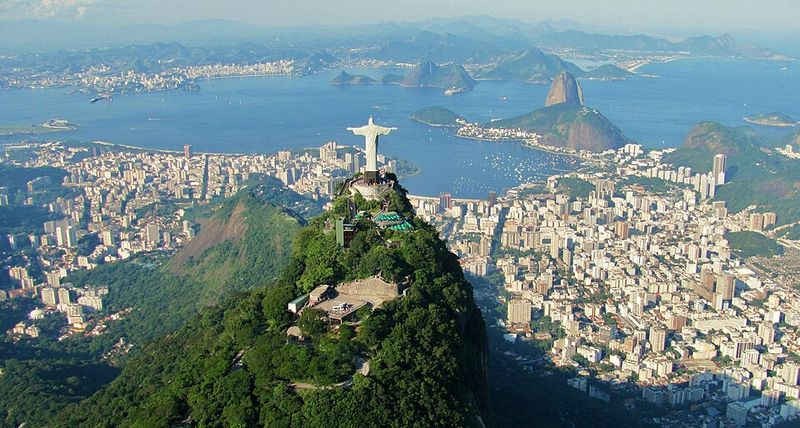
Few cities announce themselves as dramatically as Rio de Janeiro, where a giant stone Christ figure stretches his arms wide over a city of mountains, jungles, beaches, and six million people. The view from Corcovado mountain is the kind that makes travelers go completely silent for a few seconds before reaching for their cameras.
Rio earns every superlative thrown at it.
Copacabana and Ipanema beaches are legendary for good reason — golden sand, warm Atlantic water, and a beach culture so vibrant it practically has its own soundtrack. Carnival season transforms the entire city into a non-stop celebration of samba, color, and community that draws visitors from every continent.
Even outside of Carnival, Rio’s street parties and outdoor music scenes keep the energy remarkably high year-round.
The Santa Teresa neighborhood offers a cooler, artistic side of the city, with cobblestone streets, colorful murals, and small galleries tucked into hillside homes. Sugarloaf Mountain provides cable car rides to panoramic views that rival anything found in the Alps.
Brazilian food culture is wonderfully rich, from churrascarias piled high with grilled meats to fresh acai bowls sold on every beachside corner. Rio is bold, beautiful, and absolutely back on the 2026 travel radar in a major way.
Montenegro — Adriatic Coast & Medieval Towns
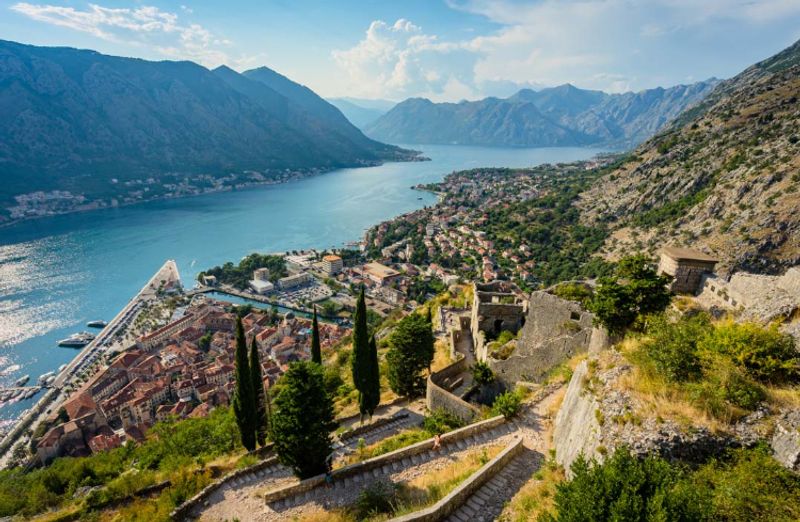
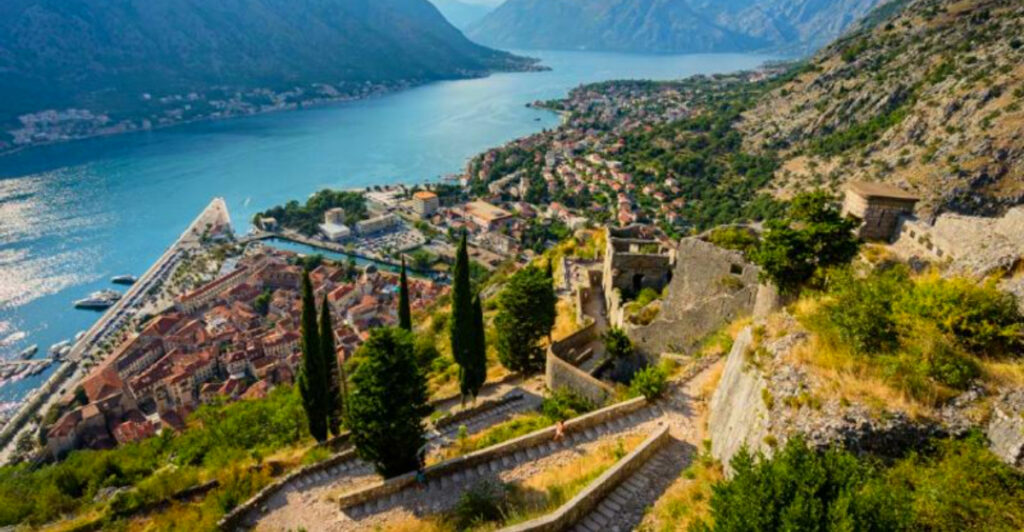
Tucked between Croatia and Albania on the Adriatic coast, Montenegro might be Europe’s best-kept secret — though the word is officially out for 2026. Kotor’s medieval walled city is a UNESCO World Heritage Site that genuinely looks unchanged from the fifteenth century, complete with stone alleyways so narrow two people can barely pass side by side.
Cats, incidentally, are considered the unofficial mascots of Kotor and roam freely everywhere.
Bay of Kotor is sometimes called Europe’s southernmost fjord, and the drive around its dramatic shoreline ranks among the most scenic road trips on the continent. Budva’s old town sits on a tiny peninsula jutting into the Adriatic, surrounded by beaches that rival anything found in the more expensive Greek islands nearby.
Montenegro delivers Mediterranean beauty at a fraction of the price travelers typically pay elsewhere.
The country’s interior offers wild, rugged national parks where hiking trails lead to glacial lakes and canyon views that are almost aggressively beautiful. Durmitor National Park features Tara Canyon, the deepest river canyon in Europe, drawing rafters and hikers throughout the warmer months.
Montenegro’s small size makes it easy to combine coastal relaxation with mountain adventure in a single trip. For 2026 travelers hunting a destination that feels genuinely undiscovered, Montenegro is the answer.
Costa del Sol & Majorca, Spain — Mediterranean Favorites
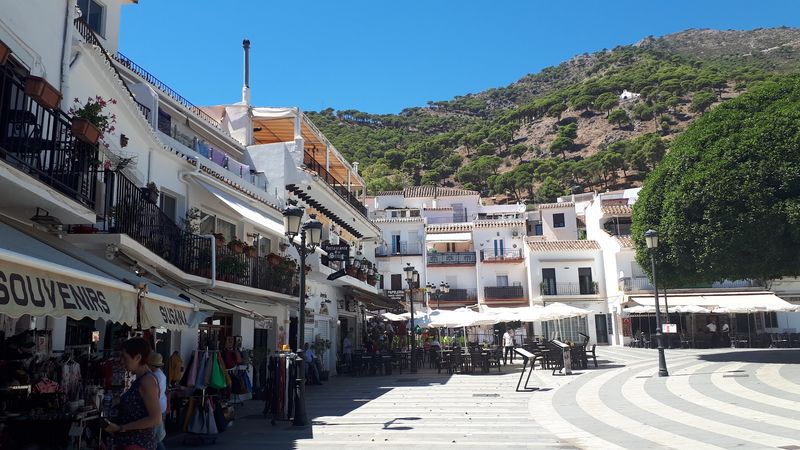
Spain already took the top European destination crown for 2026, and its Mediterranean coastlines are making sure the country earns that title twice over. Majorca’s northern coastline features dramatic limestone cliffs dropping into water so clear and turquoise it genuinely looks unreal from above.
The island’s Serra de Tramuntana mountain range, a UNESCO World Heritage Site, adds serious hiking appeal beyond the famous beaches.
Costa del Sol stretches along southern Spain’s Andalusian coast with over 320 days of sunshine per year, attracting beach lovers, golfers, and foodies in equal numbers. Malaga, the region’s cultural capital, has transformed over recent years into a genuine arts hub, with the Picasso Museum and Centre Pompidou drawing visitors who might otherwise skip the coast entirely.
The charming white villages of the interior, called pueblos blancos, are worth a day trip for anyone staying nearby.
Majorca’s capital Palma boasts a stunning Gothic cathedral that rises dramatically from the waterfront and a thriving food scene built around fresh seafood and local wines. Boutique hotels in converted historic buildings have elevated the island’s accommodation options well beyond the old package-holiday stereotype.
Both destinations offer excellent flight connections from across Europe and beyond, making spontaneous 2026 bookings very tempting indeed.
Saudi Arabia’s Red Sea — A New Luxury Coastal Frontier
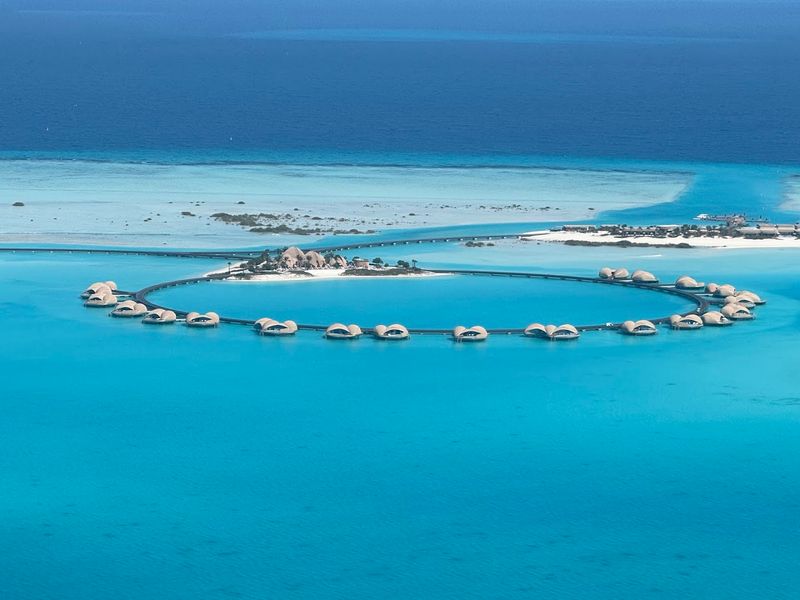
Saudi Arabia is rewriting the global travel map, and its Red Sea coastline is the boldest chapter yet. The Red Sea Project is a multi-billion-dollar development transforming a pristine stretch of coast into one of the most ambitious luxury tourism destinations ever attempted, featuring futuristic island resorts, conservation-first design, and coral reef ecosystems largely untouched by mass tourism.
It sounds ambitious because it genuinely is.
NEOM’s Sindalah Island is designed entirely around superyacht culture and ultra-luxury hospitality, targeting a very specific traveler who wants exclusivity alongside extraordinary natural beauty. The Red Sea International Airport now provides direct access to this previously remote region, removing the logistical barrier that once kept most travelers away.
Early visitors have reported snorkeling and diving experiences among the best anywhere on Earth, thanks to exceptionally healthy coral and clear visibility.
Saudi Arabia has significantly expanded its tourist visa program, making entry far more accessible than just a few years ago. The country’s archaeological sites, including the ancient Nabataean city of AlUla, pair brilliantly with a Red Sea coastal itinerary for travelers seeking cultural depth alongside beach luxury.
For 2026 adventurers who want to say they experienced something truly new, Saudi Arabia’s Red Sea frontier offers exactly that rare feeling of genuine discovery.
Costa Rica’s Tropical Wilderness & Beaches
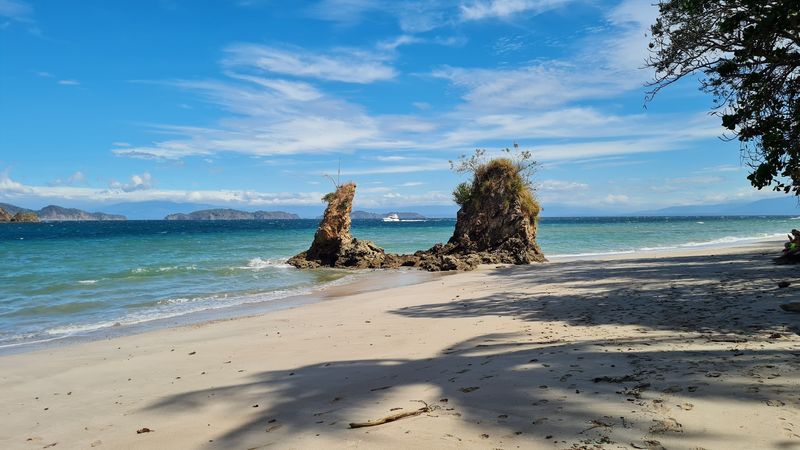
Sea turtles hauling themselves up a moonlit beach to nest while howler monkeys call from the jungle just meters away — this is a completely normal Tuesday night on Costa Rica’s Osa Peninsula. The country’s second appearance on this list is fully justified because Costa Rica’s appeal genuinely spans two different types of travel experiences.
The wildlife and the beaches here are not in competition; they exist side by side in extraordinary harmony.
The Nicoya Peninsula is home to some of Central America’s most celebrated surf beaches, including Santa Teresa and Nosara, where consistent Pacific swells attract surfers ranging from first-timers to seasoned professionals. Nosara has also developed a strong wellness tourism reputation, with yoga retreats and health-focused resorts nestled between the jungle and the shore.
Corcovado National Park on the Osa Peninsula is famously described by National Geographic as the most biologically intense place on Earth.
Warm water temperatures make swimming and snorkeling genuinely enjoyable year-round, particularly around the Cahuita National Park reef on the Caribbean side. Turtle nesting season brings guided nighttime beach experiences that are quietly unforgettable.
Costa Rica manages to be simultaneously relaxing and wildly exciting, which is an extremely rare travel combination. It is no surprise the country earned two spots on the most talked-about destinations list for 2026.
Share this story