America’s quietest places once hummed with classified activity, hidden behind blast doors, blank fences, and vague job titles. You are about to tour the shadow network that watched the skies, trained agents, and kept the government ready to function even on its worst day.
These sites were built to be invisible, yet their stories are vivid, strange, and surprisingly human. Keep reading to slip past the guardhouse of history and into rooms that ran on red phones, code names, and the unnerving calm of constant readiness.
1. Greenbrier Congressional Bunker, West Virginia
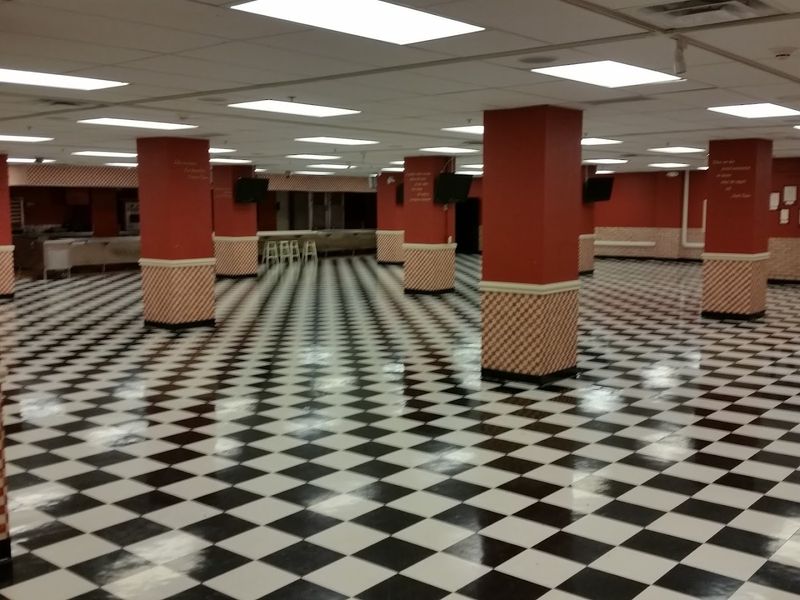
A fancy resort hid a very practical secret under its carpets. The Greenbrier bunker waited patiently for a call that everyone hoped would never come, stocked with bunks, badges, and bland furniture built for continuity not comfort.
The auditorium would have seated lawmakers under bright lights and tighter timetables. Offices lined with metal desks kept authority functional, reduced to its most portable form alongside canned goods and secure phones.
Cover stories protected the truth. Workers maintained the space under euphemisms, managing air systems and cable runs with practiced discretion and a professional poker face.
Tours now let you compare the resort’s chandeliers with the bunker’s fluorescent hum. You imagine televised briefings from the in-house studio and feel how governance can compress into concrete, passwords, and a reliable dial tone.
2. Mount Weather Emergency Operations Center, Virginia
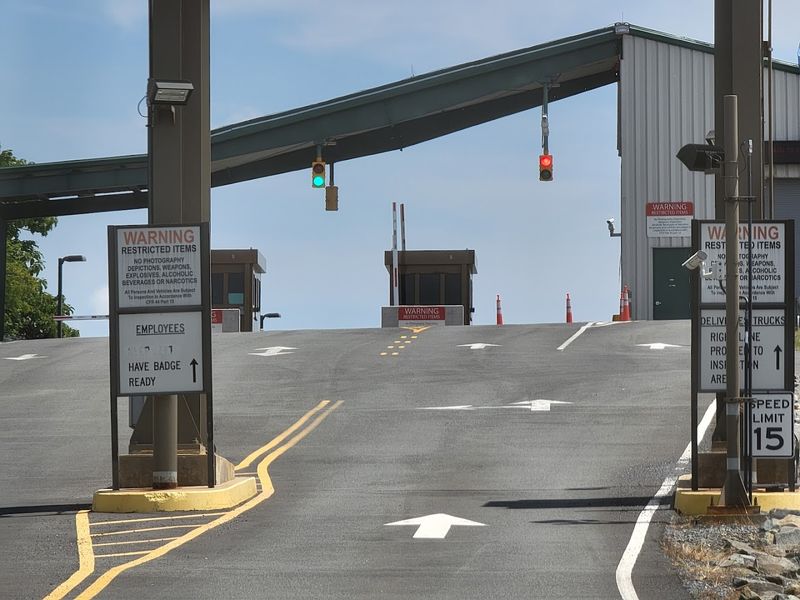
Secrecy wears a zip code here but not much else. Mount Weather sat ready as a government backup brain, its hillside hiding secure rooms where officials could continue decisions under unkind skies.
Maps cover walls with tidy menace, turning cities into dots and decisions into lines. Briefings would have unfolded with abbreviations, color codes, and coffee poured without ceremony.
Continuity demanded routine. Rotations, drills, and checklists shaped days into predictable rails so the worst day would not derail the mission.
Public glimpses remain limited, and that suits the site’s purpose. You leave with a mental image of corridors that value function over flourish, and a feeling that resilience can live in simple desks, clean data, and doors that always close properly.
3. Hanford Site, Washington
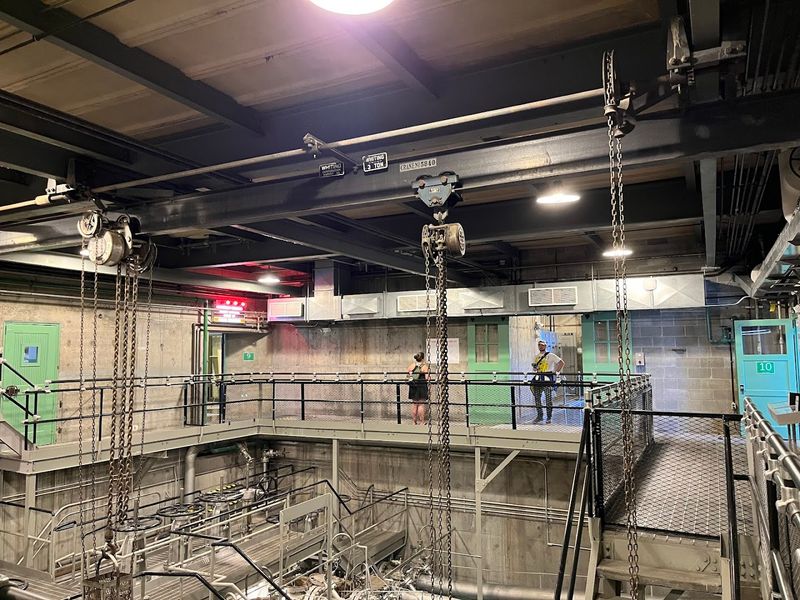
Silence stretches wide in the shrub steppe, then a concrete reactor block interrupts the horizon. Hanford scaled up secrecy and steam to make plutonium, turning valves and policy into a supply chain guarded by distance.
Workers carried job titles that explained little, clocking in for tasks fenced by compartmentalization. A badge got you through one door, not ten, and questions found soft landings in subject changes.
Cold War years kept the site humming. Reactors rose, ponds steamed, and paperwork grew thick enough to muffle curiosity and measure compliance.
Cleanup now competes with history for attention. You step through carefully curated spaces and realize that industry at this scale leaves echoes long after the turbines quiet, the kind that require as much patience as the missions that started them.
4. Area 51, Nevada
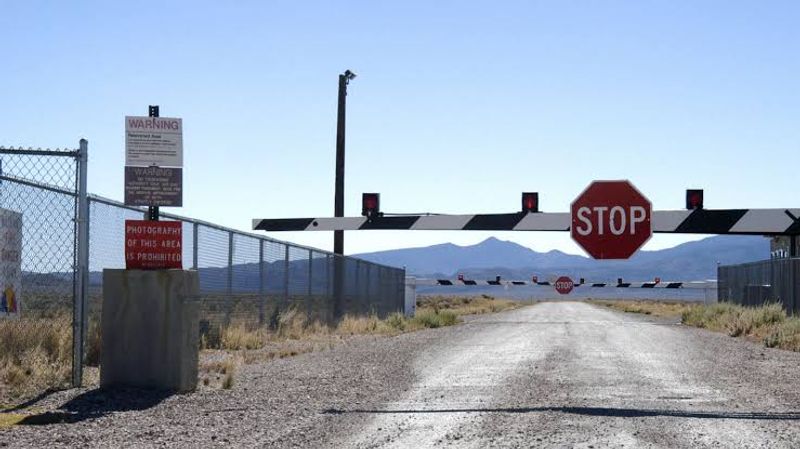
The runway looks endless when seen across a white lakebed glare. Area 51 turned experimental into everyday, flying prototypes that wore the future’s outline before the paint dried.
Perimeter signs speak clearly and often. The real deterrent is distance, heat, and the knowledge that curiosity gets tired well before security does.
Debriefs likely sounded like math class with better acronyms. Speeds, signatures, and sensor readouts mattered more than speculation, and the scoreboard lived in radar shadows.
Roadside viewpoints offer little besides shimmering mirage and a sense of scale. You leave with questions, which suits the place fine, and a reminder that the best cover story is a well-kept schedule.
5. Nike Missile Sites, Nationwide
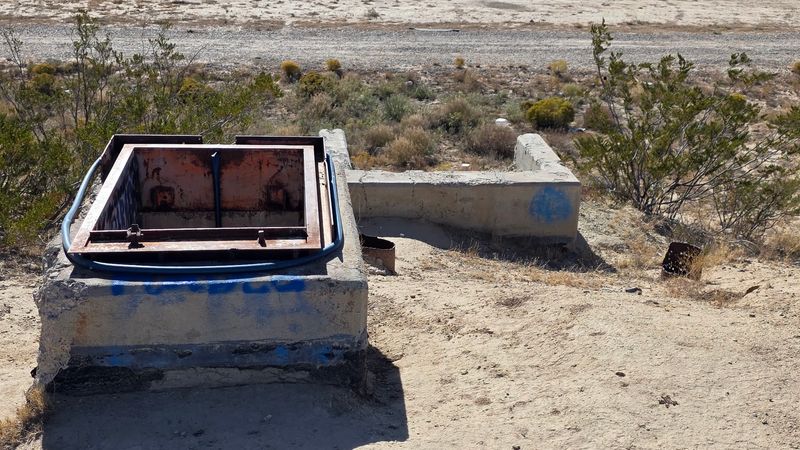
Defense once hid in suburbia with suspiciously symmetrical fields. Nike missile sites ringed cities in a quiet mesh, launchers sunk in the ground and radars scanning for bombers that never arrived.
The system split into eyes and fists. Acquisition and tracking radars pushed data to guidance consoles while missiles waited beneath you like coiled arguments.
Some sites survive as parks or museums, where volunteers translate acronyms into plain speech. The concrete still holds a certain posture, precise angles refusing to slump into the landscape.
Standing on a pad, you imagine a countdown that ends with thunder and contrails streaking upward. Instead, the Cold War ended with more paperwork than launches, leaving behind geometry and a lesson in layered defense.
6. Cheyenne Mountain Complex, Colorado
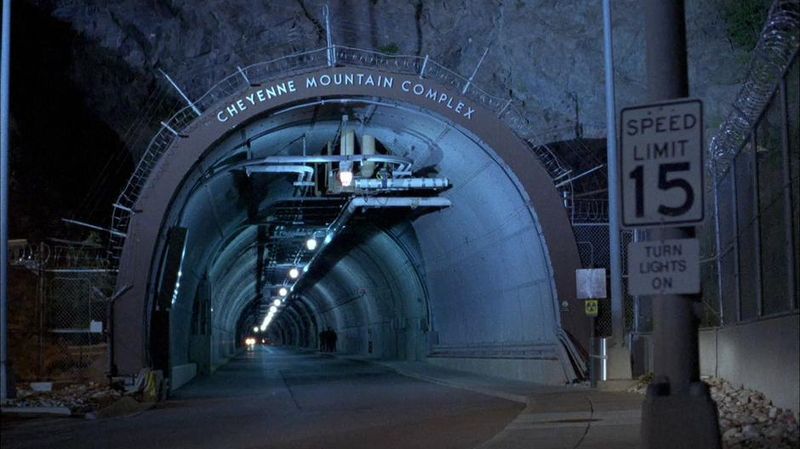
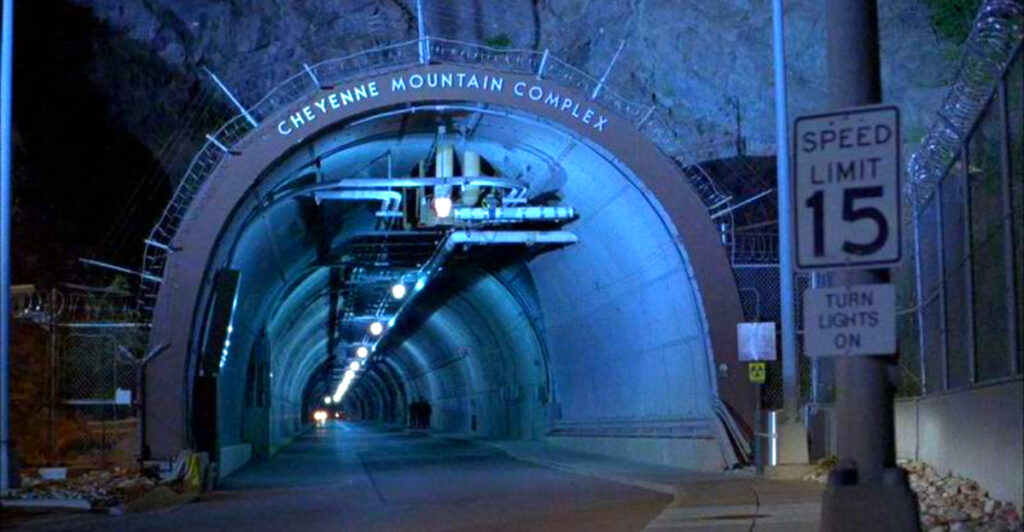
The heart of North American aerospace defense beats behind 2,500 feet of rock. Cheyenne Mountain Complex fused geology with technology, carving a fortress of steel chambers set on shock absorbers to survive shockwaves and keep the screens glowing.
A cavernous tunnel leads to blast doors weighing as much as locomotives, closing with a finality that settles in your ears. Inside, spring-mounted buildings cushion the jolt of disaster, a bunker inside a bunker where clocks and checklists ruled the day.
Culture here prized redundancy. Two of everything, sometimes three, because silence on a headset at the wrong time was unacceptable and backups were the quiet heroes.
Today tours occasionally pull back the curtain, but the sensation remains the same. You read status boards, feel the hum of air systems, and realize the mountain is not just granite but a promise to stay standing.
7. The Pentagon’s Raven Rock (Site R), Pennsylvania
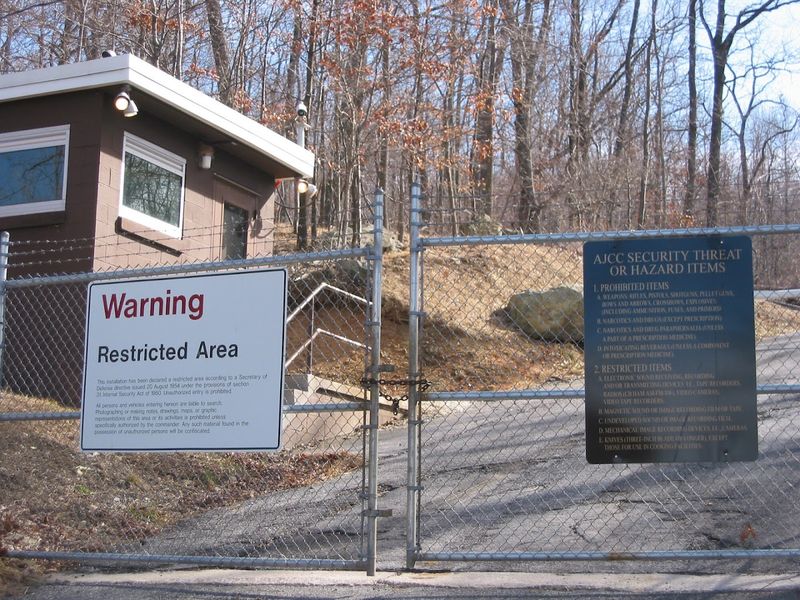
A mountain swallowed a mirror of the Pentagon and kept chewing. Raven Rock offered a hardened fallback, a steel ribcage of rooms where the Department of Defense could keep breathing through smoke and static.
Air handling mattered as much as strategy. Filters, overpressure, and meters kept the outside out while information did the opposite, moving quickly in carefully chosen lanes.
The site still works mostly out of sight. What lingers for visitors is the idea that vital organs can be relocated underground and continue a heartbeat untimed to daylight.
8. Camp Century, Greenland (U.S. Project Iceworm)
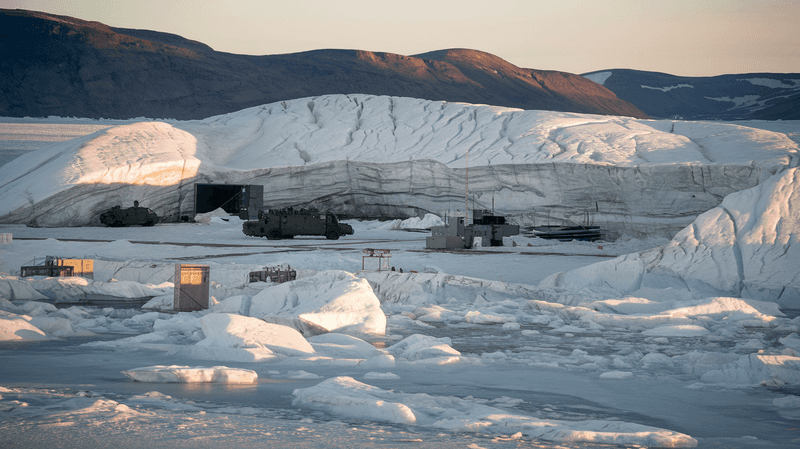
Cold had company here, and it wore Army patches. Camp Century tunneled into Greenland’s ice to test whether a frozen world could host railways for missiles and the daily grind of a small buried city.
Project Iceworm sounded tidy on paper, yet ice shifts hold opinions. Crevasses argued back, structures warped, and calculations met nature’s rewrite policy.
Life still kept a schedule. Research, maintenance, and friendly card games coexisted with sensors that ticked and records that traveled home in neat boxes.
The project closed, but its audacity remains hard to misplace. You leave picturing a frozen grid that tried to stay straight while the planet insisted on curves, a Cold War story written in snow and pencil.
9. The Savannah River Site, South Carolina
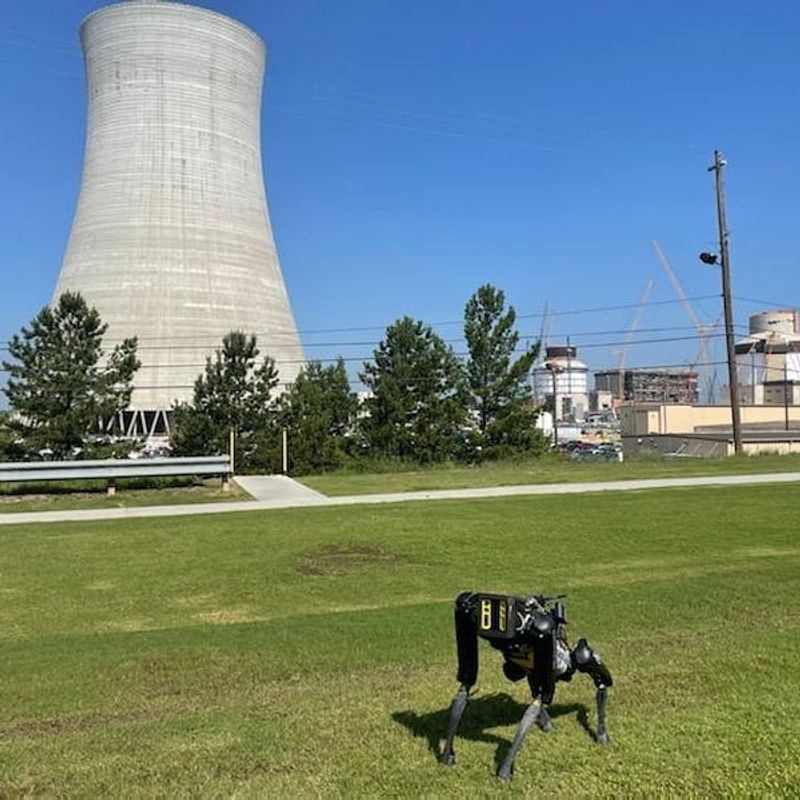
A sprawling complex emerged from pine forest with a purpose that used few adjectives. Savannah River Site manufactured nuclear materials at industrial scale, pairing river water, reactors, and round-the-clock shifts.
Entire communities found steady work here, culture shaped by badges and bus routes. Neighbors traded shift stories without trading details, a social code that aged well under scrutiny.
Safety briefings formed a daily drumbeat. Procedures were spoken like verses everyone could recite, the cadence built to prevent surprises.
Today the site balances production legacy with stewardship. Tours focus on science history and the patience of cleanup, leaving you with respect for how long big projects last after the headlines leave.
10. The CIA’s “The Farm”, Virginia
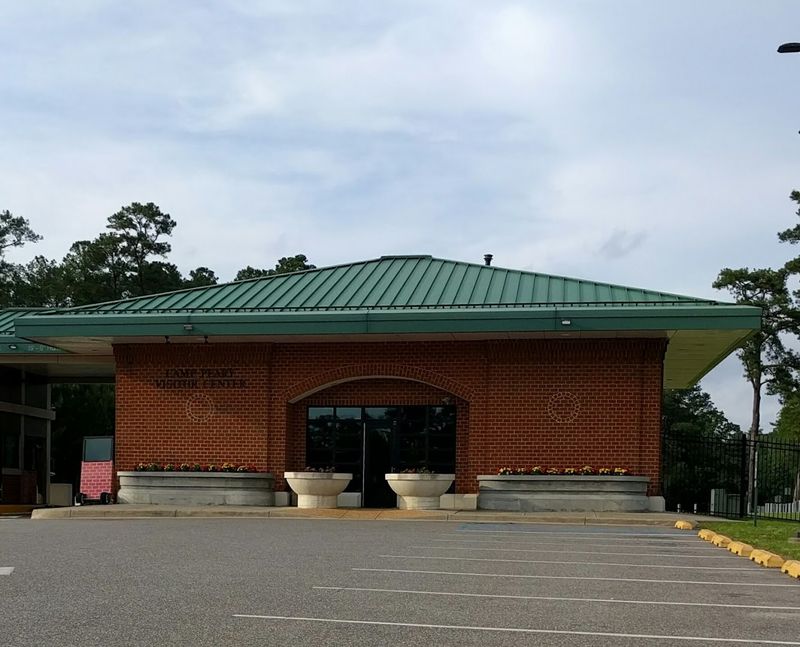
Tradecraft prefers campuses without mascots. The Farm trained case officers in skills that do not schedule parades, from surveillance detection to the quiet art of getting people to talk.
Physical endurance paired with mental maps. Students learned to track patterns, break routines, and return to normal faces before dinner.
Jargon stayed light, intent stayed heavy. Brief praise did the job of trophies while instructors harvested small errors and fed back clearer habits.
The site keeps its distance from cameras, which suits the curriculum. You leave thinking about how much work it takes to look unremarkable on purpose, and how invisibility has homework.
11. The Nevada Test Site, Nevada
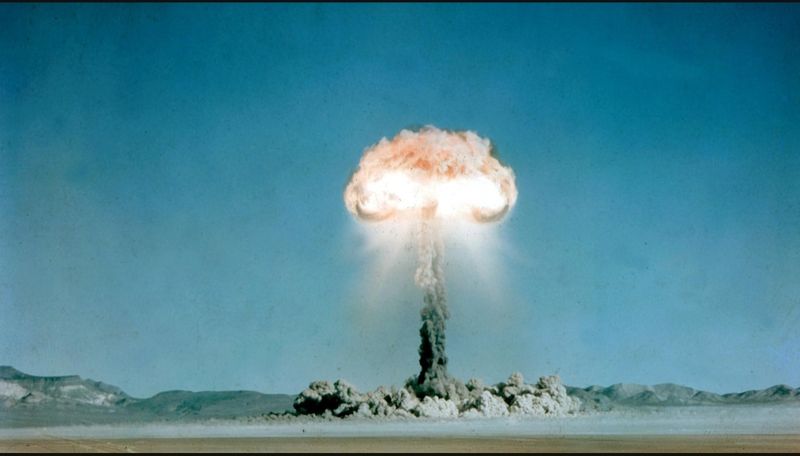
The desert wears circles like medals here. The Nevada Test Site turned sand and caliche into data, leaving craters that read like a peculiar diary of shock and measurement.
Observation points sat farther than nerves preferred, yet closer than comfort. Teams logged, timed, and compared, then filed the results with a bureaucracy that never blinked.
Local lore recalls distant flashes and a sky that briefly forgot subtlety. Security stories travel lighter, focused on badges, buses, and routes with names that do not volunteer meaning.
Tours now roll past quiet fences and fields shaped by physics. You learn how much engineering it takes to ask a single hard question and collect an answer without losing the thread.
12. Plattsburgh Air Force Base, New York
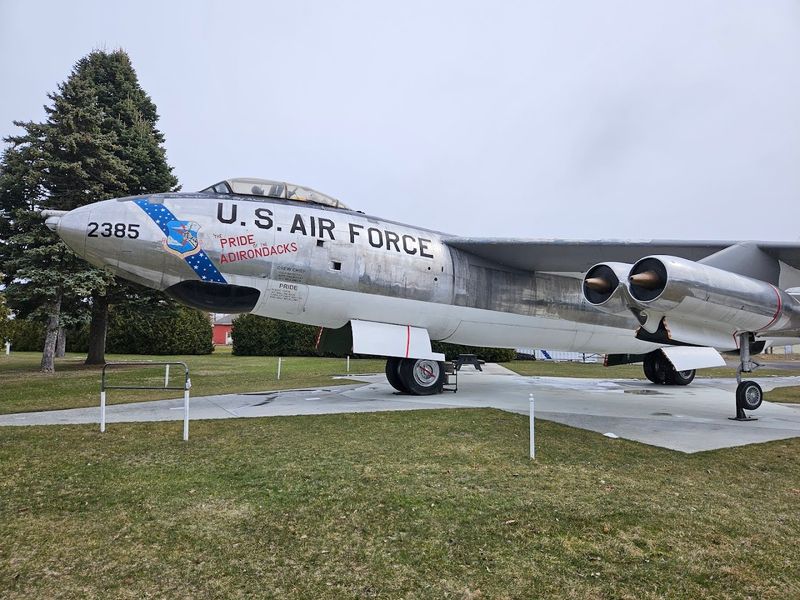
Readiness kept a bag packed here year round. Plattsburgh AFB housed crews who lived by klaxon and checklist, their world split between quiet days and seconds that counted loudly.
Strategic Air Command culture prized precision. The flightline felt like a ruler laid across the landscape, with procedures measured down to the breath.
Winter added character without mercy. Snowplows cleared priorities first, and deicers traced lines across wings like practiced handwriting.
The base has closed, but echoes sit on the concrete. You stand by a hardened door and hear the ghost of a siren that meant move now, then feel grateful most launches belonged to training sorties.
13. The Manhattan Project Sites, New Mexico & Tennessee
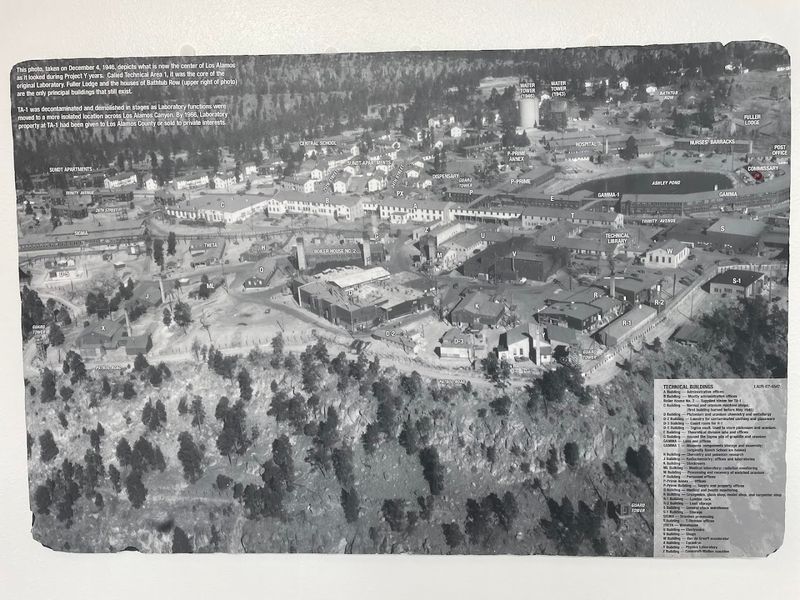
Old origins grew new branches. Los Alamos and Oak Ridge kept working through the Cold War, extending research into materials, reactors, and the careful arithmetic of deterrence.
Security built layers around curiosity. Badges, escorts, and lockers made sure ideas traveled light and left heavy only on approved paths.
Housing tracts and cafeterias formed small cities around the mission. Conversations stayed technical without getting loud, which is its own culture.
Today museums and tours translate acronyms into stories you can walk through. You leave with respect for the measured pace of discovery and the way big science hides in plain buildings behind very plain doors.
14. The Atlas and Titan Missile Silos, Midwest & Western U.S.
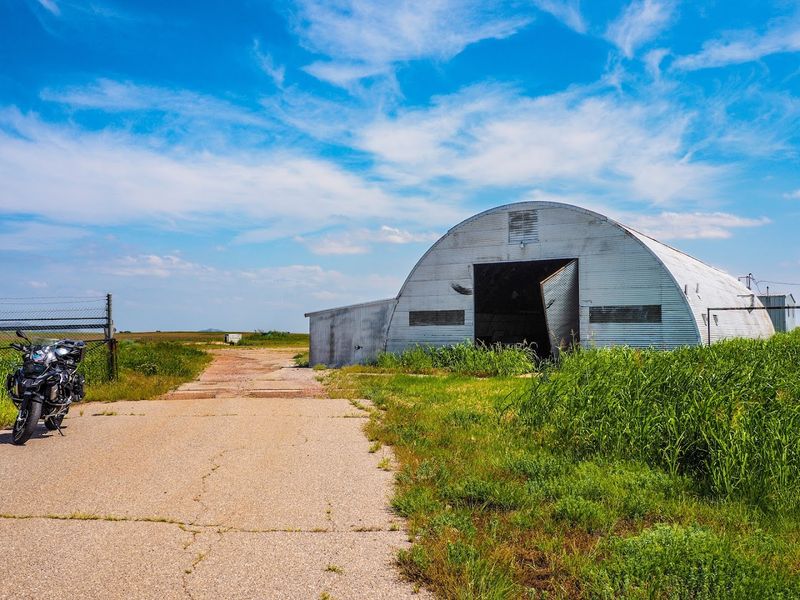
Prairies hid elevators to anxiety. Atlas and Titan silos drilled straight down, storing missiles under cow pastures and county roads with only a few vents to give away the stakes.
Launch control centers felt compact on purpose. Switches clicked with a seriousness that discouraged fidgeting, and checklists rode shotgun on every motion.
Upgrades arrived in waves, then deactivation traded alerts for padlocks. Some silos found second lives as data centers or eccentric homes built on very literal foundations.
Standing on a hatch, you sense how ordinary landscapes once handled extraordinary assignments. The horizon stays calm while the history below your boots remains anything but.
15. Minuteman Missile National Historic Site, South Dakota
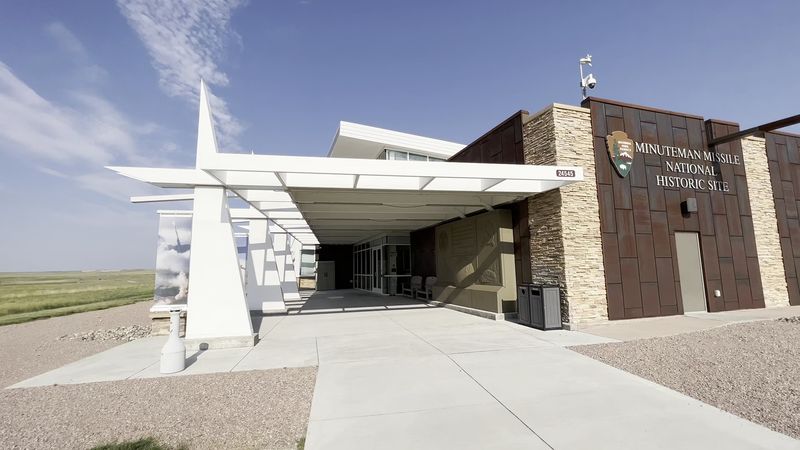
A preserved capsule turns tension into a tour. Minuteman Missile National Historic Site lets you step onto the prairie and then down into a world that once measured time in codes and confirmations.
The surface looks modest on purpose. Fences, a gatehouse, and a few low buildings kept secrets behind plainness and key control.
Guides translate procedures into stories that do not need embellishment. They point to the console where dual keys made sure one person never stood alone with a big decision.
The silo itself rests quietly, a monument to vigilance that stayed theoretical. You walk back into sunlight thinking about discipline, distance, and the scale of responsibility hidden under grass.
16. Sandia Base, New Mexico
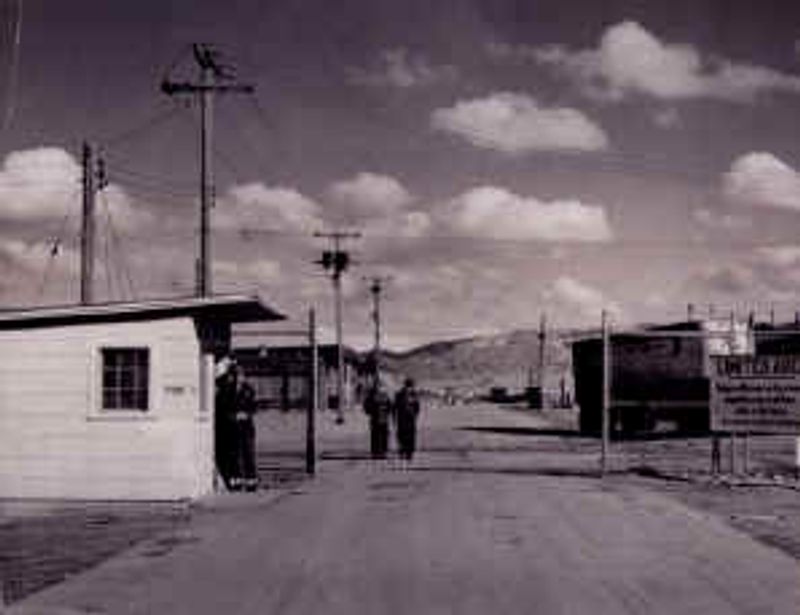
Blueprints met bomb casings here. Sandia Base served as the practical workshop of the stockpile, where reliability, safety, and delivery hardware received relentless attention.
You imagine lab benches lined with testers and torque wrenches, the air smelling faintly of solvents and certainty. Procedures made improvisation unnecessary, which is the safest kind of creativity.
Storage bunkers sat low and quiet. Numbers mattered more than names, and inventory felt like a sacred ritual of bolts, seals, and signatures.
Training blended engineering with field sense. Crews learned how to make parts behave in weather, on trucks, and aboard aircraft that did not accept excuses.
The base folded into Kirtland AFB, but the legacy remains visible in museums and unit patches. You leave thinking about the difference between spectacle and systems, and how the latter wins the long game.
Share this story