Florida is famous for theme parks, crowded beaches, and neon-lit nightlife, but the state is hiding one of the most spectacular road trips in the country. Highway A1A stretches 338 miles along the Atlantic coastline, weaving through charming small towns, wild seashores, and historic landmarks most tourists never see.
This drive offers a side of Florida that feels raw, real, and refreshingly unhurried. Pack a cooler, roll down the windows, and get ready to fall in love with the Sunshine State all over again.
1. Fernandina Beach – Old Florida at Its Finest
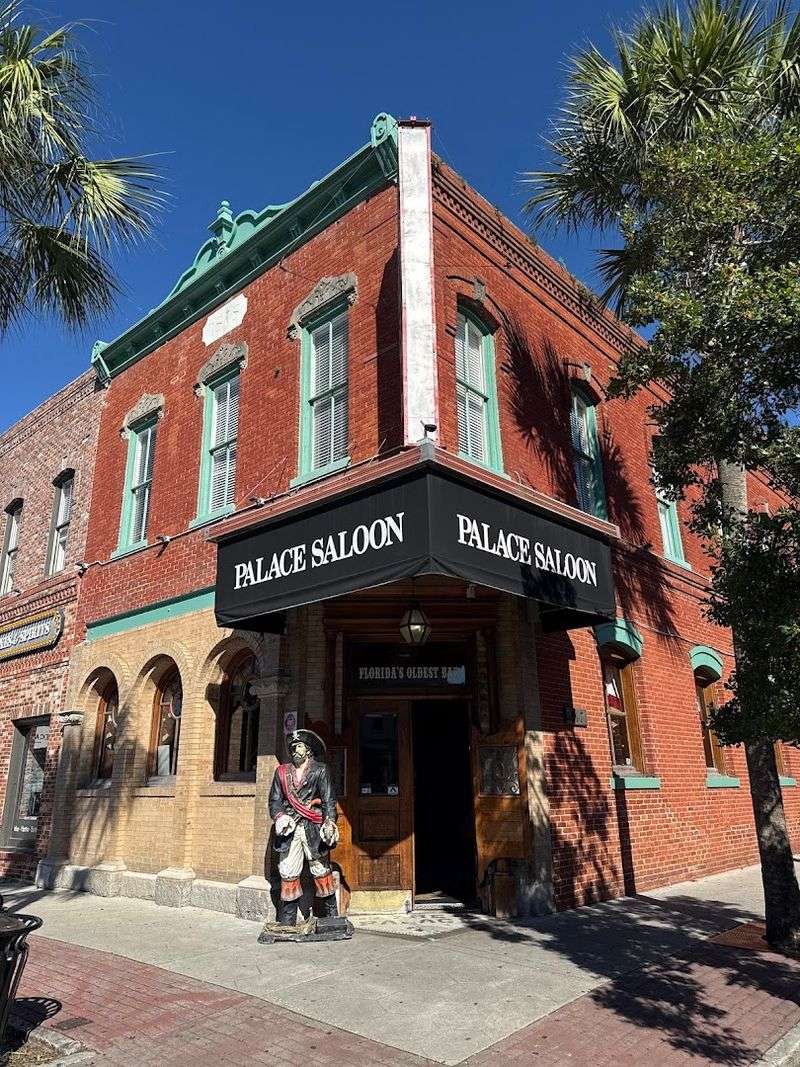
Cobblestones, shrimp boats, and Victorian mansions walk into a bar – and that bar is probably on Centre Street in Fernandina Beach. Sitting at the northern tip of A1A on Amelia Island, this town carries more history per square foot than almost anywhere else in Florida.
Eight different flags have flown over this tiny city, earning it the nickname “Isle of Eight Flags.”
The streets here are genuinely walkable, lined with independent shops, local restaurants, and buildings that date back to the 1800s. Horse-drawn carriage rides roll past century-old homes while fresh shrimp gets unloaded right off the docks nearby.
Fort Clinch State Park sits just minutes away, offering quiet beaches and a remarkably preserved Civil War-era fortress.
Fernandina Beach is the kind of place that makes you slow down without even trying. Start your A1A adventure here and set the tone for everything ahead.
2. Big Talbot Island – Driftwood That Looks Like Sculpture
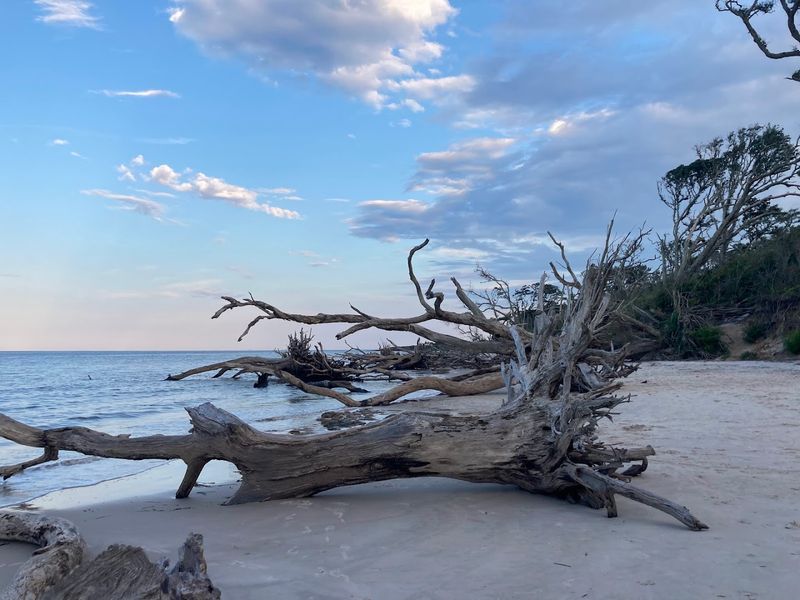
Imagine a beach where giant, sun-bleached trees lie twisted across the sand like something out of a fantasy novel. That is exactly what greets you at Big Talbot Island State Park, just south of Amelia Island.
Locals call it Boneyard Beach, and the name earns its reputation immediately.
Coastal erosion has slowly claimed the forest edge here, leaving behind enormous skeletal oak and cedar trunks that photographers absolutely lose their minds over. The atmosphere is dramatic and moody in a way that feels nothing like a typical Florida beach.
There are no souvenir shops, no umbrella rentals, no crowds jostling for space.
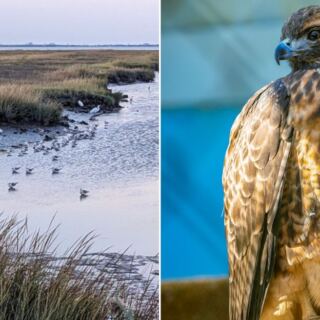
Wildlife thrives here too. Shorebirds pick along the tideline, and the surrounding salt marsh supports a rich ecosystem worth exploring.
Bring a camera, wear comfortable shoes, and give yourself more time than you think you need. You will not regret it.
3. St. Augustine – America’s Oldest City (With a View)
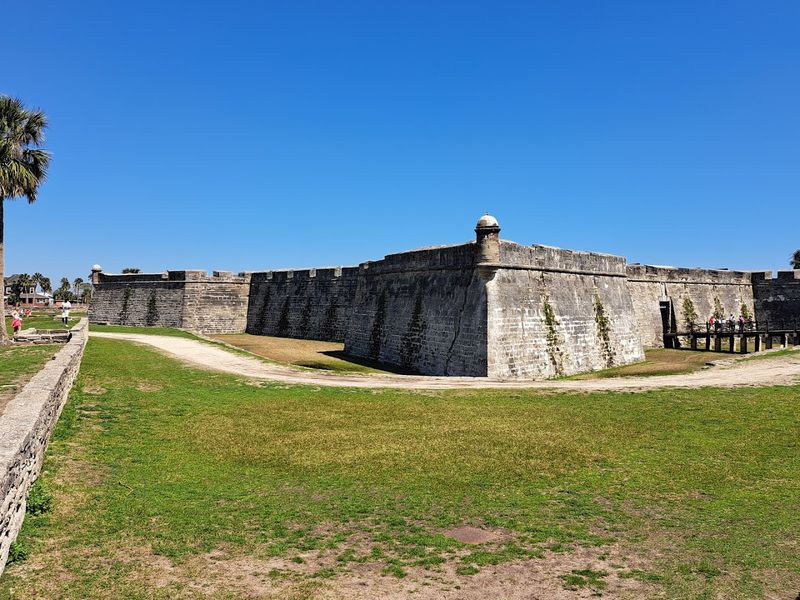
Founded in 1565, St. Augustine has been throwing parties longer than the United States has existed as a country. When A1A rolls into this city, the scenery shifts dramatically from wild coastline to cobblestone charm packed with centuries of stories.
Crossing the Bridge of Lions with the Castillo de San Marcos rising on one side and the Matanzas River glittering on the other is genuinely one of the most cinematic moments on the entire drive. The old Spanish fort, built from a material called coquina shell, has stood through cannon fire and hurricanes alike.
History buffs, casual visitors, and families all find something to love here.
Anastasia State Park sits just across the bridge, offering beautiful beaches that somehow stay less crowded than they deserve to be. St. George Street buzzes with energy at street level, but quiet corners and hidden courtyards reward anyone who wanders off the main path.
4. Flagler Beach – The Laid-Back Surf Town You Didn’t Know You Needed
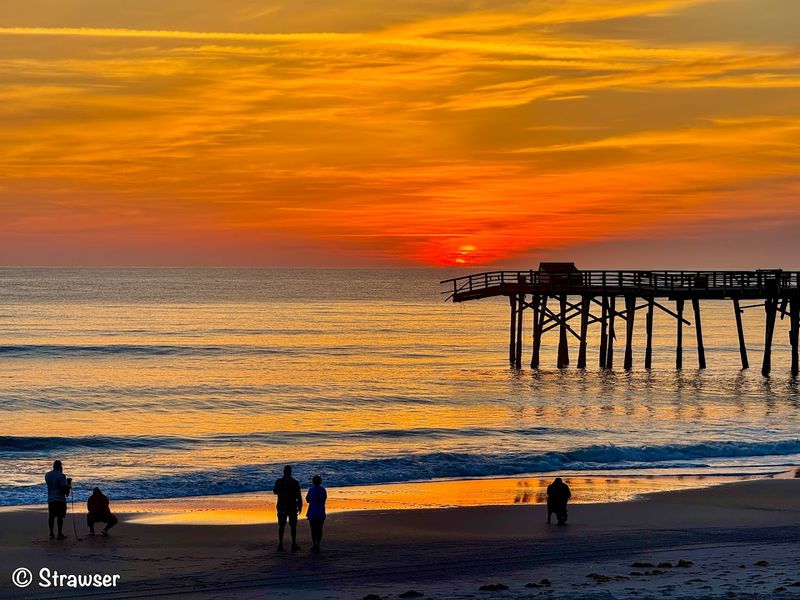
No high-rise hotels loom over the horizon here. No mega-resorts compete for every inch of beachfront.
Flagler Beach operates on its own unhurried schedule, and that is precisely why road-trippers who discover it tend to stay longer than planned.
The pier is the heart of the town, jutting out over the Atlantic while pelicans dive-bomb the water below. Cinnamon-toned sand stretches in both directions without a chain restaurant in sight.
Local spots serve fresh-caught mahi tacos that absolutely wreck you for lesser fish tacos forever after.
Flagler Beach sits right on A1A, meaning the highway literally runs alongside the ocean here with nothing but a guardrail between your car and the waves. It is one of the most dramatic stretches of the entire route.
Grab an outdoor table, order something fried and salty, and watch the sun melt into the water. Pure Florida magic.
5. The Matanzas Inlet – Where the Road Feels Wild Again
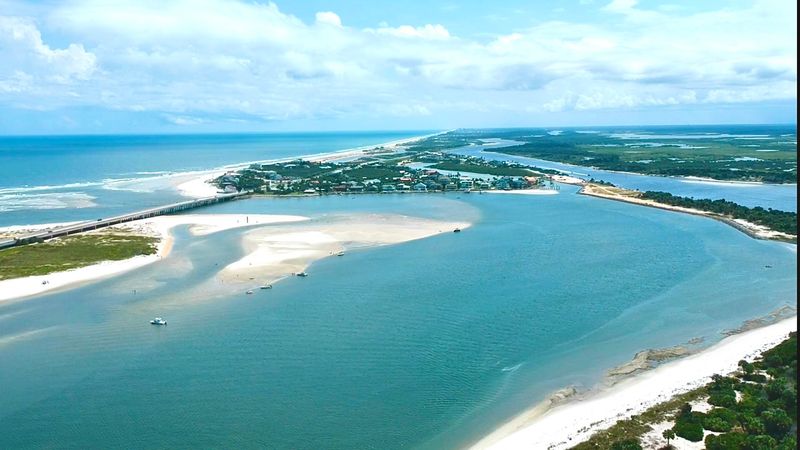
Right around the Matanzas Inlet, something shifts. Traffic thins out, the dunes grow taller, and sea oats sway in the breeze like they own the place.
This quiet stretch between St. Augustine and Palm Coast is where A1A earns its reputation as a genuinely wild coastal road.
Fort Matanzas National Monument stands guard over the inlet, a small Spanish fort accessible only by a free ferry ride that takes about five minutes. The fort itself is tiny by historical standards, but the setting is spectacular.
A ranger will tell you about the 1565 massacre that gave this inlet its name, and suddenly the peaceful water feels a little heavier.
Dolphins are a regular sight offshore here, and osprey nest in the scrubby trees along the road. Pull over at any of the small turnouts and just listen.
Wind, waves, and birdsong. That is the whole soundtrack, and it is enough.
6. Canaveral National Seashore – 24 Miles of Untouched Coast
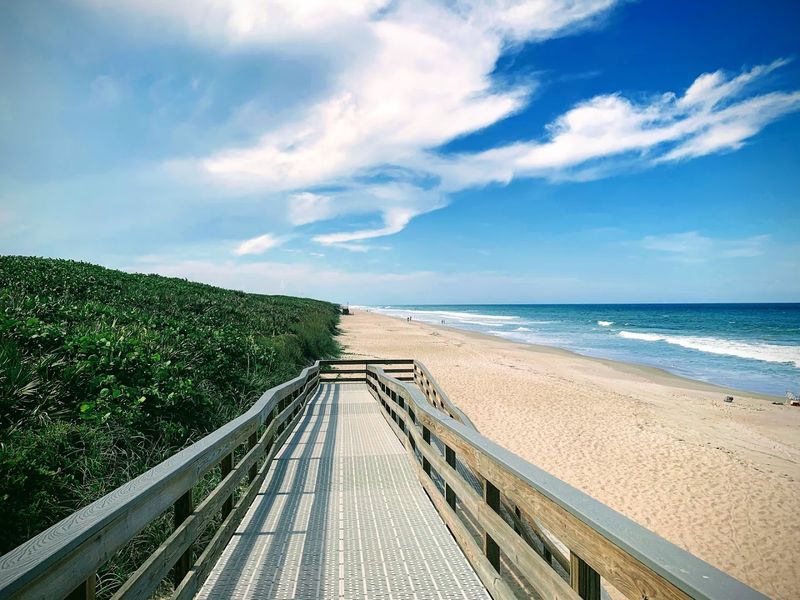
Twenty-four miles of beach and not a single condo in sight. Canaveral National Seashore protects one of the longest undeveloped stretches of Atlantic coastline in the entire state, and driving through it feels like pressing pause on the modern world.
Sea turtles have been nesting on these beaches for thousands of years, and the park works hard to keep it that way. Loggerhead, green, and leatherback turtles all come ashore here during nesting season.
Rangers lead nighttime turtle watches that are genuinely unforgettable experiences for families and solo travelers alike.
The bonus no other national seashore can offer? Kennedy Space Center sits right next door.
On launch days, rockets thunder into the sky directly above the beach, creating a surreal contrast of untouched nature and cutting-edge human achievement. Timing your visit around a launch is absolutely worth the extra planning effort.
Check the NASA schedule before you go.
7. Cocoa Beach – Classic Surf Culture
Kelly Slater, the greatest competitive surfer of all time, grew up riding the waves right here in Cocoa Beach. That fact alone gives this town a certain amount of street cred that no marketing campaign could manufacture.
The surf culture here is real, lived-in, and unapologetically salty.
Ron Jon Surf Shop is technically just a store, but walking through its doors feels like entering a Florida institution. Open 24 hours a day, 365 days a year, it has been selling boards and bikinis since 1963.
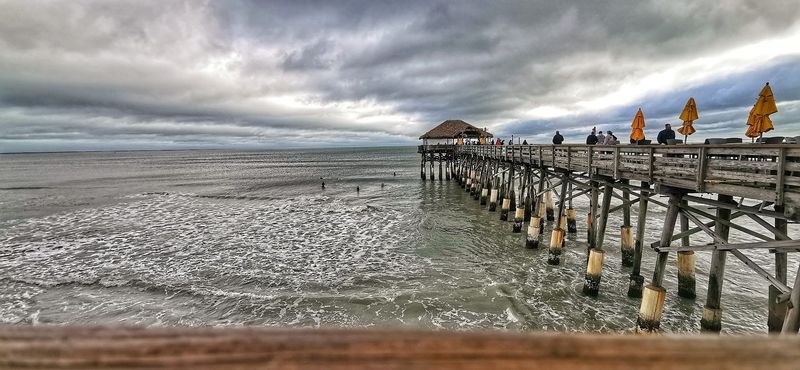
The Westgate Cocoa Beach Pier stretches 800 feet over the Atlantic and draws everyone from surfers to sunset chasers to anglers hauling in pompano.
Cocoa Beach hits a sweet spot between lively and laid-back. Grab breakfast at a local diner, rent a board if you are feeling adventurous, and watch the morning surf crowd work the break.
Nostalgic, energetic, and genuinely fun.
8. Vero Beach – The Treasure Coast’s Hidden Gem
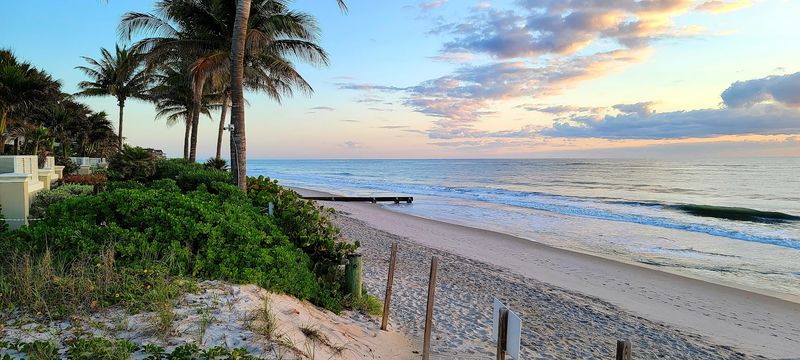
Spanish treasure fleets sank off this coastline in 1715, scattering gold coins across the seafloor for centuries. That shipwreck history gave the region its nickname, the Treasure Coast, and Vero Beach wears it with quiet confidence rather than tourist-trap flair.
The vibe here is noticeably different from the busier stops along A1A. Beachside cottages replace towering condos.
Boutique galleries display serious art alongside quirky coastal finds. The beaches stay genuinely uncrowded even in peak season because Vero Beach simply does not chase mass tourism.
McKee Botanical Garden is a hidden gem within the hidden gem, a lush historic garden that feels like a secret the town keeps to itself. Dining options lean toward fresh and local, with seafood menus that change based on what came off the boats that morning.
Vero Beach rewards slow travelers who take the time to look past the surface.
9. Jupiter Inlet – Turquoise Water and a Historic Lighthouse
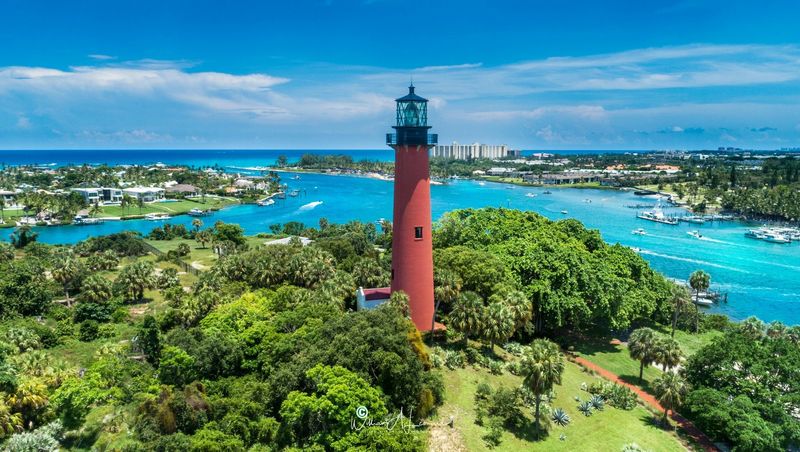
The water around Jupiter Inlet pulls a visual trick on first-time visitors. It shifts from Atlantic blue to a wild turquoise that looks almost Caribbean, thanks to the mix of ocean currents and the Loxahatchee River spilling into the inlet.
Stopping here feels like a reward after miles of beautiful but muted coastal scenery.
The Jupiter Inlet Lighthouse has been guiding ships since 1860, making it one of Florida’s oldest active lighthouses. Climbing the 105 steps to the top delivers panoramic views that stretch for miles in every direction.
The small museum at the base tells the story of the Seminole Wars and early Florida settlers with surprising depth.
Paddleboarders glide through the inlet below while snorkelers explore the rocky outcroppings just offshore. Manatees drift through here regularly, especially in cooler months.
This stop combines natural beauty, history, and outdoor activity in one compact, walkable area that punches well above its size.
10. Fort Lauderdale to Miami Beach – The Grand Finale
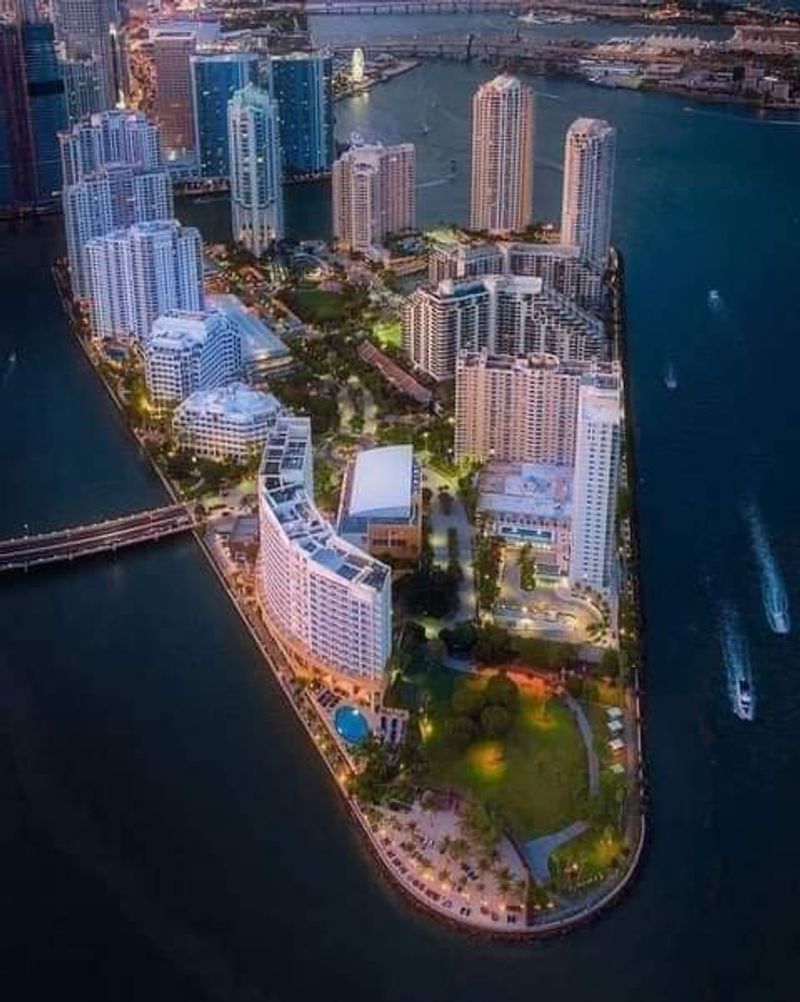
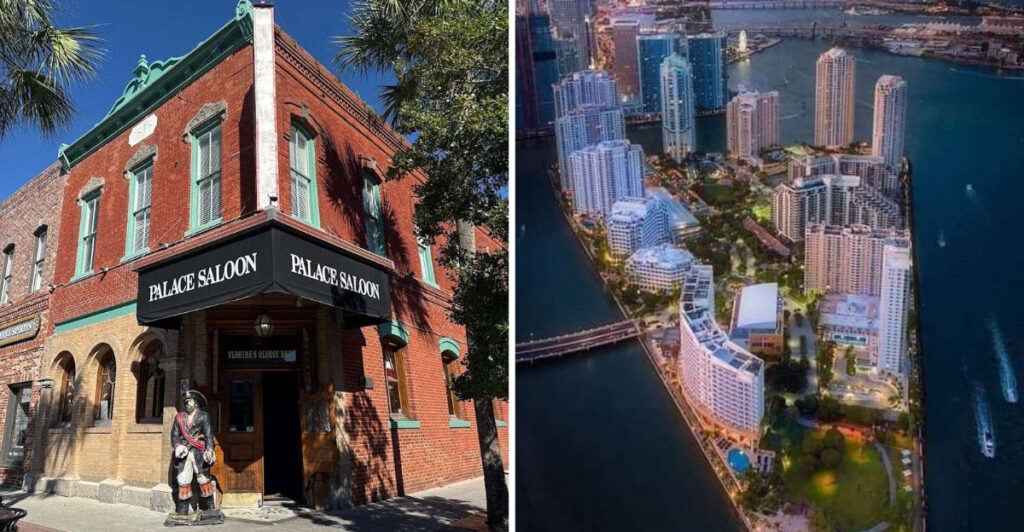
After hundreds of miles of dunes, wildlife refuges, and quiet fishing towns, A1A delivers one final dramatic gear shift. The road transforms into a palm-lined boulevard where Art Deco architecture glows in pastel pink and mint green, and the energy level jumps about five notches in a single mile.
Fort Lauderdale’s beach strip buzzes with outdoor bars, volleyball nets, and inline skaters cruising the promenade. Then Miami Beach takes things to a whole new level entirely.
Ocean Drive is pure spectacle, a living postcard of neon signs, convertibles, and people who dressed specifically to be seen. The contrast with Fernandina Beach, where this drive began, is almost comical.
That contrast is the whole point. A1A shows you every version of Florida in a single trip, from moss-draped history to turquoise wilderness to full-throttle glamour.
Finishing in Miami Beach feels earned, cinematic, and completely satisfying. What a road.
Share this story