Some cities aren’t just dealing with floods anymore. They’re literally sinking while the ocean rises to meet them.
From Southeast Asia to the Gulf Coast, coastal cities around the world are racing against time, seawater, and their own geology. Here are the cities most likely to feel the squeeze by 2030.
Miami Beach, Florida
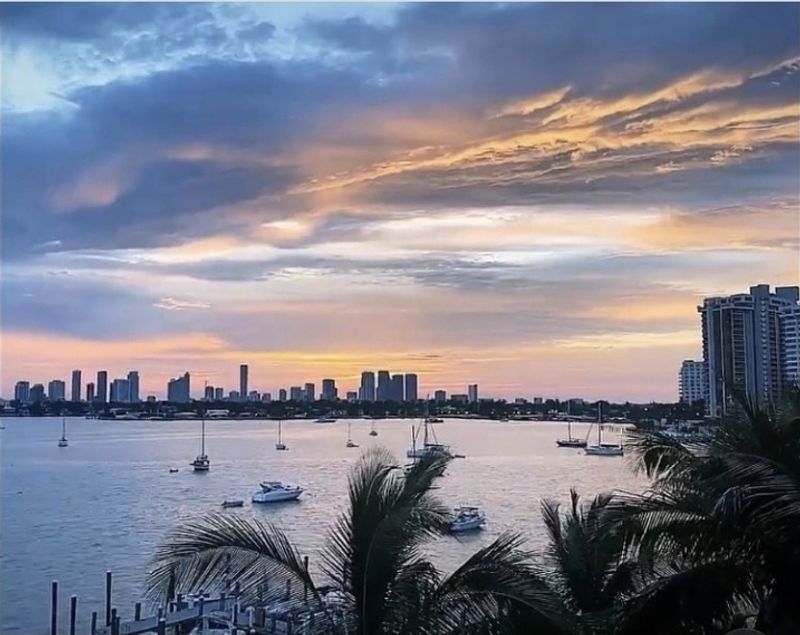
Sunny-day flooding sounds like a joke until you’re moving your car at noon because the tide came up through the storm drain. Miami Beach has normalized this experience to a degree that should honestly alarm everyone.
King tides regularly push seawater onto Alton Road and surrounding streets with zero rain involved. The city has raised roads, installed pumps, and spent hundreds of millions on resilience upgrades.
And yet the water keeps showing up, unbothered.
NOAA’s Coastal Risk Screening Tool lets you map exactly what 2030 flood exposure looks like for any Miami Beach address. The results are not subtle.
Joe’s Stone Crab, a legendary local institution, keeps serving its famous claws regardless. But the broader picture is a city in a slow, expensive, and very public negotiation with the Atlantic Ocean.
Spoiler: the ocean is not known for compromising.
New Orleans, Louisiana
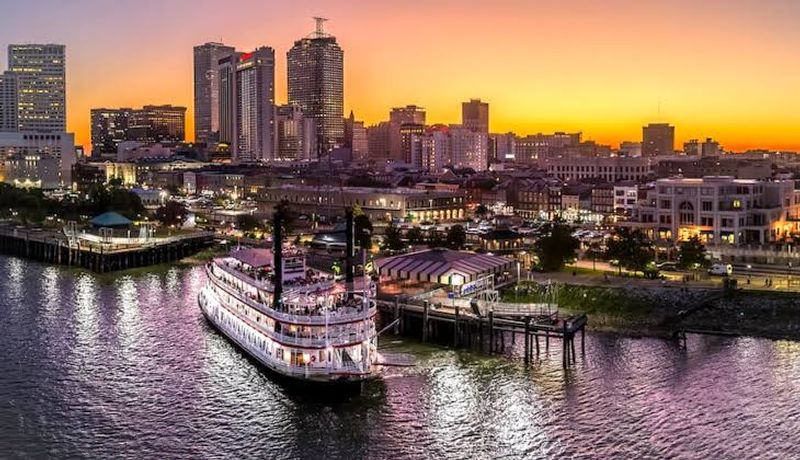
New Orleans was built in a bowl, surrounded by water on nearly every side, and then people decided to make it a major city. Bold move.
The engineering required to keep it livable is genuinely extraordinary.
Relative sea-level rise and wetland loss are the twin threats accelerating risk here. The wetlands that once buffered storm surge from the Gulf are disappearing, and the land itself continues to compact and settle.
By 2030, the city won’t vanish. But defending it will cost significantly more in infrastructure, insurance, and political will.
Café Du Monde in the French Market remains one of the most reliable spots in the city, beignets and all. New Orleans has survived hurricanes, floods, and centuries of challenges.
Its culture is too stubborn to sink quietly. But the math of keeping it dry gets harder every year, and the bill keeps growing.
Venice, Italy
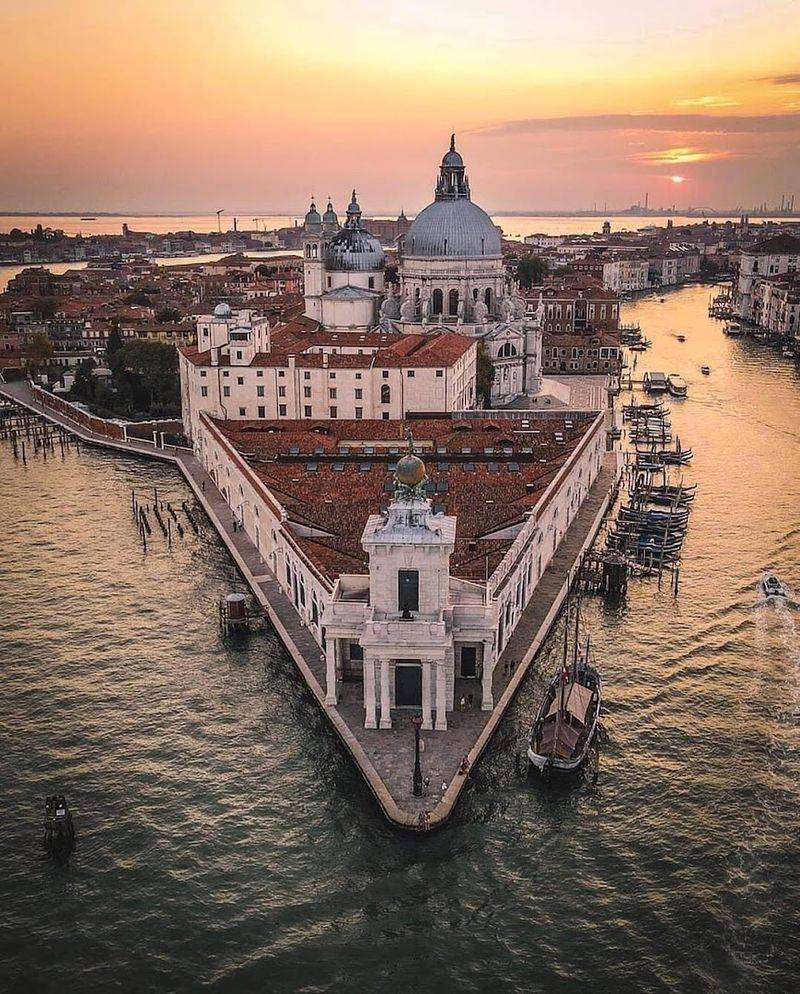
Venice has been pulling off the impossible for centuries, a floating city held together by wooden pilings, stone, and sheer Italian stubbornness. But the math is shifting in ways that even great architecture can’t ignore.
Acqua alta, the seasonal high water that floods St. Mark’s Square, is happening more often. The MOSE barrier system was designed to protect the lagoon, and it works, but it now gets deployed with increasing frequency.
Each deployment costs money, disrupts shipping, and buys time rather than solving anything permanently.
By 2030, Venice won’t be underwater. It will be a city spending more days per year actively fighting the sea.
Harry’s Bar, the Cipriani classic where the Bellini was invented, still welcomes guests with the same elegance it has since 1931. Venice is not giving up.
But the operational cost of staying above water is becoming a full-time, expensive commitment.
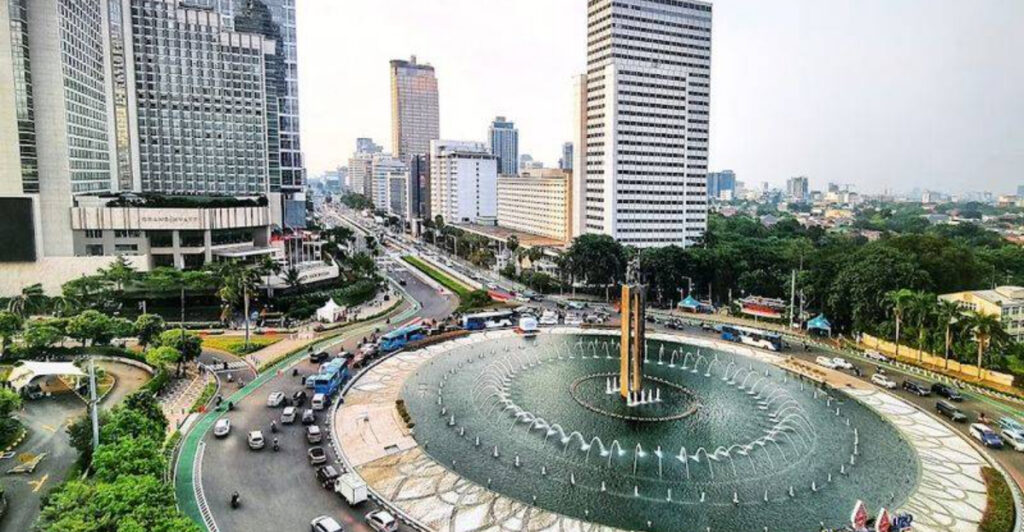
Jakarta, Indonesia
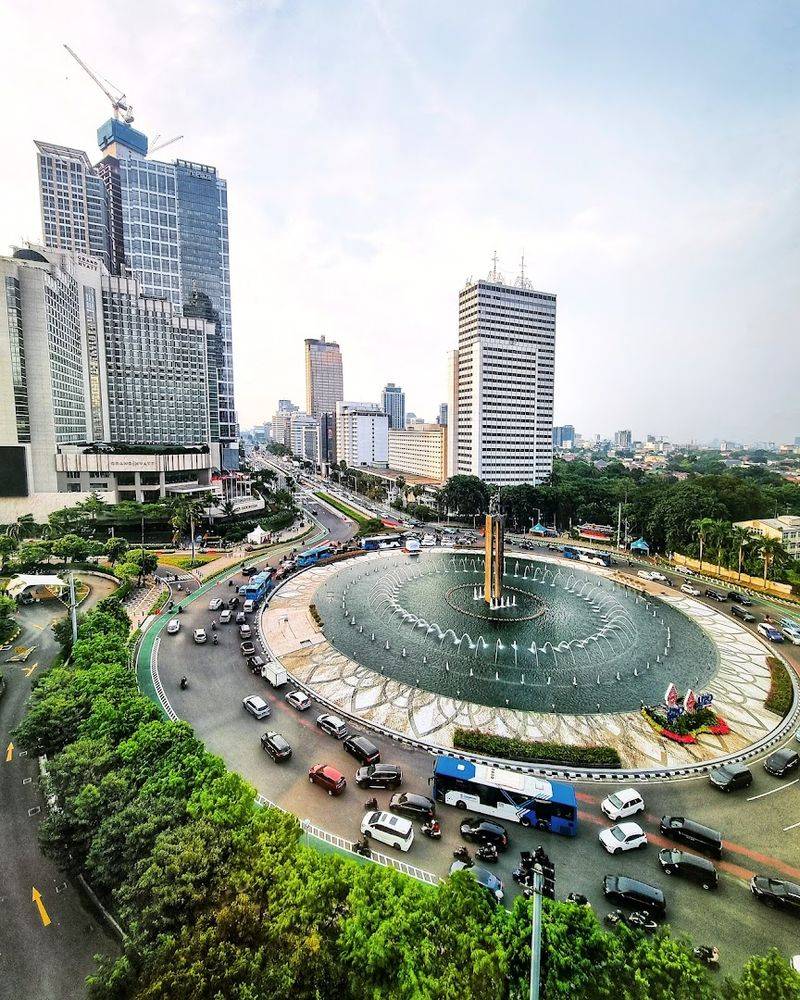
Jakarta doesn’t just flood. It sinks first, then floods.
The city is dropping at roughly 3.5 cm per year in some coastal districts, which sounds small until you do the math over a decade.
That rate turns manageable puddles into chronic, infrastructure-breaking water events. By 2030, large parts of North Jakarta could require near-constant pumping just to stay functional.
The government has already started relocating the national capital to Nusantara, which tells you everything about confidence levels here.
Still, Jakarta isn’t abandoned. Café Batavia in the historic Kota Tua district still serves coffee and atmosphere in one of the city’s oldest colonial buildings.
People adapt, businesses stay open, and the city fights back. The real question isn’t whether Jakarta disappears.
It’s how much of it stays practical to live in without spending a fortune keeping the water out.
Bangkok, Thailand
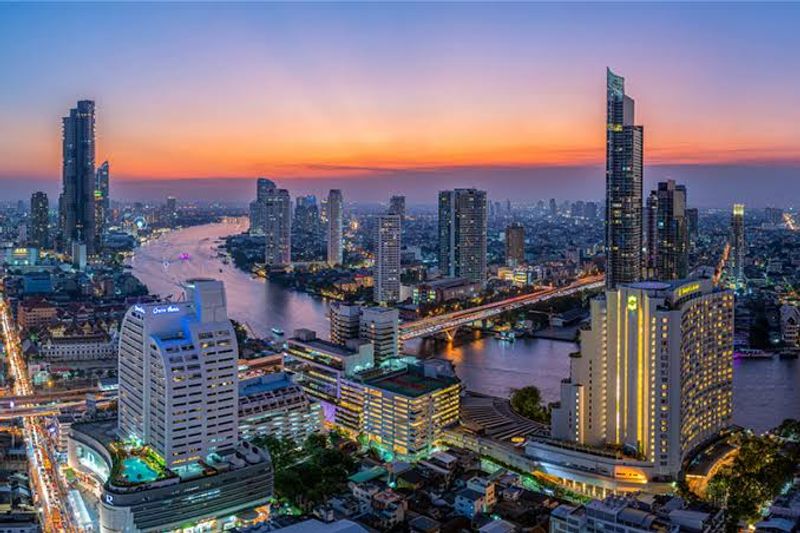
Bangkok is dealing with a double threat that urban planners call a one-two punch: the land sinks while the water rises. Parts of the city have dropped by more than a meter over the past several decades due to groundwater extraction and the sheer weight of urban development.
Inner Bangkok has benefited from mitigation efforts, but surrounding areas continue to experience serious subsidence. Add river pressure, tidal influence, and intense monsoon seasons, and you have a city perpetually managing water from multiple directions simultaneously.
Some dramatic headlines predict catastrophic 2030 outcomes. Treat those as worst-case framing, but don’t dismiss the underlying drivers.
Sky Bar by lebua offers one of the most spectacular rooftop views in Asia, safely above the flood line. Bangkok is resilient and fast-moving.
But the infrastructure investment required to keep pace with subsidence and rising water is enormous and ongoing.
Alexandria, Egypt
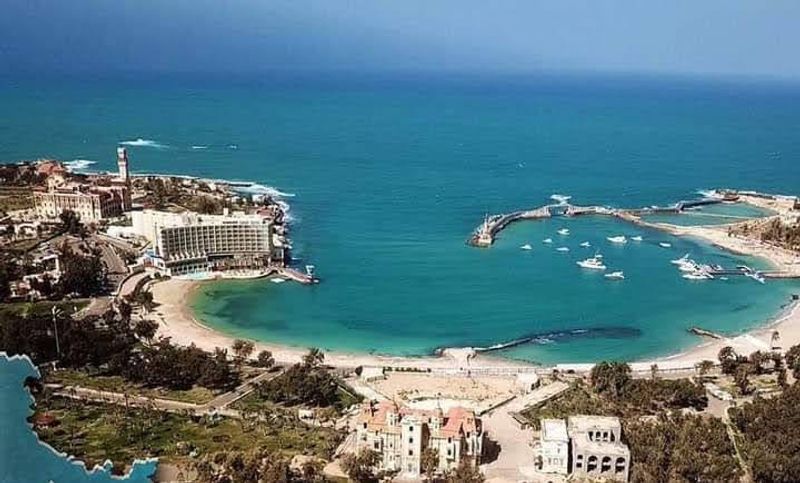
Alexandria sits on the Mediterranean coast like it has for over two thousand years, but the coastline it was built on is no longer the same one Alexander the Great surveyed. Rising seas and land subsidence are rewriting the city’s relationship with the water.
Seawater intrusion is accelerating structural damage along coastal zones, and academic research links land instability directly to compounding flood risk. Some neighborhoods are experiencing the kind of erosion that takes decades to reverse and minutes to notice after a storm.
The city holds roughly five million people and an irreplaceable collection of history. The Kala Restaurant at the Four Seasons San Stefano overlooks the same Mediterranean that has shaped this city for millennia.
Alexandria has reinvented itself before. But right now, the sea it faces is warmer, higher, and more aggressive than at any point in recorded history.
That deserves serious attention.
Lagos, Nigeria
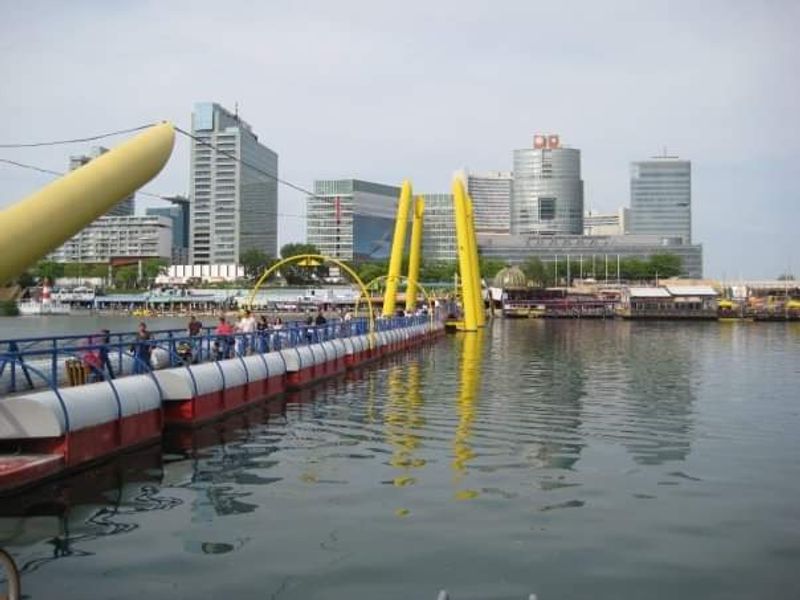
Lagos is Africa’s largest city by population, built partly on a lagoon, partly on reclaimed land, and partly on sheer momentum. That combination is exciting until subsidence enters the conversation.
Researchers at the University of Colorado Boulder have modeled 2030 flood projections for Lagos neighborhoods with subsidence explicitly included. The results show that vertical land motion changes the flood math dramatically.
Areas that might flood occasionally without subsidence can become regularly inundated when the ground beneath them is dropping.
By 2030, the risk isn’t a single catastrophic event. It’s more frequent, more disruptive flooding that strains drainage systems, displaces residents, and raises the cost of doing business in low-lying districts.
Terra Kulture, a beloved cultural hub in Lagos, keeps its doors open and its programming active. Lagos is energetic and resilient.
But resilience without infrastructure investment is just another word for coping, and coping gets exhausting fast.
Manila, Philippines
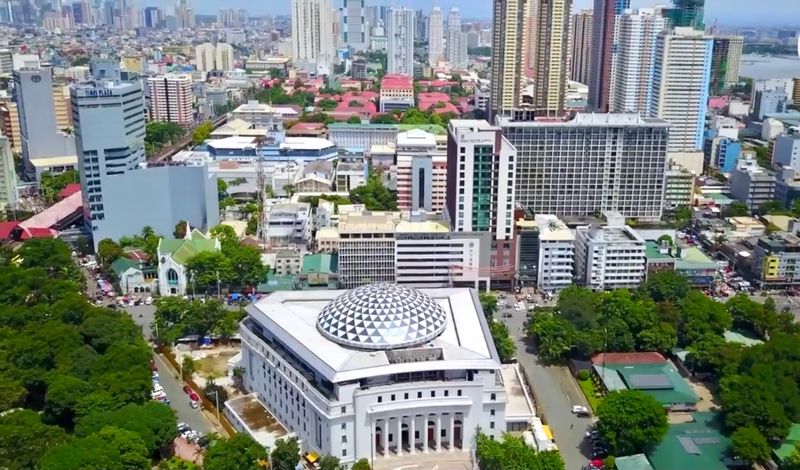
Manila holds a record nobody wanted. Relative sea-level rise in the region has been measured at roughly 2.6 cm per year in some assessments, combining ocean rise with local land subsidence into a genuinely alarming figure.
Metro Manila’s subsidence problem stems partly from groundwater extraction across a densely packed urban area. The result is that storm surge events hit harder, flood recovery takes longer, and infrastructure designed for old flood benchmarks is routinely overwhelmed.
Typhoon season doesn’t need to get worse when the baseline keeps dropping.
I looked into this city’s numbers more than any other on this list, and they kept getting more striking. Blackbird at the Nielson Tower in Makati offers a beautiful dining experience in a historic aviation building.
Manila is a city of extraordinary energy and creativity. But the combination of fast relative sea-level rise and land subsidence makes it one of the most technically exposed urban areas in the world right now.
Ho Chi Minh City, Vietnam
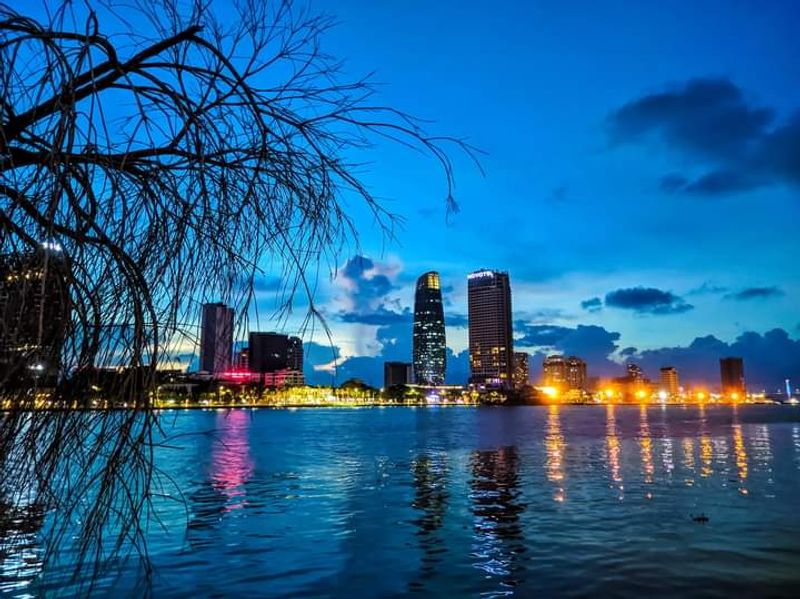
Ho Chi Minh City is sinking at an average of two to five centimeters per year, with some districts doing considerably worse. That range might sound manageable, but compounded over years it converts rare flood events into regular calendar entries.
The city sits on soft alluvial soil that compresses under the weight of rapid urban development and groundwater extraction. Meanwhile, the Mekong Delta, which feeds the region, is itself under stress from upstream dams and reduced sediment flow.
The surrounding landscape is changing as fast as the city itself.
Pasteur Street Brewing Company keeps its taproom humming in the heart of the city, proof that Ho Chi Minh City’s spirit is nowhere near waterlogged. But the structural challenge is real.
By 2030, the conversation here shifts from occasional inconvenience to chronic disruption in vulnerable districts. The city is growing fast and sinking slowly, and those two trends are on a collision course.
Dhaka, Bangladesh
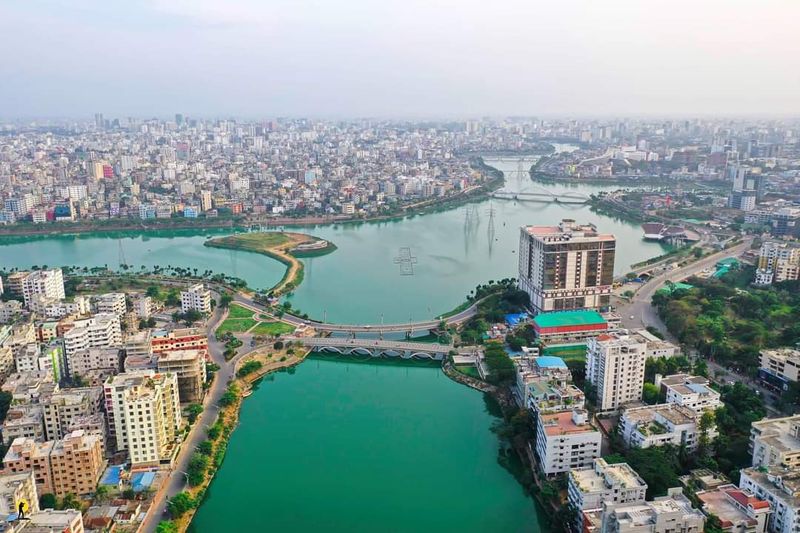
Dhaka’s flood risk reads like a geography problem with too many variables. Rivers on multiple sides, intense monsoon seasons, strained drainage systems, and now measurable land subsidence detected through satellite-based InSAR technology.
Bangladesh as a country faces some of the most acute sea-level pressure on the planet. Coastal flooding drives internal migration, pushing people toward cities like Dhaka that are already at capacity.
The city absorbs that pressure while managing its own sinking ground. By 2030, the threat isn’t a single flood disaster.
It’s compound urban stress, where every system gets pushed past its design limits simultaneously.
Café Bazar at the Pan Pacific Sonargaon Dhaka offers a calm, well-maintained retreat in the middle of one of the world’s most densely populated cities. Dhaka is not giving up, and neither are its residents.
But the combination of external coastal pressure and internal subsidence makes 2030 a genuinely critical deadline for infrastructure investment here.
Share this story