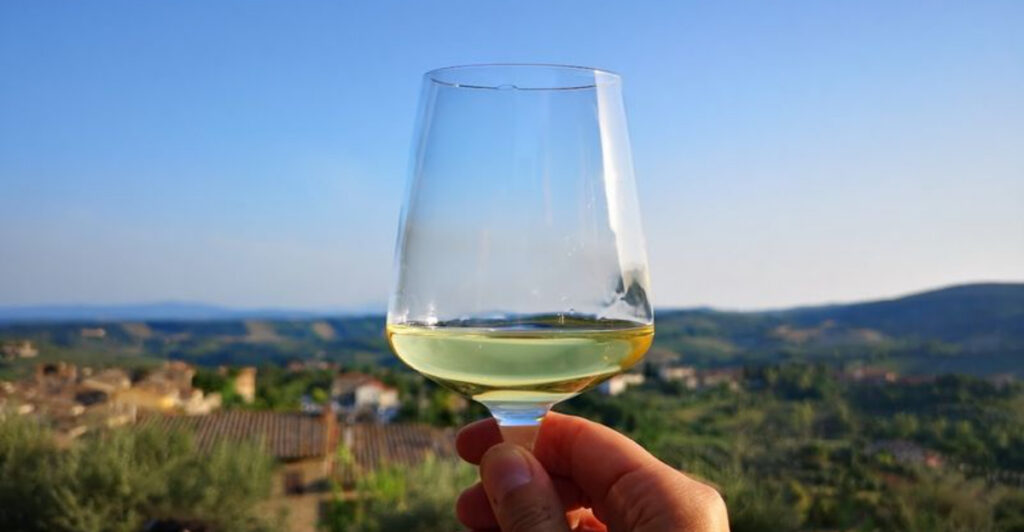
Tuscany is one of those places that makes you believe food and drink can tell the whole story of a region. Rolling hills, ancient stone villages, and centuries-old traditions come together in a landscape where olive trees and grapevines grow practically side by side.
From bold Brunello reds to grassy extra-virgin olive oils, each village has its own signature taste. Pack your appetite and a good sense of adventure — these 15 Tuscan villages are ready to pour you a glass and drizzle you something golden.
Panzano in Chianti — Heart of Chianti Classico Country
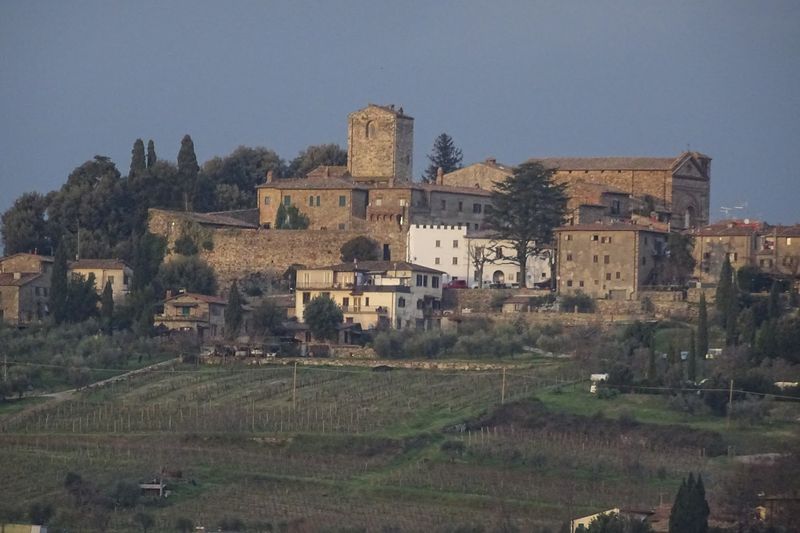
Sitting smugly at the heart of the Chianti Classico zone, Panzano in Chianti is the kind of village that makes you want to cancel your return flight. The hills here roll in every direction, covered in neat rows of vines and silver-leafed olive trees that have been tended by local families for generations.
It’s agricultural poetry, honestly.
The agriturismi — farm stays — around Panzano are legendary for their hospitality. Guests sit down to long lunches featuring Chianti Classico poured alongside dishes dressed with the estate’s own extra-virgin olive oil.
Bruschetta rubbed with garlic and soaked in fresh-pressed oil is practically the village handshake. Stories about past harvests flow as freely as the wine.
Panzano also happens to be home to the famously passionate butcher Dario Cecchini, whose shop doubles as a theatrical dining experience. Even if meat isn’t your thing, the surrounding wine estates offer tours and tastings that are equal parts educational and delicious.
Chianti Classico’s bold cherry-and-earth character pairs beautifully with the region’s grassy, peppery oils — a combination that locals have perfected over centuries.
Volpaia — Organic Wine & Olive Groves
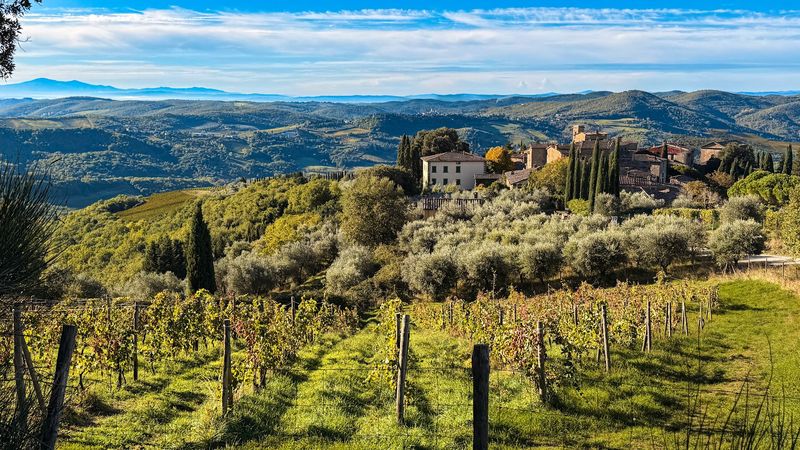
Blink and you might miss Volpaia — but that would be a genuine tragedy. This tiny fortified hamlet in the Chianti hills is so thoroughly devoted to organic viticulture and olive oil production that the village itself feels like an extension of the land.
Castello di Volpaia anchors the community, producing wines and oils that have earned serious international attention.
What makes Volpaia genuinely special is the community-first approach to farming. Organic methods aren’t a marketing trend here — they’re a long-standing commitment that shapes everything from soil care to harvest timing.
Tastings held in the village cellars give visitors a front-row seat to traditional craftsmanship that refuses to cut corners.
The olive groves surrounding Volpaia produce oils with a clean, slightly bitter finish that olive oil enthusiasts go absolutely wild for. Paired with the estate’s structured Chianti Classico, the combination is a masterclass in regional flavor.
Fewer crowds than larger Chianti towns means you actually get to have real conversations with producers. Volpaia rewards those willing to seek it out with an authenticity that’s increasingly rare in popular wine tourism destinations.
Greve in Chianti — Classic Wine Village with Olive Culture
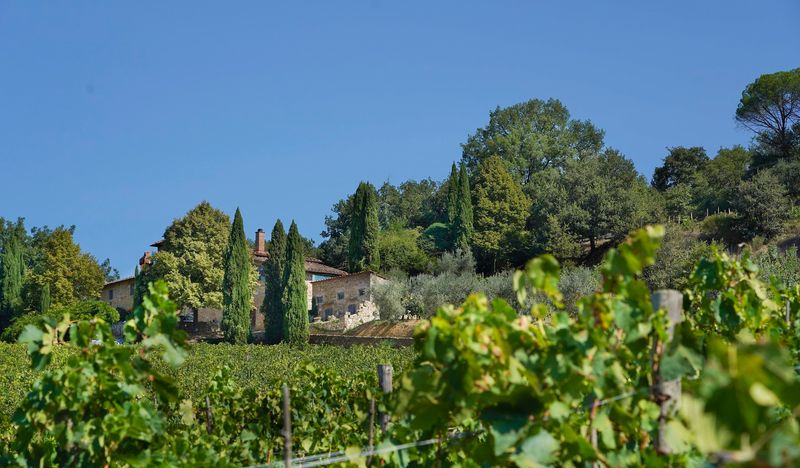
The triangular piazza at the center of Greve in Chianti is lined with wine bars and enoteche, which should tell you everything you need to know about this town’s priorities. Greve has long served as the unofficial gateway to Chianti wine country, and it wears that title with considerable enthusiasm.
Weekends here hum with the sound of corks popping and olive oil bottles being uncapped.
Nearby estates and olive groves open their doors for tours that go well beyond simple tastings. Visitors learn how Chianti Classico’s distinctive character develops through the seasons, and how the same hillside conditions that favor Sangiovese grapes also produce some of Tuscany’s most expressive extra-virgin olive oils.
The connection between the two products is explained with genuine passion by local producers.
The famous Enoteca del Chianti Classico in Greve stocks hundreds of regional bottles alongside quality olive oils, making it a fantastic one-stop introduction to the area’s agricultural heritage. September brings the Expo del Chianti Classico wine festival, which draws producers and enthusiasts from across the region.
Greve in Chianti is the kind of place that turns a casual afternoon into a full-blown education in Tuscan flavor.
Radda in Chianti — Wine Heritage & Olive Strolls
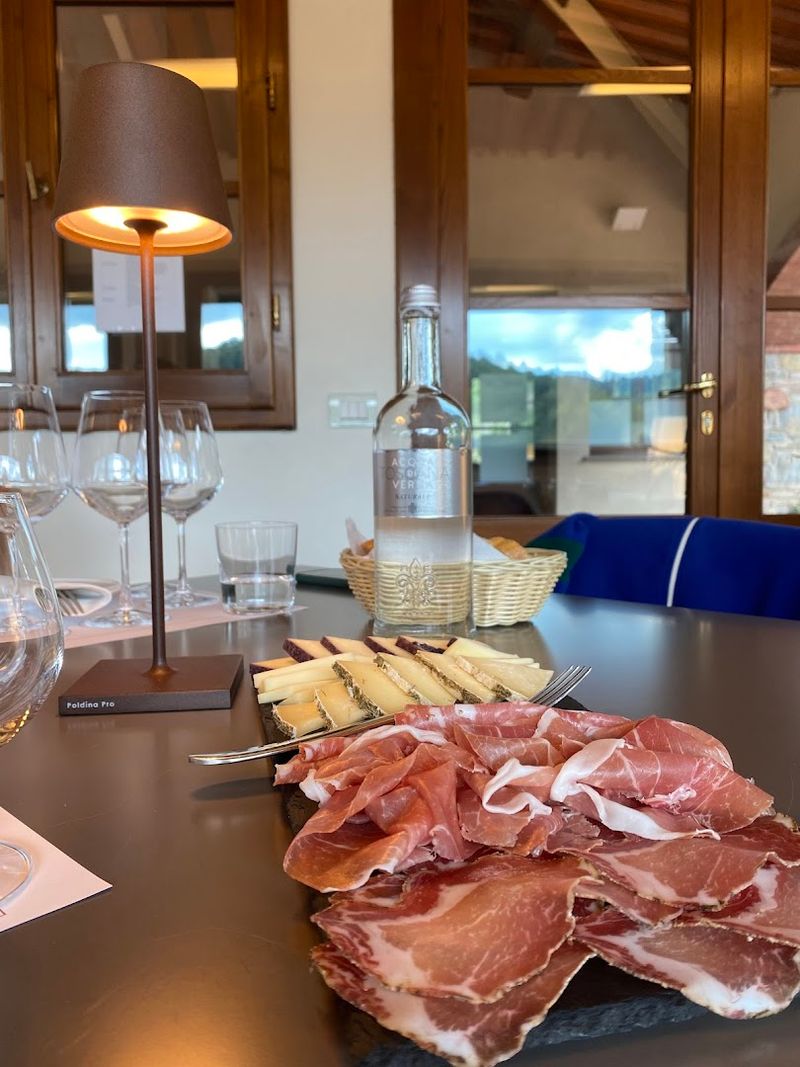
Radda in Chianti still wears its medieval fortifications with quiet pride, standing above a patchwork of vineyards and olive plantations that stretch in every direction. The cobblestone streets lead you naturally toward scenic terraces where the view alone is worth the drive.
On a clear morning, the landscape looks like someone painted it specifically to make you feel grateful.
Small producers in and around Radda offer intimate tastings that celebrate the side-by-side harvest of grapes and olives — a practice so deeply rooted here it’s almost ceremonial. Chianti Classico from Radda tends toward elegance rather than power, with bright acidity that pairs brilliantly with the village’s peppery, grassy olive oils.
Locals will tell you there’s no better combination on earth, and after a tasting, it’s hard to argue.
The village itself is compact and walkable, with a charming historic centre that rewards slow exploration. A handful of excellent wine shops and local delis stock estate bottles and oils that travel well as souvenirs.
Radda also sits at the heart of several scenic cycling and walking routes through the Chianti hills, making it a natural base for anyone wanting to explore olive groves and wine estates on foot.
San Gimignano — Medieval Towers & Vernaccia Wines
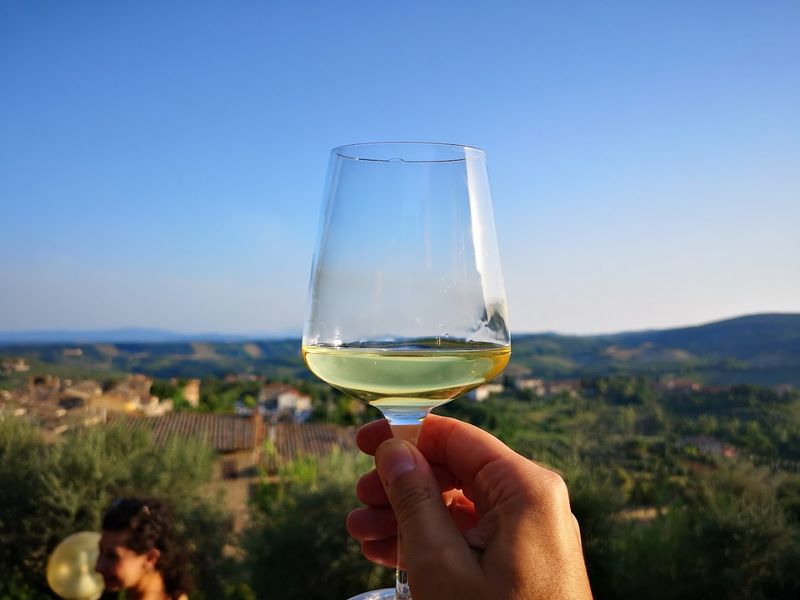
Fourteen medieval towers still pierce the Tuscan sky above San Gimignano, making it one of the most dramatic skylines in all of Italy. But the real magic here isn’t just visual — it’s in the glass.
Vernaccia di San Gimignano earned DOCG status as one of Tuscany’s oldest white wines, and local wineries are thrilled to share it with anyone who shows up thirsty.
Wander the cobblestone streets of the historic centre first, then follow the winding roads out into the countryside where family-run wineries welcome visitors with open cellars and generous pours. Olive groves hug the vineyard edges, producing oils that locals drizzle over everything from bruschetta to soup.
Many estates pair their Vernaccia with fresh-pressed olive oil as a matter of regional pride.
Visiting in autumn means catching the harvest season, when grapes and olives are picked almost simultaneously. The energy in San Gimignano during this time is electric and deeply communal.
Even a quick afternoon visit leaves you with a profound appreciation for how deeply wine and olive oil are woven into everyday Tuscan life here.
Montefioralle — Hilltop Charm Near Greve
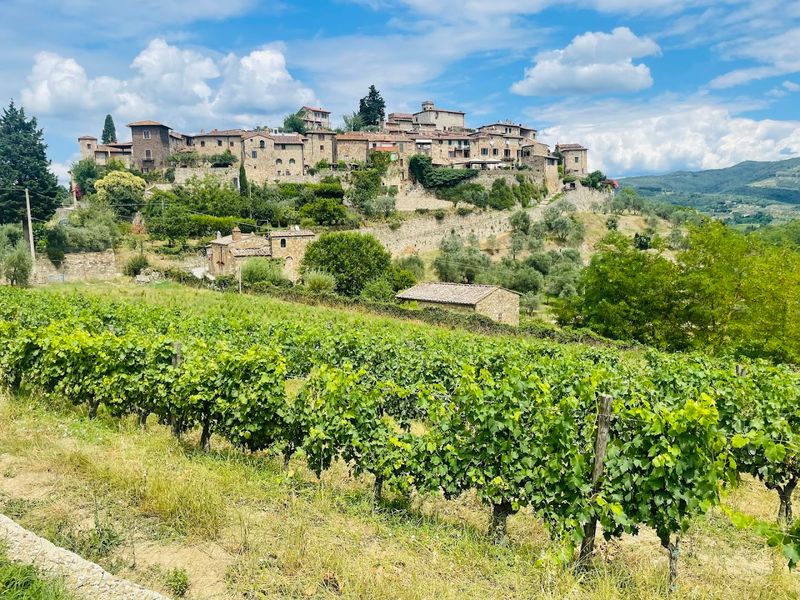
Perched just above Greve like a well-kept secret, Montefioralle is one of those villages that makes you feel like you’ve stumbled into a film set — except the wine is real and so is the olive oil. Narrow stone alleys wind between medieval buildings that have barely changed in five centuries.
The entire hamlet is so small you can walk every street in under ten minutes, which only adds to its charm.
Estate vineyards and olive groves wrap around Montefioralle on all sides, creating an agricultural cocoon that defines daily life here. The village has a deeply authentic feel that larger Chianti towns sometimes lose to tourism.
Residents still tend their own plots, press their own oil, and share their harvests with an openness that feels genuinely generous rather than performative.
Tastings available nearby offer the classic Chianti Classico and local extra-virgin olive oils that reflect the elevation and microclimate of this particular hillside. The flavors tend to be more delicate than lower-valley offerings — a nuance that serious olive oil lovers appreciate immediately.
Montefioralle is best visited slowly, with no particular agenda beyond soaking in the countryside lifestyle that has shaped Italian wine and oil traditions for generations.
Pienza — Val d’Orcia’s Renaissance Gem
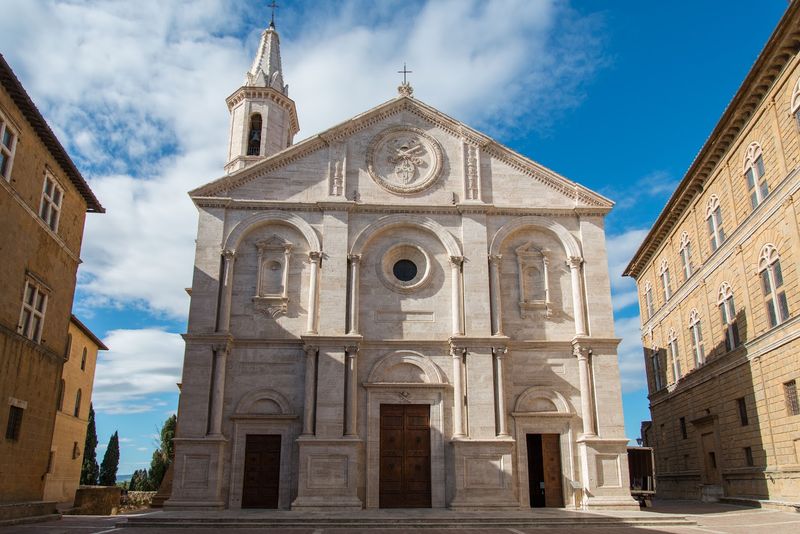
Pope Pius II had Pienza built from scratch in the 15th century as his ideal Renaissance city — and honestly, the man had excellent taste. Nestled in the UNESCO-listed Val d’Orcia, Pienza is celebrated for its perfectly proportioned piazza, its famous pecorino cheese, and a food culture that takes olive oil and wine just as seriously as architecture.
The views from the village walls over the Val d’Orcia are genuinely breathtaking.
Local producers make olive oil from groves that benefit from the valley’s unique microclimate — warm days, cool nights, and mineral-rich soil that gives the oils a distinctive character. Brunello di Montalcino is the nearby star wine, but Val d’Orcia wines pair beautifully with Pienza’s oils at tastings held in small shops throughout the historic centre.
Pecorino and olive oil together on warm bread is a combination that deserves its own award.
Pienza attracts visitors year-round, but autumn is particularly special when the olive harvest begins and the air smells faintly of crushed fruit. Small producers proudly open their frantoi — oil mills — for visits during this period.
Walking the streets of Pienza with a chunk of cheese and a bottle of local wine feels less like tourism and more like living the good life properly.
Montalcino — Brunello & Farm-Fresh Oil
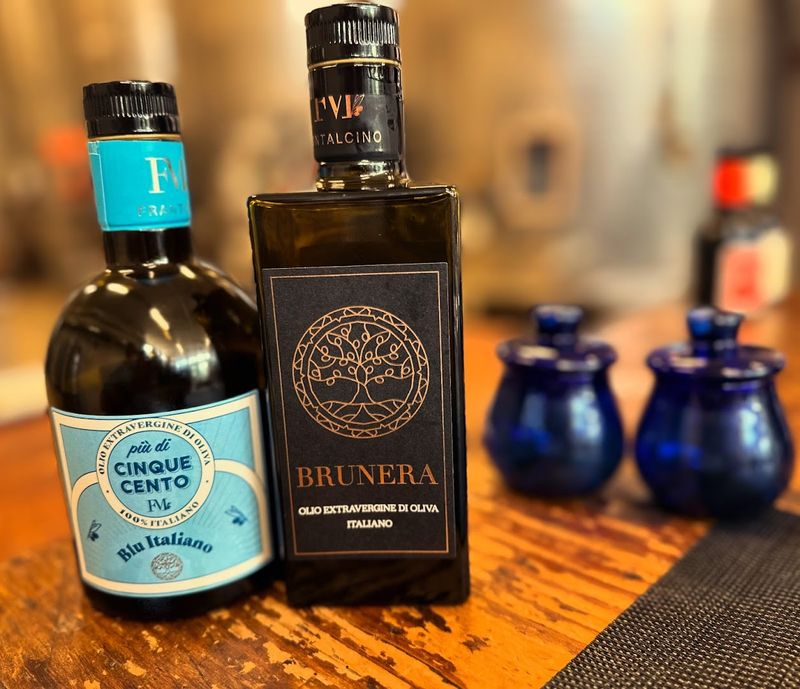
Few villages in Italy carry as much wine prestige per square meter as Montalcino. Home to Brunello di Montalcino — arguably Italy’s most celebrated red wine — this compact hilltop town sits surrounded by rolling countryside that doubles as prime olive oil territory.
The combination of world-class wine and farm-fresh oil makes Montalcino one of Tuscany’s most rewarding stops.
The Brunello here is made from Sangiovese Grosso grapes and aged for years before release, developing complex flavors of dark cherry, leather, and earth that pair magnificently with the area’s rich, peppery olive oils. Cellars throughout the town and surrounding countryside welcome visitors for structured tastings, and many estates also operate frantoi where fresh oil is pressed each November.
The smell of a working olive mill is something you genuinely never forget.
Beyond the wine and oil, Montalcino’s medieval fortress offers panoramic views that stretch across vineyards and olive groves to the horizon. The town’s enoteca inside the fortress is one of the best places in Tuscany to compare vintages side by side.
Whether you’re a dedicated wine collector or simply someone who appreciates good things, Montalcino delivers an experience that justifies every bit of its considerable reputation.
Monticchiello — Quiet Val d’Orcia Escape
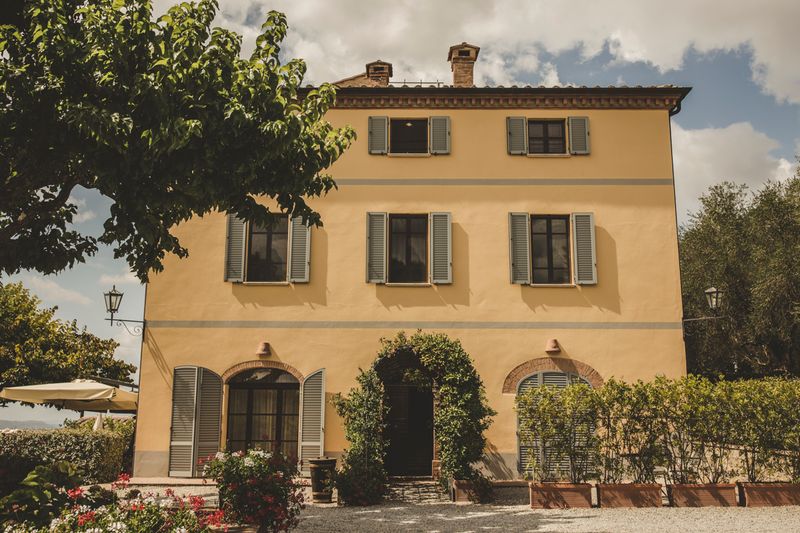
There’s a particular kind of quiet in Monticchiello that feels almost impossible to find in the modern world. This tiny walled village above the Val d’Orcia moves at its own unhurried pace, where afternoons stretch long and the views across vineyards and olive fields seem to go on forever.
It’s the kind of place that makes you put your phone away without even thinking about it.
Monticchiello is just a short drive from Pienza, but it attracts far fewer visitors, which means you can actually enjoy the landscape without navigating crowds. The elevated position gives the village commanding views that change color throughout the day — pale gold at noon, deep amber at sunset.
Slow afternoons here are best spent sipping Brunello or sampling ivory-green extra-virgin olive oil with bread pulled straight from a wood-fired oven.
The village is also known for its annual Teatro Povero — a grassroots theatrical production performed by locals each summer that reflects on rural Tuscan life. This deeply personal tradition speaks to how strongly the community values its agricultural identity.
Olive oil and wine aren’t just products here — they’re woven into the stories Monticchiello tells about itself, season after season, year after year.
Castellina in Chianti — Wine Roads & Olive Mills
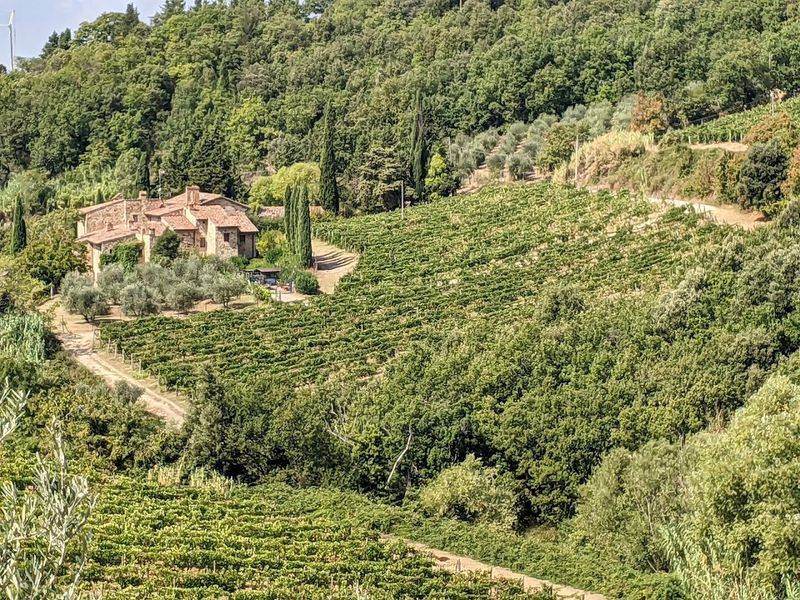
Castellina in Chianti sits squarely on the Strada del Vino e dell’Olio — the Wine and Oil Road — which is exactly the kind of road name that makes you want to rent a convertible immediately. This central Chianti village has been a strategic hub since Etruscan times, and today its strategic importance is measured in bottles of Chianti Classico and liters of golden olive oil produced by surrounding estates.
Scenic drives from Castellina lead past property after property where vineyards and olive groves share the same hillside real estate. Many estates offer guided tours that walk you through the winemaking process before finishing at an olive press where the season’s oil is explained in equally passionate detail.
The sensory progression from grape to wine to olive to oil tells the full story of Chianti’s agricultural heart.
The village itself has a lovely underground medieval walkway — the Via delle Volte — that runs beneath the main street and once served as a protected passage during sieges. Today it’s lined with wine shops and artisan producers.
Castellina rewards visitors who combine a walk through its historic streets with a full afternoon at one of the surrounding estates, where centuries of harvest tradition are shared generously over a long table.
Certaldo — Wine, Olives & Medieval Streets
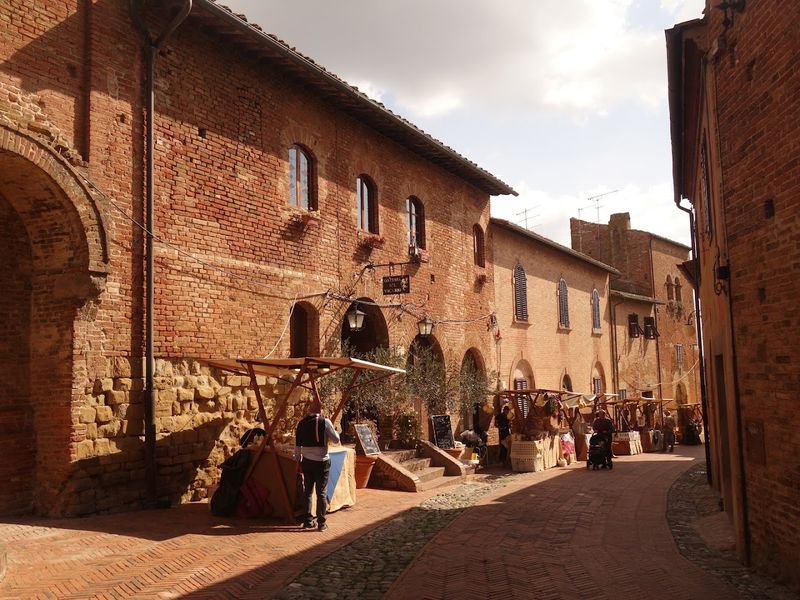
Giovanni Boccaccio, author of the Decameron, called Certaldo home — and if one of history’s great storytellers chose this place, that’s a pretty solid endorsement. The upper town, Certaldo Alto, is a beautifully preserved medieval settlement of red-brick towers and narrow lanes that rise above the Elsa Valley.
Down below, vineyards and olive groves stretch across the surrounding countryside with easy confidence.
Local producers bring Chianti Colli Fiorentini wines and Tuscan olive oils to the town’s markets, creating a weekly gathering that feels more like a neighborhood celebration than a commercial event. Tasting estate styles side by side reveals how much variation exists even within a relatively small geographic area — a detail that turns casual visitors into genuinely curious olive oil and wine enthusiasts.
Certaldo’s leisurely pace makes it an ideal stop for travelers who want to explore without a packed itinerary. The town’s food shops stock local products at prices that reflect community values rather than tourist premiums.
A bottle of Colli Fiorentini and a tin of estate oil make for outstanding souvenirs that actually get used. Certaldo is one of those under-the-radar Tuscan towns that rewards curiosity with a warmth that feels completely unscripted.
Bagno Vignoni — Spa Village amid Vines and Groves
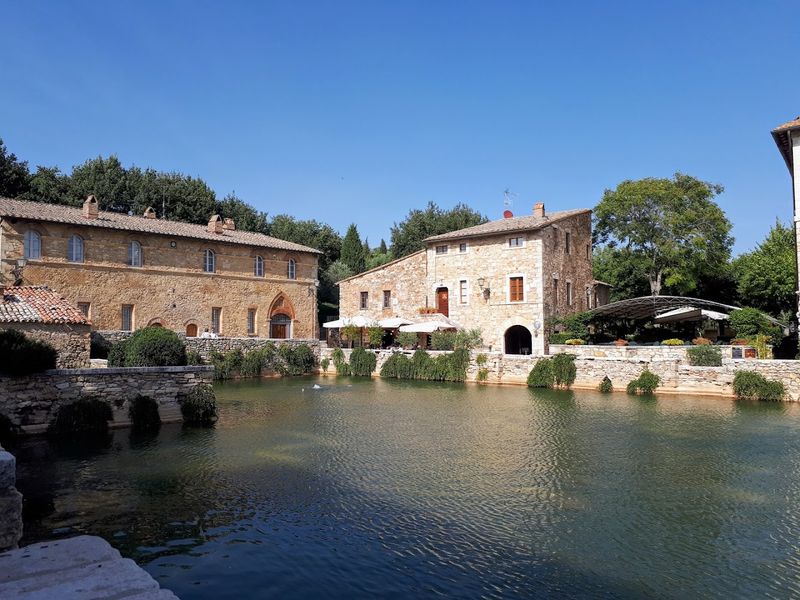
Bagno Vignoni has one of the most unusual village centers in all of Italy — instead of a traditional piazza, a large thermal pool occupies the main square, steaming gently in cooler months like something from a Renaissance painting. Lorenzo de’ Medici and Saint Catherine of Siena both soaked here, which means this village has been attracting distinguished visitors for a very long time.
The thermal spectacle tends to overshadow what surrounds it: a Val d’Orcia countryside absolutely packed with vineyards and olive orchards. After a soak in the ancient waters, travelers naturally gravitate toward the farm-to-table restaurants and agriturismi nearby, where locally pressed olive oil and regional wines anchor every meal.
The indulgence of thermal bathing followed by a long, oil-drenched dinner is a Tuscan tradition that requires no further justification.
Regional wines from the Val d’Orcia and nearby Montalcino pair beautifully with dishes built around the area’s fruity, slightly spicy olive oils. Smaller producers in the surrounding countryside offer informal tastings that complement a Bagno Vignoni visit perfectly.
This village proves that Tuscany’s pleasures layer beautifully — thermal water, ancient history, exceptional oil, and very good wine all sharing the same extraordinary landscape.
Sovana & Sorano — Maremma’s Rustic Taste
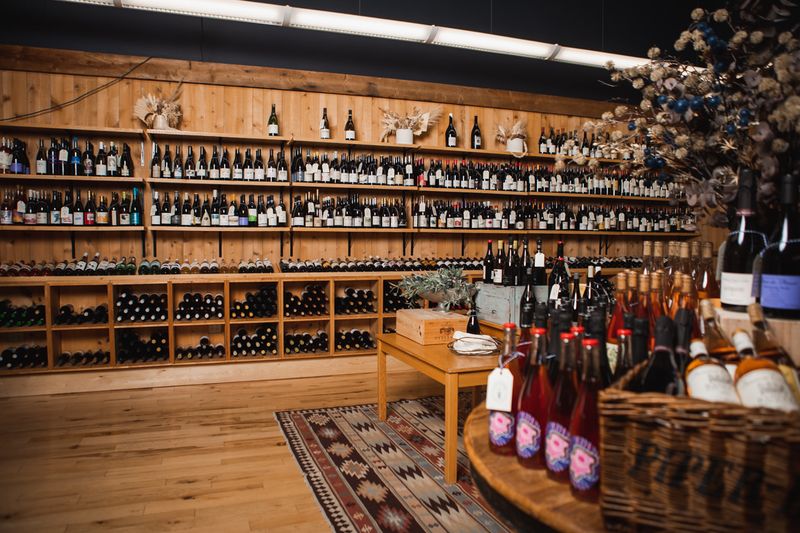
Southern Tuscany’s Maremma region operates on its own terms, and Sovana and Sorano are the perfect proof. These ancient tuff-stone villages feel carved from the earth itself — literally, in some cases, since the surrounding cliffs are riddled with Etruscan tombs and medieval cave dwellings.
The atmosphere is dramatically different from the polished Chianti zone, and that’s entirely the point.
Ancient cellars beneath the streets of Sovana produce wines like Sovana Rosso, made from Sangiovese and Aleatico grapes that thrive in the volcanic soil. Olive groves dot the rugged landscape between the two villages, producing oils with a bold, earthy character that matches the terrain perfectly.
Tasting tours here tend to be informal and deeply personal — you’re often sitting at a producer’s kitchen table rather than a polished tasting room.
Rustic dishes paired with local wines and oils form the backbone of the food culture in this corner of Maremma. Wild boar, hand-rolled pasta, and aged pecorino all find their natural accompaniment in a glass of Sovana Rosso and a generous drizzle of local oil.
Sovana and Sorano offer a Tuscany that hasn’t been smoothed out for easy consumption — and that rougher edge is exactly what makes them unforgettable.
Bibbona — Underrated Gem with Historic Groves
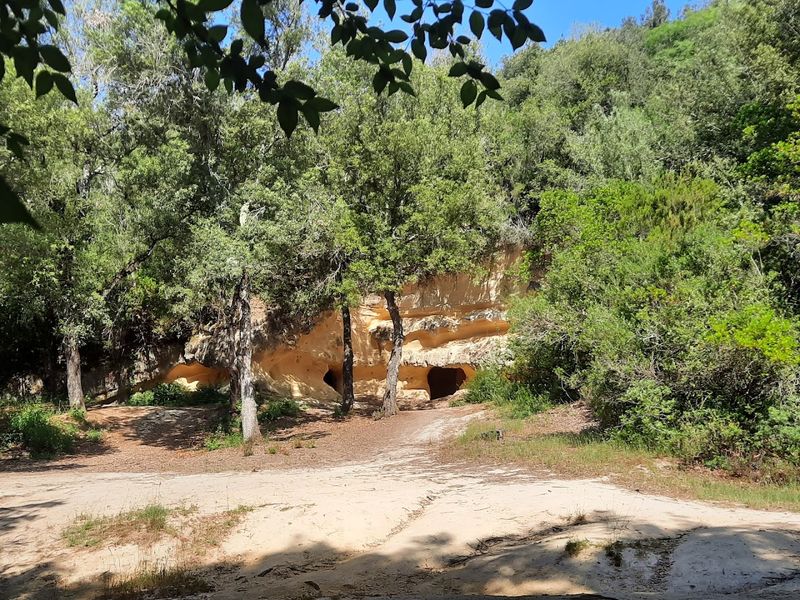
Ask most wine tourists about Bibbona and you’ll get a blank stare — which is precisely why it deserves a spot on this list. Tucked into the hills above the Etruscan Coast, Bibbona sits in a landscape of age-old olive trees and vineyard roads that rarely appear on mainstream travel itineraries.
That obscurity is its greatest asset.
The olive trees here are genuinely old — some have trunks thick enough to hide behind — and they produce oils with a distinct peppery intensity that reflects both the coastal climate and the mineral-rich soil. Local agriturismi and family estates share tastings with a warmth that only comes from producers who aren’t performing for crowds.
The Etruscan Coast wines, including bold reds from nearby Bolgheri country, make natural companions to Bibbona’s characterful oils.
The village itself is small but well-proportioned, with a historic centre that offers lovely views toward the Tyrrhenian Sea on clear days. Markets and local shops stock estate oils and regional bottles at prices that reflect genuine community values.
Bibbona is the kind of discovery that travelers keep quietly to themselves, sharing only with people who they trust to appreciate it properly. Go before the secret gets out entirely.
Barberino Tavarnelle — Oil & Wine Itinerary Start
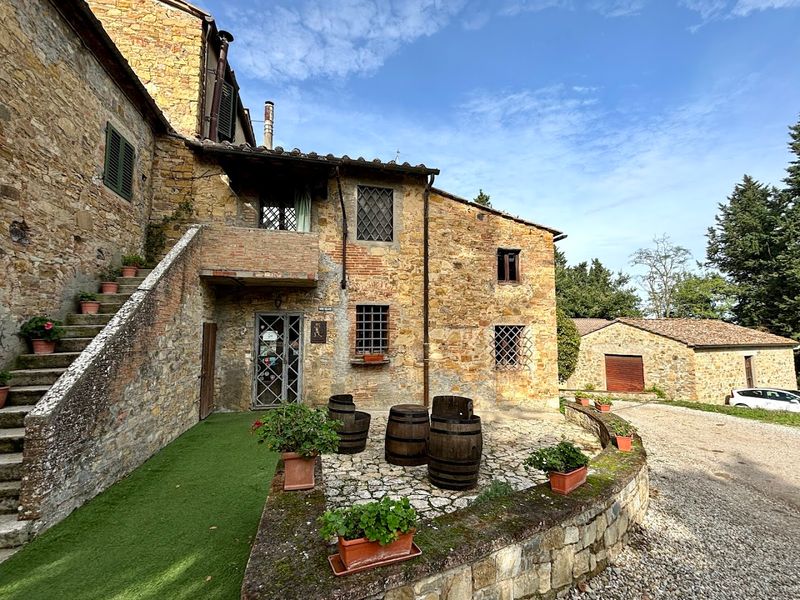
Officially merged into a single municipality in 2019, Barberino Tavarnelle combines two historic Chianti communities into one very well-positioned base for exploring Tuscany’s wine and olive oil routes. The surrounding countryside reads like a greatest-hits album of Tuscan agriculture — terraced olive groves, orderly vineyards, and stone farmhouses that have been producing liquid gold for centuries.
Artisan olive oil presses and small vineyards throughout the area open for tastings that demonstrate exactly why Tuscan oil and wine are considered inseparable from local culture. Producers here take enormous pride in showing visitors the full arc of production — from tree to press to bottle.
The extra-virgin oils tend to have the grassy, slightly bitter finish that defines quality Tuscan production, while the Chianti wines offer the classic cherry-and-herb character the region is famous for.
Barberino Tavarnelle makes an excellent itinerary starting point because its central location puts Greve, Panzano, San Gimignano, and Florence all within easy reach. A morning at a local frantoi, an afternoon tasting at a wine estate, and an evening meal at an agriturismo covers an enormous amount of Tuscan culinary ground in a single day.
Starting here means starting well — and in Tuscany, starting well usually means ending even better.
Share this story