There is a small borough tucked along the Delaware River in Hunterdon County, New Jersey, that has been quietly winning people over for years. It sits about 32 miles northwest of Trenton, right on the edge of the Hunterdon Plateau, and it moves at a pace that most towns have completely forgotten.
The streets are lined with independent shops, art galleries, and places to eat that locals actually care about. What makes this place so special is not one single thing but a combination of history, community, and a riverfront setting that keeps drawing people back again and again.
This article takes you through everything worth knowing about Frenchtown, from its deep roots to its best weekend activities, so you can decide for yourself why it keeps landing on so many must-visit lists.
Where Frenchtown Sits on the Map
Frenchtown is a borough in Hunterdon County, in the state of New Jersey, located along the banks of the Delaware River on the Hunterdon Plateau. The official address is Tinicum Township, NJ 08825, placing it squarely in a region known for rolling hills, open farmland, and historic communities.
The town sits about 32 miles northwest of Trenton, the state capital, and shares the river border with Bucks County, Pennsylvania, just across the water. That geographic position gives Frenchtown a dual identity: it is unmistakably a New Jersey town, but it also benefits from the cultural energy that flows across the Delaware Valley.
Getting here is straightforward from most mid-Atlantic cities. Philadelphia is about an hour away, and New York City is roughly 70 miles to the northeast.
The town is accessible via Route 12, which runs right through its compact downtown core, making it easy to arrive and even easier to fall into its relaxed rhythm.
A Brief History Worth Knowing
Frenchtown got its name not from a wave of French settlers but from a French-speaking Swiss immigrant named Paul Henri Mallet-Prevost, who purchased land in the area in the early 1800s. The settlement that grew around his holdings eventually took on the informal name of Frenchtown, and it stuck.
The borough was officially incorporated in 1867, though the area had already been a functioning community for decades before that. Its position along the Delaware River made it a natural stop for trade, ferry crossings, and early industrial activity, including mills that took advantage of nearby waterways.
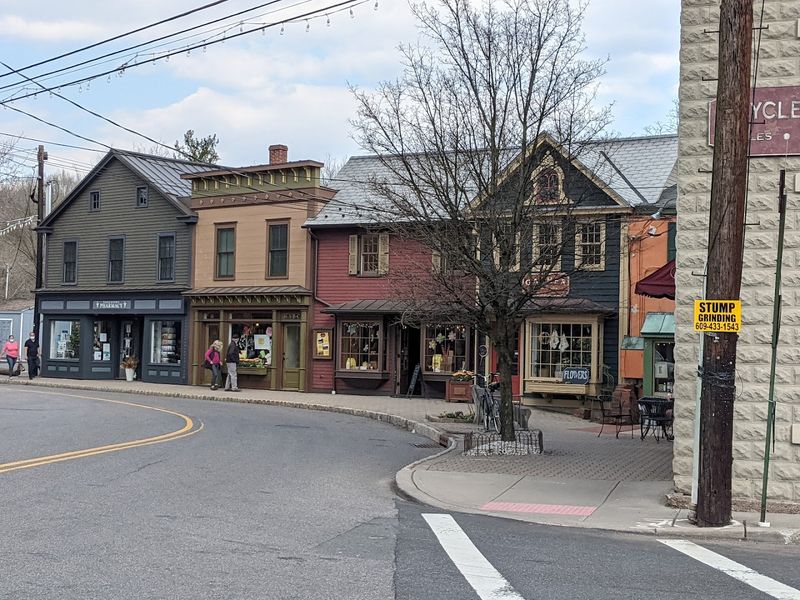
By the late 19th century, Frenchtown had a railroad connection, a growing downtown, and a reputation as a productive small town in a prosperous county. Many of the buildings that line Bridge Street today date back to that era, giving the town a visible connection to its own past that newer developments simply cannot replicate.
The Delaware River as a Constant Backdrop
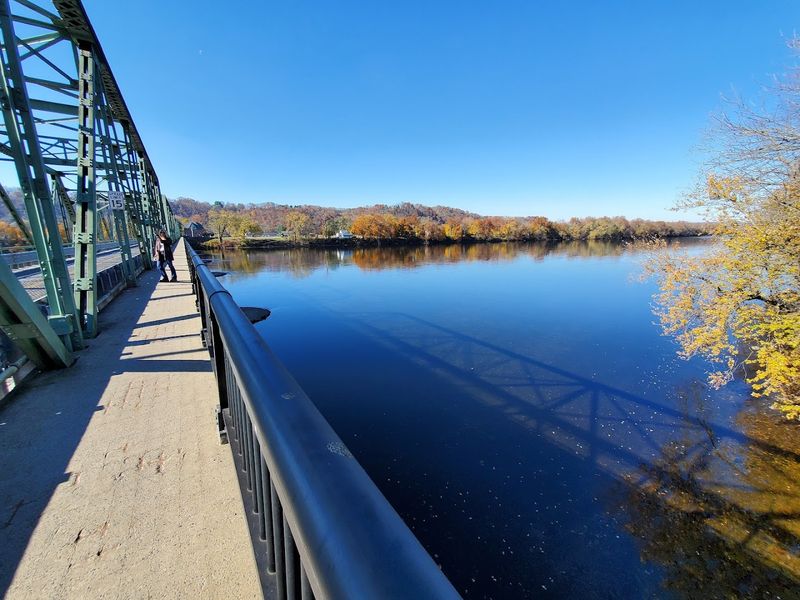
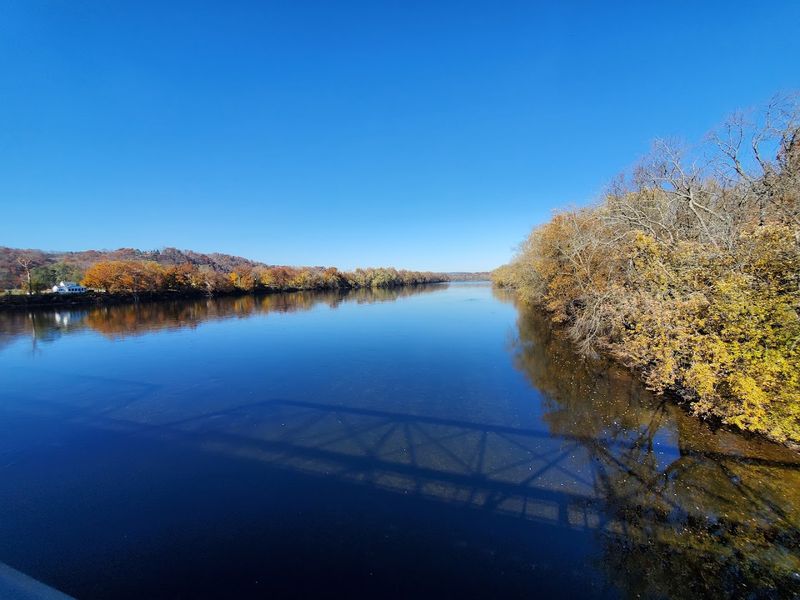
The Delaware River is not just a pretty feature in Frenchtown; it is genuinely central to how the town functions and feels. The river runs along the western edge of the borough, and the public access points make it easy to get close to the water without any fuss.
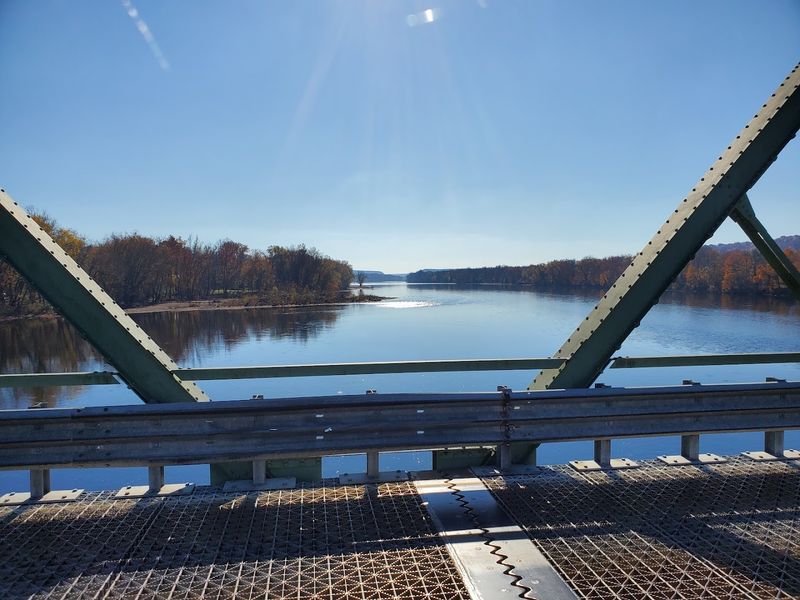
Frenchtown’s riverfront area includes a small park where people gather on weekends to sit, walk, and watch the water move past. The bridge connecting Frenchtown to Uhlerstown, Pennsylvania, is one of the town’s most photographed spots, and crossing it on foot gives you a clear view of both shorelines.
Kayaking and canoeing are popular here, with the calm stretches of the Delaware making it accessible even for beginners. Several outfitters operate within a reasonable drive, and the river corridor is part of the Delaware Water Gap National Recreation Area system, which adds a layer of protected natural beauty to the whole experience.
Bridge Street and the Downtown Core
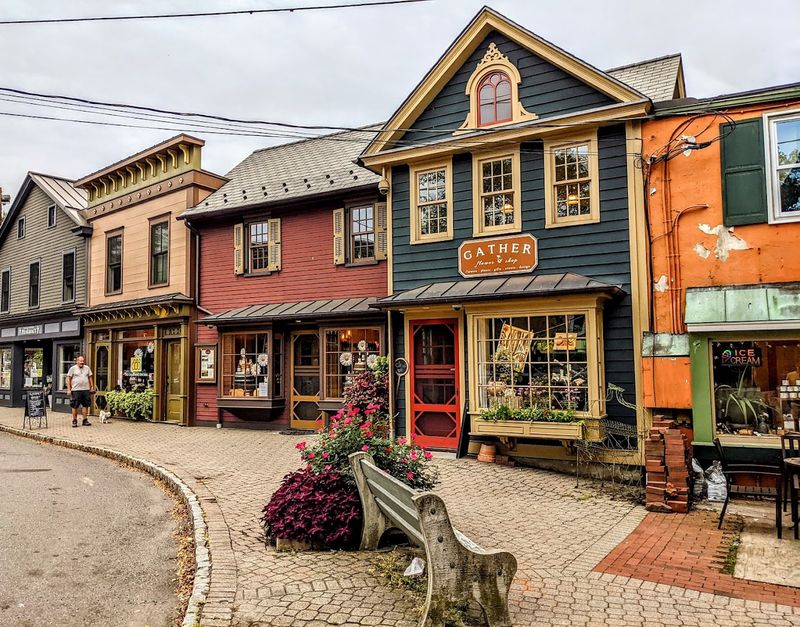
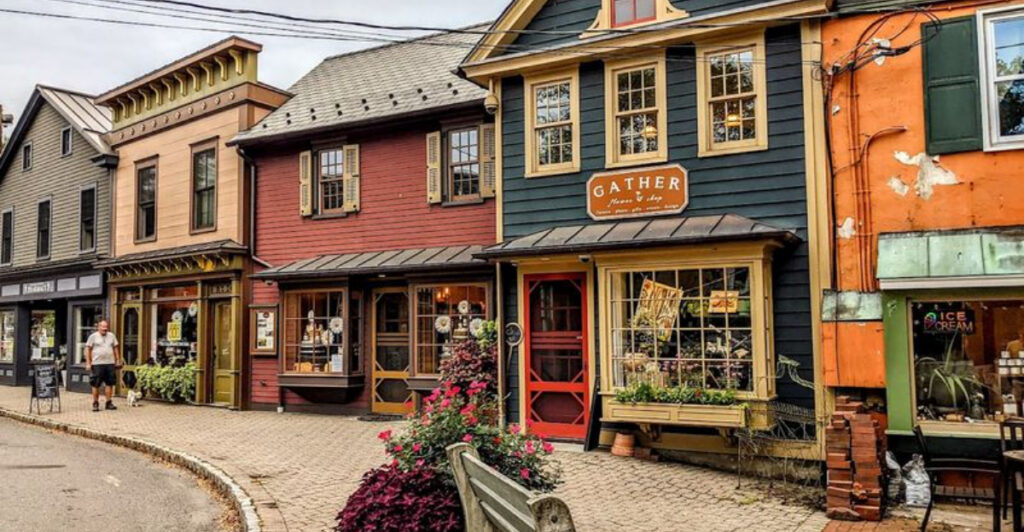
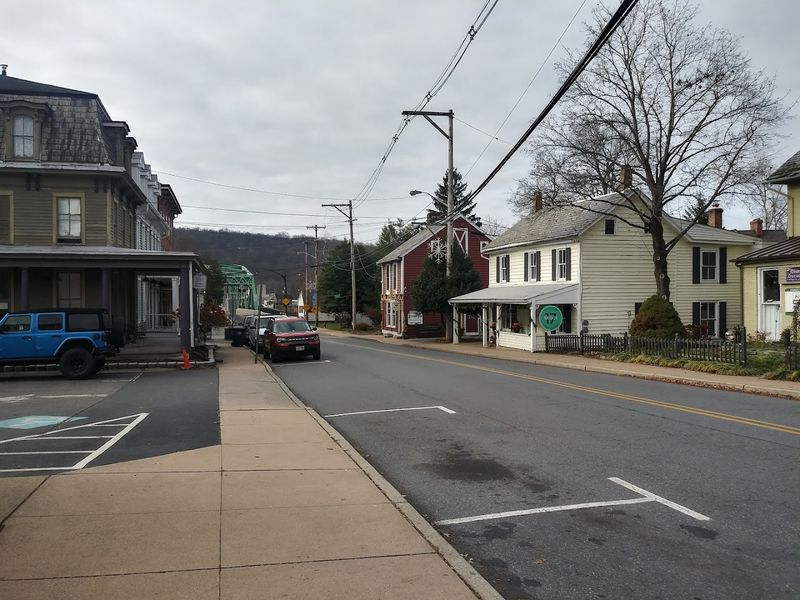
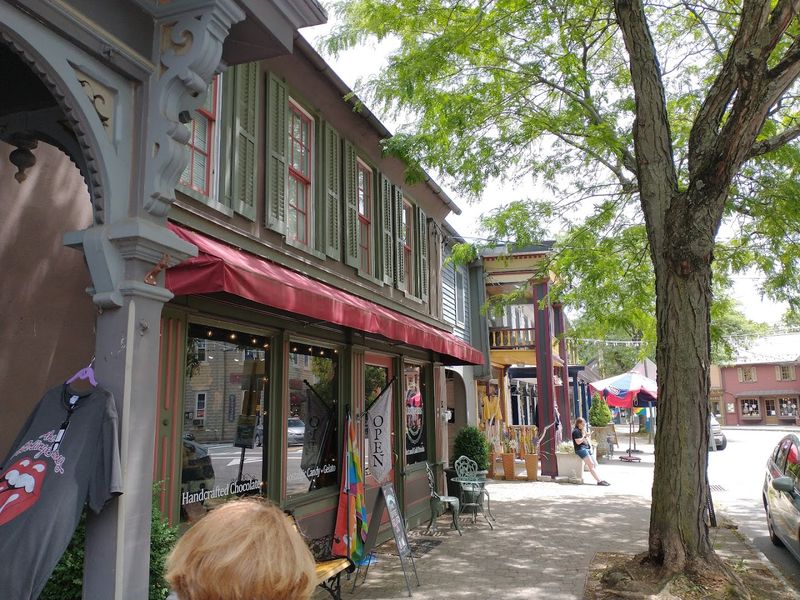
Bridge Street is the backbone of Frenchtown’s downtown, and it delivers exactly what a good main street should: variety, character, and enough to keep you browsing for a couple of hours without checking your phone. The street runs parallel to the river and connects to the bridge that crosses into Pennsylvania.
Independent shops are the norm here, not the exception. You will find antique dealers, clothing boutiques, bookstores, and specialty food shops all within a short walk of each other.
The buildings themselves are part of the appeal, with 19th-century facades that have been maintained or restored rather than replaced.
Weekend foot traffic picks up noticeably from spring through fall, when visitors from Philadelphia, New York, and surrounding suburbs make the drive out to browse and eat. Even on a quieter weekday, Bridge Street has enough open storefronts and occupied cafe tables to feel alive rather than like a town waiting to be discovered.
Eating Well in a Small Town
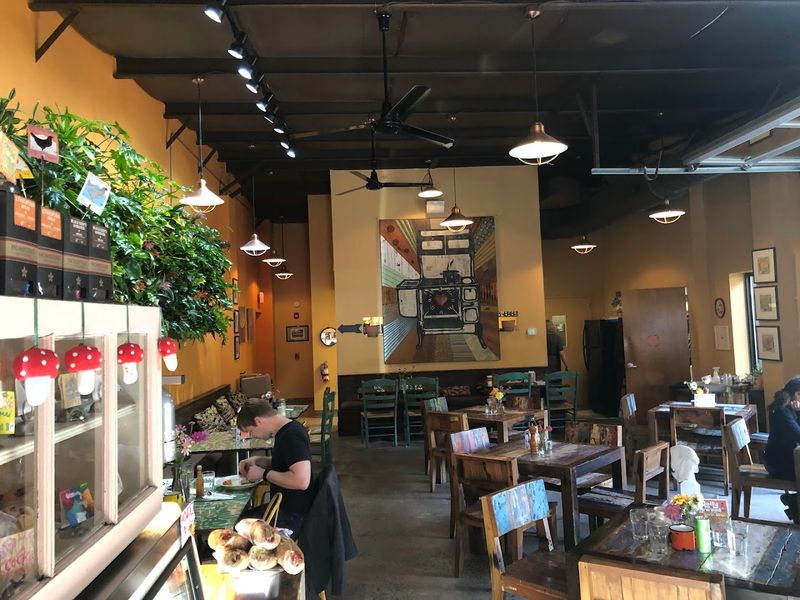
For a town this size, Frenchtown has a dining scene that regularly surprises first-time visitors. The options range from casual riverside spots to more polished restaurants that take their menus seriously, and most of them source ingredients from farms in Hunterdon County and the surrounding region.
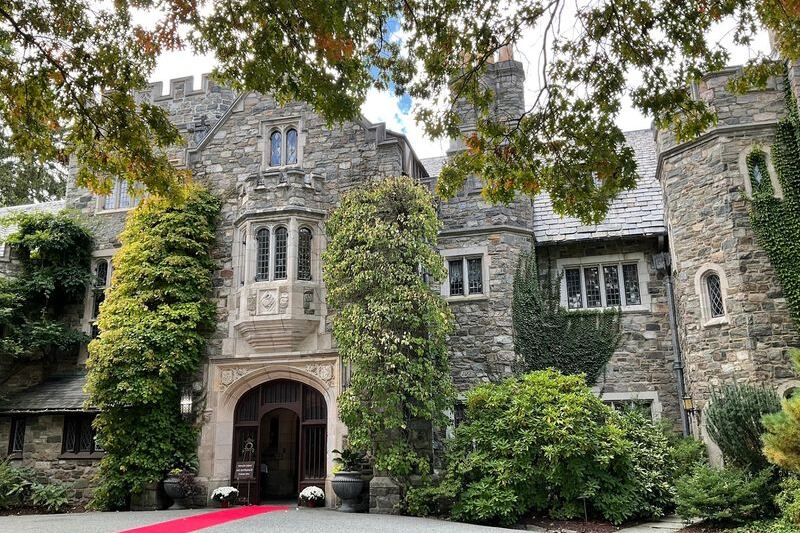
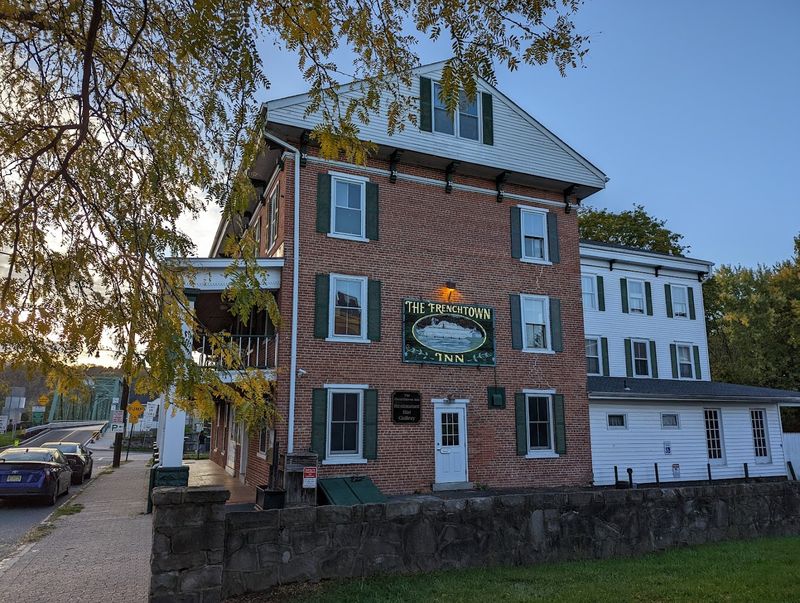
The Frenchtown Inn, one of the town’s most established dining destinations, has been serving upscale American cuisine for years and occupies a historic building that adds to the overall experience. Smaller cafes and sandwich shops fill in the gaps for lighter meals and weekend brunch crowds.
What stands out is the consistency. Frenchtown does not have the kind of restaurant turnover that plagues tourist-heavy towns where quality drops once the crowds arrive.
The places here tend to stick around because they are run by people who actually live in the community and have a stake in keeping standards high. That makes a real difference in what ends up on your plate.
Antique Hunting Along the River
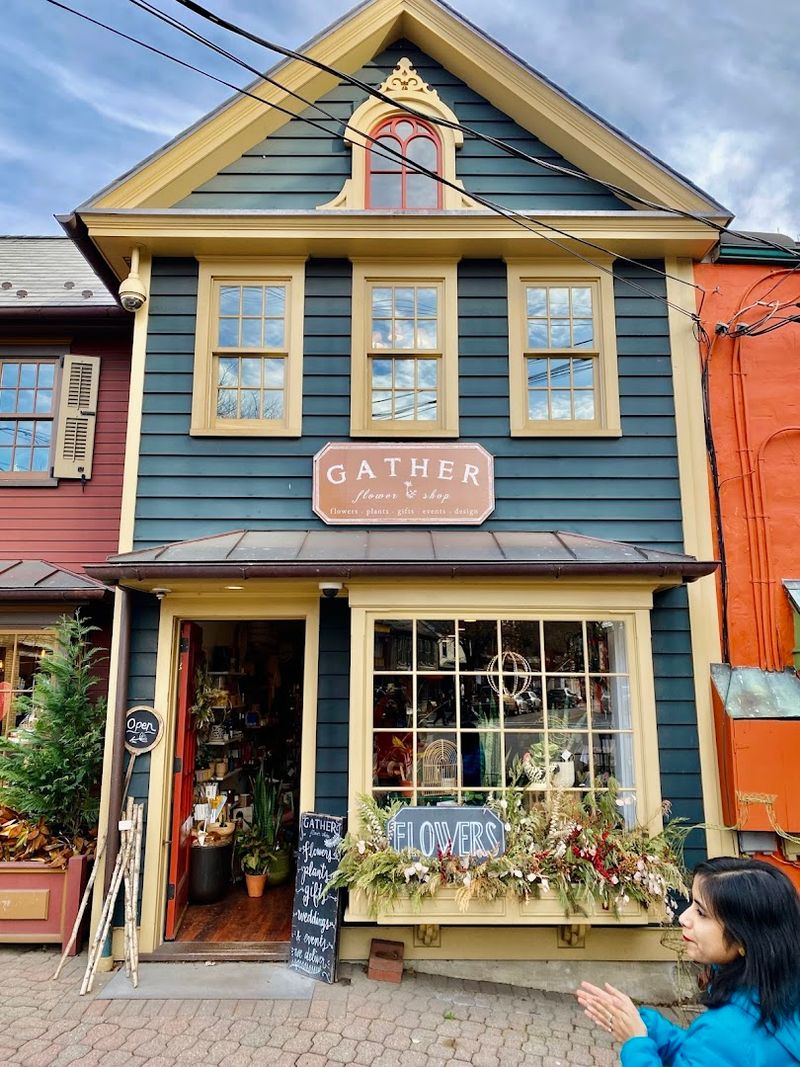
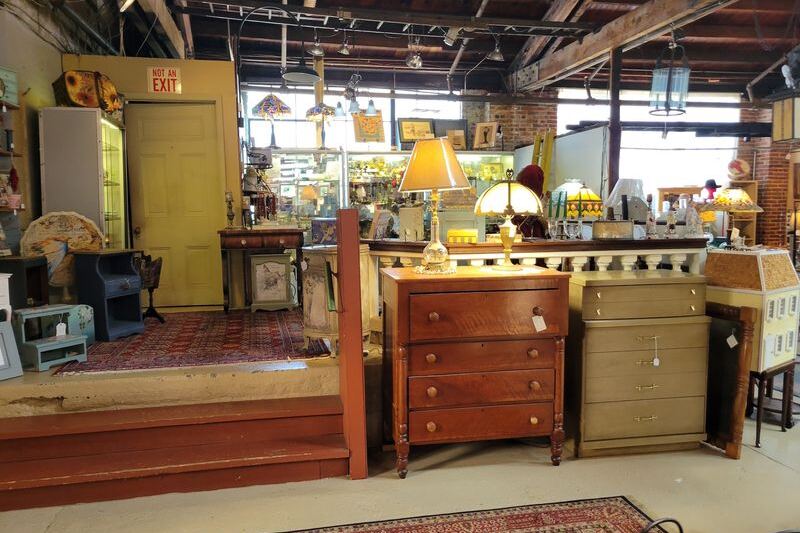
Antique enthusiasts have known about Frenchtown for a long time, and the town has built a quiet reputation as one of the better spots in New Jersey for serious browsing. The shops here tend to carry genuine vintage and antique pieces rather than the mass-produced reproductions that fill lesser markets.
Several dealers operate out of storefronts along Bridge Street and the surrounding blocks, and the inventory changes regularly enough to reward repeat visits. You might find mid-century furniture, vintage maps, old books, estate jewelry, or handmade crafts from earlier eras, depending on what has come in recently.
The antique community in Frenchtown is also notably knowledgeable. Shop owners are typically happy to talk about provenance, history, and the stories behind individual pieces, which makes the shopping experience feel more like a conversation than a transaction.
That personal touch is part of what keeps collectors coming back to this stretch of the Delaware Valley year after year.
Cycling the D&R Canal Towpath and Beyond
Cycling has become one of the most popular ways to spend time in and around Frenchtown, and the infrastructure supports it well. The Delaware and Raritan Canal State Park towpath runs through the region, offering a flat, well-maintained route that follows the river corridor for miles in both directions.
The path is suitable for riders of most ability levels, and the scenery along the way includes farmland, forested stretches, and occasional views of the Delaware that make it easy to forget how many miles you have covered. Bikes can be rented locally during the warmer months, removing the need to bring your own.
Frenchtown itself is compact enough to explore on two wheels, and many visitors combine a ride along the towpath with a stop in town for lunch or coffee. The combination of physical activity and a relaxed downtown destination makes for a well-rounded day that does not require much planning to pull off successfully.
The Frenchtown Farmers Market
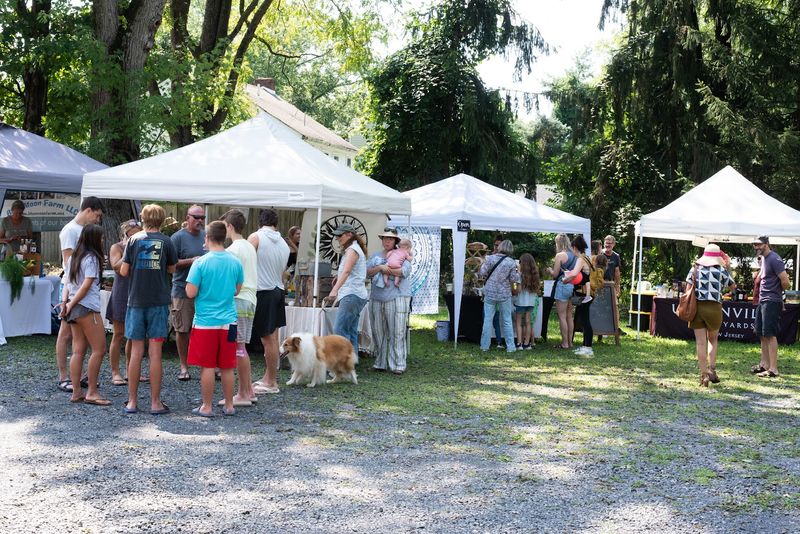
Hunterdon County is serious farming country, and Frenchtown’s farmers market reflects that directly. The market brings together local growers, food producers, and artisans who sell everything from fresh vegetables and fruit to baked goods, handmade cheese, and locally raised meat.
The market runs seasonally and draws a loyal crowd of both residents and weekend visitors who want to take something genuinely local back home with them. The vendors are actual farmers and small-batch producers, not resellers, which keeps the quality consistent and the selection tied to what is actually growing in the region at any given time.
Beyond the produce, the market has a social function in town. It is where neighbors catch up, where kids get their first look at what a real tomato looks like before it hits a grocery shelf, and where the community gathers in a way that feels organic rather than organized.
Markets like this one are increasingly rare, which makes Frenchtown’s version worth showing up for.
Day Trips Into Hunterdon County
Frenchtown works beautifully as a base for exploring the broader Hunterdon County region, which offers a lot more than most people expect from a New Jersey county. The surrounding area includes preserved farmland, historic villages, state parks, and scenic drives that hold up in any season.
Nearby Milford and Stockton are both worth a stop, each with their own small-town character and a handful of good shops and restaurants. The Musconetcong River runs through the county and offers fishing and hiking access in a setting that feels genuinely removed from suburban life.
Autumn is especially rewarding in this part of New Jersey, when the tree cover across the Hunterdon Plateau turns and the farm stands fill up with seasonal produce. Spring brings wildflowers along the river and a general sense that the whole landscape is waking up.
No matter when you visit Frenchtown, the surrounding county gives you plenty of reasons to extend your stay by at least one more day.
The Historic Frenchtown Bridge
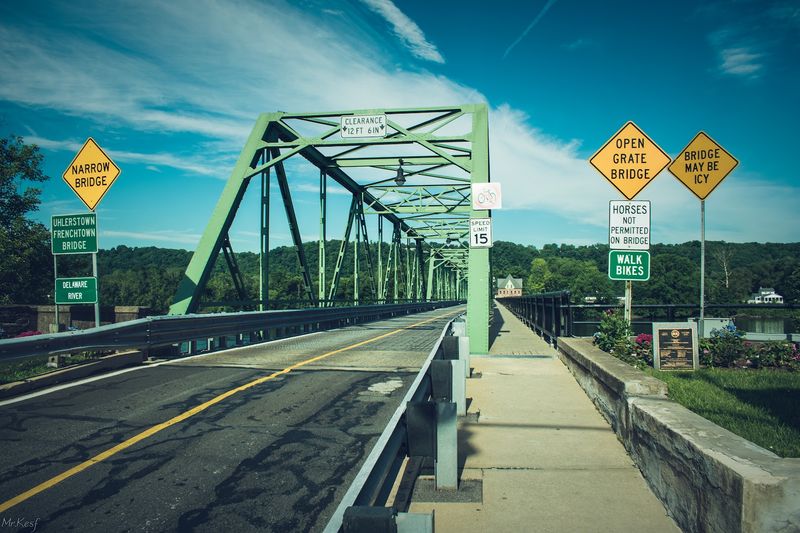
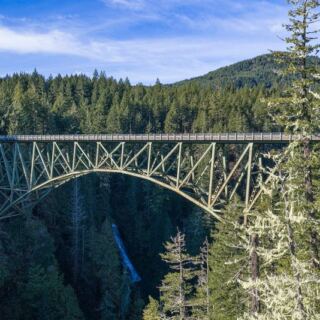
The bridge connecting Frenchtown to Uhlerstown, Pennsylvania, is one of those structures that earns its place in the conversation without needing much introduction. Built in 1931, it is a steel through-truss bridge that spans the Delaware River and serves as both a functional crossing and a visual anchor for the town’s riverfront.
Walking across the bridge is a Frenchtown ritual that visitors quickly adopt. The views from the middle of the span look back at the borough’s rooftops and tree line on one side and out across the Pennsylvania farmland on the other, giving you a clear sense of just how much open space exists in this corner of the mid-Atlantic.
The bridge is also a popular spot for photography, particularly in the early morning when the light hits the water at a low angle and the river is relatively quiet. It does not cost anything to cross on foot, which makes it one of the better free experiences this small town has to offer.
Where to Stay When You Want to Linger
Frenchtown is the kind of town that rewards an overnight stay, and the lodging options match the character of the place rather than working against it. Bed and breakfasts are the dominant format here, and they tend to occupy historic buildings that have been carefully maintained and thoughtfully updated.
The National Hotel is one of the town’s most well-known accommodation options, a historic property on Bridge Street that has operated in various forms for well over a century. Staying there puts you in the center of everything, within easy walking distance of restaurants, galleries, and the riverfront.
Smaller inns and vacation rentals are also available in and around Frenchtown, giving visitors more flexibility depending on group size and budget. Booking ahead is strongly recommended for spring and fall weekends, when the town fills up faster than most people expect for a borough of this size.
Arriving without a reservation on a peak weekend is a gamble that does not always pay off.
Why This Town Keeps Showing Up on Must-Visit Lists
Frenchtown keeps appearing on travel lists not because of a marketing push but because people who visit tend to tell other people about it. That word-of-mouth reputation has built steadily over years, and the town has managed to grow its profile without losing the qualities that made it worth talking about in the first place.
The combination of a genuine art scene, good food, river access, historic architecture, and a walkable downtown is not something you find in many places this small. Most towns with one or two of those qualities struggle to maintain them.
Frenchtown has managed to hold onto all of them simultaneously, which is what separates it from the towns that have a good few years and then fade.
The residents here are clearly invested in keeping it that way. The shops stay independent, the events stay local, and the river stays clean enough to use.
That kind of sustained community effort is ultimately what turns a nice town into a place that people return to, year after year, without needing a reason beyond the fact that it simply works.
Share this story