Language ages like fashion, and some outfits should have stayed in the closet. The slang that once felt rebellious, stylish, and culture-shaping now risks stopping a conversation faster than a ringtone from 2004.
You will spot the charm, but you will also feel the cringe as each throwback bumps into modern ears. Keep reading and you will get quick history, current context, and a better way to say the same thing without sounding like you just left a sock hop.
1. Groovy
Your cool meter will short out the moment groovy leaves your mouth. In 1965, the word sounded sunny, stylish, and rhythm-ready, like a wink from the radio.
It tied to records, protest posters, and the optimism of new sounds.
Say it today and you invite an instant costume party in people’s minds. They picture bell bottoms, lava lamps, and a sitcom laugh track.
Fun in theory, awkward in practice, and hard to use without irony.
Still, the spirit behind it has not died. You want a compact way to praise a vibe that feels smooth and effortless.
Try clean alternatives like smooth, on point, or just solid.
Those choices stick the landing without time-travel side effects. They also keep your voice present-tense and unforced.
Save groovy for themed playlists and caption jokes.
2. Far Out
Brains were allegedly melting when someone said far out. The phrase once granted instant approval, a stamp for ideas that stretched past the usual.
It paired with guitar strings, big thoughts, and head-nodding awe.
Now it lands like a museum label you accidentally read out loud. Listeners hear theater instead of sincerity.
The tone slides toward skit dialogue and stops feeling real in daily talk.
When you want wonder without the retro echo, try wild, unreal, or that’s next level. Those choices keep surprise sharp and current.
They also play nicely in texts and short replies.
Reserve far out for quoting lyrics or joking with friends who enjoy period slang. Your message will still hit, but the delivery will not wobble.
Admiration survives best when your words do not come with a fringe jacket.
3. Square
An insult once hid behind straight edges. Square told everyone someone was rigid, bland, and allergic to fun.
Teen circles tossed it around with snickers and stern parental cameos.
Use it now and the boomerang whips back. Call someone square and you sound square.
The comeback writes itself, and you lose points for originality.
When you need sharper clarity, try literal, by the book, or just not into it. These keep judgment low and precision high.
They also spare you the cartoonish snap of decades-old slang.
The word also carries a faint whiff of black-and-white sitcoms and soda-shop stereotypes. It flattens personality into a cheap punchline.
Modern conversations favor nuance over neat little boxes.
Culture moved on from labeling people like geometry homework. You can still note a closed-off approach without time stamps.
Let square rest beside rotary phones and novelty ties.
4. Dig
Snap your fingers and you can almost hear it. Dig once meant understand and appreciate, a nod to music, art, or an idea that clicked.
People tossed it around in clubs and late-night conversations.
Today it suggests gardening before it suggests comprehension. The image is dirt, not insight.
Listeners may smile, but it rarely sounds natural in everyday speech.
It also carries a distinctly retro rhythm, echoing beat poetry and vinyl record culture. That vibe can be charming, but it can also feel performative if the setting does not match.
Reach for get it, I’m into that, or I follow. These cover both liking and grasping without the vintage aftertaste.
They keep conversations clear and current.
If you love the energy, save dig for playful throwbacks. The meaning still works, but the word arrives wearing bell-bottoms.
Understanding deserves language that fits the moment.
5. Chick
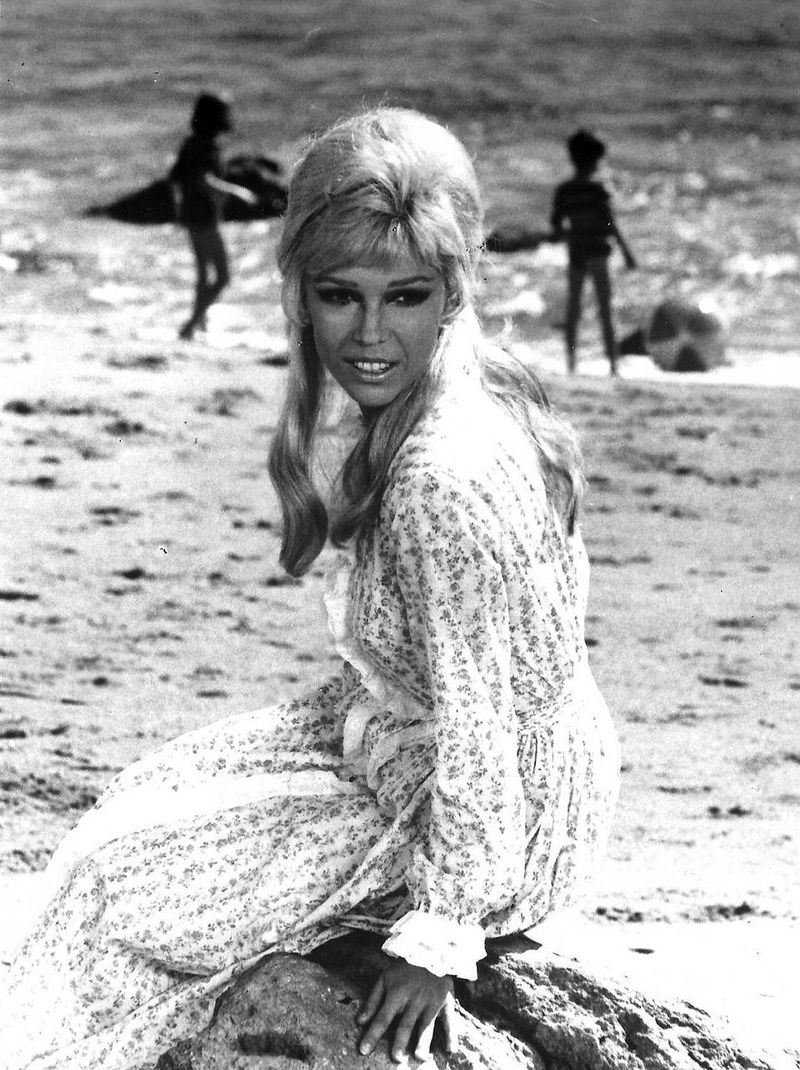
The record scratches the moment this one shows up. Chick once floated through songs and scripts as casual shorthand for a woman.
It rode waves of cool that forgot how it could shrink a person.
Now it sounds small and dated. Even a friendly tone cannot fix the imbalance.
People hear dismissal wrapped in a nickname.
Use woman, person, or their name. Compliment style or talent directly, not through a label that trims dignity.
Respect makes language age better.
Nostalgia does not excuse clumsy phrasing. Keep the soundtrack, lose the shortcut.
Your voice will sound modern and considerate in the same breath.
6. Doll
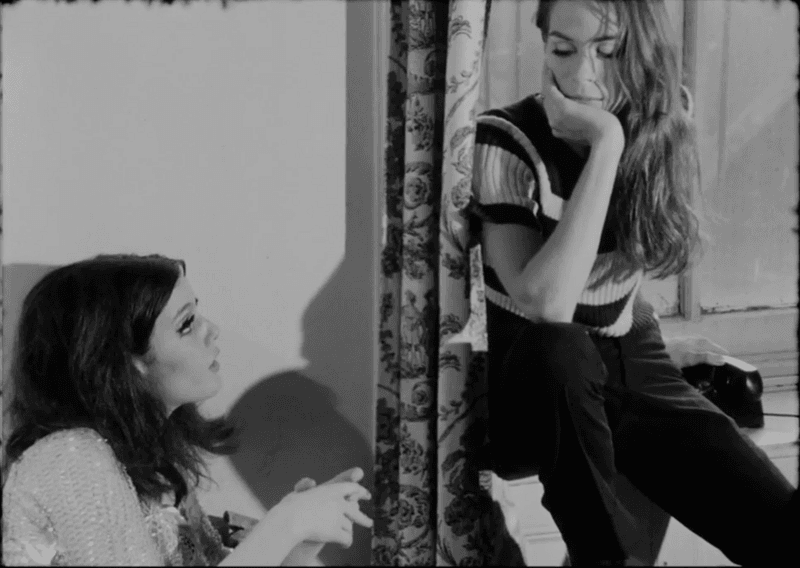
Sugar-coating can taste stale. Doll once worked as flattery, a polished bow on charm.
It fluttered through flirtation and film dialogue like confetti.
Today it lands wrong. The word feels ornamental, not equal.
Compliments become props instead of genuine appreciation.
Trade it for specific praise that centers skill or style. Try you look sharp, that color suits you, or your idea is strong.
Those lines build connection instead of hierarchy.
Language grows when we trim nicknames that lean downward. Keep the warmth and lose the toy shelf undertone.
Your compliments will finally fit the moment.
7. Beatnik
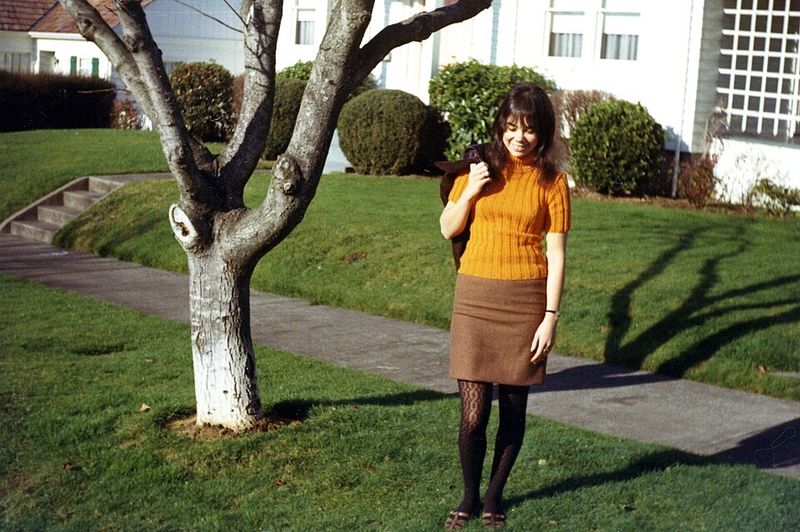
History class tries to escape when this word appears. Beatnik labeled a pre-hippie archetype with art, smoke, and late-night poems.
It also carried a media caricature that flattened real lives.
Modern ears hear a costume rack, not a person. The term turns individuals into a cartoon silhouette.
Conversation loses texture the second it arrives.
If you need a label, talk about artists, writers, or counterculture figures. Use specifics, not umbrella myths.
Mention movements, not mockups.
Beatnik belongs in footnotes and vintage magazine covers. Keep it there and your language stays precise.
People are not props for nostalgic shorthand.
8. Foxy
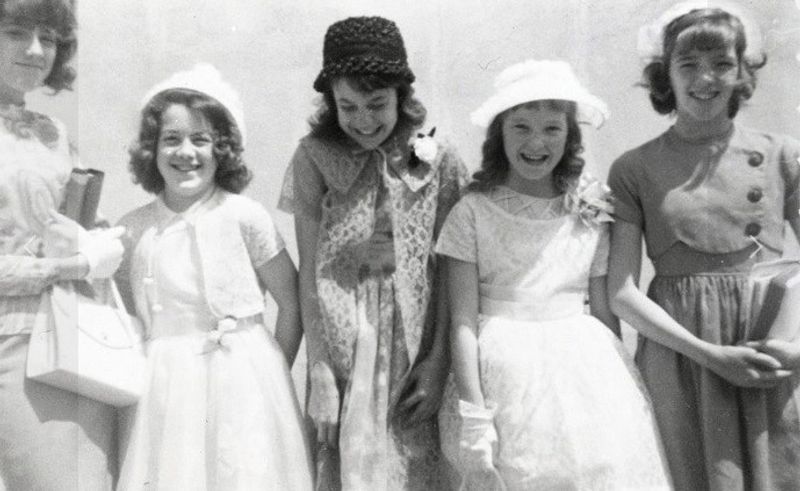
Compliments should not wear platform shoes. Foxy once meant stylish and attractive, a swaggering nod with movie-trailer polish.
It turned looks into a slogan.
Now it lands closer to parody than praise. People hear a forced wink instead of a sincere compliment.
The word can feel more costume than connection.
It also carries a cartoonish edge, echoing blaxploitation posters and disco-era bravado. That history gives it flair, but it rarely fits modern, everyday conversation.
Swap in sharp, stunning, or that outfit works. Aim for clarity and kindness instead of catchphrases.
When in doubt, praise something specific like color, fit, or detail.
Attraction does not need a time capsule to feel vivid. Retire foxy to playlists and retro captions.
Your words will land cleaner and actually be heard.
9. Threads
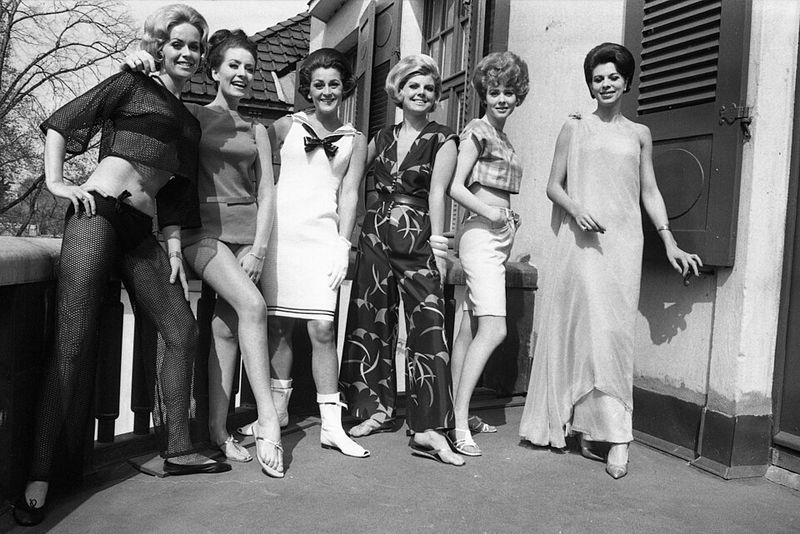
Clothes used to demand a nickname. Threads gave outfits a playful spin that felt woven into youth culture.
It said style without sounding too serious.
Today it creaks like an old sitcom joke. People picture canned laughter more than crisp tailoring.
The slang distracts from the actual look.
Use fit, outfit, or look to keep things current. Try strong jacket or clean sneakers for quick hits.
Specifics beat slogans every time.
Style evolves and so should the way you talk about it. Retiring threads does not kill the fun.
It just lets the clothes speak for themselves.
10. Pad
Housing had swagger once. Pad turned apartments into hangout zones with posters, ashtrays, and movie-night chatter.
Invites sounded relaxed and a little daring.
Now it triggers spy parody and dated skits. Listeners hear velvet blazers and forced charm.
The word skews jokey, not welcoming.
Say place, apartment, or spot. Add detail if you want warmth, like sunny balcony or tiny kitchen with great coffee.
Honesty beats a wink.
Pad can stay in retro scripts where it belongs. Real life talks cleaner without it.
Hospitality sounds better than schtick.
11. Necking
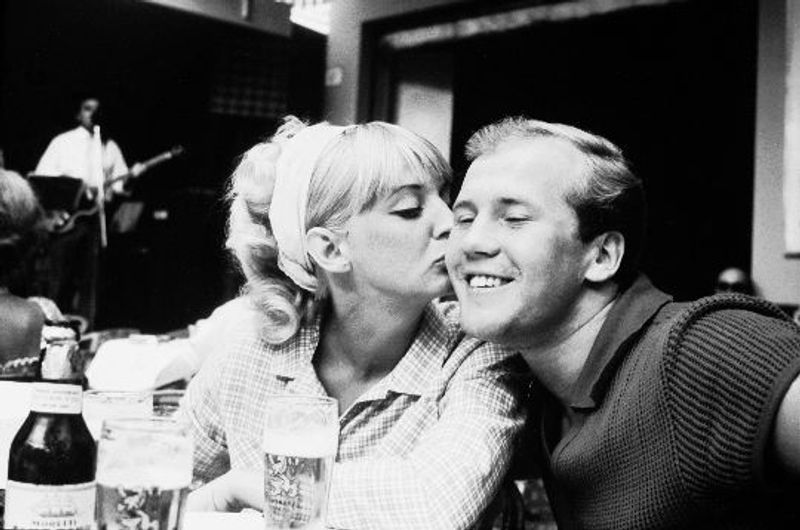
Romance came with a manual once. Necking described kissing sessions with a parental-warning edge.
It showed up in advice columns and hallway whispers.
Today it sounds medical and antique at the same time. People wince or laugh before they understand context.
Subtlety gets crushed under the term’s creak.
Use make out or just kissed. Keep the moment human and current.
You will communicate without tripping over a history book.
Some words fold under their own baggage. Necking is one of them.
Retire it and let your stories breathe.
12. Sock It to Me
Television made this catchphrase sprint. Sock it to me once meant bring it on or hit me with the truth.
It wore neon confidence that matched sketch-comedy timing.
Now the rhythm clunks. People hear a punchline without the setup.
The phrase tilts cheesy before it supports your point.
Say hit me with it, go ahead, or give me the details. These invite honesty without cue cards.
They also fit neatly in DMs and meetings.
Nostalgia belongs in quotes, not daily dialogue. Keep the energy and update the wrapper.
Your request will get answers, not side-eyes.
13. Gas
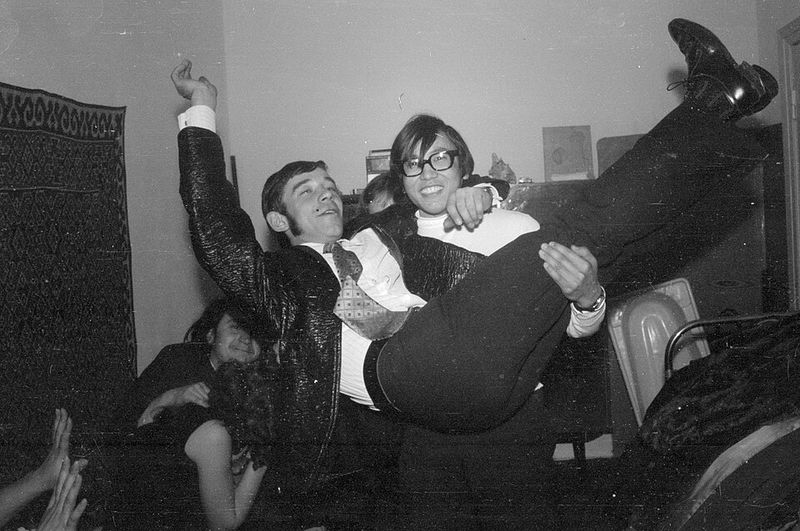
Laughter once ran on fumes, apparently. Calling an event a gas told everyone you had a great time.
It painted parties and concerts as effortless fun.
Now people think fuel prices, not joy. The pun crashes into real life.
Your review turns into confusion before delight.
Say blast, so fun, or that was a good time. These options are short, friendly, and clear.
They do the job without a translation guide.
Save a gas for old movie nights or meme captions. Language moves, and humor follows.
Keep the fun but lose the exhaust.
14. Bread
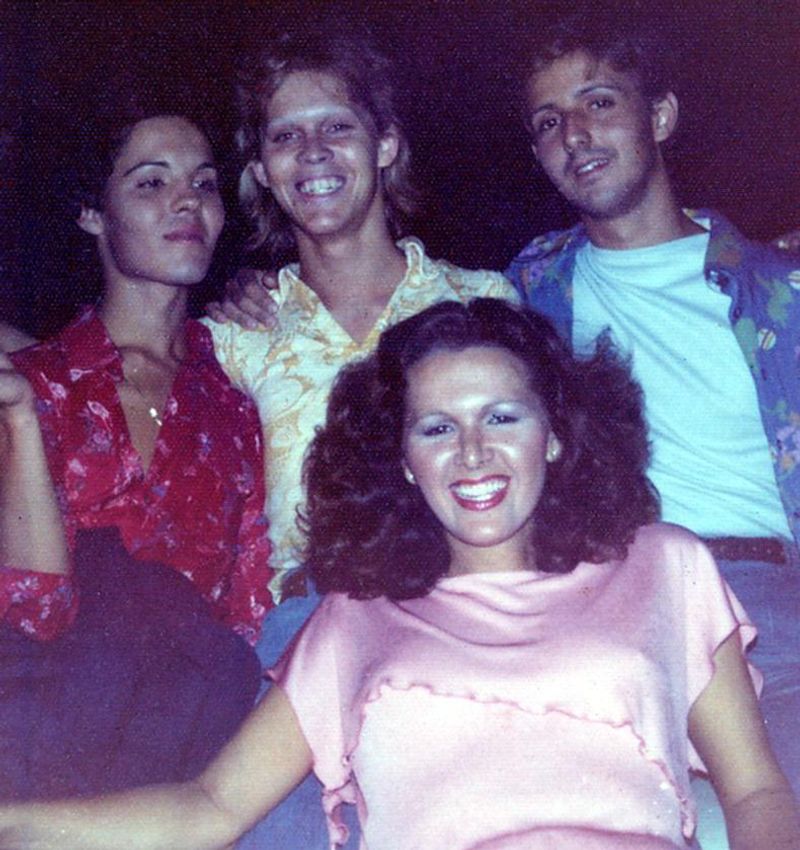
Money got a bakery nickname for decades. Bread sounded casual, cool, and a little artsy in band basements and campus apartments.
It turned cash into daily staple talk.
Now it reads as foodie humor instead of finance. Say need more bread and someone might ask about brunch.
The metaphor no longer carries the load.
Use cash, funds, or budget. Try paid or got the money for clarity.
Precision keeps plans moving.
Slang for money changes constantly, but clarity ages best. Retire bread to recipes and sandwich jokes.
Your wallet will appreciate the directness.
15. Flip Your Wig
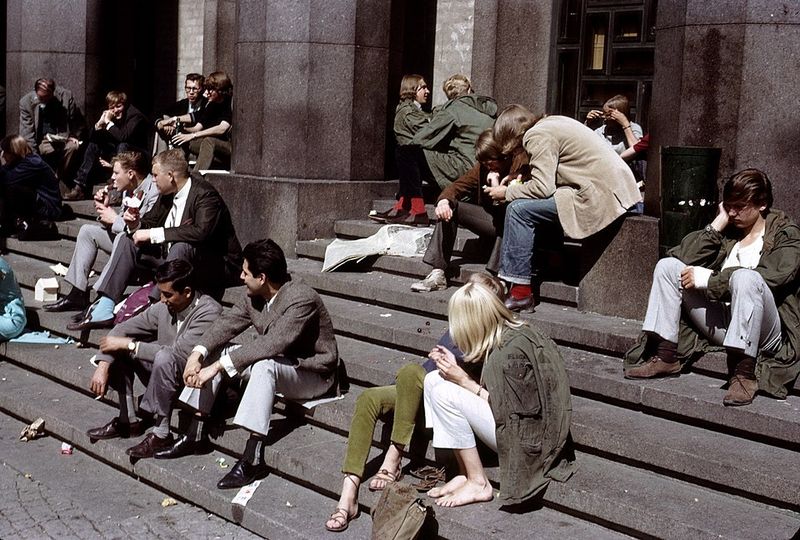
Surprise used to come with a hairpiece. Flip your wig meant total shock, the kind that leaves stories wide-eyed.
It carried sitcom energy and magazine sparkle.
Today it sounds like a salon accident, not amazement. The joke steps on the feeling.
People hear gag before gasp.
Say mind blown sparingly, or just I’m stunned. Even wow can do heavy lifting.
Short beats silly when emotions are real.
Keep flip your wig for costume parties and captioned screenshots. Your reactions will ring truer without prop comedy.
Let the moment speak without a toupee.
16. Outta Sight
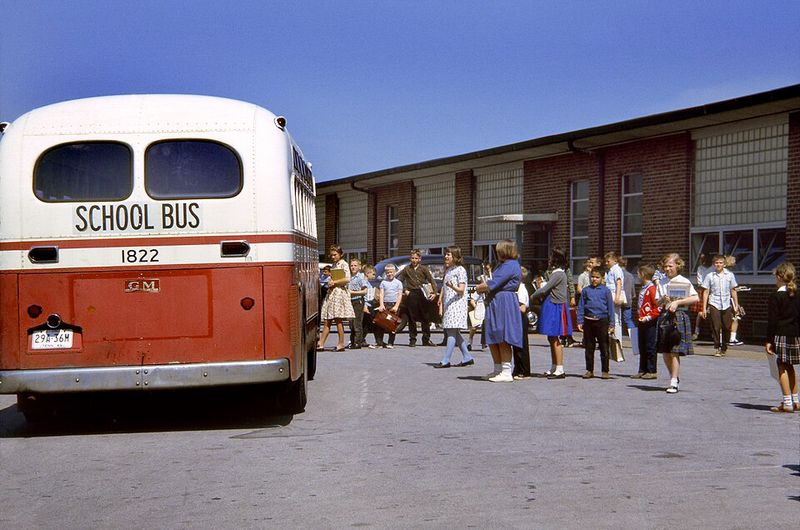
Hype had surfboard swagger here. Outta sight crowned something amazing with a grin.
It packed approval and escape in three clipped words.
Now it tips into overkill. The phrase feels puffed up and sketch-ready.
You chase cool and catch costume instead.
Trade it for fire, amazing, or that slaps if your circle uses it. Otherwise, excellent or love that works cleanly.
Context keeps the tone honest.
Language should serve the moment, not upstage it. Keep your praise tight, real, and modern.
Outta sight can ride the retro wave in peace.
Share this story