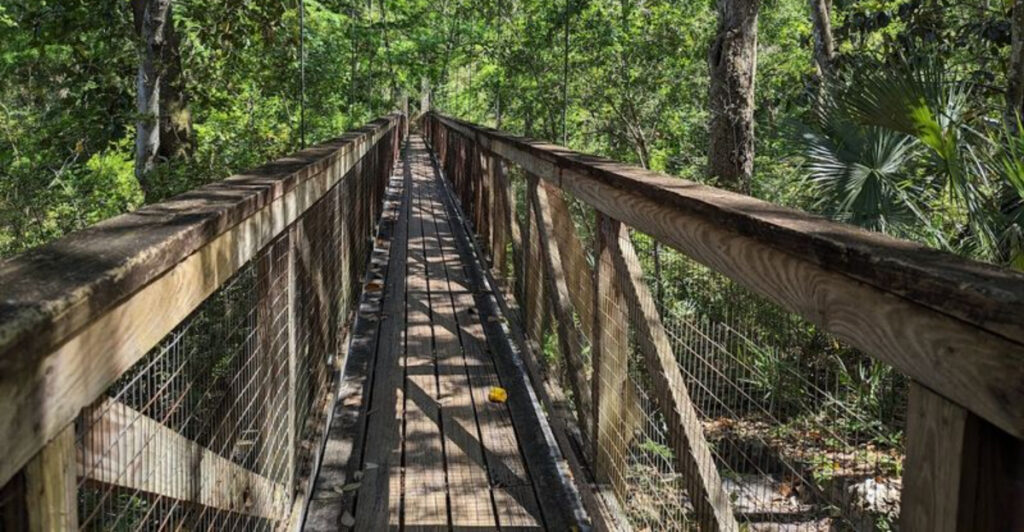
Most Florida parks offer flat, sunny trails with predictable scenery. This one drops you into a 112-foot ravine, puts two swaying suspension bridges under your feet, and surrounds you with ancient stone staircases draped in moss and wild azaleas.
It feels less like a nature walk and more like a scene from an adventure novel. The park has earned a 4.7-star rating from nearly 3,000 visitors, and once you see the spring-fed creek glittering at the bottom of the ravine, you will completely understand why people drive hours just to stand there and stare.
Keep reading to find out exactly what makes this place so special, what to expect on each trail, and how to plan a visit that you will actually remember.
Where You Are and How to Get There
Right in the heart of Palatka, Florida, sits one of the state’s most underrated outdoor destinations. Ravine Gardens State Park is located at 1600 Twigg St, Palatka, FL 32177, tucked into a residential neighborhood that gives you zero warning about the dramatic landscape waiting just beyond the gate.
The park is open every day of the week from 8 AM to 5:45 PM, which gives you a solid window to explore without feeling rushed. You can reach the park office at +1 386-329-3721 if you want to ask about trail conditions before heading out.
Palatka sits in Putnam County, roughly an hour south of Jacksonville and about 90 minutes north of Orlando. The drive in is easy, parking is ample, and the entrance fee is modest, making this a genuinely accessible trip for families, solo hikers, and everyone in between.
The Ravine Itself: Florida’s Natural Surprise
Florida is not exactly known for dramatic elevation changes, so the moment you peer over the edge of this ravine, your brain does a small double-take. The ravine drops roughly 112 feet from the rim to the creek below, creating a microclimate that feels noticeably cooler and more humid than the surrounding landscape.
The walls of the ravine are lined with dense subtropical vegetation, exposed roots, hanging vines, and layers of fern. It genuinely looks like a different world from the flat scrubland most people associate with the Sunshine State.
Geologists believe the ravines were carved by ancient spring-seepage erosion over thousands of years, making this landscape genuinely rare in a state that is mostly sea-level flat. The sheer novelty of standing at the bottom and looking up at those steep, forested walls is reason enough to make the trip all by itself.
Two Suspension Bridges That Steal the Show
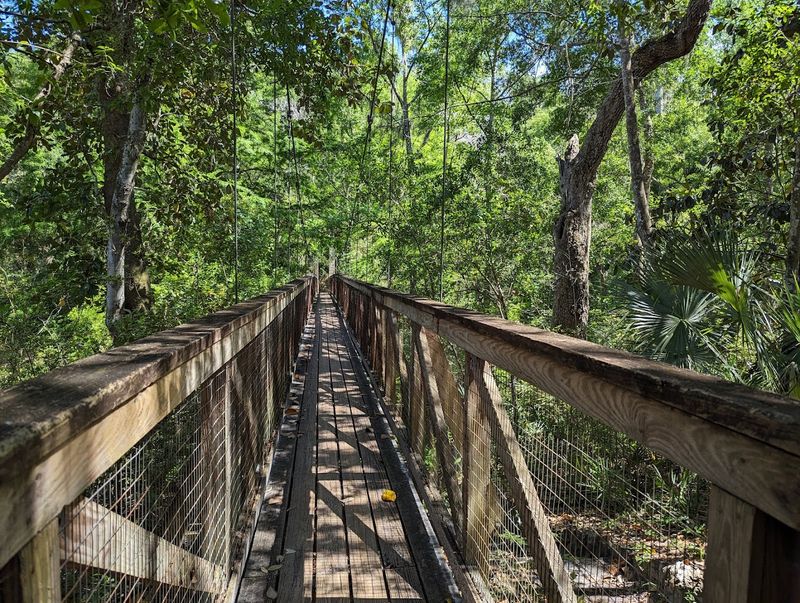
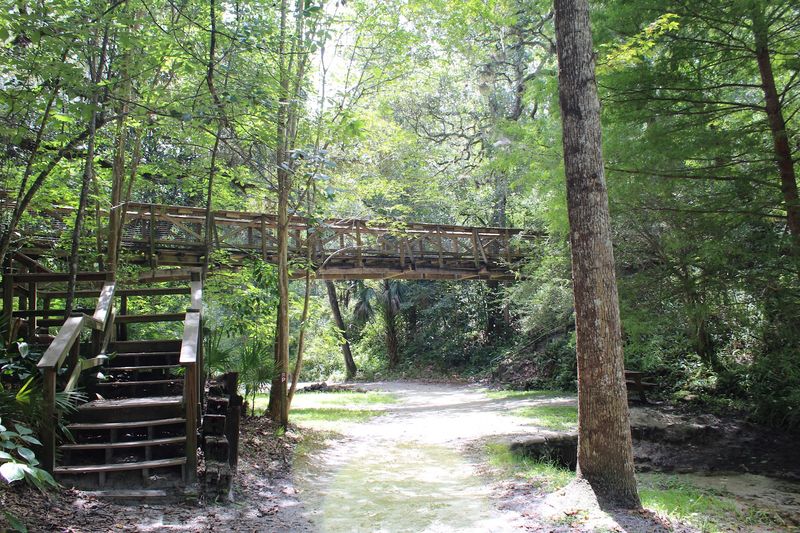
Ask anyone who has visited this park what they remember most, and the answer is almost always the bridges. There are two suspension bridges crossing the ravine, and they are genuinely fun to walk across, with just enough sway to make younger visitors shriek with delight and adults grip the rails with a sheepish grin.
The bridges connect the trail system across the ravine floor, giving hikers a way to loop through the lower terrain without backtracking. They are sturdy and well-maintained, but they do move underfoot, which adds a little thrill to what might otherwise be a straightforward creek crossing.
Kids in particular seem to lose their minds over these bridges in the best possible way. Families with children ranging from toddlers to teenagers consistently report that the bridges are a highlight, turning a nature walk into something that feels a lot more like an adventure course.
The Spring-Fed Creek at the Bottom
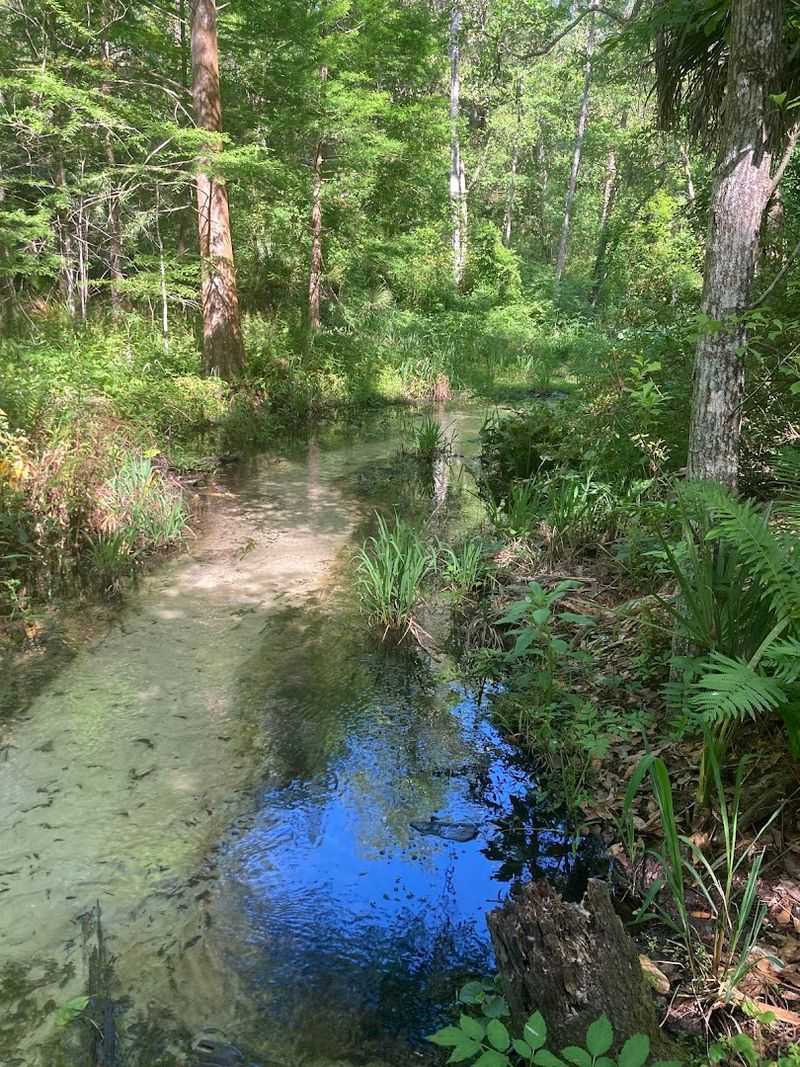
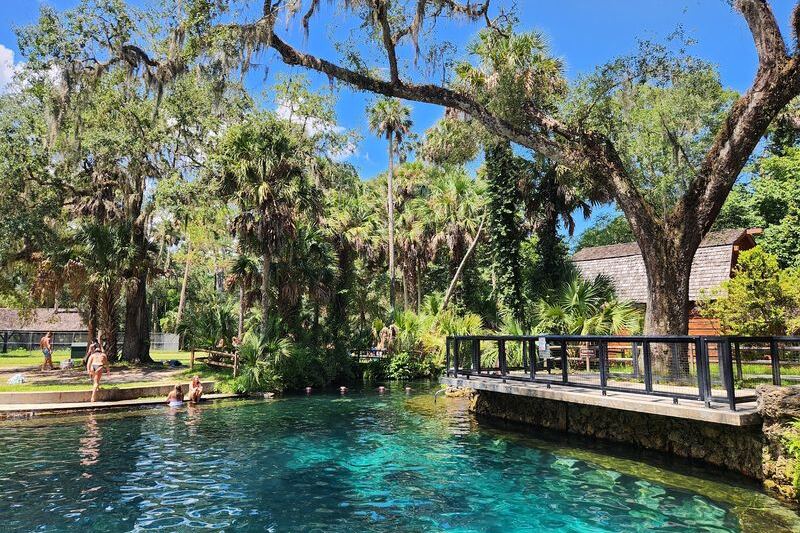
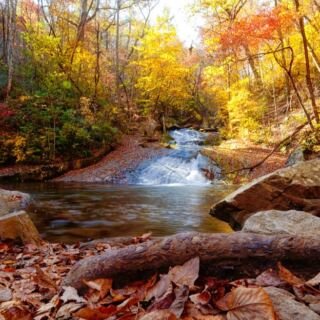
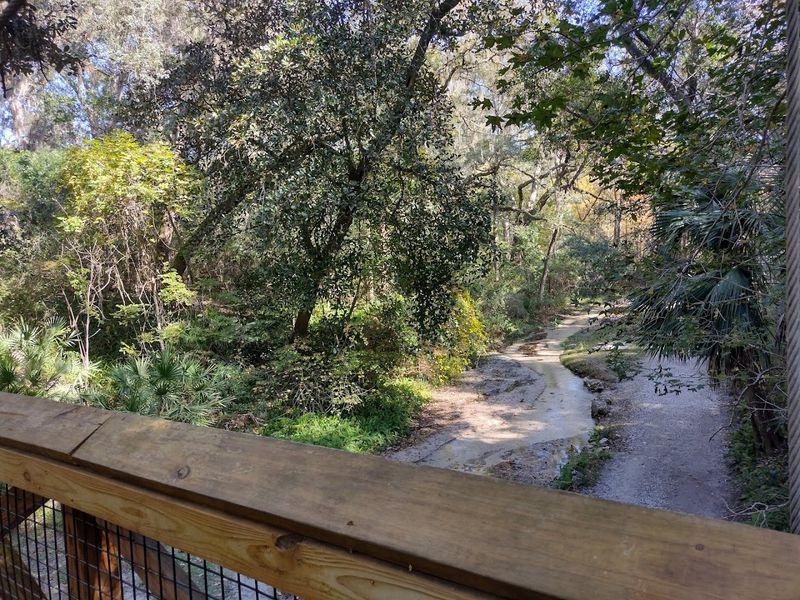
At the base of the ravine, a spring-fed creek winds along the lowest trail, and the water is the kind of clear and crisp that makes you want to reach in and touch it. The creek stays cool even during Florida’s warmer months, fed by underground springs that maintain a relatively steady temperature year-round.
The sound of moving water at the bottom of the ravine adds a layer of calm that you do not expect from a state park this close to a small city. The contrast between the quiet creek and the steep, root-tangled slopes surrounding it creates an atmosphere that feels genuinely serene.
Photographers tend to linger here longer than anywhere else in the park, and it is easy to see why. The combination of crystal-clear water, mossy banks, and the filtered green light coming through the canopy overhead makes almost every shot look effortlessly composed.
Historic Stone Staircases Worth the Climb
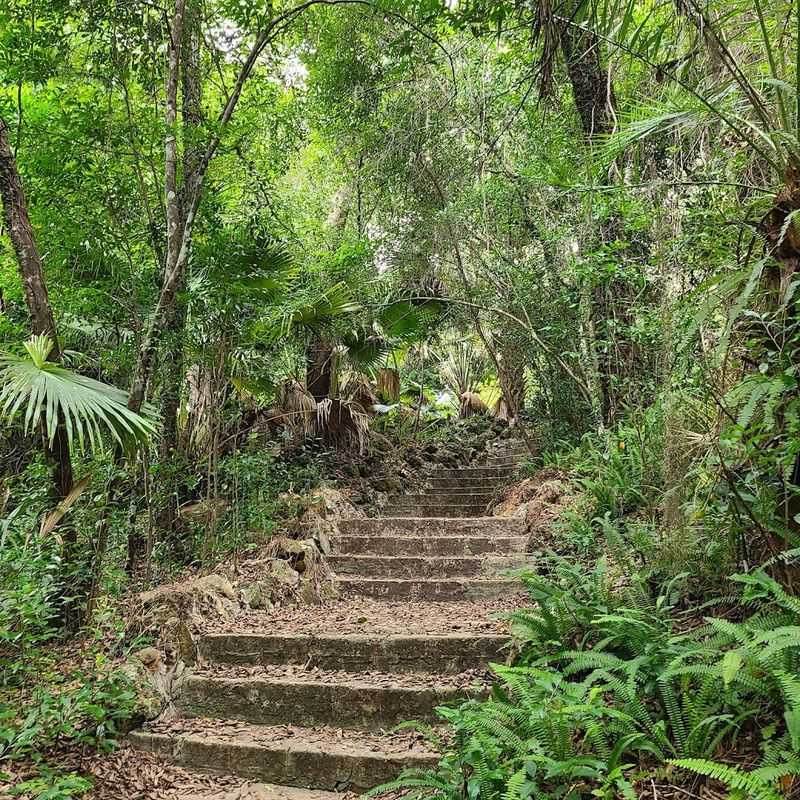
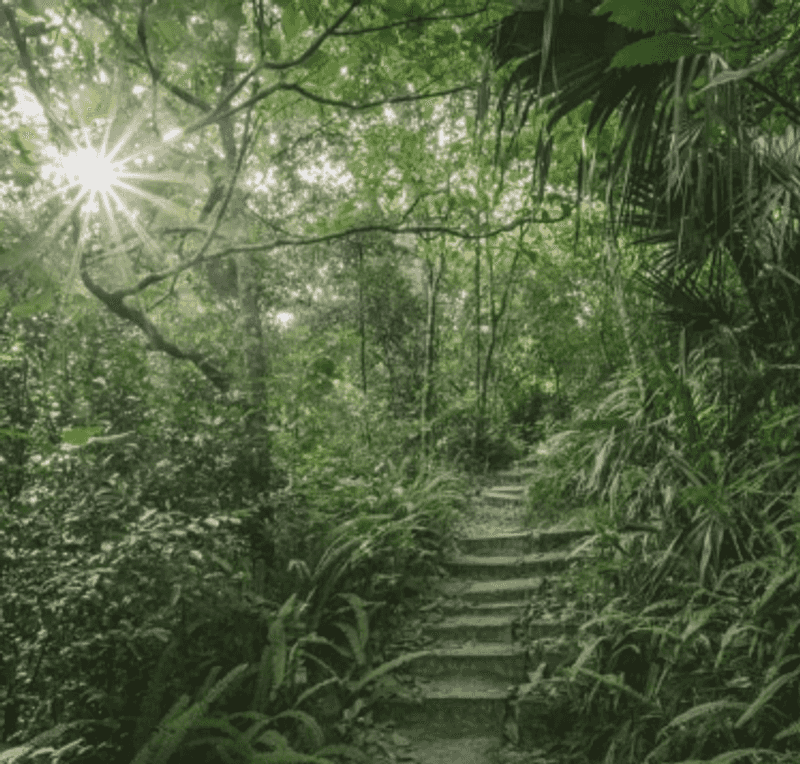
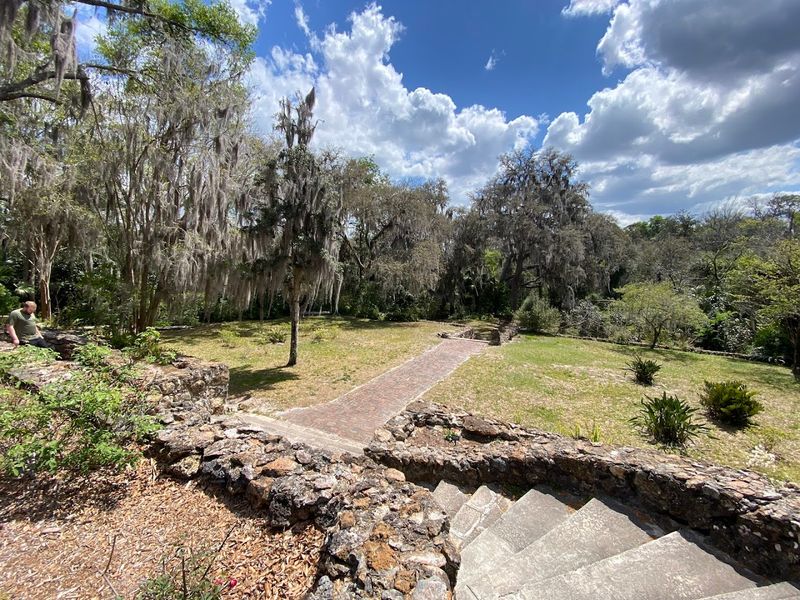
One of the most visually striking features of this park is the stonework. The historic stone staircases built into the ravine walls were constructed during the New Deal era in the 1930s by the Works Progress Administration, and they have a rugged, timeworn character that modern concrete steps simply cannot replicate.
The stairs descend steeply into the ravine, winding between exposed roots and overhanging branches. They have no handrails in many sections, so a hiking stick is genuinely useful here, and the park posts caution signs to remind visitors to assess their footing before committing to the descent.
The unevenness of the steps is part of their charm, though it does demand your full attention. Coming back up them after exploring the ravine floor is a solid workout, and reaching the top with slightly burning legs feels like a fair trade for the scenery you just experienced.
Azalea Season: When the Park Reaches Peak Beauty
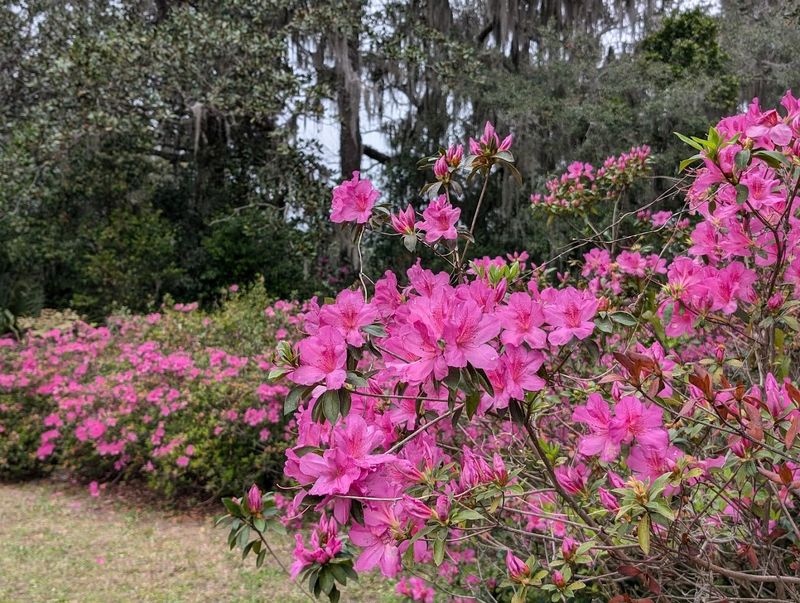
There is a specific window each year when this park transforms into something almost unrealistically colorful. The azalea blooms typically peak between late January and March, and during that period the ravine slopes and garden paths are covered in waves of pink, purple, red, and white flowers that make the whole park look like a painting.
Ravine Gardens has historically hosted the Palatka Azalea Festival, a long-running event that draws visitors from across the region to celebrate the blooms with pageants, performances, and outdoor gatherings. The natural amphitheater in the park has served as the festival stage for decades.
If you can time your visit for peak bloom, the experience is genuinely different from any other time of year. The color contrast between the vivid flowers and the dark, earthy ravine walls is striking in a way that photographs well but feels even better in person.
Trail Options for Every Fitness Level
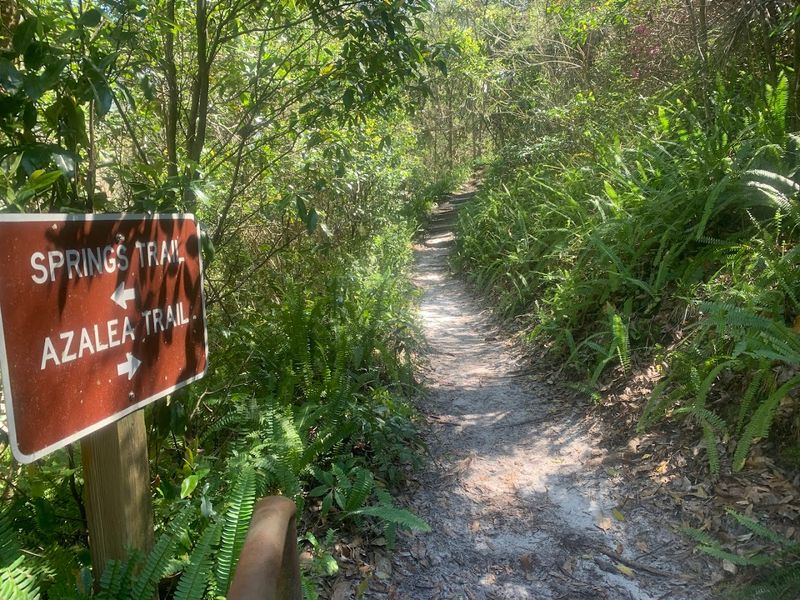
Not every park visit has to be a workout, and this one gives you real options depending on what you are up for. The paved loop trail runs about 1.8 miles around the rim of the ravine, offering a smooth, accessible route that works well for strollers, casual walkers, and anyone who prefers a gentler pace.
For those who want more of a challenge, the unpaved trails descend into the ravine itself, where the terrain gets rooted, steep, and narrow in places. The azalea trail is the more strenuous option, with significant elevation change and sections that require careful footing.
The total trail system adds up to roughly 2.5 miles when you combine the upper and lower routes, which is enough to fill a couple of hours without feeling overwhelming. The variety of difficulty levels makes this park genuinely usable for groups with mixed fitness levels, which is not always easy to find.
A Fitness Area and Playground You Did Not Expect
Tucked along the paved loop trail, there is a small fitness area with outdoor exercise equipment that catches a lot of first-time visitors off guard. It is a practical addition that turns a scenic stroll into a full workout if you want it to be, without requiring any gear beyond what you already have on.
There is also a playground area that gives younger kids a dedicated space to burn energy, which is a thoughtful touch for families who arrive with children who need more than a nature trail to stay engaged. The playground is well-maintained and sits in a shaded spot that makes it usable even on warmer days.
Having these amenities scattered along the route means the park works as a full outing rather than just a quick trail walk. You can hike, play, stretch, and picnic all within the same visit, which makes the modest entrance fee feel like a very reasonable deal.
Picnic Spots and a Natural Amphitheater
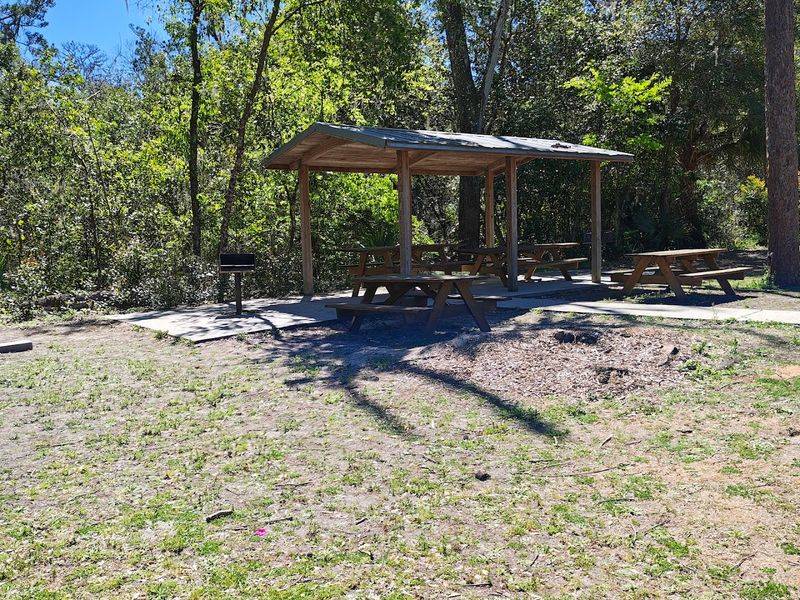
There are picnic tables positioned at various points throughout the park, and many of them sit in genuinely pleasant spots with shade, breeze, and views of the surrounding gardens. Bringing a packed lunch here is one of the better ideas you can have for a low-cost, high-quality afternoon.
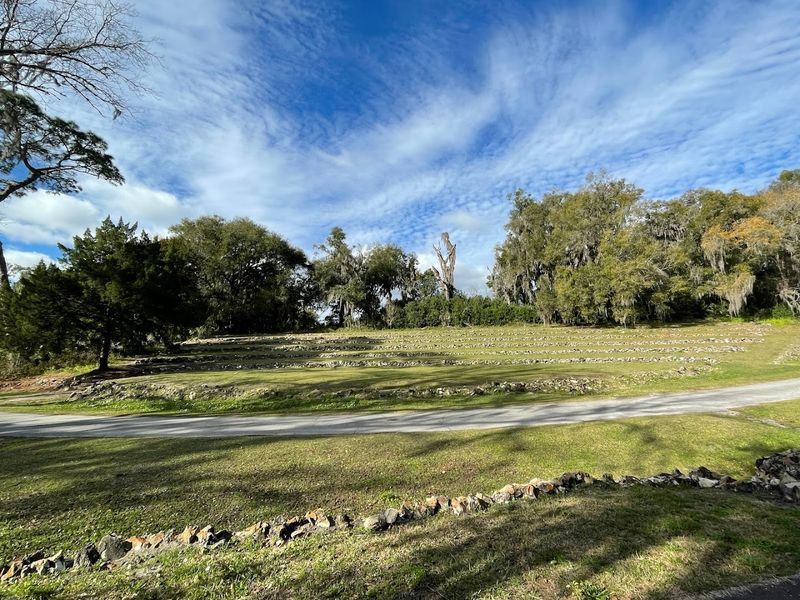
The natural amphitheater near the ravine is a particularly interesting feature. It is a grassy, bowl-shaped area that has hosted the Palatka Azalea Festival’s pageant and performances for many years, and even when no event is happening, it is a peaceful place to sit and take in the scenery.
The combination of the amphitheater, the picnic areas, and the event spaces available for private rentals means this park functions as a community gathering place as much as a hiking destination. Weddings and outdoor festivals have been held here, which tells you something about the quality of the setting.
The Scenic Driving Loop and Accessibility
For visitors who cannot manage the walking trails, there is a one-way scenic driving loop that circles the perimeter of the ravine. The road offers elevated views down into the ravine from multiple overlook platforms, most of which have short ramps that can accommodate wheelchairs and strollers.
The loop road includes some steeper inclines alongside flatter stretches, so it is worth calling the park at +1 386-329-3721 ahead of time if accessibility is a concern. The staff are knowledgeable and can walk you through which sections are most manageable for specific mobility needs.
It is worth noting that the driving loop has been periodically closed for maintenance, and some visitors have arrived to find it unavailable. Calling ahead before a long drive is genuinely good advice, especially if the driving route is the main reason for the visit rather than the walking trails.
The Obelisk and Garden History
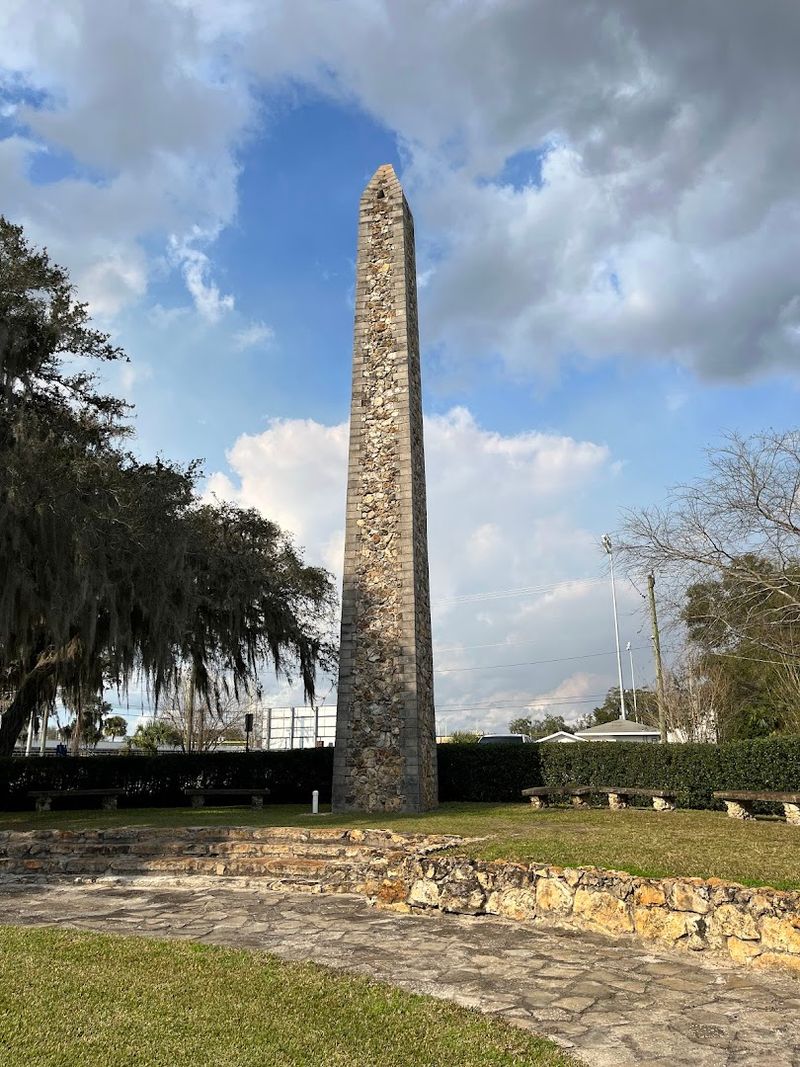
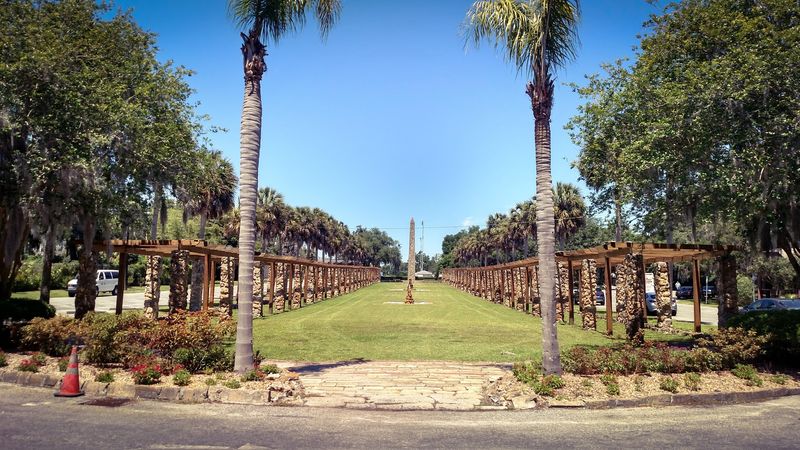
Near the garden paths, there is a stone obelisk that stands as a quiet reminder of the park’s designed origins. Ravine Gardens was developed as a public garden project in the 1930s, with support from the City of Palatka and New Deal labor programs that transformed the raw ravine landscape into a formal garden space.
The project planted thousands of azaleas along the ravine slopes, installed the stone staircases, and added the formal garden elements that still give the park its distinctive character today. The blend of natural ravine terrain and intentional garden design is what makes this place feel different from a typical wilderness preserve.
The obelisk serves as a focal point in the upper garden area and makes for a striking photo backdrop, especially during azalea season when the surrounding flower beds are in full color. It is a small but meaningful piece of the park’s long civic history in Palatka.
Wildlife and Flora Along the Trails
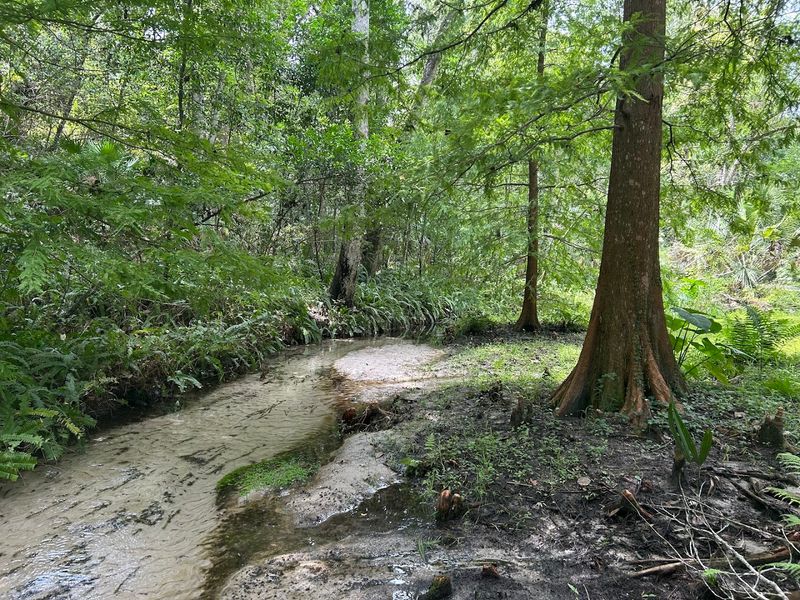
The ravine’s microclimate supports a surprisingly dense and varied collection of plant life that you would not find on the flat scrubland surrounding the area. Ferns, mosses, wild azaleas, magnolias, and a dense canopy of hardwood trees create layered vegetation that changes noticeably as you descend from the rim to the creek bed.
Bird activity is consistent throughout the park, and the wooded ravine slopes attract species that prefer shaded, humid environments. The combination of running water, dense cover, and varied elevation makes this a productive spot for anyone who enjoys watching wildlife without needing to travel far into the backcountry.
The park is also dog-friendly, which is a genuine bonus for visitors who want to bring their pets along for the hike. Just keep in mind that some of the steeper, root-covered sections of trail require your full attention, so a well-behaved dog on a leash is the smart approach here.
Photography Opportunities Around Every Bend
This park is a consistent favorite among photographers, and the reasons are obvious once you are walking the trails. The interplay of light, shadow, water, and dense vegetation creates compositions that shift dramatically depending on the time of day and the season.
Morning light filtering through the canopy onto the spring-fed creek is particularly striking, and the suspension bridges make compelling foreground elements for wider shots of the ravine. The stone staircases draped in moss and roots photograph beautifully in soft, overcast light when the contrast is not too harsh.
During azalea season, the color palette expands dramatically, and the combination of pink blooms against the dark ravine walls gives photographers a subject that is genuinely unusual for Florida. Even visitors without professional gear consistently come away with memorable shots, simply because the park’s natural design is so inherently photogenic from almost every angle.
Practical Tips for First-Time Visitors
A few practical notes can make your visit significantly smoother. The park does not provide printed trail maps at the entrance, so taking a photo of the map posted near the trailhead before you head out is a smart move.
Cell coverage inside the ravine is limited, often dropping to a single bar, so do not count on GPS navigation once you are in the lower trails.
Wearing sturdy shoes with grip is strongly recommended, especially if you plan to use the stone staircases or any of the unpaved ravine trails. The roots and uneven steps can be slippery when wet, and sandals are a genuinely poor choice here.
The park is open daily from 8 AM to 5:45 PM, and arriving early on weekends gives you the best chance of a quieter experience. Bug spray is worth packing during summer months, as the humid ravine environment can attract insects in significant numbers.
Share this story