Florida is one of those places that always has something unexpected up its sleeve. From record-breaking theme parks to ancient cities and wild weather, the Sunshine State is full of surprises most people never learn in school.
Whether you live there, have visited, or are just curious, these facts will make you see Florida in a whole new way. Get ready, because some of these will genuinely blow your mind.
1. Florida Is the Flattest State in the U.S.
Stand at the highest point in Florida and you might feel a little underwhelmed. Britton Hill, located in the Panhandle near the Alabama border, tops out at just 345 feet above sea level.
That makes it the lowest high point of any state in the entire country.
For comparison, Colorado’s lowest point is higher than Florida’s highest. The state sits so close to sea level that even small storms can cause serious flooding in low-lying neighborhoods.
Engineers and city planners constantly work around this challenge when designing roads and drainage systems.
Surprisingly, this flatness actually has some benefits. It makes Florida ideal for cycling, walking, and outdoor recreation without the exhaustion of steep hills.
The landscape also allows for spectacular unobstructed sunsets, since there are no mountains blocking the horizon. Florida may not impress hikers looking for altitude, but its flat terrain has a quiet, wide-open beauty that is entirely its own.
2. Walt Disney World Is Larger Than Manhattan
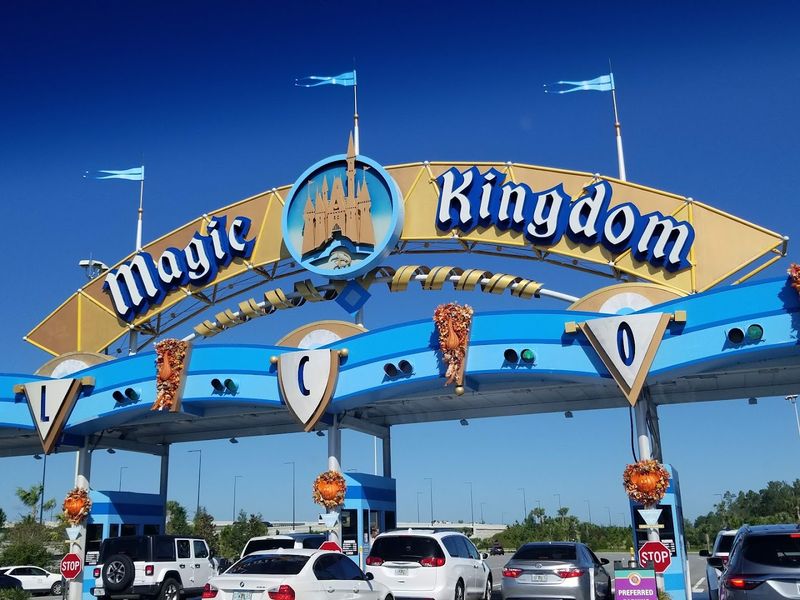
Most people think of Walt Disney World as just a theme park, but that is a serious underestimate. The resort covers roughly 25,000 acres, making it about twice the size of Manhattan and nearly equal to the entire city of San Francisco.
It is less a park and more a self-contained universe.
Only about a third of that land is currently developed. Disney has quietly held onto the rest, giving the company room to expand for decades to come.
The resort operates its own power plant, fire department, and even a private highway system behind the scenes.
Walt Disney himself chose Florida specifically because land was cheap and plentiful in the 1960s. He bought the property in secret to avoid price inflation.
Today, Walt Disney World employs around 75,000 people, making it one of the largest single-site employers in the United States. That is not a theme park, that is basically a small country.
3. Florida Has the Longest Coastline in the Contiguous U.S.
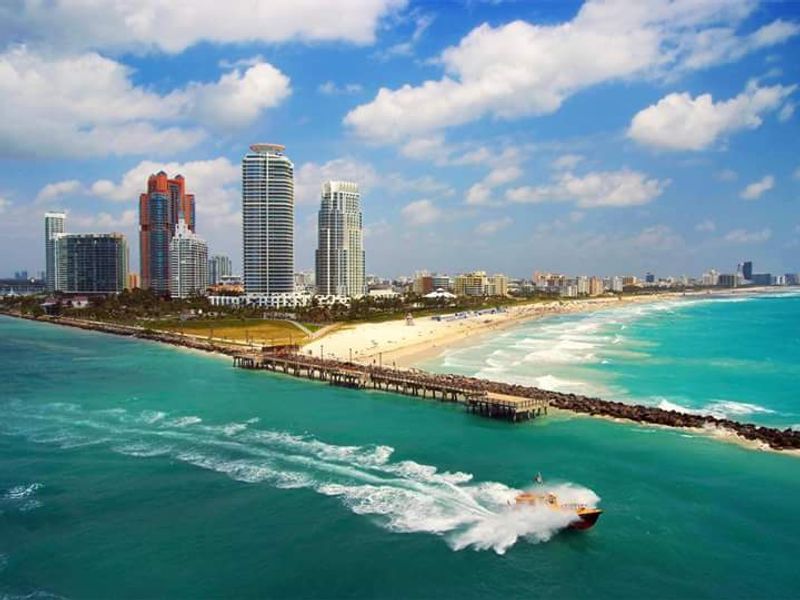
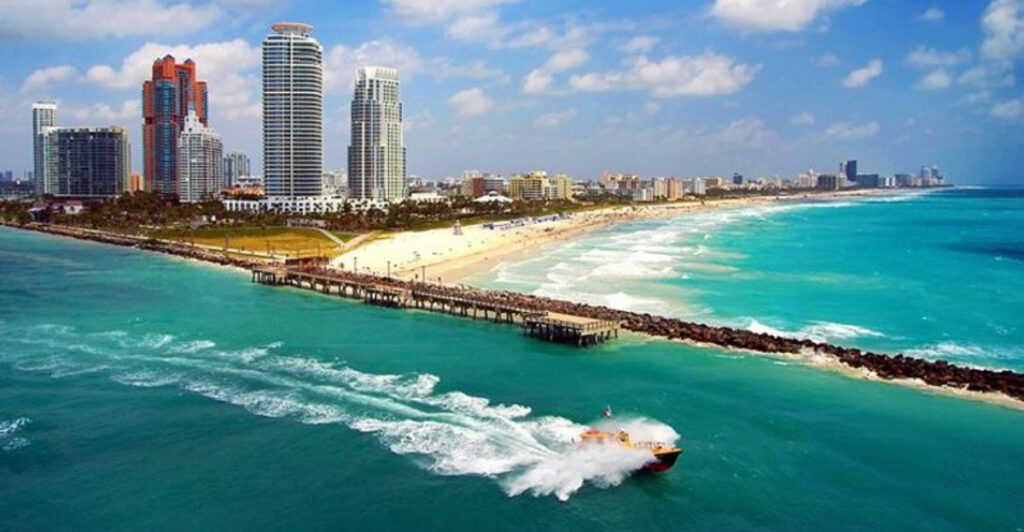
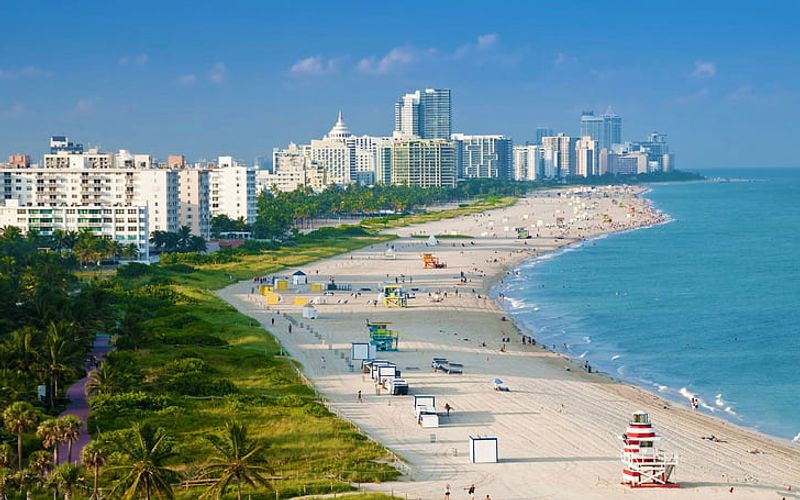
Wrap a measuring tape around Florida’s shoreline and you would need about 1,350 miles of it. That is more coastline than any other state in the lower 48, giving Florida beaches on both the Atlantic Ocean and the Gulf of Mexico.
No matter where you are in the state, the ocean is never too far away.
The two coasts have completely different personalities. The Gulf side tends to offer calmer, warmer water with powdery white sand, while the Atlantic side brings stronger waves and a more energetic beach vibe.
Swimmers, surfers, and snorkelers all find their perfect spot somewhere along Florida’s shores.
This massive coastline also supports a huge fishing and tourism industry worth billions of dollars each year. Coastal towns depend on healthy beaches for their entire economy.
Florida’s shoreline faces constant pressure from erosion, hurricanes, and rising sea levels, making coastal preservation one of the state’s most critical environmental challenges today.
4. St. Augustine Is the Oldest Continuously Inhabited European-Established City in the U.S.
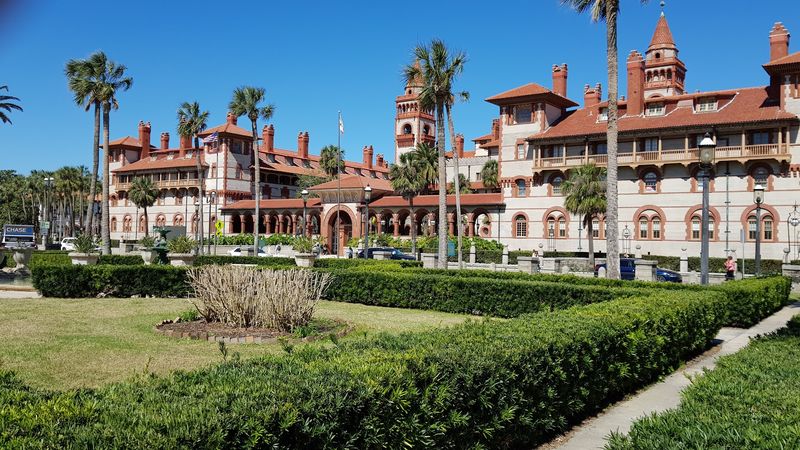
Walking through St. Augustine feels like stepping into a history book that never quite ended. Founded by Spanish explorer Pedro Menendez de Aviles in 1565, this small coastal city predates Jamestown by 42 years and Plymouth by a whopping 55 years.
America’s story started here long before most textbooks acknowledge it.
The Spanish built Castillo de San Marcos, a massive stone fort that still stands today and is one of the oldest masonry forts in the country. The city changed hands between Spain, Britain, and the United States over the centuries, leaving behind a layered cultural identity unlike anywhere else in America.
Tourists flock to St. Augustine year-round to explore its cobblestone streets, old missions, and colonial-era buildings. The city leans hard into its history, with ghost tours, living history museums, and festivals celebrating its Spanish roots.
If you want to experience the true beginning of American urban life, St. Augustine is the place to start.
5. Florida Produces Most of America’s Oranges

For decades, squeezing a glass of orange juice in America basically meant squeezing Florida. The state has long been the country’s top citrus producer, with millions of orange trees growing across its central and southern regions.
That bright, tangy flavor in your morning glass has deep Florida roots.
The warm climate, sandy soil, and abundant rainfall create near-perfect conditions for growing citrus. Florida’s orange juice industry once generated billions of dollars annually and employed tens of thousands of workers.
Roadside orange stands became iconic symbols of the state, welcoming visitors with the sweet smell of fresh-squeezed juice.
Recent years have brought serious challenges. Citrus greening disease, a bacterial infection spread by tiny insects, has devastated groves across the state and dramatically reduced production.
Hurricanes have also wiped out crops in bad seasons. Scientists and farmers are working hard to find disease-resistant trees, but Florida’s orange industry is fighting for its survival.
The juice in your fridge may soon carry a very different origin story.
6. It’s the Lightning Capital of the U.S.
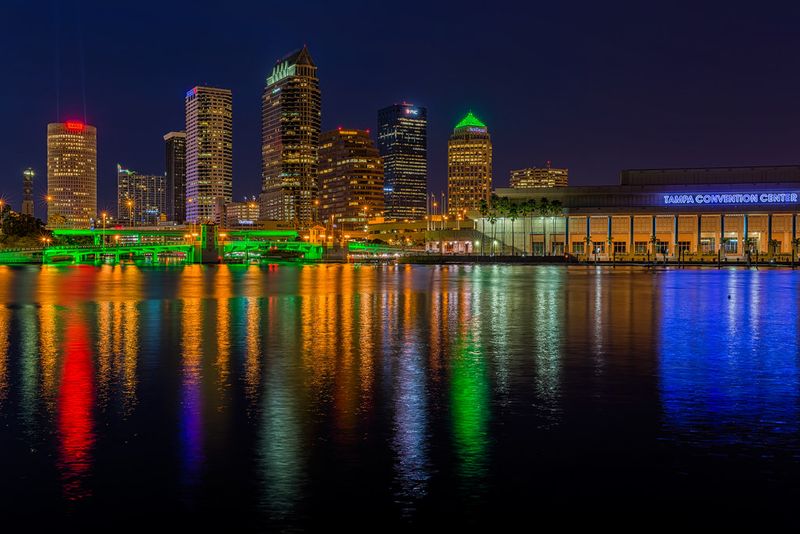
On any given summer afternoon in Florida, the sky can go from blazing blue to full electrical chaos in under an hour. Central Florida, especially the Tampa Bay area, records more lightning strikes per square mile than anywhere else in the United States.
Locals call it the Lightning Capital of the World, and the data absolutely backs that up.
Florida’s unique geography is the culprit. The state is surrounded by warm water on three sides, which pumps moisture into the atmosphere.
When sea breezes from both coasts collide over land, powerful thunderstorms erupt almost daily from June through September. It is basically a perfect storm recipe that repeats itself hundreds of times each summer.
Florida leads the nation in lightning-related deaths and injuries, making storm safety education genuinely important there. The rule is simple: if you can hear thunder, get indoors immediately.
The Tampa Bay Lightning hockey team even named themselves after this wild weather phenomenon, turning a safety hazard into a source of fierce local pride.
7. The Everglades Is the Only Place in the World Where Alligators and Crocodiles Coexist
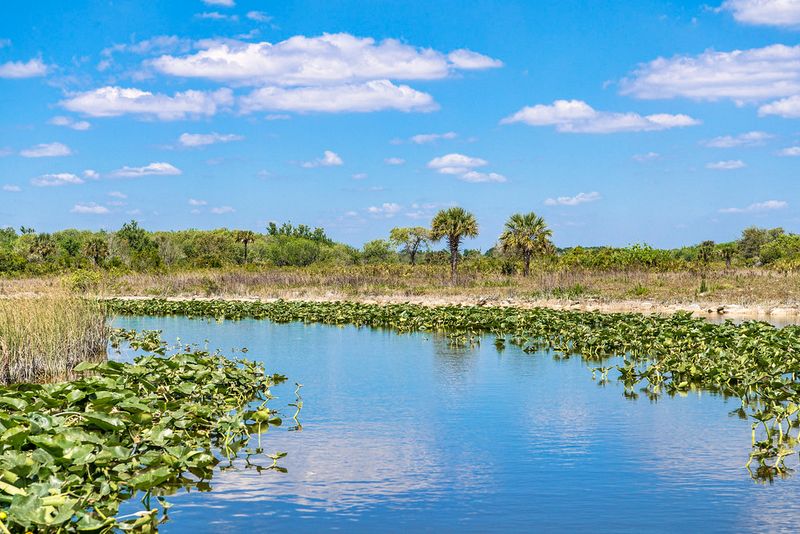
Somewhere in the murky waters of South Florida, an alligator and a crocodile might be floating just yards apart, completely unbothered by each other. The Everglades is the only place on Earth where these two ancient reptiles share the same natural habitat.
It is a wildlife fact so wild that even scientists find it remarkable.
American alligators prefer freshwater and are found throughout Florida, but American crocodiles stick to the saltier coastal waters of the southern tip. The overlap zone in Everglades National Park is where both species coexist, creating one of the most unique ecosystems on the planet.
Crocodiles in Florida are actually quite rare and are considered a conservation success story after nearly going extinct in the 1970s.
Telling them apart is easier than you might think. Alligators have broad, rounded snouts, while crocodiles have longer, more pointed ones.
Both are apex predators, but neither typically targets humans. The Everglades remains one of the most ecologically important and fascinating wild places in North America.
8. Key West Is Closer to Cuba Than to Miami
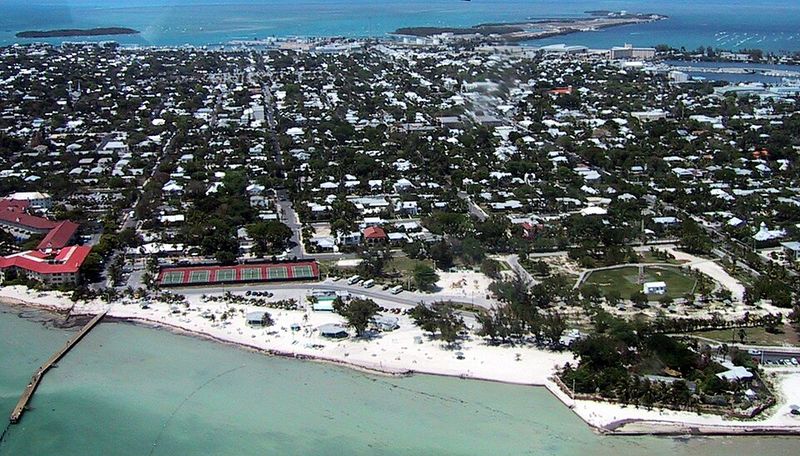
Pull up a map and prepare for a geography surprise. Key West sits just 90 miles from the coast of Cuba, but if you are driving to Miami, buckle up for a 160-mile road trip.
The tiny island at the end of the Florida Keys is geographically much closer to a foreign country than to its own state’s largest city.
This quirky location has shaped Key West’s entire identity. The island has a laid-back, almost Caribbean feel, with colorful architecture, tropical food, and a relaxed pace of life that feels nothing like mainland Florida.
Cuban influence runs deep in the local culture, cuisine, and history of the area.
During the Cold War, Key West’s proximity to Cuba made it a strategically important military location. The U.S.
Navy has maintained a significant presence there for over a century. Today, the famous Southernmost Point buoy marks the spot closest to Cuba on U.S. soil, and tourists line up daily just to take a photo next to it.
9. Florida Has No State Income Tax
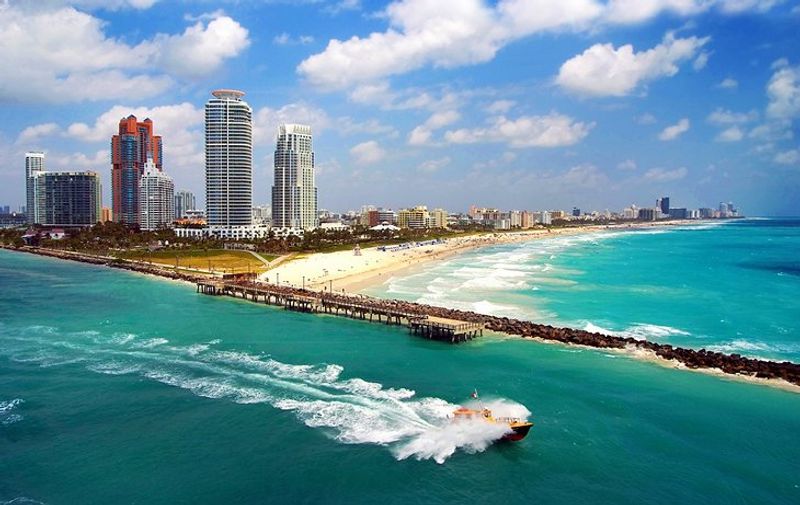
Your paycheck goes a little further when you live in Florida, and that is no accident. Florida is one of only nine U.S. states that does not collect a personal state income tax, meaning residents keep more of what they earn every single year.
It is a financial perk that draws people from high-tax states in droves.
This policy has made Florida a magnet for retirees, remote workers, and wealthy individuals looking to reduce their tax burden. Cities like Miami, Tampa, and Orlando have seen massive population booms partly because of this advantage.
Major corporations have also relocated their headquarters to Florida, attracted by the business-friendly tax environment.
So how does Florida fund its government without income tax? Primarily through sales tax and tourism revenue.
With tens of millions of visitors spending money each year, the state collects enormous amounts through purchases alone. It is a clever system that essentially lets tourists help pay for Florida’s roads, schools, and services, while residents enjoy a lighter tax load.
Share this story