Florida has no shortage of beautiful outdoor spaces, but every once in a while, a place stops you completely in your tracks. I was not expecting to feel that way when I visited a botanical garden tucked along the shores of Sarasota Bay, but here we are.
Thousands of orchids hanging overhead, bromeliads in colors that look almost neon, and the faint scent of salt air drifting in from the water made for one of the most memorable afternoons I have had in this state. Whether you are a plant lover, a curious traveler, or simply someone looking for a genuinely beautiful place to spend a few hours, this garden delivers something that photos honestly cannot fully capture.
Keep reading, because this place is worth every word.
Where You Will Find This Floral Paradise
Marie Selby Botanical Gardens sits at 1534 Mound St, Sarasota, FL, right along the edge of Sarasota Bay in downtown Sarasota, Florida. The address alone tells you something interesting: this is not a garden hidden away in the countryside.
It exists within a city, which makes the experience of stepping inside feel surprisingly dramatic.
The garden opens daily at 10 AM and closes at 5 PM, giving you a solid window to explore at a relaxed pace. Most visitors find that one and a half to two hours covers the highlights comfortably, though you could easily stretch that if you linger at the orchid displays or grab a bite at the on-site cafe.
Parking is available in a garage nearby, and the staff at the entrance are generally friendly and ready to answer questions before you head in. A thoughtfully stocked gift shop sits just below the garage, which is a great first stop.
A Garden With Deep Roots In Sarasota History
Marie Selby was a Sarasota resident who had a genuine love for plants, particularly epiphytes like orchids and bromeliads. When she passed in 1971, she left her bayfront estate to the public with the specific intention of creating a botanical garden focused on those plant groups.
That founding mission is still very much alive today.
The garden officially opened to the public in 1975 and has since grown into a globally recognized center for tropical plant research and conservation. Scientists here study plants from rainforests around the world, making the garden far more than a pretty outdoor space.
It is an active research institution.
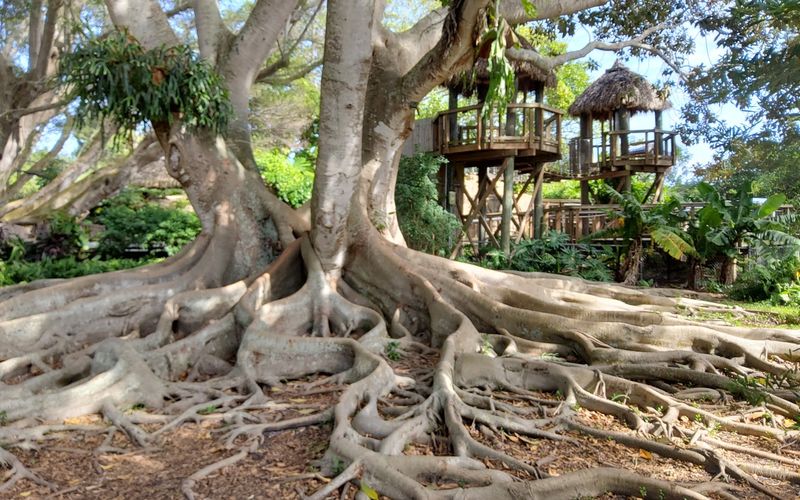
Walking through the grounds, you can feel the weight of that history in the older trees and established plantings. The banyan trees, in particular, look like they have been quietly watching over this place for decades, and honestly, they probably have.
The Orchid Collection That Earns Every Superlative
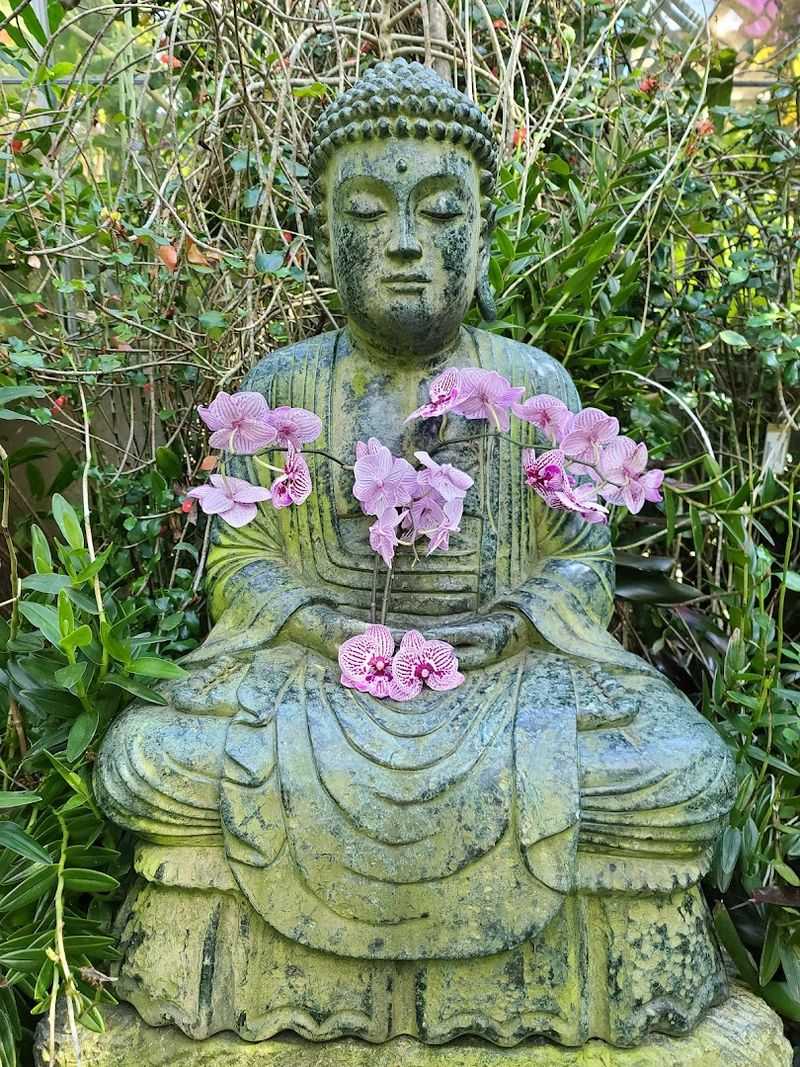
The orchid collection here is genuinely staggering. With thousands of specimens representing an enormous range of species, this is one of the most significant orchid collections in the United States.
During the annual Orchid Show, the displays are arranged in ways that feel more like art installations than traditional garden exhibits.
What makes the experience unique is that orchids are presented throughout the grounds, not just in one central area. You find them clinging to tree bark, hanging from overhead structures, and tucked into corners you might almost walk past.
Looking up is half the adventure.
The variety in color alone is worth the admission price. Pale lavenders sit beside deep purples, bright yellows, and soft whites, creating a visual rhythm that keeps drawing your eye from one bloom to the next.
For orchid lovers, this place is genuinely hard to top anywhere in Florida.
Bromeliads That Look Like They Arrived From Another Planet
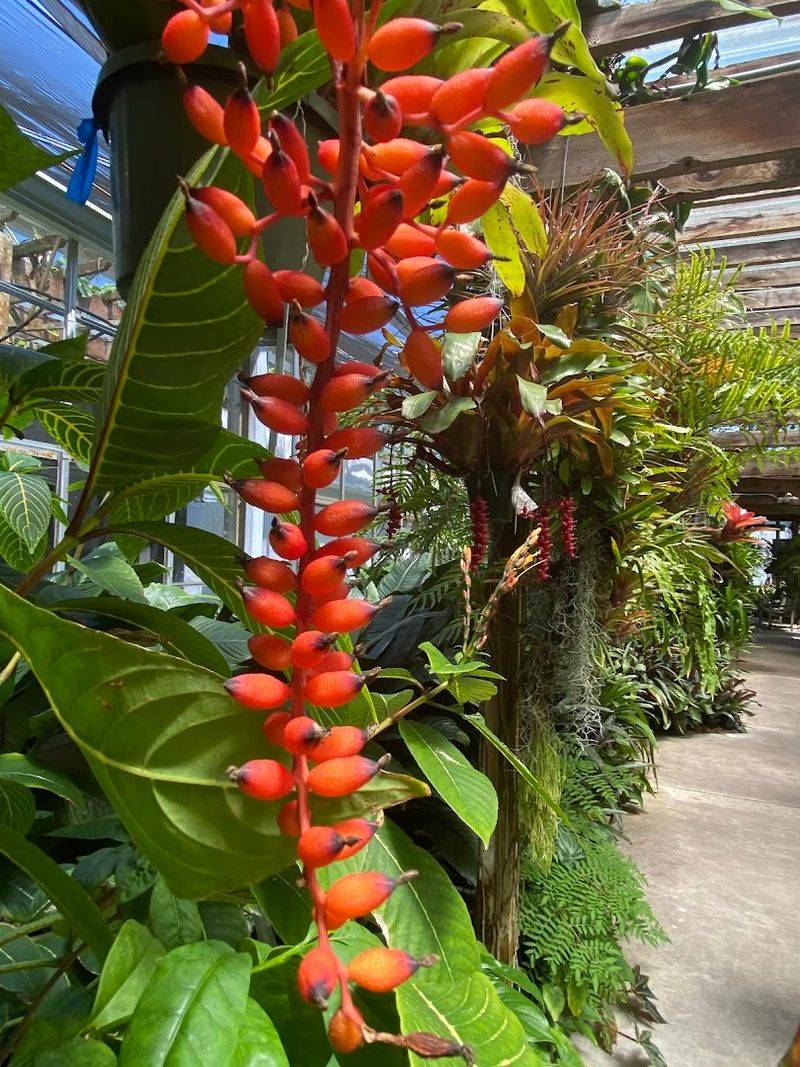
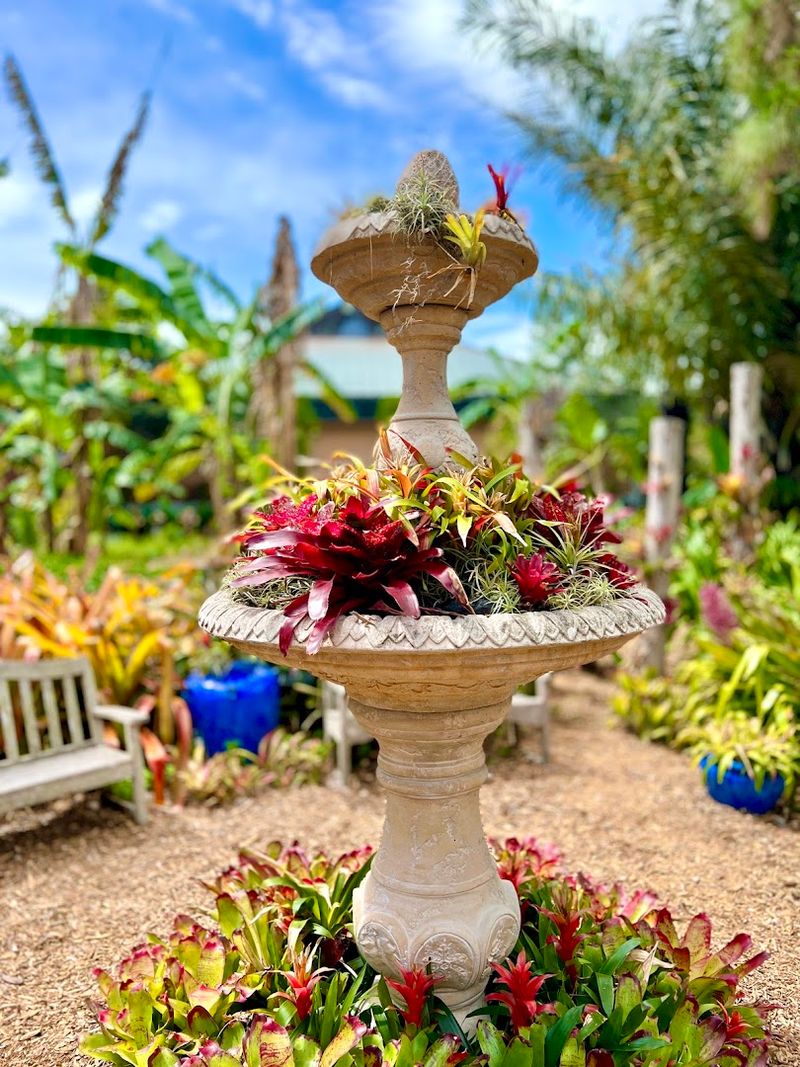
If orchids are the headliners at Selby Gardens, bromeliads are the supporting cast that keeps stealing the scene. The garden holds one of the world’s most important bromeliad collections, and seeing them all together makes you realize how wildly diverse this plant family actually is.
Some bromeliads here glow in shades of electric red and neon orange that look almost unreal in natural light. Others are more subtle, with soft green rosettes that collect rainwater in their centers.
A few specimens are so large they practically demand their own personal space on the path.
Even if you have never given bromeliads a second thought before visiting, you will leave with a new appreciation for them. The garden does an excellent job of presenting these plants with enough context to help curious visitors understand what makes them so ecologically important.
That educational layer adds real depth to the experience.
The Banyan Tree Experience You Will Not Forget
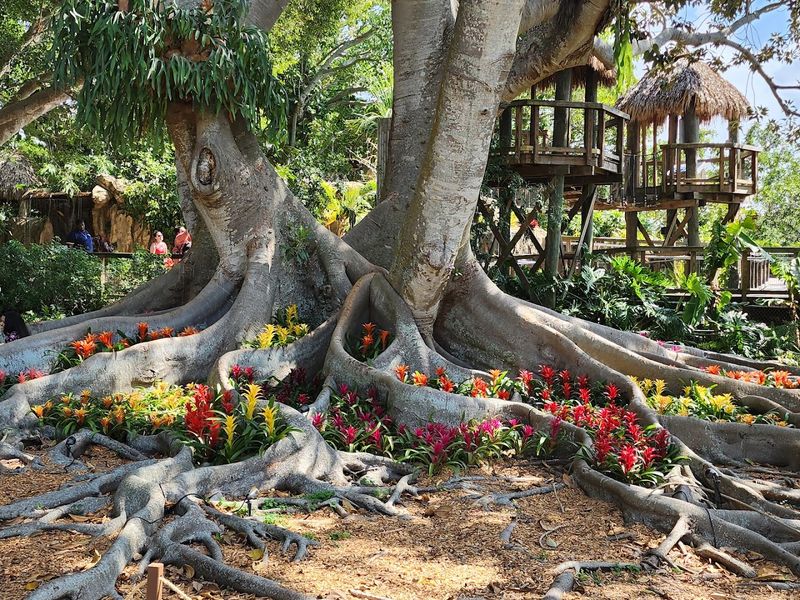
One of the most talked-about features of the garden is its remarkable banyan tree area, which has been developed into a multi-level experience that both kids and adults genuinely enjoy. Hanging bridges connect different platforms, allowing you to move through the canopy at different heights while looking down at the ground-level plants below.
From up in the canopy, the scale of the garden becomes much clearer. You can see the bay glinting through the foliage, and the layered growth of the surrounding trees creates a visual depth that you simply cannot appreciate from the ground.
The structure also features musical instruments built into the environment, so children can interact with the space in a hands-on way. It transforms what might otherwise be a passive stroll into something more engaging for younger visitors.
This section alone makes the garden a smart choice for families looking for an outdoor activity with genuine substance.
The Conservatory And Its Cool, Fragrant Interior
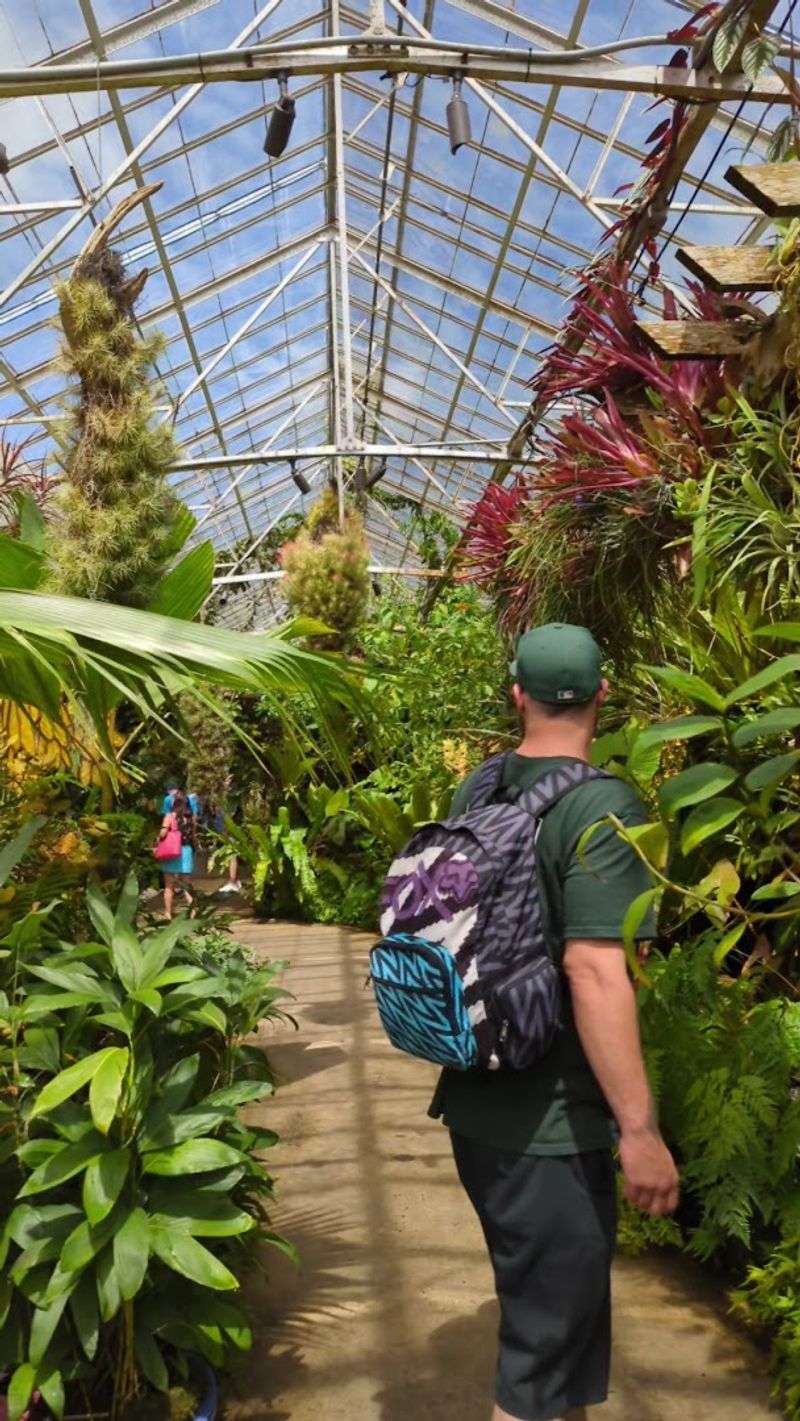
The conservatory at Selby Gardens offers a slightly different sensory experience compared to the outdoor grounds. Inside, the air is cooler and carries a layered fragrance from the dense concentration of tropical plants.
The light filters through in a soft, diffused way that makes everything look a little more vivid than it does in direct sun.
This is where some of the more delicate specimens are kept, plants that need a controlled environment to thrive in Florida’s sometimes unpredictable weather. The curated layout inside the conservatory feels deliberate and thoughtful, guiding your attention from one display to the next without feeling crowded.
It is also a welcome refuge on particularly warm Sarasota afternoons, giving you a chance to catch your breath and appreciate the plants up close before heading back outside. A new greenhouse is currently in development as part of the ongoing renovation, which promises to expand this experience significantly when complete.
Strolling The Bayfront Grounds With A Bay Breeze

The garden’s location along Sarasota Bay is not just a scenic backdrop. It actively shapes the experience of being there.
A cool ocean breeze moves through the grounds on most days, making the outdoor areas feel comfortable even when the Florida sun is at its most enthusiastic.
The wide green lawn that stretches toward the water is one of the most inviting open spaces on the property. Benches are scattered throughout, positioned in spots that feel carefully chosen rather than randomly placed.
Sitting down for a few minutes to take in the surroundings is genuinely pleasant rather than just a rest stop.
The combination of lush tropical planting and open water views creates a visual contrast that keeps the grounds feeling dynamic. You move from dense, shaded garden corridors into bright open spaces and back again, and that rhythm makes the walk feel varied and interesting from start to finish.
Art Installations That Change How You See Plants
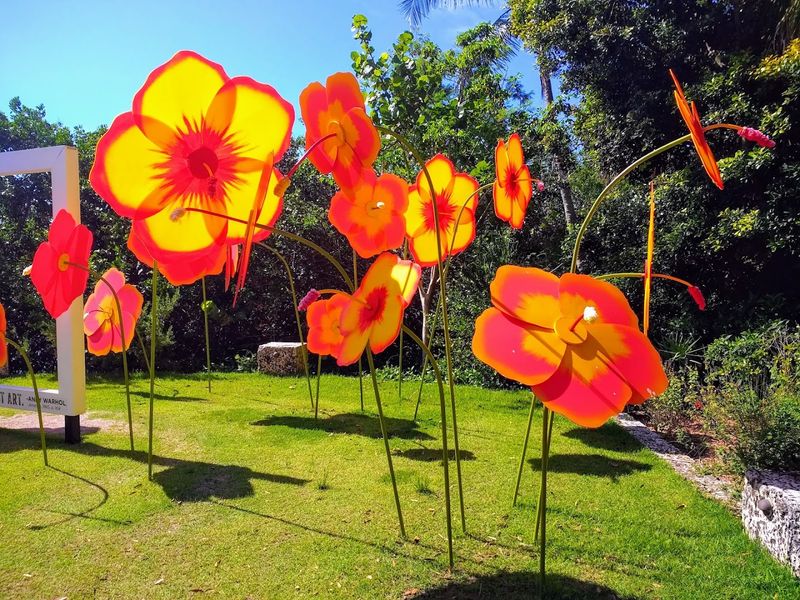
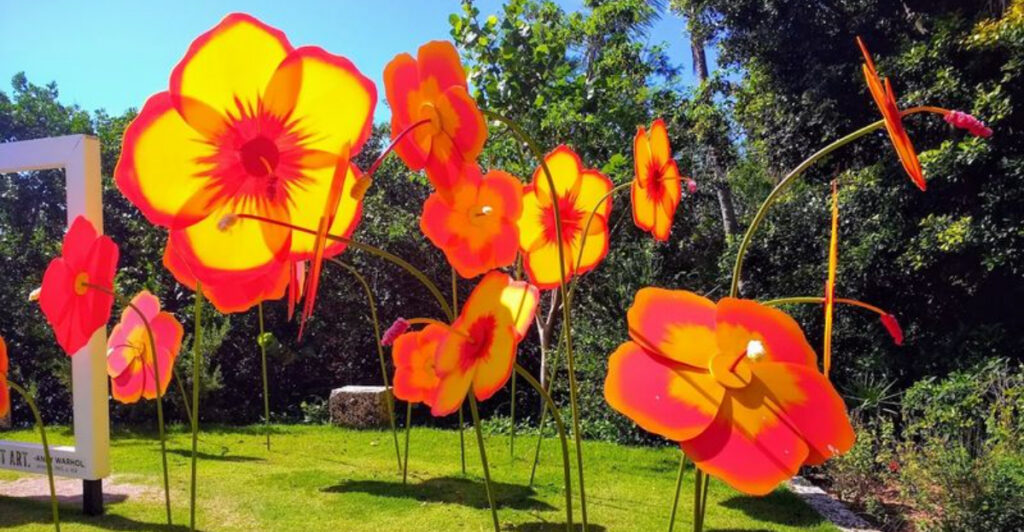
Selby Gardens regularly hosts art exhibitions and installations that use the garden itself as the medium. These are not simply paintings hung on outdoor walls.
The installations often incorporate living plants, suspended floral arrangements, and large-scale sculptural elements that interact with the natural environment around them.
One recent exhibition by artist Rebecca Louise Law featured hanging floral arrangements that filled entire interior spaces with color and texture. The scale of that kind of work is something you have to see in person to fully appreciate, because photographs rarely capture the full effect of being surrounded by it.
Not every visitor connects equally with every installation, and that is fine. The garden is large enough that the art and the horticulture coexist without one overwhelming the other.
You can engage as deeply or as lightly as you choose, which makes the experience feel genuinely open rather than prescriptive.
The Butterfly Garden And Its Winged Residents
The butterfly garden at Selby is one of those sections that tends to make people slow down without them even realizing it. The plantings are specifically chosen to attract native butterfly species, and on a good day, you can count several different types fluttering around at once.
Watching butterflies move through a garden is one of those simple pleasures that reminds you why outdoor spaces like this matter. There is something genuinely calming about standing still and letting the activity happen around you rather than chasing it.
The garden encourages exactly that kind of unhurried attention.
Children tend to be especially captivated here, which makes this section a reliable highlight for families. The garden staff can often point out which plants are currently most active with butterfly visitors, so it is worth asking a team member for a quick tip before you head into this area.
The Lily Pond And Its Quiet Charm
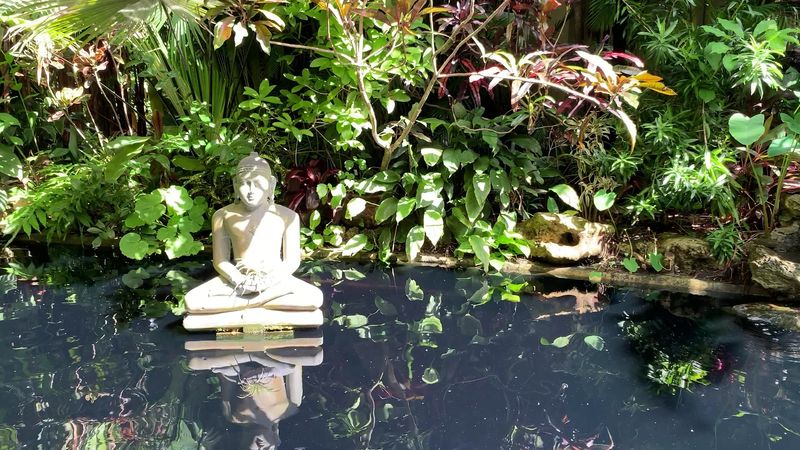
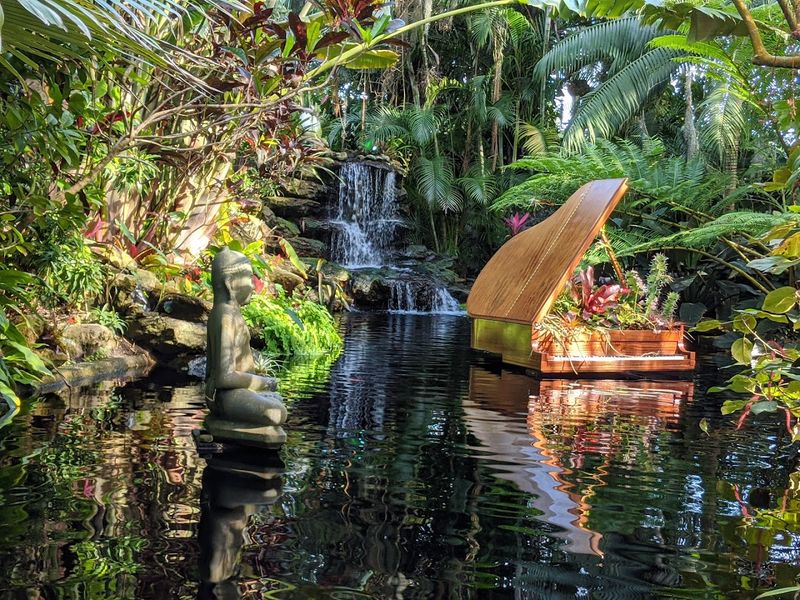
The lily pond is one of those spots in the garden that does not announce itself loudly, but once you find it, you tend to linger there longer than you planned. The water surface is covered in lily pads, with blooms opening at different stages depending on the time of day and season you visit.
The surrounding planting frames the pond in a way that feels both natural and deliberate. Tall palms and broad-leafed tropical plants create a sense of enclosure that makes the area feel quieter than the rest of the garden, even when there are other visitors nearby.
Reflections on the still water add an extra visual layer to the scene, doubling the colors of the sky and surrounding foliage in a way that makes for genuinely beautiful photographs. This is one of those corners of the garden that rewards a slow pace and a willingness to simply stop and look.
Special Events That Transform The Garden After Hours
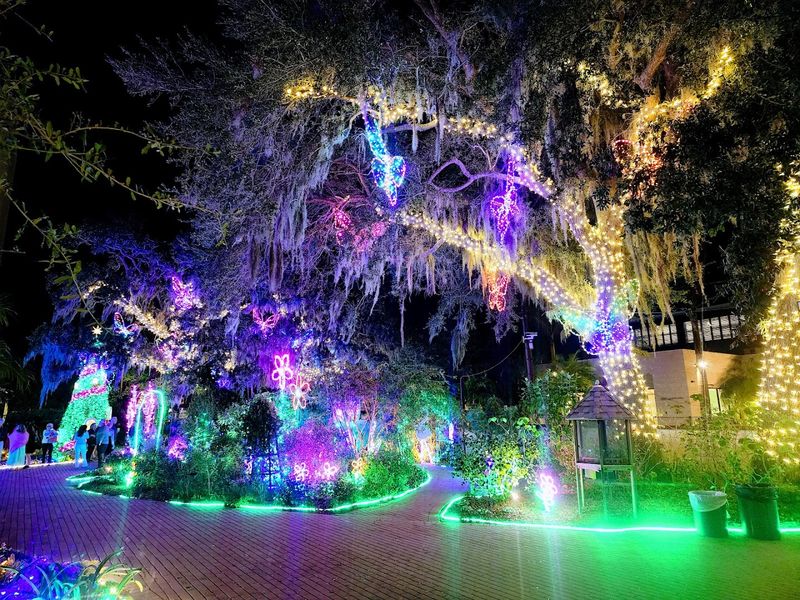
The annual Lights in Bloom event is one of the most talked-about seasonal experiences in Sarasota, and having walked through it myself, I can confirm that the reputation is well earned. Millions of lights are draped over the banyan trees, along the bayfront, and throughout the garden paths, turning the entire property into something that feels genuinely magical after dark.
The Wishing Tree is a particular highlight of the event, where visitors can tie colored wish ribbons to the branches. It is a small detail, but it adds a warmth to the evening that lingers after you leave.
The garden also hosts orchid shows, educational programs, presentations by visiting artists and scientists, and other seasonal events throughout the year. Checking the calendar on their website before your visit is a smart move, because the experience changes significantly depending on what is currently on offer.
The On-Site Cafe And What To Expect There
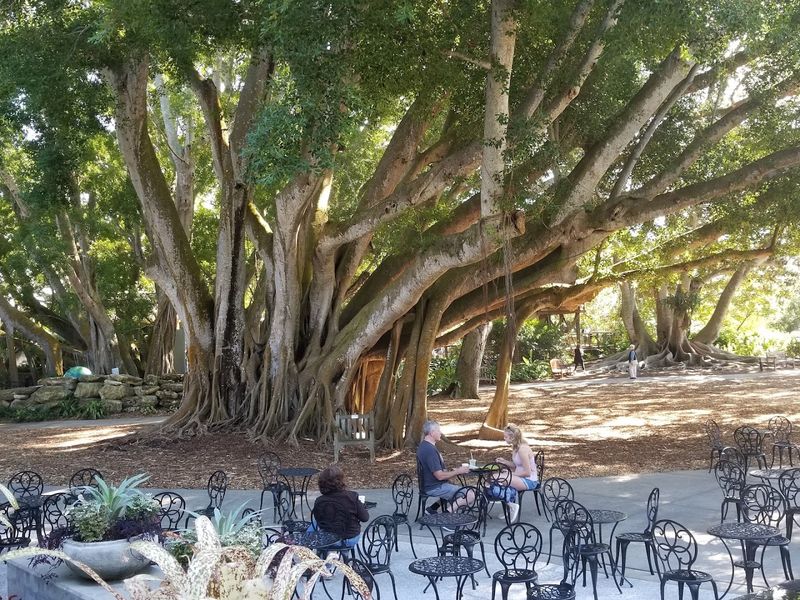
The cafe at Selby Gardens has earned its own loyal following among visitors, and after eating there, it is easy to understand why. The menu leans toward fresh, lighter options that suit the outdoor setting well.
Salads are reliably good, and the turkey and bacon sandwich has developed something of a reputation among regulars.
The setting itself adds to the meal. Eating surrounded by tropical plants with Sarasota Bay nearby is a genuinely pleasant way to spend a lunch break, and the ambiance is relaxed enough that you do not feel rushed to finish and move on.
During the Lights in Bloom event, the restaurant stays open into the evening and food trucks also set up on the grounds, giving visitors more options for a full evening out. The cafe is a worthwhile stop even if you are only visiting for a short time, rather than something to save for another day.
Research And Conservation Work Happening Behind The Scenes
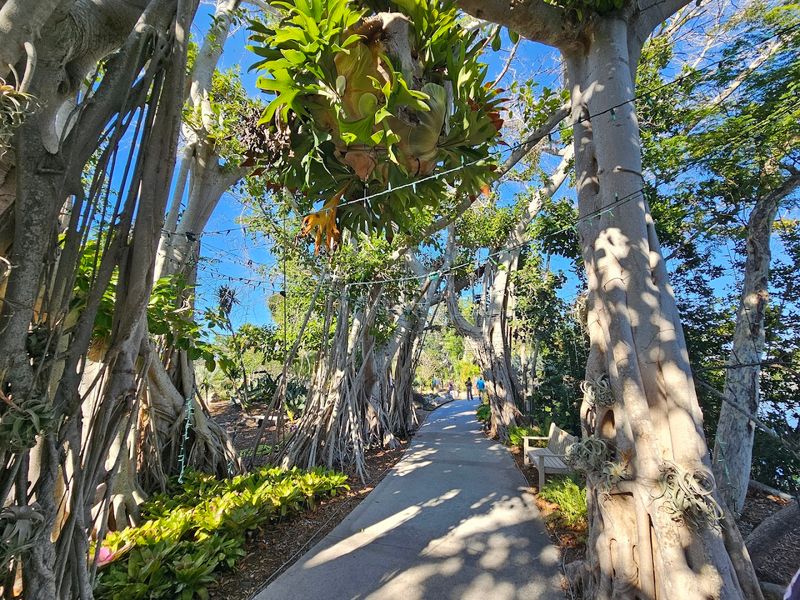
Most visitors come to Selby Gardens for the beauty of the plants, but the scientific work happening behind the scenes is equally impressive. The garden operates as an active research institution, with botanists studying tropical plant species from rainforests across Central and South America, Southeast Asia, and beyond.
Much of this research focuses on epiphytes, which are plants that grow on other plants rather than in soil. Orchids and bromeliads both fall into this category, which is why the garden’s collections are so central to its scientific mission.
The data gathered here contributes to global conservation efforts in meaningful ways.
Understanding this context adds a layer of appreciation to the visit that you might not expect from a botanical garden. You are not just walking through a pretty space.
You are standing in the middle of an ongoing effort to document and protect plant species that are increasingly at risk in their natural habitats.
Share this story