Paris is one of those cities that feels like a dream even when you’re standing right in the middle of it. From glittering landmarks to quiet cobblestone streets, every corner has a story to tell.
Whether you’re a first-time visitor or a seasoned traveler, the French capital has a way of surprising you. These 15 unforgettable experiences will help you make the most of every single moment in the City of Light.
Marvel at the Eiffel Tower — A Global Symbol of Paris
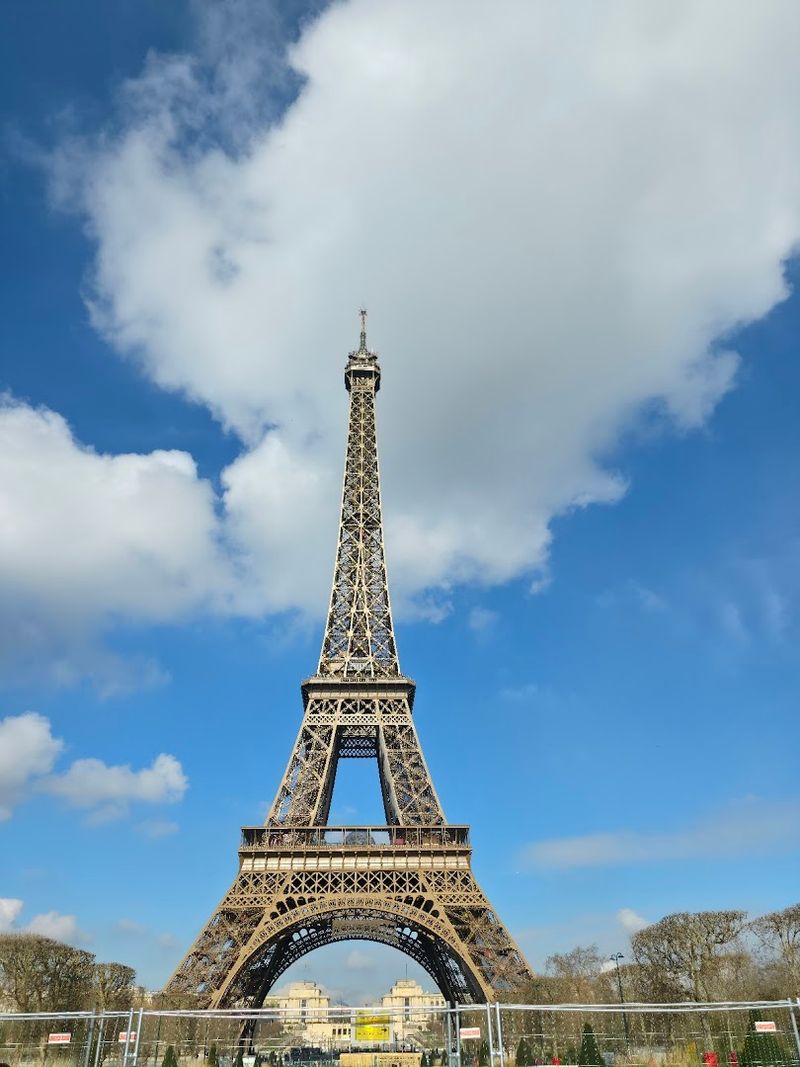
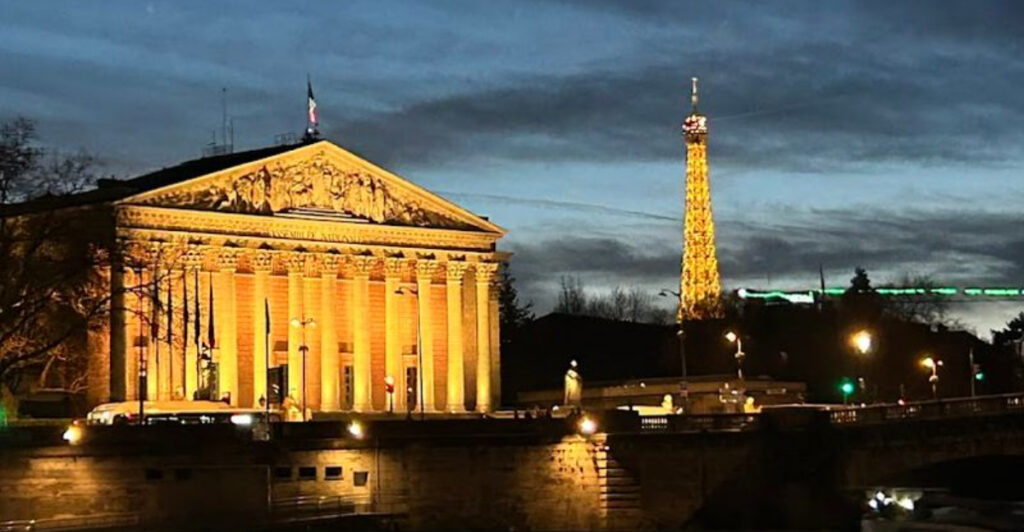
Few structures on Earth carry the same electric charge as the Eiffel Tower the moment it appears on the horizon. Built by Gustave Eiffel for the 1889 World’s Fair, this 330-meter iron giant was originally meant to be temporary — Paris nearly tore it down.
Lucky for us, they kept it.
Visiting the tower offers several experiences depending on how bold you’re feeling. Snapping photos from the Champ de Mars lawn is free, beautiful, and incredibly popular at sunset.
If heights don’t scare you, take the elevator to the second or third floor for sweeping panoramic views that stretch across the entire city.
Every evening after dark, the tower sparkles for five minutes every hour — a light show that never gets old no matter how many times you’ve seen it. Arrive early to skip the longest queues, or book tickets online in advance.
Picnicking on the grass below with a baguette and some cheese? Absolutely the move.
The Eiffel Tower isn’t just a postcard image — it’s a living, breathing part of Parisian daily life that rewards every visitor who takes the time to truly experience it.
Wander the Louvre Museum — Home to Masterpieces
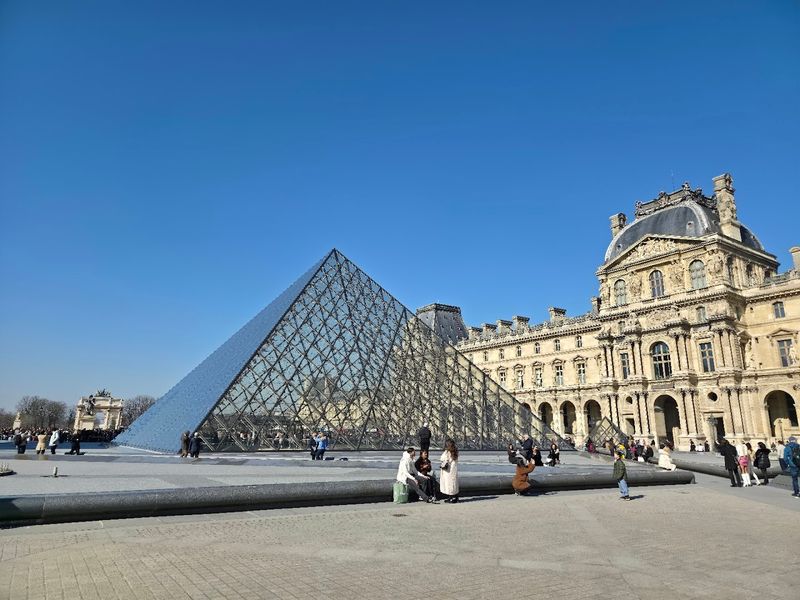
Somewhere inside the Louvre, behind a wall of selfie sticks and breathless tourists, the Mona Lisa smiles her famously mysterious smile. She’s smaller than most people expect, but the experience of standing in front of her — surrounded by centuries of art history — is genuinely unforgettable.
The Louvre is the world’s most visited museum, housing over 35,000 works across a former royal palace that dates back to the 12th century. You could spend a week here and still not see everything.
Smart visitors pick two or three wings to focus on — the Greek and Roman antiquities, the French paintings, or the ancient Egyptian collection are excellent starting points.
Grab a map at the entrance and plan your route before wandering, or you’ll spend half your visit just figuring out where you are. The iconic glass pyramid entrance, designed by architect I.M.
Pei, is worth photographing on its own. Entry is free for visitors under 18 and for EU residents under 26.
Book tickets online ahead of time to avoid the long outdoor queues. A morning visit on a weekday gives you the best chance of seeing the galleries without massive crowds pressing in from every direction.
Stroll Along the Seine — Romance on the Water
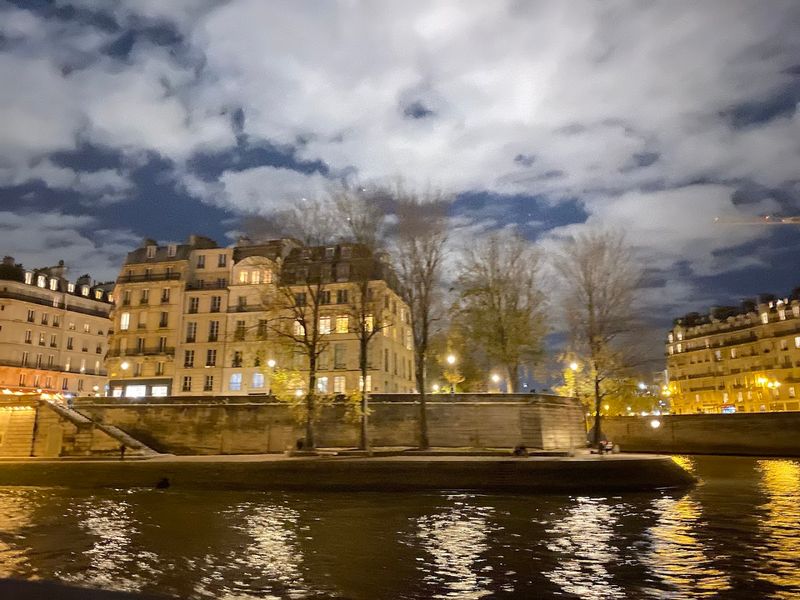
The Seine River has been Paris’s backbone for over two thousand years, and walking along its banks still feels like stepping into a painting. Bouquinistes — those iconic green-boxed secondhand booksellers — line the quays with vintage postcards, paperbacks, and quirky prints that make for wonderful, affordable souvenirs.
The Left Bank between Pont de la Tournelle and Pont Neuf offers one of the most scenic urban walks in the world. Stroll slowly, pause on bridges, and watch the riverboats glide past below you.
At sunset, the light turns the stone facades of the city into shades of amber and gold that no filter can improve on.
If walking isn’t enough, hop aboard a Bateaux Mouches or Vedettes du Pont Neuf river cruise for a guided tour from the water. These hour-long boat rides pass beneath 37 bridges and give you a completely different perspective on landmarks like the Eiffel Tower and Notre-Dame.
Evening cruises with dinner options are popular for special occasions. A simple riverside picnic with wine, cheese, and a fresh baguette from a nearby bakery is, without question, one of the most satisfying free experiences Paris has to offer.
Explore Montmartre & Sacré-Cœur Basilica
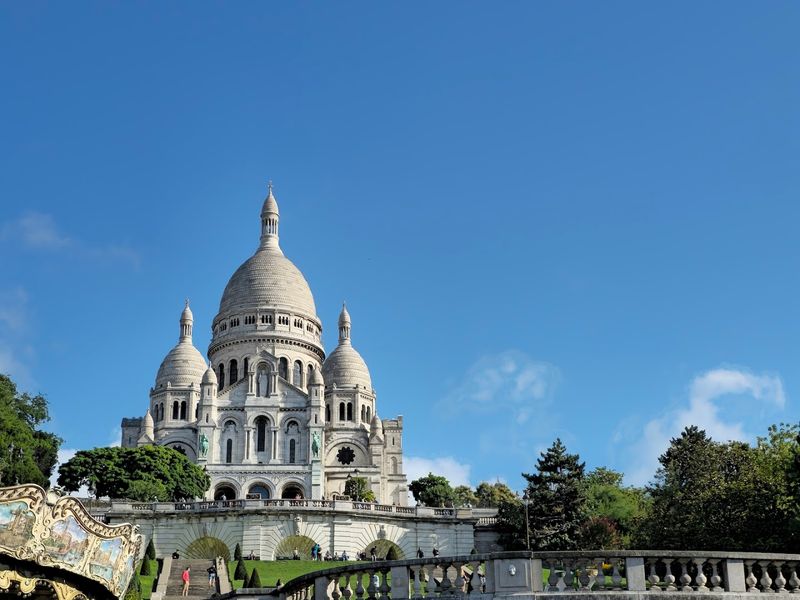
Climbing the steep streets of Montmartre feels like entering a different Paris entirely — one where artists still sketch on corners, accordion music drifts from café doorways, and the city below seems to belong to another world. This hilltop neighborhood has been a creative hub since the 19th century, home to Picasso, Monet, and Toulouse-Lautrec at various points in history.
At the very top sits Sacré-Cœur Basilica, its gleaming white travertine dome visible from much of the city. The interior is calm and beautiful, but the real reward is the sweeping view from the front steps — on a clear day, you can see for miles across the Parisian rooftops.
It’s one of the best free viewpoints in the city.
Wander through Place du Tertre, where portrait artists set up their easels daily, and explore the vine-covered lanes of Rue Lepic and Rue des Abbesses. Montmartre has a handful of excellent wine bars and crêpe stands that are perfect for a mid-afternoon break.
Take the funicular railway up if your legs need a rest. Try visiting on a weekday morning for a quieter, more atmospheric experience before the tour groups arrive in full force.
Lose Yourself in Le Marais — Historic & Trendy
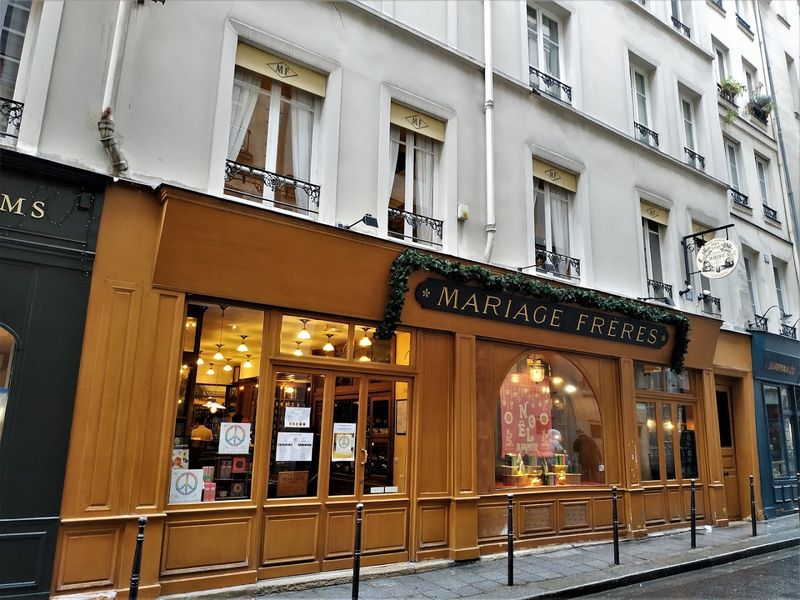
Le Marais might be Paris’s most effortlessly cool neighborhood — a place where a 17th-century mansion sits next door to a cutting-edge concept store, and nobody bats an eye. The name means “the marsh,” which is a far cry from the chic, vibrant district it is today.
History lovers will want to visit Place des Vosges, Paris’s oldest planned square, built in 1612 and still stunning with its symmetrical red-brick arcades. The Musée Picasso and Musée Carnavalet — Paris’s history museum — are both located in Le Marais and are well worth an afternoon.
The Jewish Quarter along Rue des Rosiers offers excellent falafel and a fascinating cultural history.
For shoppers, the streets around Rue de Bretagne and Rue Charlot are packed with independent fashion designers, vintage stores, and concept shops that you won’t find anywhere else. Sunday is one of the few days many Le Marais shops stay open, making it ideal for a leisurely browse.
The neighborhood is also home to a lively LGBTQ+ scene centered around Rue Sainte-Croix de la Bretonnerie. End your visit with a coffee at one of the terrace cafés and watch the eclectic parade of Parisians go about their stylish day.
Enjoy Café Culture at a Classic Parisian Brasserie
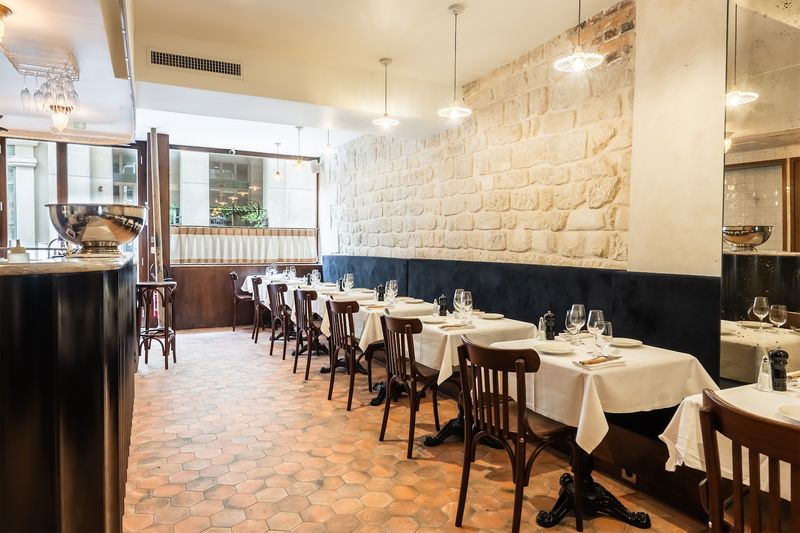
There’s an art to sitting at a Parisian café, and it has nothing to do with speed. Order a café crème, choose a terrace seat facing the street, and prepare to do absolutely nothing productive — that’s the whole point, and Parisians have perfected it over centuries.
Historic brasseries like Café de Flore and Les Deux Magots in Saint-Germain-des-Prés were once gathering spots for philosophers like Simone de Beauvoir and Jean-Paul Sartre. You’re not just having a coffee — you’re sitting where some of the 20th century’s most brilliant minds argued, wrote, and debated over espresso.
That’s a pretty good deal for the price of a hot drink.
Classic brasseries also serve full meals, from croque-monsieurs and onion soup to steak frites and fresh oysters. The atmosphere — all brass fixtures, leather banquettes, and white-aproned waiters — is uniquely Parisian.
Tipping culture in France is more relaxed than in the US; rounding up is appreciated but not expected. Don’t rush.
Parisians consider lingering over a meal a sign of respect for the food and the company. Pull up a wicker chair, order something you can’t pronounce, and enjoy the magnificent art of doing nothing in the most beautiful city on Earth.
Visit Notre-Dame & Île de la Cité
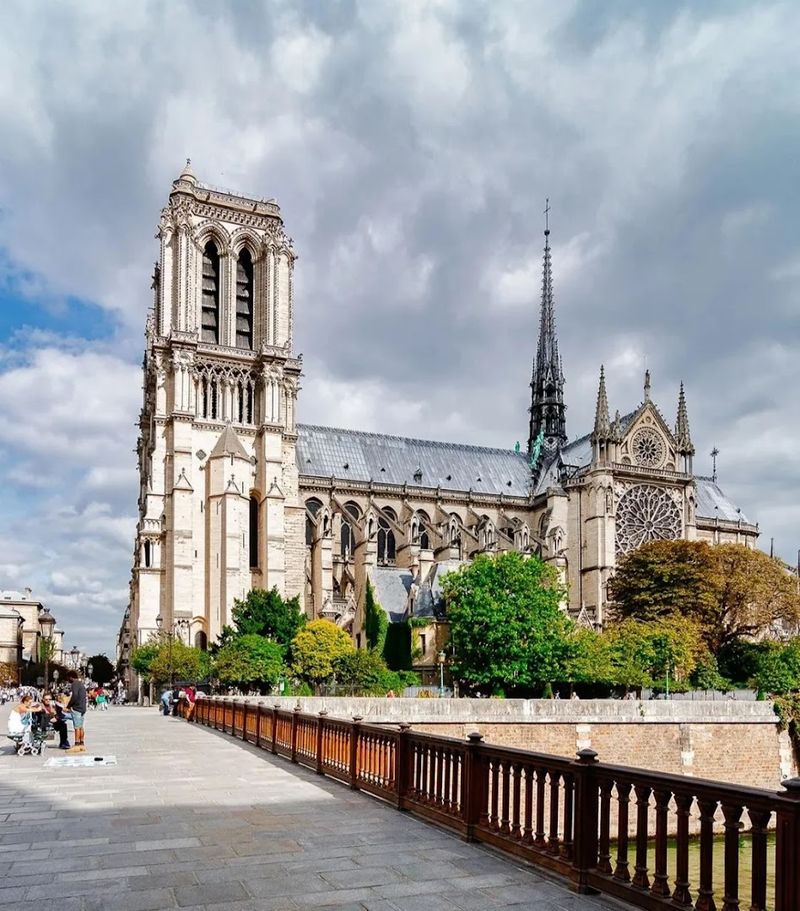
After the devastating 2019 fire that shocked the world, Notre-Dame Cathedral has risen from the ashes with a painstaking restoration that took thousands of skilled craftspeople five years to complete. The cathedral officially reopened in December 2024 — and seeing it restored to its Gothic glory is genuinely moving.
Île de la Cité, the small island in the Seine where Notre-Dame stands, is considered the geographic and historical heart of Paris. The city literally grew outward from this island over two thousand years.
Walking around it feels like standing at the very center of French history. Nearby Sainte-Chapelle, a stunning 13th-century royal chapel, features 15 floor-to-ceiling stained glass windows that are among the most beautiful in the world.
The flower market on Place Louis Lépine operates daily and transforms into a bird market on Sundays — a charming and very Parisian tradition. Cross Pont Neuf, Paris’s oldest bridge, to reach the island’s western tip and enjoy a quiet moment by the water.
The square in front of Notre-Dame, known as Parvis Notre-Dame, contains a brass star marking Point Zero — the exact spot from which all French road distances are officially measured. Stand on it and feel unreasonably important.
Picnic in the Luxembourg Gardens
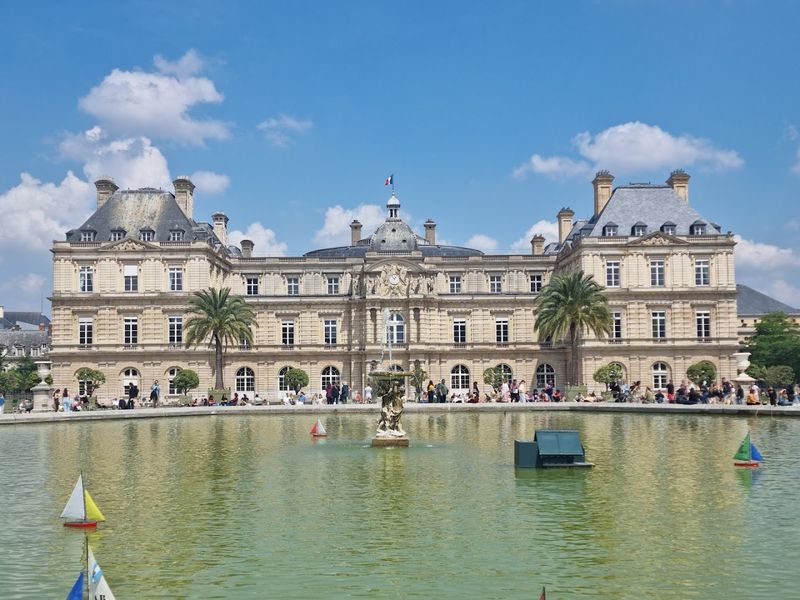
On any warm afternoon in Paris, the Luxembourg Gardens transforms into the city’s communal living room — students read on the grass, retirees play chess under the trees, children sail wooden toy boats across the grand fountain, and everyone looks perfectly at ease. It’s one of those places that makes you understand why people fall in love with Paris.
Created in the early 17th century for Marie de Medici, the gardens cover 23 hectares in the heart of the Left Bank. The formal French design — with geometric flowerbeds, sculpted hedges, and gravel pathways — gives the whole place an elegant, timeless feel.
The Palais du Luxembourg at the northern end now houses the French Senate and is occasionally open for tours.
Bring a picnic from one of the nearby bakeries or the Marché Saint-Germain and settle into one of the iconic green metal chairs by the fountain. The gardens are free to enter and open year-round, though the atmosphere is best in spring and early autumn when the flowers are blooming.
Weekend mornings tend to be quieter before families arrive in the afternoon. There are also tennis courts, a puppet theater for kids, and beehives tended by the Senate’s own apiary — Paris never stops surprising you.
Snap the Arc de Triomphe & Champs-Élysées
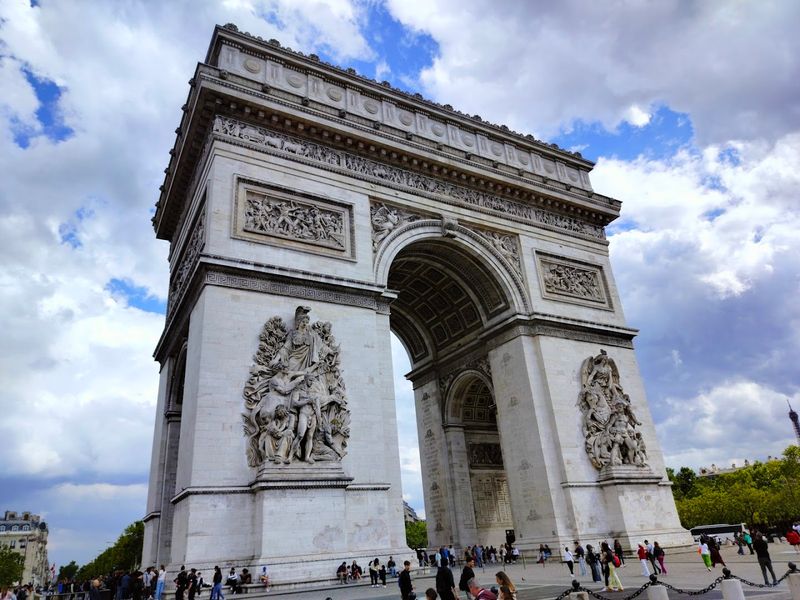
Standing at the top of the Arc de Triomphe and looking down at twelve avenues radiating outward like a star — with the Champs-Élysées stretching gloriously ahead — is one of those moments where Paris genuinely takes your breath away. Napoleon commissioned the arch in 1806 to honor his army, though he never actually saw it completed.
Climbing to the top requires 284 steps, but the 360-degree panoramic view is worth every single one. On a clear day, you can spot the Eiffel Tower, Sacré-Cœur, and the glass towers of La Défense business district all at once.
Entry is free for visitors under 18 and for EU residents under 26. Book in advance online to save time.
The Champs-Élysées stretches 1.9 kilometers from the Arc de Triomphe to Place de la Concorde and is lined with flagship stores, cinemas, and grand cafés. It’s touristy, yes — but also genuinely impressive, especially at Christmas when the entire boulevard is draped in lights.
One important tip: never try to cross the roundabout at the Arc de Triomphe on foot at street level. Use the underground pedestrian tunnel instead.
The traffic there operates by its own mysterious rules that no insurance policy fully covers.
Browse the Musée d’Orsay
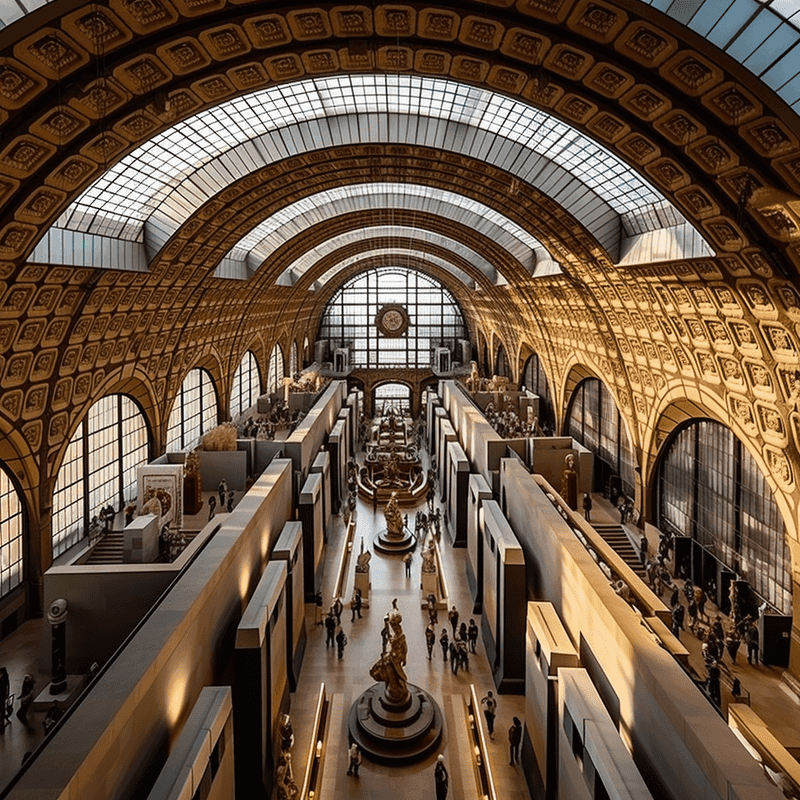
Walk into the Musée d’Orsay and the first thing that hits you is the building itself — a magnificent Beaux-Arts railway station with a soaring glass-and-iron roof that floods the entire space with natural light. The station closed in 1939 and sat unused for decades before being brilliantly converted into one of the world’s great art museums in 1986.
The collection focuses on art from 1848 to 1914, and the impressionist and post-impressionist galleries on the top floor are simply extraordinary. Van Gogh’s self-portraits, Monet’s water lilies studies, Renoir’s dancing figures, and Degas’s ballet dancers are all here — and unlike many major museums, the d’Orsay is compact enough to explore thoroughly in a single visit without total exhaustion.
The giant clock faces on the upper level are iconic photo spots, offering a dramatic framed view of Montmartre across the Seine. The museum restaurant on the upper floor, tucked inside a former dining room with gilded ceilings, is one of the most atmospheric lunch spots in the city.
Tickets cost around 16 euros for adults and are free for under-18s. Thursday evenings the museum stays open until 9:45 PM with smaller crowds — a genuinely excellent time to visit if your schedule allows it.
Discover Hidden Streets & Passages
Paris has a secret city hiding inside its official one — a network of 19th-century covered arcades called passages couverts, where time seems to have slowed down considerably and the outside world feels pleasantly far away. Passage des Panoramas, opened in 1800, is the oldest surviving covered gallery in Paris and still has a wonderfully faded, eccentric charm.
Galerie Vivienne is the most elegant of the lot, with its beautiful mosaic floors, neoclassical details, and a wonderful independent bookshop that feels like something from a film set. Passage Jouffroy nearby is wonderfully quirky — full of antique toy shops, a wax museum entrance, and a hotel that has barely changed since the 1800s.
These arcades were essentially the world’s first shopping malls, and they still function as retail spaces today.
Beyond the passages, streets like Rue Crémieux — painted in pastel colors — and Rue des Barres near the Seine offer some of the most photogenic and peaceful walking in the city. These are the kinds of spots that don’t appear on every tourist map, which makes finding them feel genuinely rewarding.
Bring a camera, wear comfortable shoes, and resist the urge to rush. The best discoveries in Paris always happen when you slow down and wander without a fixed destination in mind.
Cruise the Seine at Sunset
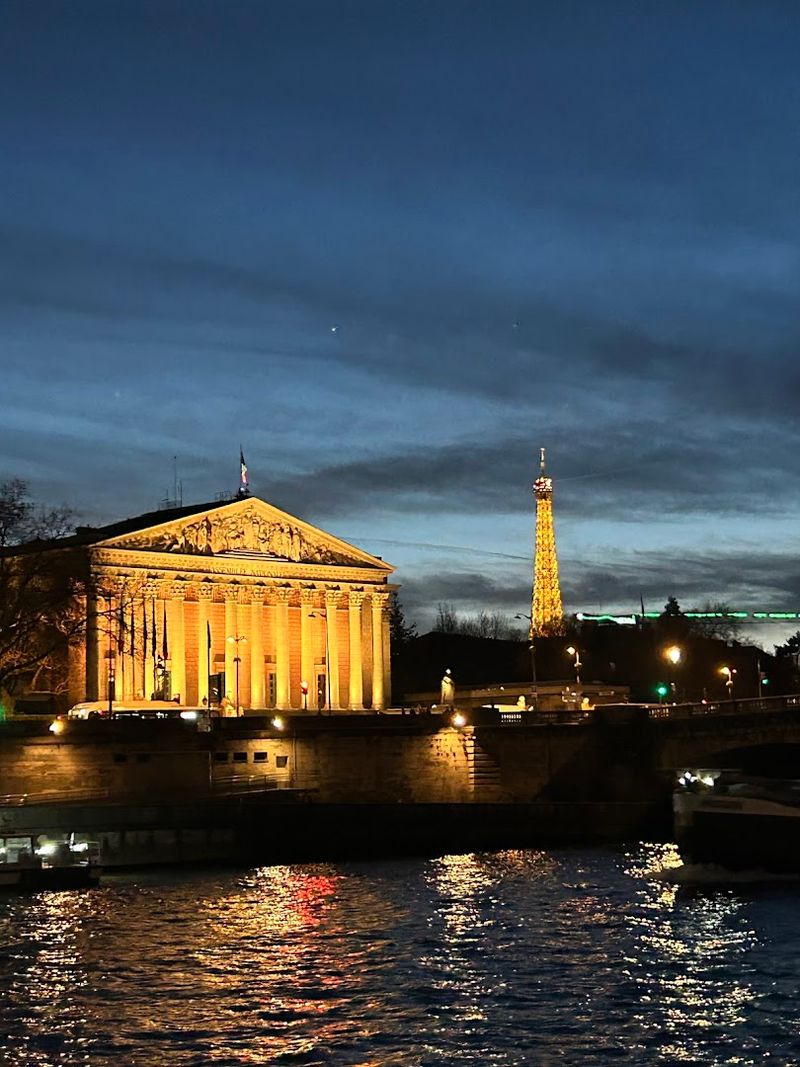
The moment the sun starts to dip toward the Parisian rooftops and the Seine turns into a ribbon of liquid copper, the best seat in the city is unquestionably on the deck of a river cruise boat. Everything looks better from the water — the bridges are grander, the buildings more dramatic, and the Eiffel Tower almost unbearably beautiful against an orange sky.
Bateaux Mouches and Vedettes de Paris are two of the most popular cruise operators, with departures throughout the day and evening from near the Eiffel Tower and Pont Neuf respectively. Standard cruises last about an hour and cost between 15 and 20 euros for adults.
Audio guides in multiple languages explain each landmark as you pass beneath the city’s 37 bridges.
Evening dinner cruises offer a more formal experience, with set menus and live music — ideal for a special occasion or an anniversary. Book these well in advance as they fill up quickly, especially in summer.
If you prefer something more flexible and affordable, the Batobus hop-on, hop-off river bus stops at eight key locations including the Eiffel Tower, the Louvre, and Notre-Dame. It’s a practical and scenic way to move between sights without fighting through busy Metro stations during peak tourist season.
Taste Classic French Pastries & Markets
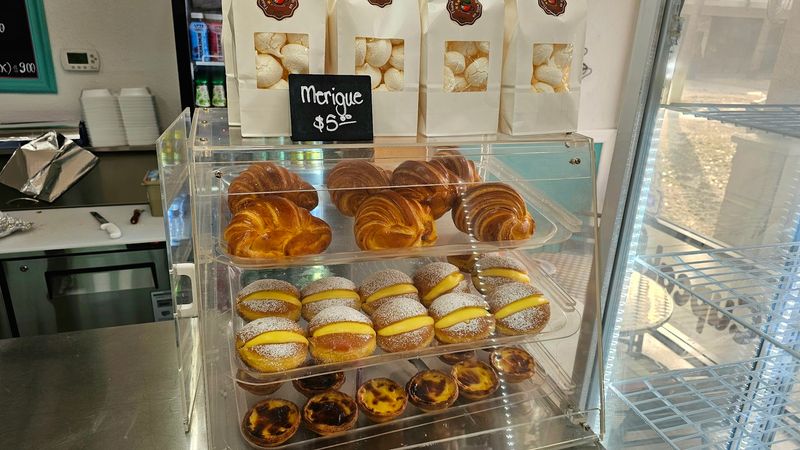
Biting into a warm, buttery croissant fresh from a Parisian boulangerie at 8 AM on a quiet street is one of life’s genuinely great pleasures — and in Paris, you can do it on almost any corner. French bakers take their craft seriously; the best croissants have dozens of flaky layers, a deep golden color, and a crunch that can be heard from across the room.
Beyond the croissant, the pastry world here runs deep. Pain au chocolat, éclairs, mille-feuille, religieuses, and the gloriously colorful macaron are all worth sampling at different bakeries to compare.
Ladurée and Pierre Hermé are the famous names for macarons, but many neighborhood patisseries offer equally stunning versions at much friendlier prices.
For a fuller food experience, visit one of Paris’s outdoor markets. Marché d’Aligre in the 12th arrondissement is lively, affordable, and beloved by locals.
Rue Cler in the 7th is more upscale but beautifully curated, with fromageries, charcuteries, and flower stalls side by side. Marché Bastille on Thursday and Sunday mornings is one of the city’s largest and most atmospheric.
Bring a reusable bag, arrive hungry, and plan to spend at least an hour tasting, browsing, and buying more cheese than you originally intended. Absolutely no regrets.
Experience a Show at Opéra Garnier
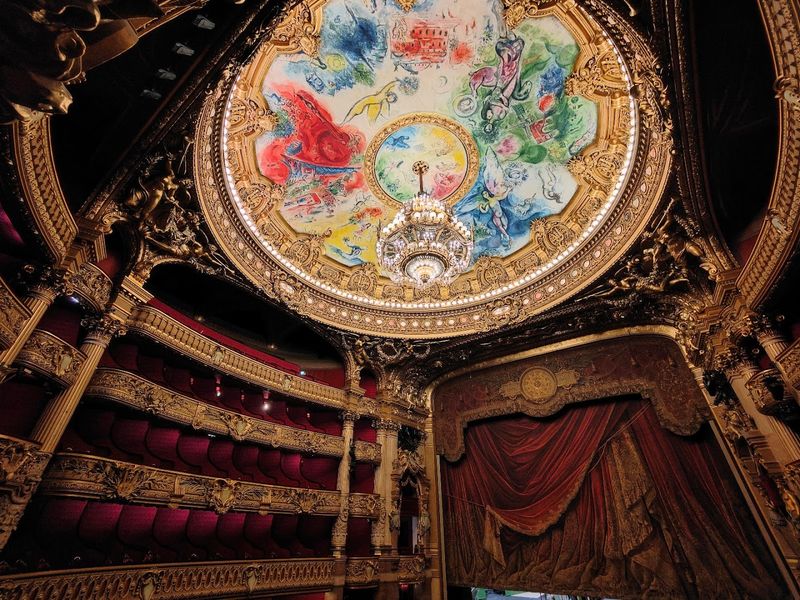
Stepping inside the Palais Garnier for the first time is genuinely theatrical — and you haven’t even taken your seat yet. The grand staircase alone, with its white marble steps, gilded balustrades, and soaring painted ceiling, is one of the most jaw-dropping interiors in Europe.
Architect Charles Garnier completed it in 1875, and it was designed specifically to impress. Mission thoroughly accomplished.
The opera house hosts both ballet and opera performances throughout the season, and tickets range from very affordable upper-tier seats to premium orchestra positions. Booking early through the official Paris Opera website is strongly recommended, especially for popular productions.
If attending a show feels out of budget, the building itself can be toured during the day for around 14 euros — a worthwhile experience in its own right.
The auditorium ceiling was repainted by Marc Chagall in 1964, creating a dreamy, colorful contrast with the building’s ornate 19th-century decor — a detail that surprises most visitors. The opera house also served as the inspiration for Gaston Leroux’s famous novel The Phantom of the Opera, which adds a satisfying layer of drama to the whole visit.
The gift shop sells excellent art books and prints. Dress smartly if attending a performance — Parisians take their evenings at the opera seriously and arrive looking appropriately magnificent.
Attend an Art or Cultural Event
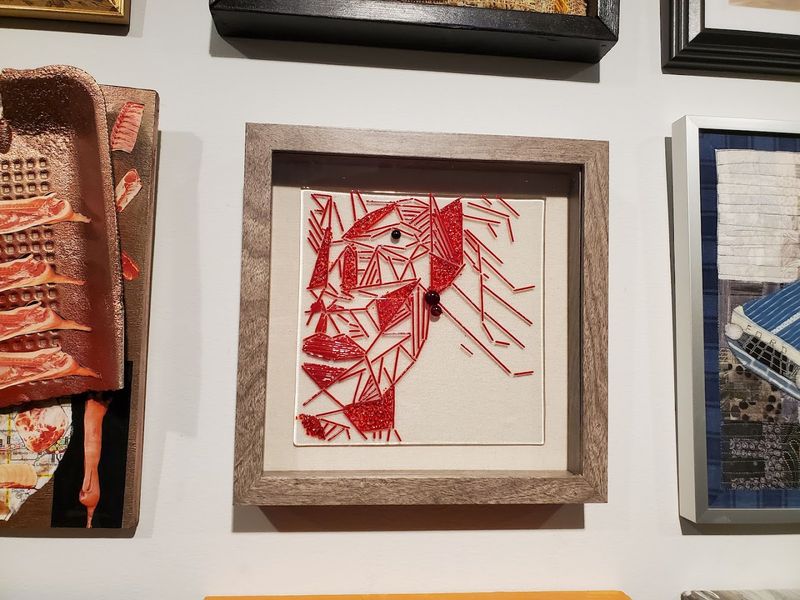
Paris doesn’t rest on its classical laurels — the city is in a constant state of creative reinvention, hosting hundreds of art events, cultural festivals, and immersive exhibitions throughout the year. The Nuit Blanche festival, held annually in early October, turns the entire city into an open-air gallery from dusk until dawn, with free installations in parks, under bridges, and inside historic buildings.
The Centre Pompidou in the Beaubourg district houses one of the world’s leading collections of modern and contemporary art, with rotating exhibitions that consistently push boundaries. Its inside-out architecture — with colorful pipes and escalators on the exterior — is as much a statement as anything displayed inside.
The rooftop terrace offers a surprisingly excellent view over central Paris.
Beyond the major institutions, Paris’s gallery scene in neighborhoods like the 10th and 11th arrondissements is thriving, with small independent spaces showing emerging artists from France and around the world. Many galleries are free to enter.
The Paris Museum Pass covers entry to over 50 museums and monuments and is excellent value if you plan to visit multiple sites over several days. Check the Paris tourist office website or the OFFI cultural listings app before your trip to find what’s on during your visit — the city’s calendar of events is remarkably rich year-round.
Share this story