Some places on Earth make you feel like you accidentally walked onto a film set. The animals are real, the action is unscripted, and the drama is absolutely relentless.
From thundering wildebeest crossings to gorillas munching leaves in misty forests, these 15 countries deliver wildlife experiences so jaw-dropping, you’ll keep checking if there’s a camera crew nearby. Pack your binoculars and get ready for the real thing.
Tanzania – The Serengeti Migration on a Truly Epic Scale
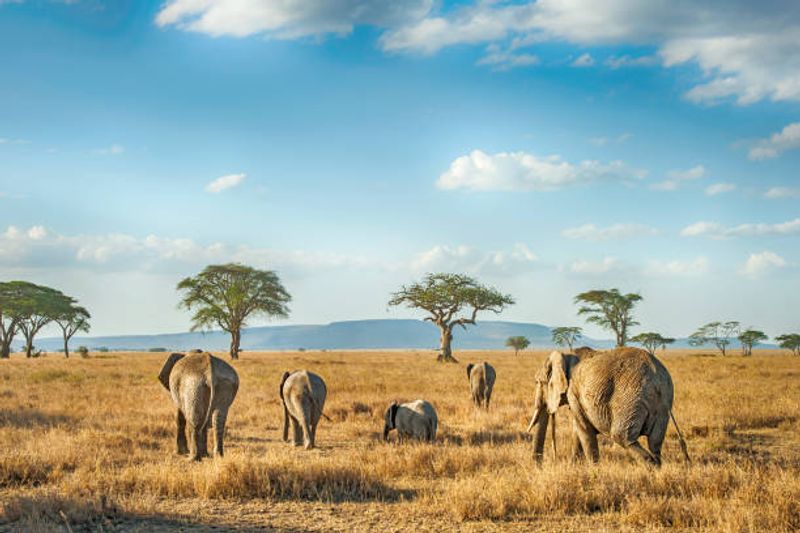
Over two million wildebeest, zebras, and gazelles moving across the Serengeti is not something your brain is prepared for. Tanzania hosts the greatest wildlife show on Earth, and it runs every single year without a director, a script, or a budget.
The Serengeti ecosystem spans roughly 30,000 square kilometers, giving predators and prey alike enormous room to do their thing. Lions lounge near kopjes.
Cheetahs sprint across open plains. Leopards drape themselves over acacia branches like living rugs.
The river crossings are the headline act. Crocodiles wait with terrifying patience while thousands of wildebeest debate whether to jump.
Spoiler: they always jump. The best time to visit is between July and October for the northern crossings, but honestly, any month in Tanzania delivers something worth writing home about.
Kenya – Big Cats and River-Crossing Drama in the Mara
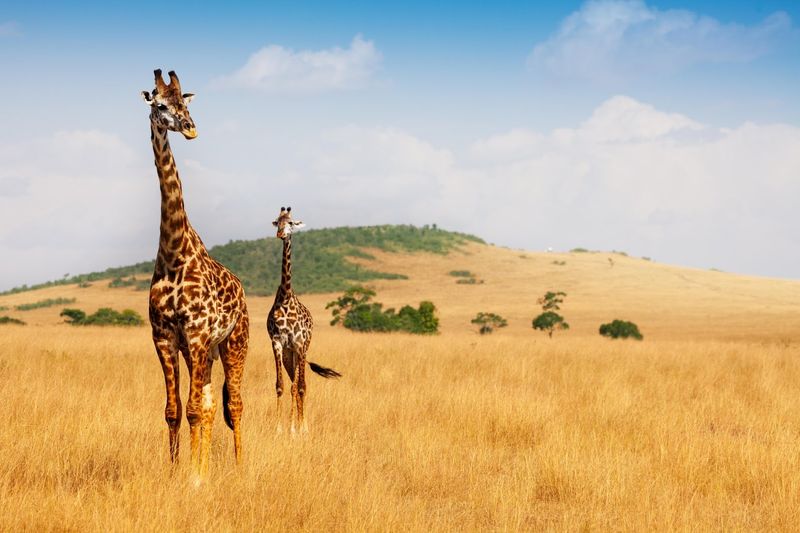
Kenya’s Maasai Mara is where big cats basically have their own fan clubs. I once spent an entire morning watching a lioness teach her cubs how to stalk a warthog.
The warthog won, but nobody was disappointed.
The Mara is the northern extension of the Serengeti ecosystem, which means it catches the Great Migration too. From July through September, wildebeest pour across the Mara River in scenes that genuinely look computer-generated.
They are not.
Cheetah sightings here are remarkably reliable. So are leopard and lion encounters.
The open grasslands make spotting easier than in thicker bush environments, which is great news for first-time safari-goers who haven’t mastered the art of staring at a bush for twenty minutes hoping something moves. Kenya also has excellent camp options at every budget level, making the Mara one of Africa’s most accessible safari destinations.
Botswana – A Desert-Meets-Wetland Wildlife Miracle
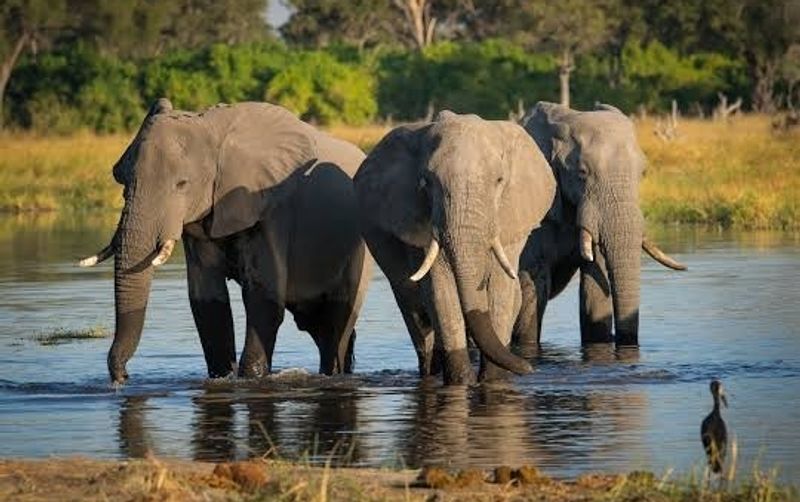
The Okavango Delta is one of the planet’s great geographical pranks: a massive river flows into the middle of the Kalahari Desert and just… stays there. No ocean, no exit.
Just a sprawling, UNESCO-listed wetland teeming with wildlife in the heart of the desert.
Every year, seasonal flooding transforms the delta into a wildlife paradise. Elephants wade through chest-deep channels.
Hippos grunt territorially from every lagoon. Buffalo herds thousands strong churn through the floodplains while lions and wild dogs hunt the edges.
Botswana deliberately keeps visitor numbers low and prices high, which means the bush feels genuinely wild. You won’t be queuing behind a convoy of minibuses.
Game drives here often feel like private screenings. The Moremi Game Reserve within the delta is particularly spectacular, and combining it with the Chobe River area gives you one of Africa’s most complete wildlife experiences.
South Africa – Kruger’s Big Five With Strong Infrastructure
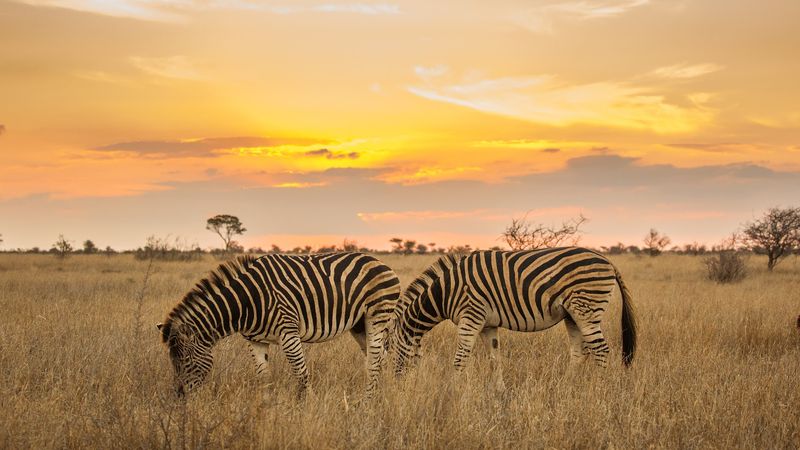
South Africa figured out something most wildlife destinations are still working on: you can make a world-class safari accessible without ruining it. Kruger National Park is proof that infrastructure and wilderness are not mutually exclusive.
The Big Five, lion, leopard, elephant, rhino, and buffalo, all live here in solid numbers. Kruger covers nearly 20,000 square kilometers, roughly the size of Wales, and has well-maintained roads, restcamps with actual beds, and a self-drive system that lets budget travelers do it themselves.
I did a self-drive through the southern section and spotted four of the Big Five before lunch. The leopard took until sunset, but that’s leopards for you.
Private reserves bordering Kruger, like Sabi Sands, offer luxury lodges with open vehicles and expert trackers. Whether you’re camping on a shoestring or splurging on a five-star bush suite, South Africa delivers the goods without making you suffer for them.
Rwanda – Mountain Gorillas Up Close in Volcanoes Park
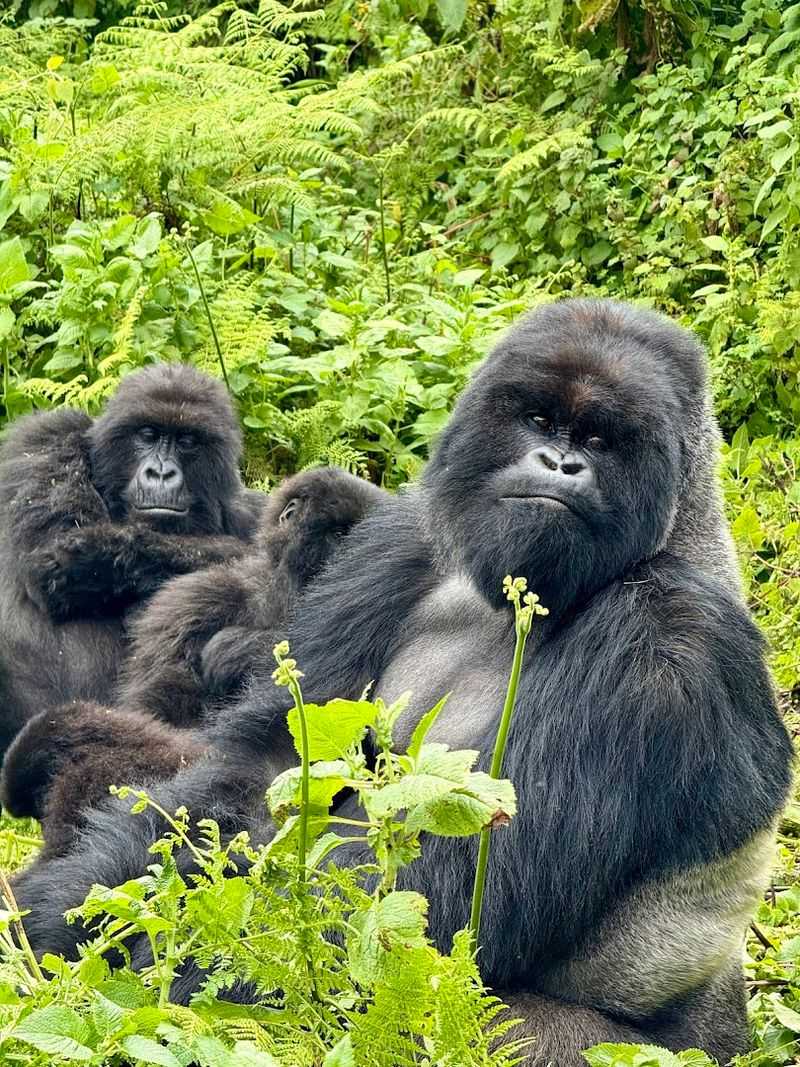
There are roughly 1,000 mountain gorillas left on Earth, and Rwanda gives you a legal, ethical, and genuinely moving way to meet some of them. Volcanoes National Park in the Virunga Mountains is where gorilla trekking was essentially invented for tourism.
Treks vary from one hour to a full day depending on where the gorillas have decided to hang out. When you find them, you get exactly one hour.
That hour tends to rearrange something in your brain. Silverbacks are enormous, calm, and completely unbothered by your presence.
Baby gorillas tumble over each other like furry toddlers.
Permits cost $1,500 per person, which sounds steep until you realize it directly funds conservation and local communities. Rwanda has successfully grown its gorilla population through rigorous protection.
The country is also remarkably safe, clean, and easy to navigate, making it one of Africa’s most rewarding wildlife destinations for first-timers and seasoned travelers alike.
Uganda – Gorillas, Chimps, and Deep-Forest Biodiversity in Bwindi
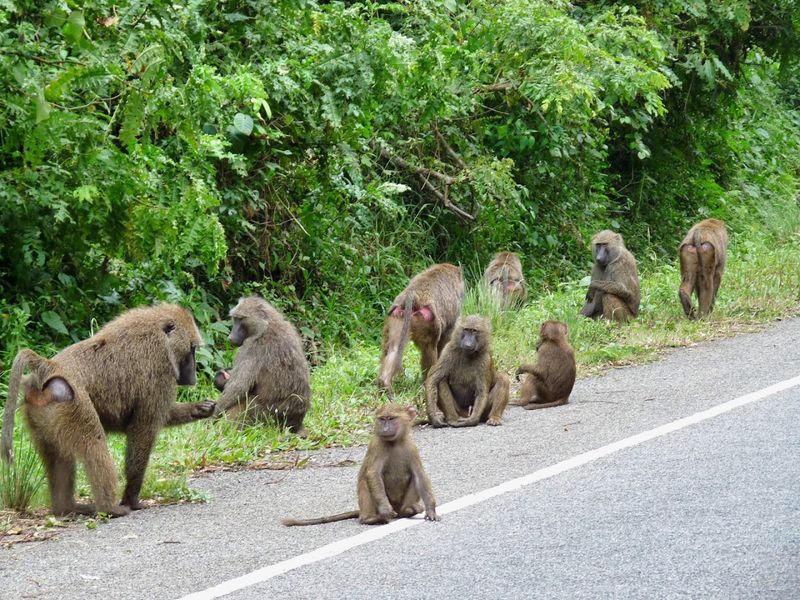
Bwindi Impenetrable National Park lives up to its name. The forest is thick, the terrain is steep, and the mud is enthusiastic.
But what waits inside is worth every squelching step.
Uganda protects roughly half the world’s remaining mountain gorilla population across Bwindi and Mgahinga parks. Permits here cost $700, significantly less than Rwanda’s, making Uganda the budget-conscious gorilla trekking option without any compromise on the actual gorilla experience.
Bwindi is also a UNESCO World Heritage site recognized for extraordinary biodiversity beyond its famous residents. Over 350 bird species live here, along with chimpanzees, forest elephants, and more than 200 butterfly species.
Kibale National Park, a few hours away, offers chimp trekking that’s among the best in Africa. Uganda is the rare destination where you can tick gorillas, chimps, and serious birdwatching off your list in a single trip, all while spending considerably less than neighboring East African destinations.
India – The World’s Heavyweight Tiger Destination
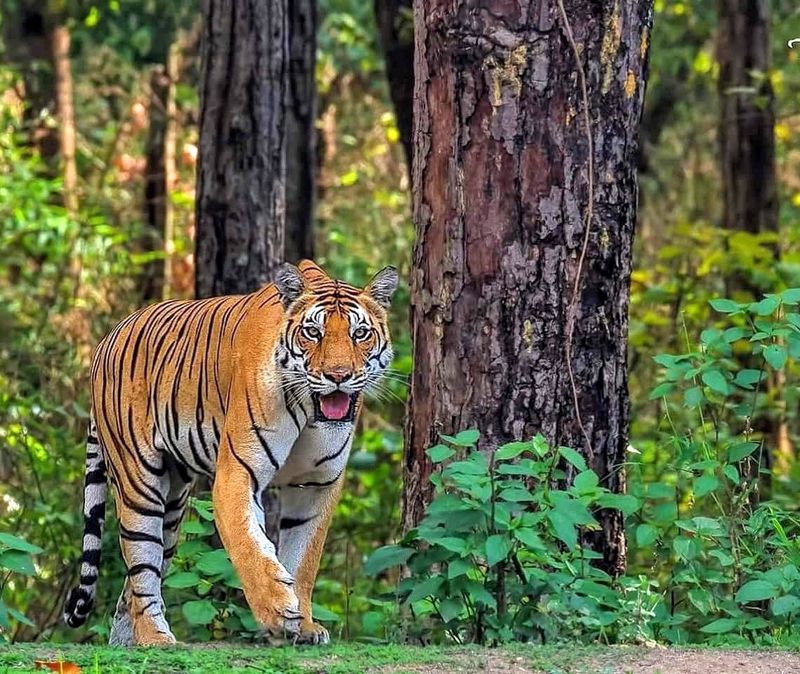
India has more wild tigers than any other country on Earth. The 2022 census counted 3,682 individuals, which is over 70% of the global wild tiger population.
That stat alone earns India a permanent spot on any serious wildlife list.
Ranthambore, Bandhavgarh, Kanha, and Corbett are the headline reserves, each offering different landscapes and tiger-spotting odds. Bandhavgarh consistently produces some of the highest tiger sighting rates in the country.
Ranthambore adds dramatic medieval ruins to the backdrop, making tiger photos there look almost theatrical.
Project Tiger, launched in 1973, pulled the species back from the brink. It’s one of conservation’s genuine success stories.
Beyond tigers, India’s reserves overflow with leopards, sloth bears, wild dogs, and hundreds of bird species. The country also offers incredible whale shark encounters off Gujarat and marine biodiversity along its extensive coastline.
India is a wildlife destination that keeps delivering, no matter how many times you visit.
Sri Lanka – A Serious Leopard Safari Contender
Sri Lanka doesn’t always make the first draft of wildlife bucket lists, and that is a genuine oversight. Yala National Park in the island’s southeast holds one of the highest leopard densities recorded anywhere on the planet.
Sri Lankan leopards are a distinct subspecies, larger than their Indian cousins, and they’ve had fewer natural predators to worry about historically, which makes them unusually bold and visible. Spotting one draped across a rock in Yala’s dry scrub landscape is a surprisingly common occurrence compared to leopard encounters elsewhere in Asia.
Beyond leopards, Yala delivers elephants, sloth bears, crocodiles, water buffalo, and extraordinary birdlife. The park is compact enough that a single day can produce an impressive checklist.
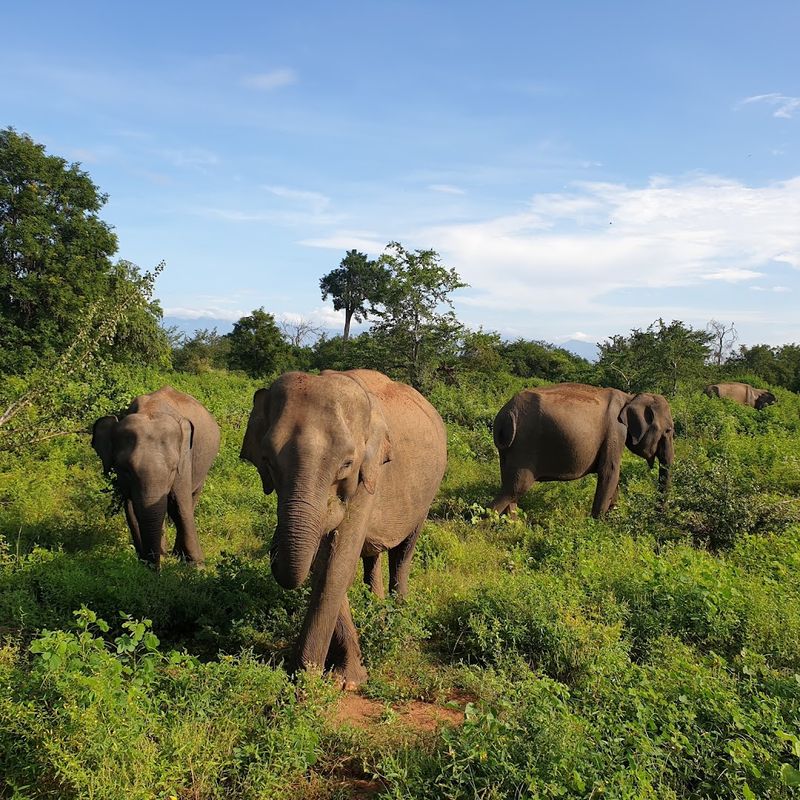
Udawalawe National Park is Sri Lanka’s elephant specialist, regularly delivering herds of 50 or more. For a small island, Sri Lanka punches so far above its wildlife weight class that it regularly surprises people who arrive expecting temples and tea.
Ecuador – The Galapagos, Where Wildlife Has Zero Fear of You
Charles Darwin had a lot of good ideas, but his best was probably stopping in the Galapagos and paying attention. The wildlife here evolved without land predators for so long that animals simply never developed a fear of humans.
They still haven’t.
Sea lions flop across your path. Blue-footed boobies perform their ridiculous mating dances three feet from your boots.
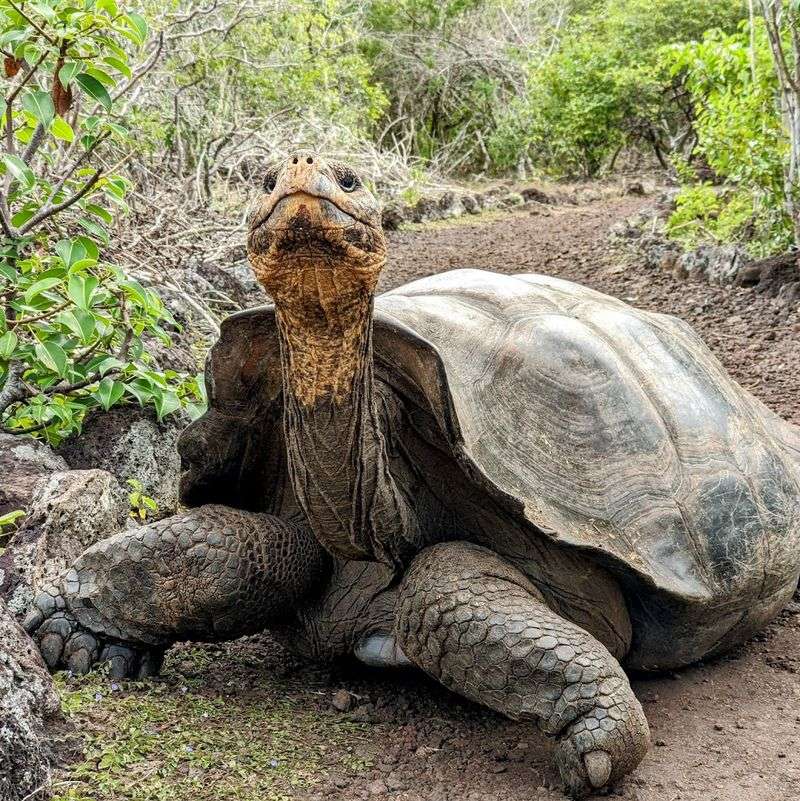
Marine iguanas sneeze salt water on your shoes. Giant tortoises, some over 100 years old, lumber past with complete indifference to your presence.
The Galapagos are a UNESCO World Heritage site and one of the most strictly protected ecosystems on Earth. Visitor numbers are regulated, guides are mandatory, and trails are carefully managed to minimize impact.
This conservation framework is why the wildlife remains so remarkably undisturbed. Visiting requires planning and budget, but the Galapagos delivers a wildlife experience so fundamentally unlike anywhere else that comparisons feel almost unfair.
Costa Rica – Tiny Country, Wildly Outsized Biodiversity
Costa Rica covers just 0.03% of Earth’s surface but holds approximately 5% of all known species on the planet. That ratio is frankly unreasonable, and Costa Rica seems to know it and enjoy the attention.
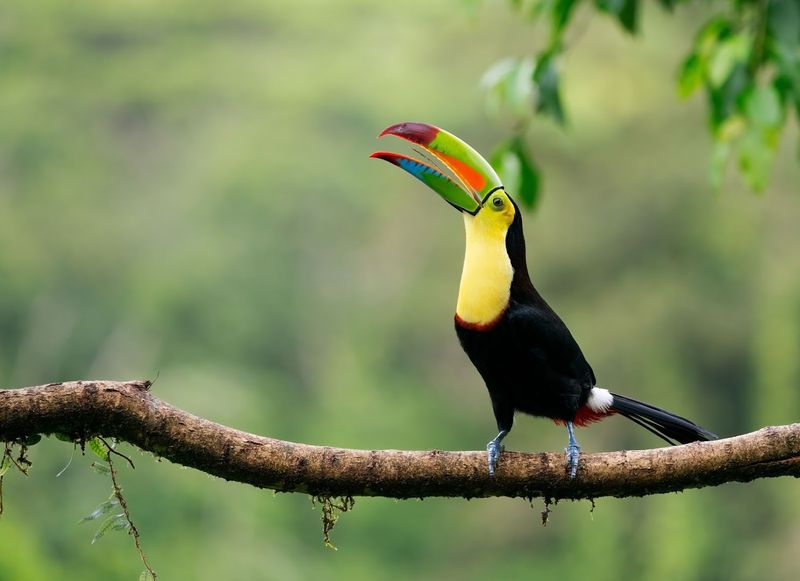
Sloths hang from trees along roadsides. Scarlet macaws screech overhead in pairs.
Resplendent quetzals glow like living jewels in the cloud forests of Monteverde. Poison dart frogs the size of your thumbnail sit on leaves looking dangerously stylish.
The sheer density of visible wildlife here is extraordinary.
The country protects around 25% of its land area through national parks and reserves, which is one of the highest ratios anywhere. Udawalawe National Parkon the Osa Peninsula is considered one of the most biodiverse places on Earth.
Costa Rica also offers exceptional sea turtle nesting beaches, whale watching, and marine reserves. For a country smaller than West Virginia, the wildlife credentials are genuinely staggering.
Brazil – The Pantanal Delivers Jaguars Like Nowhere Else
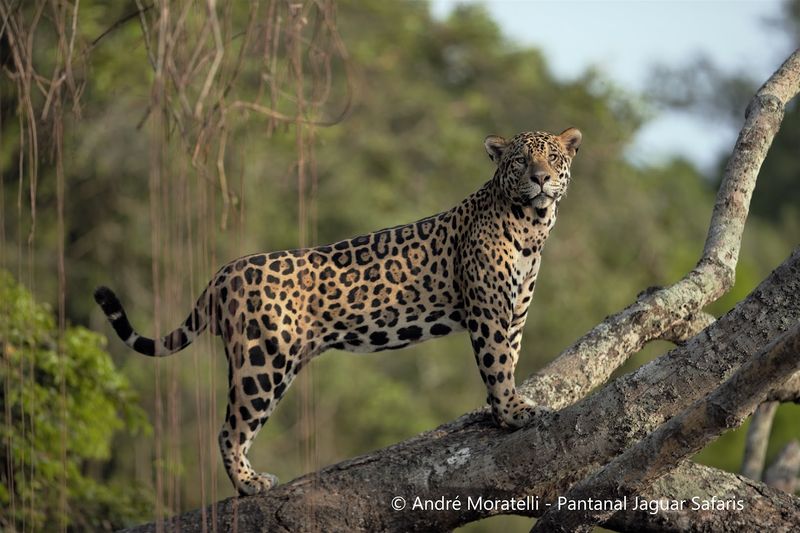
The Amazon gets all the press, but Brazil’s Pantanal is where serious wildlife watchers go for results. The world’s largest tropical wetland covers around 150,000 square kilometers across Brazil, Bolivia, and Paraguay, and it is absolutely loaded with wildlife.
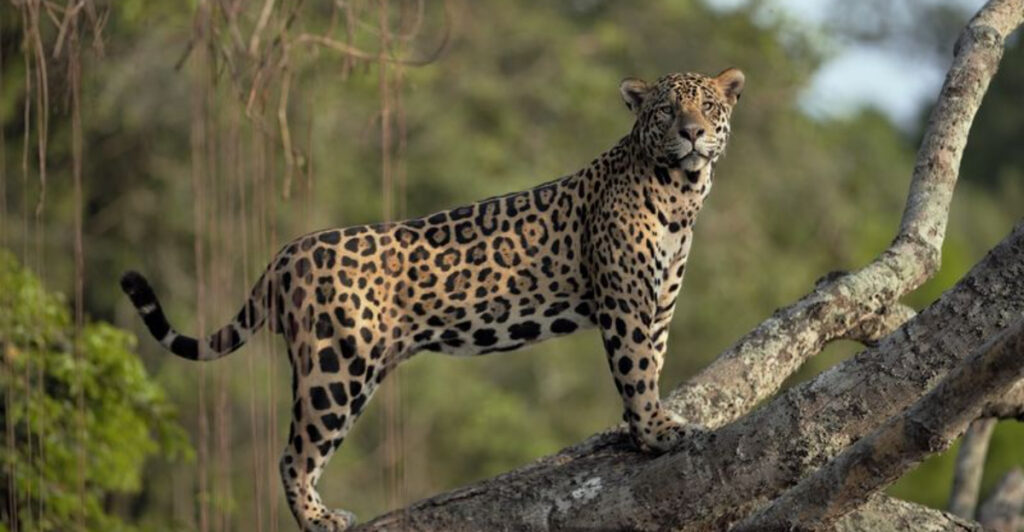
Jaguar sightings in the Pantanal are so reliable that operators now offer dedicated jaguar safaris along the Cuiaba River. These cats aren’t hiding.
They patrol riverbanks hunting caimans and capybaras in broad daylight with a confidence that suggests they’ve never once felt threatened in their lives.
Giant otters, giant anteaters, tapirs, hundreds of caiman species, and over 650 bird species including the hyacinth macaw round out the Pantanal’s extraordinary checklist. Unlike the dense Amazon canopy where animals hide frustratingly well, the Pantanal’s open wetlands make spotting dramatically easier.
UNESCO listed it as a World Heritage site for good reason. Brazil’s Pantanal is one of the most rewarding wildlife destinations on the planet.
Canada – Polar Bears in Churchill, Manitoba
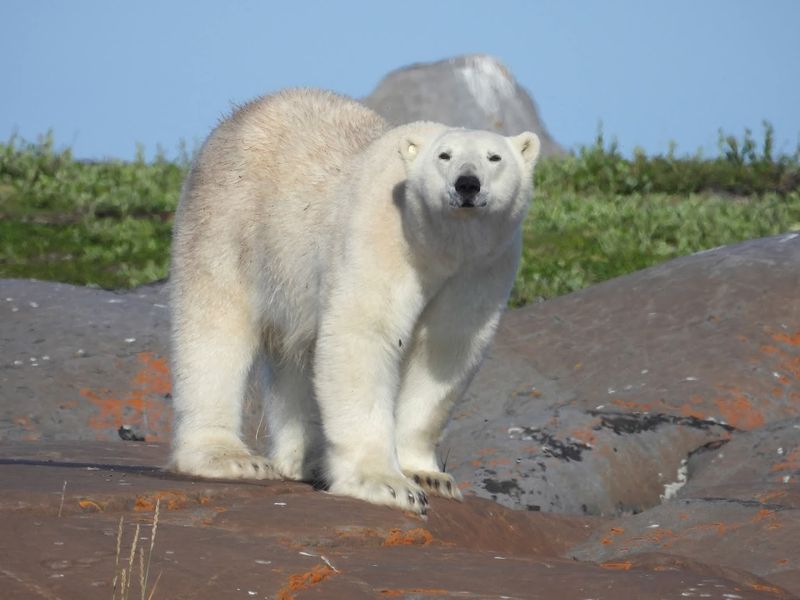
Every October and November, polar bears gather near Churchill, Manitoba, waiting for Hudson Bay to freeze so they can head out to hunt seals. Churchill is essentially the only place on Earth where you can reliably watch this happen from a safe and organized vantage point.
Specially designed tundra buggies roll out across the frozen landscape, putting you at eye level with bears that can weigh up to 700 kilograms. Young males often spar playfully near the vehicles.
Mothers with cubs appear along the coast. It’s cold, it’s remote, and it is absolutely spectacular.
Churchill also delivers beluga whales in summer, when thousands gather in the Churchill River estuary. In winter, the northern lights add an entirely different kind of drama to the sky above town.
Canada doesn’t shout about its wildlife credentials the way some destinations do, but Churchill alone earns it a permanent place on the world’s greatest wildlife experiences list.
Australia – Great Barrier Reef Marine Life in a World-Class Ecosystem
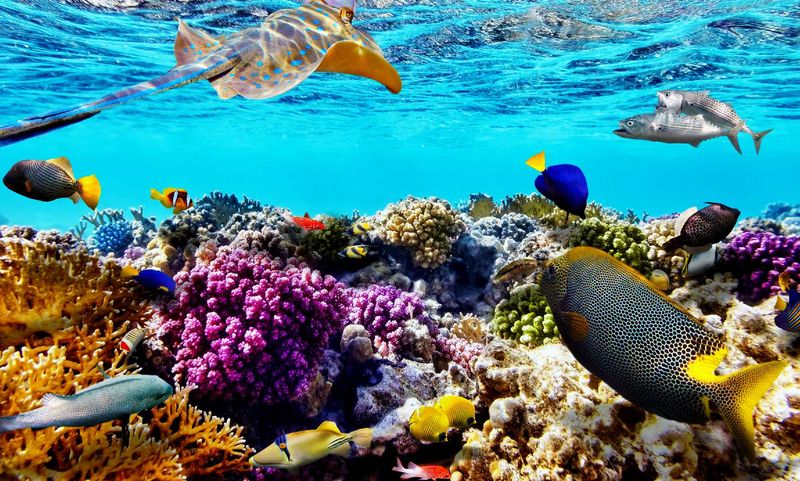
The Great Barrier Reef is the largest living structure on Earth, visible from space, and home to one of the most diverse marine ecosystems the planet has ever produced. Over 1,500 fish species, 4,000 mollusc species, 6 of the world’s 7 marine turtle species, and 30 species of whales and dolphins call it home.
Snorkeling or diving the reef is legitimately one of those experiences that resets your sense of scale. Reef sharks cruise past without drama.
Sea turtles glide by with ancient indifference. Giant clams sit open like slow-motion traps that never actually trap anything.
The reef faces serious pressure from climate change and bleaching events, making visits feel both wonderful and a little bittersweet. Conservation efforts are ongoing and significant.
Australia also offers incredible wildlife beyond the reef: the Kimberley coast, the Ningaloo Reef with whale sharks, and Tasmania’s wild interior all deserve serious attention from anyone who makes it this far.
Malaysia – Orangutans in Borneo’s Sepilok Sanctuary
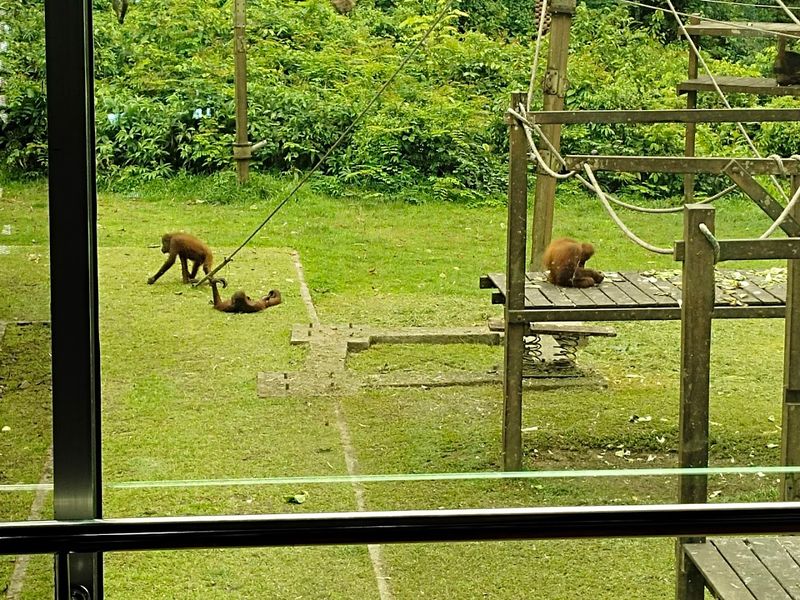
Watching an orangutan navigate a rainforest canopy is a masterclass in effortless athleticism. These animals share roughly 97% of their DNA with humans, and spending time near them at Sepilok makes that statistic feel very, very real.
Sepilok Orangutan Rehabilitation Centre in Sabah, Malaysian Borneo, rescues and rehabilitates orphaned orangutans before releasing them into the adjacent Kabili-Sepilok Forest Reserve. Twice-daily feeding platforms draw semi-wild individuals out of the trees, giving visitors close and genuinely moving encounters.
Borneo delivers far more than orangutans. Kinabatangan River wildlife cruises regularly produce proboscis monkeys, pygmy elephants, crocodiles, and hornbills in a single afternoon.
Danum Valley offers one of Southeast Asia’s best primary rainforest experiences, with clouded leopards, gibbons, and Bornean pygmy elephants roaming largely undisturbed. Malaysian Borneo is one of those destinations where the biodiversity is so dense and so accessible that even a short trip produces an embarrassingly long wildlife checklist.
Norway – Winter Whale Watching Around Tromsø
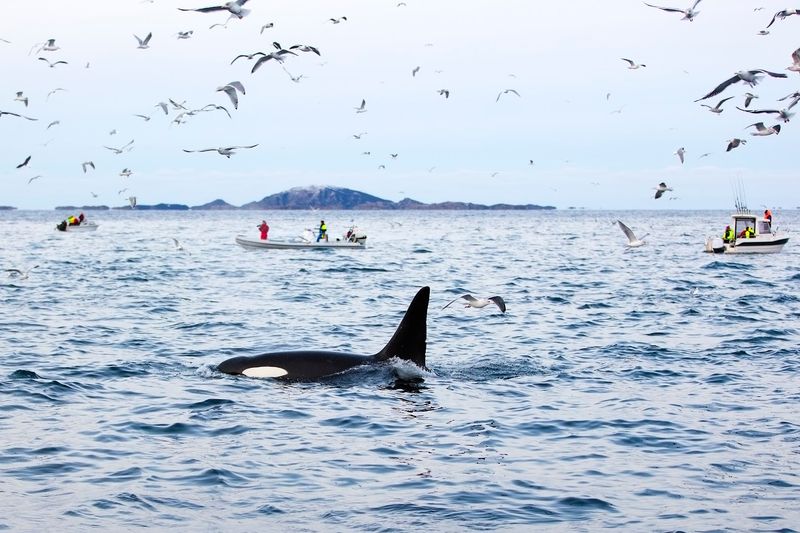
Most people associate Norway with fjords, Vikings, and extremely expensive sandwiches. Far fewer know that the waters around Tromsø host one of the most spectacular winter whale watching experiences on Earth.
From November through January, enormous schools of herring move into the fjords of northern Norway. Orcas and humpback whales follow them in, hunting cooperatively in scenes that look lifted directly from a BBC nature documentary.
Boat tours out of Tromsø put you in the middle of it.
Orca pods coordinate their hunting using a technique called carousel feeding, where they herd herring into tight balls near the surface. Watching a dozen orcas execute this maneuver while humpbacks lunge-feed nearby is the kind of thing that makes wildlife watchers genuinely emotional.
The northern lights frequently appear overhead during evening tours, because apparently Norway felt one extraordinary natural spectacle wasn’t quite enough. Tromsø is cold, dark, and one of the most thrilling wildlife destinations in the northern hemisphere.
Share this story