Some bands get criticized, mocked, or written off as “too commercial” or “not cool enough” by music snobs. But here’s the thing: the numbers, the awards, and the sold-out arenas don’t lie.
These 16 classic rock bands survived the criticism, kept playing, and ended up shaping music history in ways that still echo today. Critics talked, fans showed up anyway, and the rest is rock and roll history.
Eagles
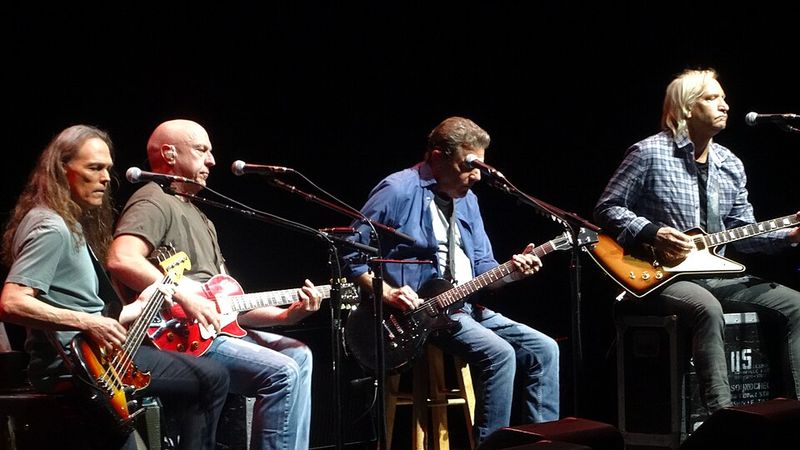
The most-sold album in U.S. history belongs to a band people love to call “dad rock.” Eagles’ Greatest Hits (1971-1975) has moved over 40 million certified units through the RIAA, beating out virtually every other record in American music history. That’s not a fluke.
That’s dominance.
Hotel California fatigue is real, sure. Play it at a party and watch someone groan.
But also watch everyone quietly sing every single word. The Eagles were polished, precise, and unapologetically radio-friendly, and audiences rewarded them for it in the biggest way possible.
Critics called them too slick. Fans called them their favorite band.
I remember my dad playing Desperado on repeat during road trips, and honestly, I get it now. Some music just sticks.
The Eagles didn’t chase trends. Trends tried to catch up with them, and most never did.
KISS
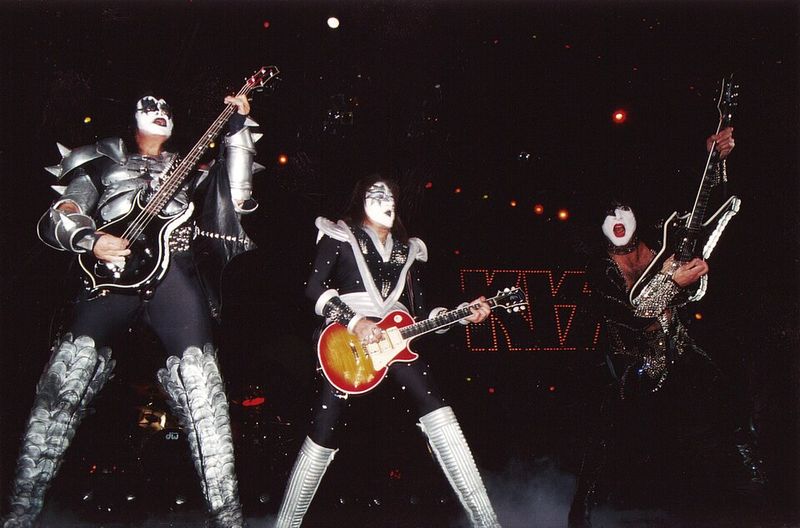
Nobody does spectacle like KISS, and nobody got more grief for it either. Critics spent decades calling them a gimmick, a marketing machine, a band more interested in lunchboxes than licks.
But in 2014, the Rock and Roll Hall of Fame said otherwise, and that building does not hand out plaques to gimmicks.
The makeup was the point. KISS understood that rock and roll was theater before most bands admitted it.
Gene Simmons breathing fire and Paul Stanley working a crowd of 80,000 people was not a distraction from the music. It was the whole package, delivered with maximum commitment.
Their merchandise empire is legendary, sure, but so is their catalog. Rock and Roll All Nite is not a jingle.
It’s a rallying cry that still fills stadiums. KISS proved that going big is not selling out.
Sometimes going big is exactly the right move.
Journey
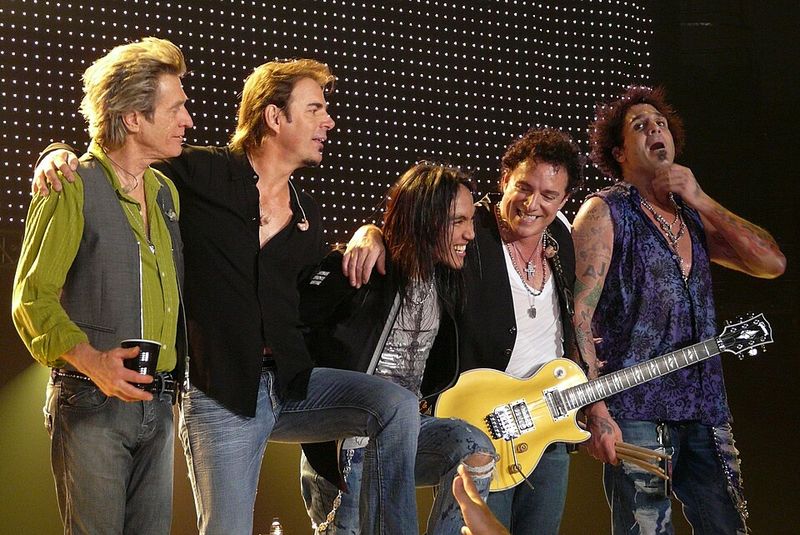
Don’t Stop Believin’ starts playing and suddenly every person in the room knows every word. That’s not an accident.
Journey built one of the most emotionally direct catalogs in rock history, and their Greatest Hits album is 18x Platinum according to RIAA certification, putting it in extremely rare company.
Yes, they are wedding-DJ approved. Yes, power ballads are their bread and butter.
But dismissing Journey because their music makes people feel things is a strange criticism. Connecting with listeners on a massive emotional level is actually the entire goal of making music.
Steve Perry’s voice remains one of the most recognizable in rock history. When I first heard Open Arms in my aunt’s car, I thought someone had turned on a movie soundtrack.
It felt cinematic. Journey earned their reputation honestly, one soaring chorus at a time, and 18 million certified albums prove the crowd agreed.
Rush
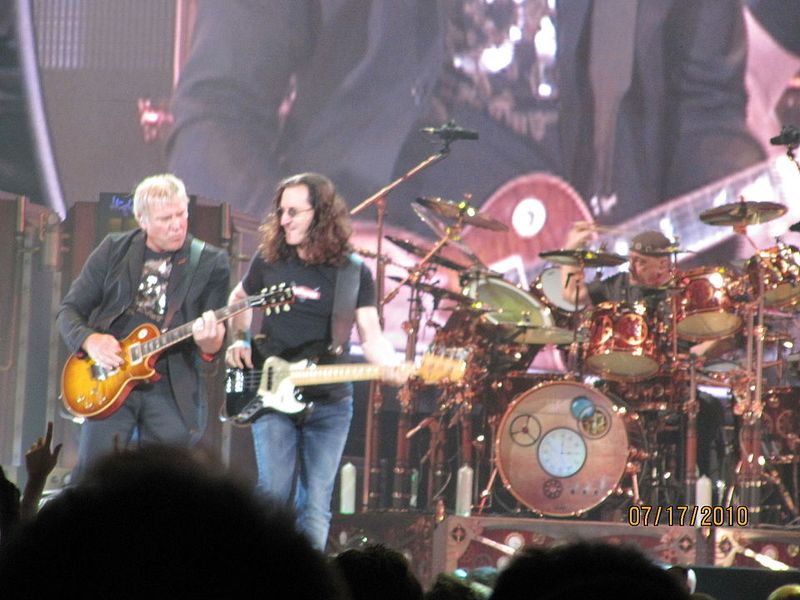
Three guys. More time signatures than most bands have songs.
Rush built a 40-year career on the radical idea that rock music could be technically brilliant and emotionally compelling at the same time. Critics called their fanbase a cult.
The Rock and Roll Hall of Fame called them inductees in 2013.
Prog rock is a hard sell. Odd meters, 20-minute epics, lyrics referencing Ayn Rand, these are not obvious crowd-pleasers.
But Rush made it work because the musicianship was genuinely jaw-dropping. Neil Peart is widely considered the greatest rock drummer who ever lived, and that is not a minority opinion.
I tried learning Tom Sawyer on drums once. I lasted about 11 minutes before accepting my limitations.
Rush demanded a lot from listeners, and listeners rose to meet them. That kind of mutual respect between a band and its audience is rare, and it built a legacy that no amount of snark could touch.
Styx
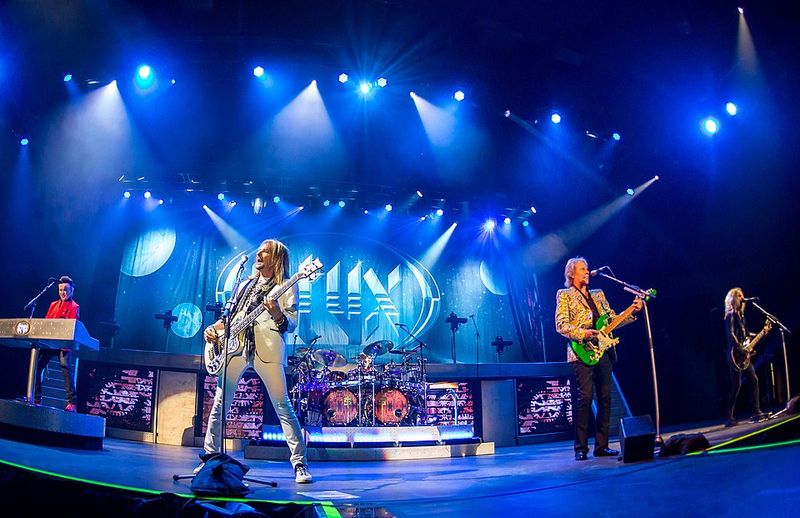
Styx caught heat for being too theatrical, too ambitious, too willing to put on a full concept-album experience when other bands were keeping it simple. But The Grand Illusion hit Triple Platinum and climbed to No. 6 on the Billboard 200.
Ambition, it turns out, has its rewards.
Tommy Shaw and Dennis DeYoung brought two completely different energies to the band, which created a creative tension that fueled some of the most interesting rock albums of the late 1970s and early 1980s. Come Sail Away alone is worth the price of admission.
That song builds like a freight train and pays off every single time.
The “uncool” label stuck to Styx for years, mostly because they cared openly about melody and drama when caring openly was not fashionable. But their fans never stopped showing up.
Triple Platinum does not happen by accident. Styx swung for the fences and connected more often than critics ever admitted.
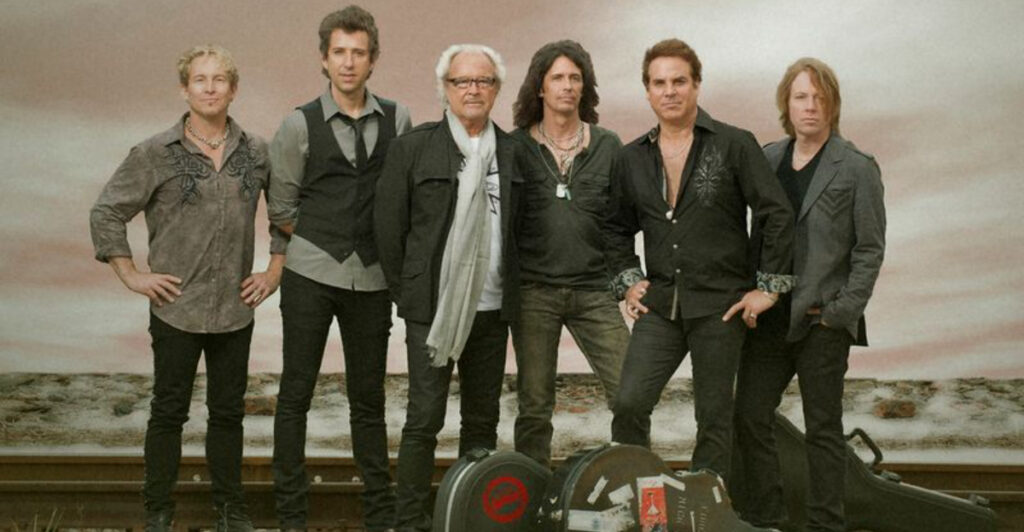
Foreigner
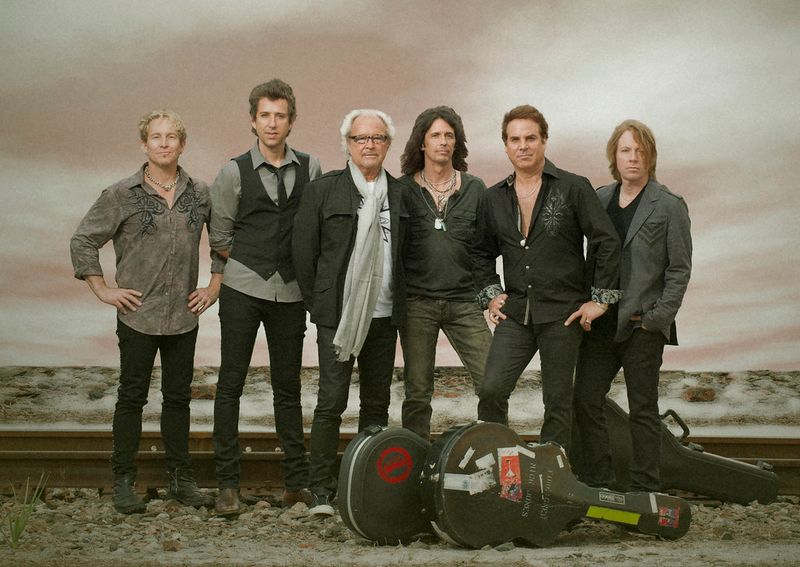
Foreigner got called a “made for FM” band like that was an insult. But FM radio in the late 1970s and 1980s was where millions of people discovered music they loved.
Designing songs that thrived in that space was not laziness. It was craft, and Foreigner were masters of it.
I Want to Know What Love Is is one of the most powerful ballads in rock history. Cold as Ice is a perfect pop-rock song.
Urgent has a saxophone solo that still sounds cool decades later. This is not a thin catalog.
This is a greatest-hits album that holds up on every single track.
In 2024, the Rock and Roll Hall of Fame finally made it official and inducted Foreigner. It took longer than it should have, honestly.
Their slick production was always a feature, not a bug, and the formal recognition from the Hall confirmed what fans already knew for years.
REO Speedwagon
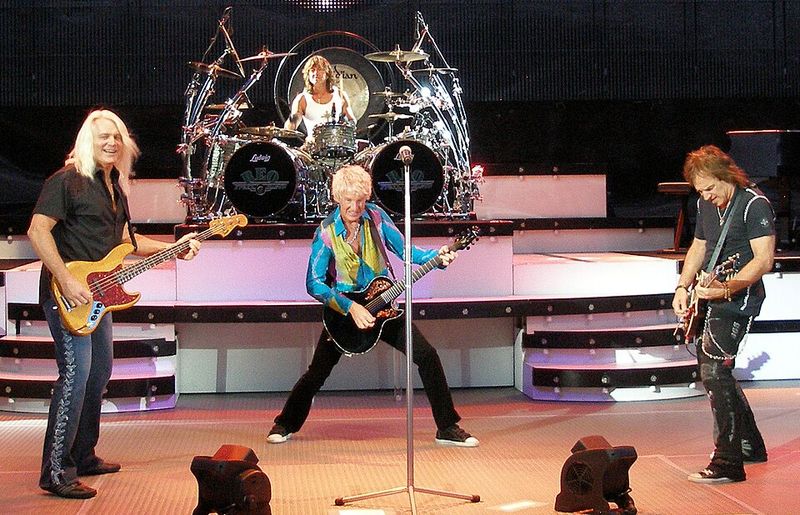
Hi Infidelity hit No. 1 on the Billboard 200 and eventually earned RIAA Diamond certification, meaning 10 million or more copies sold. That is an elite level of commercial success that very few rock albums ever reach.
REO Speedwagon did it with power ballads and sentimental lyrics, which apparently bothered some people enormously.
Keep on Loving You remains one of the most earnest songs ever recorded. There is zero irony in it.
Kevin Cronin meant every single word, and that sincerity is exactly why it connected with so many listeners. In a genre full of posturing, REO Speedwagon just told the truth and let the music do the rest.
The arena-rock sheen criticism always amused me. Yes, the production sounds big.
It was made for arenas. That’s where they played.
REO Speedwagon earned their Diamond status the old-fashioned way: relentless touring, honest songwriting, and a fanbase that never wavered even when critics turned up their noses.
Bon Jovi
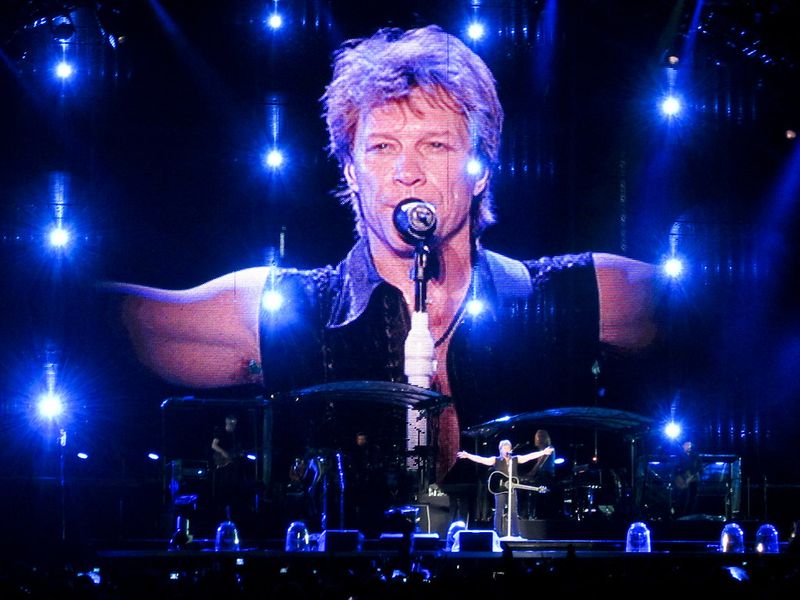
Big hair, bigger choruses, and the kind of anthems that turn strangers into a unified crowd of 60,000 people all screaming the same words. Bon Jovi built a career on exactly that formula, and in 2018, the Rock and Roll Hall of Fame recognized the cultural footprint they left behind.
Livin’ on a Prayer is practically a cultural institution at this point. It shows up at sporting events, weddings, karaoke bars, and road trips with equal effectiveness.
Jon Bon Jovi had a gift for writing songs that felt personal and massive at the same time, which is genuinely difficult to pull off.
The big-hair mockery never slowed them down. Slippery When Wet sold over 12 million copies in the U.S. alone.
That’s not a band coasting on image. That’s a band that understood its audience deeply and delivered what they needed.
Rock Hall membership is just the official paperwork on a legacy that was already sealed.
Queen
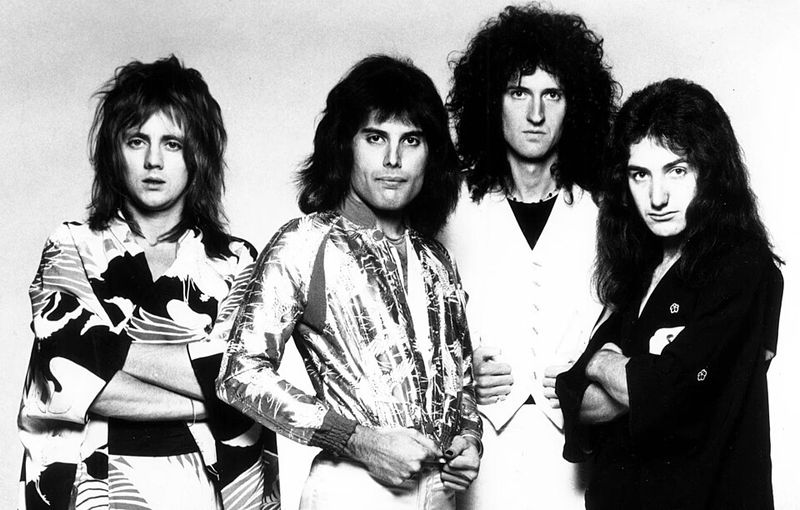
Queen is technically overexposed. Bohemian Rhapsody has been in commercials, movies, memes, and every karaoke list since 1975.
And yet, every time that song comes on, people stop what they are doing. That is not overexposure.
That is staying power, and it’s exactly why the Rock Hall inducted them in 2001.
Freddie Mercury was one of the most gifted performers in the history of live music. Full stop.
The 1985 Live Aid performance is still studied by musicians and performers as a masterclass in how to own a stage. Queen’s theatricality was not excess.
It was excellence delivered with maximum confidence.
Their catalog spans glam, opera, hard rock, disco, and stadium anthems, sometimes within the same album. That range should earn respect, not eye rolls.
Queen never repeated themselves because they never ran out of ideas. Being “overexposed” just means millions of people kept choosing to listen, which sounds like winning to me.
Aerosmith
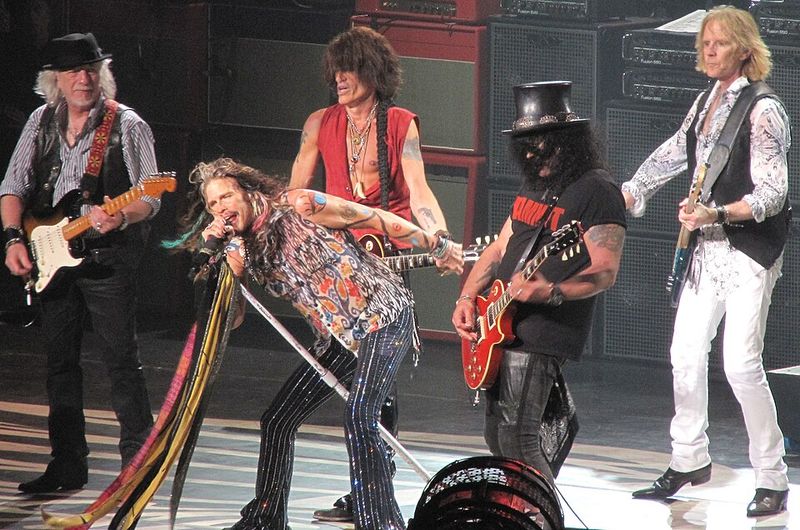
Aerosmith has been declared finished so many times it’s almost a running joke. Drug years, breakup years, comeback years, reunion years, comeback-from-the-comeback years.
And yet they kept releasing records people bought and selling out arenas people filled. The Rock Hall made it official in 2001.
Steven Tyler is one of rock’s great frontmen, full stop. His voice survived things that would have ended most careers, and he came back from those rough patches sounding like himself.
That kind of resilience is not luck. It’s a combination of raw talent and stubborn refusal to quit.
Dream On, Walk This Way, Crazy, Janie’s Got a Gun, the list of Aerosmith hits that belong in any serious rock conversation is genuinely long. Their “uneven eras” criticism is fair but incomplete.
Every era produced something worth hearing. Bands that last 50 years are not accidents.
They are built from something real, and Aerosmith had it from the start.
The Beatles
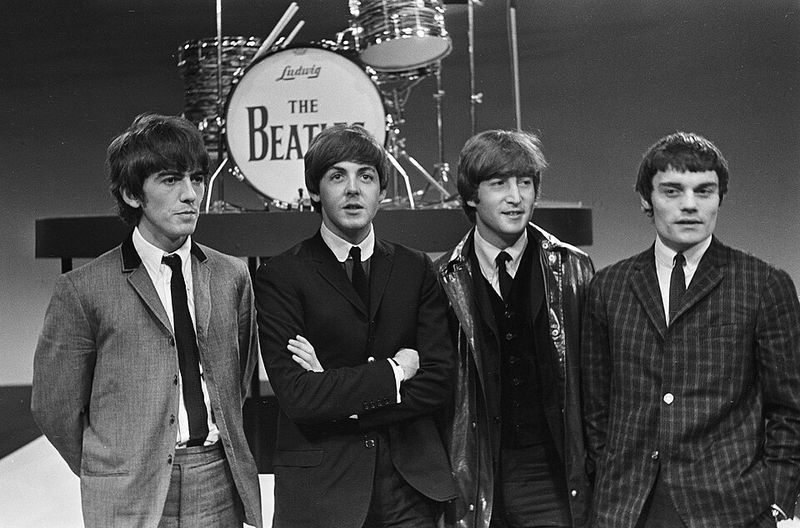
Calling The Beatles overrated has become its own genre of music criticism. It’s the contrarian’s greatest hit, played by people who want to seem more sophisticated than the consensus.
But the Rock Hall inducted them in 1988, the first year they were eligible, because some legacies are simply not debatable.
The Beatles changed what popular music could be. They moved from three-chord love songs to studio experiments that still sound forward-thinking today.
Sgt. Pepper’s Lonely Hearts Club Band redefined what an album was supposed to do.
That kind of creative leap doesn’t happen by accident or marketing.
Every genre of modern popular music has Beatles DNA somewhere in it. Rock, pop, psychedelia, folk-rock, even hip-hop producers sample their catalog.
Criticizing The Beatles for being “the default greatest” is like criticizing gravity for being too reliable. Their foundational influence is not hype.
It’s the documented history of how music evolved, and they are at the center of it.
The Doors
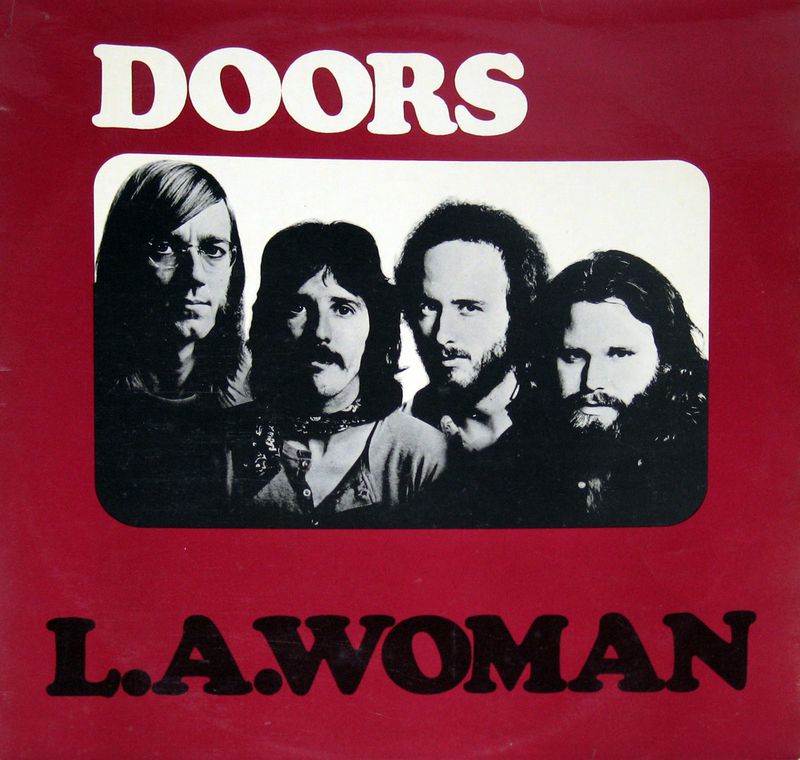
Jim Morrison is one of the most mythologized figures in rock history, which is exactly why The Doors attract so much eye-rolling. The leather pants, the spoken-word poetry, the brooding intensity.
Critics call it self-serious. Fans call it visionary.
The Rock Hall inducted them in 1993 and didn’t seem too worried about the debate.
What often gets lost in the Morrison mythology is how genuinely strange and original The Doors sounded. Ray Manzarek’s keyboard basslines replaced a traditional bass player entirely.
Light My Fire has a jazz-influenced organ solo that still sounds unlike anything else in rock. These were not conventional choices.
Morrison’s frontman template, the poet-as-rock-star archetype, influenced artists from Patti Smith to Jim Morrison tribute bands that still fill mid-sized venues today. The Doors pushed rock toward something more literary and unpredictable.
Whether you find that thrilling or pretentious probably says more about you than it does about them.
Grateful Dead
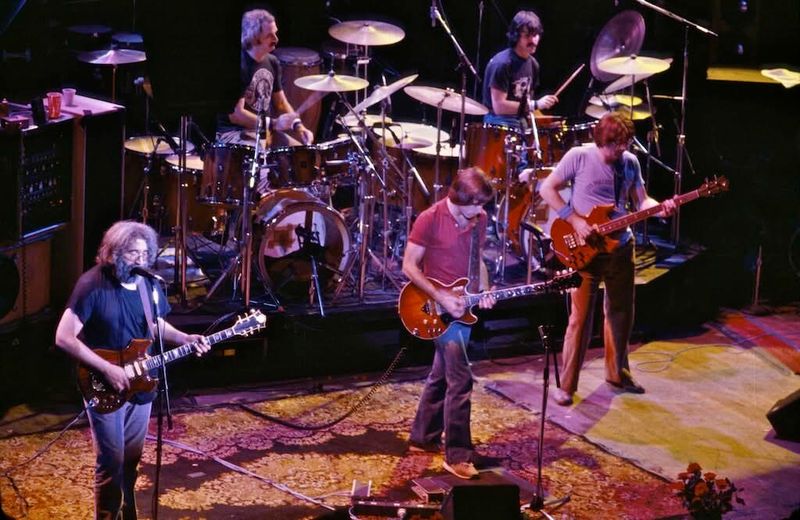
A Grateful Dead show could last four hours and cover songs you had never heard before and would never hear performed exactly that way again. That was the whole point.
Critics outside the fanbase called it self-indulgent. The Rock Hall called it worthy of induction in 1994, and the broader culture has since caught up entirely.
The Dead invented a live-music ecosystem before the term existed. They allowed fans to tape their shows, which created a trading culture that built community across decades.
That decision alone was radical and generous in ways the music industry still hasn’t fully processed.
Jerry Garcia’s guitar playing was fluid, melodic, and completely unrushed. He played like he had all the time in the world because, during a Dead show, he basically did.
Their influence on jam bands, festival culture, and the entire concept of music as shared communal experience is enormous. You don’t have to love four-hour concerts to respect what they built.
Guns N’ Roses
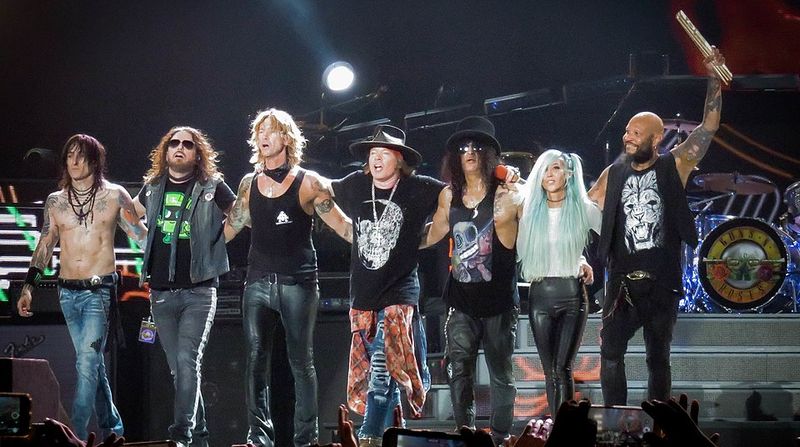
Guns N’ Roses were a mess, and they were magnificent because of it. Band drama, legendary lateness, public feuds, and an ego collision so spectacular it became its own tabloid genre.
The Rock Hall inducted them in 2012 anyway, because the music was simply too important to leave out.
Appetite for Destruction is one of the best debut albums in rock history. Welcome to the Jungle, Sweet Child O’ Mine, Paradise City, all on the same record.
That’s an absurd concentration of classic songs for a first album. Slash’s guitar tone on that record became the blueprint for an entire generation of hard rock players.
The chaos was real, but so was the talent. Axl Rose had a vocal range that covered multiple octaves and a stage presence that was genuinely unpredictable in the best possible way.
GNR reminded rock that danger and vulnerability could coexist in the same band, and that tension produced something unforgettable.
Van Halen
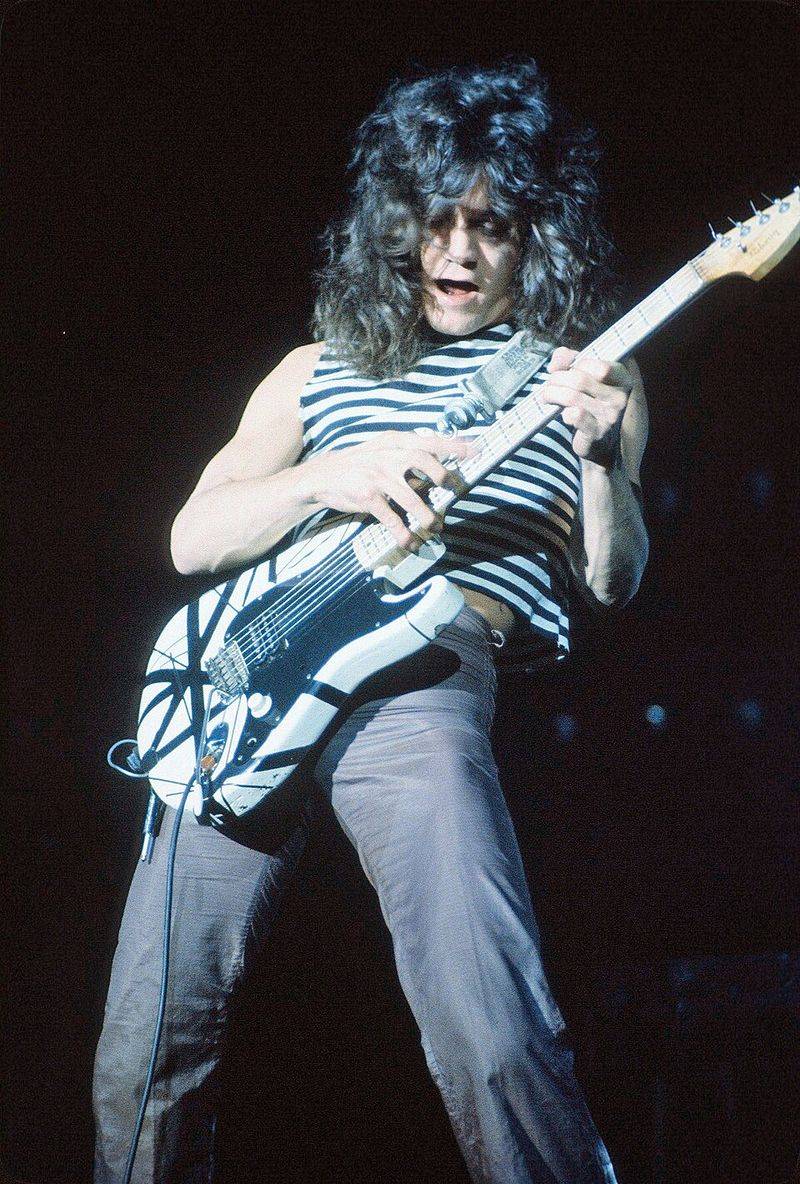
Eddie Van Halen changed guitar playing the way Einstein changed physics. That sounds like an overstatement until you realize that virtually every hard rock guitarist who picked up an instrument after 1978 was trying to figure out what Eddie just did.
The Rock Hall recognized the class of 2007, and that class had Van Halen in it.
The “too flashy” criticism always missed the point. Eddie wasn’t showing off for the sake of it.
He was genuinely discovering new things the guitar could do, and sharing those discoveries in real time with millions of fans. Eruption is not a party trick.
It’s a technical revolution compressed into under two minutes.
David Lee Roth’s showmanship paired with Eddie’s genius created a band that was both musically serious and outrageously fun. That combination is harder to pull off than it looks.
Van Halen inspired so many copycat bands that the copies became their own genre, which is the sincerest possible form of flattery.
Def Leppard
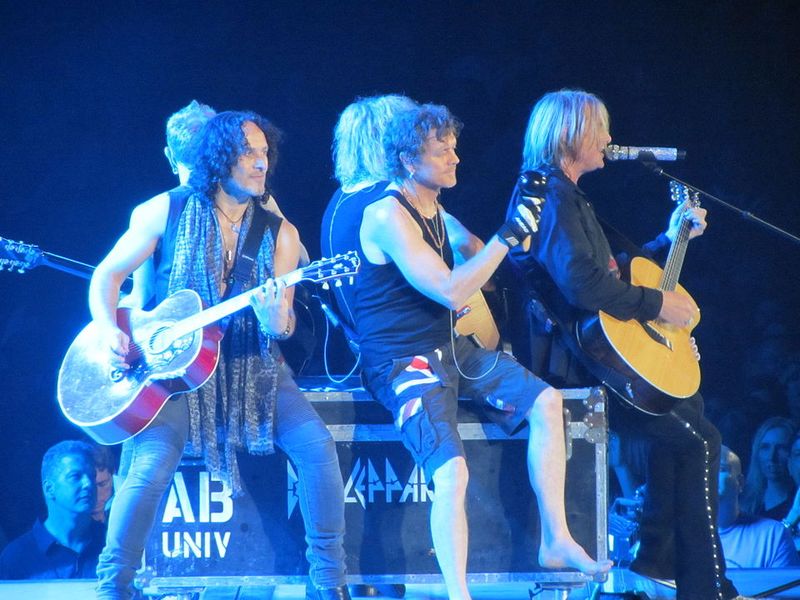
Def Leppard spent years being told their production was too glossy and their choruses too big. Hysteria sold over 25 million copies worldwide and spawned seven singles.
Seven. From one album.
The Rock Hall inducted them in 2019 because at some point the numbers become impossible to argue with.
Rick Allen lost his arm in a car accident in 1984 and came back to drum for one of the biggest rock albums ever made. That story alone deserves respect.
He worked with engineers to design a custom kit and retaught himself to play. Def Leppard didn’t replace him.
They waited and rebuilt around him.
The “not heavy enough” complaint is a genre-policing argument that never had much logic behind it. Pour Some Sugar on Me is a rock anthem that has outlasted every critic who dismissed it.
Def Leppard understood melody, hooks, and the joy of a song that makes a crowd lose its mind. That’s not a flaw.
That’s the whole job.
Share this story