Some beach towns keep the boardwalk bright with souvenir chains, but a handful chose a different tide. These coastal holdouts protected quirky storefronts, hand-lettered signs, and the kind of shopkeepers who remember your name and your dog.
You will spot strict design rules, locals-only markets, and a quiet pride in staying independent without turning unfriendly. Ready to stroll streets where big retail missed the boat and the shore still feels local.
1. Carmel-by-the-Sea, California
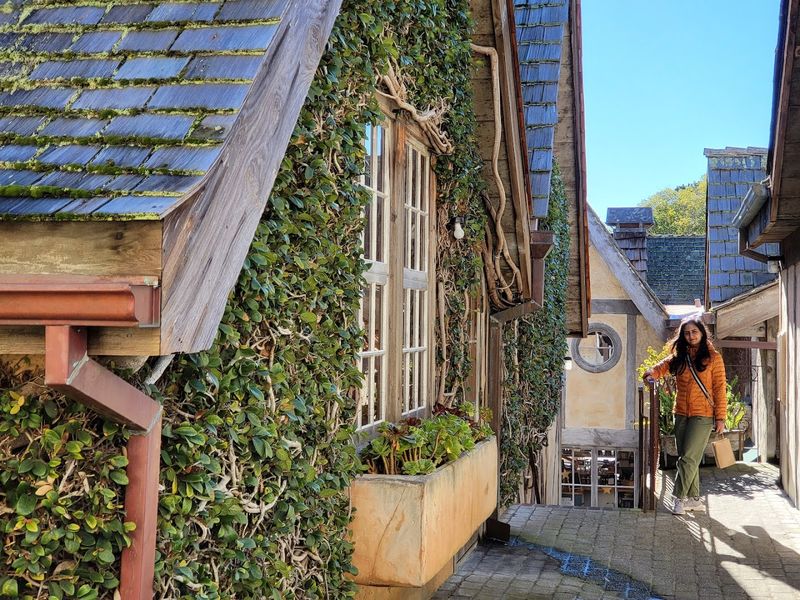
Fairy-tale rooftops and hand-painted signs set the tone before any price tag does. Carmel-by-the-Sea famously regulates formula retail, limits loud signage, and favors cottage architecture that keeps the streets whimsical and walkable.
Local bakeries and bookstores thrive because the town caps chain-style footprints and requires design review. You wander alleyways that feel secret, then land in courtyards where jewelry makers solder silver while you sip a perfect espresso.
Parking is simple enough, but leave time for the passageways that stitch blocks together like ribbons. The absence of neon and standardized branding makes window browsing slower in the best way.
Menus lean seasonal, galleries rotate coastal landscapes, and even banks tuck behind subdued facades. You get the sense that residents voted for character every time a permit came across the desk.
Shoppers come for ceramics and stay for the conversations at the counter. Ask about dog-friendly patios and you will hear tips only locals know.
The result is not a museum town, but a living one where creativity pays rent. You feel welcomed as a participant, not a data point.
Bring walking shoes, curiosity, and a willingness to slow your pace. Carmel rewards attention with details built one brushstroke at a time.
2. Port Townsend, Washington
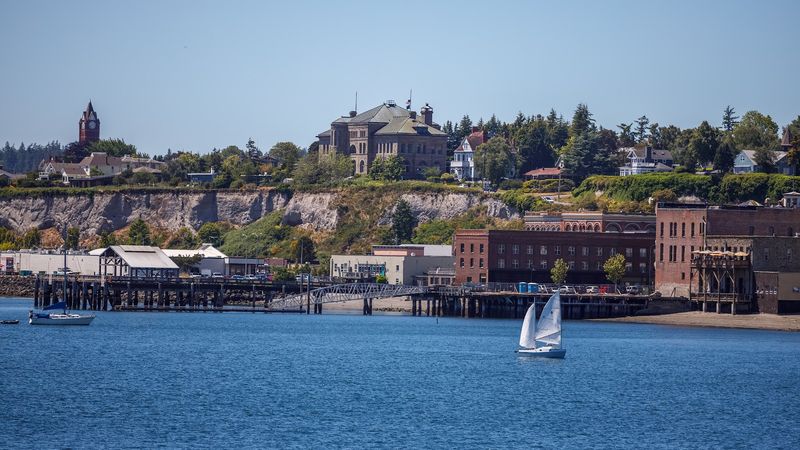
Steam whistles and Victorian cornices frame a main street that resists sameness. Port Townsend leans on preservation laws and a self-assured indie streak to keep national chains at arm’s length.
Inside restored brick buildings, makers hammer metal, bind books, and roast coffee in small lots. Zoning helps, but so does a culture that backs town meetings and shows up for neighbors who launch new shops.
The waterfront sets the tempo as ferries come and go. You watch gulls draft over sail masts while buskers trade tunes with the breeze.
Anchored history does not make it dusty. Pop-up markets fill alleys, and restaurants plate local shellfish with an eye for simple excellence.
Every window tells a story, sometimes literally with handwritten notes about sourcing. You find maps to hiking trails taped beside business hours.
Chain logos would look out of place against these orphaned chimneys and iron balconies. The town knows it and guards the streetscape accordingly.
Visitors get practical perks too, like human help at the hardware store and a cinema that chooses clever lineups. Little redundancies become features, not flaws.
3. Ogunquit, Maine
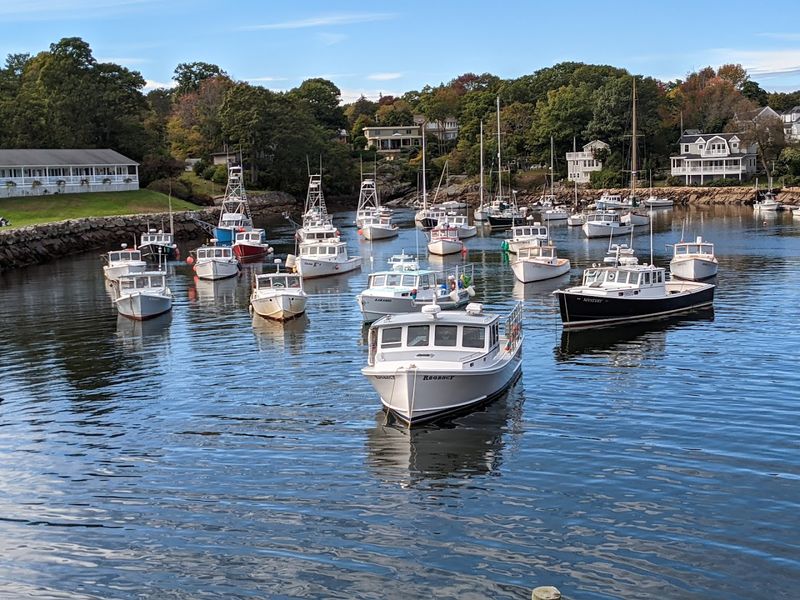
Sea air and shingled storefronts make a promise here, and the town keeps it. Ogunquit favors small-scale development, steering clear of big-box heft so the shoreline and village lanes stay intimate.
The Marginal Way curls beside coves where locals recommend tide pools by name. You pop into galleries that champion regional painters, then grab fresh donuts sold by someone who knows tomorrow’s weather without checking a screen.
Strict coastal zoning leans conservative on height and footprint. That policy echoes in quieter nights, easier parking lines, and businesses that open because neighbors asked, not because a spreadsheet did.
Board signs are modest, fonts calm, and windows dressed with lighthouse miniatures. Even the ice cream queue feels neighborly, not churned by national marketing.
Artists talk about winter light while curators share event calendars printed on thick stock. You collect recommendations faster than you can try them.
Walk the beach early and watch gull shadows flicker across damp sand. Surf schools set up minimal rigs that blend into the horizon.
Without standardized storefronts, the town breathes at human scale. You notice garden scents, porch conversations, and the way the tide sets everyone’s schedule.
Plan for a slow roll between coves, shops, and chowder bowls. Ogunquit invites you to keep your bearings simple and your expectations grounded.
4. Cape May, New Jersey
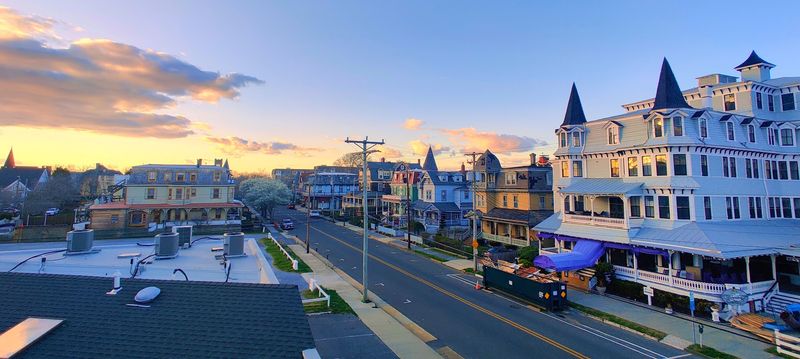
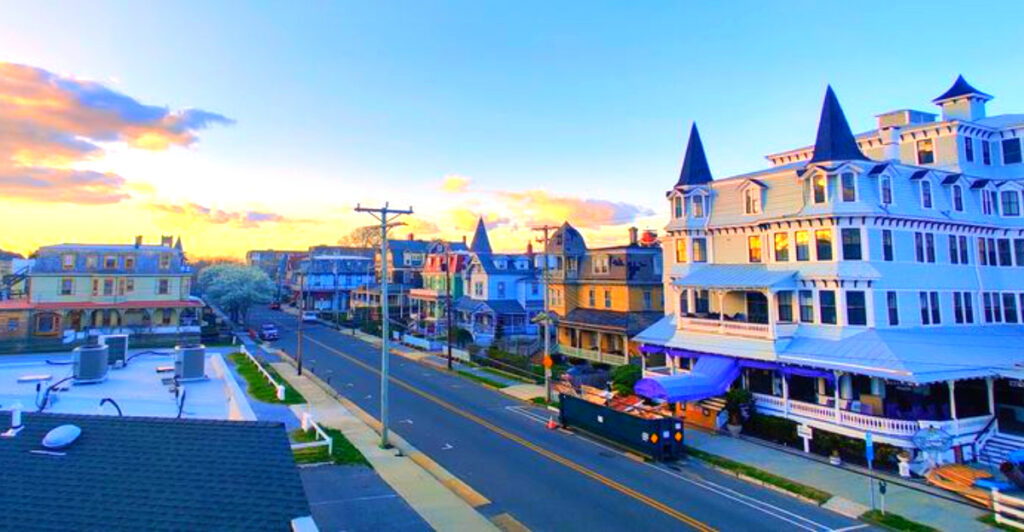
Gingerbread trim and careful paint palettes do more than look pretty here. Cape May’s historic rules guard facades and frontage, making chain rollouts tough and protecting a walkable rhythm.
Shops fit into Victorian footprints with porches that double as social hubs. Owners greet you over wicker railings, and merchandise leans handmade, regional, and delightfully specific.
Design commissions watch color choices and signage with practiced eyes. The result is a town that photographs well because it plans well.
Menus trust fresh seafood and seasonal produce without overcomplication. You notice details like real wood doors and windows that open to salt air.
Chain presence remains minimal in the core, a policy backed by civic pride and pragmatic economics. Local festivals keep shoulder seasons lively so small businesses can breathe year-round.
Pack sandals for the promenade and time for backstreets where azaleas crowd the path. Cape May rewards curiosity and respects scale in equal measure.
5. Provincetown, Massachusetts
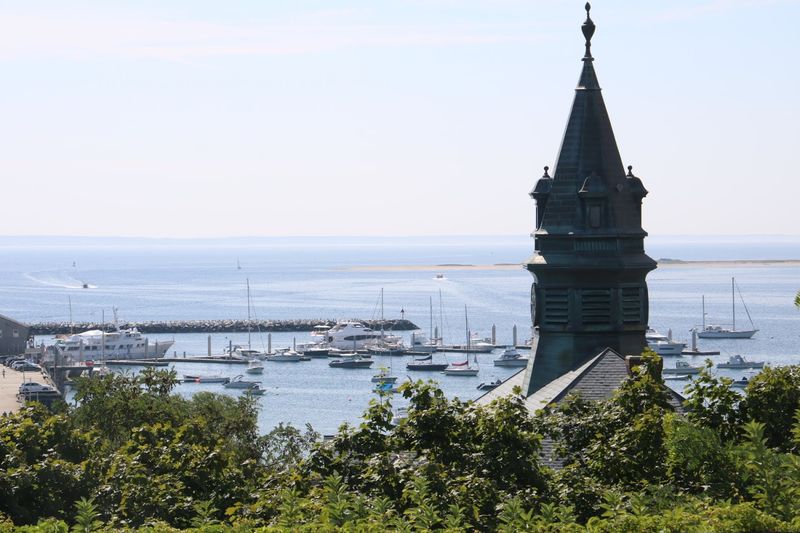
Color bursts first, then the breeze carries laughter across Commercial Street. Provincetown guards its freewheeling spirit with zoning that keeps corporate sameness from flattening the edges.
Independent galleries champion bold work while tiny bakeries sell pastries still warm. You hear snippets of theater talk on one corner and whale tales on the next.
Buildings keep to modest scales that suit the narrow spine of the downtown. Signage stays low-key, letting window displays and street energy do the pull.
Local drag shows, small stages, and community events form an all-day soundtrack. Chain rollouts would trip over that choreography, so they rarely get far.
The harbor glints with ferries and fishing boats that share practical space. Side streets hide guesthouses with clapboard calm and blooming planters.
Every block changes tempo without losing its thread. A bookstore might sit beside a bead shop, then a cafe with poetry on the chalkboard.
Visitors contribute by supporting local craft markets and tip jars that fund future acts. It feels mutual and immediate, not processed.
Stay flexible, walk often, and follow your ears as much as your map. Provincetown prefers curiosity over conformity, and you will feel the difference.
6. Laguna Beach, California

Art leads, and everything else keeps pace. Laguna Beach requires special permits for formula retail, so national players tread lightly and locals take the stage.
Galleries spill sculpture into courtyards while murals stack color on stucco. Sidewalks stay lively with festivals that bring collectors, surfers, and curious strollers together.
Permitting nudges storefronts to fit the town’s human scale. Signs stay modest, windows tell the story, and impulse detours happen block by block.
Cafes roast quietly behind tiled counters and boutique grocers champion valley farms. You can trace ingredients back to first names instead of supplier codes.
Beaches punctuate the day with tide clocks and golden pockets of sand. Stairs lead to hidden coves where your shoes collect a touch of salt.
Parking takes patience, but walking adds discoveries. A ceramics studio fires late and leaves a door cracked for warm air to drift out.
While a few recognizable names exist, they do not set the tone. The mood belongs to artists, teachers, and families who vote with their feet.
Bring an open schedule and a light bag for finds you did not plan. Laguna rewards aimless browsing with something you will actually use.
7. Santa Barbara, California
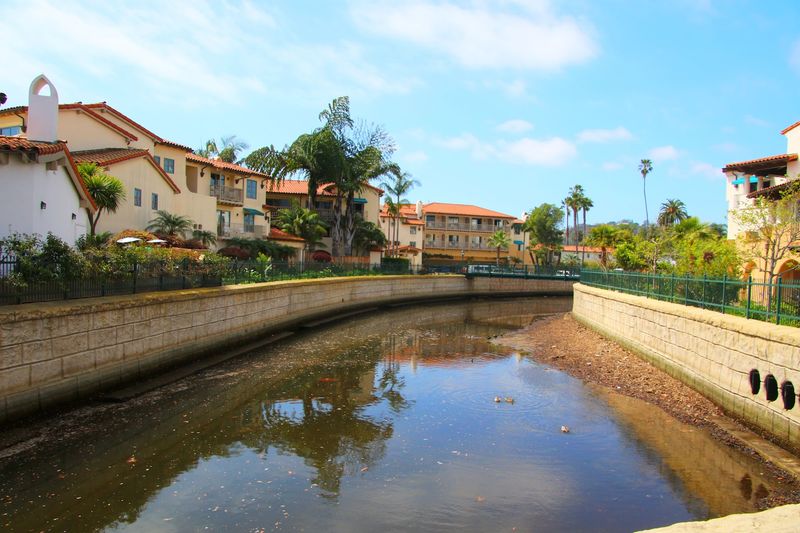
White stucco and red tile do more than match postcards. Santa Barbara enforces design review and formula retail oversight that keep downtown graceful and scaled to strolling.
Arcades shade boutiques where handwritten labels outnumber barcodes. Courtyards open like secret rooms with fountains and citrus trees.
Regulations ask chains to adapt or pass, and many pass. The survivors fit in quietly, leaving space for local operators to grow.
State Street moves with foot traffic that prefers window peeking to rushing. Street performers set a gentle tempo instead of blasting noise.
Menus highlight coastal farms and market catches without bragging. You taste clarity in simple plates and notice how well the spaces breathe.
Bike lanes, paseos, and view corridors keep sea breeze circulating. It feels like a town built for people first and logos second.
Shoppers find leatherwork, stationery, and sun hats stitched nearby. Conversations stretch across counters because no one is running a national script.
Time your visit for dusk when adobe edges glow. Santa Barbara practices restraint and the experience pays you back in calm.
8. Bar Harbor, Maine
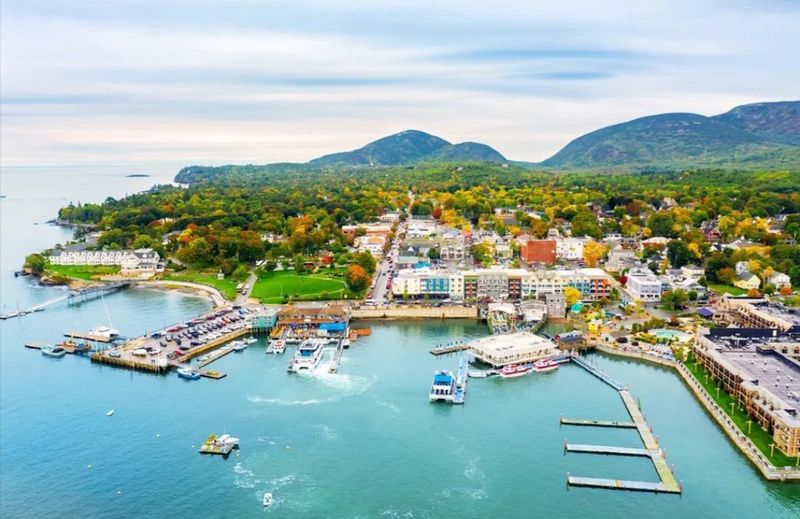
Harbor bells and spruce-scented air pair well with storefronts that still feel personal. Bar Harbor manages growth with design standards that tip the scales toward small, local operators.
Acadia’s proximity keeps traffic steady, yet big chains rarely dominate downtown. You meet outfitters who hike before opening and bakers who plan around park sunrises.
Historic buildings wear honest materials, and signage stays proportionate. Nothing shouts, which lets the ocean do the talking.
Shops sell maps, trail snacks, and wool layers without drowning you in options. Staff recommend routes that match your energy and the day’s weather.
Cafes trade in calm mornings with blueberry scents and real mugs. Conversations cover tides, trail conditions, and the latest ferry schedule.
By evening, the streets glow softly and the harbor mirrors the sky. Chain encroachment would jar against that texture, and locals know it.
Festivals and shoulder-season events spread demand so small businesses last. That rhythm preserves storefront variety when the leaves fall.
Plan early, walk often, and keep your eyes open for side porches hosting pop-up art. Bar Harbor keeps the scale right and the welcome warm.
9. Seaside, Florida
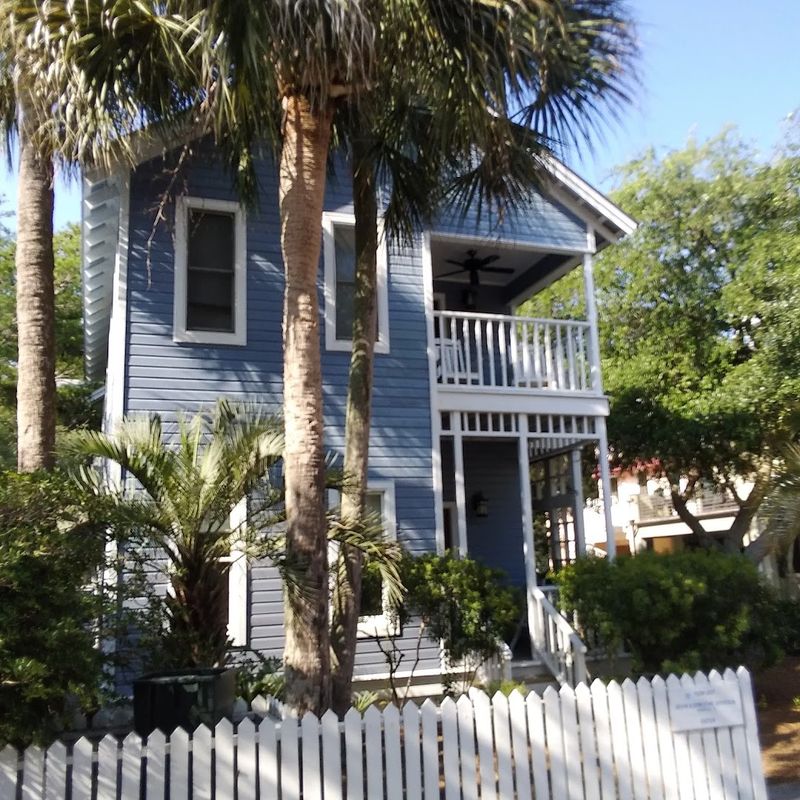
Pastel cottages and tidy sidewalks show the blueprint in real life. Seaside’s master plan prioritizes walkability and tight architectural control, which naturally narrows the door for big retail.
Shops cluster around a central square where food stands and markets lean local. You can bike from porch to bookstore in minutes without touching a highway.
Design codes keep signage restrained and facades aligned. A kiosk selling postcards feels as considered as a rooftop terrace.
The beach frames every errand with a stripe of bright water. Families drift between shade pavilions and toy stores that stock beach buckets instead of aggressive branding.
Chain presence stays low by intent and by scale. Spaces are small, expectations human, and prices surprisingly varied.
Evenings invite front-porch talks and outdoor movies. You hear crickets mixing with the hush of waves instead of advertising loops.
It feels planned yet relaxed, with rules that serve people rather than vanity. You sense how decisions protect quiet moments that become your best memories.
Pack a bike lock, sunscreen, and time to browse slowly. Seaside keeps commercial noise turned down so conversation can rise.
10. Cannon Beach, Oregon
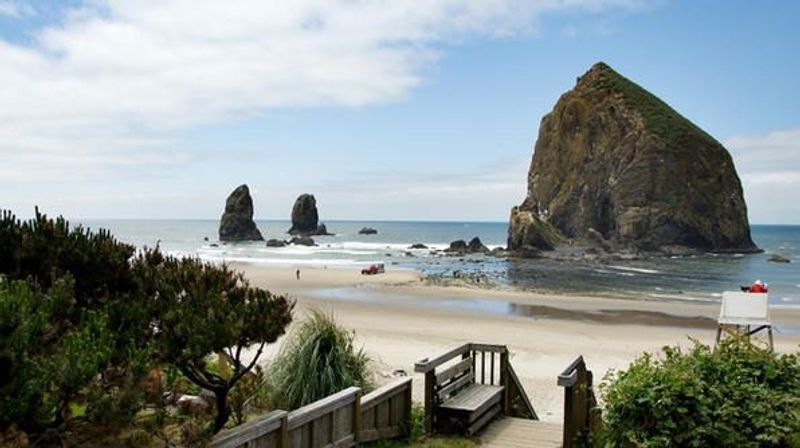
Haystack Rock steals your gaze, but the shingled storefronts finish the charm. Cannon Beach’s zoning and community pushback make big-box development a nonstarter.
Small inns, galleries, and family-run cafes fit the pace of foot traffic. You can hear surf under conversations on nearly every corner.
Streets stay low-rise and softened by evergreens. Signage favors wood, not plastic, and colors read like driftwood and sea glass.
Artists paint in front windows while hikers trade trail notes near pastry cases. Inventory reflects seasons and tide charts, not corporate drops.
Parking can test patience mid-summer, but walking rewards you with courtyard finds. Benches offer windbreaks and quick views of changing skies.
The absence of loud chains lets quiet details stand out. Even souvenir shops show restraint and local wit.
Events like sand sculpture days knit visitors to residents. Those ties become the real defense against generic retail creep.
Bring layers, a camera, and room in your bag for a small print. Cannon Beach proves that scale is a virtue you can feel.
11. Avalon, California (Catalina Island)
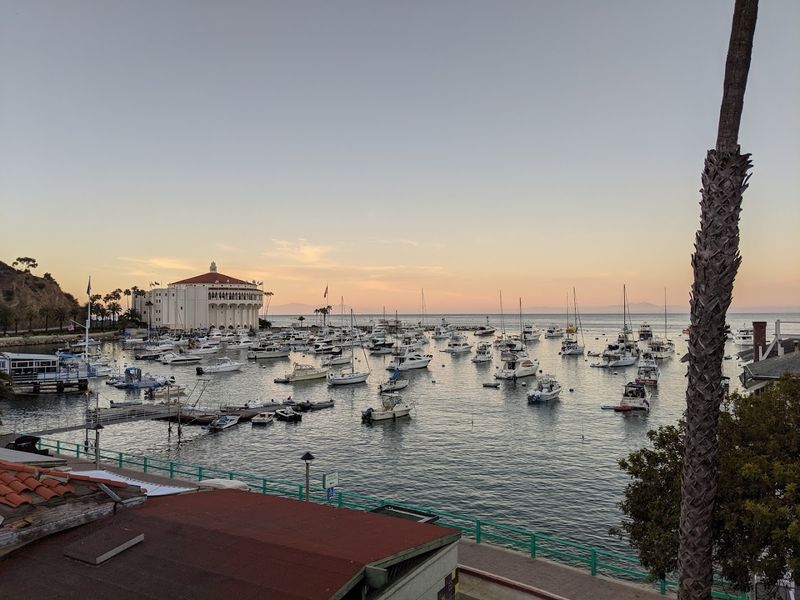
Crystal bay water and a crescent harbor give Avalon a natural filter. Geographic isolation and tight zoning quietly screen out large chains before papers even shuffle.
Waterfront shops stock island-made soaps, dive gear, and simple beachwear. You chat with clerks who moonlight as guides and know exactly when the dolphins cruise by.
Buildings hug the curve of the bay with cheerful awnings. Signs stay compact, as if measured against the line where ocean meets sky.
Ferries deliver day-trippers who scatter to kayaking, glass-bottom boats, and short hikes. That flow supports lots of tiny ventures rather than a few behemoths.
Evenings glow along the promenade with soft music and steady footsteps. The Catalina Casino watches quietly over it all, more icon than venue.
Chain franchises would struggle with freight, space, and the town’s patience. Locals simply prefer businesses that answer to neighbors.
You notice helpful touches like rental lockers near piers and honest advice about conditions. Service feels like teamwork under sun hats.
Travel light, book early, and plan to browse with salt still on your skin. Avalon keeps the retail scale island-small and island-smart.
12. Nantucket, Massachusetts
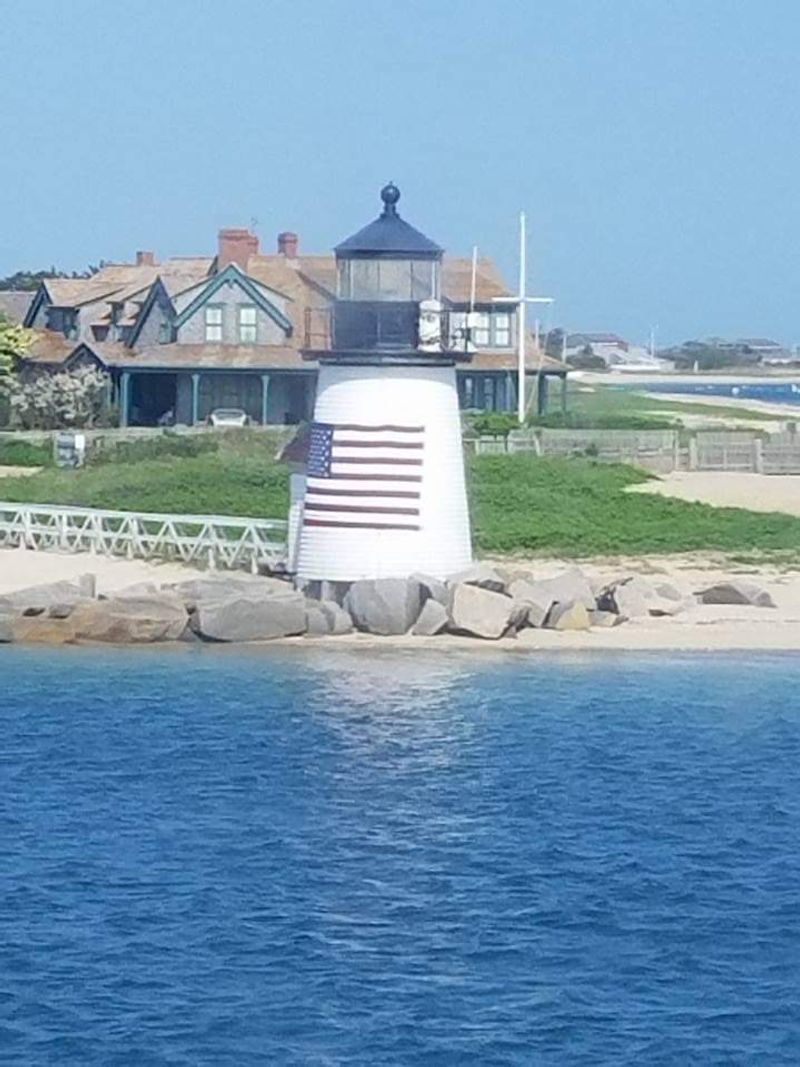
Cobblestones underfoot and gray shingles overhead make a clear statement. Nantucket’s historic district rules shape everything from window panes to sign fonts, which keeps big retail subdued.
Independent boutiques curate thoughtfully, with linen, books, and maritime tools sharing shelf space. Staff talk provenance in terms of families and ferries instead of distribution centers.
Streets pinch and swell in a way that suits walkers. Cars play second fiddle to bikes with baskets and legs used to uneven stones.
Brand loudness falls flat against those weathered facades. Stores compete on service, craft, and seasonal needs rather than logo wattage.
Harbor views interrupt errands with sail masts drawing neat lines in the sky. You breathe briny air and notice your pace settling.
Local rules do not feel fussy once you see the harmony they enforce. Every doorway seems to understand the neighborhood it joins.
Festivals keep the calendar full and the independent economy nimble. Winter resilience means loyal customers and smart inventory choices.
Bring soft-soled shoes and time for detours into side streets. Nantucket runs on tradition refined for daily life, not display.
13. Rehoboth Beach, Delaware
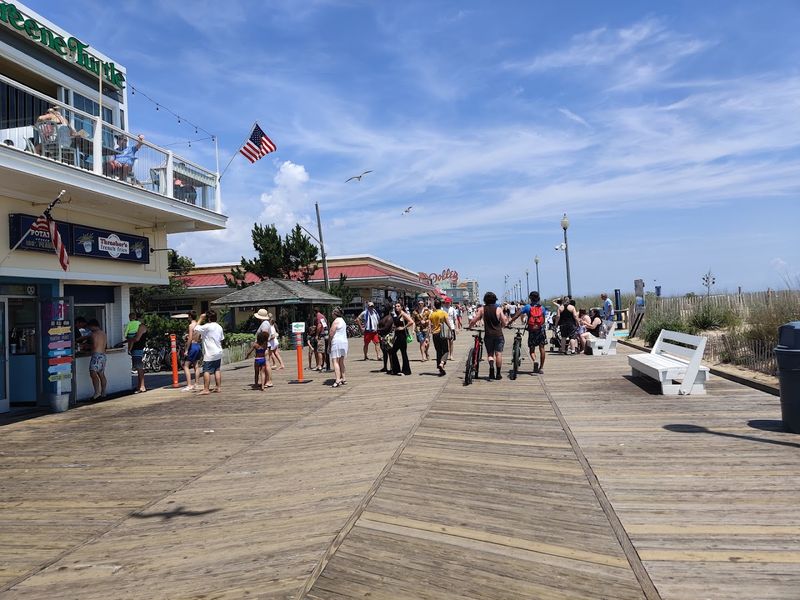
Boardwalk energy here feels homegrown rather than franchised. Rehoboth Beach keeps big retail largely off the sand side, leaving room for legacy stands and family businesses.
Shops are compact and personal, with window menus you can read in one glance. Staff chat about weather, pier sightings, and what is best right now.
Downtown blocks hold bookstores, toy shops, and cafes that lean practical. You find sunscreen, a paperback, and a beach chair without crossing town.
Local governance and community taste do quiet editing. Chains exist, but they do not crowd the picture or call the tune.
Summer nights bring soft lights and a steady boardwalk shuffle. The smells of fries and caramel tug you along, and the ocean keeps the soundtrack honest.
Weekend mornings favor joggers, dog walkers, and early risers in search of coffee. Benches face the surf so pauses become part of the plan.
Events fill the shoulder seasons to keep storefronts resilient. That strategy makes browsing in May or October as pleasant as July.
Walk light, snack often, and let the horizon set your pace. Rehoboth Beach proves familiarity can feel fresh when it stays local.
Share this story