There is a spot in St. Petersburg, Florida, that feels like a whole different world the moment you walk through its gates. Tucked between busy roads and commercial buildings, this century-old botanical garden somehow manages to feel completely removed from the noise outside.
Tall palms tower overhead, colorful flamingos strut along the paths, and the air smells like rich, tropical earth. It holds flamingos, waterfalls, rainbow eucalyptus trees, a butterfly aviary, koi ponds, and enough lush greenery to make your camera roll overflow.
Whether you have lived in St. Pete for years or are just passing through, this place deserves a spot on your must-visit list, and this article will walk you through everything that makes it so worth the trip.
A Garden Built Into the Earth Itself
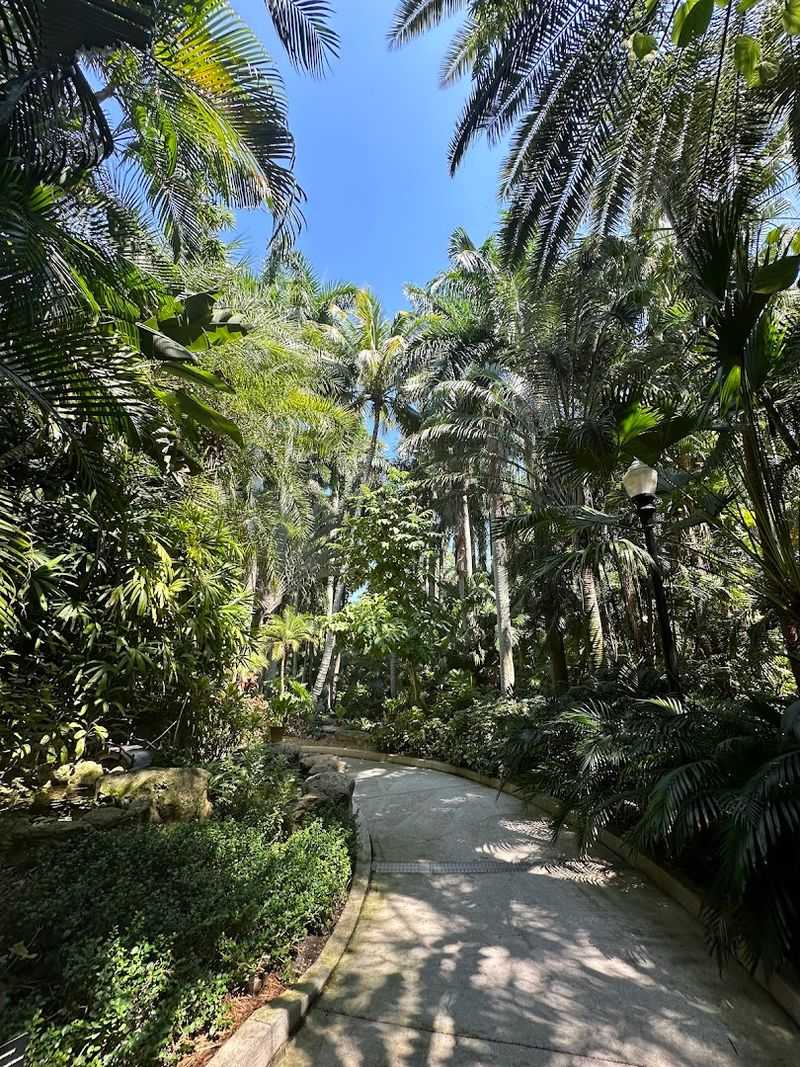
Most botanical gardens sit on flat, manicured land, but this one starts below street level, which immediately sets it apart from anything else in the city. Sunken Gardens, located at 1825 4th St N, St. Petersburg, was built inside a natural sinkhole that formed over thousands of years.
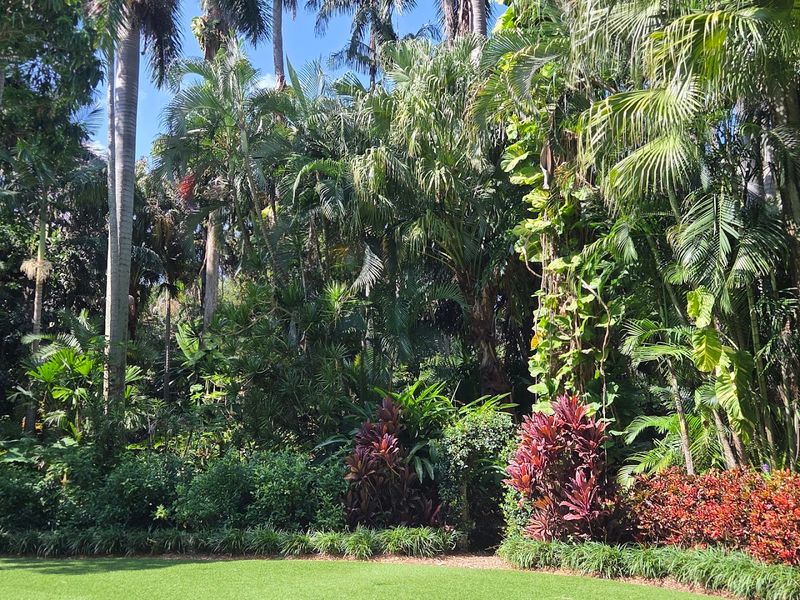
The result is a lush, enclosed world that feels surprisingly private despite being right in the middle of a busy urban neighborhood. The garden covers about four acres, and every inch of that space is packed with tropical plants, towering palms, and winding shaded paths.
Because the garden sits lower than the surrounding streets, the noise from outside fades quickly once you step in. That natural bowl shape also creates a unique microclimate that helps tropical plants thrive year-round in ways that would not be possible on open flat ground.
One Hundred Years of Florida History
Back in 1903, a plumber named George Turner Sr. noticed that the land near his home drained unusually well. He dug out the area, planted fruit trees and tropical plants, and slowly turned it into something remarkable over the following decades.
By the 1930s, the property had become one of Florida’s most popular roadside attractions, drawing visitors from across the country with its exotic plants, trained birds, and lush scenery. At its peak, it welcomed hundreds of thousands of guests per year.
The City of St. Petersburg purchased the garden in 1999, preserving it as a public treasure rather than letting it disappear to commercial development. A small historic center inside the garden tells this full story with photographs, artifacts, and timelines that give real context to everything you see growing around you.
It is genuinely one of the more interesting local history displays in the entire Tampa Bay area.
The Flamingos That Steal Every Show
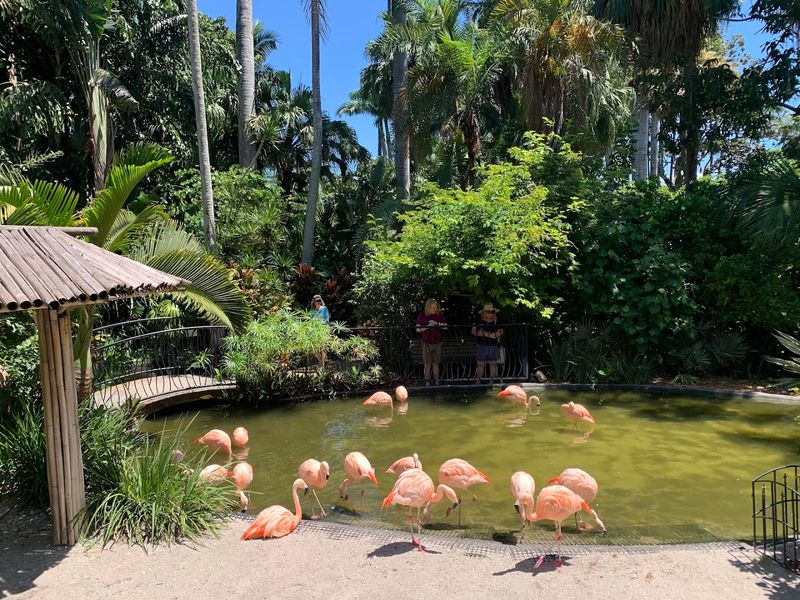
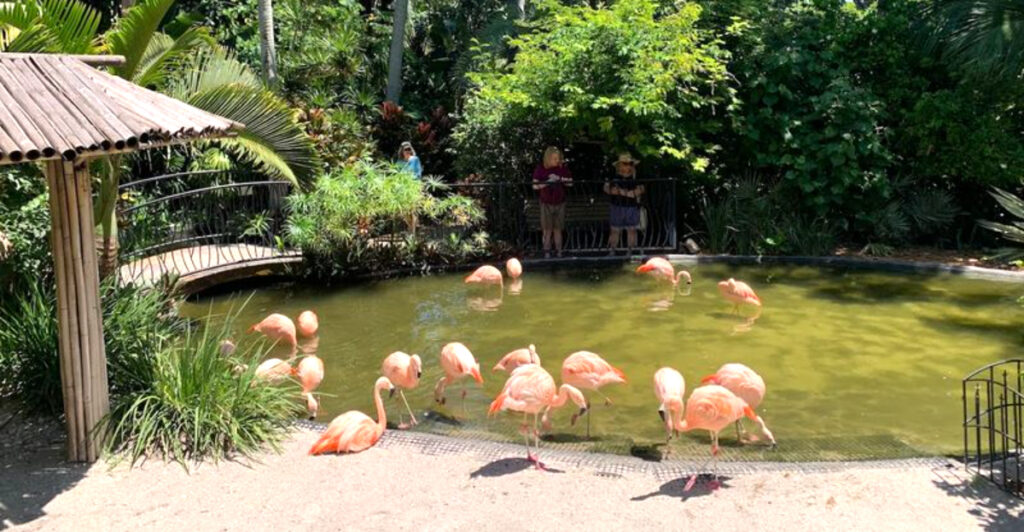
Few things in Florida say “tropical paradise” quite like a flock of pink flamingos wading around just a few feet from where you are standing. The flamingos at this garden are well cared for, clearly comfortable around visitors, and genuinely fun to watch.
What makes the experience even better is that staff members and volunteers often share fascinating facts during feeding times. For example, flamingos actually fly to cooler regions during certain seasons, which surprises most people who assume they stay in warm climates year-round.
Their vivid pink color comes from the pigments in the food they eat, so a well-fed flamingo is a brightly colored one. Getting close enough to observe them casually, without any barriers blocking your view, gives the whole encounter a relaxed and personal feel that you just do not get at a typical zoo.
These birds are genuinely the crowd favorite every single visit.
Rainbow Eucalyptus Trees That Look Almost Unreal
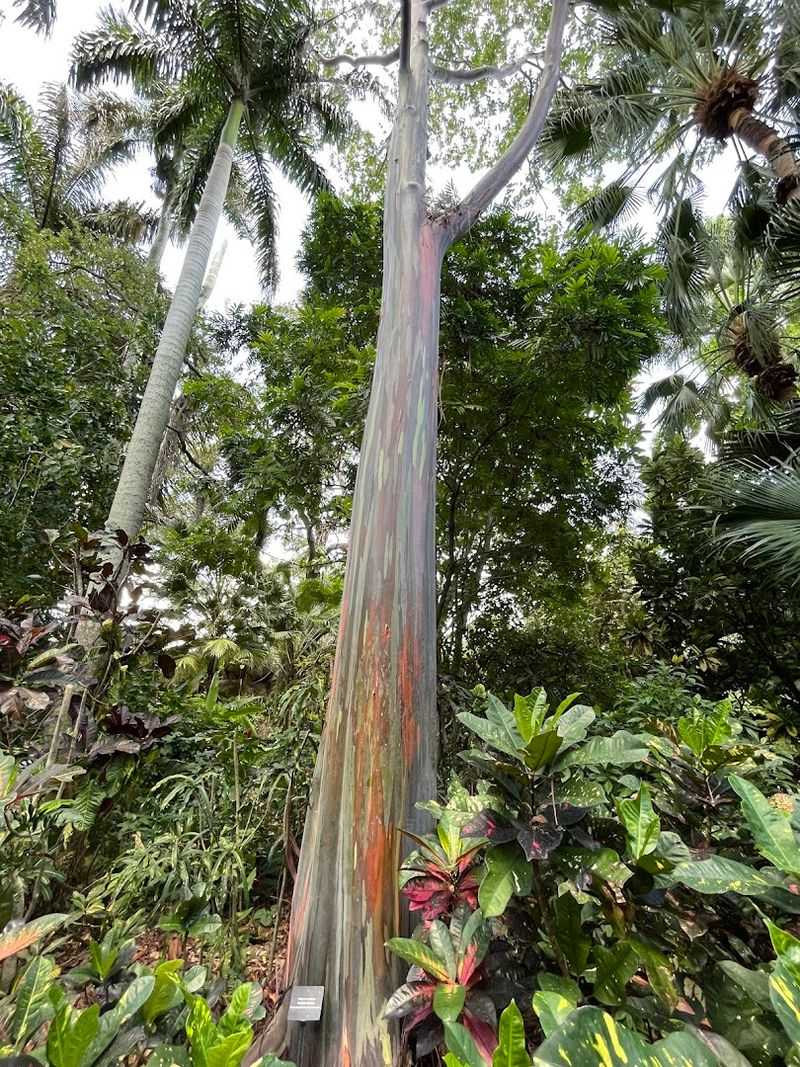
One of the most jaw-dropping things in the entire garden is something most visitors do not even know to look for until they are standing right in front of it. The rainbow eucalyptus tree has bark that peels away in strips to reveal layers of neon green, bright blue, deep purple, and burnt orange underneath.
It genuinely looks like someone painted the trunk by hand, but every color is completely natural. These trees are native to the Philippines and thrive in Florida’s warm, humid climate, which is part of why they look so healthy and vivid here.
Running your eyes up and down the trunk feels a little surreal the first time, because the color combinations shift constantly as older bark fades and fresh layers emerge. It is one of those small botanical details that turns a casual garden stroll into something you will talk about for days after leaving.
Waterfalls Hidden Among the Greenery
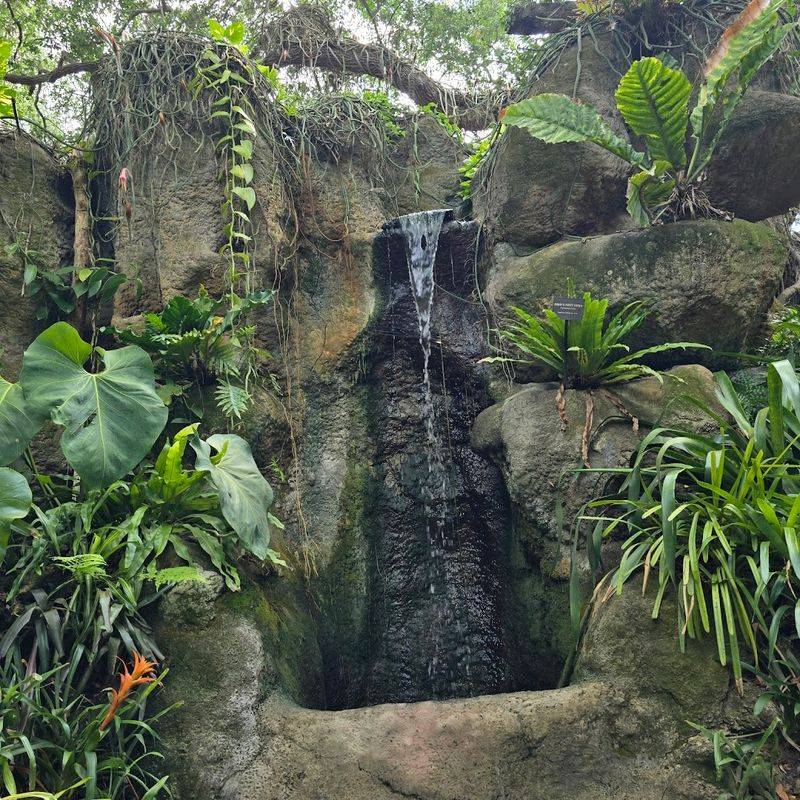
Tucked between thick clusters of ferns and towering palms, the garden’s waterfalls add a layer of sound and movement that makes the whole space feel even more alive. The gentle rush of water creates a calming background noise that pairs perfectly with the shaded, cool atmosphere of the lower garden areas.
These water features are not grand or dramatic, but that is actually part of their charm. They feel like something you might stumble upon naturally rather than a constructed tourist attraction, which fits the organic, overgrown personality of the garden perfectly.
Sitting near one of the waterfalls for a few minutes is a genuinely restorative experience, especially on a warm Florida afternoon when the shade and the cool mist feel like a small reward for all the walking you have done. Several benches are positioned nearby, so you can linger as long as you like without feeling rushed by the flow of foot traffic.
A Butterfly Aviary Full of Color and Life
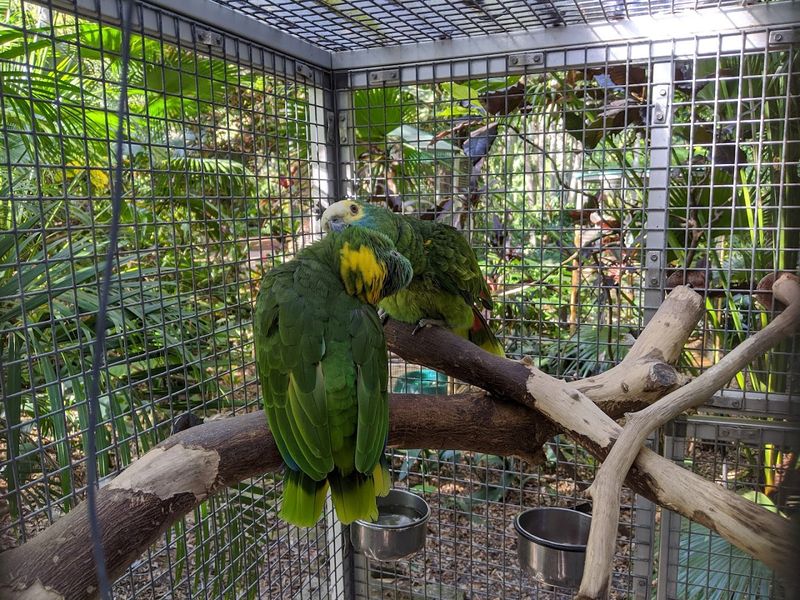
The butterfly aviary is one of those spots in the garden where time seems to slow down on its own. Dozens of butterflies drift through the enclosed space, landing on flowers, leaves, and occasionally on visitors who stand still long enough to earn that privilege.
Blue jays and other small birds have also been spotted moving through the garden’s more open areas nearby, adding to the sense that this place is genuinely teeming with wildlife rather than just curated plants. The combination of insects, birds, and dense tropical foliage creates a layered sensory experience that feels far removed from the commercial strip just outside the garden walls.
Photographers tend to linger here longer than anywhere else because the natural lighting filtering through the canopy creates beautiful, soft conditions for close-up shots. Patience pays off in this spot, and the rewards for waiting quietly are often spectacular little moments of nature doing exactly what it does best.
Koi Ponds Worth Every Minute of Your Time
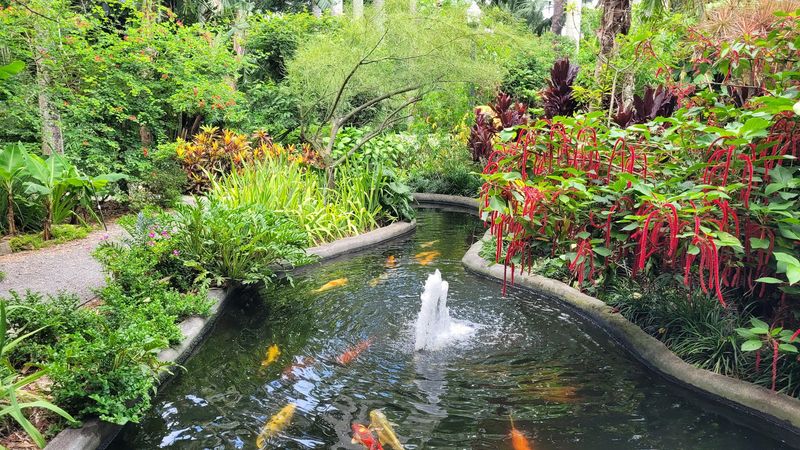
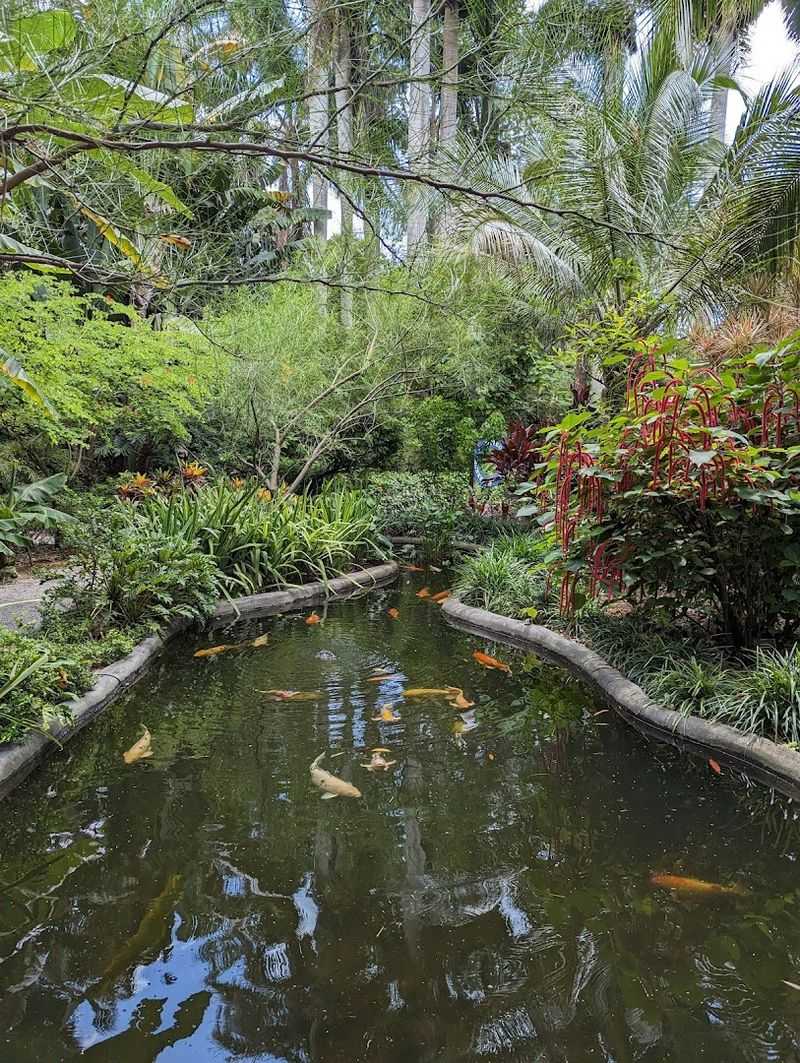
There is something deeply satisfying about feeding giant koi fish that are bold enough to swim directly toward you the moment you approach the edge of the pond. The koi at this garden are large, healthy, and absolutely unafraid of visitors, which makes the feeding experience feel interactive in a way that kids and adults both enjoy equally.
The ponds are well maintained and sit in shaded areas of the garden that feel naturally peaceful. Lily pads, aquatic plants, and the occasional turtle make the water features feel like complete little ecosystems rather than simple decorative elements.
Even if you skip the feeding, just sitting near the pond and watching the fish glide through the water is a genuinely relaxing way to spend ten or fifteen minutes. The reflections of the surrounding palms on the surface of the water make for some surprisingly beautiful photographs that capture the garden’s overall mood perfectly.
Exotic Plants From Around the World
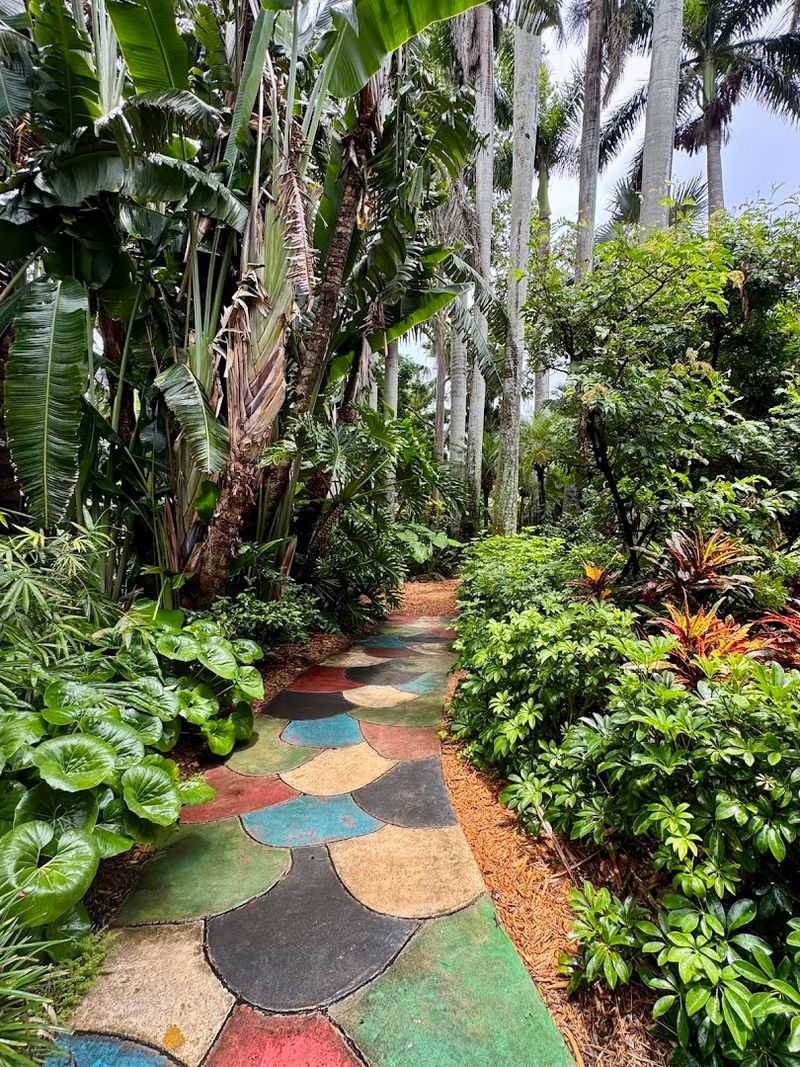
The plant collection here is genuinely one of the most diverse I have encountered in any botanical garden of this size. Royal palms stretch up to heights that seem impossible for an urban garden, their trunks draped in bromeliads that cling like natural ornaments.
Orchids bloom in shaded corners, cacti from unexpected parts of the world grow alongside tropical ferns, and papaya trees hang with fruit in a way that makes the whole place feel productive as well as beautiful. The Chinese lantern plant, with its papery orange pods, catches the eye in a completely different way than the flowering plants nearby.
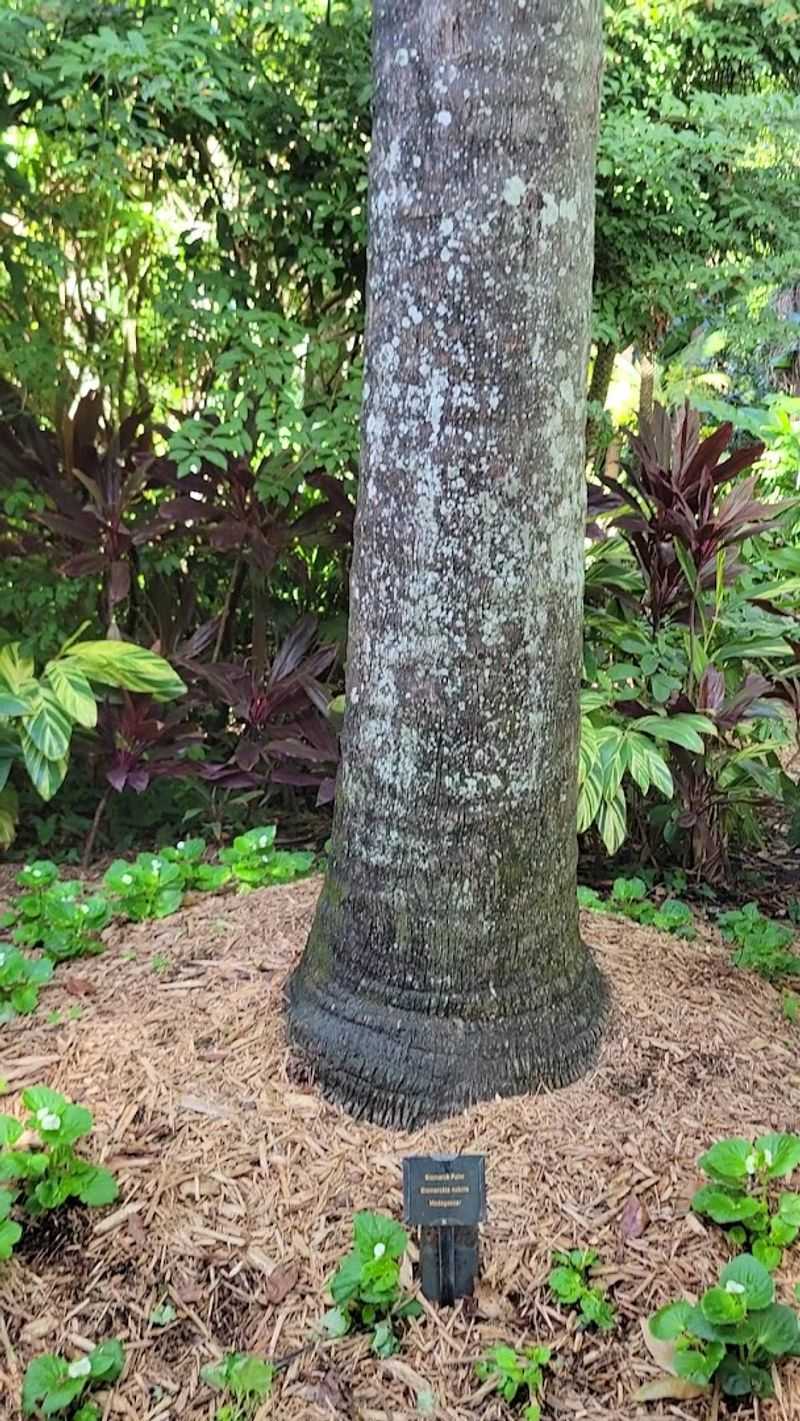
Informational signs throughout the garden identify most species and share details about their origins, which turns a casual walk into a low-key educational experience. Even visitors with no prior interest in botany tend to find themselves stopping to read the labels and genuinely surprised by what they learn along the way.
Little Lizards and Surprise Wildlife Around Every Corner
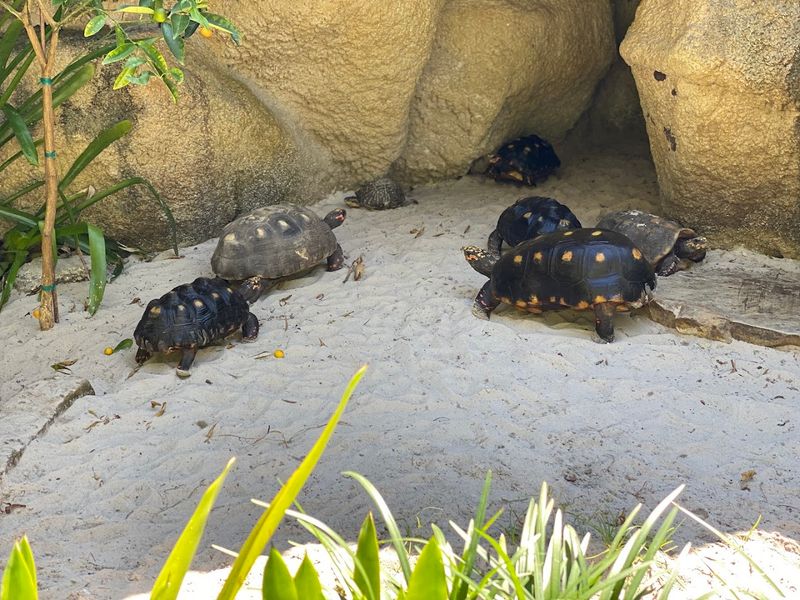
One of the quieter delights of this garden is the wildlife that shows up without any announcement or enclosure. Small lizards dart across the paths, lounge on signs, and perch on leaves in a way that makes the whole garden feel genuinely wild rather than overly controlled.
Counting lizards as you walk became a personal game during my visit, and I lost track somewhere around thirty. Toucans, turtles, and various tropical birds also make appearances throughout the garden, giving the space a layered sense of life that goes well beyond the plant collection.
None of this wildlife is staged or forced, which is part of what makes it so enjoyable. The garden’s dense, protected environment naturally attracts animals that find shelter and food among the thick vegetation.
Spotting a brilliantly colored bird perched high in a royal palm while you are standing on a quiet path below is one of those small travel moments that sticks with you.
The Meditation Area and Hidden Seating Spots
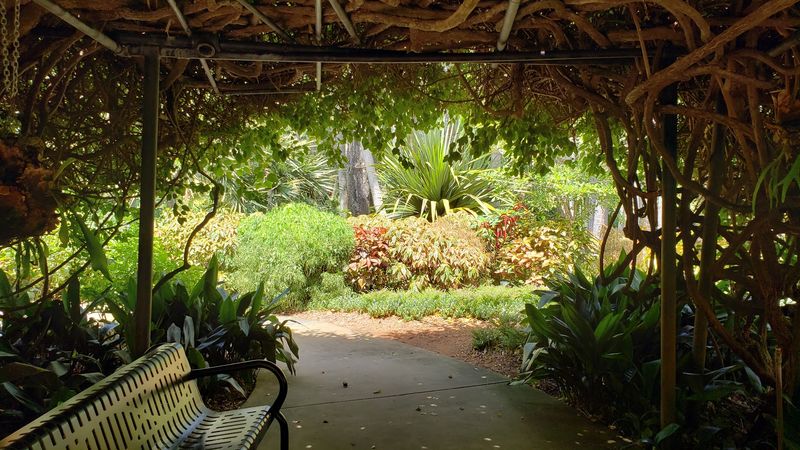
Not every visitor comes to this garden for the plants and animals alone. Several come specifically for the calm, and the garden delivers that in abundance through its meditation area and scattered hidden seating spots tucked throughout the property.
The meditation space is intentionally quiet and set apart from the main walking paths, giving it a sense of retreat that feels earned once you find it. Benches throughout the garden are positioned with clear views of water features, flowering plants, or dense palm groves, each one offering a slightly different version of stillness.
On a weekday morning, some of these seats are completely empty for long stretches, which means you can sit with just the sound of birds and water for company. After a busy travel itinerary, or even just a hectic work week, spending thirty quiet minutes in one of these spots feels like a genuinely restorative reset that no spa could quite replicate.
Seasonal Events and Special Celebrations
The garden transforms throughout the year with seasonal events that give repeat visitors fresh reasons to come back. During the Christmas season, decorations are added throughout the grounds, including a charming model train setup surrounded by ornaments and holiday displays that blend surprisingly well with the tropical setting.
Plantapalooza is one of the more popular annual events, drawing plant enthusiasts from across the region for a day of vendors, rare specimens, and community celebration centered on the garden’s botanical mission. Weddings are also hosted here regularly, and it is easy to see why couples choose this setting.
The lush canopy, the colorful blooms, and the naturally intimate atmosphere of the sunken garden create a backdrop that no event hall can manufacture. Visiting during a special event adds an extra layer of energy and community warmth to an already enjoyable experience, and the staff clearly takes pride in making each occasion feel special and well organized.
Practical Tips for Getting the Most Out of Your Visit
Arriving right when the garden opens at 10 AM on weekdays is the best strategy for avoiding crowds and getting the most peaceful experience possible. The paths can feel tight when tour groups arrive later in the morning, so an early start gives you the run of the place with far fewer people around.
Admission is reasonably priced, with general entry around $18 and a senior rate of approximately $15. Parking is free, which is a genuine bonus in a busy part of St. Petersburg.
The only restrooms on the property are located near the front entrance, so it is worth making a stop before heading deeper into the garden.
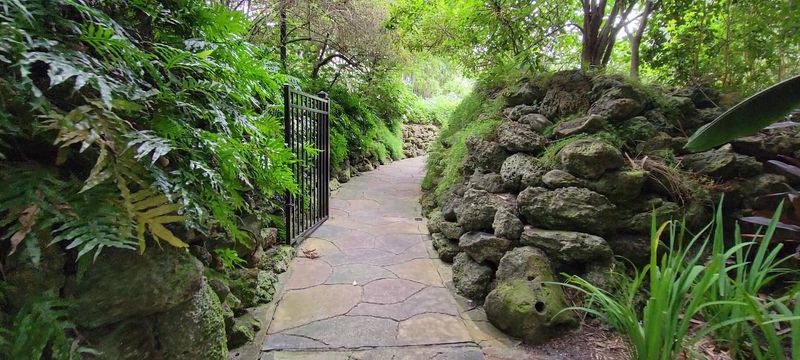
The entire property is walkable without stairs, though a few gentle hills exist along the route. Bringing a small snack is allowed, and the picnic area near the lawn is a lovely spot to refuel before finishing the second half of your walk through the grounds.
The Historic Center Inside the Garden
Many visitors walk past the historic center without realizing how much depth it adds to the overall experience. The building houses photographs, artifacts, and detailed accounts of the garden’s journey from a private fruit farm in 1903 to a famous roadside attraction and eventually a city-owned public garden.
During one visit, a guest reportedly had a spontaneous conversation with the original owner’s daughter, who shared personal memories of what life in and around the garden looked like during its heyday. That kind of living history connection is rare and genuinely moving when it happens.
Even without a personal encounter like that, the displays do a solid job of grounding your visit in context. Understanding how much effort, love, and generational care went into building this place makes every plant and pathway feel more meaningful.
It is the kind of exhibit that takes only fifteen minutes to walk through but stays with you for much longer afterward.
Share this story