There is a place in Michigan’s Upper Peninsula that does not exist in summer, barely hints at itself in autumn, and then, when the cold finally commits, transforms into something that looks like it belongs in a fantasy novel. Water seeps through ancient sandstone cracks, temperatures plunge, and suddenly the rock face is draped in thick columns of ice, frozen curtains, and glittering formations that no human hand could ever replicate.
The window to see it is narrow, the hike demands respect, and every single visit looks different from the last. I made the trip out to Deerton in the heart of winter, and what I found along that forested trail was one of the most quietly spectacular natural displays I have ever witnessed in the continental United States.
If you have ever wondered what Michigan looks like at its most raw and wintry, this is the answer.
Where Exactly You Are Going and How to Get There
Before anything else, you need to know where you are actually headed, because the Upper Peninsula can be disorienting when everything is blanketed in white. Snow-covered roads, limited signage, and long stretches of forest can make distances feel larger than they are.
The Eben Ice Caves are located near Eben Junction, with the official mailing address listed as Deerton, MI 49822, and the site is managed through a private landowner arrangement supported by a public foundation.
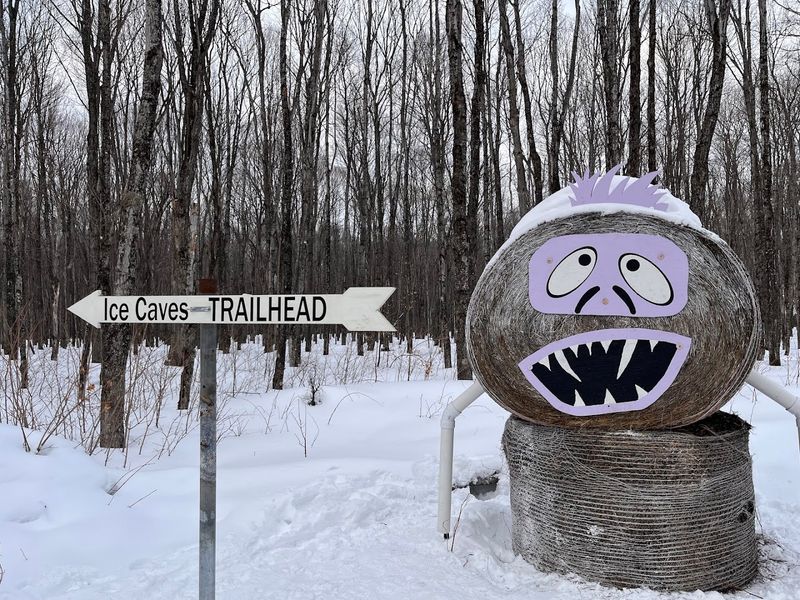
From Munising, head south on M-28 to M-94, then travel west past Chatham toward Eben Junction. Turn north onto Eben Road, drive about 1.5 miles to Frey Road, then turn right and follow it to the end where the trailhead parking lot sits.
Cell service can be spotty in this area, so downloading offline maps before you leave Munising is a smart move.
The property is privately owned, and a small donation of around five dollars is requested at the parking area. The landowners deserve real credit for sharing this place with the public, and that donation box is absolutely worth using.
The Science Behind the Ice: Why These Caves Only Form in Winter
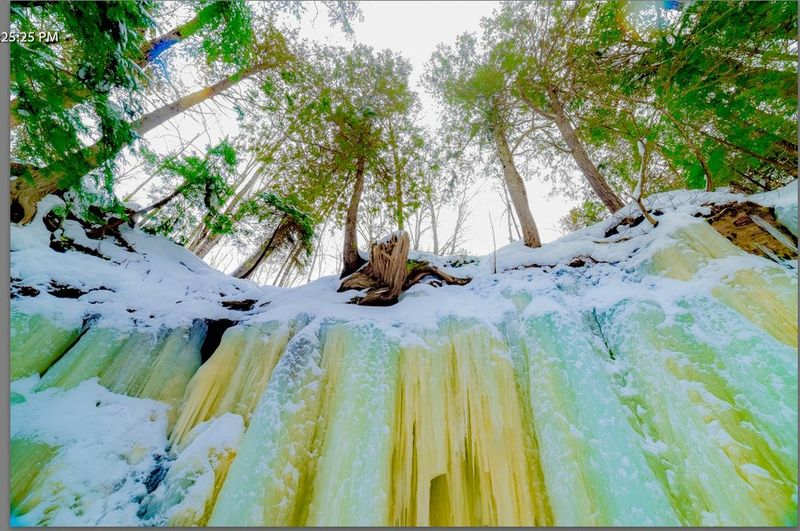
What makes this place so unusual is that it is not a permanent cave system. The formations build themselves fresh each winter, and no two seasons produce identical results.
Groundwater and surface water seep through fractures in the sandstone bluffs above, and when outside temperatures drop consistently below freezing, that water locks into ice mid-flow.
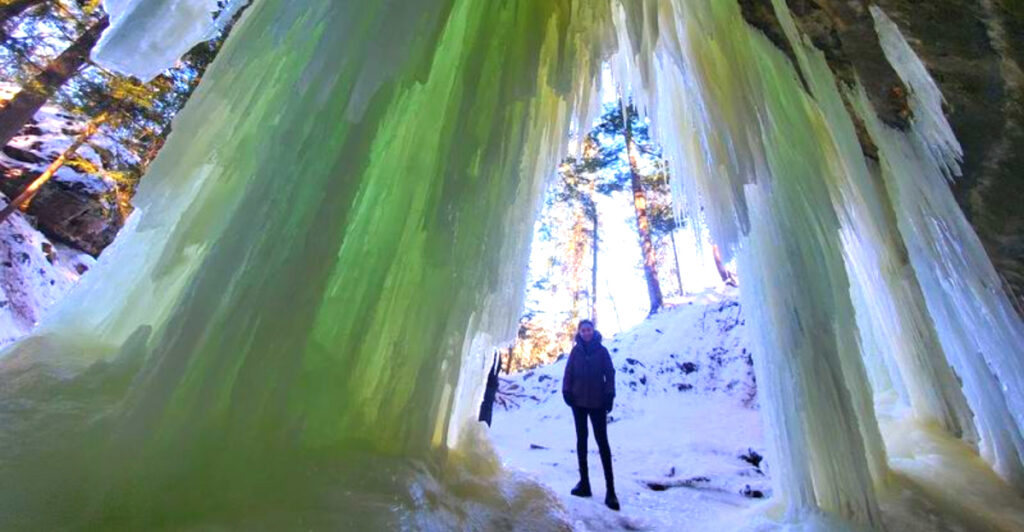
The result is a layered spectacle of frozen waterfalls, thick translucent columns, and delicate curtains of ice clinging to the rock face. The sandstone itself, reddish-brown and ancient, creates a dramatic contrast against the blue-white ice that forms across it.
Formation typically begins in early December when temperatures settle in reliably below freezing. Peak viewing runs from mid-January through February, and the structures can persist into early April depending on how the season plays out.
Nature sets the schedule here, and there is no shortcut around that fact.
The Trail Through the Forest: What the Hike Actually Feels Like
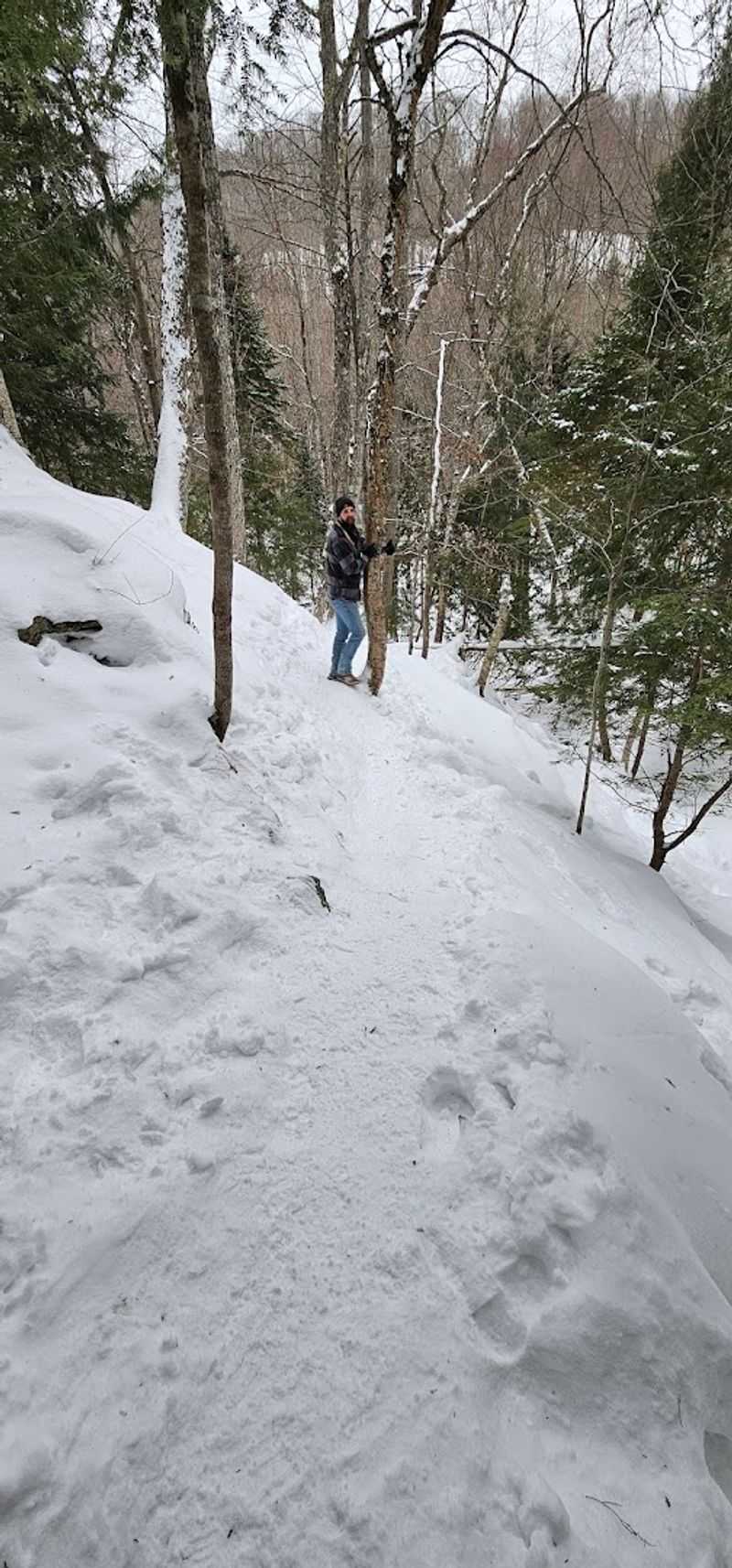
The hike to the caves covers roughly one mile from the trailhead, and the first stretch feels almost meditative. The forest is dense with hardwoods and conifers, the snow muffles every sound, and the cold air has a particular sharpness that wakes you up better than any morning coffee ever could.
That peaceful flatness does not last the whole way. As you get closer to the formations, the terrain shifts and introduces some noticeable hills and slopes.
The final approach involves climbing and descending uneven ground that can be packed with ice, especially after a fresh snowfall.
The trail is generally well-worn and easy enough to follow when others have been through before you, but going early in a fresh snow requires more attention to route-finding. A loop trail around the full formation area adds another 1.5 miles if you want to see everything from multiple angles.
Ice Cleats Are Not Optional: Gear You Genuinely Need
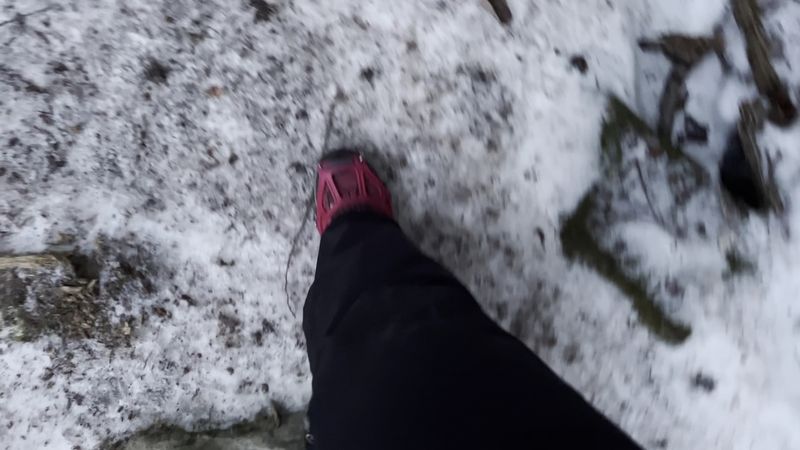
Every single person who has made this hike and lived to write about it says the same thing: bring ice cleats. This is not the kind of advice you can politely ignore and figure out on the fly.
The trail surface near the caves becomes genuinely slick, and the hills on the final approach are steep enough to send an unprepared hiker sliding in an undignified direction.
Affordable traction devices from a big-box store work perfectly well here. Spending ten dollars on basic cleats is the single best investment you can make before this trip.
Hiking poles also help considerably on the downhill sections and give you an extra point of contact on the iciest patches.
Dress in warm, moisture-wicking layers, because the temperature near the cave formations drops noticeably compared to the rest of the trail. Your fingers will remind you of this the moment you pull out your camera.
The First Moment You See the Ice: What Greets You at the Formation
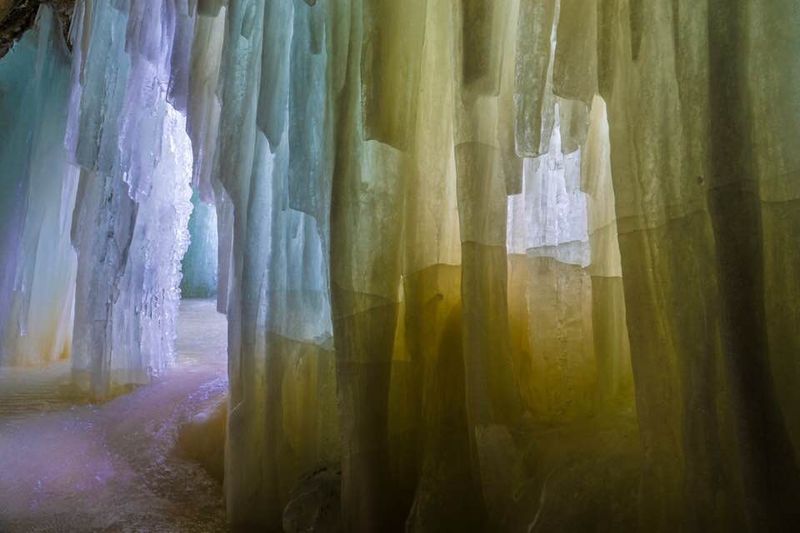
There is a specific moment on the trail when the trees thin just enough and the temperature takes a sudden dip, and you realize you are close. Then the formation comes into full view, and it is hard not to stop walking entirely for a few seconds just to take it in.
Thick columns of ice, some reaching several feet in diameter, rise from the ground and merge with formations dripping from the cliff above. Frozen curtains layer over each other in overlapping sheets of white, pale blue, and translucent gray.
The rock face behind it all adds depth and texture that photographs struggle to fully capture.
The structure feels more like a massive overhang draped in ice than a traditional enclosed cave, but that description does nothing to reduce the impact of seeing it in person. The scale surprises nearly everyone who makes the trip for the first time.
Photography at the Caves: Getting the Best Shots in Challenging Conditions
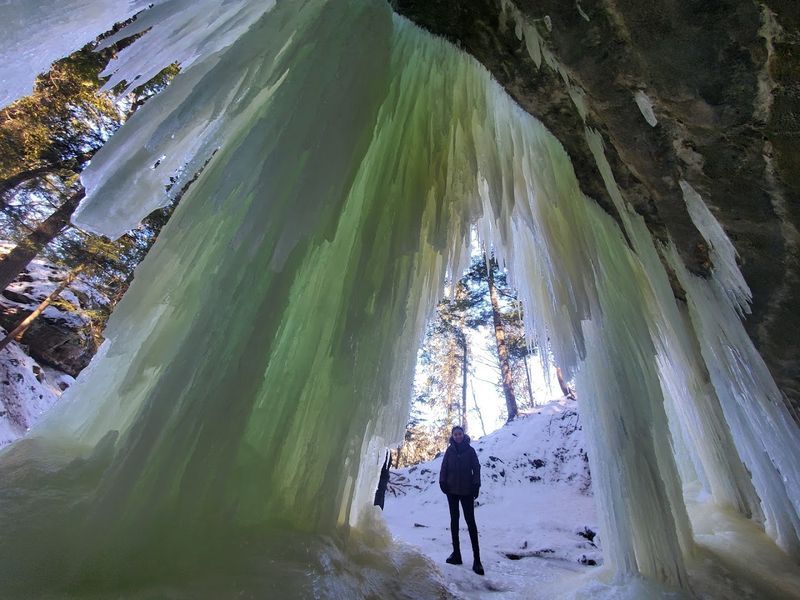
The caves are genuinely photogenic, but cold weather and bright ice create tricky conditions for cameras and phones alike. Morning visits tend to offer the softest and most even light, reducing harsh shadows across the ice and making the natural textures pop without blowing out the highlights.
Getting behind some of the larger ice formations, where the cliff creates a kind of alcove, gives you a perspective that most casual photos miss. The view looking outward through the ice toward the snow-covered forest is one of the more striking compositions available on the trail.
Cold temperatures drain phone batteries faster than normal, so keeping your device in an inner pocket between shots helps preserve battery life. A wide-angle lens captures more of the scale, while a close-up shot of the layered ice textures reveals the kind of intricate detail that makes this formation genuinely remarkable.
No filter needed here.
Parking, Restrooms, and the Practical Stuff That Makes a Difference
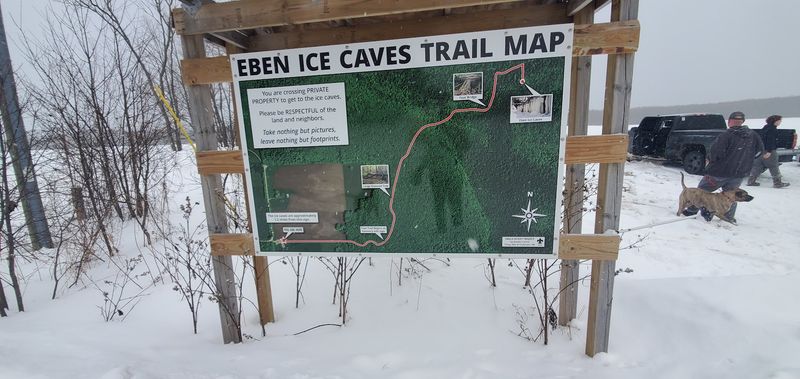
A few years back, the crowds at the Eben Ice Caves outgrew the informal roadside parking that visitors had been using, and the situation called for a real solution. A proper parking lot was built near the trailhead, and it is large enough to handle a solid crowd without chaos.
Restroom facilities are also available at the parking area, which matters a great deal when you are dealing with sub-freezing temperatures and a mile of hiking.
Some visitors unfamiliar with the layout stop along the road when they see other cars pulled over, but the actual lot is a bit further down the road and puts you right at the trailhead. Skipping the roadside parking saves you extra walking before the hike even begins.
The donation requested at the parking area goes toward maintaining access and supporting the landowners who keep this place open. It is a small ask for something this extraordinary, and paying it feels genuinely good.
Best Time of Year to Visit and How to Check Conditions
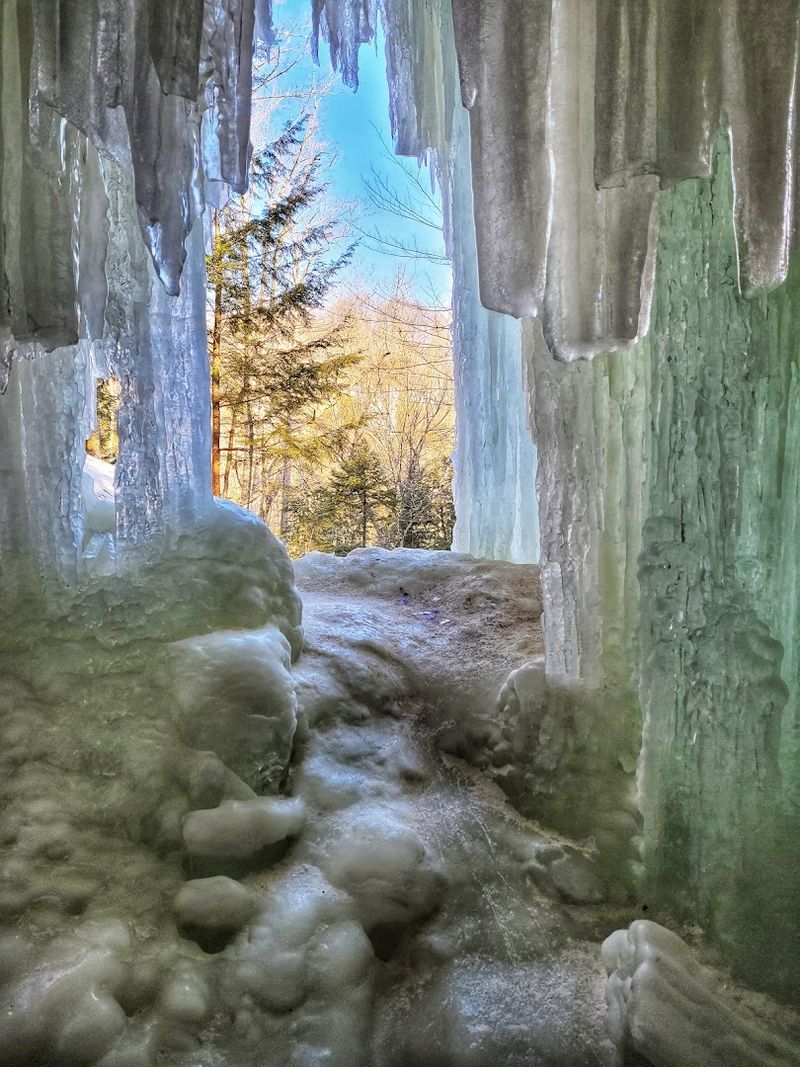
Timing a visit to the Eben Ice Caves requires a bit of planning because the formations are entirely at the mercy of the weather. Early December marks the beginning of formation season, but the caves are rarely at their most impressive that early.
Mid-January through February is when the ice reaches its most dramatic and photogenic state.
Visiting on a weekday morning tends to mean fewer people on the trail, which gives you more space to explore and photograph without crowds. Weekend afternoons in peak season can get genuinely busy, and the narrow trail near the formations can feel congested when a large group arrives at once.
Checking local Upper Peninsula weather forecasts before heading out is a smart habit. Conditions can shift quickly, and a warm snap can soften the formations significantly within just a few days.
The caves are worth waiting for the right window rather than rushing a visit too early or too late in the season.
The Atmosphere of the Upper Peninsula: What Surrounds the Experience
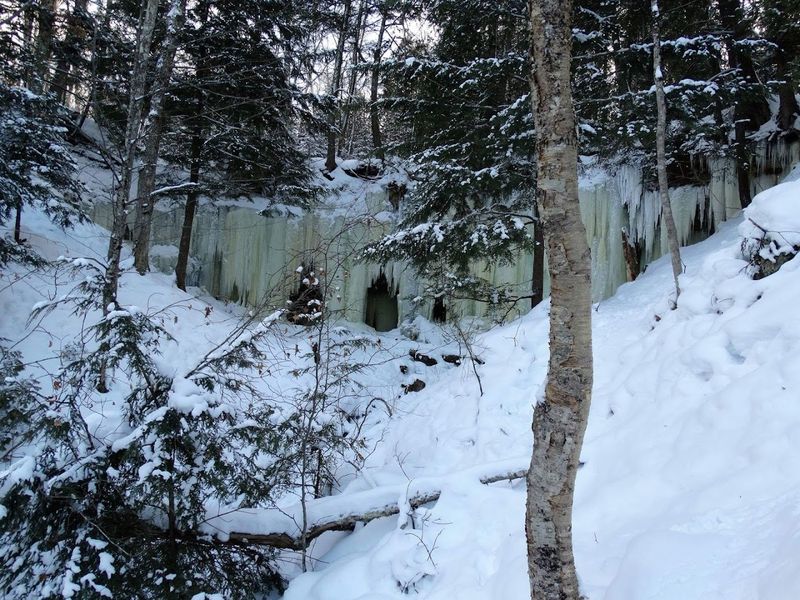
The Eben Ice Caves do not exist in isolation. They sit within the broader landscape of Michigan’s Upper Peninsula, a region that has a particular character in winter that is hard to describe without sounding like you are exaggerating.
The silence is real. The cold is real.
The sense of being genuinely away from urban noise and distraction is absolutely real.
The drive through the region on M-94 passes farms, small communities, and stretches of forest that have a quiet, unhurried quality. Eben Junction itself is a tiny crossroads that blinks past before you have time to fully register it.
The surrounding area near Munising also offers Pictured Rocks National Lakeshore, which is worth building into a longer trip if you are making the drive up from the Lower Peninsula. The Upper Peninsula rewards visitors who slow down and pay attention to what is actually around them, not just the single destination they came to check off.
Who Should Make This Trip and What to Realistically Expect
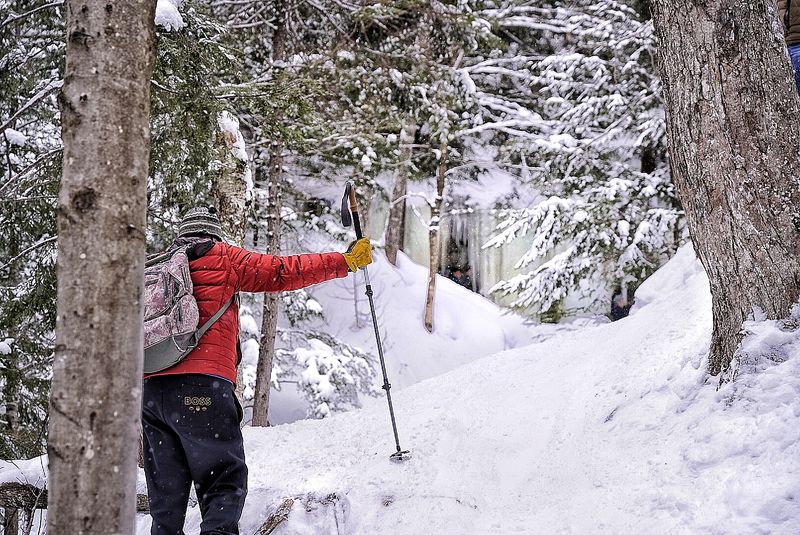
The Eben Ice Caves are accessible to most visitors, but they are not a casual stroll through a flat park. The one-mile hike involves some elevation change, and the final section near the formations demands sure footing and a willingness to move carefully.
Older visitors in reasonable condition have made the trip successfully, and families with older children handle it well with the right gear.
Very young children and visitors with significant mobility challenges may find the terrain near the caves difficult to navigate safely. The trail is not paved or groomed in the way a developed park might be, and conditions change from visit to visit depending on recent weather.
The reward at the end is absolutely proportional to the effort required. The formations are unlike anything most people have seen in the Midwest, and the combination of the quiet forest hike and the dramatic ice display makes this one of those rare experiences that actually lives up to its reputation.
Share this story