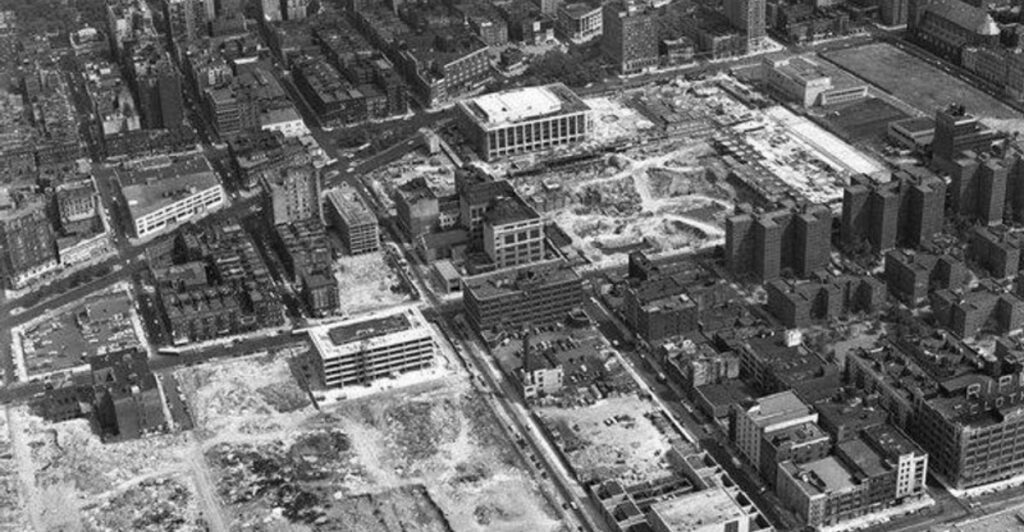
Cities promise progress, but sometimes the price tag includes whole neighborhoods wiped off the map. Urban renewal in the mid 20th century often targeted tight knit districts that pulsed with music, small businesses, and everyday routines you can still picture.
You will meet places where corner stores doubled as newsrooms, where porches handled block level diplomacy, and where freeway blueprints cut cleaner lines than the histories they replaced. Keep reading if you want clear stories, specific details, and a straightforward look at what was lost and why it still matters today.
1. The West End (Boston, Massachusetts)
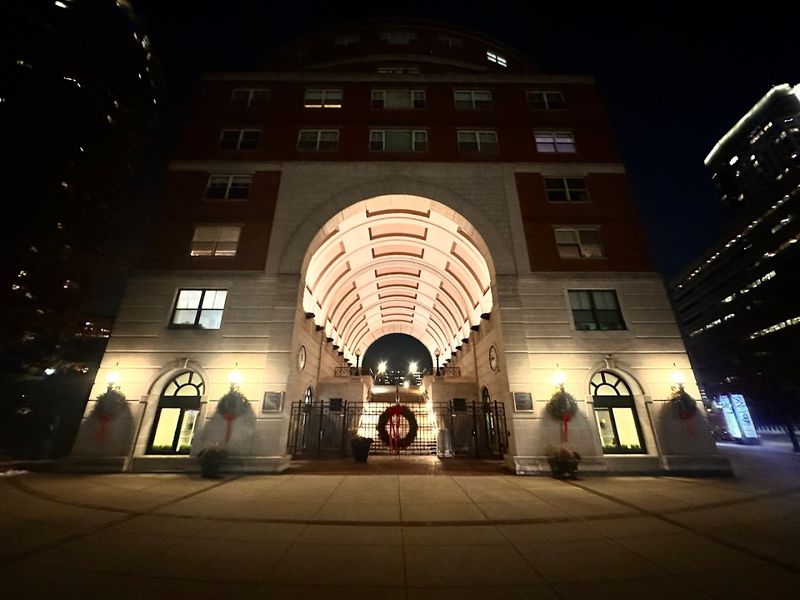
Neighbors in the West End could measure time by stoop chats and clattering pans from upstairs kitchens. Blocks felt compact on purpose, handing you a bakery, barbershop, and borrowed sugar with zero fuss.
Then the language changed to parcels, condemnations, and renderings that loved sunlight and setbacks. Bulldozers arrived like punctuation marks, turning long sentences of brick into short clauses of dust.
Displacement was not just a move but a scatter, sending friendships across trolley lines and into sterile hallways. New towers rose with views and silence, selling openness as an upgrade, while former residents kept floor plans in their heads like folded maps.
Walk the site today and the geometry looks crisp, but the old rhythms are harder to hear. If you listen for the creak of a well known stair or the slam of a screen door, you will realize the soundtrack changed, and the melody never quite returned.
2. Fillmore District (San Francisco, California)
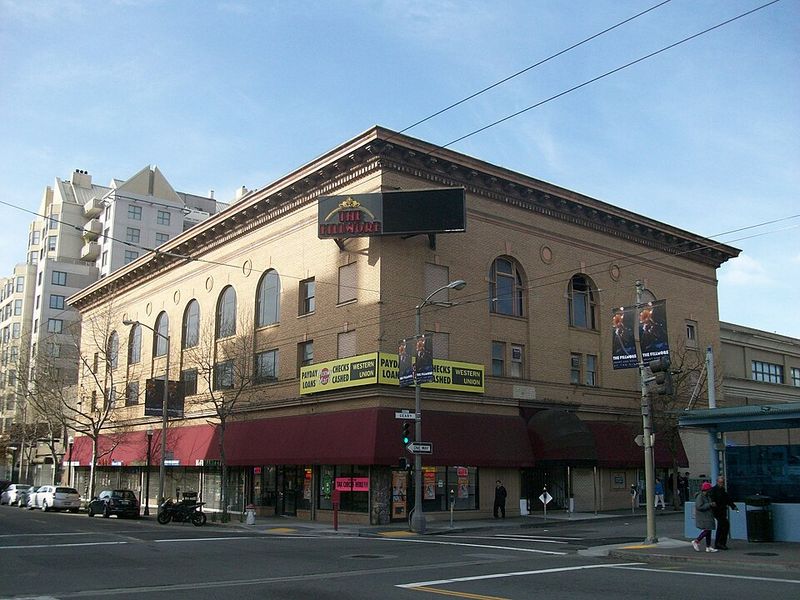
A trumpet could cut straight through the fog here, and conversations kept pace with the rhythm section. On a good night, the sidewalks did half the booking as word of a surprise set sprinted past.
Redevelopment entered with folded plans and tidy phrases, promising renewal while tagging blocks for clearance. Clubs dimmed, leases vanished, and the scene learned the bitter logistics of relocation.
Culture proved portable in spirit yet fragile in practice, since regulars drifted and venues lost their network of nearby kitchens, repair shops, and cheap rooms. The Fillmore name remains, but the stitched fabric feels thinner, the edges too neat.
Look closely and you will catch a riff of what once fit together so naturally. A poster, a remembered doorway, or an old photograph can still hold the downbeat that tethered a neighborhood to its sound.
3. Bronzeville (Chicago, Illinois – portions)
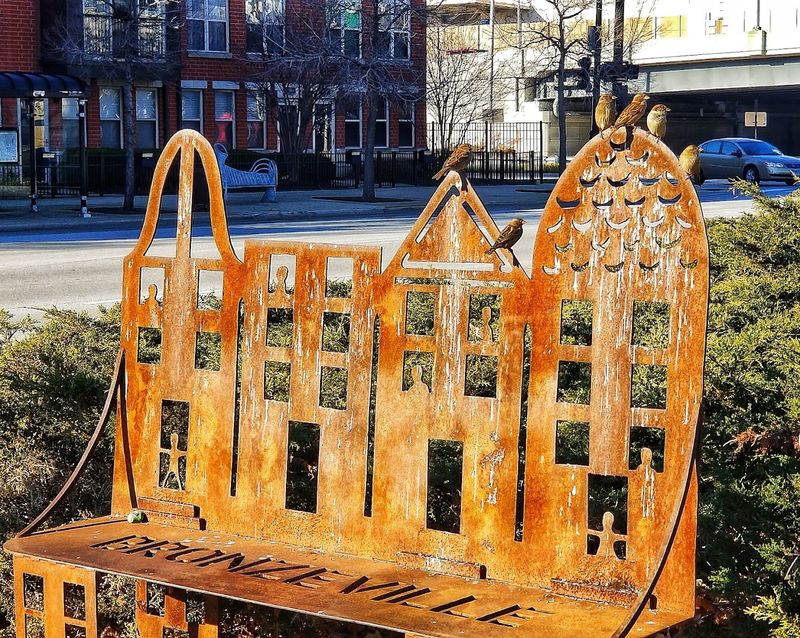
On afternoons that felt unremarkable in the best way, Bronzeville worked like a living directory. Churches set the calendar, storefronts set the pace, and block clubs kept everyone in the loop.
Portions of the neighborhood met the language of clearance and the tallest kind of fix. Public housing towers marched in with regular spacing, while older buildings left blank spots on family timelines.
Some streets still carry the architecture and much of the pride, but gaps interrupt what used to be a steady run. You can read the history in changed angles where new concrete meets old limestone.
Residents built new routines because survival requires updates, yet the earlier network had a coherence hard to replicate. If you stand at a corner that held a store and now holds a wind channel, you will understand how even small absences change the temperature of a place.
4. Overtown (Miami, Florida)
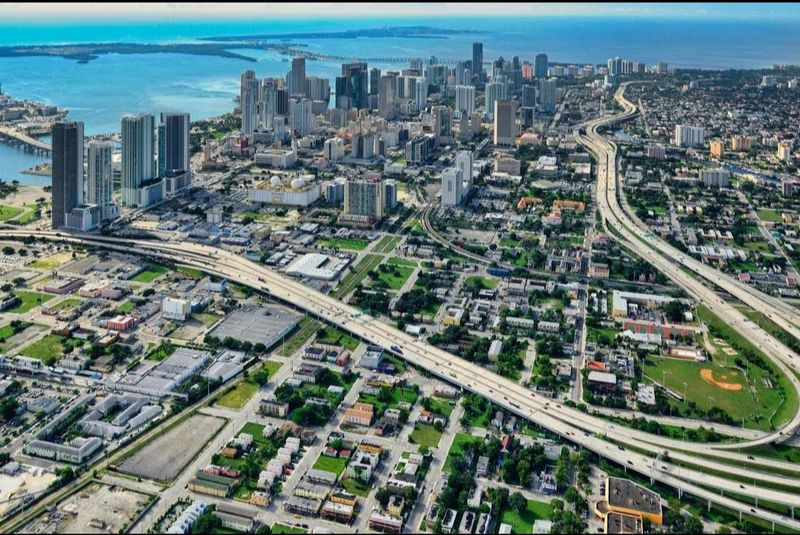
Heat shimmered, traffic hummed, and Overtown got on with business. Corner cafes slid plates across counters while bands learned new tricks in rooms that smelled like polish and brass.
Highway plans split the map with ruler straight certainty, and the new structure took air, shade, and foot traffic in one sweep. Disruptions multiplied, and the most reliable thing became the sound of tires overhead.
What remained felt stitched and stretched, with daily errands turned into distances and detours. Stores that relied on walk ups lost their casual customer base, and a casual base is not casual to replace.
Even now, murals and community festivals carry forward what planners did not account for. If you pause under the viaduct and listen past the engines, you may still catch a bassline that insists on staying in key.
5. Rondo Neighborhood (St. Paul, Minnesota)
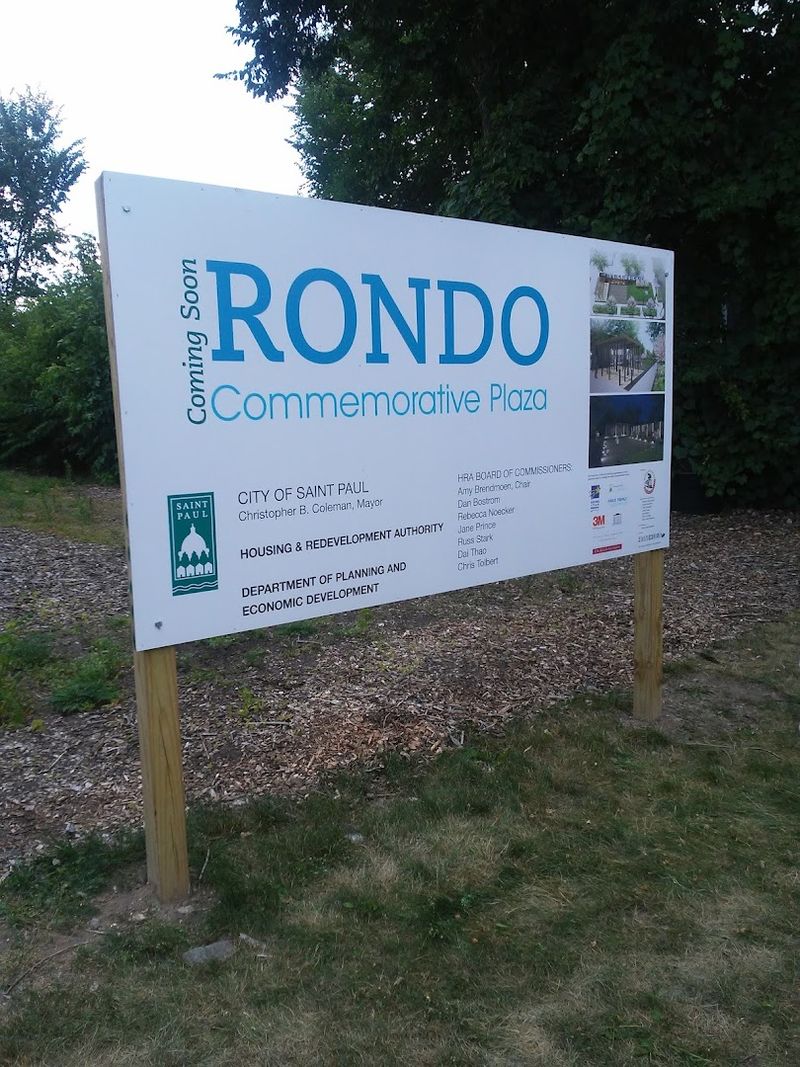
Sunday hats, parade routes, and potluck schedules gave Rondo its calendar. Blocks worked like a relay, passing along favors, rides, and recipes at an easy pace.
Interstate 94 carved a trench that ignored those handoffs. Homes disappeared by the hundreds, and quiet rituals lost their settings.
Reunions and commemorations now do the work of mending. Names of streets and families become the stitches, even as traffic roars where children once traded baseball cards.
Stand on a bridge and you will feel the scale, not as an engineering feat but as an absence you can measure in footsteps. The neighborhood’s story continues, though the chapters turn with a different weight and spine.
6. Central Avenue Corridor (Los Angeles, California)
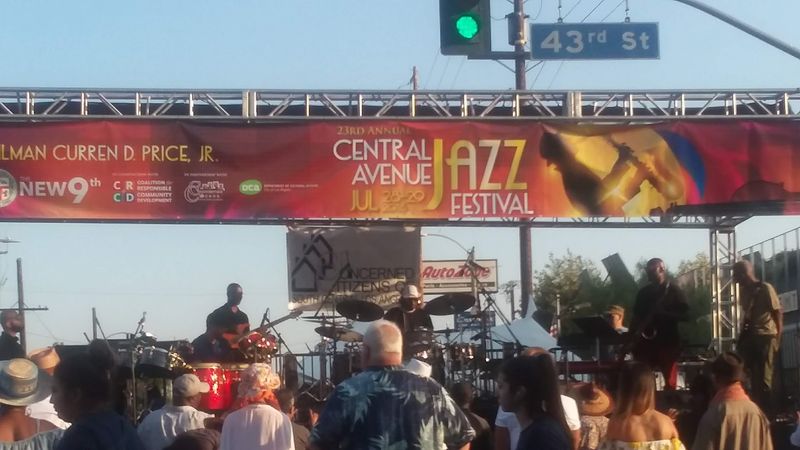
Central Avenue once tuned the evening for half the city. You could chase a sax solo down the block and still be in time for a late show.
Redevelopment and freeways worked like competing metronomes, resetting tempo without asking. Clubs closed or moved, and the corridor that held a scene became a string of interrupted notes.
Businesses that fed musicians and night workers lost their orbit, and rehearsal spaces gave way to vacancy. The city kept growing, yet this stretch learned how growth can mean subtraction.
You can still find landmarks that honor the sound and the stride. Stand there and feel the echo, not as nostalgia but as proof that a street can teach a hard lesson in continuity.
7. Lower Hill District (Pittsburgh, Pennsylvania)
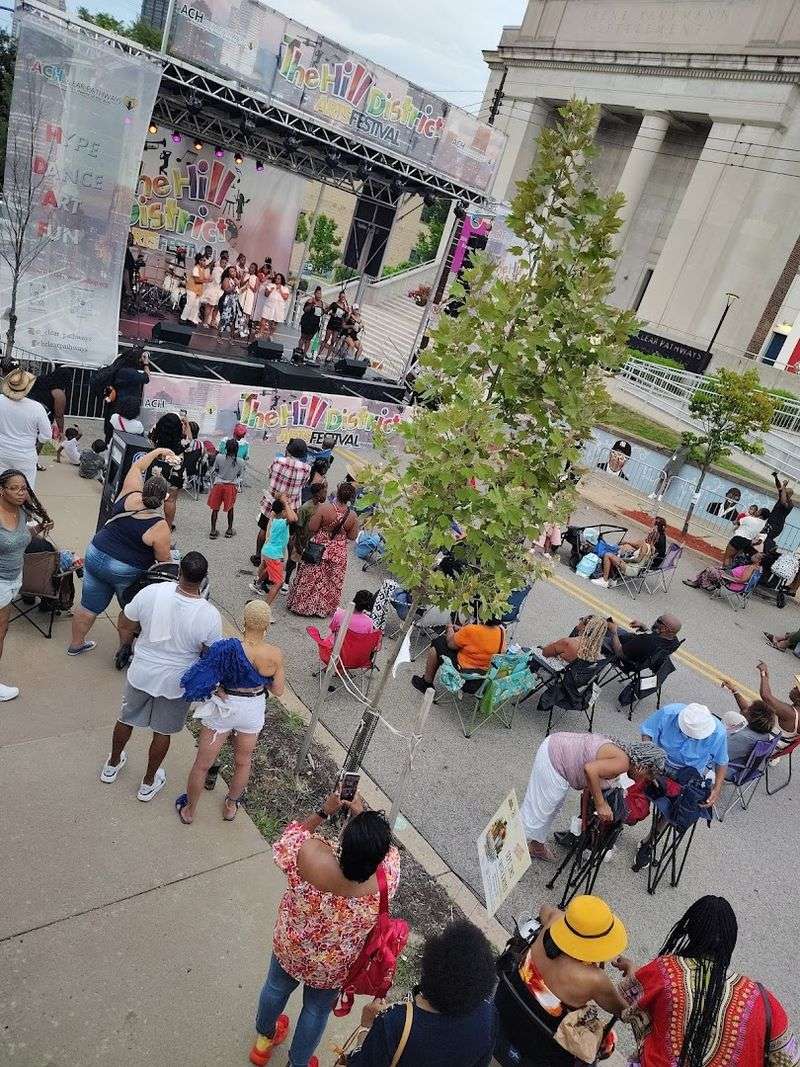
The Lower Hill felt like a neighborhood that could throw a block party on a Tuesday. Grocers knew your order by the sound of the bell, and clubs swapped headliners with a wink.
Clearance for the Civic Arena cut a circle through that everyday choreography. Thousands of addresses vanished from ledgers, replaced by seating charts and parking flows.
Promises of spillover benefits met the reality of distance and ticket prices. The arena shimmered like a spaceship while the neighborhood around it learned to start sentences with used to.
Today, plans talk about reconnecting the grid. If that happens, the street might carry more than cars and announcements, picking up faint threads left behind in a hurried decade.
8. Tremé (New Orleans, Louisiana – partially)
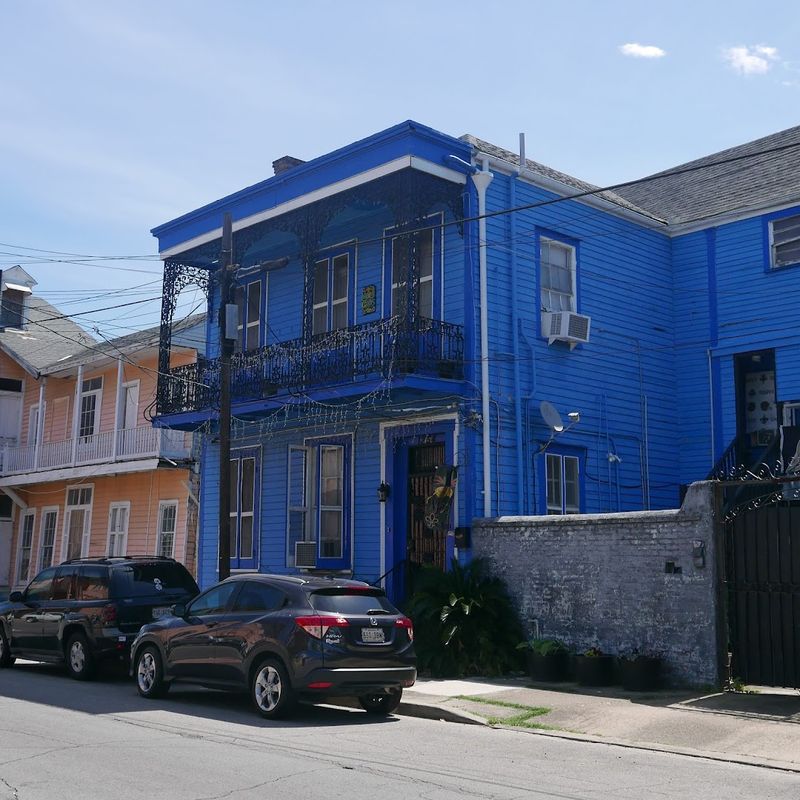
Drums carry far in Tremé, and neighbors answer back with a side step. Shade once came from a live oak canopy that felt like a roof for the boulevard.
The Claiborne Expressway rose on pillars that traded wood for concrete. Markets, parades, and daily errand routes learned to duck the noise while dodging shadows.
Not all was cleared here, and the culture speaks in present tense with conviction. Still, the missing trees and marketplaces mark a subtraction you can feel in the temperature of the air.
Community projects keep pushing for repairs and restoration. When brass lines up under that overpass, the music sounds like a promise that the street still owes itself a better future.
9. San Juan Hill (New York City)
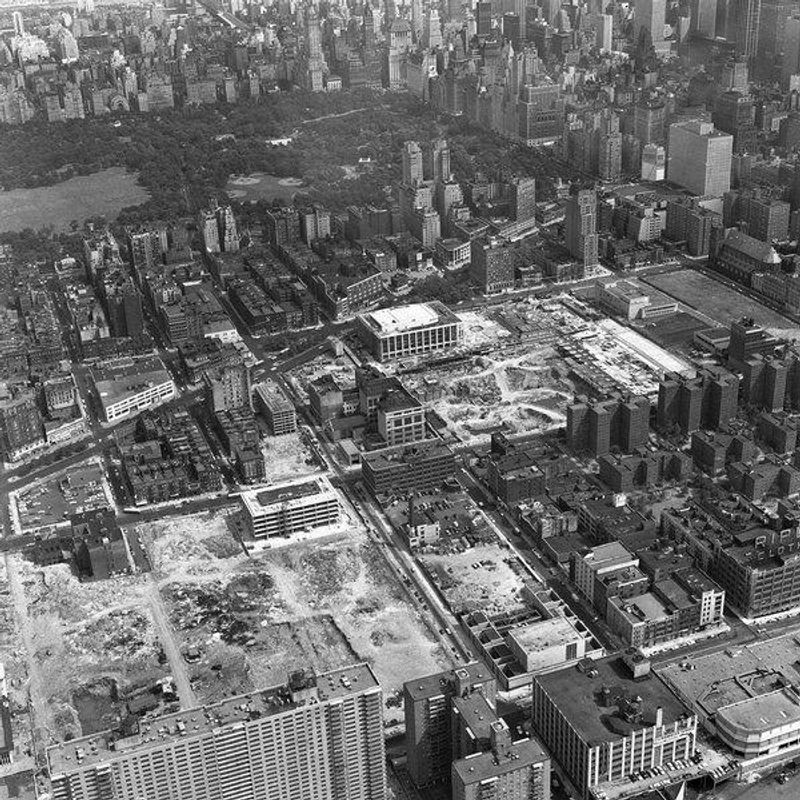
Music teachers, dock workers, and dancers once shared stairwells here, and the hallways carried more languages than a phrasebook. Tenements framed courtyards where arguments and lullabies both carried.
Plans for Lincoln Center redrew the neighborhood into arts campus geometry. Families dispersed, and the new map favored tickets over doorbells.
Culture did not vanish, but it lost certain rooms that made it easy to practice loudly and live affordably. The footprint grew prestigious while the old block chemistry thinned out.
Stand on the plaza and you can feel the performance spaces absorb attention. Then turn and remember that quiet work made those performances possible long before a marquee said so.
10. Southwest Washington, D.C.
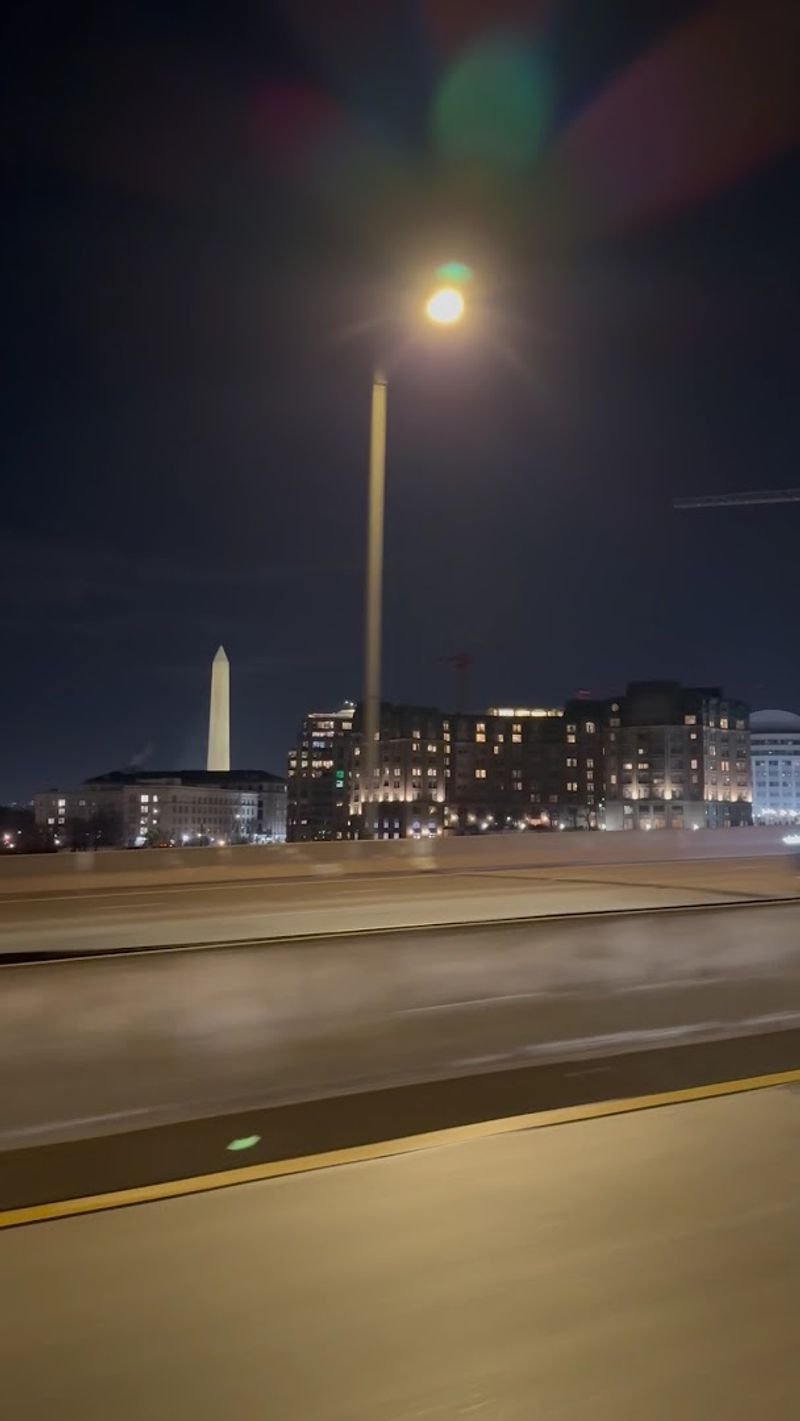
Here, the federal city tried a modern experiment at full scale. Old rowhouses met clipboards, and entire blocks turned into diagrams.
Clearances swept through with official certainty, promising light, air, and order. The cost showed up in suitcases, church basements, and bus transfers that rerouted daily life.
New plazas and offices set a clean stage that sometimes felt too quiet. The tighter weave of small streets and stoops did not translate into the new vocabulary.
Walk the area now and the straight lines tell one story while oral histories supply the missing curves. Both are true, and the distance between them is where the lessons sit.
11. Black Bottom & Paradise Valley (Detroit, Michigan)
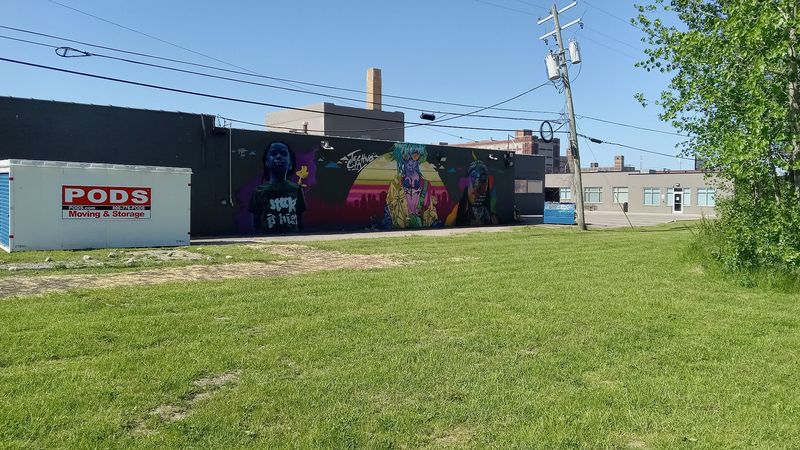
Music once spilled from doorways here, and the sidewalks felt like a moving conversation. Night after night, bands sharpened brass while shopkeepers tallied receipts, and you could find dinner, a haircut, and a record without crossing the block.
Black Bottom and Paradise Valley carried Detroit’s cultural engine, with Hastings Street acting as the informal mainline. City plans redrew that map, batching parcels for clearance and staking the route for a sunken freeway that cut through homes and hustles alike.
Maps grew straighter as lives got messier, and familiar corners fell to crews with clipboards and cranes. The neighborhood’s businesses scattered, customers followed bus lines to unfamiliar stops, and the old foot routes lost their purpose.
Stories still trace the beats of remembered clubs and late night diners, and photographs carry the edges of pride. You can stand near the freeway and feel the gap between the humming traffic above and the whispered roll calls of places that held a city together.
12. Mill Creek Valley (St. Louis, Missouri)
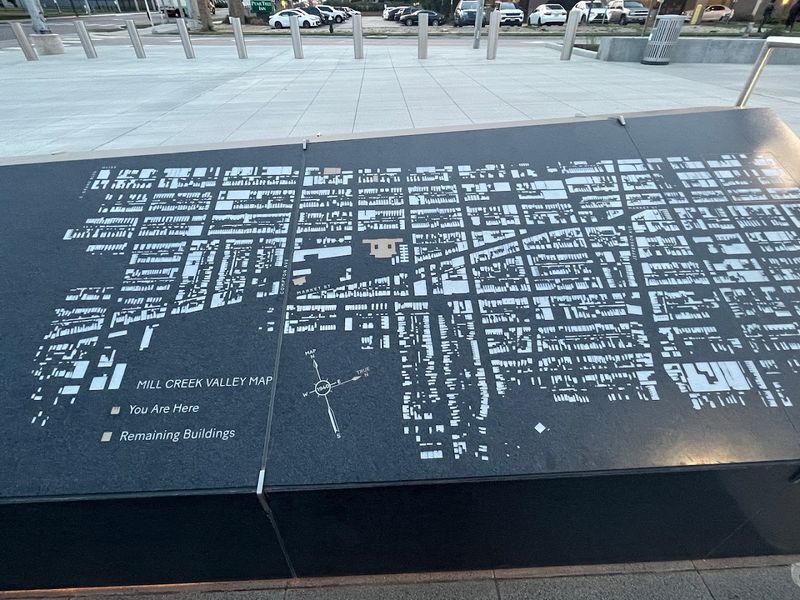
Mill Creek Valley once read like a city within a city, with churches setting the skyline and corner stores drawing the lines. The hum felt steady and confident, a daily ledger that balanced.
In 1959, renewal plans zeroed the ledger and started fresh. Blocks folded in fast order, and displaced residents learned the mechanics of finding new anchors.
Cleared land promised mixed uses that took their time arriving. A gap opened where errands used to take ten minutes, and the new version required a map.
Stand at the edge of what is now a patchwork of offices, ramps, and housing. You will sense the old grid hovering like a watermark, faint but still guiding the eye to what used to make sense.
13. Buttermilk Bottom (Atlanta, Georgia)
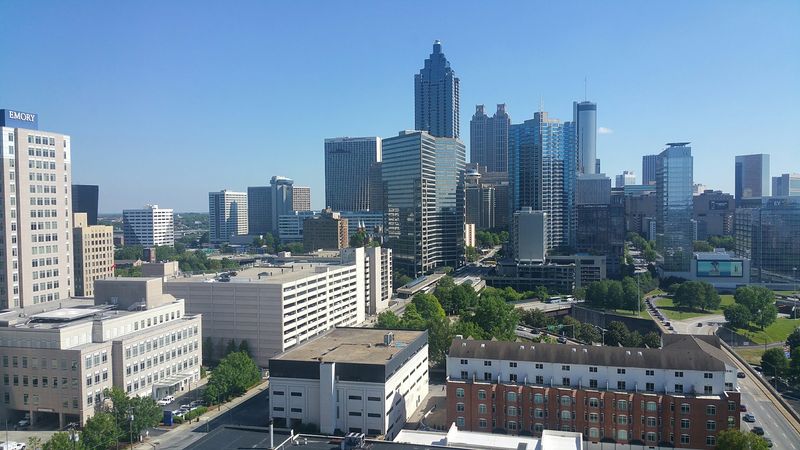
The name alone sticks in your head, and the place did too, with porches that tracked the weather and gossip. Kids learned street geography by racing from stoop to stoop.
Clearance arrived with tidy plans and new jargon. Public housing and later projects promised upgrades that translated into erasure first, benefits later.
People carried addresses like keepsakes while figuring out bus schedules and new landlords. The ground where familiar routes overlapped turned into a construction zone with rules posted on fences.
Today, glossy renderings speak a different dialect than the old corner stores did. If you pause and picture a block birthday cake cooling on a windowsill, you will understand the kind of ordinary that redevelopment often forgets to include.
Share this story