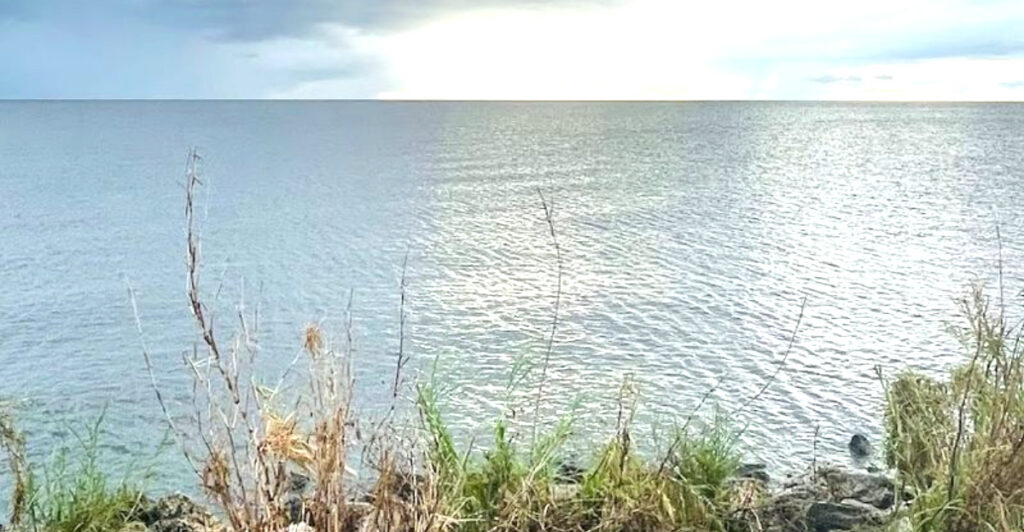
Florida is full of strange stories, but few are as spine-tingling as the whispers surrounding a massive lake in the heart of the state. Some locals swear that beneath its murky surface lies an underwater ghost town, complete with forgotten history and eerie remnants of the past.
The truth, as it turns out, is a fascinating mix of documented tragedy, Indigenous heritage, and folklore that has grown over generations. This article breaks down what is real, what is legend, and what makes this lake one of the most captivating natural landmarks in the entire country.
A Lake That Defines Florida’s Heartland
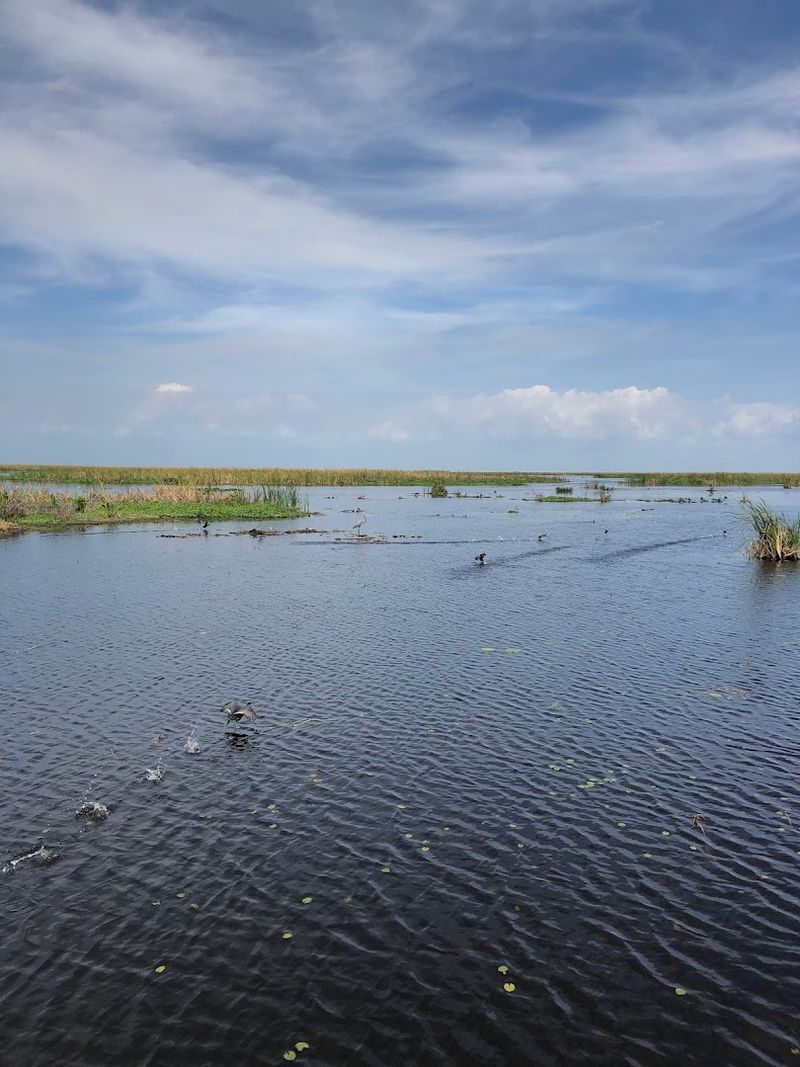
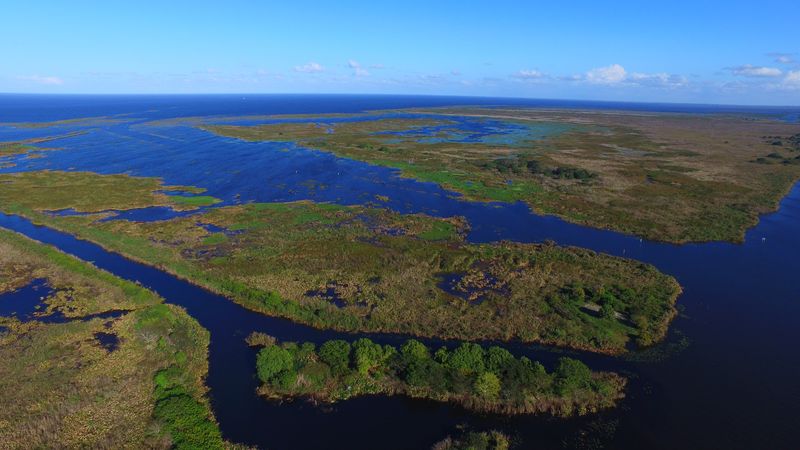
Few bodies of water in the United States carry the kind of raw, commanding presence that this one does. Lake Okeechobee sits in south-central Florida and covers more than 730 square miles, making it the second-largest freshwater lake entirely within the contiguous United States.
The lake is located at approximately 26.9689536, -80.7975834, in the region broadly known as the Glades area of Florida. It touches multiple counties, including Okeechobee, Palm Beach, Martin, Glades, and Hendry.
The name Okeechobee comes from the Hitchiti language, combining words that roughly translate to “big water,” and that name could not be more fitting. From the shoreline, the far side of the lake is simply not visible, giving it a near-oceanic feel that surprises first-time visitors every single time.
A 110-mile scenic trail called the Lake Okeechobee Scenic Trail circles the entire lake along the Herbert Hoover Dike, offering hikers and cyclists a front-row seat to the lake’s changing moods. Whether you are watching a heron glide low over the water or spotting an alligator near the reeds, the scale and beauty of this place are genuinely hard to overstate.
Thousands Of Years Of Indigenous History
Long before any European explorer set foot in Florida, the land surrounding Lake Okeechobee was home to thriving Indigenous communities. The Calusa people, known for their sophisticated canal systems and shell mound architecture, lived throughout the region for thousands of years.
Later, the Seminole people established deep roots around the lake as well, particularly during the Seminole Wars of the 19th century when the surrounding wetlands provided natural protection and resources. These communities understood the lake not just as a water source but as a living part of their cultural and spiritual world.
Documented archaeological sites around the lake include burial mounds and middens that researchers continue to study carefully. Florida law protects these sites, and access to many of them is strictly regulated to preserve their integrity for future generations.
This rich Indigenous history is one of the key reasons why legends about the lake feel so layered and emotionally charged. When people hear stories of things hidden beneath the water, the thousands of years of human activity around the lake lend those stories a weight that is hard to dismiss entirely, even when the facts tell a more nuanced story.
The 1928 Okeechobee Hurricane And Its Devastating Legacy
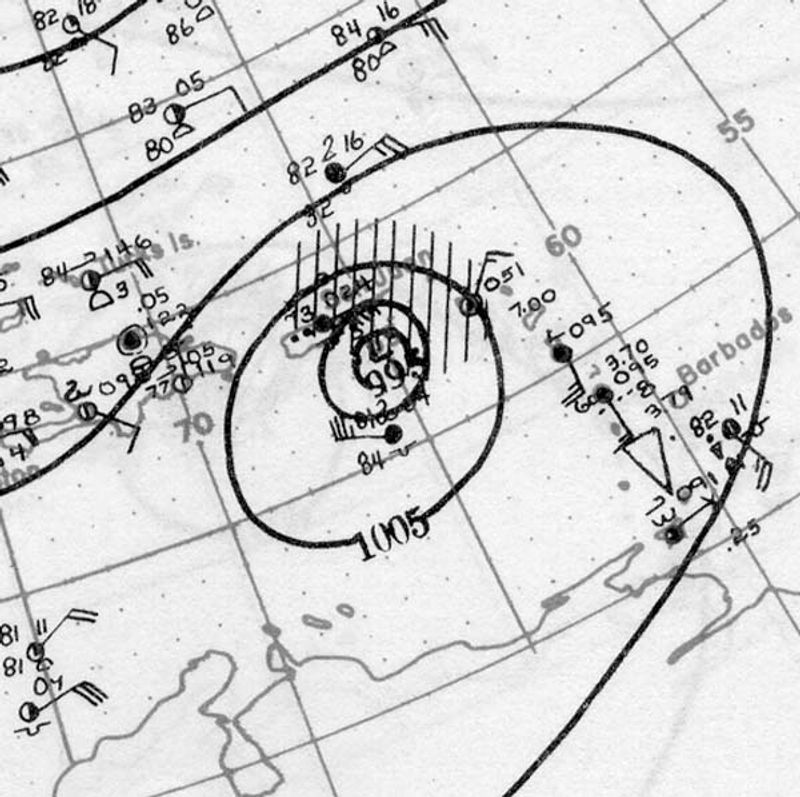
One of the most tragic chapters in Florida history unfolded over just a few hours in September 1928. A powerful hurricane made landfall near West Palm Beach and pushed a massive storm surge over the southern edge of Lake Okeechobee, sending walls of water crashing into nearby farming communities.
The towns of Belle Glade, Pahokee, and South Bay were among the hardest hit. Thousands of people, many of them migrant farm workers, lost their lives in the flooding.
Estimates of the total number of those who perished range from around 2,500 to over 3,000, making it one of the deadliest natural disasters in United States history.
Mass burial sites were established in the aftermath, and several memorials now stand to honor those who were lost. The Port Mayaca Cemetery along the lake’s eastern shore contains a mass grave and a memorial marker that visitors still come to pay their respects at today.
This documented tragedy is the historical backbone beneath many of the lake’s darker legends. The sheer scale of the loss, combined with the lake’s role in the event, has permanently woven grief and mystery into how people talk about Okeechobee.
Where The Ghost Town Legend Actually Comes From
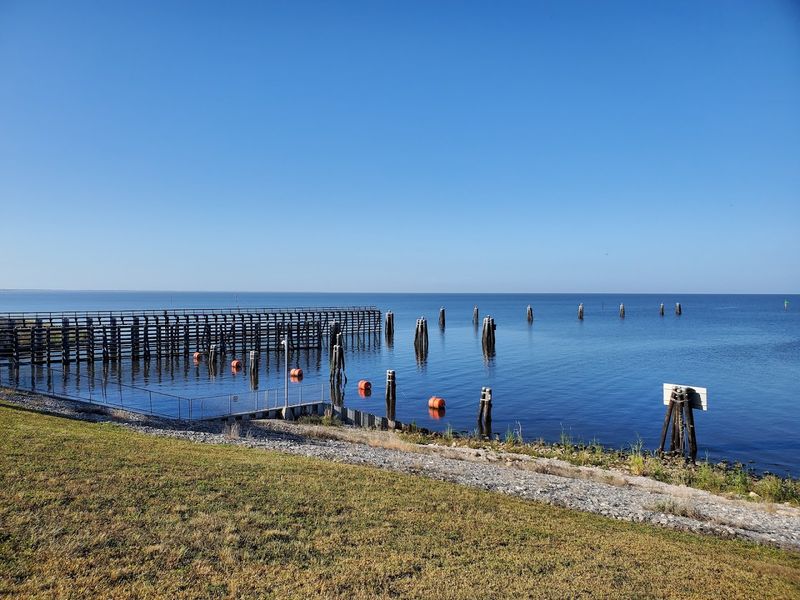
The story of an underwater ghost town beneath Lake Okeechobee is one of those legends that sounds specific enough to feel real but becomes harder to pin down the closer you look at it. The core claim is that during periods of unusually low water levels in the early 1900s, hundreds of skeletons were reportedly exposed on the lakebed.
Some versions of the story describe entire structures and burial sites rising to the surface, painting a picture of a sunken civilization hiding just below the waterline. It is a genuinely gripping image, and it has been passed around campfires and local conversations for generations.
The problem is that no verified archaeological record confirms a mass skeletal discovery of this scale beneath the lake. No major academic institutions, state archaeological surveys, or historical records document hundreds of exposed human remains rising from the lakebed in any confirmed event.
What likely happened is that isolated finds, combined with the lake’s very real Indigenous history and the trauma of the 1928 hurricane, blended together over time into something much larger in the retelling. That is how folklore tends to grow, building layer by layer until the story becomes larger than any single fact.
Low Water Levels And What They Actually Reveal
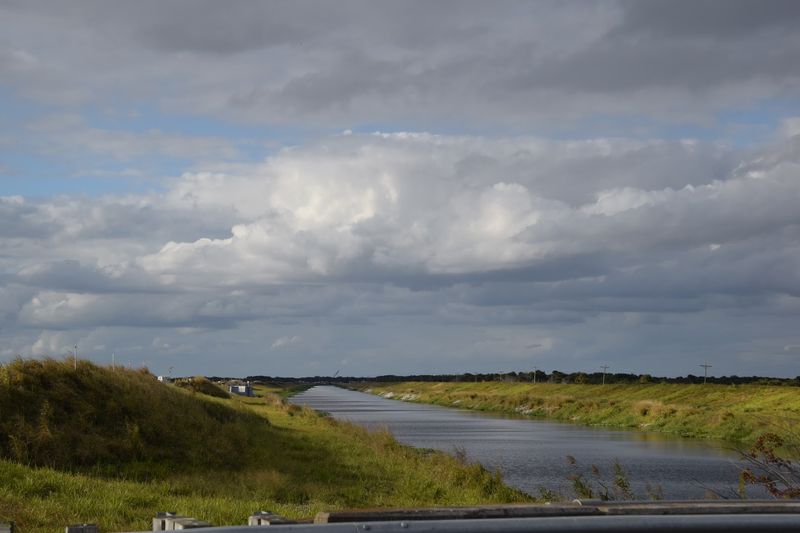
Lake Okeechobee’s water levels fluctuate significantly depending on rainfall, drainage management, and seasonal conditions. During drought years, the lake can drop dramatically, exposing wide stretches of the lakebed that are normally hidden beneath several feet of water.
When this happens, the revealed landscape is genuinely unusual. Old tree stumps, rusted debris from past human activity, and layers of dark organic sediment become visible.
To someone unfamiliar with the lake’s history, these exposed features can look mysterious and even unsettling.
It is entirely plausible that during past low-water events, observers found isolated objects or natural formations that sparked imaginative interpretations. A partially buried log, an old piece of equipment, or even natural bone fragments from wildlife could easily fuel stories in an era before scientific investigation was routine.
Water management of the lake is now handled by the U.S. Army Corps of Engineers and the South Florida Water Management District, both of which monitor levels carefully.
The goal is to balance flood control, environmental health, and water supply needs, meaning the dramatic low-water exposures of the past are less common today but not impossible during extended dry periods.
Fishermen’s Tales And The Bones In The Net Stories
Ask a longtime local fisherman about the lake’s legends and you will almost certainly hear a story about someone who pulled up something unexpected in their net. These tales are a staple of Okeechobee fishing culture, passed down with the kind of casual certainty that makes them feel unquestionable.
The most dramatic versions involve nets coming up with bone fragments or even skull pieces mixed in with the catch. These stories circulate persistently, and they are one of the main reasons the ghost town legend stays alive in local conversation.
In reality, there are no verified, documented reports of widespread human remains being pulled from the lake by fishermen in modern times. Florida’s Fish and Wildlife Conservation Commission, which oversees the lake’s fishing activity, has no formal record of such discoveries becoming a pattern.
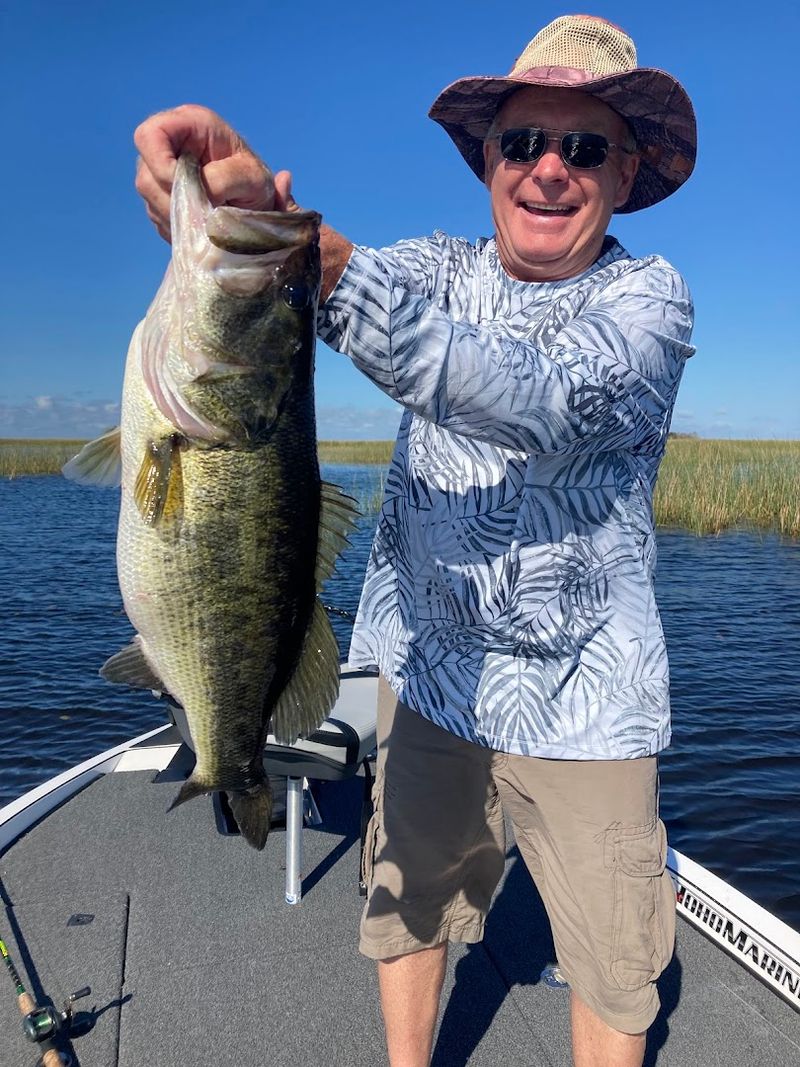
That said, the lake does have a rich and active fishing culture that is completely real and worth celebrating on its own terms. Lake Okeechobee is nationally renowned as one of the top bass fishing destinations in the country, drawing competitive anglers from across the United States who come specifically for its largemouth bass and crappie populations.
The fish stories here are legendary enough without any added mystery.
The Herbert Hoover Dike And Its Complicated History
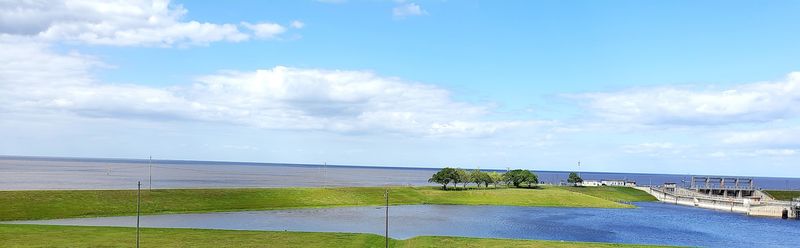
The Herbert Hoover Dike is one of the most significant engineering projects in Florida history, and understanding it is key to understanding the lake itself. Built after the catastrophic 1928 hurricane, the dike is a massive earthen levee that encircles most of Lake Okeechobee, stretching roughly 143 miles in total length.
The project was designed to prevent the kind of catastrophic flooding that destroyed communities in 1928, and it fundamentally changed the relationship between the lake and the surrounding landscape. Before the dike, the lake naturally overflowed its southern edge during wet seasons, feeding the vast wetlands of the Everglades with fresh water.
After the dike was constructed, that natural flow was interrupted, which has had lasting consequences for the Everglades ecosystem downstream. Ongoing restoration efforts are now working to reestablish some of that historic water flow in a managed way.
The dike’s top surface doubles as the Lake Okeechobee Scenic Trail, which has become a popular destination for cyclists and hikers who want sweeping views of the lake on one side and Florida’s rural interior on the other. Walking along the dike gives you a real sense of just how massive the engineering effort was, and how dramatically humans have shaped this natural environment over the past century.
Wildlife That Makes The Lake Feel Truly Wild
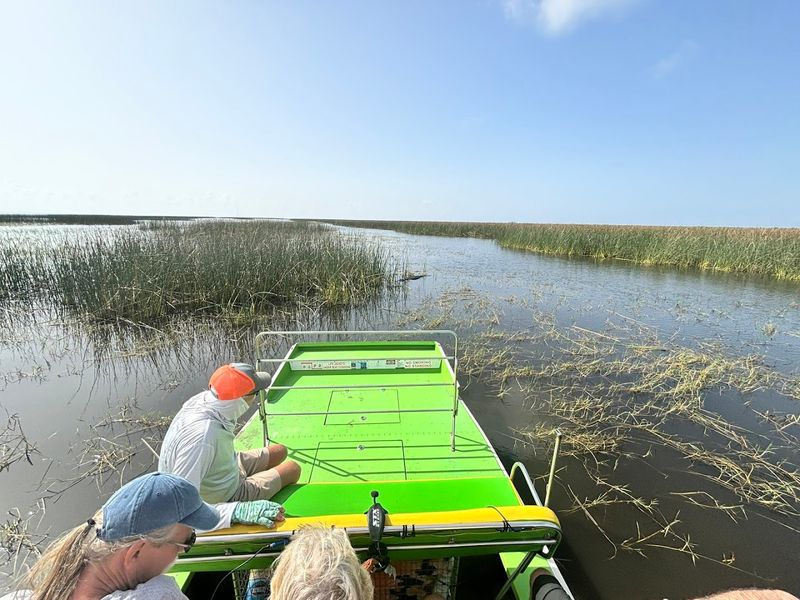
One of the most immediate and striking things about spending time at Lake Okeechobee is how alive it feels. The wildlife here is not subtle or hidden away.
Alligators are a constant presence along the shoreline and in the marsh areas, and locals are very clear that swimming in the lake is not advisable for that reason alone.
Bird life at the lake is extraordinary. Great blue herons, anhingas, roseate spoonbills, ospreys, and bald eagles are all regular sightings.
During migration seasons, the lake becomes a critical stopover for numerous species traveling along the Atlantic Flyway, making it a serious destination for birding enthusiasts.
Airboating is one of the most popular ways to access the lake’s more remote marsh areas, where tall grass and shallow water make traditional boats impractical. Gliding through the sawgrass at speed, with wading birds lifting off on either side, is the kind of experience that stays with you long after you leave.
Turtles sun themselves on logs near the shore, and tilapia beds are often visible in the shallower areas, their activity creating visible ripples on the water’s surface. The lake’s ecosystem, despite environmental pressures, remains genuinely spectacular for anyone willing to spend real time on the water.
Sunsets That Rival Anything On The Coast
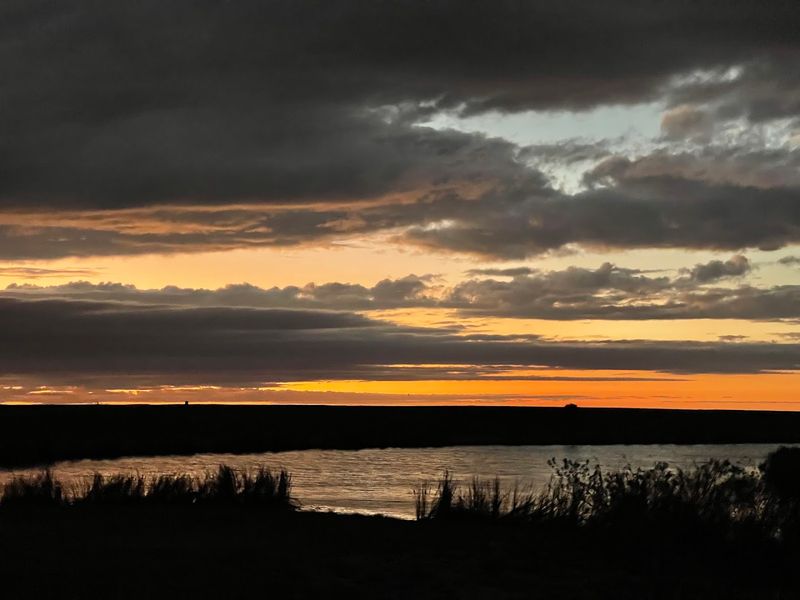
There is a moment at Lake Okeechobee, usually about twenty minutes before the sun hits the horizon, when the entire sky starts to turn colors that seem almost too vivid to be real. Because the lake is so flat and so wide, there is nothing to interrupt the view, and the sunset spreads across the water like a painting being finished in real time.
The sunsets here have earned a genuine reputation among Florida travelers, and not just among the locals who see them regularly. People who have lived in the state for decades describe their first Okeechobee sunset as something that genuinely surprised them, which is saying something in a state full of beautiful evening skies.
The eastern shoreline and the dike trail both offer excellent sunset viewing spots, though the exact quality of the light depends heavily on cloud cover and the season. Late summer and early fall, when afternoon thunderstorms are common, often produce the most dramatic skies as the clouds catch the fading light.
Sunrise at the lake is equally worth setting an alarm for. The morning light comes up slowly over the flat landscape, and the lake surface in the early hours has a stillness and a reflective quality that feels almost meditative, especially if you are out on the water before the wind picks up.
The Small Towns That Surround The Lake
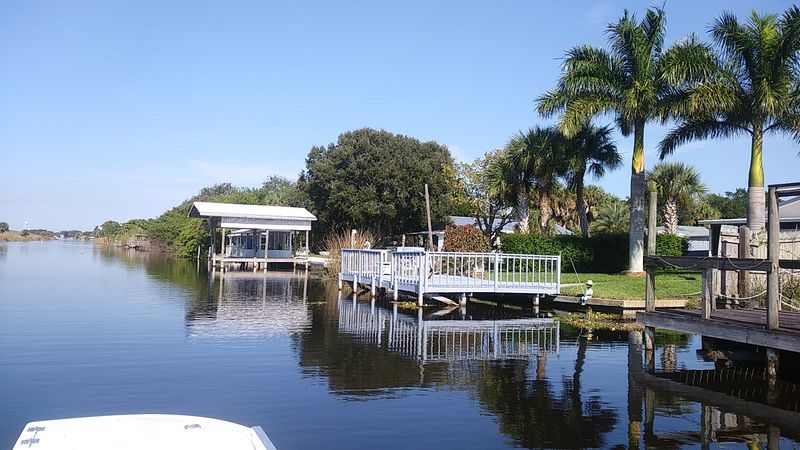
The communities that ring Lake Okeechobee are as much a part of the experience as the lake itself. Towns like Okeechobee, Clewiston, Belle Glade, Pahokee, and Moore Haven each have their own character, history, and connection to the water that defines their entire identity.
Okeechobee city, on the northern shore, serves as a practical hub for visitors, with bait shops, boat rentals, and local restaurants that proudly display trophy fish caught on the lake. Clewiston, on the southwestern edge, calls itself the sweetest town in America thanks to its long association with sugarcane farming, and the surrounding fields are a striking sight in their own right.
Belle Glade and Pahokee, on the southern and southeastern shores, carry the deepest historical weight given their connection to the 1928 hurricane disaster. These communities rebuilt after unimaginable loss and have maintained a strong sense of local pride and resilience ever since.
Stopping at a local diner in any of these towns and chatting with a longtime resident will give you a perspective on the lake that no guidebook can fully capture. The people here have a relationship with Okeechobee that goes back generations, and they are generally happy to share it with anyone who shows genuine curiosity.
What The Science Actually Says About The Lakebed
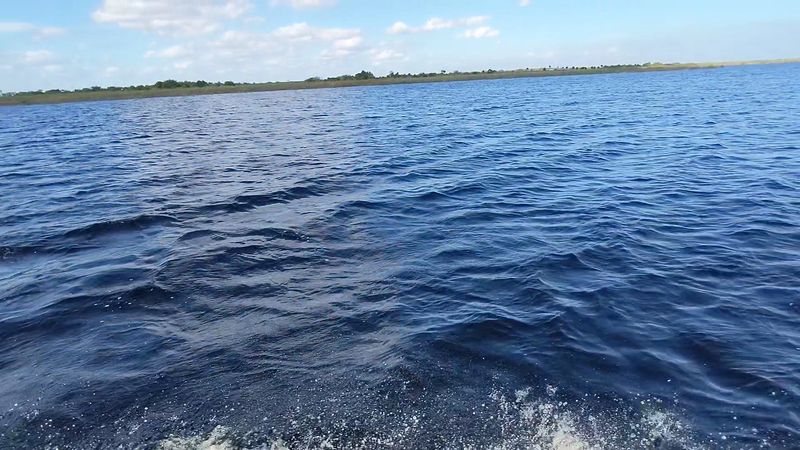
Researchers and environmental scientists have studied Lake Okeechobee’s lakebed extensively, though their focus has largely been on ecology and water quality rather than archaeology. The lakebed is primarily composed of soft sediment, organic muck, and layers of material that have accumulated over thousands of years.
Sediment core samples taken from the lake have been used to reconstruct the environmental history of the region, tracking changes in water quality, plant life, and even past weather events. These cores are like a timeline pressed into the mud, offering genuine scientific insight into how the lake has changed over centuries.
In terms of human remains or submerged structures, no peer-reviewed archaeological study has confirmed the presence of a ghost town or mass grave site beneath the lake’s surface. The Florida Division of Historical Resources, which oversees archaeological investigations in the state, has no documented record of such a discovery at Okeechobee.
That absence of evidence does not mean the lake holds no historical secrets, but it does mean that the ghost town narrative should be understood as legend rather than documented fact. Science and folklore can coexist around a place this historically layered, and both perspectives add something real to how we understand the lake’s significance.
Practical Tips For Visiting Lake Okeechobee
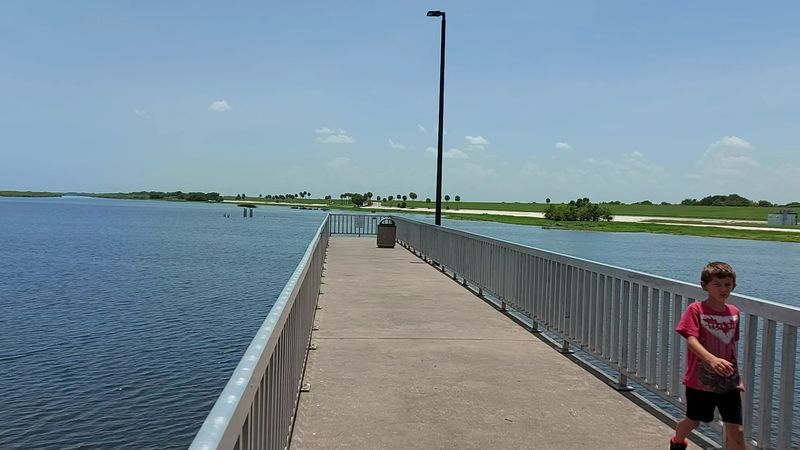
Getting the most out of a visit to Lake Okeechobee takes a little planning, but the lake rewards effort generously. The best access points depend on what you want to do, and the lake is large enough that different areas offer genuinely different experiences.
For fishing, the northern and western shores near Okeechobee city and Clewiston are popular starting points, with numerous boat ramps and guide services available. Bass fishing is the main draw, and hiring a local guide is worth every penny if you want to find the best spots rather than spending hours navigating the grass beds on your own.
For cycling or hiking, the Lake Okeechobee Scenic Trail is well-maintained and clearly marked. The full 110-mile loop takes multiple days for most cyclists, but shorter sections can be done as day trips from any of the surrounding towns.
Bring plenty of water and sun protection because shade on the dike trail is minimal.
The best seasons to visit are generally fall through early spring, when temperatures are more comfortable and mosquito populations are lower. Summer visits are absolutely doable but come prepared for heat, humidity, and afternoon thunderstorms that can roll in quickly across the open water.
Share this story