Animals have always held a sacred place in Native American cultures, serving as guides, protectors, and symbols of deeper truths. Across hundreds of tribes and nations, certain animals are believed to carry powerful spiritual messages that can teach people how to live well.
Understanding these animal symbols offers a window into rich traditions that have shaped life on this continent for thousands of years. Whether you are curious about spirituality or simply love learning about nature and culture, these 12 animals and their meanings are sure to leave a lasting impression.
1. Eagle
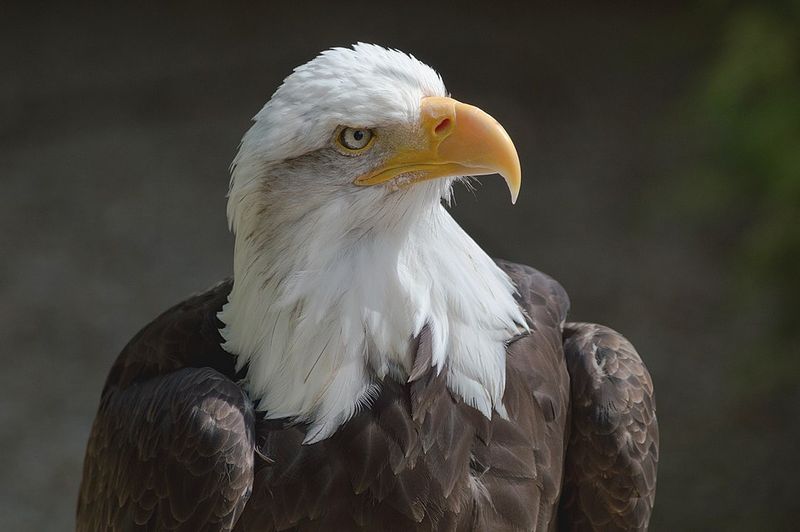
Few animals command as much respect in Native American culture as the eagle. Soaring higher than any other bird, the eagle is seen as a direct messenger between humans and the Creator.
Its ability to fly close to the sun made it a natural symbol of spiritual power and divine vision.
Many tribes, including the Lakota and Cherokee, consider eagle feathers among the most sacred objects a person can possess. Wearing or gifting an eagle feather is a deeply meaningful honor.
Warriors and leaders often earned eagle feathers as recognition of courage and wisdom.
The eagle teaches people to rise above everyday struggles and see the bigger picture of life. Its sharp eyes remind us to look clearly at the world around us.
For generations, the eagle has inspired people to aim high and live with purpose and integrity.
2. Buffalo (Bison)
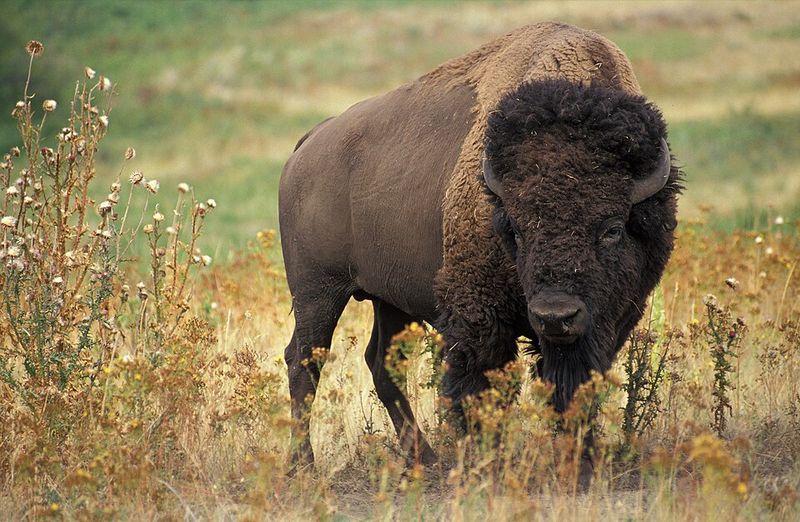
To the Plains tribes, the buffalo was not just an animal. It was a living gift from the Creator that made survival possible.
Every part of the buffalo was used, from its hide for shelter and clothing to its bones for tools. Nothing was wasted, and gratitude was always expressed after a hunt.
The Lakota people held the White Buffalo Calf Woman as one of their most important spiritual figures, connecting the buffalo to sacred teachings about respect and balance. The buffalo symbolizes abundance, generosity, and the responsibility to share with others in the community.
Seeing a buffalo in a vision or dream was considered a powerful sign of protection and provision. Today, many Native communities continue to honor the buffalo through ceremony and conservation efforts.
The animal remains a living reminder of resilience and the deep bond between people and the natural world.
3. Wolf
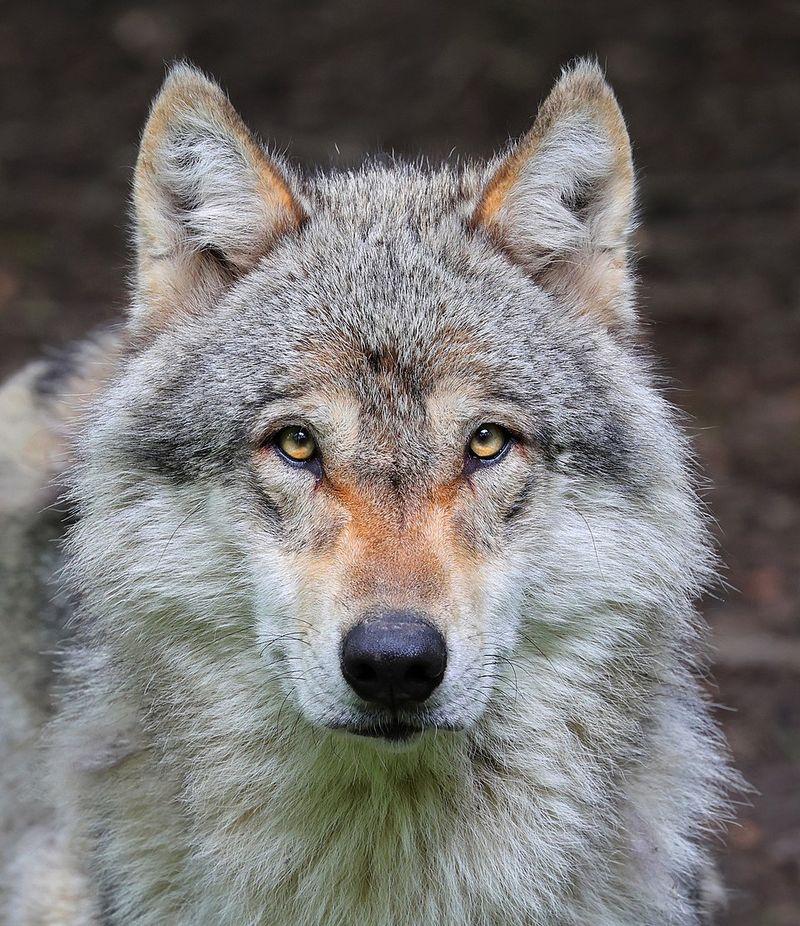
The wolf is one of the most admired animals across many Native American tribes. Known for its strong family bonds and cooperative hunting style, the wolf represents loyalty, teamwork, and the importance of community.
Many tribes see the wolf as a teacher who shows humans how to live and work together.
Among the Anishinaabe people, the wolf is considered a brother to humanity, sharing a deep spiritual connection that stretches back to the beginning of creation stories. The wolf’s howl is often interpreted as a call to pay attention to instinct and inner wisdom.
Wolf clans exist in numerous tribes, and members of these clans often take on roles as protectors and pathfinders for their communities. The wolf encourages people to trust their instincts, remain devoted to family, and never lose their sense of direction even in the darkest times.
4. Bear
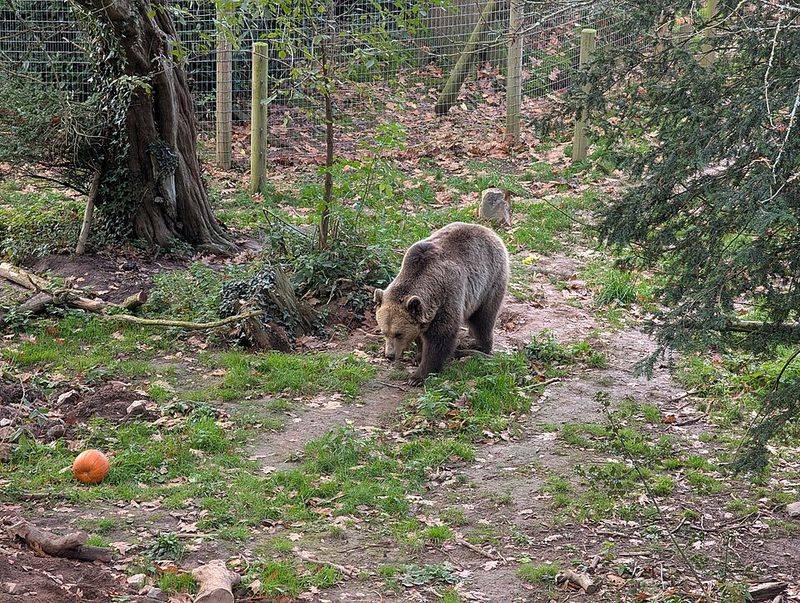
Bold, powerful, and deeply wise, the bear holds a place of high honor in many Native American traditions. Often called the Elder of the Forest, the bear is associated with healing, strength, and introspection.
Its habit of hibernating through winter and emerging renewed in spring made it a powerful symbol of transformation and rebirth.
Cherokee healers, known as medicine people, often called upon bear medicine when treating illness, believing the bear carried special knowledge of plants and natural remedies. The bear was respected not as a threat but as a wise elder who understood the rhythms of the earth.
Bear dances and ceremonies were held to honor this animal and seek its guidance. People born under the bear spirit are thought to be natural healers with grounded, protective personalities.
The bear reminds us that true strength often comes from stillness and self-reflection rather than action.
5. Deer
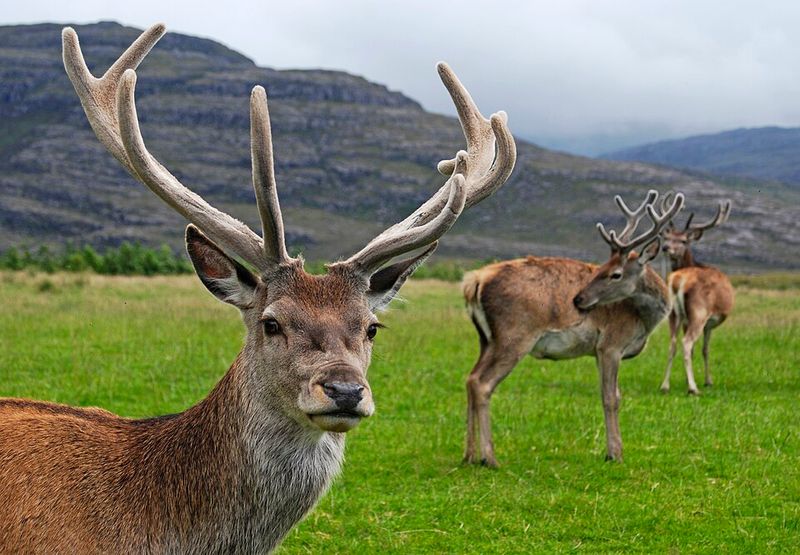
Quiet, graceful, and surprisingly perceptive, the deer carries a spirit of gentleness and sensitivity in Native American traditions. Many tribes view the deer as a symbol of compassion, intuition, and peaceful communication.
Where other animals represent power through force, the deer shows that true strength can come from a tender heart and a calm presence.
In Cherokee tradition, the deer is closely tied to stories of balance between the animal and human worlds. Hunters would offer prayers and gratitude before and after a deer hunt, acknowledging the animal’s willing sacrifice to sustain the community.
Wasting any part of the deer was considered deeply disrespectful.
People guided by the deer spirit are often empathetic listeners who can sense the feelings of others. The deer encourages awareness of your surroundings and the importance of moving through life with grace.
Its message is simple: approach others with kindness and you will find your way.
6. Turtle

Ask many Native American elders about the turtle and they will smile, because this slow-moving creature carries one of the most profound spiritual messages of all. North America itself is often called Turtle Island in many Indigenous creation stories, making the turtle a foundational symbol of the earth, life, and creation itself.
The turtle’s hard shell represents protection, endurance, and the ability to carry one’s home wherever life leads. Its slow and steady nature teaches patience and the wisdom of taking things one step at a time.
The turtle does not rush, yet it always arrives where it needs to be.
Turtle shells were historically used as ceremonial rattles and musical instruments in various tribes, connecting the turtle’s spirit to healing ceremonies and prayer. For those who feel drawn to the turtle, the message is clear: slow down, stay grounded, and trust the journey ahead.
7. Owl
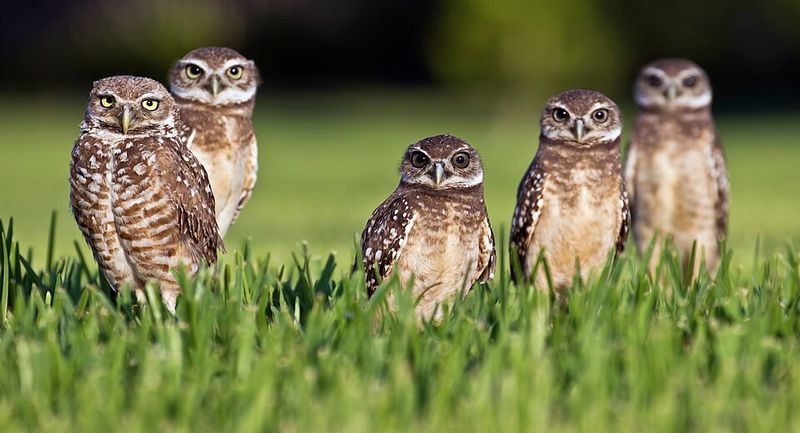
The owl moves through the night in near-total silence, and that mysterious quality has made it one of the most spiritually complex animals in Native American culture. In some tribes, the owl is feared as a messenger of death or a carrier of bad omens.
In others, it is celebrated as a keeper of ancient wisdom and a guide through the unknown.
The Hopi people associate the burrowing owl with their god of the dead, while other southwestern tribes see owls as protectors of warriors. Among many nations, dreaming of an owl was taken seriously as a message requiring careful reflection and attention.
What unites most tribal views of the owl is its connection to knowledge that lies beyond the visible world. The owl sees what others cannot, making it a symbol of truth, insight, and the courage to face what is hidden.
Its presence invites deep, honest self-examination.
8. Hawk
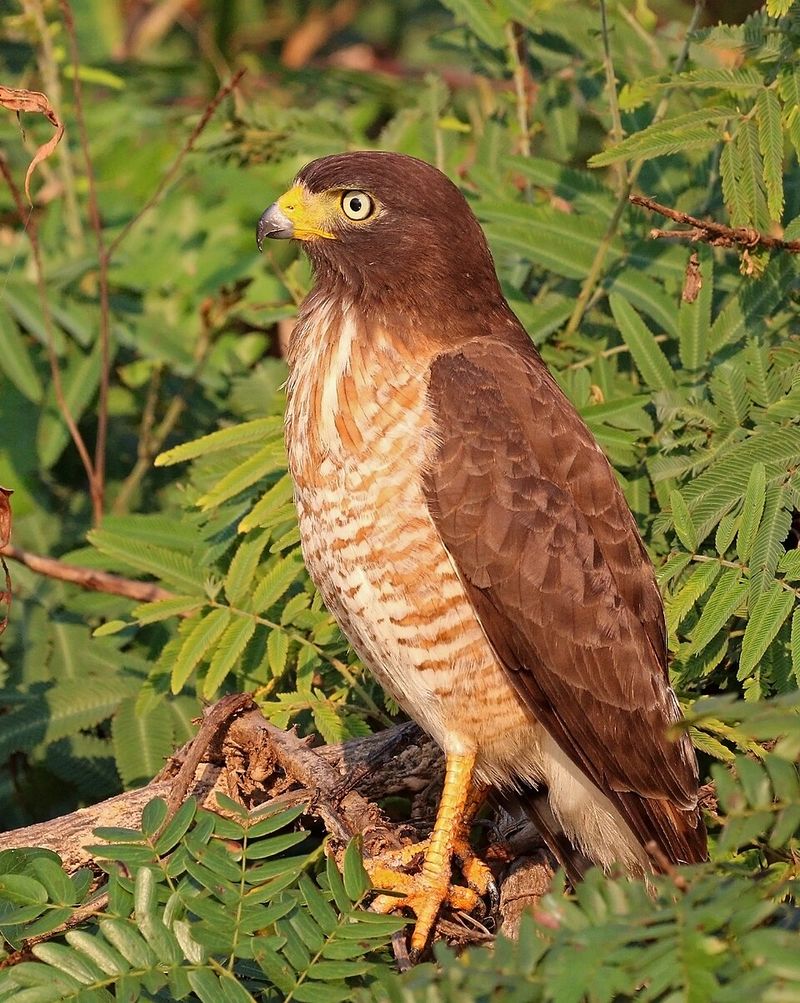
Sharp-eyed and swift, the hawk is considered one of nature’s most skilled messengers in Native American traditions. Many tribes believe that when a hawk appears, it is delivering an important spiritual message that deserves full attention.
Seeing a hawk circle overhead was often interpreted as a sign to pause and observe your situation more carefully.
The hawk is closely linked to the sun in several traditions, symbolizing clarity, focus, and the ability to see long distances both physically and spiritually. Cherokee and Choctaw traditions both honor the hawk as a bird of vision and swift decision-making, qualities that were especially valued in leaders and warriors.
People connected to hawk medicine are thought to be natural visionaries who can spot opportunities others miss. The hawk challenges you to broaden your perspective and act with intention.
When life feels foggy or confusing, the hawk’s energy encourages you to rise above and see more clearly.
9. Snake
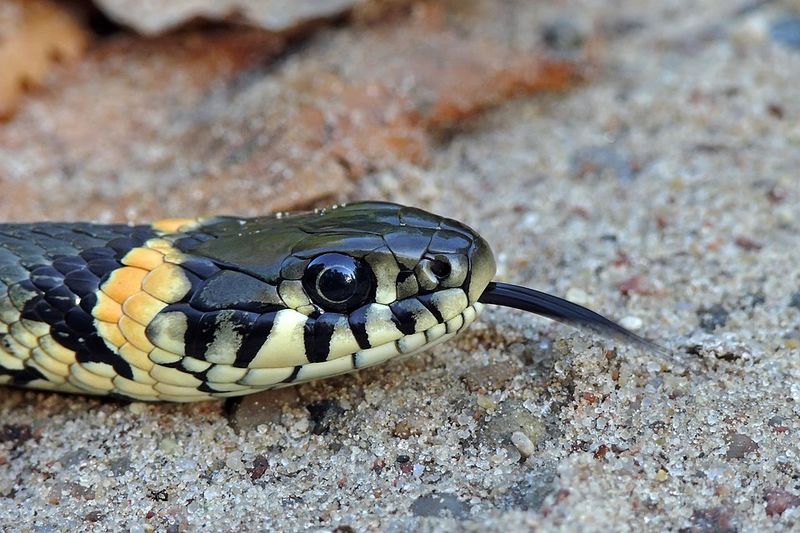
Not every powerful animal is immediately beloved, and the snake is a perfect example. In Native American cultures, the snake is a deeply respected symbol of transformation, healing, and the cycle of life and death.
Its ability to shed its skin and emerge renewed made it a natural emblem of renewal and personal growth.
The Hopi Snake Dance is one of the most well-known ceremonies involving the snake, performed to bring rain and ensure a good harvest. Participants handle live rattlesnakes during this ceremony, demonstrating deep trust and spiritual connection with the animal.
The snake is not feared in this context but honored as a powerful intermediary with nature’s forces.
Snake medicine is often associated with healers and those who work with life-force energy. The snake’s fluid movement represents adaptability and the ability to navigate change smoothly.
Embracing snake energy means being willing to release the old and welcome transformation with open arms.
10. Horse
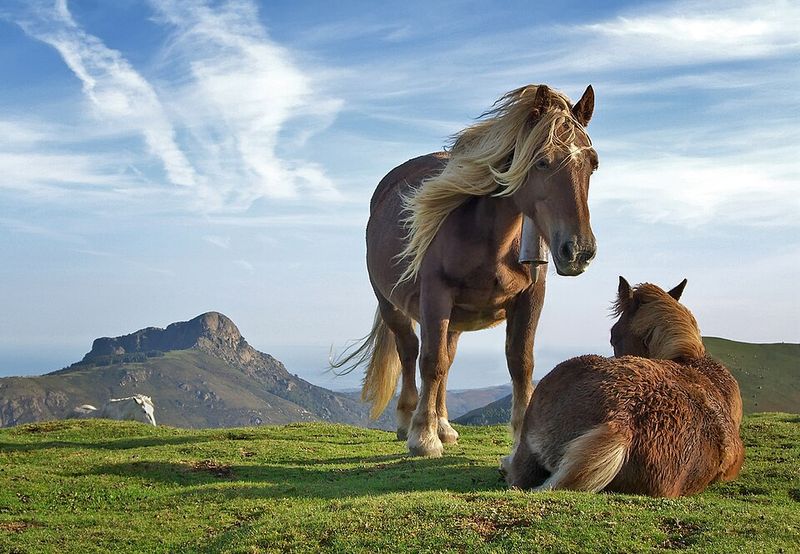
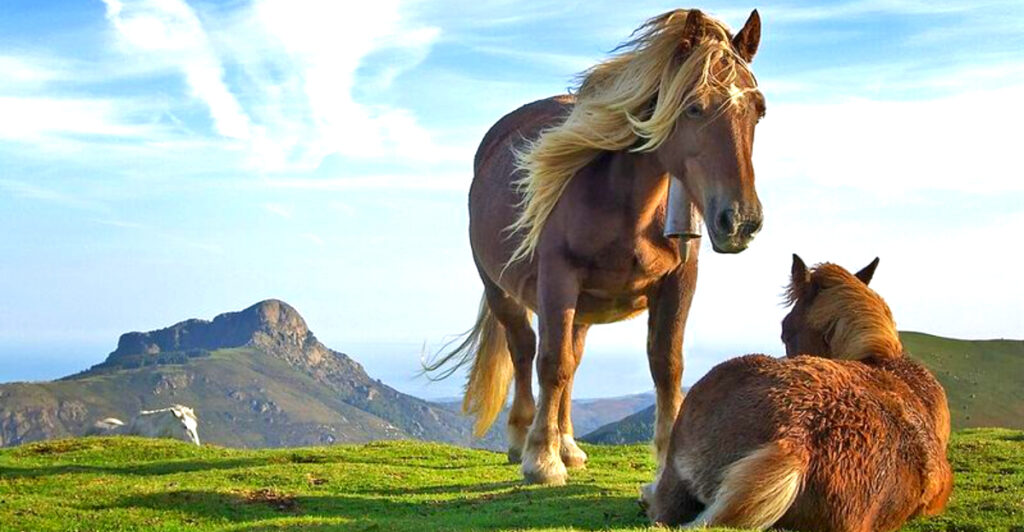
Before European settlers introduced horses to North America, many Plains tribes lived without them. But once the horse arrived, it changed everything.
The Lakota, Comanche, and other Plains nations quickly recognized the horse as a gift of tremendous power, and the animal became central to their way of life, spirituality, and identity.
The horse became a symbol of freedom, speed, and personal power. Owning many horses was a sign of wealth and generosity, since sharing horses with others was considered a mark of great character.
The bond between a warrior and their horse was considered almost sacred, built on trust and mutual respect.
Horse medicine encourages people to embrace their personal freedom and move forward with confidence. The horse reminds us that true power is not about domination but about partnership and moving in harmony with those around you.
Its spirit continues to inspire courage and forward momentum in Native traditions today.
11. Raven
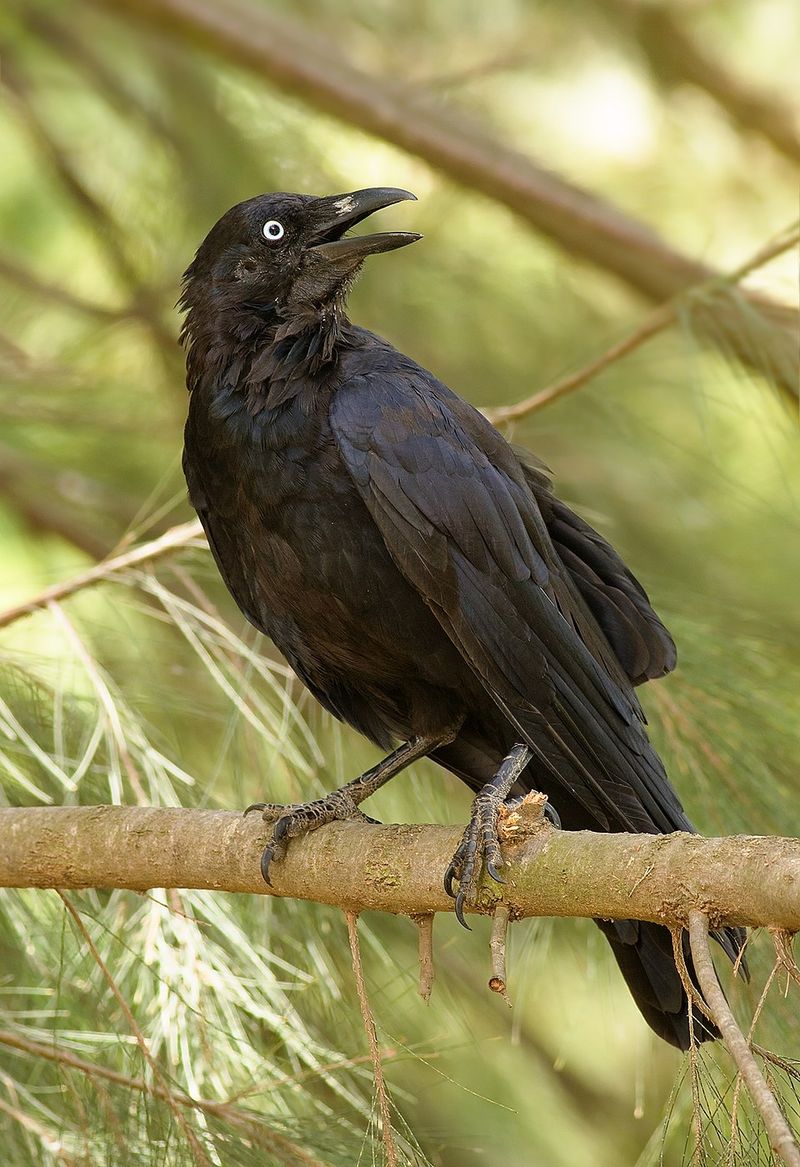
Clever, bold, and endlessly curious, the raven holds a starring role in many Pacific Northwest and Arctic Indigenous traditions. The Haida and Tlingit peoples tell stories of Raven as the great trickster who brought light to the world by stealing the sun from a powerful chief and releasing it for all beings to share.
This story places the raven at the very heart of creation.
Unlike the eagle, which represents pure nobility, the raven represents the playful and unpredictable side of the universe. Trickster figures like Raven remind people that wisdom can come from unexpected places, including humor, mistakes, and moments of chaos.
The raven teaches that not everything needs to be serious to be meaningful.
Raven energy is associated with magic, transformation, and shifting perspectives. People drawn to the raven are often creative, witty, and able to find solutions in surprising ways.
The raven’s message is to stay curious, stay flexible, and never underestimate the power of a good story.
12. Mountain Lion (Cougar)
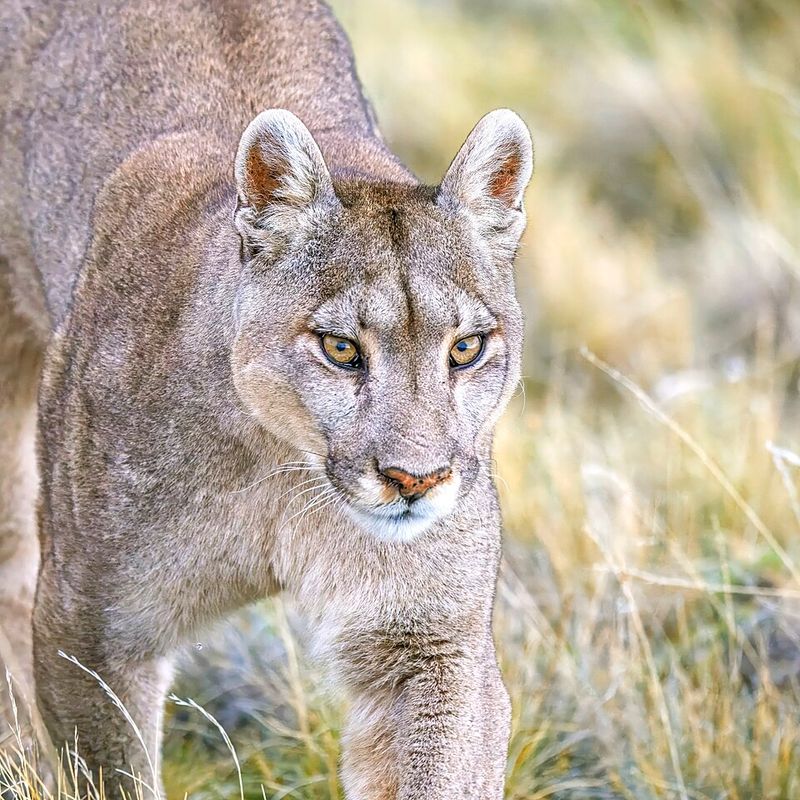
Silent, solitary, and extraordinarily powerful, the mountain lion commands deep respect in Native American traditions across the western United States and beyond. Known by many names, including cougar, puma, and panther, this big cat is often associated with leadership, decisiveness, and the ability to act without hesitation when the moment demands it.
Many Pueblo tribes consider the mountain lion the guardian of the north, one of the six sacred directional guardians that protect and guide the community. The mountain lion’s solitary nature reflects the kind of self-reliance and quiet confidence that strong leaders must develop.
It does not announce itself with noise but earns respect through presence alone.
Mountain lion medicine calls on people to step into leadership roles with clarity and without second-guessing themselves. It reminds us that real authority comes from inner strength, not from seeking approval.
For anyone facing a moment of leadership, the mountain lion offers steady, grounded guidance.
Share this story