There is a small island off the coast of Florida where time seems to have stopped somewhere around the Spanish-American War. Old brick walls rise out of tangled jungle, gopher tortoises wander the trails like they own the place, and the Gulf of Mexico glitters in every direction.
You can only reach it by boat or ferry, which already makes the whole trip feel like a proper adventure. The island holds a working lighthouse, the crumbling bones of a Civil War-era fort, wildlife that surprises you at every turn, and beaches loaded with shells and shark teeth.
Whether you are a history buff, a nature lover, or just someone who wants a beach day with a serious story attached, this place delivers all of it in one unforgettable package. Keep reading, because this hidden Florida gem is unlike anything else in the state.
Getting There: The Island You Can Only Reach By Boat
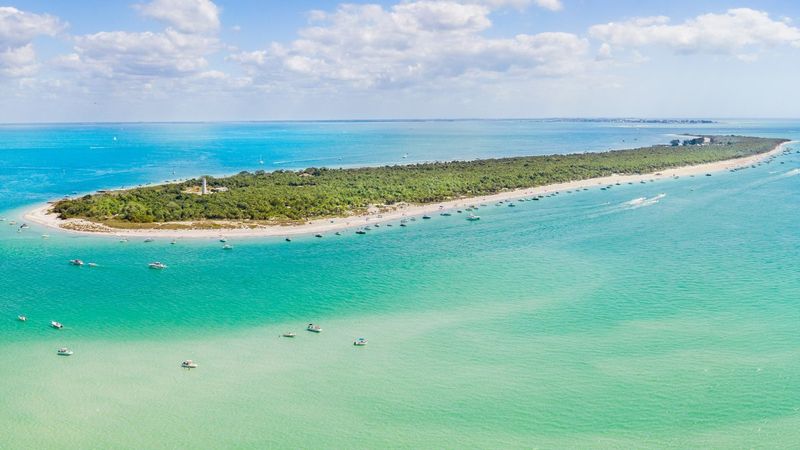
Egmont Key State Park sits at the mouth of Tampa Bay, accessible only by water, and that inaccessibility is honestly a big part of its charm. The park is located off the coast of St. Petersburg, FL 33711, and getting there requires either your own vessel or a ferry service.
The Pelican Ferry departs from the St. Pete Pier, making it easy for visitors who do not own a boat. Several tour operators, including Island Boat Adventures, offer guided trips with a few hours on the island included in the package.
The boat ride itself is part of the experience. Dolphins frequently surf the wake, pelicans glide overhead, and the skyline of St. Petersburg slowly shrinks behind you as the island grows larger on the horizon.
Strap down your hat and sunglasses because the Gulf wind is no joke out on the open water.
Fort Dade: The Abandoned Military Post That Started It All
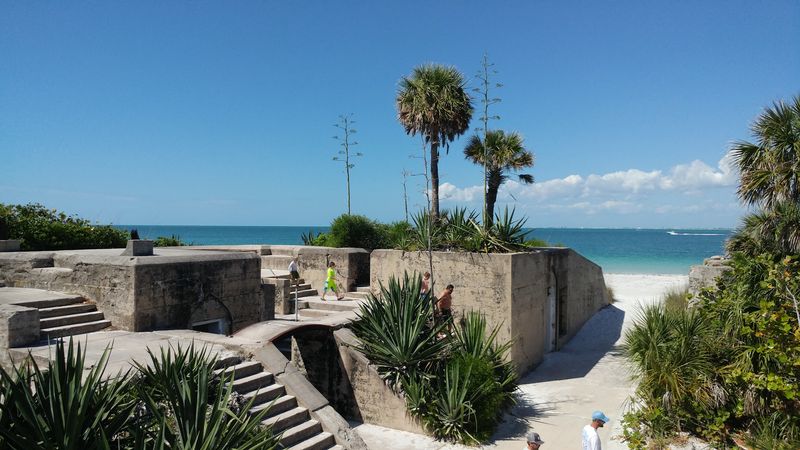
Fort Dade is the undisputed centerpiece of Egmont Key, and nothing quite prepares you for the sight of those weathered brick walls swallowed by Florida jungle. The fort was built in 1898 during the Spanish-American War to defend Tampa Bay from potential naval attacks.
At its peak, Fort Dade was a fully functioning military town with over 300 buildings, a railroad, a post office, a bakery, and even a bowling alley. Today, most of those structures have crumbled or been reclaimed by nature, leaving behind a hauntingly beautiful maze of ruins and overgrown foundations.
Walking through the remains of the old gun batteries and concrete bunkers feels like flipping through a forgotten chapter of American history. The thick walls still stand in places, and the sheer scale of what was once here makes you stop and recalibrate your sense of how much time has actually passed.
The Hiking Trails: Five Miles Of Wild Florida Waiting For You
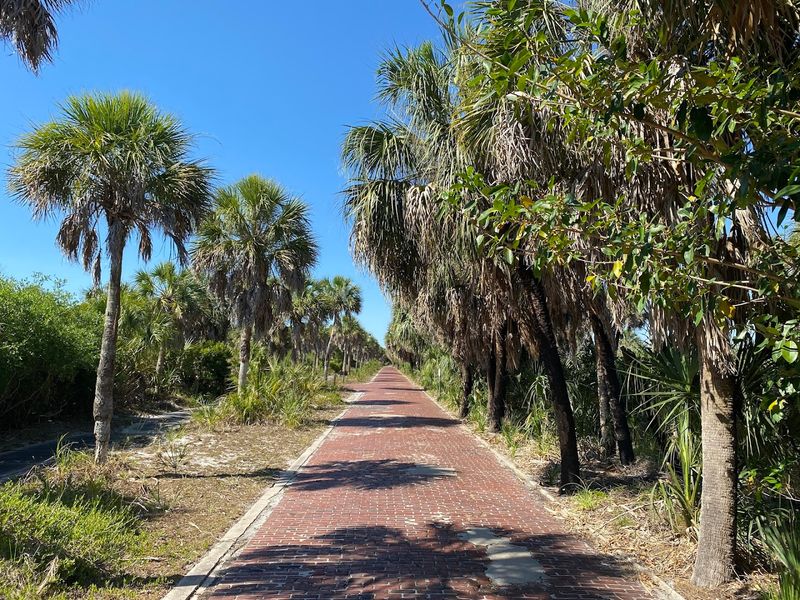
The trail system on Egmont Key covers over five miles of paths that wind through dense subtropical vegetation, past crumbling ruins, and along the island’s shoreline. The terrain is flat, which makes the hike accessible, but the heat and mosquitoes demand respect and proper preparation.
Solid closed-toe shoes are strongly recommended because the trails get rough in spots and the island’s spider population is enthusiastic. Bug spray is not optional here, it is survival gear.
Even on breezy days, the inland sections near the ruins can feel like a warm, buggy tunnel.
The reward for pushing through those inland sections is completely worth the effort. The trails open up to stunning coastal views, quiet coves, and unexpected wildlife encounters around nearly every bend.
With five miles of paths to explore, you can easily spend a full afternoon discovering new corners of the island each time you visit.
The Lighthouse: A Working Beacon Since 1848
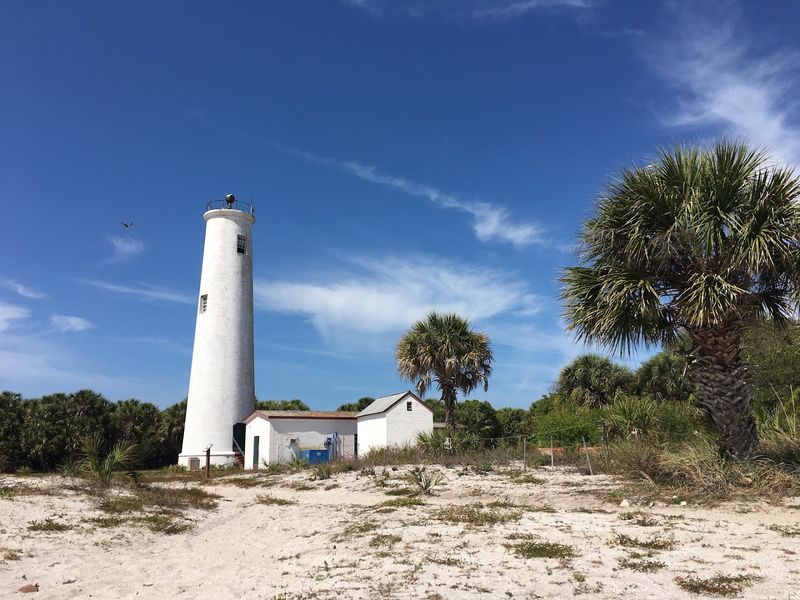
The Egmont Key Lighthouse has been guiding ships through the mouth of Tampa Bay since 1848, making it one of the oldest active lighthouses in Florida. The current tower, built in 1858 after the original was damaged, stands 87 feet tall and is still operational today.
From a distance, the lighthouse serves as a visual anchor for the whole island, a bright white tower rising above the palms and scrub vegetation. Up close, it carries the quiet dignity of something that has weathered hurricanes, wars, and more than a century and a half of Gulf storms without flinching.
Visitors cannot climb inside the tower, but walking around its base and taking in the surrounding landscape is its own reward. The lighthouse sits near some of the most photogenic scenery on the island, and the contrast of the white tower against the deep blue Gulf sky makes for a genuinely striking image.
Wildlife Encounters: Tortoises, Manatees, And More

Egmont Key is as much a wildlife refuge as it is a historic site, and the animals here are wonderfully unbothered by human visitors. Gopher tortoises are the island’s most iconic residents, and spotting eight of them in a single afternoon is not unusual at all.
The surrounding waters bring their own surprises. Manatees are frequently spotted near the shoreline, and dolphins are practically guaranteed on the boat ride out and back.
The island also serves as a nesting ground for sea turtles, and protected nesting areas are marked along the beach during nesting season.
Birdwatchers will find plenty to keep their binoculars busy, since a portion of the island is designated as a bird sanctuary. Raccoons, rabbits, and what some visitors have described as a fox-like creature have also been spotted on the trails.
The island essentially functions as a tiny, self-contained ecosystem thriving just offshore from a major city.
Snorkeling The Ruins: An Underwater History Lesson
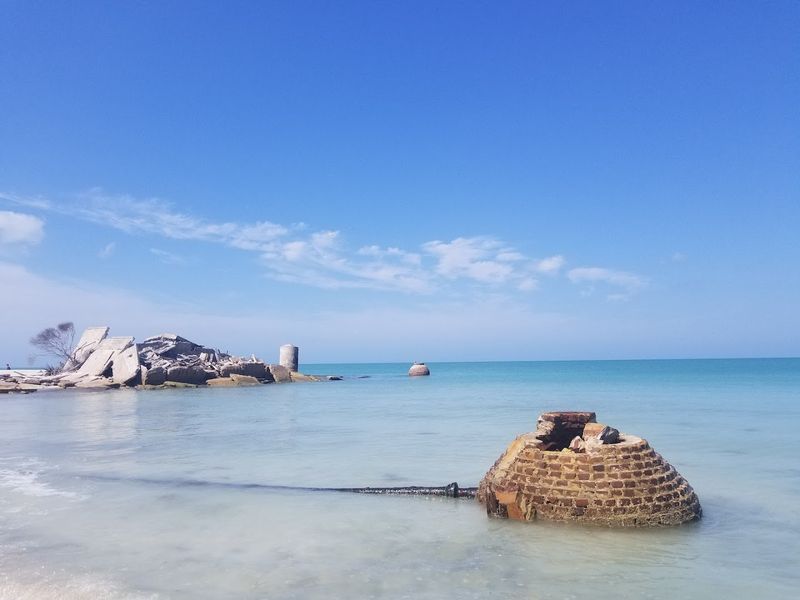
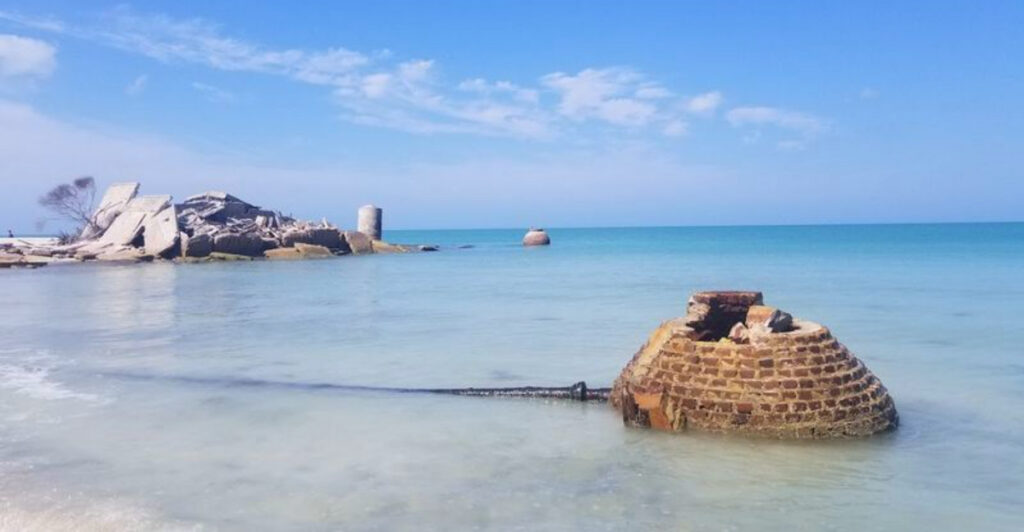
Some of Fort Dade’s old structures now sit partially submerged along the island’s shoreline, creating an accidental snorkeling attraction that is unlike anything else in the Tampa Bay area. The water clarity around Egmont Key is excellent, and the visibility makes exploring those underwater remnants genuinely exciting.
Fish dart in and out of the old brick foundations, and the mix of history and marine life gives the experience a surreal quality that a standard reef snorkel simply cannot match. Bring your own gear because there are no rental facilities on the island, and the park has no running water or bathrooms, so preparation is essential.
The current around parts of the island runs swift, so snorkeling with small children in tow requires extra caution. For confident swimmers, though, the combination of clear Gulf water, submerged ruins, and abundant sea life makes this one of the most memorable snorkeling spots in all of Florida.
The Beaches: White Sand, Shells, And Shark Teeth
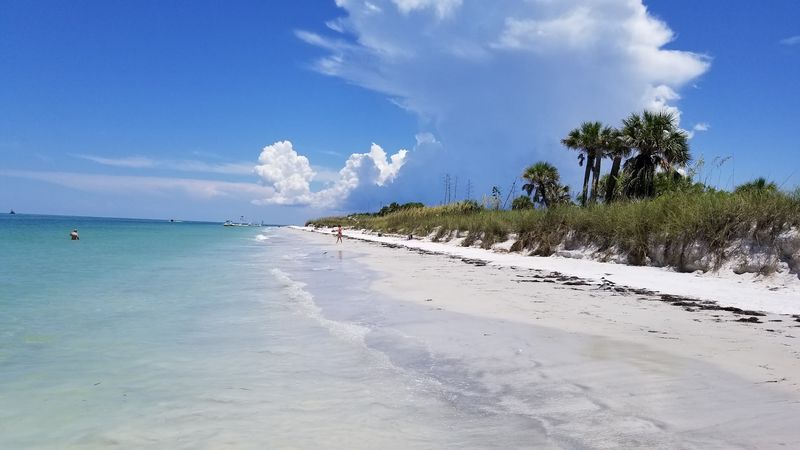
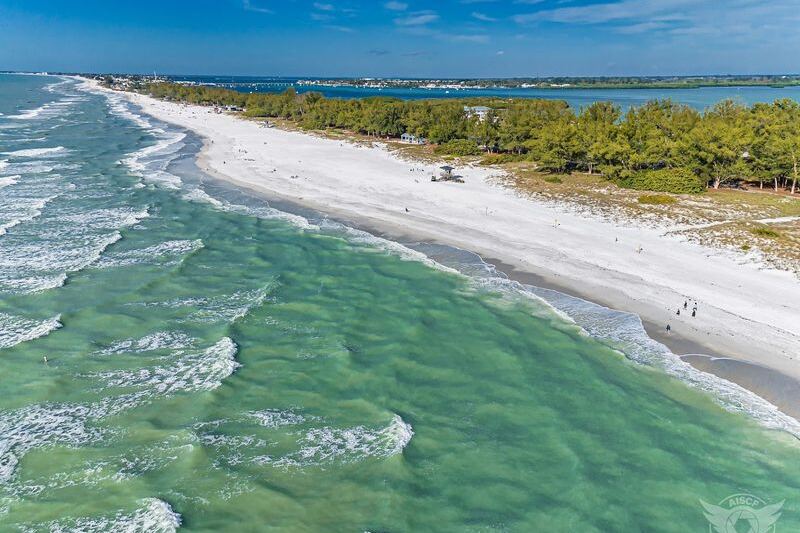
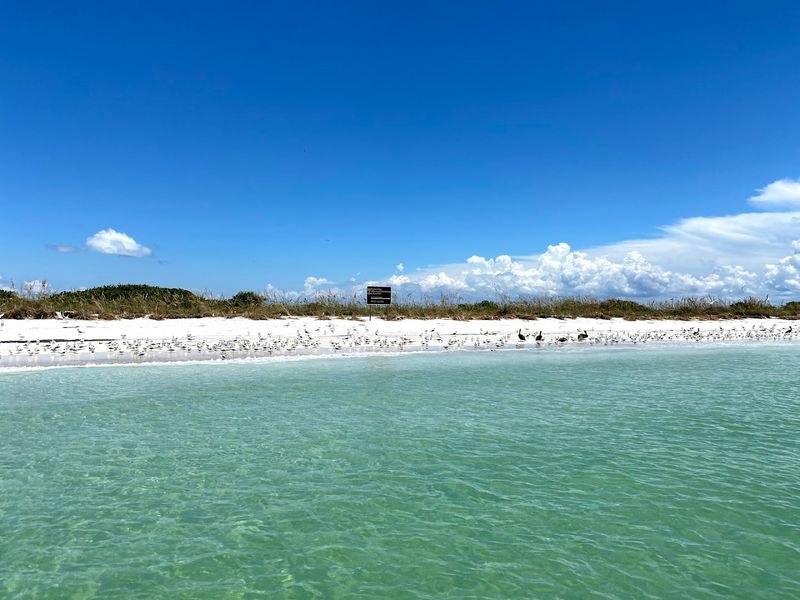
The beaches on Egmont Key are the kind that make you question every crowded tourist beach you have ever visited. The sand is fine, white, and soft underfoot, and the water runs from pale turquoise near the shore to deep blue farther out, all of it remarkably clear.
Shell collecting here is genuinely productive. The beach is consistently loaded with small, pretty shells, and patient hunters have pulled shark teeth from the sand with satisfying regularity.
The remote nature of the island keeps the crowds thin, so you can spread out and enjoy the shoreline without bumping elbows with strangers.
The opposite side of the island from the main dock tends to be even quieter, offering a more secluded stretch of beach that feels miles away from the mainland even though St. Petersburg is visible on a clear day. Pack a picnic, find a shady spot at one of the few available tables, and settle in.
A Brief History: From Seminole Wars To Spanish-American War
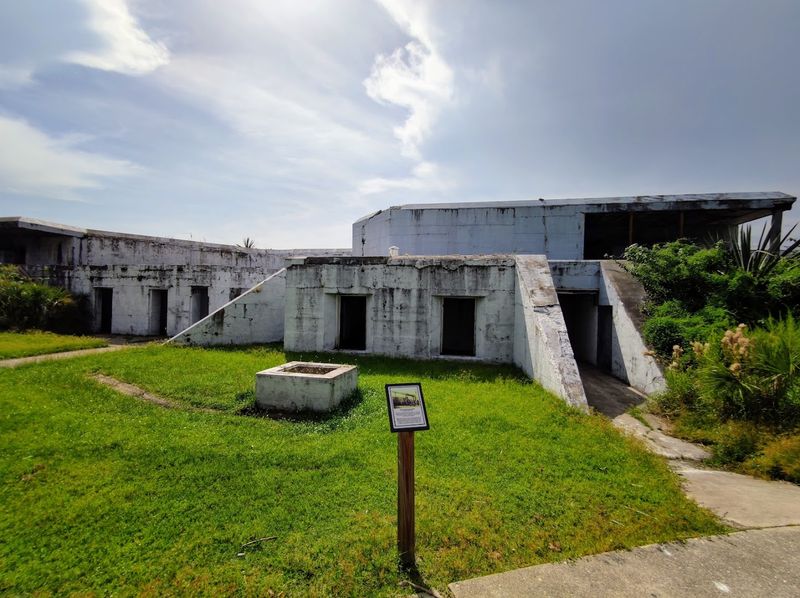
The history of Egmont Key stretches back much further than the Spanish-American War ruins that greet today’s visitors. During the Third Seminole War in the 1850s, the island was used as a holding area, and a small cemetery on the island dates back to that difficult period in Florida’s past.
The island’s strategic position at the entrance to Tampa Bay made it a natural choice for military use across multiple eras. Fort Dade grew rapidly after 1898, transforming the island into a self-sufficient military installation with infrastructure that would be impressive even by modern standards for such a remote location.
By 1923, the military had abandoned the fort, and the jungle began its slow, steady reclamation of everything left behind. The combination of Civil War history, Seminole War connections, and Spanish-American War fortifications packed onto one small island gives Egmont Key a layered historical depth that rewards curious visitors who take time to read the interpretive signs along the trails.
The Ghost Town Atmosphere: What It Feels Like To Walk Through Time
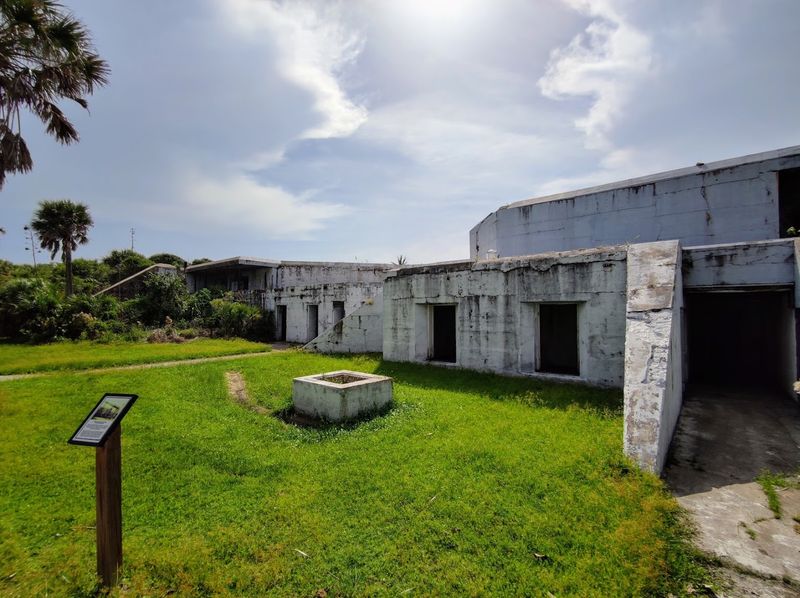
There is a specific kind of quiet that settles over the interior of Egmont Key that you do not find in many places. The old streets of Fort Dade’s former town are still faintly visible, outlined by crumbling curbs and foundation remnants half-buried under decades of plant growth.
The remains of the old power plant, the gun batteries, and various military structures stand at different stages of collapse, each one telling a slightly different story about how quickly nature moves to reclaim what humans leave behind. Walking through this area genuinely feels like being transported to another time and place, as though the island operates on its own separate timeline.
The atmosphere is eerie in the best possible way, not frightening but deeply atmospheric, the kind of place where you lower your voice without quite knowing why. The contrast between the crumbling history inland and the bright, cheerful beach just a short walk away makes the whole experience feel wonderfully layered and unexpected.
Practical Tips: What To Bring And How To Plan Your Day
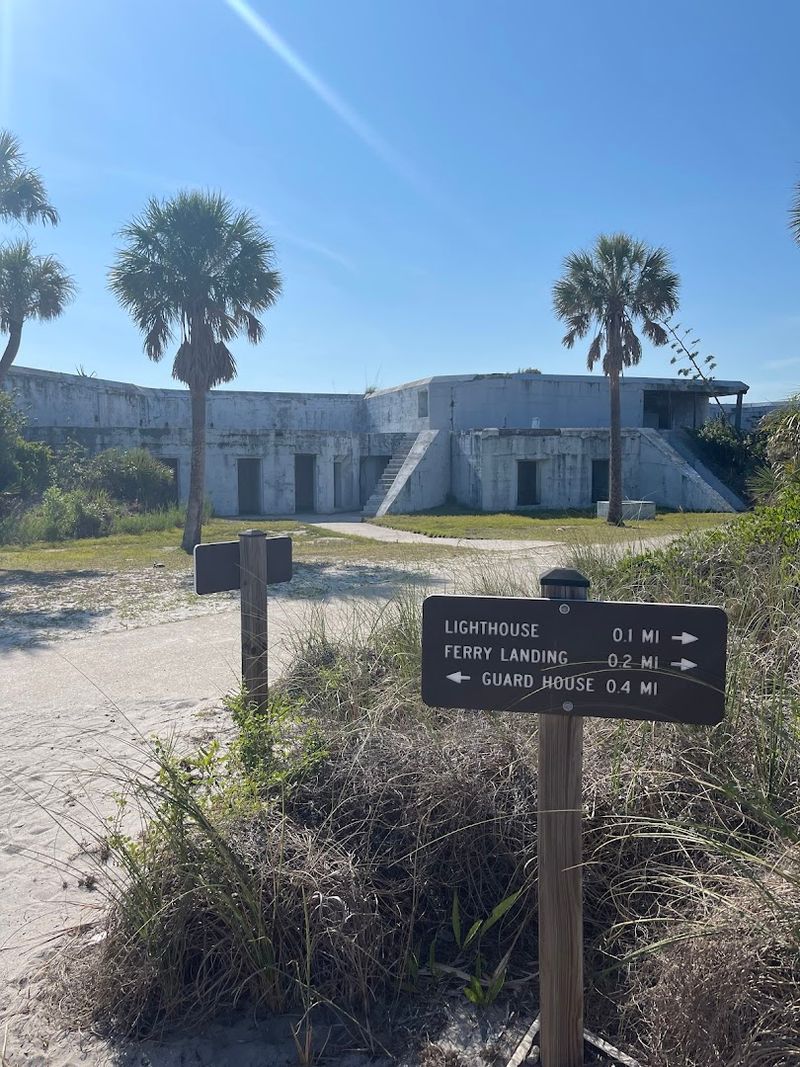
Egmont Key operates without modern amenities, and that fact shapes everything about how you should pack for a visit. There are no bathrooms, no running water, and no food vendors on the island, so everything you need for the day must come with you on the boat.
Bug spray deserves its own sentence because the mosquitoes on the inland trails are aggressive and relentless, particularly in the humid months. Sunscreen, plenty of drinking water, solid closed-toe shoes, and a trash bag for your waste round out the essential packing list.
Snorkel gear is worth bringing if you plan to explore the underwater ruins.
Arriving early gives you the best chance of a quieter experience before the midday boat crowds arrive. Anchor or dock on the calmer side of the island for easier access to the beach.
Most visitors find that a three to four hour window on the island is enough to cover the main highlights comfortably.
Best Time To Visit: Seasons, Weather, And What To Expect
Florida’s subtropical climate means Egmont Key is technically visitable year-round, but the experience varies significantly depending on the season. The cooler months from November through March offer the most comfortable hiking temperatures, lighter mosquito pressure, and calmer seas for the boat crossing.
Summer visits are entirely possible but come with a different set of challenges. Heat, high humidity, intense afternoon thunderstorms, and peak mosquito activity all stack up between June and September.
That said, summer also brings peak sea turtle nesting season, which adds a compelling reason to brave the heat for wildlife enthusiasts.
Spring, particularly March through May, hits a sweet spot with warm but not punishing temperatures, active wildlife, and fewer crowds than the peak winter tourist season. Hurricane season runs from June through November, and storms can temporarily close the park or alter ferry schedules, so checking conditions before you go is always a smart move.
The Bird Sanctuary: A Protected Corner Of The Island

A significant portion of Egmont Key is set aside as a federally protected bird sanctuary, closed to human visitors to give nesting seabirds the undisturbed space they need. The sanctuary status has allowed bird populations to thrive on the island in a way that would be impossible with unrestricted access.
From the open areas of the island, you can observe large numbers of birds without encroaching on the protected zones. Brown pelicans, ospreys, herons, and various shorebirds are commonly spotted along the trails and shoreline throughout the year.
The combination of the sanctuary and the surrounding wildlife refuge designation gives the whole island a genuinely wild character that feels rare this close to a major metropolitan area.
Binoculars make the bird-watching experience considerably richer, and a field guide app on your phone can help you identify species you have never encountered before. The sanctuary is one of the reasons Egmont Key manages to feel so ecologically intact despite decades of human history layered on top of it.
Share this story