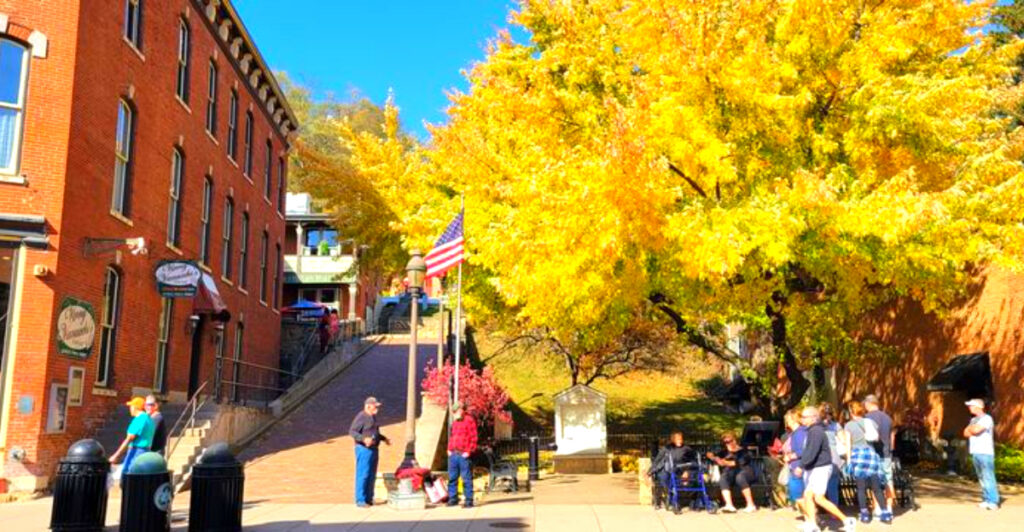
You know that feeling when a street looks like it ignored modern time and just kept doing its thing since 1885. That is the kind of magic these towns deliver, and you can feel it in the bricks, the boardwalks, and the ironwork.
You will get wooden sidewalks, clanging blacksmith shops, and storefronts that look ready for a telegraph message. Ready to wander places where history does not sit in a museum but breathes in every block you stroll.
1. Virginia City, Nevada
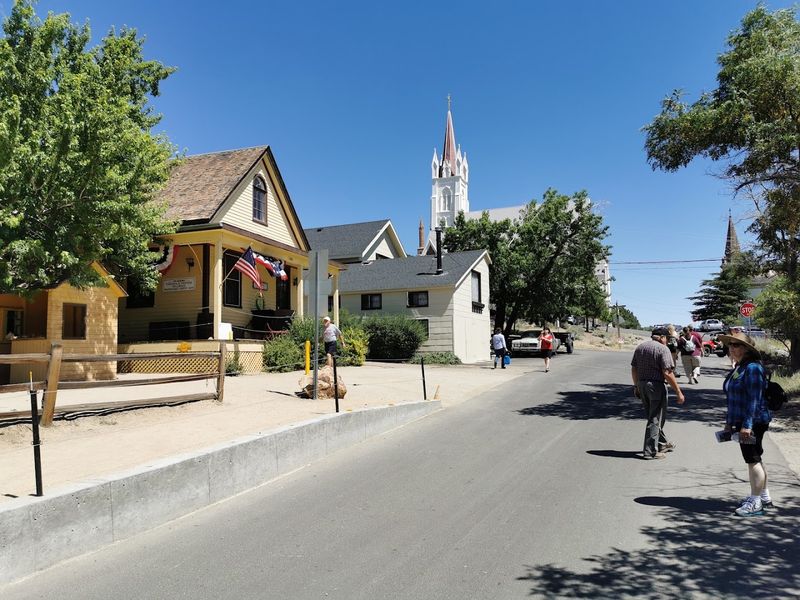
Silver riches once thundered through these hills, and that energy still hums along C Street. Wooden sidewalks creak, false fronts cast long afternoon shadows, and every storefront looks ready to ring up a pickaxe.
History here refuses to whisper. The Fourth Ward School Museum tells classroom stories with ink wells and stern desks, while the Mackay Mansion layers mining wealth with gilt framed portraits and precise ledgers.
You will hear the clatter of the Virginia and Truckee Railroad, a whistle that tightens the spine with anticipation. Docents happily decode assay terms, boomtown scandals, and the reason barkeeps kept a keen eye on dusters stuffed with ore.
Weekends bring costumed parades, melodramas in creaky theaters, and shop windows filled with stamped tin, turquoise, and jawbreaker candy. Stay long enough to catch that rose colored sunset glazing the mountains, then read the street like a ledger.
Everything balances drama and detail here. Grubstake dreams, vigilante rumors, and tidy Victorian virtues stack together, leaving you certain that tomorrow will look very much like 1868, only with better coffee and a pocket camera ready.
2. Deadwood, South Dakota
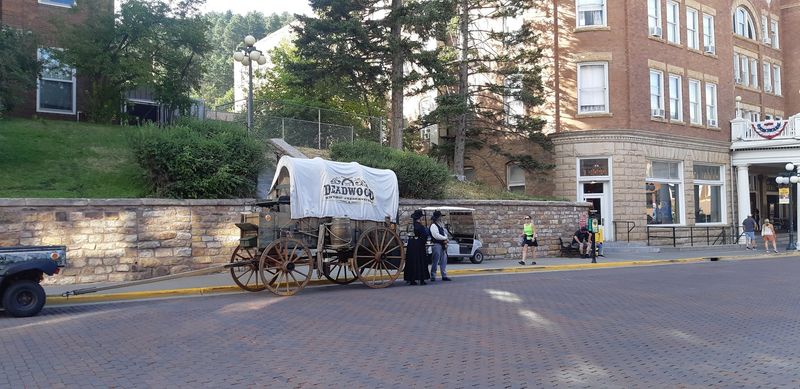
Stories trail you like spurs on cobblestones here. Brick facades glow under old style lamps, and every corner seems to cite a diary entry from 1876.
The Adams Museum layers artifacts with tidy explanations, making timelines click into place. Meanwhile, Mount Moriah Cemetery overlooks town with quiet granite confidence, tying legends to real dates and patient hillsides.
You will find reenactments that favor wry humor over bluster. Street interpreters play it with a light touch, tossing in facts about freight rates, card tables, and the mail coach schedule.
Shops keep their 19th century rhythm by treating windows like little stages. Leatherwork smells rich, hats perch with serious brims, and candy counters sparkle like paydirt.
Hike a nearby trail and the town looks like a model railway, compact and inevitable. Return before dusk for that cool Black Hills air and the steady drumbeat of footsteps on boards, then read a marker or two.
By the end, you will know more than a handful of tall tales. You will also recognize the precise way a frontier place becomes a permanent one, brick by brick and ledger by ledger.
3. Bisbee, Arizona
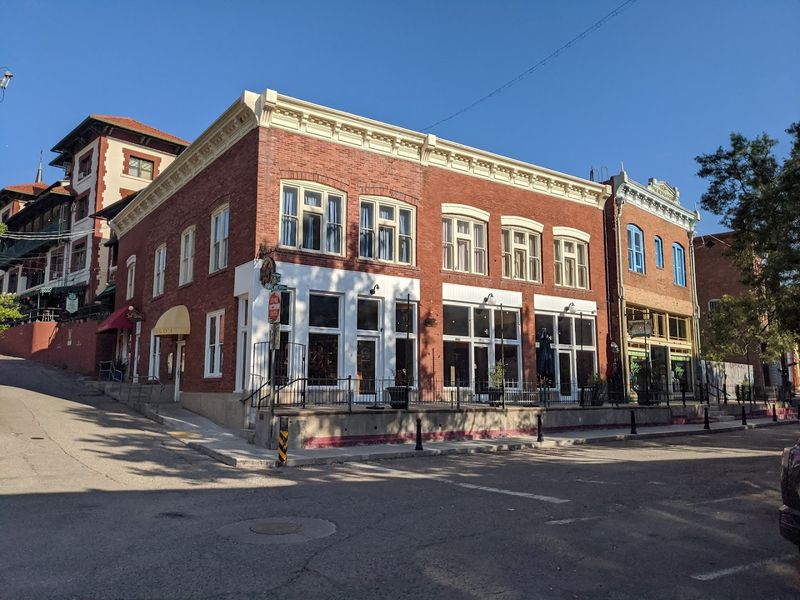
Color climbs the hills here like it has good boots. Row houses in cheerful shades cling to stair stepped streets that make your calves negotiate with your curiosity.
The Queen Mine Tour rolls you under the hillside in a hard hat, and the guide talks about ore bodies like old neighbors. Outside, brick storefronts square their shoulders and hold firm to 1880s lines.
You will hear echoes off corrugated metal and catch the rust red ghost of copper on timbers. Alleyways become shortcuts and then become stories, with murals setting their own schedule.
Antique shops read like attics with impeccable manners. A seam of books, enamel kitchenware, and period lamps tells you who cooked, who read, and who kept careful time in 1902.
When late afternoon settles in, shadows slip down those staircases like velvet ropes. Street cats stretch on warm stone, a bicyclist coasts past, and the whole town exhales in slow cadence.
The mountains hold the scene in a comfortable frame. You will leave with narrow street confidence, a pocket of mining facts, and a new affection for towns that learned to stack beauty on a slope.
4. Galena, Illinois
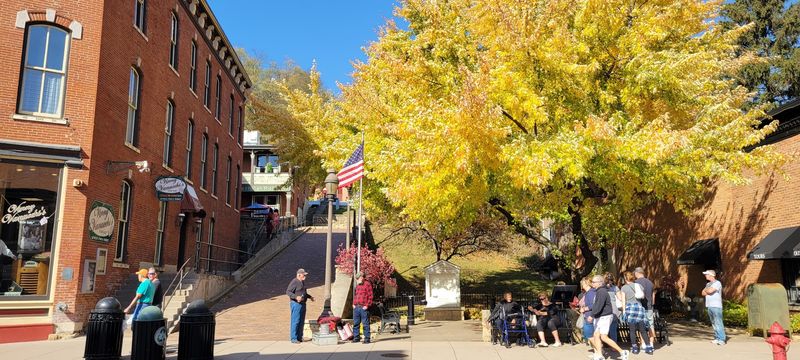
Main Street here knows how to make an entrance. Red brick arcs along the river bend, and cornices parade in measured rhythm like a confident drumline.
The Ulysses S. Grant Home waits up the hill with neat rooms and straightforward furniture.
Docents explain letters, family meals, and the quiet precision of post war life with kindly clarity.
You will find shopkeepers who treat their windows like curated timelines. Hand dipped candles, cast iron tools, and orderly stacks of textiles tell you exactly what mattered in a hardworking town.
Side streets offer tiny gardens, tidy staircases, and rooflines that line up like well trained soldiers. Historical plaques choose facts that breathe, turning dates into faces and occupations.
Evenings soften everything into copper and rose. A slow walk past the Old Market House confirms how sound urban design was when freight wagons set the pace.
Leave with a bakery bag, a new respect for masonry, and a sharper eye for lintels. Galena does not shout about history, it invites you into it, one brick, one ledger, and one porch at a time.
5. Harpers Ferry, West Virginia
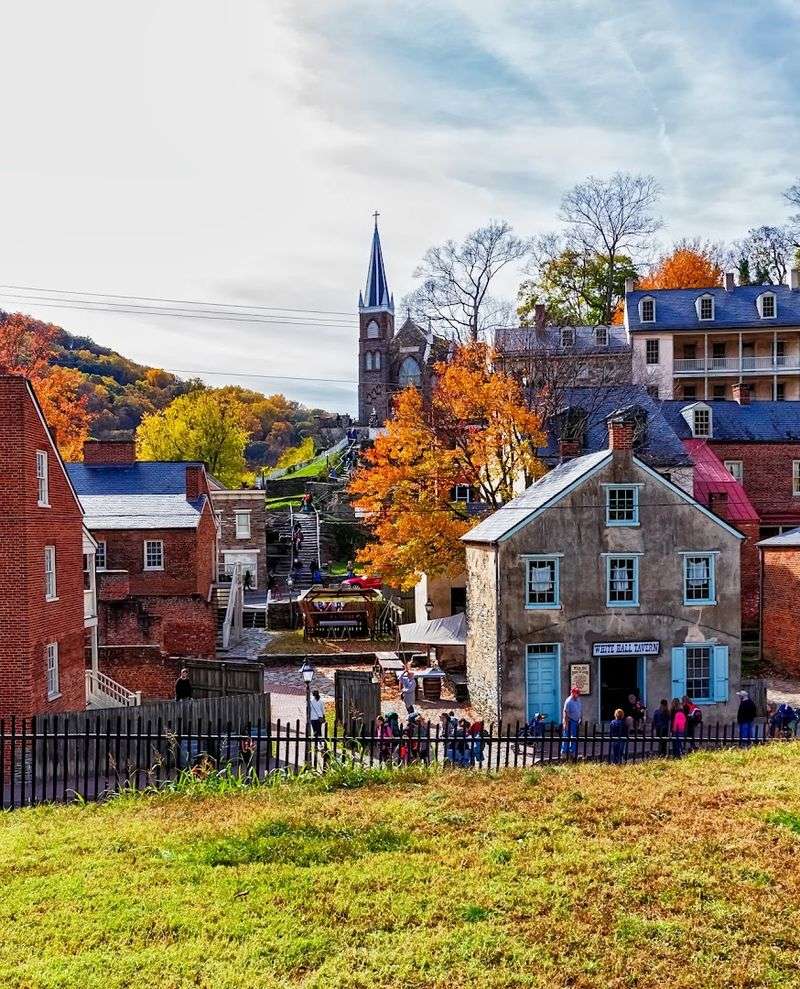
Rivers meet, and the town seems to hold its breath. Cobblestones tilt with age, and doorways face the wind like they expect a dispatch rider at any moment.
Park rangers turn complicated events into crisp scenes, guiding you between brick, stone, and sturdy timber. John Brown’s Fort stands compact and determined, the sort of building that does not waste a word.
You will watch interpreters print broadsides on old presses. The thunk of type, the smell of ink, and the tidy stacks of paper give history a tactile handshake.
Trails climb to Maryland Heights, where rooftops look like a storybook diagram. The view ties rail, river, and town into one clear map of purpose and consequence.
Shops sell period inspired goods with practical charm. Tin cups feel right in the hand, and woven goods sit with the quiet authority of well made things.
When the light fades along the riverbanks, lamplight tucks into narrow streets. You leave with a head full of dates and a heart that understands how geography shapes decisions, one bend in the water at a time.
6. St. Augustine, Florida
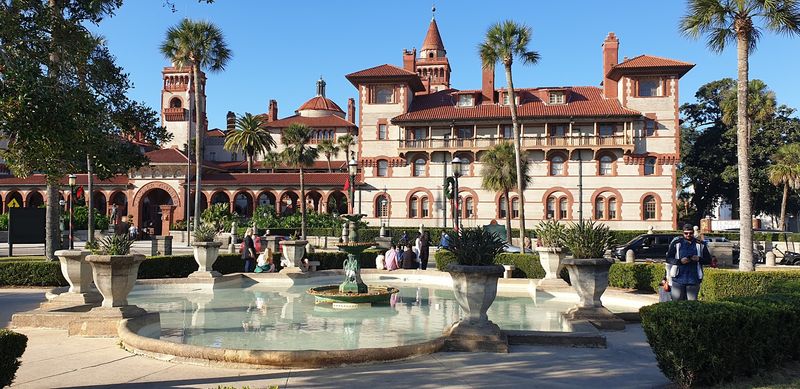
Old stones hold cool morning shade here. Coquina walls wear tiny shells like quiet jewelry, and balconies lean with confident grace above narrow lanes.
The colonial footprint sets the rhythm, but 19th century flourishes still flicker in railings, porches, and tidy storefronts. Museums stay close together, so your curiosity does not lose momentum.
You will trace the line where pre industrial life met new ideas. Courtyards whisper about laundry days, sea breezes, and market chatter that stitched a day together.
Horse hooves echo on pavers as carriages loop past plazas. The lighthouse keeps the horizon honest, reminding everyone that sea and town always bargained.
Shops offer handcrafted goods with Florida light baked in. Linen, carved wood, and simple ceramics pass the touch test without fuss.
Evening settles with citrus colored skies that stroke the rooftops. You head back through arches and alleys carrying a map that now feels like a set of lived instructions about how a town grows, holds, and remembers.
7. Jim Thorpe, Pennsylvania
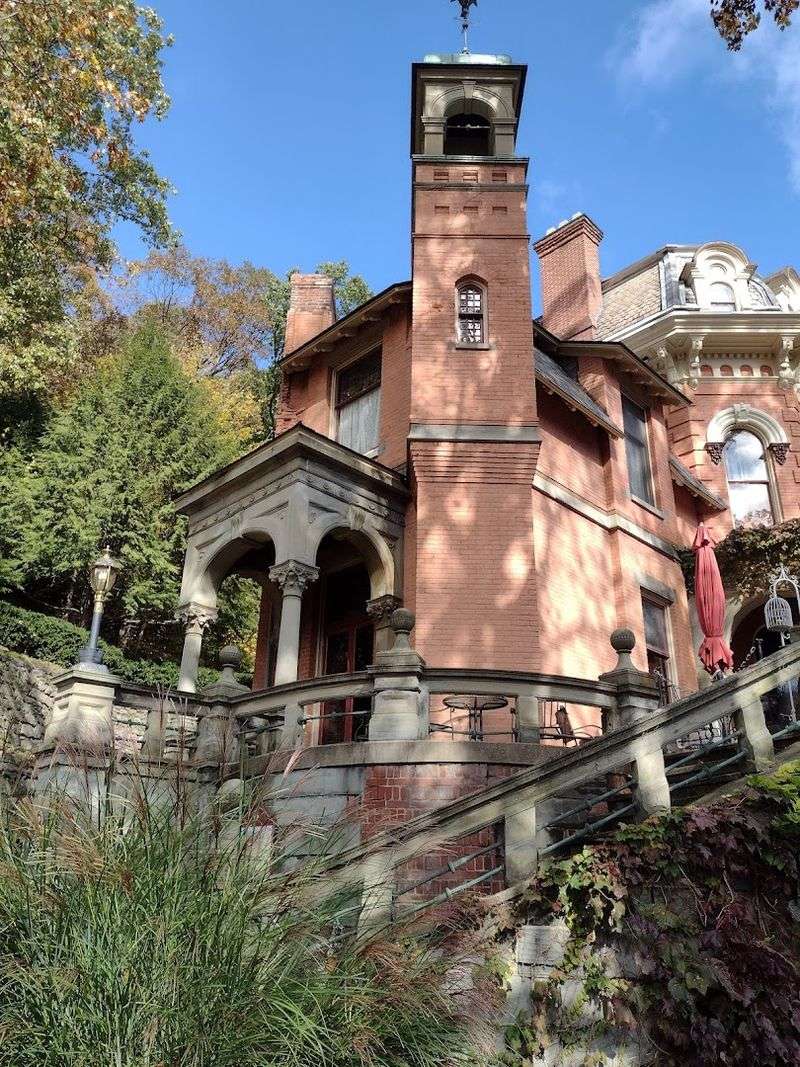
Mountains wrap this town like a well tailored coat. Steep streets rise past painted trim, and doorbells seem ready for a calling card.
The Asa Packer Mansion carries its wealth with deliberate restraint. Docents unfurl rail stories, parlor routines, and the measured hum of a household that believed in schedules.
You will hear the river nudge the edge of town with a confident hush. Shops lean into craftsmanship, selling paper goods, carved spoons, and tidy curios that feel anchored to real utility.
Victorian mansions tip their hats with cornices and ironwork that catch light at perfect angles. The opera house sets a dignified stage for modern performances inside an 1880s shell.
Rail trails pull you toward the gorge, then the skyline answers with towers and chimneys. It is a good exchange, both directions offering proof of human effort and patient stone.
By evening, lamplight finds glossy paint and polished brass. You go to sleep convinced that order and ornament can get along just fine when a town values both the timetable and the teacup.
8. Port Townsend, Washington
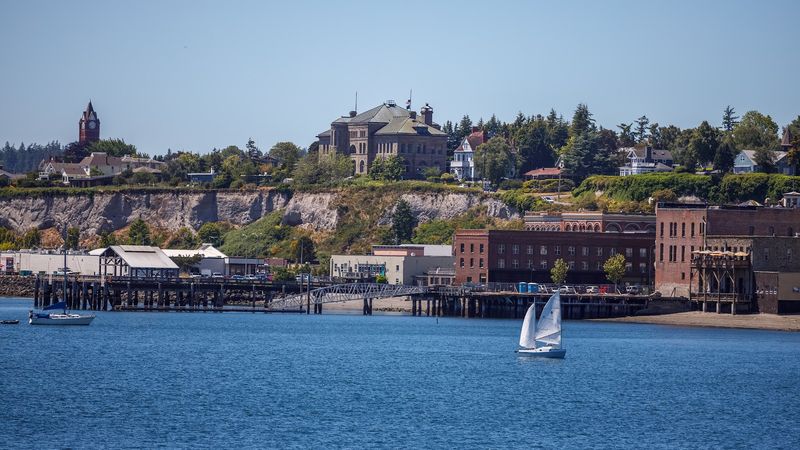
Sea air edits everything here with brisk punctuation. Brick warehouses square up to the water while turreted storefronts keep a cheerful watch on the harbor.
Built for a boom that rerouted elsewhere, the town kept its suit pressed anyway. Today that confidence shines in crown moldings, iron columns, and carved names on lintels.
You will find maritime museums that speak plainly about rigging, currents, and cargo. Shipwrights hammer within earshot, each strike turning theory into practice.
Cafes tuck into old offices, and a good window seat becomes a lookout for gulls and tall masts. Side streets climb toward neighborhoods where porches appreciate a breeze.
As afternoon slips cool and silvery, the waterfront glows like it remembered to keep the lamps trimmed. Shops call softly with charts, wool caps, and notebooks eager for sea stories.
Leaving feels like stepping off a gangplank to modern time. The town waves you on with a knowing grin, certain you will come back for another tide and another walk past those perfect cornices.
9. Eureka Springs, Arkansas
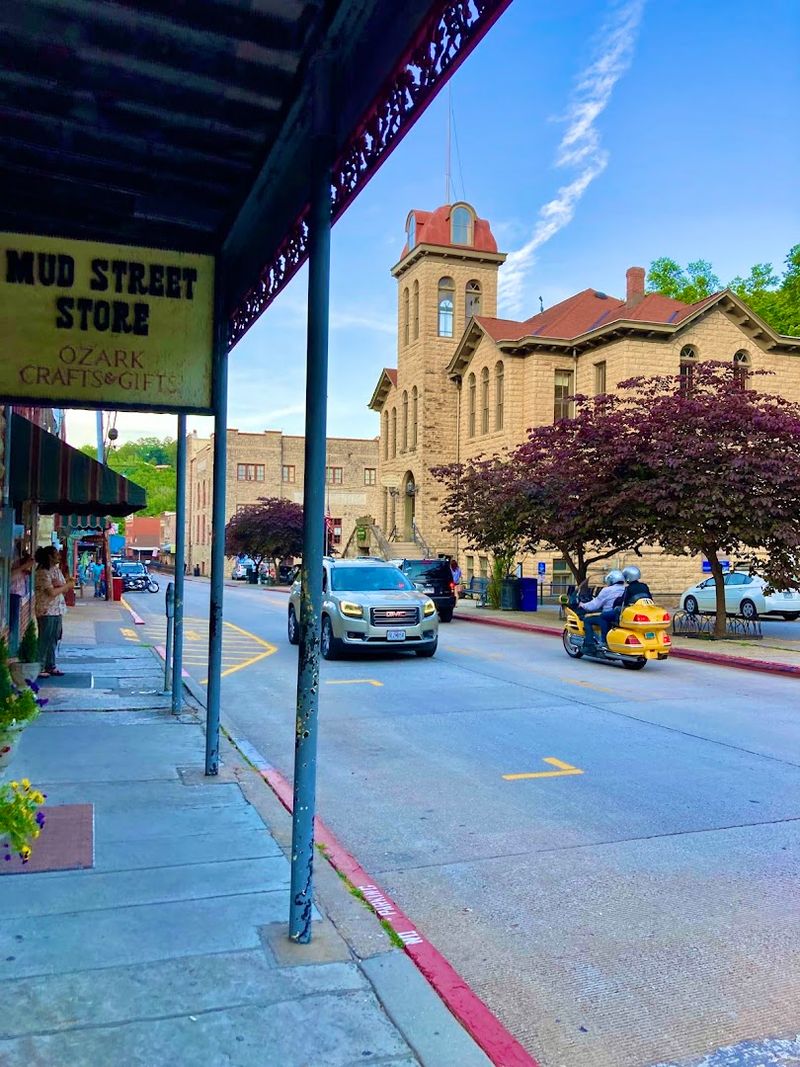
Streets here curl like ribbon on a well wrapped package. Buildings step up the hillside with confident ankles, flashing limestone and painted trim.
Spas and springs kept this place on the map, and the architecture followed the curve of health minded optimism. Balconies perch daringly, creating neat theater boxes above the sidewalks.
You will browse attics turned into boutiques with a collector’s discipline. Vintage maps, pressed flowers, and little brass trinkets seem to wink at the past without apology.
The historic hotels tell layered stories with stained glass and creaking staircases. Corridors invite the kind of slow wander that sorts out a busy mind.
As evening tucks into the hollows, music drifts around corners. Streetlights warm the stone, and the whole town looks staged yet sincere.
Leave by one of those steep stairways and you will feel like a character slipping out of a Victorian novel. Only here, your chapter continues with good shoes, steady breath, and a pocket full of specific details.
10. Ferndale, California
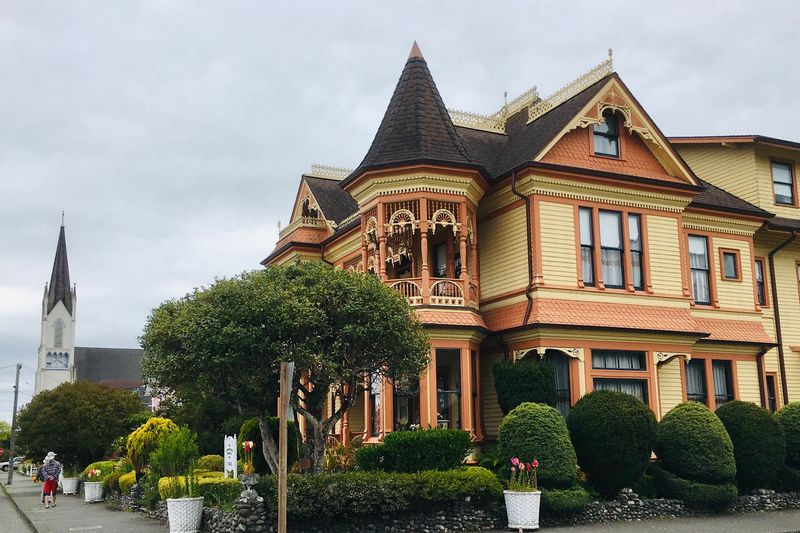
Painted ladies line up like a cheerful chorus. Gingerbread trim does not merely decorate, it organizes the whole conversation.
Farm country frames the town with green patience. The Main Street blends storefront pride with neighborly tempo, and every cornice seems recently dusted.
You will notice the tidy confidence of Queen Anne curves and spindlework. Porches invite measured greetings, and bay windows collect coastal light with real skill.
Shops keep hours that respect routine. Handmade soaps, cardigans, and kitchen tools stand ready to earn their keep without drama.
Afternoons bring a hush when fog tests the edge of town. Colors soften, voices drop a note, and the whole street turns companionable.
It is impossible to hurry here, which is exactly the point. You step away understanding that some places keep time by the trim, the porch swing, and the careful paintbrush stroke that tells tomorrow to behave.
11. Guthrie, Oklahoma
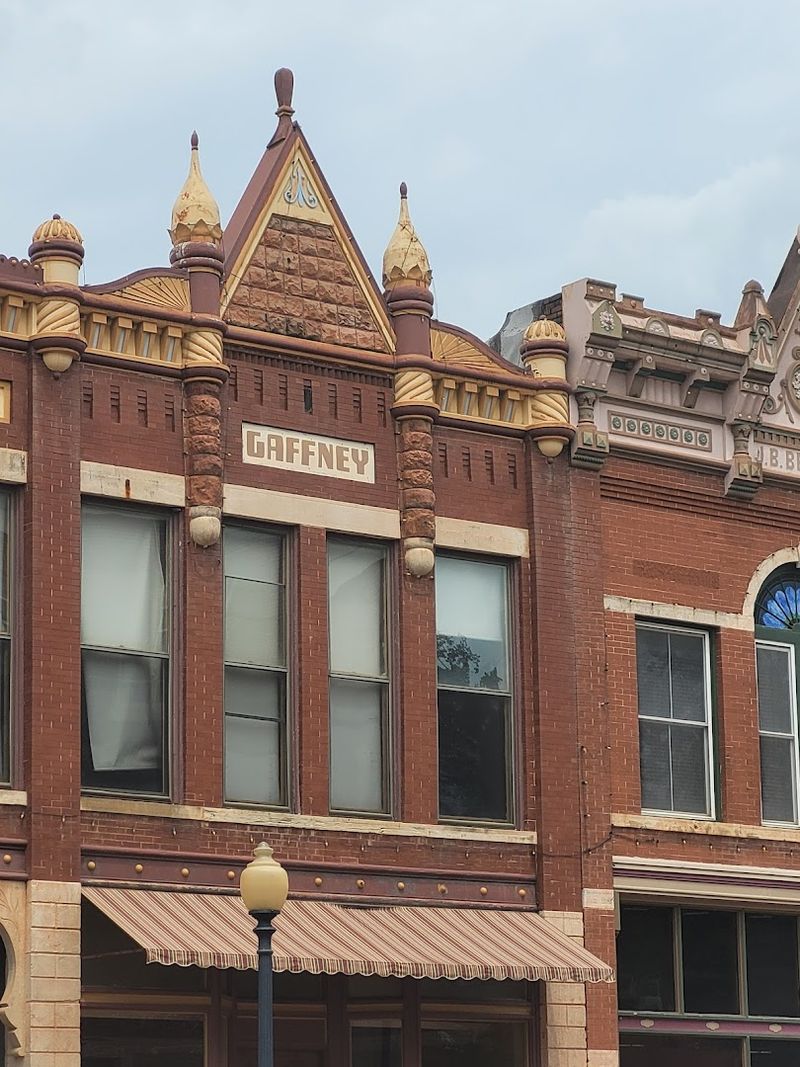
Territorial ambition still squares its shoulders here. Blocks of brick march on with persuasive regularity, and the old capitol wears its role with crisp cuffs.
Land Run stories ground every corner, turning paperwork into drama. Museums spell out how a town materializes almost overnight without losing its manners.
You will admire pressed tin ceilings that refuse to surrender. Storefront glass reflects red brick like a compliment well earned.
Antique shops treat their inventory with methodical care. Ledgers, maps, and office hardware make you appreciate sturdy bureaucracy and the poetry of a good stamp.
Streetcars may be gone, but their lines feel legible underfoot. Even traffic seems to understand the grid and move with territorial politeness.
By sunset, signs glow with painted certainty, and sidewalks carry a comfortable echo. It is the sound of a young state arranging itself and deciding to keep the arrangement tidy.
12. Mackinac Island, Michigan
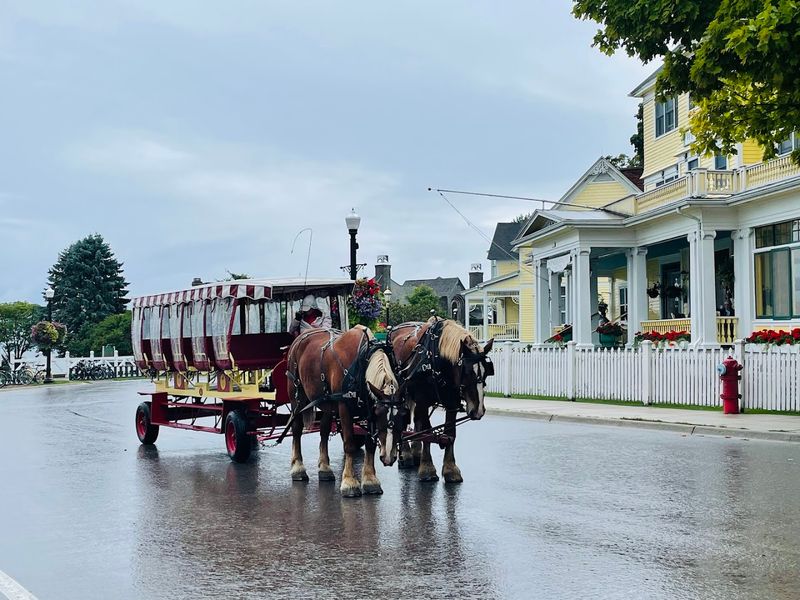
Silence arrives on hooves here. Carriages set the meter, and bicycles take the melody while porches keep the beat with wicker chairs.
Victorian hotels anchor the skyline with happy symmetry. Flower boxes go heavy on color, and storefronts stay bright without losing dignity.
You will smell fudge before you see it, and the line will move with courthouse calm. Guides share fort history in crisp uniforms, making dates feel orderly and reasonable.
Trails wind through breezy woods to bluffs that supervise the lake. Water so blue it feels newly minted sits patiently below.
Twilight turns everything to postcard tones. Hoofbeats clip along, laughter drifts, and lamplight scribbles gentle notes on clapboard and trim.
Leaving by ferry, you will watch that tidy skyline hold still as if for a long exposure. It is a place that edits out hurry and keeps the punctuation clean.
13. Leadville, Colorado
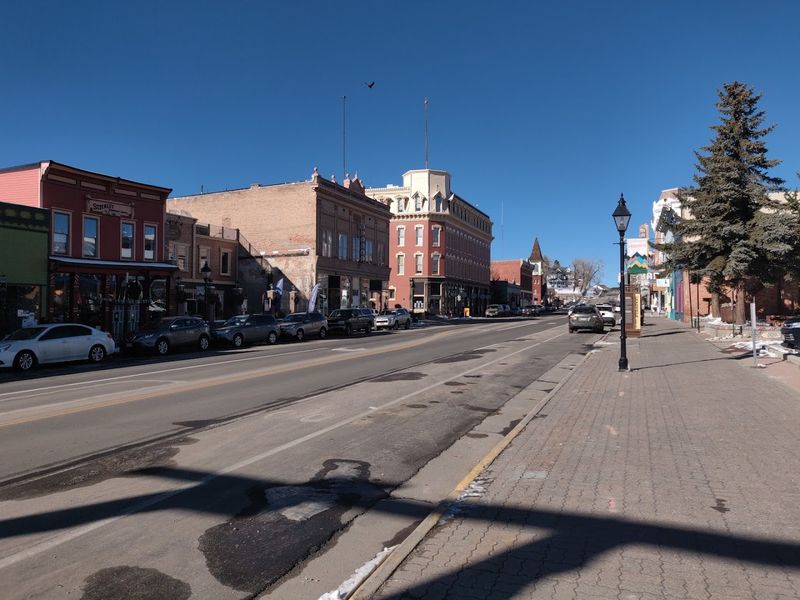
Altitude sharpens every edge and color here. Brick rows look tough enough to arm wrestle the wind, and mining headframes pose like steel skeletons against big sky.
The Delaware Hotel reads like a well bound novel with velvet bookmarks. Museums answer every question about ore, narrow gauge rail, and hard working lungs.
You will hear boots on boards and realize the town still likes a straightforward stride. Shop windows respect function, selling wool, maps, and mugs built for practical heat.
Side streets offer sudden views that stop conversation. Peaks gather in a crisp assembly, reminding everyone that winters write the rules.
By evening the air goes honest and cold. Lights blink on, and the whole street looks ready to host a miners’ reunion with punctuality.
You will leave with pink cheeks, sturdy facts, and an affection for places that never forgot their reason for being. Leadville keeps its handshake firm and its corners squared.
14. Hudson, New York
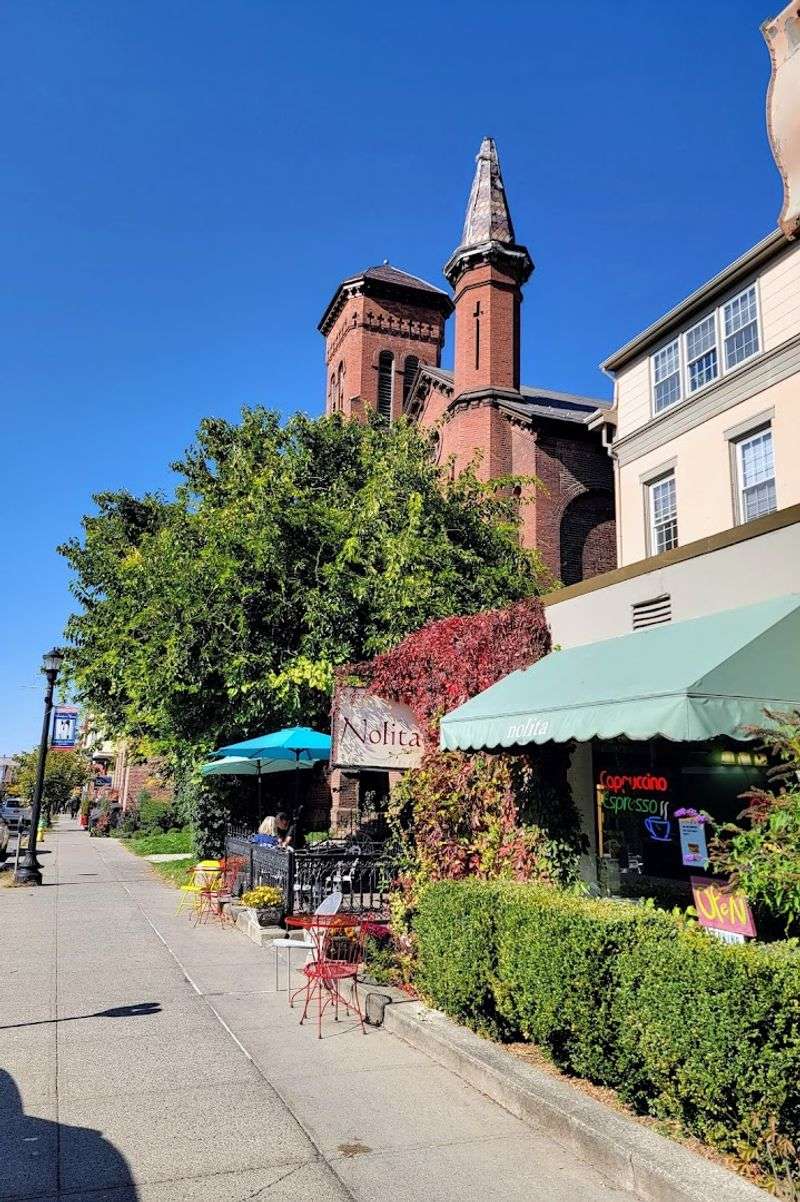
Elegance here arrives with straight backs and tidy trim. Federal facades hold their lines while Victorian neighbors show off a measured flair.
Warren Street reads like a syllabus on American storefront design. Cast iron columns, tall windows, and cornices sketch a clear family tree of styles.
You will find bookstores that smell like paper with purpose. Galleries lean bright and clean, offering modern work inside 19th century bones.
Cafes treat quiet like an amenity, and side streets slide toward shaded stoops. River breezes drift up just enough to tidy your thoughts.
Plenty of markers give credit where it is due, naming builders, dates, and renovations that behaved respectfully. Restoration here looks pragmatic rather than precious.
By the time the sun slants low, everything glows like a good sentence. You stroll on, pocketing useful words like lintel, pilaster, and transom, and they feel right at home.
15. Lexington, Virginia
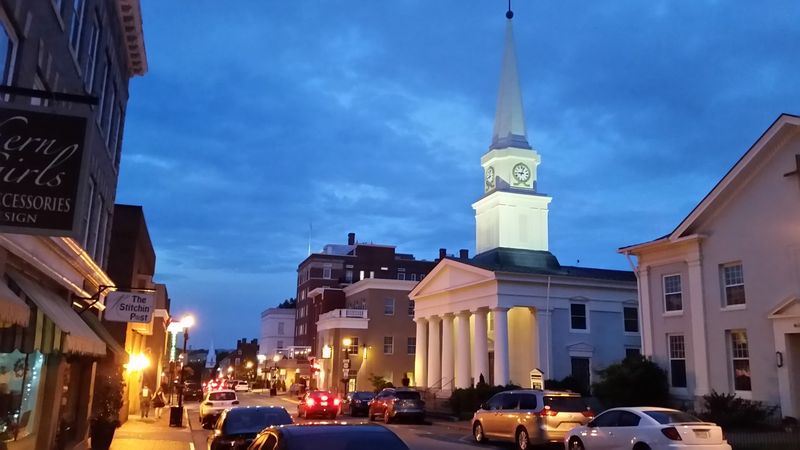
Brick underfoot sets a stately rhythm. Facades carry classical calm, and signboards keep their fonts civilized.
College energy threads through without disturbing the manners. Museums and houses explain 19th century routines with the clarity of good note taking.
You will notice shutters that actually work and doorknobs that feel right in the palm. Shops lean practical with stationery, wool throws, and serious boots.
Cemeteries and campuses share shade trees generously. Paths invite meanders that end, conveniently, near bookstores and clean porches.
Evenings turn the red brick auburn. Streetlights make the cornices gleam, and conversations hover at a thoughtful murmur.
Lexington leaves you with polished vocabulary and better posture. The town practices restraint so well that you catch yourself doing the same, happily and without effort.
16. Columbia, California
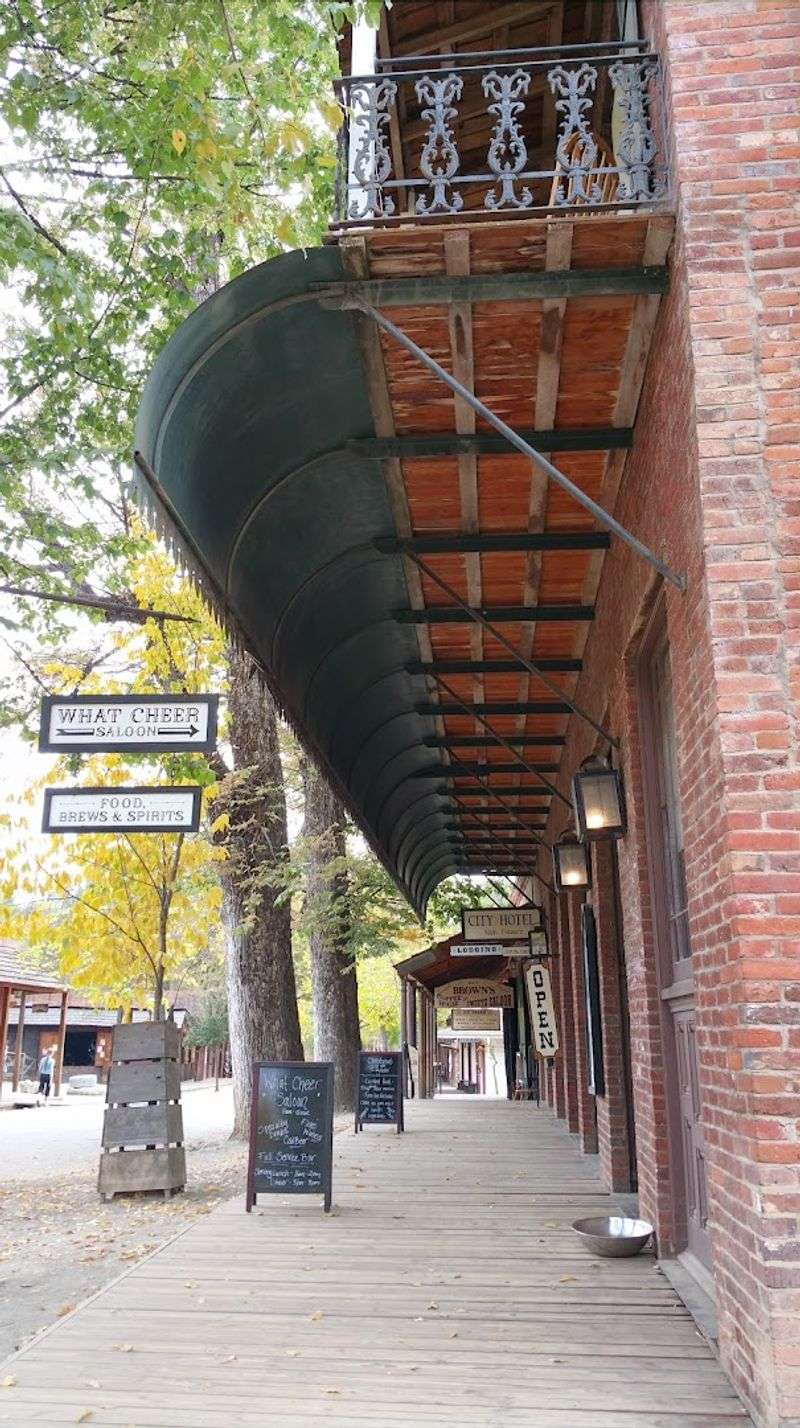
This place works like a stage set that never breaks character. Wooden sidewalks look ready for muddy boots, and storefronts display tools that still know their jobs.
The blacksmith’s hammer makes an argument for craft you can hear across the street. Stagecoaches roll with practical springs, and interpreters keep their stories brisk and tidy.
You will watch gold panning turn strangers into focused listeners. Water swirls, sand slides, and a few bright flakes concentrate minds nicely.
Shops sell goods that feel honest in the hand. Tin toys click, brooms stand straight, and candy jars show their colors with old school confidence.
Afternoons bring a golden dust that flatters wood grain. Every board seems proud of its knots and scars, like proof of honest work well done.
Leave with pockets light and spirits high. Columbia teaches by doing, and you come away rooting for the satisfying weight of a real hammer and an earned story.
Share this story