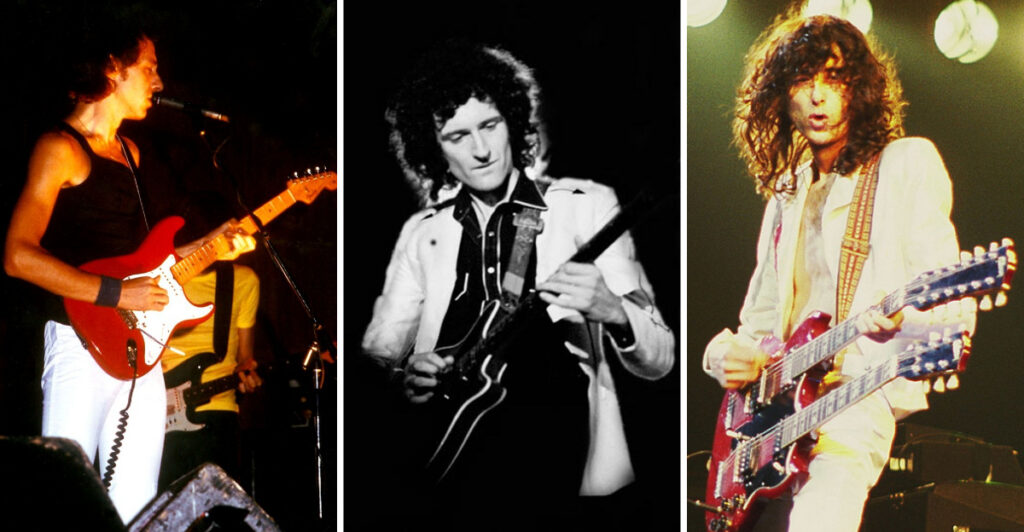
Few things in music can stop you in your tracks the way a great guitar solo can. Whether it’s a slow, emotional cry or a lightning-fast burst of notes, the best solos tell a story all on their own.
These 15 guitar solos have moved millions of people, inspired countless players, and earned their place in rock history. Get ready to revisit some of the most unforgettable moments ever recorded on six strings.
1. Stairway to Heaven – Led Zeppelin (Jimmy Page)
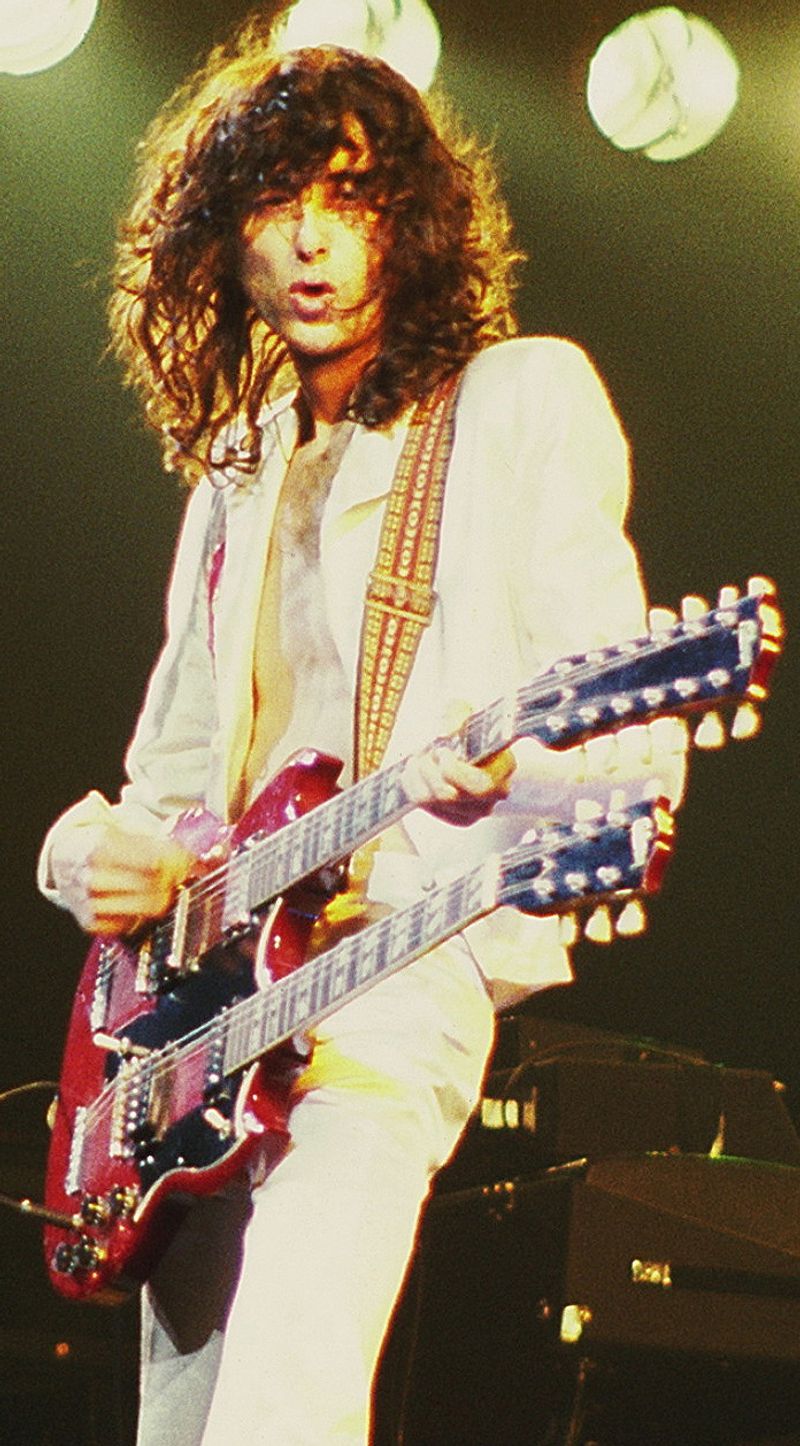
Some solos arrive like a quiet storm, and Jimmy Page’s work on ‘Stairway to Heaven’ is exactly that. Starting with gentle, flowing phrases, it slowly builds in intensity until it absolutely explodes with emotion and energy.
Many guitarists consider it the gold standard of rock soloing.
Page recorded this track in 1971, and the solo was famously done in just a few takes. He used a 1959 Telecaster borrowed from Jeff Beck, which gave it that distinctive warm, singing tone.
The way the solo mirrors the song’s emotional arc is what makes it truly special.
Every note feels intentional, never rushed, and never wasted. Guitar magazines and fans worldwide consistently rank this as the greatest solo ever played.
If you have not heard it from start to finish, you owe yourself that experience today.
2. Comfortably Numb – Pink Floyd (David Gilmour)
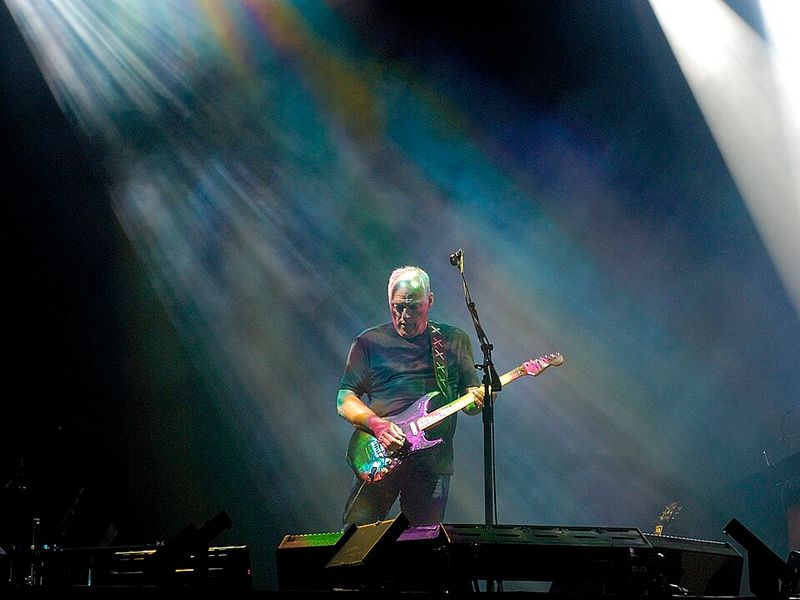
David Gilmour once said he wanted every note to feel like it meant something, and nowhere is that more obvious than in ‘Comfortably Numb.’ The song actually has two solos, and both are breathtaking in their own way. The final solo, though, is widely regarded as one of the most emotionally charged moments in all of rock music.
Gilmour’s tone on this track is like warm honey poured over cold glass, smooth yet striking. Recorded in 1979 for Pink Floyd’s ‘The Wall’ album, the solo was built using a combination of his black Stratocaster and specific studio effects.
The bends, the sustain, and the careful note choices all add up to something that feels almost cinematic.
Listeners often describe hearing this solo as an emotional release. It is the kind of playing that reminds you why the electric guitar is such a powerful instrument.
3. Eruption – Van Halen (Eddie Van Halen)
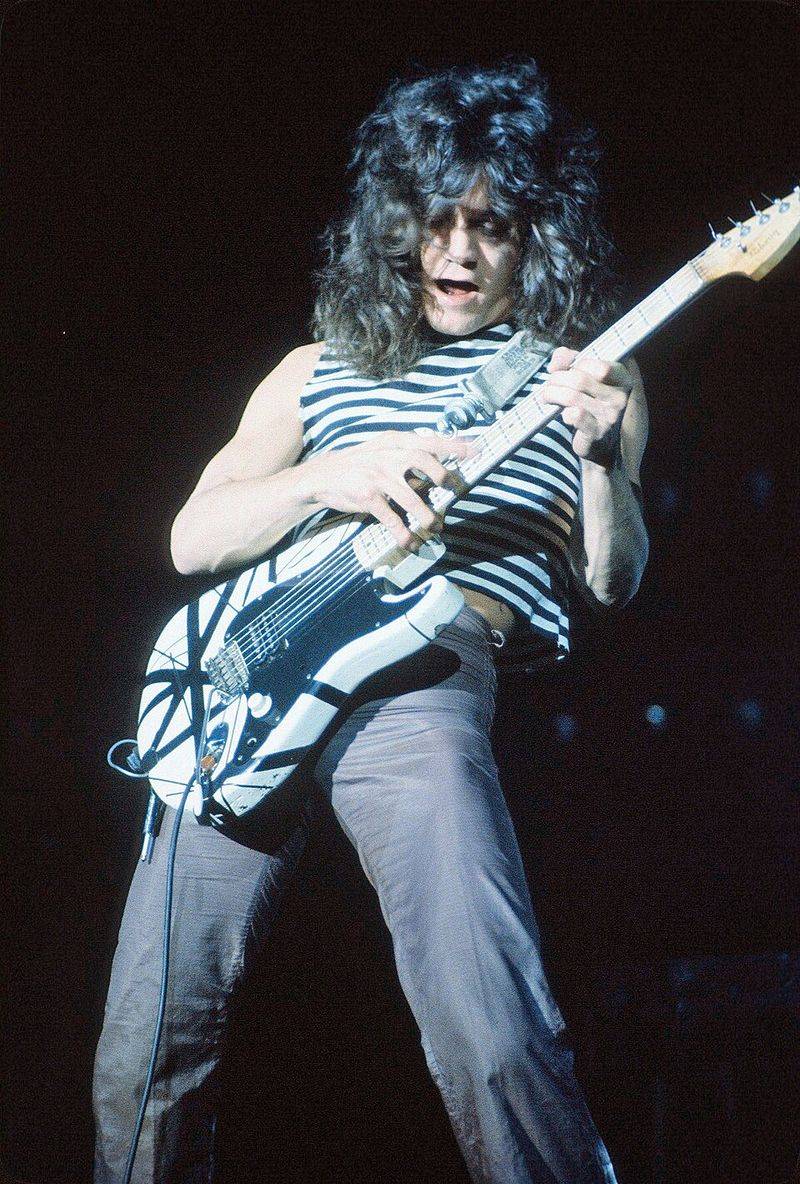
Before ‘Eruption’ dropped in 1978, most guitarists had never heard anything quite like it. Eddie Van Halen introduced the world to two-handed tapping in a way that made jaws hit the floor.
What sounds like two people playing is actually one man doing something completely new and mind-bending.
The track runs just under two minutes, but those minutes rewrote the rulebook for electric guitar. Eddie reportedly recorded it in one take as a filler track between songs on Van Halen’s debut album.
Nobody expected it to become one of the most studied and imitated guitar pieces in history.
Guitar teachers still use ‘Eruption’ as a benchmark for technique and speed. Eddie passed away in 2020, but his influence lives on in virtually every rock guitarist who came after him.
This solo is not just impressive, it is genuinely revolutionary and impossible to forget once you have heard it.
4. Hotel California – Eagles (Don Felder and Joe Walsh)
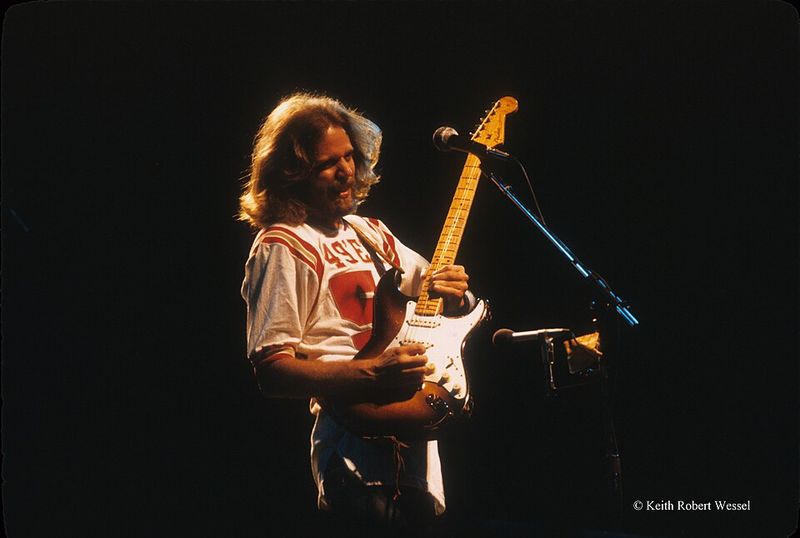
The closing guitar section of ‘Hotel California’ is one of those rare moments where two guitars become one voice. Don Felder and Joe Walsh traded and harmonized their parts so seamlessly that listeners often cannot tell where one ends and the other begins.
It is a masterclass in musical teamwork.
Felder actually wrote the original demo for the song on a 12-string acoustic, but the electric outro was crafted carefully over weeks of studio work. The song was released in 1977 and became one of the best-selling singles in rock history.
That twin-guitar finale remains one of the most requested passages in classic rock radio.
What makes it especially satisfying is how the outro feels like a resolution, a musical sigh after a long, mysterious journey through the song’s story. It rewards patient listening, and every replay reveals something new in those interlocking guitar lines.
Truly timeless craftsmanship from two rock legends.
5. All Along the Watchtower – Jimi Hendrix
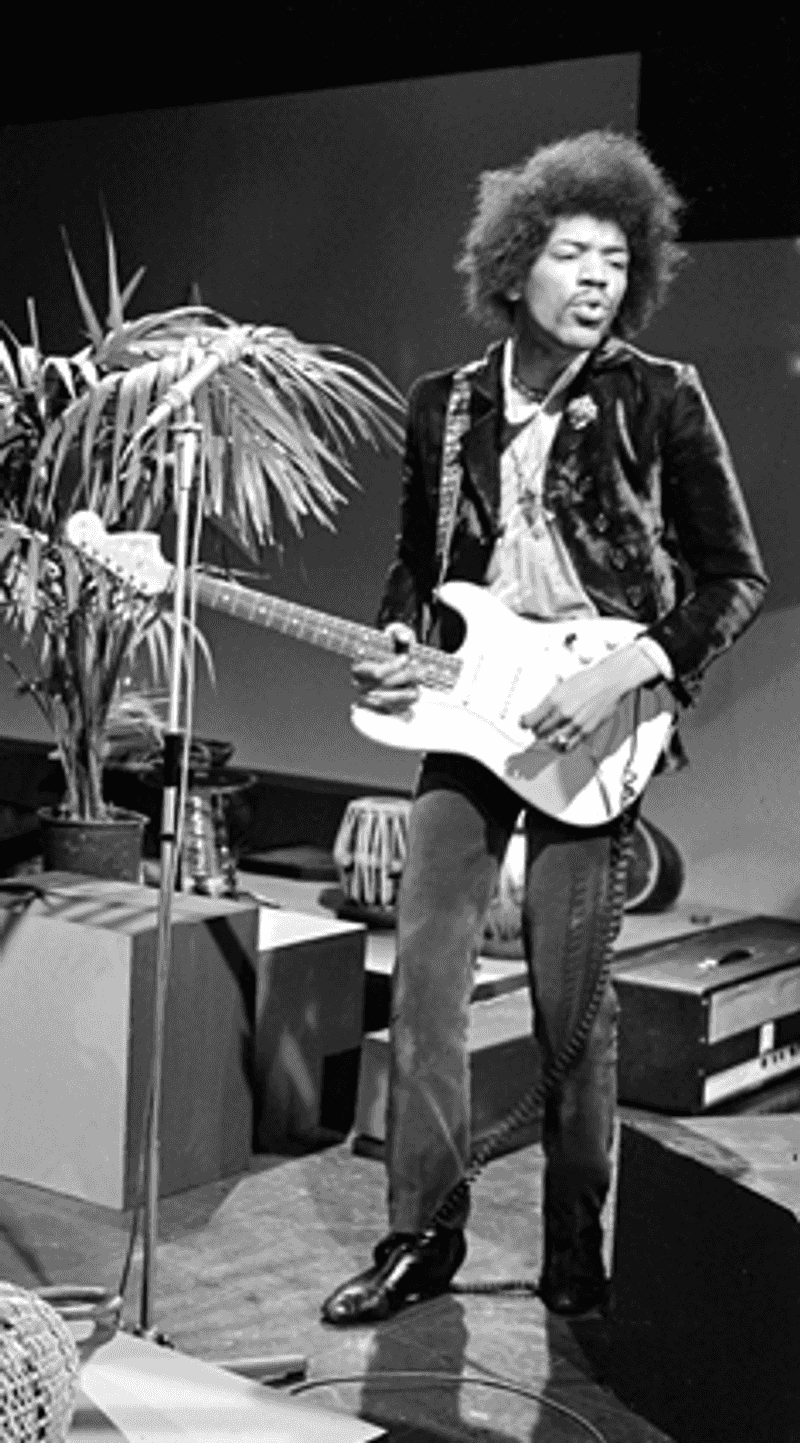
Jimi Hendrix took Bob Dylan’s folk song and turned it into a blazing, psychedelic rocket ship. Dylan himself later admitted that Hendrix’s version was the definitive one, which is quite a statement from the man who wrote it.
The guitar work throughout is raw, inventive, and completely alive.
Recorded in 1968, Hendrix layered multiple guitar tracks to create a rich, swirling sound that was unlike anything else being made at the time. His use of the whammy bar, feedback, and unusual chord voicings made every listen feel like discovering something new.
The solo sections feel spontaneous, yet every note lands perfectly.
Hendrix approached the guitar as a full orchestra, not just a single instrument. He passed away in 1970 at just 27 years old, but recordings like this one prove his genius was fully formed and impossible to contain. ‘All Along the Watchtower’ remains his most complete guitar statement.
6. November Rain – Guns N Roses (Slash)
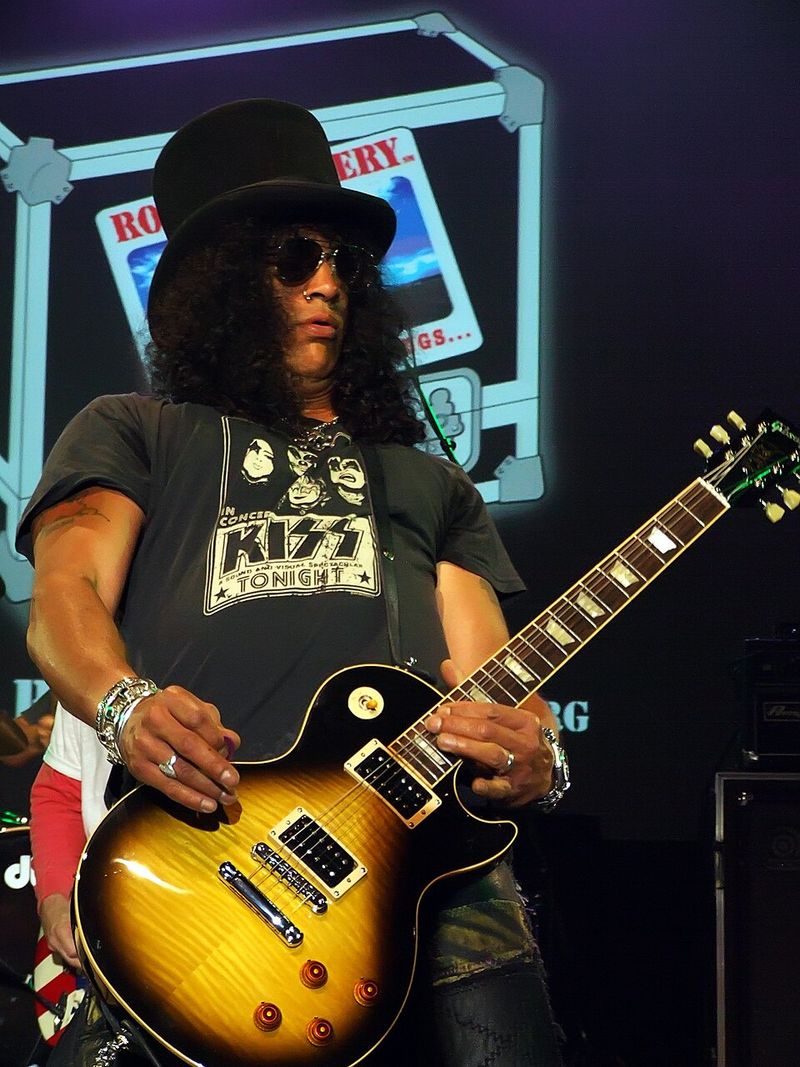
Slash has played many great solos, but the outro of ‘November Rain’ feels like his personal letter to the world. It is big, sweeping, and cinematic in a way that matches the song’s epic scale perfectly.
When that final solo kicks in over the orchestral backdrop, something genuinely magical happens.
The song was released in 1992 as part of ‘Use Your Illusion I,’ and its music video became one of the most expensive ever made at the time. Slash reportedly played the outro solo while standing on top of a piano during the video shoot, which is exactly the kind of dramatic flair the moment deserved.
What separates this solo from others is its storytelling quality. Each phrase rises and falls like a conversation, pulling you deeper into the emotion of the song.
For many fans, it is the moment they decided they wanted to pick up a guitar themselves. That kind of inspiration is rare and powerful.
7. Free Bird – Lynyrd Skynyrd (Allen Collins and Gary Rossington)
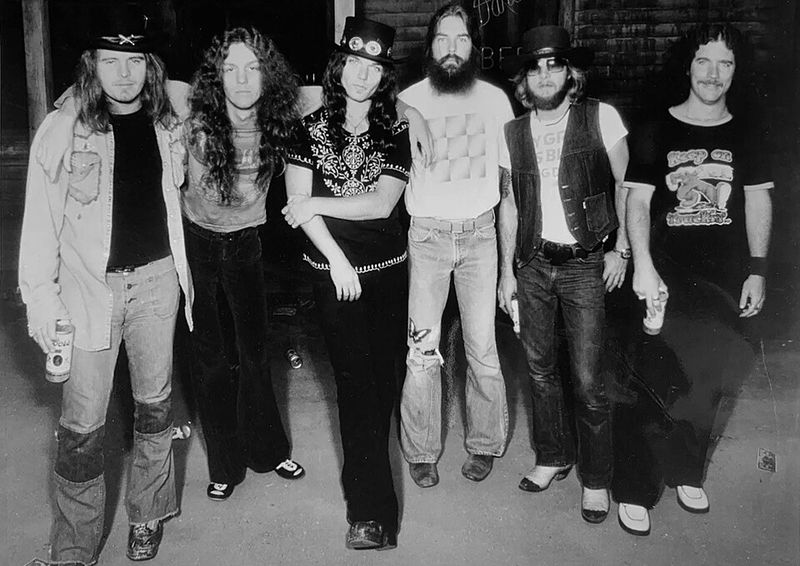
Ask any classic rock fan to name a legendary extended guitar solo, and ‘Free Bird’ will almost certainly be the first answer. The song starts as a gentle ballad, but around the seven-minute mark, it transforms into one of the most ferocious guitar workouts in rock history.
The shift is dramatic and completely earned.
Released in 1973, the track features Allen Collins and Gary Rossington trading licks at breakneck speed across an extended outro that can stretch past nine minutes in live versions. Lynyrd Skynyrd made ‘Free Bird’ the centerpiece of every concert, and audiences consistently lost their minds when that tempo doubled.
The dual guitar interplay during the extended section is a study in controlled chaos. Both players push each other to greater heights with every passing phrase.
It is Southern rock at its most triumphant, and it stands as proof that sometimes the best things in music are worth waiting for.
8. Bohemian Rhapsody – Queen (Brian May)
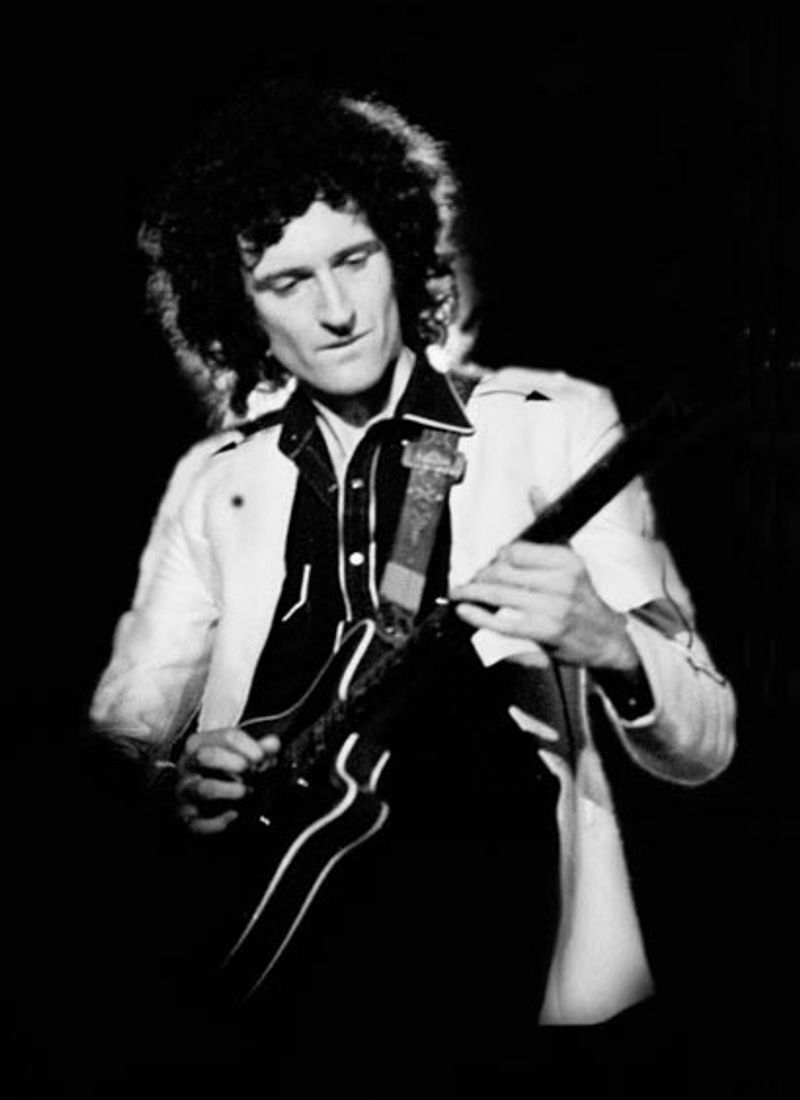
Brian May built his own guitar from a fireplace mantel, and somehow that guitar became one of the most distinctive voices in rock history. The solo in ‘Bohemian Rhapsody’ is perfectly placed, arriving like a breath of fresh air between the operatic section and the hard rock finale.
It is short but absolutely unforgettable.
May recorded his solos by layering multiple tracks of his Red Special guitar through a treble booster and small amp, creating that thick, choir-like sound that is uniquely his. The 1975 track was groundbreaking in almost every way, and the guitar work was a huge part of what made it feel so theatrical and grand.
What stands out most is how restrained yet powerful May’s playing is here. He never overplays or rushes.
Every bend and vibrato feels deliberate and emotionally precise. The solo serves the song rather than competing with it, which is a skill that separates truly great players from merely fast ones.
9. Sweet Child O Mine – Guns N Roses (Slash)
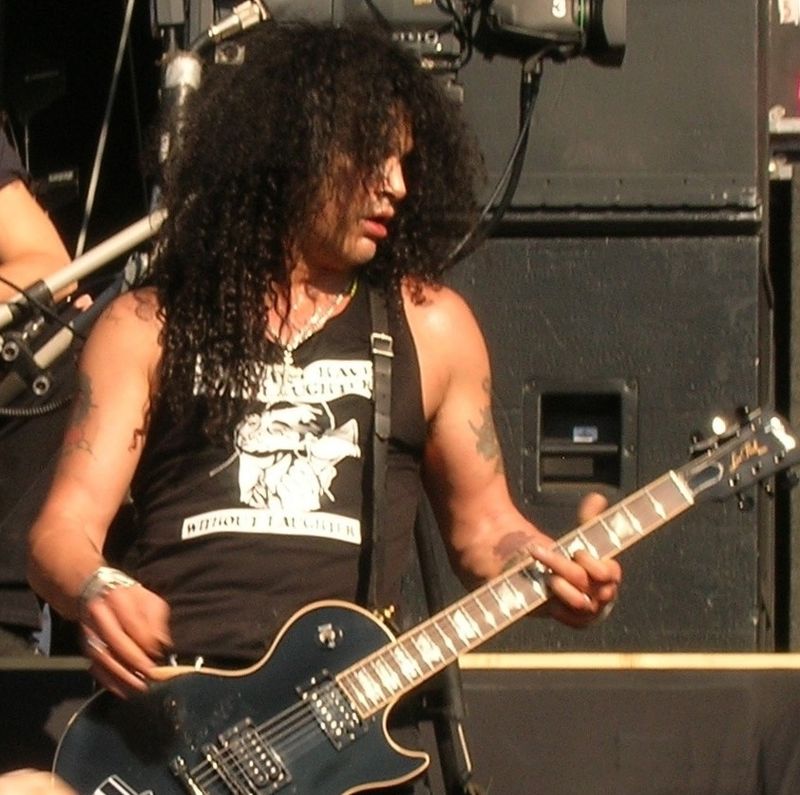
The opening riff of ‘Sweet Child O’ Mine’ is one of the most recognizable guitar phrases ever written, but the solo that comes later is what truly elevates the song. Slash delivers a solo so melodic and emotional that many people can actually sing it note for note without ever having picked up a guitar.
That kind of memorability is incredibly rare.
The song was released in 1988 on ‘Appetite for Destruction,’ which went on to become one of the best-selling debut albums in history. Slash has said the solo came together naturally during the recording sessions, shaped by the emotional tone of Axl Rose’s lyrics about a childhood sweetheart.
There is a tender quality to this solo that contrasts beautifully with Guns N’ Roses’ usual hard-edged style. It shows Slash’s range as a player, capable of both fury and sensitivity.
For millions of fans, this solo is the sound of youth, longing, and pure rock and roll joy.
10. Layla – Derek and the Dominos (Eric Clapton and Duane Allman)
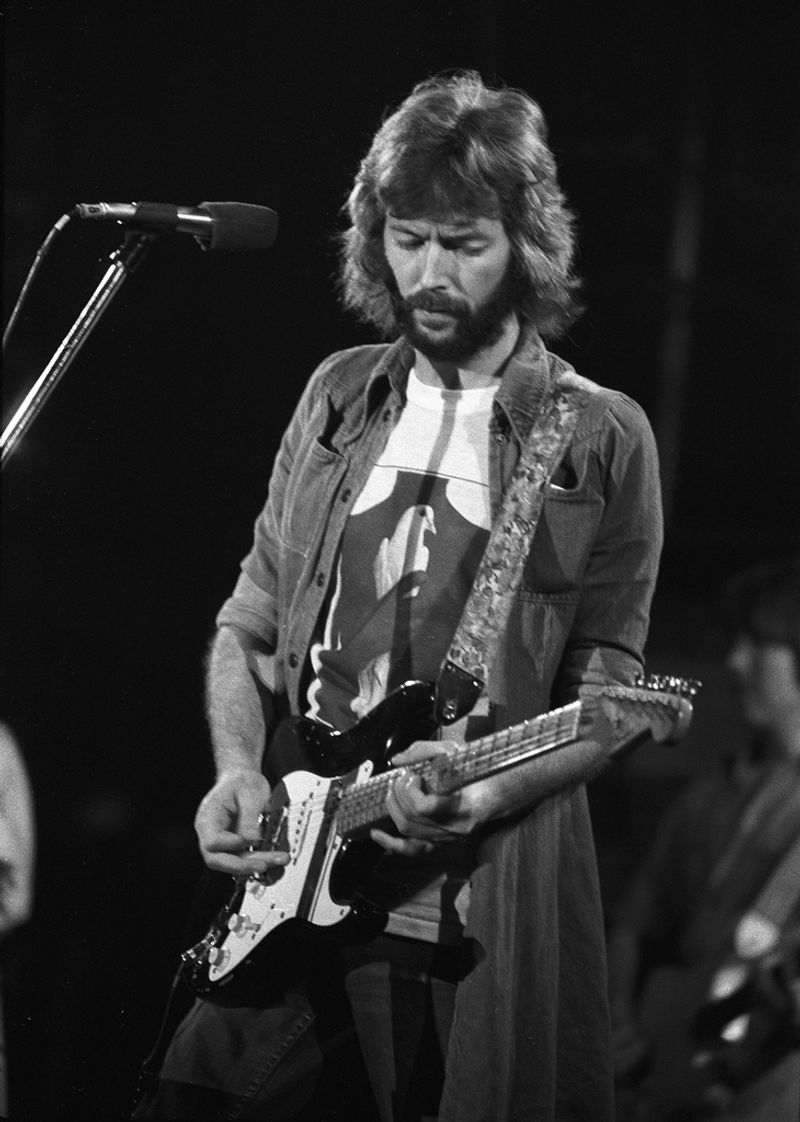
Eric Clapton wrote ‘Layla’ out of unrequited love, and you can hear every bit of that longing in the guitar work. But it was Duane Allman’s slide guitar contributions that gave the song its raw, aching soul.
The two players pushed each other to extraordinary heights during those 1970 recording sessions in Miami.
Allman’s slide lines weave around Clapton’s lead phrases like a second voice in a desperate conversation. The interplay between them is spontaneous and emotionally charged, the product of two brilliant musicians responding to each other in real time.
Clapton later said that Allman made him play better than he ever had before.
Tragically, Duane Allman died in a motorcycle accident just a year after ‘Layla’ was recorded, making these performances even more precious. The song stands as a monument to what can happen when two extraordinary guitarists find each other at exactly the right moment.
Its power has never faded.
11. While My Guitar Gently Weeps – The Beatles (Eric Clapton)
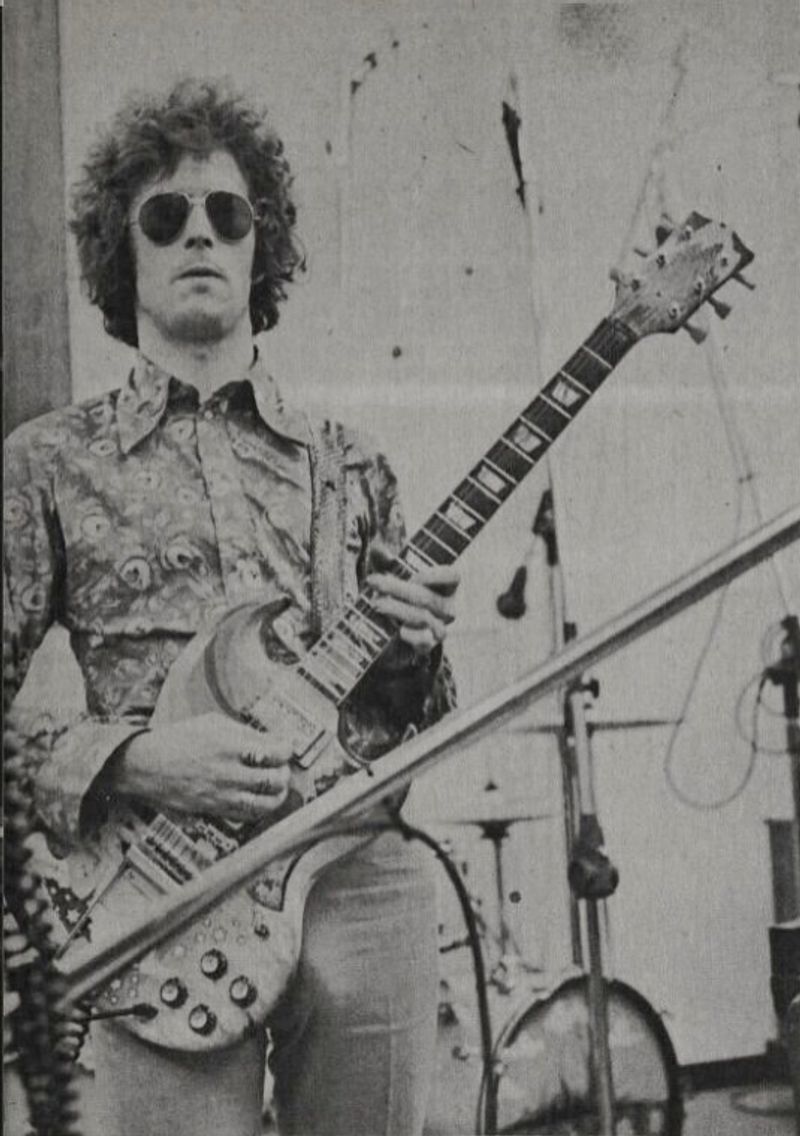
George Harrison wanted a special touch on this track, so he personally invited his friend Eric Clapton to play the lead guitar. Clapton was initially reluctant, feeling it was not his place to step into a Beatles recording.
Harrison convinced him, and the result is one of the most tasteful and moving guitar performances in pop history.
Released on The Beatles’ 1968 ‘White Album,’ Clapton’s playing is restrained and deeply expressive. He avoided flashy runs and instead focused on phrasing that matched the song’s melancholy mood perfectly.
His vibrato and note choices feel more like singing than shredding, which is exactly what the song needed.
The track also has a fun behind-the-scenes detail: Clapton asked for the tape to be run through a wobble effect called ‘ADT’ to make his guitar sound less polished and more ‘Beatles-like.’ That small choice gave the solo its slightly haunting, warbly quality that fans have loved for decades.
12. Sultans of Swing – Dire Straits (Mark Knopfler)
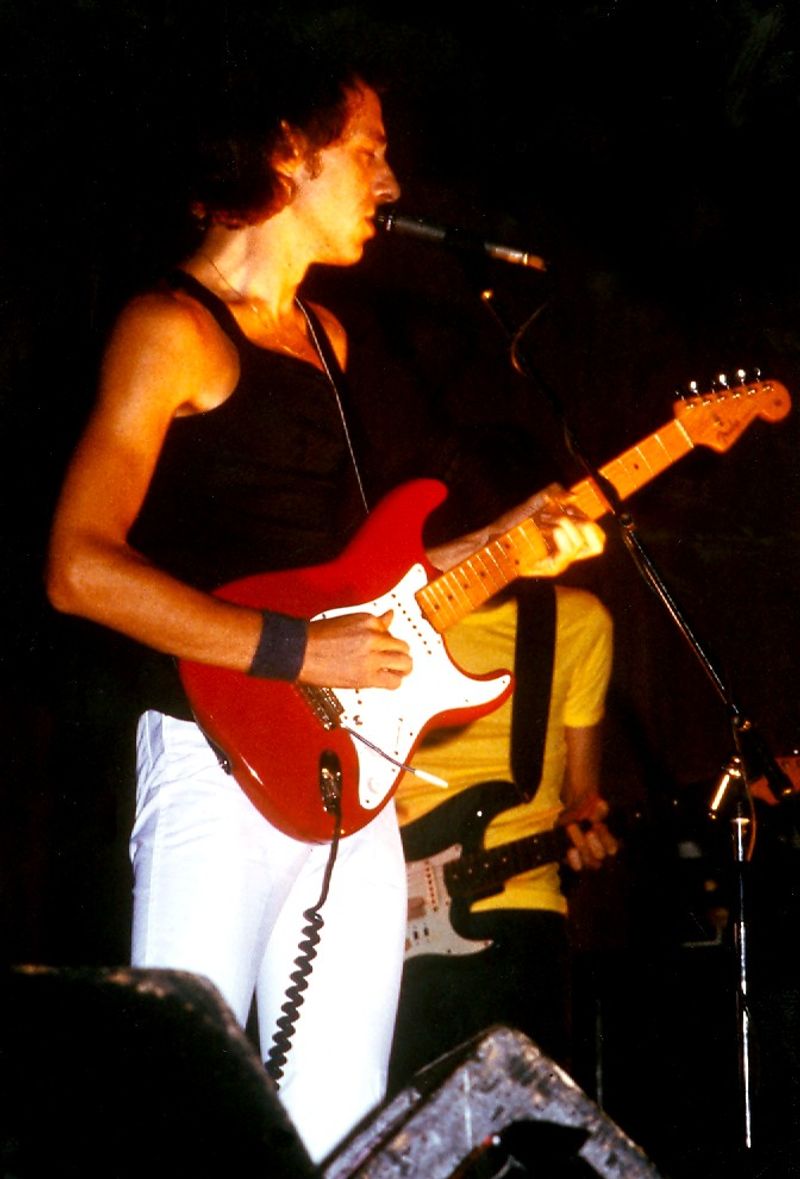
Mark Knopfler never used a pick, and ‘Sultans of Swing’ is the best possible argument for why he never needed one. His fingerstyle technique gives the guitar a warm, rounded tone that no plectrum can quite replicate.
The solo at the end of this track is a quiet masterpiece of phrasing and taste.
Released in 1978 as Dire Straits’ debut single, the song was written about a jazz band Knopfler saw playing in a nearly empty pub in London. That intimate, humble setting inspired the song’s character, and the guitar work reflects it perfectly.
There is nothing showy or excessive about the solo.
Every phrase Knopfler plays feels conversational, like he is telling a story one note at a time. Guitar players often study this solo not for its speed but for its elegance.
It proves that knowing what not to play is just as important as knowing what to play, a lesson many guitarists never fully learn.
13. Purple Rain – Prince
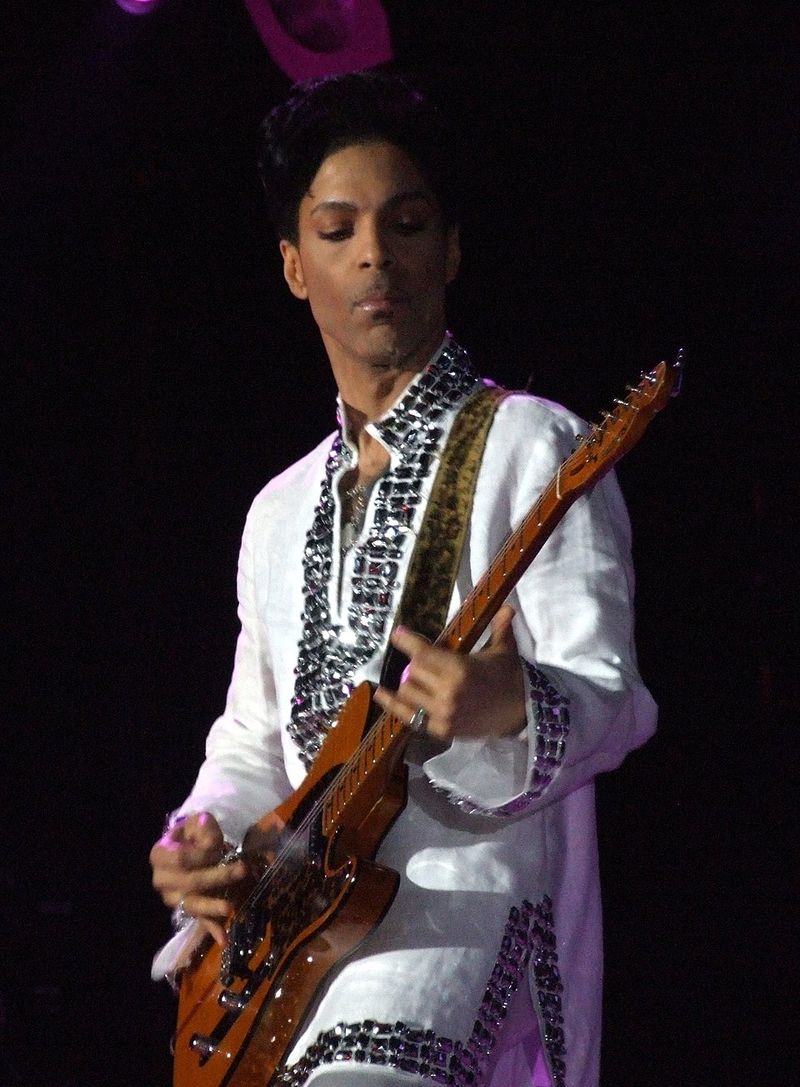
Prince spent most of his career being underestimated as a guitarist because his showmanship and pop success overshadowed his technical abilities. Then came ‘Purple Rain,’ and suddenly the world could not deny it any longer.
The solo in this song is one of the most emotionally raw guitar moments ever captured on tape.
Released in 1984, the track served as the centerpiece of his semi-autobiographical film of the same name. Prince played the solo live during the film’s concert scene, and the performance was so intense that crew members reportedly cried on set while filming it.
That kind of emotional power is nearly impossible to manufacture.
What makes the solo extraordinary is Prince’s use of vibrato, dynamics, and space. He lets notes breathe and swell rather than rushing to fill every second with more notes.
Tom Petty once called Prince the best guitarist he had ever seen. After hearing ‘Purple Rain,’ it is very hard to argue with that assessment.
14. Texas Flood – Stevie Ray Vaughan
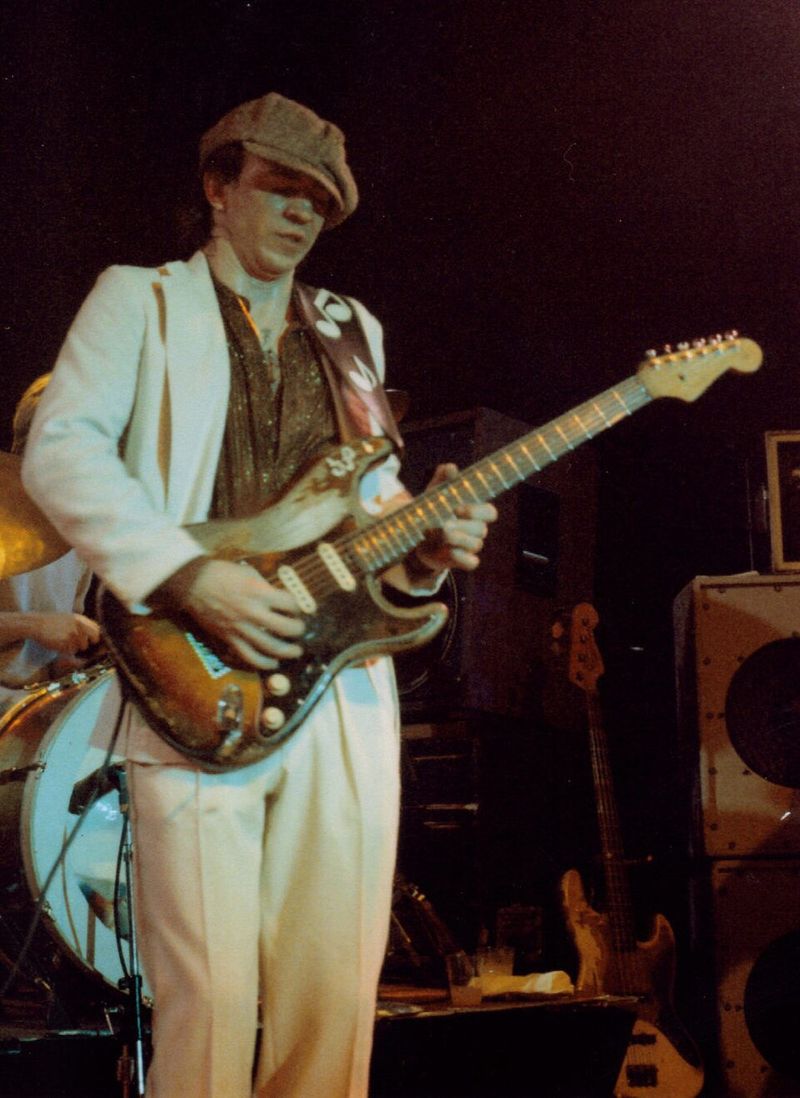
Stevie Ray Vaughan played with a ferocity that made people wonder how one person could produce that much sound from a single guitar. ‘Texas Flood’ is where that power is on full display, a slow blues that gives him room to stretch out and absolutely pour his soul into every note. The intensity never lets up for a single moment.
Released in 1983 on his debut album of the same name, ‘Texas Flood’ was originally recorded by Larry Davis in 1958. Vaughan transformed it into something entirely his own, using heavy strings tuned down half a step to get that thick, commanding tone that became his signature sound.
His bends are so wide and his vibrato so strong that you can almost feel the physical effort behind each note. Blues guitar is about feeling, not just technique, and Vaughan had both in extraordinary abundance.
Tragically, he died in a helicopter crash in 1990, leaving behind a legacy that continues to inspire every generation of blues guitarists.
15. Crazy Train – Ozzy Osbourne (Randy Rhoads)
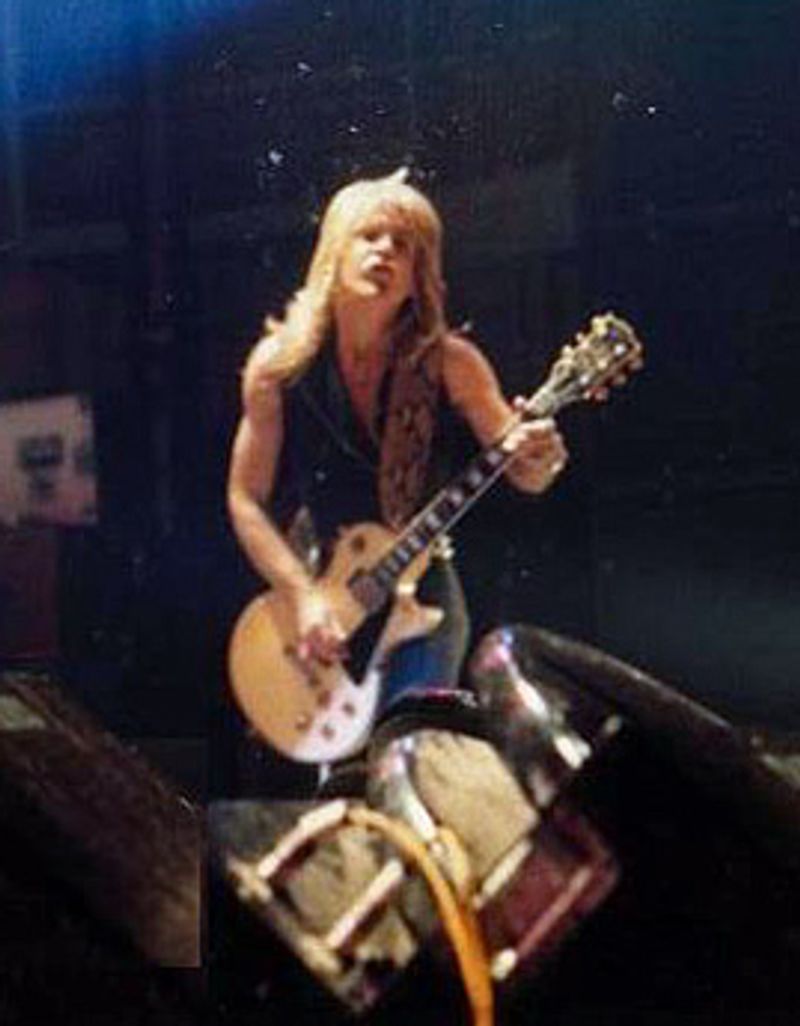
Randy Rhoads was only 25 years old when he died, yet he left behind a body of work that reshaped heavy metal guitar forever. The solo in ‘Crazy Train’ is perhaps his most iconic statement, blending classical music theory with hard rock aggression in a way nobody had quite managed before.
It still sounds ahead of its time today.
Released in 1980 on Ozzy Osbourne’s solo debut ‘Blizzard of Ozz,’ the track announced Rhoads as a genuinely new kind of guitarist. He studied classical guitar formally while simultaneously playing in one of rock’s biggest acts, and that combination gave his playing a precision and structure that set him apart from every peer.
The solo builds methodically, introducing themes and then developing them like a classical composer would. There is nothing random about it.
Rhoads once said he wanted to be taken seriously as a musician, not just a metal guitarist. ‘Crazy Train’ proves beyond any doubt that he absolutely deserved to be.
Share this story