St. Augustine, Florida is the kind of place that makes you wish you had booked a longer trip the moment you arrive. Founded in 1565 by Spanish explorers, it holds the title of the oldest continuously occupied European settlement in the United States, and every cobblestone street seems to carry a story.
You can feel centuries of history layered beneath the charm of colorful buildings, waterfront views, and the salty breeze rolling in off the Atlantic. Whether you have a full day or just a few stolen hours, this city rewards every minute you give it.
This guide covers ten of the best ways to spend your time here, from a legendary fortress to a strip of golden beach, so you can make the most of every single hour without missing what matters most.
Castillo de San Marcos: A Fortress That Has Seen It All
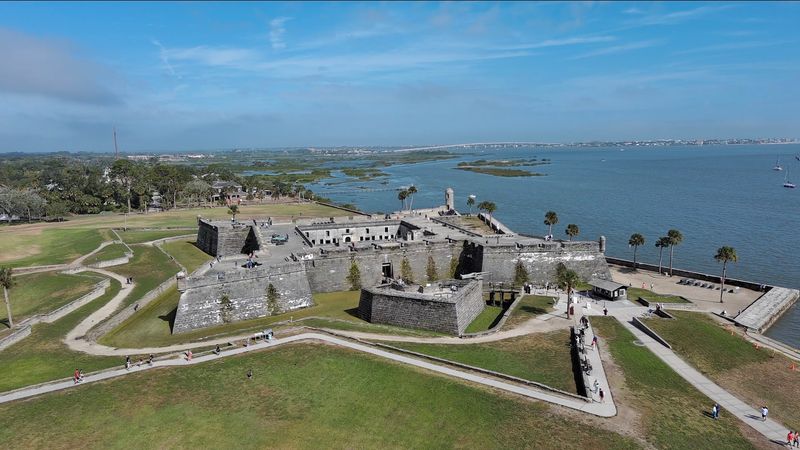
Few buildings in America have stood as long or witnessed as much as this remarkable fort. The Castillo de San Marcos, located at 1 South Castillo Drive in St. Augustine, Florida, is a 17th-century Spanish stone fortress built between 1672 and 1695 using a unique material called coquina, which is a sedimentary rock made from compressed shells.
That unusual construction choice turned out to be brilliant. Coquina absorbs cannonball impact rather than shattering, which helped the fort survive every military assault it ever faced.
Today, the National Park Service maintains the site and offers ranger-led programs where you can watch cannon demonstrations and walk through the original rooms. The views of the St. Augustine Inlet from the upper deck are genuinely stunning.
Budget about ninety minutes here, because the history packed inside these ancient walls is absolutely worth savoring slowly.
St. George Street: Shopping, Snacking, and Soaking It In
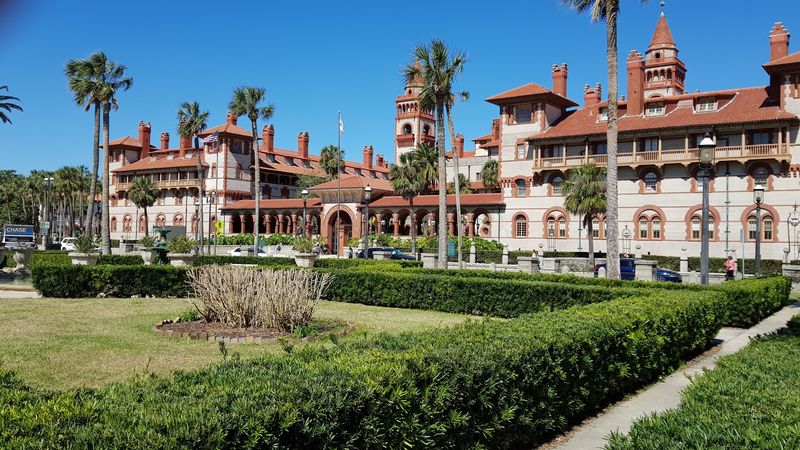
Running through the heart of the historic district, St. George Street is the kind of pedestrian-only road that pulls you in one end and spits you out the other an hour later, arms full and stomach happy. The street stretches from the old City Gate down toward the central plaza, lined with locally owned boutiques, art galleries, candy shops, and casual eateries.
It is the ideal place to grab a quick bite between sightseeing stops. Fresh fudge, handmade pralines, and flavored popcorn are all easy to find and hard to resist.
The architecture along this stretch reflects centuries of Spanish colonial influence, with stucco walls, red tile roofs, and wrought iron details that make every photo look effortlessly beautiful. Even on a tight schedule, a thirty-minute stroll down St. George Street gives you a real feel for what makes this city so visually distinctive and lively.
The Lightner Museum: Three Floors of Gorgeous Surprises
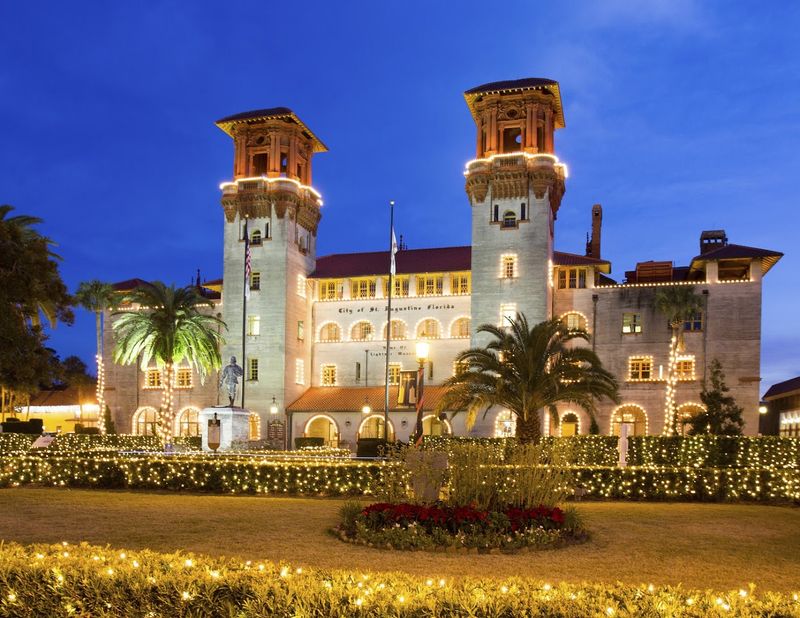
Originally built in 1888 as the Alcazar Hotel by Henry Flagler, this stunning building now houses one of Florida’s most underrated museums. The Lightner Museum sits at 75 King Street in St. Augustine, and its collection spans three floors of Gilded Age decorative arts, antique musical instruments, cut glass, and oddities that feel more like a curiosity cabinet than a typical exhibit.
The former indoor swimming pool has been converted into a charming cafe where you can grab lunch surrounded by soaring arches and natural light. That alone is worth the visit.
Admission is affordable, and the museum moves at whatever pace you set. A focused visit can be done in under an hour, but art lovers and history fans will want to linger longer.
The building itself is as impressive as anything inside it, and the courtyard offers a peaceful escape from the busier streets nearby.
St. Augustine Beach: Sand, Sun, and a Short Drive
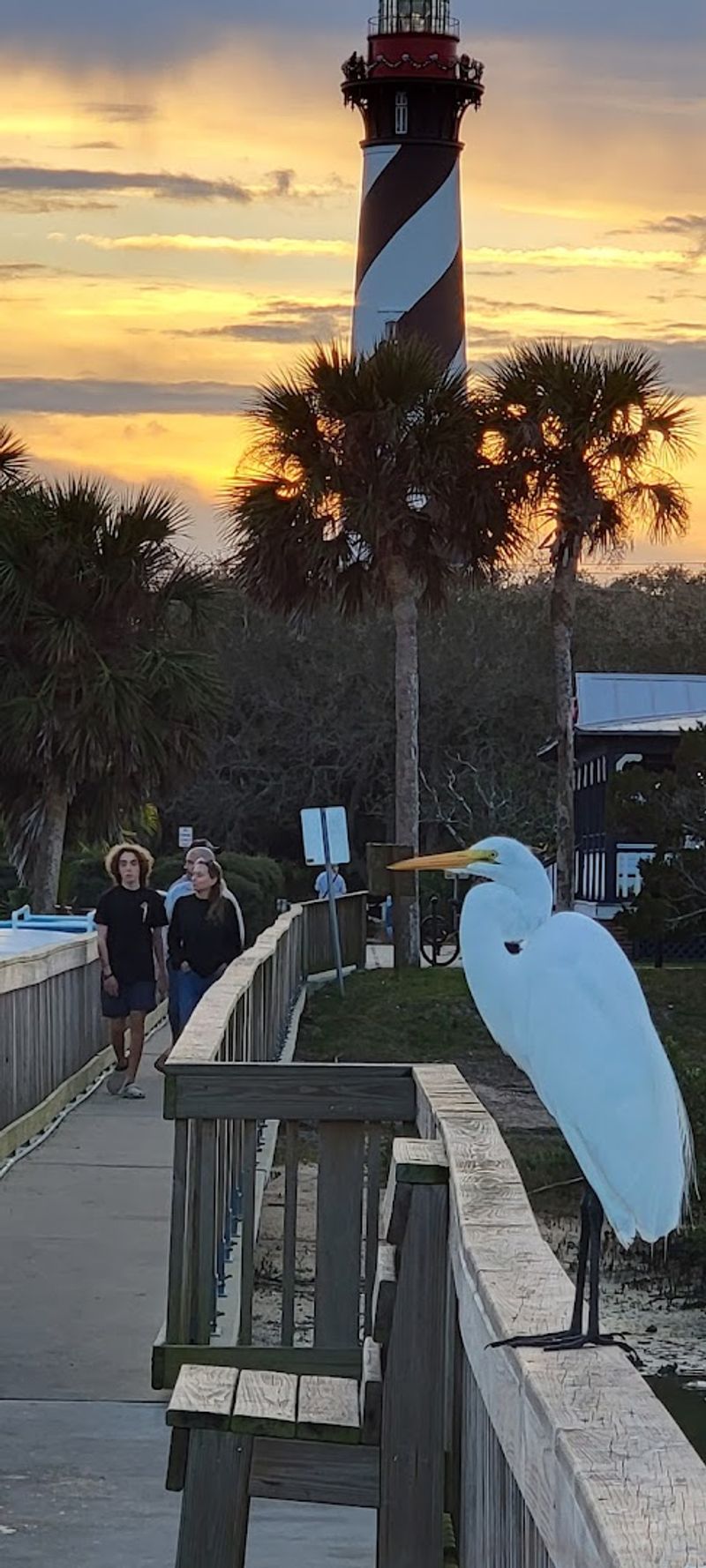
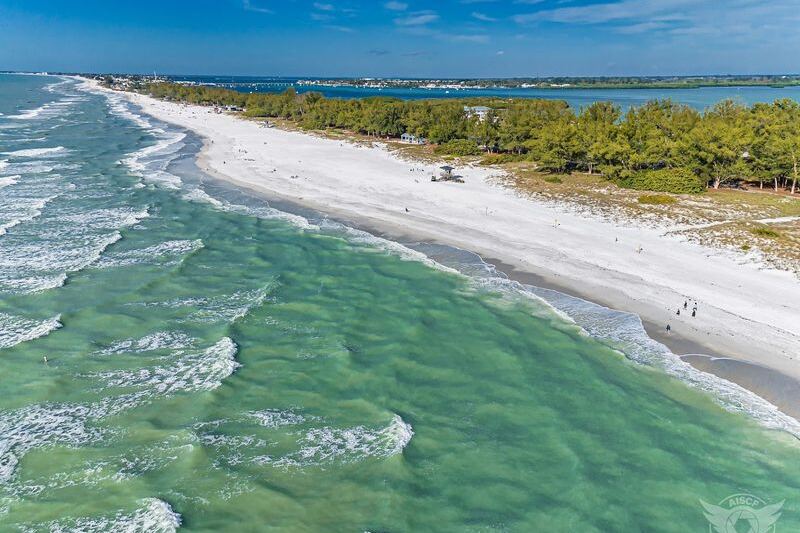
Just a short drive from the historic district, St. Augustine Beach delivers everything you want from a Florida coastline without the overcrowded chaos of more famous spots. The beach sits on Anastasia Island and stretches for miles along the Atlantic, with wide sandy shores and relatively calm surf that make it great for a quick dip or a leisurely walk.
The town of St. Augustine Beach has a relaxed, unpretentious vibe. A small pier, a few casual food spots, and plenty of free parking along A1A make it easy to drop in without much planning.
Early mornings here are especially peaceful, when the light hits the water at a low angle and you might spot pelicans gliding just above the waves. Even a forty-five-minute stop at the beach can reset your energy and remind you why Florida coastlines have earned their reputation.
The Oldest Wooden Schoolhouse: A Tiny Building With a Big Story
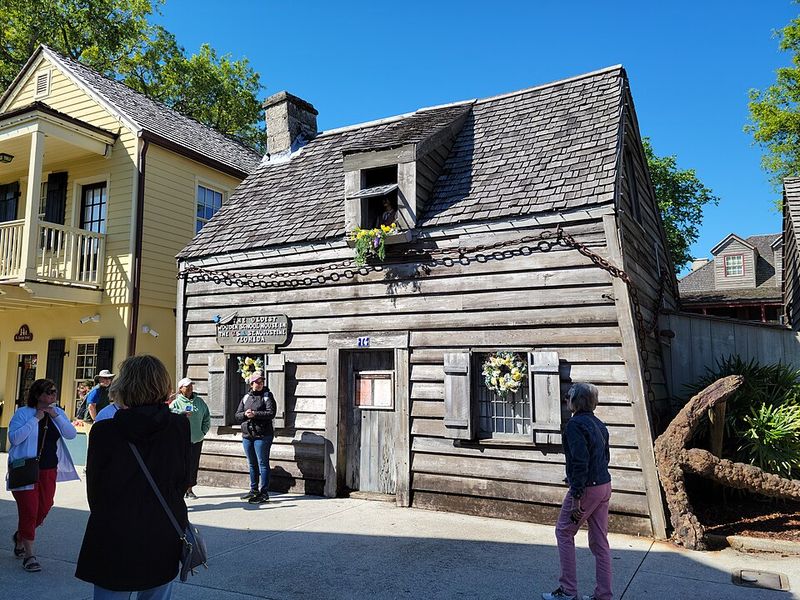
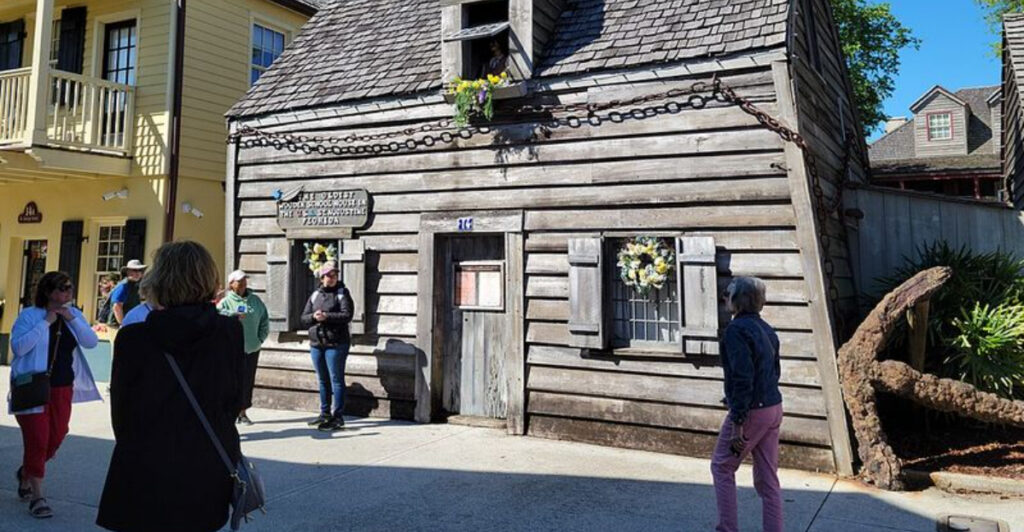
There is something oddly moving about standing in front of a building that has been standing since the early 1700s. The Oldest Wooden Schoolhouse in the United States is located at 14 St. George Street in St. Augustine, and it is exactly what the name promises: a tiny, ancient wooden structure that once served as a classroom for children in Spanish colonial Florida.
The building is made of red cedar and cypress, held together in part by wooden pegs and handmade nails. It has survived hurricanes, British occupation, and centuries of Florida humidity, which is frankly impressive for a structure this small.
Inside, audiovisual exhibits and period furnishings bring the old schooldays to life in an accessible, family-friendly way. A visit takes about twenty to thirty minutes, making it an easy addition to any walking tour of the historic district without eating up too much of your limited time.
Flagler College: Architecture That Stops You Mid-Step
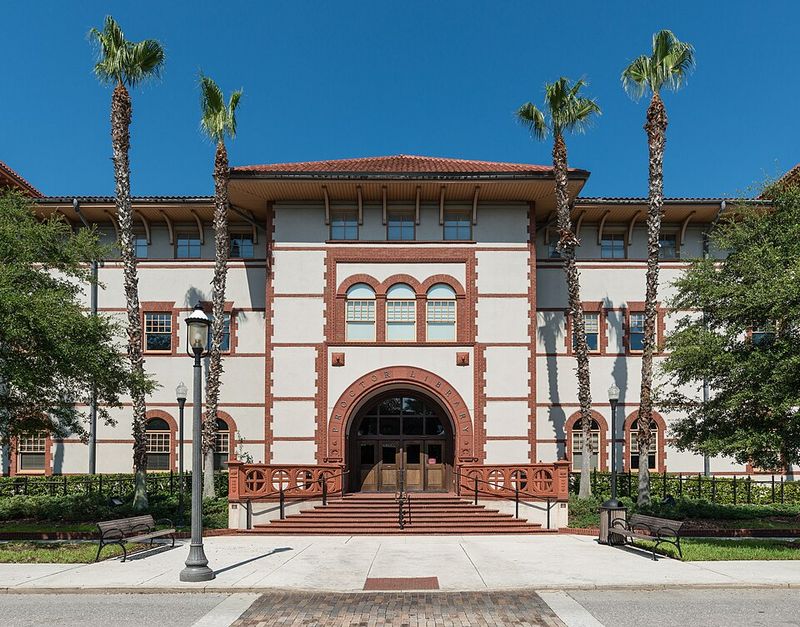
Even people who are not particularly into architecture tend to stop and stare when they first see Flagler College. The main building, Ponce de Leon Hall, was built in 1888 by railroad magnate Henry Flagler as the Hotel Ponce de Leon, and it remains one of the most beautiful examples of Spanish Renaissance Revival architecture in the entire country.
The exterior alone, with its twin towers, terra cotta detailing, and grand arched entrance, looks almost too ornate to be real. Guided tours of the interior are available during certain seasons and reveal Tiffany stained glass windows, hand-painted murals, and a dining hall that makes most college cafeterias look embarrassingly plain.
Even without a tour, walking around the exterior and through the front courtyard is completely free and takes only about fifteen minutes. It is one of those spots that makes you feel glad you looked up from your phone long enough to notice it.
Anastasia State Park: Wild Florida Just Minutes Away
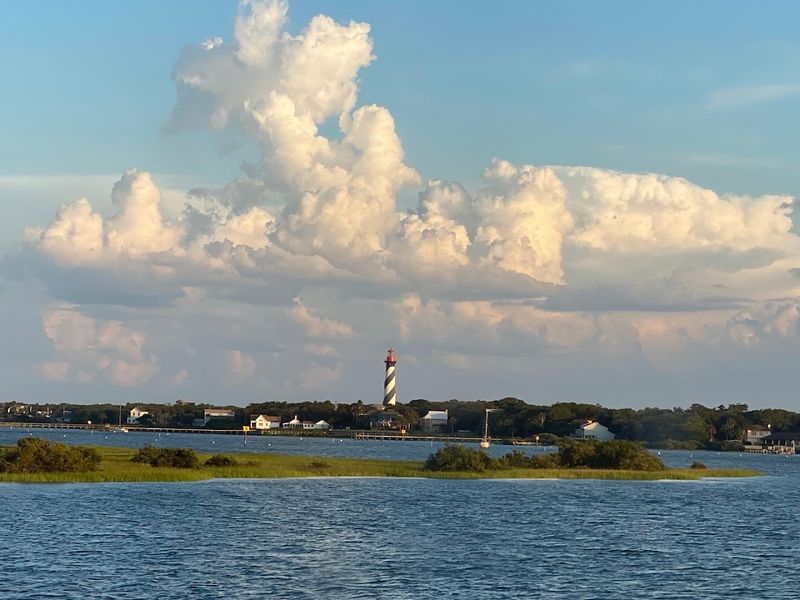
Not every great St. Augustine experience involves cobblestones and colonial history. Anastasia State Park, located on Anastasia Island just across the Bridge of Lions from downtown, offers four miles of undeveloped Atlantic beach alongside salt marshes, hiking trails, and a bird-watching paradise that feels worlds away from the tourist corridor.
The park covers over 1,600 acres and is home to a wide range of wildlife, including shorebirds, gopher tortoises, and manatees in the adjacent waters during cooler months. Kayak and canoe rentals are available at the park’s boat launch if you want to explore the tidal creeks.
A small entry fee applies per vehicle, and the park can get busy on weekends, so arriving early is always a smart move. For anyone craving a bit of natural Florida alongside the historic city experience, this park delivers a refreshing and genuinely beautiful contrast to the busy streets downtown.
The Colonial Quarter: History You Can Actually Touch
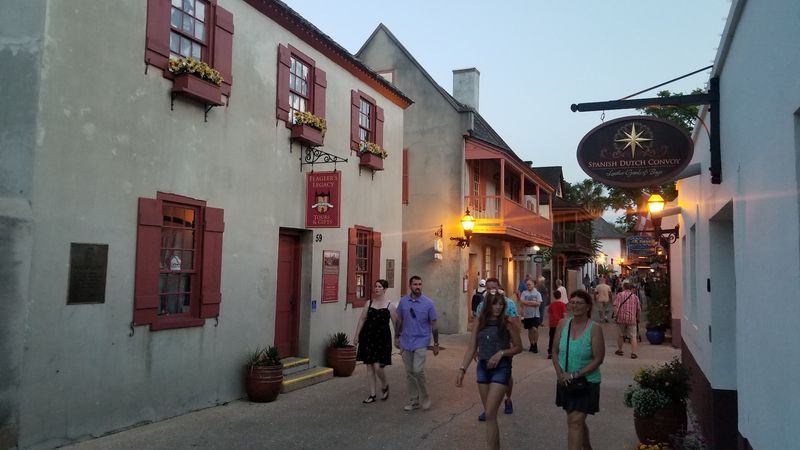
History museums can sometimes feel a little flat, but the Colonial Quarter at 33 St. George Street in St. Augustine takes a livelier approach. This outdoor living history museum recreates life in 16th through 18th century St. Augustine through costumed interpreters, hands-on demonstrations, and period-accurate buildings spread across a compact but engaging outdoor space.
Visitors can watch blacksmithing, musket firing, and cannonball molding demonstrations, and kids especially seem to light up when they get to try activities themselves. The experience is educational without being dry, and the interpreters are genuinely knowledgeable and happy to answer questions.
A rooftop deck offers elevated views of the historic district that are hard to find elsewhere in the city. The Colonial Quarter pairs well with a visit to the Castillo de San Marcos nearby, since both explore overlapping periods of Spanish colonial history from different angles.
Allow at least an hour to get the full experience here.
The Bridge of Lions: A Pretty Crossing Worth Pausing On
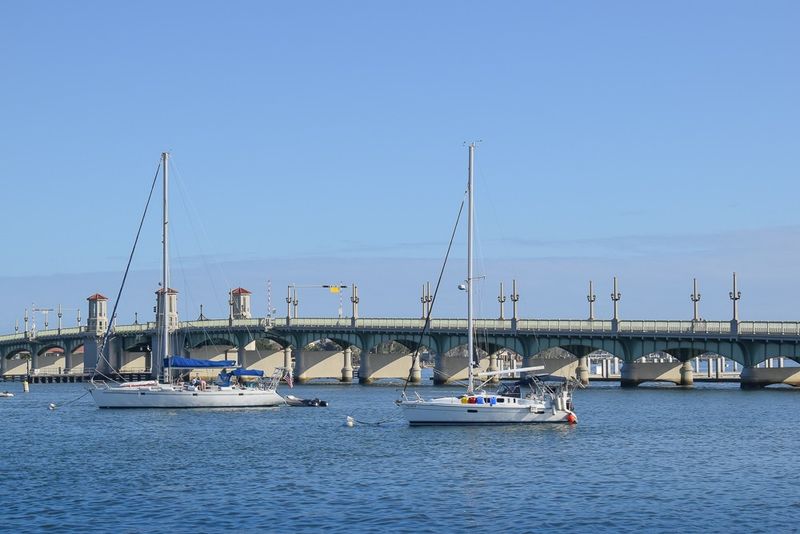
Some bridges are purely functional. The Bridge of Lions, which spans the Matanzas River between downtown St. Augustine and Anastasia Island, manages to be both useful and genuinely beautiful.
Built in 1927, the bridge is a Mediterranean Revival-style bascule drawbridge decorated with two marble lion statues at its western entrance, modeled after the famous lions in Florence, Italy.
The structure was fully restored in 2010 and is now listed on the National Register of Historic Places. Walking or cycling across it gives you some of the best views of the St. Augustine waterfront, the Castillo de San Marcos, and the marina all at once.
It costs nothing to cross on foot, and the short walk takes only a few minutes. Many visitors make it part of a loop from the historic district to Anastasia Island and back, combining the bridge crossing with a stop at the beach or the state park.
Plaza de la Constitucion: The Heartbeat of the Old City
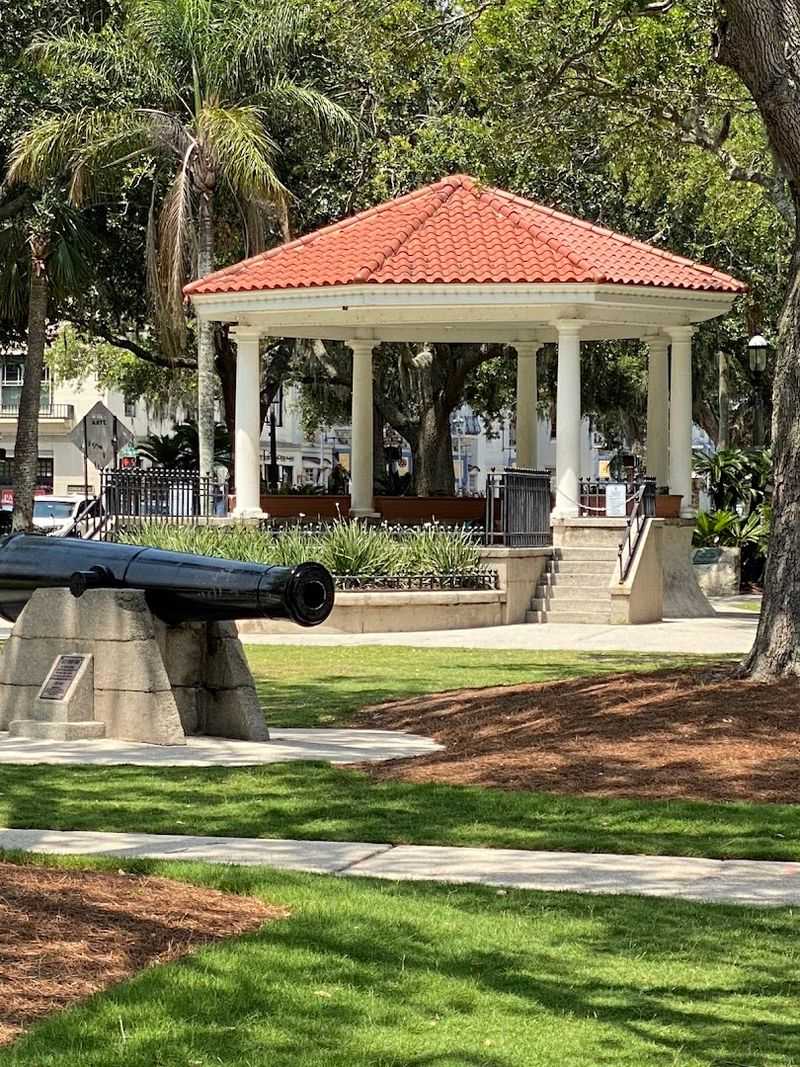
Every great old city has a central gathering place, and in St. Augustine, that place is the Plaza de la Constitucion. Established in 1573 under Spanish colonial planning laws, this public square sits at the center of the historic district, flanked by the Cathedral Basilica of St. Augustine, the Government House, and a row of charming storefronts that have been serving the public for centuries.
The plaza itself is shaded by large oak trees and anchored by a central obelisk monument erected in 1813. Benches are scattered throughout, making it a natural spot to rest, people-watch, or grab a snack from one of the nearby vendors.
Farmers markets, live music events, and community festivals take place here regularly throughout the year. Even on an ordinary afternoon, the plaza hums with a quiet energy that feels authentic rather than performed, which is exactly what you want from the oldest city in the country.
Share this story