There is a spot tucked along a backroad in South Jersey that keeps showing up in conversations, on social feeds, and in the memories of people who made the drive out just once and never stopped talking about it. The food is rooted in what grows and lives nearby, the oysters come straight from waters the owner knows by name, and the whole setup feels more like a well-kept local secret than a restaurant.
It sits in Newfield, New Jersey, a small town that most people pass through without a second thought, yet this place has earned a spot on national best-restaurant lists and still manages to feel personal. This article covers everything worth knowing before your first visit, from the story behind the kitchen to the dishes that keep people coming back season after season.
Where to Find It and What to Expect on Arrival
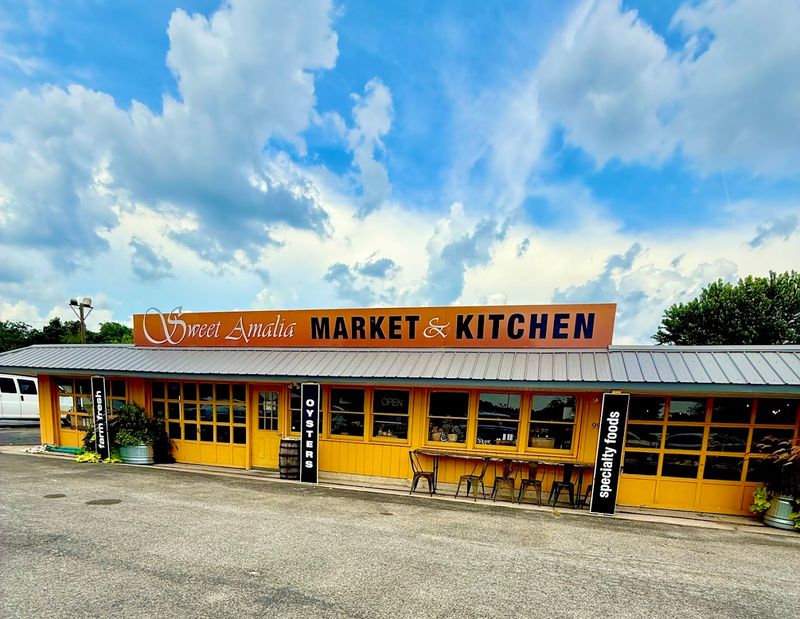
Sweet Amalia Market and Kitchen sits at 994 Harding Hwy, Newfield, NJ 08344, right off Route 40 in Gloucester County. The building reads more like a roadside market than a traditional restaurant, which is entirely the point.
When you pull up and see a full parking lot on a weekend afternoon, that is your first clue that something worth stopping for is happening here. There is no formal host stand, no reservation desk, and no velvet rope situation.
You walk in, read the chalkboard menu posted on the wall, place your order at the counter, grab a number, and then find a seat outside. The system is casual and efficient once you understand it.
First-timers sometimes stand around briefly while they get their bearings, but the staff is friendly and quick to help orient newcomers to the flow.
The Story Behind the Name and the Kitchen
The name Sweet Amalia is not just a catchy brand. It refers directly to the oysters that chef and owner Melissa grows in the waters off Cape May, New Jersey.
Those oysters carry the name and the identity of everything the business stands for.
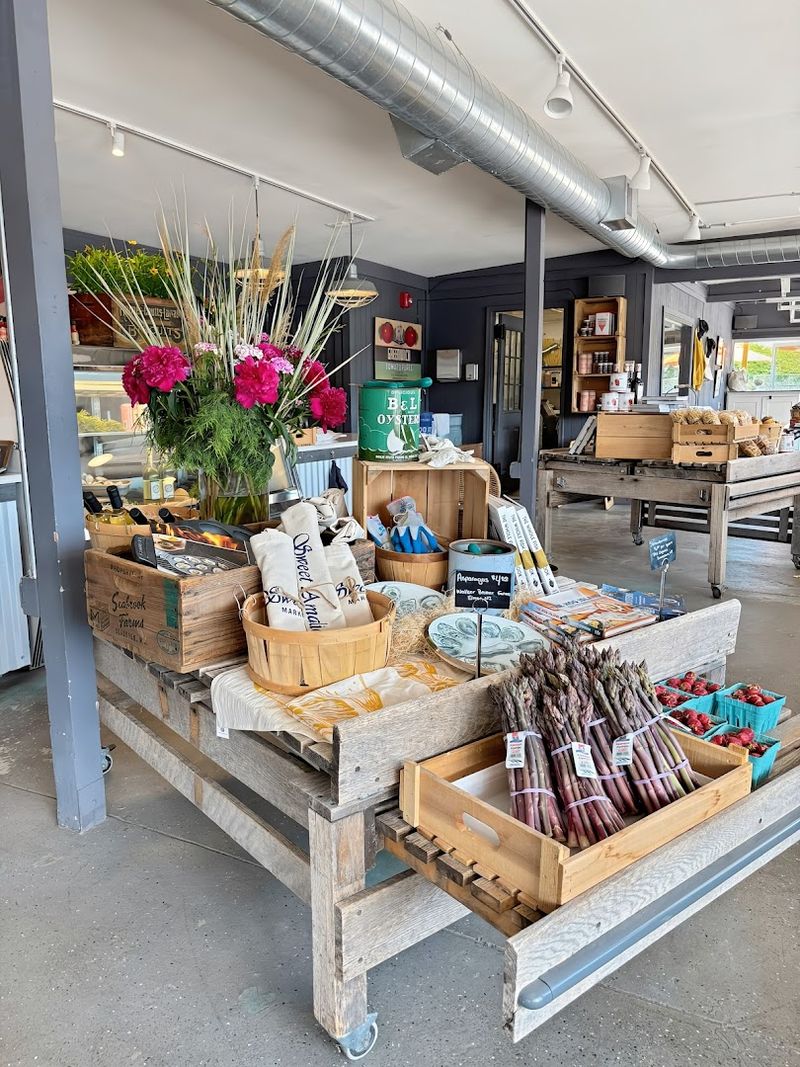
Melissa built this concept around a simple but demanding idea: source locally, cook carefully, and let the ingredients do the heavy lifting. The market side of the business reflects that same commitment, stocking local produce, artisan hot sauces, jams, jellies, vinegars, pasta, and cookbooks alongside the kitchen operation.
The owner has responded personally to customer feedback online, which says a lot about how closely she stays connected to the day-to-day experience. Sweet Amalia has been recognized as one of the Times Best 50 Restaurants in America, a serious achievement for a counter-service spot on a South Jersey backroad that seats people at picnic tables outside.
The Oysters That Started Everything
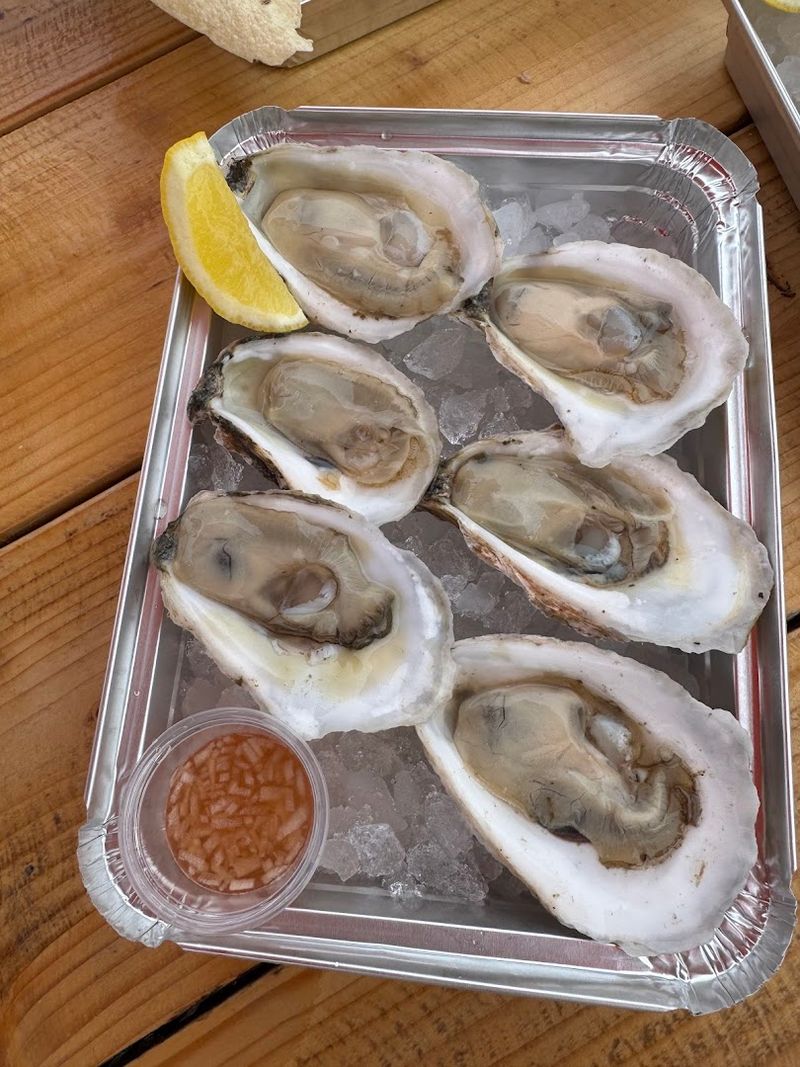
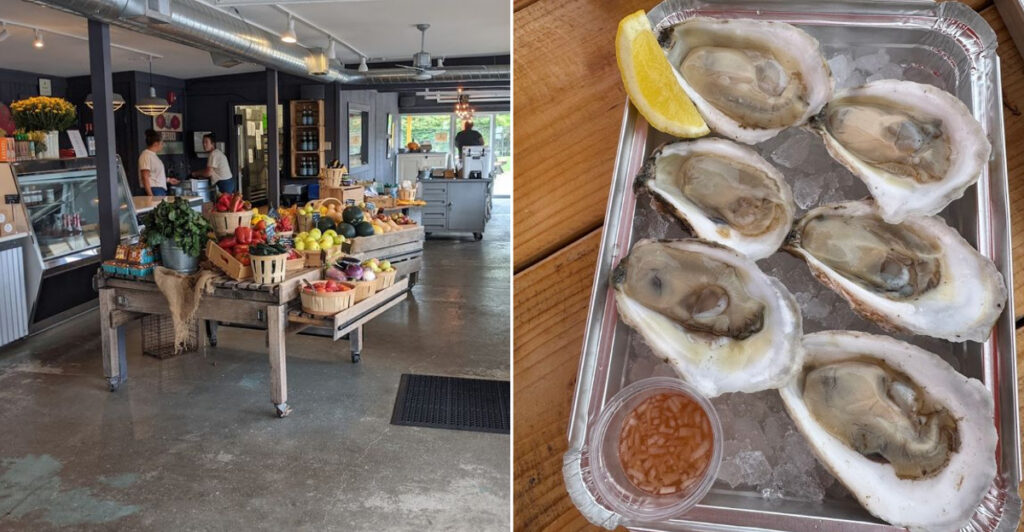
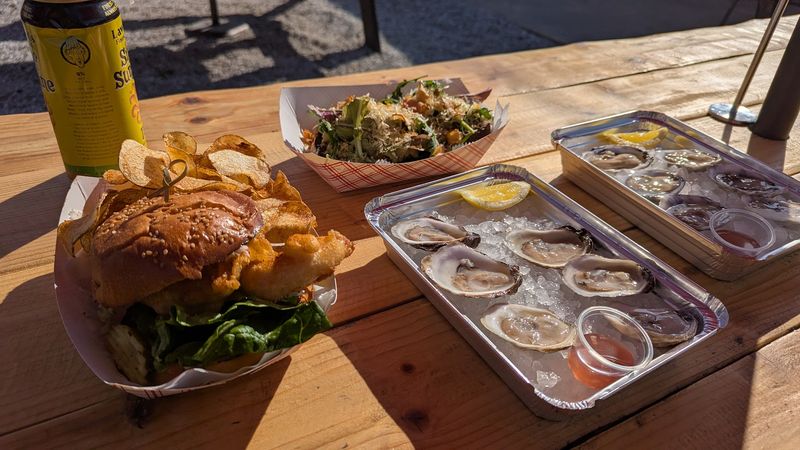
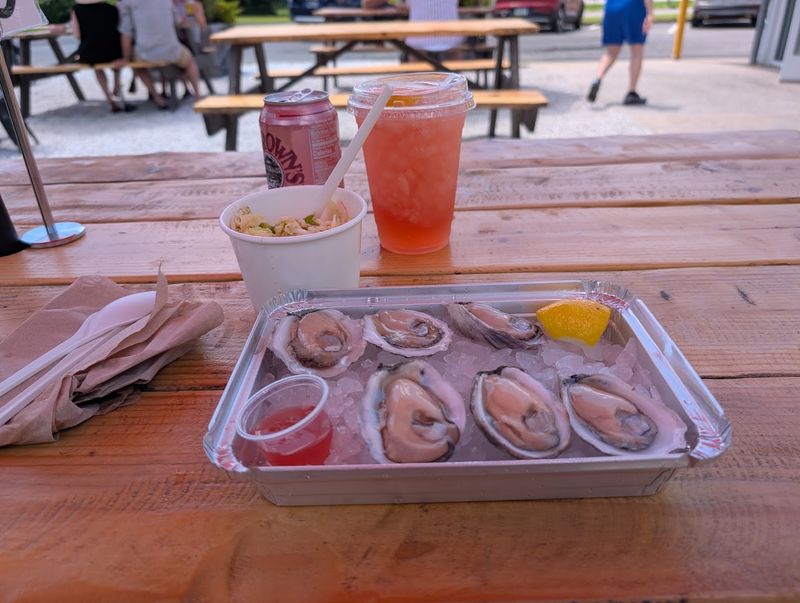
Raw oysters are the centerpiece of the menu, and the Sweet Amalia oysters are the ones that most visitors come specifically to try. They are described consistently as large, meaty, and noticeably fresh, with a clean flavor that does not need much accompaniment.
The menu typically offers multiple oyster varieties at any given time, including rotating selections from Barnegat Bay and other local waters. Each variety brings its own character in terms of size and flavor profile, so ordering a mixed half dozen is a reliable way to get a full picture.
At around $21 to $22 for a half dozen, the price sits at the higher end for the format, though the quality justifies it for most visitors. The tuna crudo and clam chowder have also earned strong followings as non-oyster options worth ordering on their own merits, not just as supporting dishes.
Sandwiches That Hold Their Own Against the Oysters
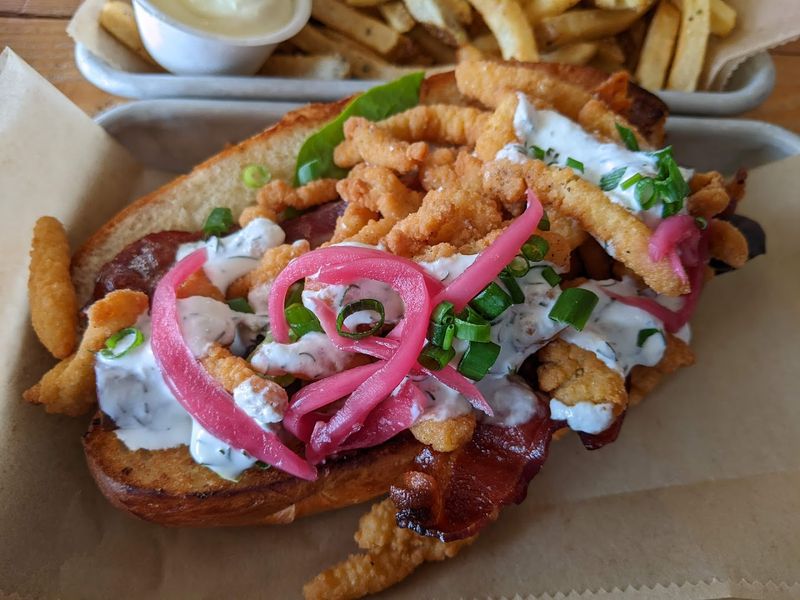
The sandwiches at Sweet Amalia do not get as much attention as the oysters online, but they probably should. The fried clam sandwich has become one of the most talked-about items on the menu, arriving on a soft, toasted roll with a notable addition of bacon tucked inside.
The oyster po’boy features fried Sweet Amalia oysters on a crusty sesame-seeded roll and is the kind of sandwich that makes you rethink every po’boy you have eaten before it. The Farmstand Italian is another standout, with bread that has a proper bite to it and fillings that feel like they came from the market shelf rather than a supply truck.
The chicken patty sandwich has developed its own loyal following, with visitors specifically mentioning the balance of flavors as something that sets it apart from typical versions. The shrimp salad sandwich rounds out the seafood options in a lighter, more refreshing direction.
Sides and Salads Worth the Extra Order
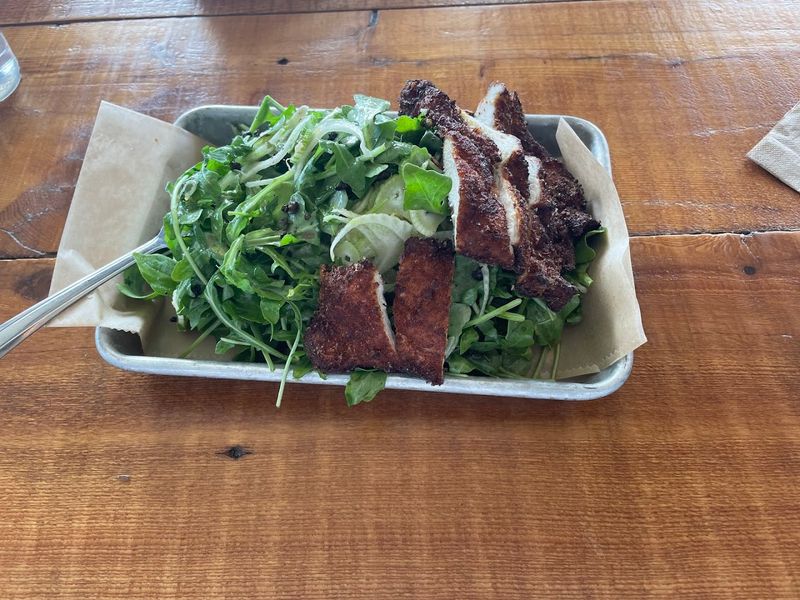
The crispy potato salad is one of those menu items that surprises almost everyone who orders it. Rather than the expected mayo-based mixture, it arrives as a whole fried potato cut up and served over a Caesar-style salad base, and the combination genuinely works.
The chalkboard menu does not always make this distinction clear, so first-time visitors sometimes expect something more traditional. Once the plate arrives, though, most people are glad for the detour from convention.
The fennel and apple arugula green salad topped with fried oysters is another option that leans into the farm-fresh identity of the kitchen. The falafel salad and spicy coleslaw have both shown up on visitor favorites lists as well, adding some non-seafood variety to the rotation.
Sweet corn bruschetta appears as a seasonal option and has drawn strong reactions when available. The sides here are not afterthoughts; they are genuinely worth ordering.
The Outdoor Seating Setup
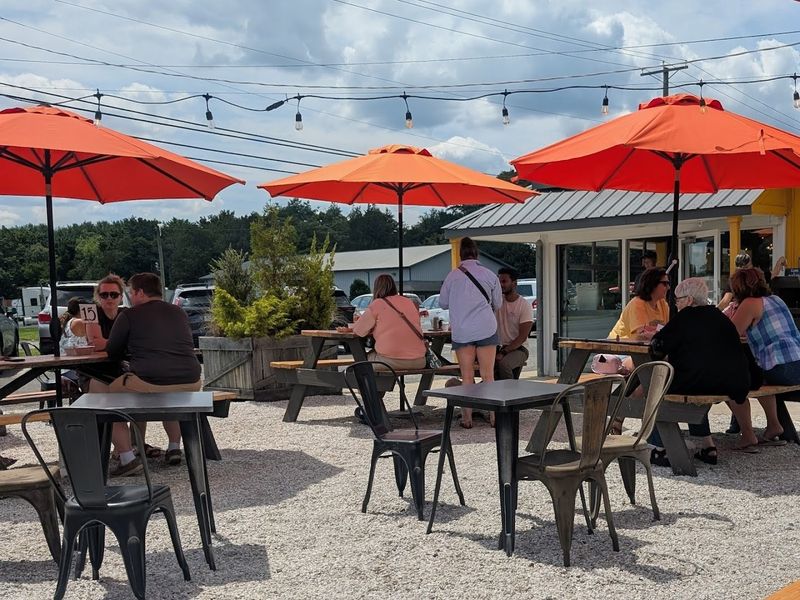
All dining at Sweet Amalia happens outside. There are picnic-style bench tables and some cafe-style tables and chairs, most of them shaded by table umbrellas.
The setup is clean and well-maintained, and on a good weather day it is genuinely pleasant.
The tables are shared with other diners, which adds to the communal, relaxed atmosphere that the place is going for. On busy Saturday afternoons, there can be a wait for a table after ordering, which means standing around with your number until a spot opens up.
Tables without umbrellas tend to stay empty longer, so arriving early on peak days is a practical move.
Behind the eating area, there is a bathroom trailer with running water and air conditioning, which is a thoughtful addition for an outdoor-only dining setup. The whole arrangement works well in warm months and starts to wind down as the season cools toward fall.
The Market Side of the Operation
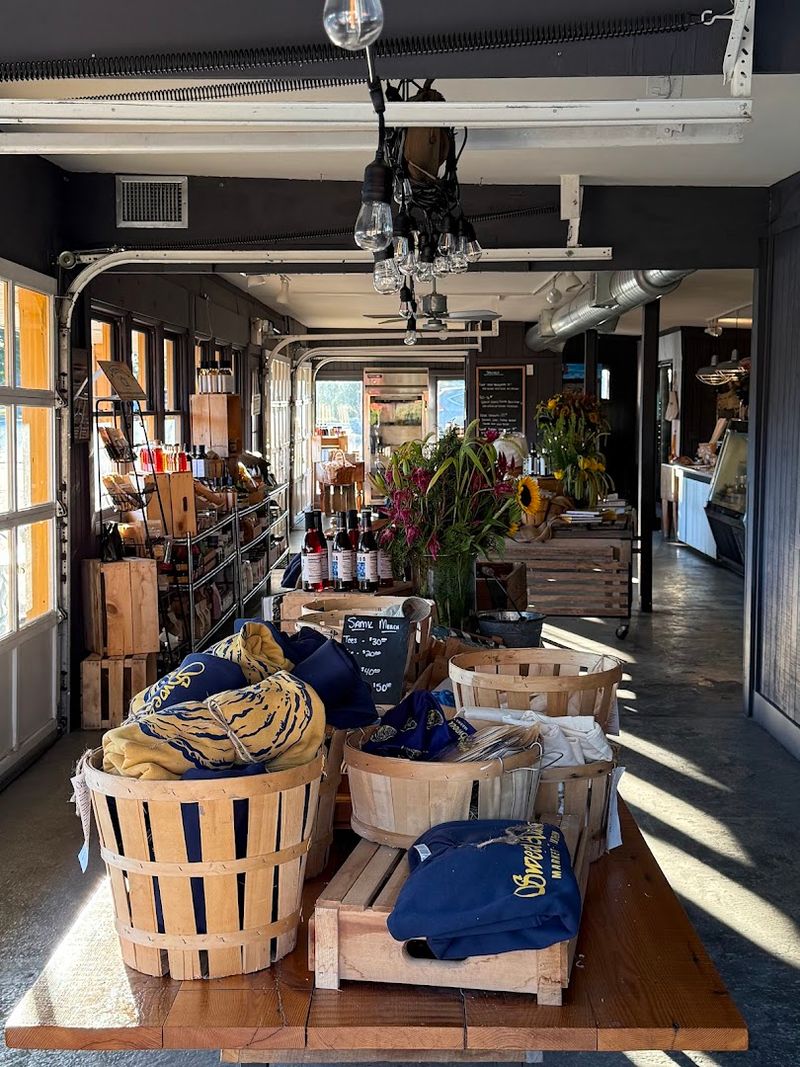
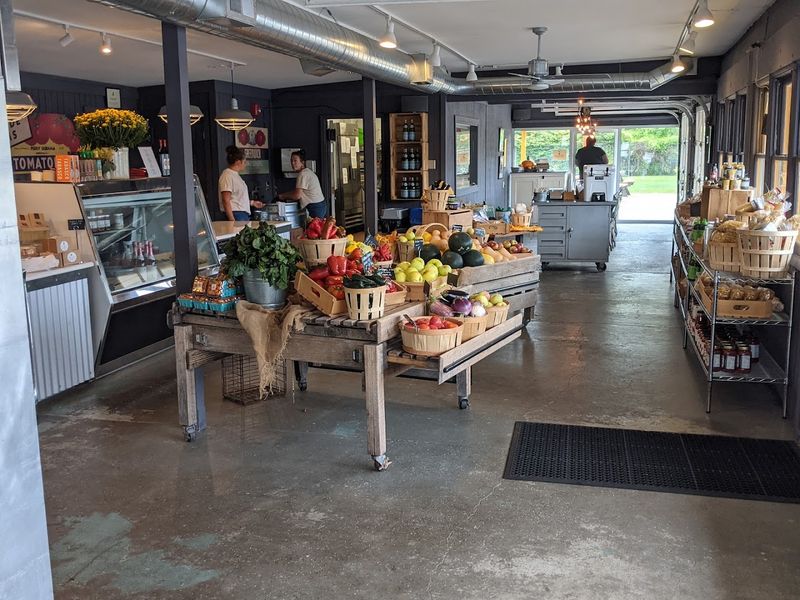
The kitchen is only half of what Sweet Amalia offers. The market portion of the space stocks a rotating selection of local and artisan products that reflect the same sourcing philosophy behind the food menu.
Fresh Jersey tomatoes, corn on the cob, and other seasonal vegetables line the front of the store during peak season. Inside, the refrigerated section holds cheeses and beverages, while shelves carry vinegars, pickles, pasta, specialty hot sauces, jams, jellies, and even cookbooks.
Local wine is available by the bottle, and craft sodas and specialty teas round out the drink options for those who want something beyond water. The market makes the stop feel worthwhile even on days when the kitchen line is long, because there is always something interesting to browse or bring home.
One visitor picked up a bottle of Hank’s Skedatil hot sauce and called it an unexpected highlight of the whole trip.
How the Ordering System Works
First-time visitors sometimes find the ordering setup a little different from what they expect, so a quick rundown helps. You walk in, read the chalkboard menu on the wall, and place your order at the interior counter.
A number is given to you, and from there, you head outside and find your own table.
A food runner brings your order out when it is ready. On busy days, the system can feel a little loose, especially if the kitchen is slammed.
Condiments and hot sauces are available at a self-serve station outside, though that station sometimes runs low during peak hours.
Busing your own table at the end is part of the deal here. The tablet at checkout may prompt for a tip, but the owner has clarified publicly that there is no expectation around gratuity given the self-service format.
Understanding all of this before you arrive makes the whole experience smoother and more enjoyable.
The Farm-to-Table Philosophy in Practice
The phrase farm-to-table gets used so often that it has started to lose meaning in a lot of contexts. At Sweet Amalia, it describes something specific and traceable.
The oysters on the menu are grown by the same person running the kitchen, and the produce comes from farms close enough that the word local actually applies.
The menu changes based on what is available and what is in season, which is why the chalkboard format makes more sense here than a printed menu ever would. Dishes like the sweet corn bruschetta, gazpacho with shrimp and avocado, and seasonal salads reflect what is growing and harvested nearby at any given time.
The market shelves reinforce the same idea, connecting visitors to regional producers they might not otherwise encounter. For a place this size, the consistency of that sourcing commitment across both the kitchen and the retail side is genuinely impressive and not something you find everywhere.
National Recognition Without Losing the Local Feel
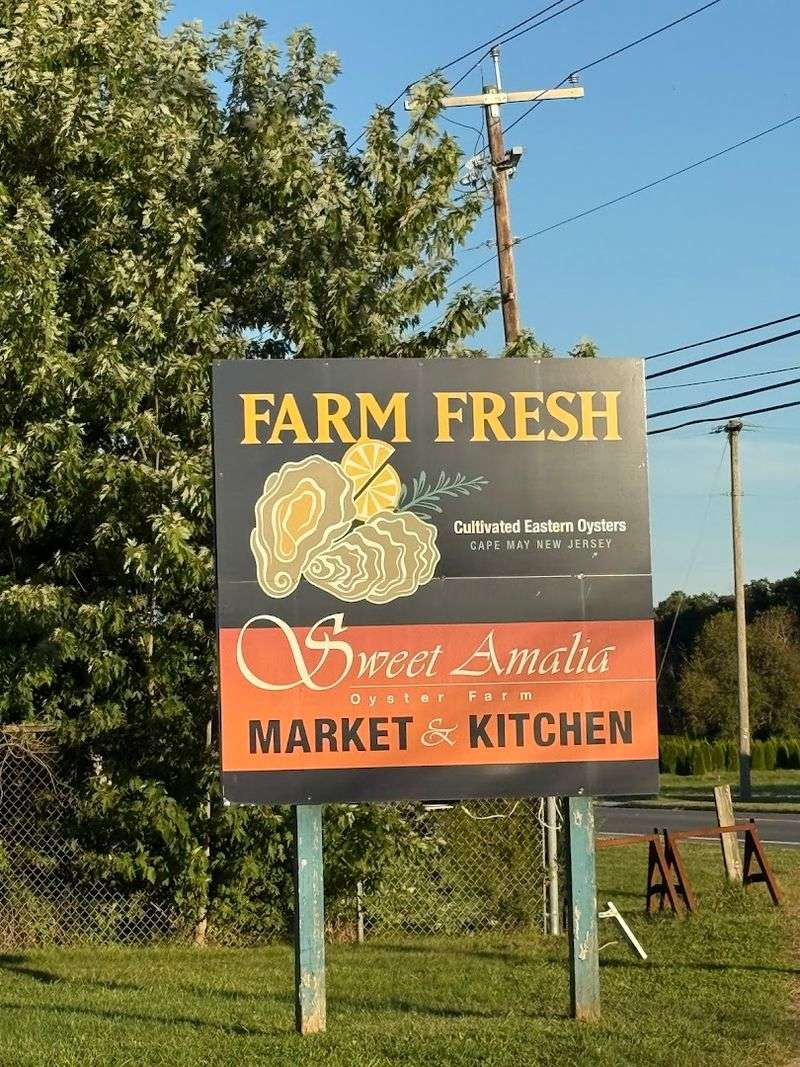
Being named one of the Times Best 50 Restaurants in America is the kind of recognition that can change a small restaurant overnight, not always for the better. At Sweet Amalia, the accolade has brought more visitors and more buzz, but the core of what the place is has stayed consistent.
The counter-service format, the chalkboard menu, the picnic tables, and the owner-grown oysters are all still there. The staff still greets people warmly.
The manager Rose has been specifically mentioned by visitors as someone who makes the experience feel personal and attentive even when the place is running at full capacity.
Some reviewers have noted that the business model is being stretched by its own success and that expansion would help manage peak-day demand. The owner has acknowledged this publicly and mentioned that expansion plans have been in progress.
For now, the best version of a visit here involves a little patience and a lot of reward.
Catering and Special Events
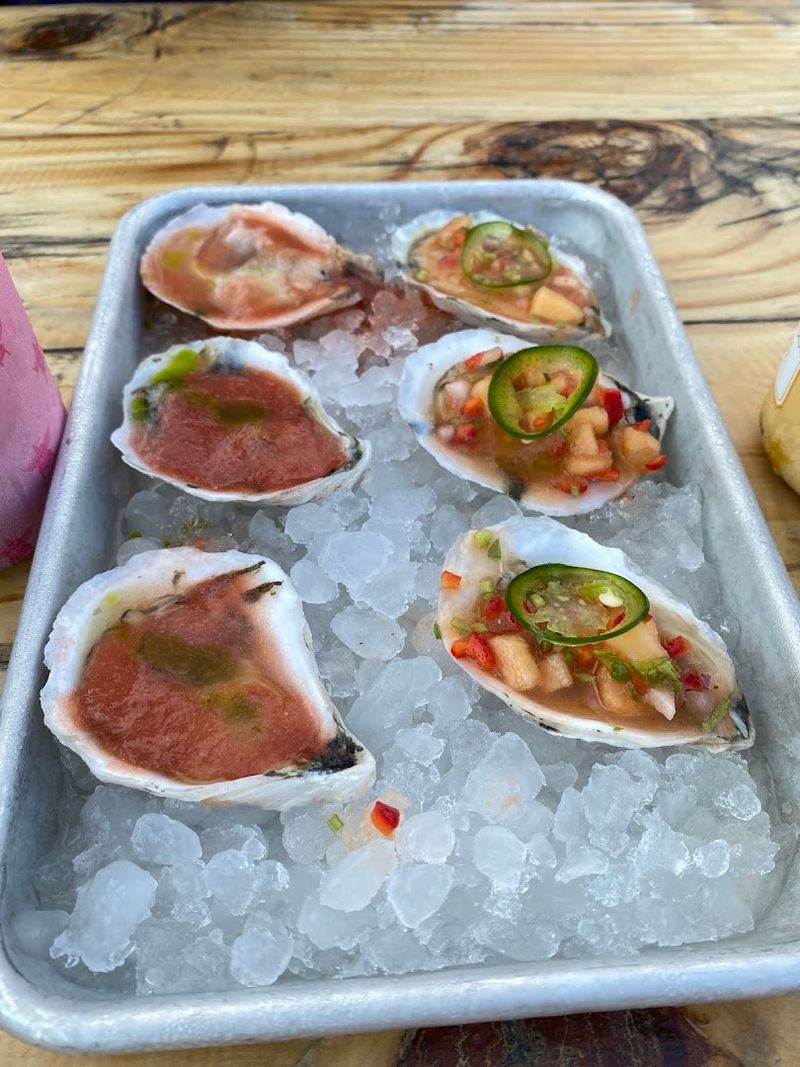
Sweet Amalia has expanded beyond its Newfield location into event catering, and the oysters have shown up at weddings and private gatherings with the same quality that earned them their reputation at the market. One couple had Sweet Amalia cater their wedding happy hour and credited the oysters as a highlight that guests kept talking about.
The catering side of the business makes sense given the farm connection. When you grow your own oysters and source your ingredients locally, bringing that same quality to an off-site event is a natural extension rather than a stretch.
The setup for a raw oyster station at a private event also provides a visual and interactive element that guests tend to enjoy.
For anyone planning a South Jersey event and looking for something beyond the standard catering playbook, reaching out through sweetamalia.com is the place to start. The reputation built at the market carries directly into the event work.
What Makes the Drive Worth It
Newfield is not a destination most people have on their radar, and that is part of what makes Sweet Amalia feel like a genuine find. The drive out from Philadelphia takes roughly 40 minutes, and from Atlantic City it is even shorter.
People have made the trip from Baltimore and beyond and called it worth every mile.
Route 40 through this part of Gloucester County is quiet, lined with farmland and small towns, and the arrival at a packed roadside market after that drive creates a specific kind of satisfaction. You went looking for something real, and you found it.
The combination of nationally recognized food, a market stocked with local goods, and an outdoor setting that changes with the seasons gives the place a reason to visit more than once. Each season brings something slightly different to the menu and the atmosphere, which is exactly what keeps regulars making the trip back.
A Closing Thought on What This Place Gets Right
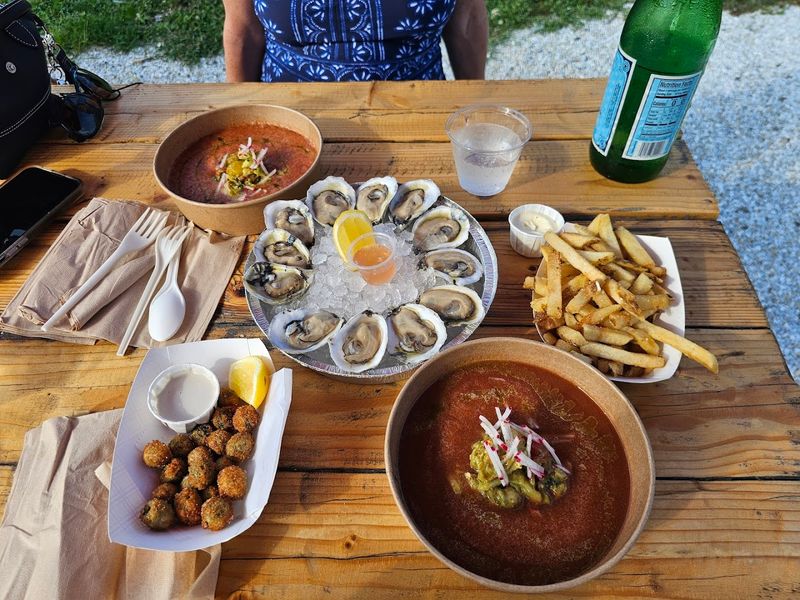
Sweet Amalia Market and Kitchen does not try to be everything to everyone, and that restraint is a big part of why it works. The menu is focused, the sourcing is traceable, and the experience is built around the idea that good ingredients handled well do not need much decoration.
The imperfections are real. Peak days can get chaotic, the outdoor-only setup is weather-dependent, and the oyster prices reflect their quality rather than their format.
But the overall package, a nationally recognized kitchen run by someone who grows her own oysters and still responds personally to customer feedback, is genuinely rare at any price point.
For anyone within driving distance of Newfield, New Jersey, this is the kind of place that earns a permanent spot in your regular rotation. The first visit tends to answer the question of why everyone keeps whispering about it, and the second visit is usually already being planned before the first one ends.
Share this story