
Traveling across Europe with your dog used to feel like solving a puzzle with half the pieces missing. But here’s the good news: many European cities have clear, official rules that make bringing your pup along genuinely stress-free.
From Berlin’s U-Bahn to Budapest’s metro, dogs are welcomed on public transit with published guidelines you can actually rely on. Pack the leash, grab the treats, and get ready to explore Europe with your four-legged co-pilot.
Berlin, Germany
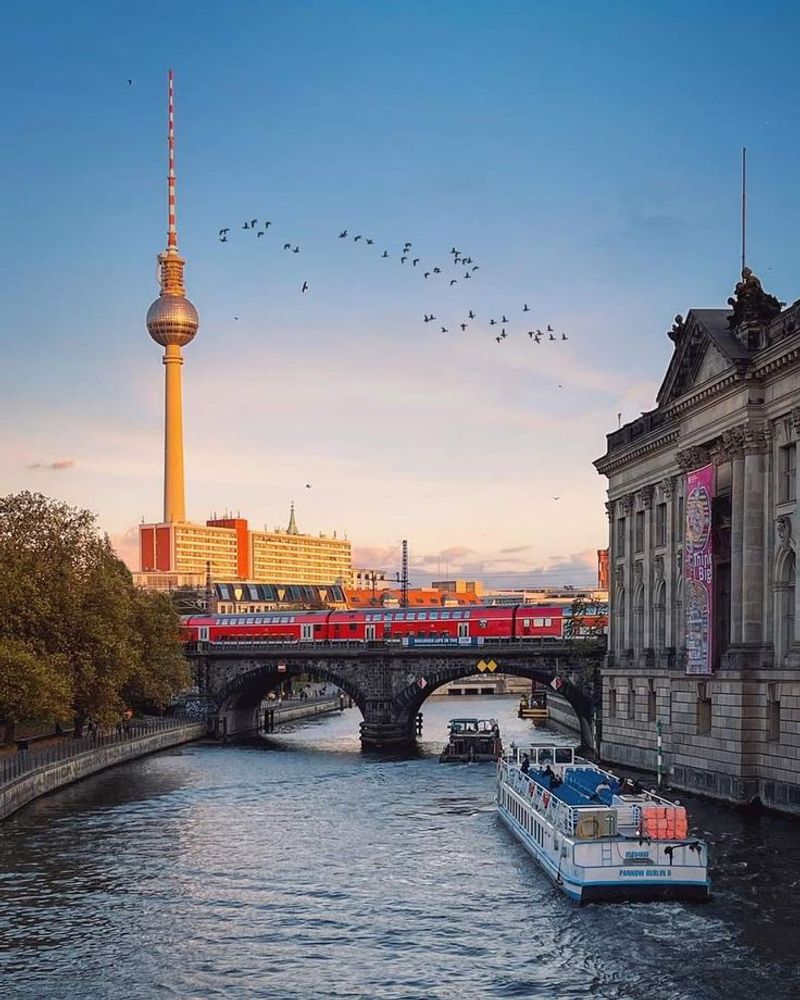
Berlin practically rolls out the welcome mat for dogs on public transit, and the rules are refreshingly clear. The U-Bahn, S-Bahn, buses, and trams all explicitly allow dogs, so you are never left guessing at the platform.
Dogs ride for a reduced fare, and the requirements are straightforward: keep your pup on a leash and carry a muzzle. Smaller dogs in carriers often ride free.
The city posts these rules publicly, so there are no unpleasant surprises mid-journey.
Berlin is also packed with off-leash parks, dog-friendly cafes, and beer gardens that welcome well-behaved pups. My own dog once charmed an entire train car of stoic Berliners, which felt like a personal victory.
The city has a reputation for being edgy and cool, but honestly, it is also one of the most dog-forward capitals in Europe. Berlin does not just tolerate dogs.
It genuinely likes them.
Vienna, Austria

Vienna has a reputation for elegance, and apparently that extends to how it handles dog travel. The city’s official tourism site lays out practical dog information clearly, covering everything from park etiquette to public transport requirements.
On Vienna’s transit system, dogs need a valid ticket and must be on a leash. Muzzles are required on certain lines and for larger breeds.
The rules are easy to find, which saves you the awkward experience of asking a confused ticket inspector mid-commute.
Beyond transit, Vienna is genuinely dog-friendly in a very organized, Austrian way. Parks are plentiful, and many cafes welcome dogs without a second glance.
The city even has designated dog zones in major green spaces. Whether you are strolling along the Ringstrasse or visiting the Prater park, your dog fits right into the scenery.
Vienna is proof that sophistication and dog-friendliness are not mutually exclusive.
Amsterdam, Netherlands

Amsterdam’s main transit operator, GVB, does not leave dog owners guessing. Pet travel conditions are published as part of the official travel rules, which means you can plan your canal-side adventures with full confidence before you even board.
Dogs are allowed on GVB trams and buses, provided they are on a leash and not causing disruption. Smaller dogs in bags or carriers have even more flexibility.
The city itself is famously bike-happy, and you will spot plenty of dogs riding in front cargo bikes, which is arguably the most Amsterdam thing possible.
The Dutch have a practical, no-fuss attitude toward dogs in public spaces. Many restaurants have water bowls outside, and brown cafes often welcome dogs indoors.
Amsterdam’s compact size also makes it very walkable, which your dog will appreciate far more than any transit rule. Fewer rides needed when the whole city is basically one long, beautiful walk.
Copenhagen, Denmark

Copenhagen Metro actually publishes pet guidance, including ticket expectations and onboard etiquette, so using transit with your dog is drama-free from the start. That kind of transparency is rare and genuinely appreciated.
Dogs are welcome on the metro, provided they have a ticket and stay on a leash. The Danes are famously practical people, and their approach to dog travel reflects that.
No vague policies, no conflicting information at different stations. Just clear rules that work.
Copenhagen is also one of the most livable cities in the world, and dogs seem to agree. The city has an impressive number of green spaces, and the harbor area is perfect for long walks.
Many cafes and even some shops are dog-friendly. The locals tend to greet dogs with more enthusiasm than strangers, which honestly tracks.
Copenhagen makes traveling with your dog feel less like logistics and more like a lifestyle choice you made correctly.
Stockholm, Sweden

Stockholm’s transit authority, SL, welcomes dogs on buses, the metro, commuter trains, and trams, and the city’s dog-event guides summarize access clearly so you are never caught off guard. The one golden rule: dogs do not get seats.
Fair enough.
Dogs travel free on SL transit, which is a delightful bonus. The expectation is that your dog stays on the floor, on a leash, and does not inconvenience fellow passengers.
Most Stockholm residents are used to sharing transit with dogs, so the vibe is relaxed rather than tense.
Beyond the metro, Stockholm is a genuinely spectacular city for dog owners. The archipelago offers endless hiking and swimming opportunities, and many ferries also allow dogs.
The city has a culture of outdoor activity that meshes perfectly with having a dog in tow. Stockholm is the kind of place where your dog will probably log more steps per day than you do back home.
Helsinki, Finland

Helsinki keeps things refreshingly simple: HSL, the city’s transit authority, allows dogs on public transport with no extra fee. That sentence alone puts Helsinki in the top tier of dog-friendly cities.
Specific guidance for metro and commuter trains is available via onboard signage, so you always know what is expected. Dogs must be on a leash and under control, which is reasonable.
The Finnish approach is calm and practical, much like the city itself.
Helsinki is also a compact, very walkable city with a serious love of nature baked into its culture. Parks and forested areas are never far away, and many Finns take their dogs everywhere as a matter of routine.
The waterfront areas are particularly lovely for a morning walk. Dog-friendly cafes are easy to find, and locals tend to be warm toward visiting dogs even if they are quieter about it than, say, Italians.
Helsinki is understated dog-friendliness at its finest.
Zürich, Switzerland

Zürich is the only city on this list where the transit authority sells an official dog pass. ZVV offers reduced-fare dog tickets and a dedicated annual dog pass, which is about as institutionally dog-friendly as public transit gets anywhere on the planet.
The system is organized, predictable, and thoroughly Swiss. Dogs ride with a valid ticket, stay on a leash, and follow standard etiquette.
The infrastructure for dog travel is so well-developed that it feels less like an accommodation and more like a feature.
Zürich itself is an expensive city, but the quality of life for dogs is exceptional. The lake is swimmable in summer, the parks are immaculate, and many restaurants have outdoor areas where dogs are welcome.
The city’s efficiency extends to how it handles dog owners: everything is clearly signposted, ticketing is simple, and nobody gives you a hard time. Zürich proves that the Swiss do not just make great watches.
They make great dog policies too.
Munich, Germany

Munich’s transit authority, MVV, spells out its dog rules with admirable clarity: one dog rides free with a valid ticket or Deutschlandticket, subject to specific conditions. Leash and muzzle guidance is also clearly published, so you are prepared before you board.
The free-ride policy for one dog per passenger is a genuine perk. Larger dogs may need a muzzle on certain lines, but the requirements are consistent and easy to follow.
Munich’s transit network is extensive, which means you can reach parks, lakes, and beer gardens without needing a car.
The English Garden is one of the great urban parks in Europe, and dogs are very much part of the daily scene there. Many of Munich’s famous beer gardens allow dogs in the self-service areas, which is a tradition worth respecting.
Bavaria has a long culture of dogs accompanying their owners everywhere, and Munich reflects that proudly. The city is as welcoming to your dog as it is to your appetite.
Prague, Czechia

Prague’s integrated transport system, PID, has a dedicated page for luggage and dogs, which immediately signals that this city takes the logistics seriously. Conditions include a leash, a muzzle, and a half-price ticket for your dog, depending on size and line.
The rules are consistent across metro, trams, and buses, which makes navigating the city straightforward. Prague’s transit network is also remarkably affordable, so even paying a small dog fare is barely noticeable.
The system works, and the published guidelines mean you are never relying on guesswork or forum posts from 2014.
Prague itself is one of Europe’s most beautiful cities, and walking it with a dog is genuinely wonderful. The old town cobblestones are a workout for both of you, and the parks along the river offer a welcome break.
Many Czech pubs and restaurants are relaxed about dogs, especially in outdoor seating areas. Prague is charming, affordable, and surprisingly easy to navigate with a four-legged travel companion.
London, UK

Transport for London has a dedicated page confirming that pets travel free on the entire network when accompanied by a passenger with a valid ticket. That is a policy worth bookmarking before your trip.
Dogs are welcome on the Tube, buses, Overground, and most other TfL services. The expectation is that your pet does not take up a seat and stays under control.
During busy peak hours, common sense goes a long way. Off-peak travel with a dog is genuinely relaxed on most lines.
London is also packed with royal parks, and dogs are welcome in all of them. Hyde Park, Hampstead Heath, and Richmond Park are legendary for dog walks.
Many pubs across the city are proudly dog-friendly, often with water bowls and biscuits behind the bar. London has a deep cultural affection for dogs that goes well beyond policy.
The city does not just allow dogs on transit. It actually likes having them around.
Barcelona, Spain
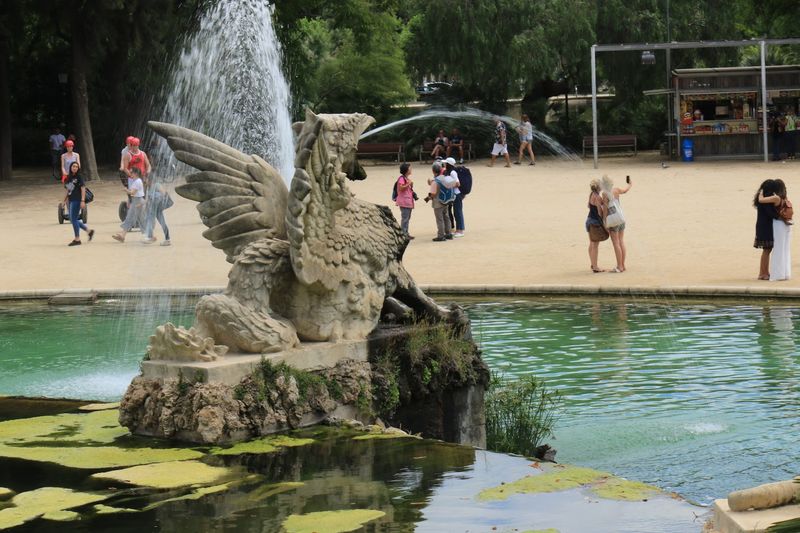
Barcelona’s metro operator, TMB, spells out dog rules with unusual precision: one dog per person, leash and muzzle required, specific guidance on using stairs versus elevators, and no dogs on seats. The level of detail is actually helpful rather than overwhelming.
Small dogs in carriers have more flexibility, and the rules are consistent across the metro network. Knowing exactly what is expected before you arrive makes the whole experience far less stressful than winging it in a foreign city.
Barcelona is a fantastic city for dog owners beyond the transit rules. The beaches outside the main tourist season are accessible, and there are designated dog-friendly beach areas.
The Gothic Quarter is best explored on foot, and your dog will enjoy every cobblestone. Catalan culture is warm toward dogs, and many terrace restaurants are relaxed about well-behaved pups joining their owners.
Barcelona is vibrant, sunny, and significantly more dog-friendly than its reputation as a tourist hotspot might suggest.
Lisbon, Portugal

Lisbon’s metro operator, Metropolitano de Lisboa, lists animal transport conditions clearly in its official FAQ. That includes documentation requirements, muzzle and leash rules, and breed-specific restrictions that are worth reviewing before you travel.
The transparency is genuinely useful. Knowing in advance that certain breeds have additional requirements means you can prepare properly rather than face a surprise at the turnstile.
Lisbon’s transit system is affordable and well-connected, making it a practical base for exploring with your dog.
Lisbon itself is a hilly, photogenic city with a lot of personality. The trams are iconic but can get crowded, so off-peak travel is advisable with a dog.
The city’s waterfront, Belem district, and numerous miradouros viewpoints are all very walkable. Many pastelarias and outdoor cafes are relaxed about dogs.
Portugal has a generally easygoing attitude toward animals in public spaces, and Lisbon reflects that warmly. The city is worth every uphill street you climb to see it.
Rome, Italy

Rome’s transit authority, ATAC, confirms in its official FAQ that dogs are allowed on the metro with leash and muzzle requirements. Dogs must ride in the first or last carriage of Metro lines, which is a specific detail worth knowing before you board.
A half-price ticket is required for your dog, and the rules are consistent across the network. Getting that detail right avoids any awkward encounters with transit staff who have seen every tourist trick in the book.
Rome is not the easiest city to navigate with a dog, given the heat, the crowds, and the cobblestones, but it is absolutely worth it. The Villa Borghese gardens are a beautiful escape, and dogs are welcome throughout.
Many Roman neighborhoods have a relaxed, local feel where dogs are part of daily life. Italians tend to be openly affectionate toward dogs, often stopping to admire yours mid-sightseeing.
Rome is chaotic and magnificent, and your dog will fit right in.
Milan, Italy

Milan’s transit authority, ATM, publishes formal company rules for transporting animals across surface transit and metro. That means you are working from official documentation, not hearsay from a travel blog written six years ago.
The rules cover dogs on trams, buses, and the metro, with consistent leash and muzzle requirements. A small supplementary fare applies, and the conditions are clearly laid out so there is no ambiguity.
Milan is efficient in a way that Rome is not, and that extends to how transit rules are communicated.
Milan is also a surprisingly green city, with parks like Parco Sempione offering great space for dogs to decompress after a day of sightseeing. The Navigli canal district is one of the best areas for an evening walk, and many outdoor bars there are dog-friendly.
Milan has a reputation for being fashion-forward, and Milanese dog owners tend to match that energy. Well-groomed dogs in stylish harnesses are practically an accessory in this city.
Budapest, Hungary

Budapest’s transit authority, BKK, has a dedicated page walking riders through dog transport safety and requirements. That includes muzzle and leash expectations, plus the requirement to carry your dog’s vaccination papers.
Yes, your dog needs documentation. Bring it.
The rules are thorough and clearly published, which is exactly what you want when navigating a foreign transit system with a dog. BKK’s network covers the metro, trams, and buses, so you can reach most parts of the city without needing a taxi.
Budapest is one of Europe’s most underrated cities, and it is a fantastic place to explore with a dog. The thermal bath parks have outdoor areas where dogs are sometimes welcome, and the Buda hills offer excellent hiking.
The ruin bars in the Jewish Quarter are a unique Budapest experience, and many have outdoor courtyards that are relaxed about dogs. Budapest is affordable, beautiful, and far more dog-ready than most travelers expect.
Your pup will have stories to tell.
Share this story