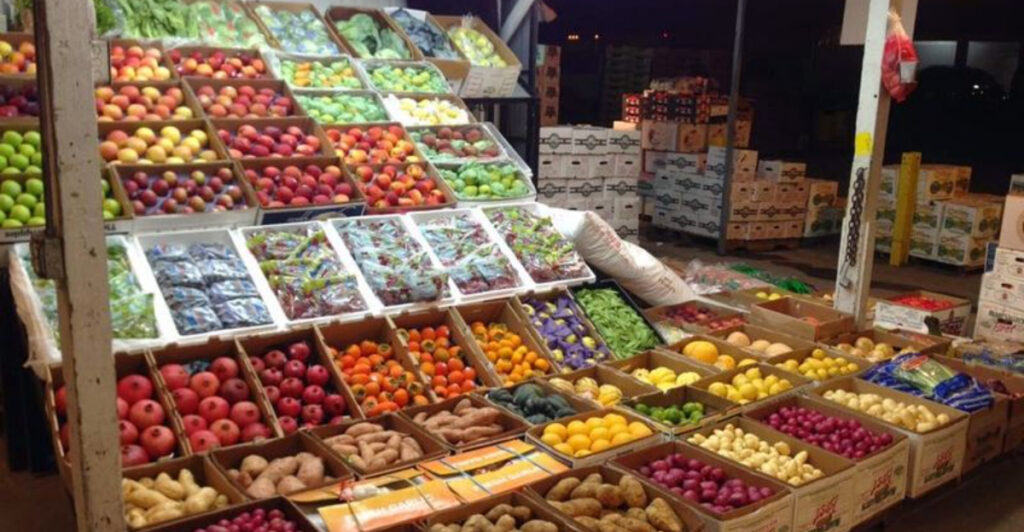
There is a place in central Florida where the parking lot fills up before sunrise, vendors are already unfolding their tables in the dark, and the smell of fresh produce and hot food hits you before you even find a spot to park. I had heard about it from a friend who kept raving about the deals she found there, and I finally made the trip out to see what all the fuss was about.
What I found was a sprawling, loud, colorful, wonderfully chaotic market that kept me walking for hours without running out of things to look at. By the time I left, my trunk was loaded, my feet were tired, and I was already planning my next visit.
Where It All Happens: The Address and Layout
Plant City Farm and Flea Market sits at 708 W Sam Allen Rd, Plant City, tucked into a stretch of central Florida that most people drive past without a second glance.
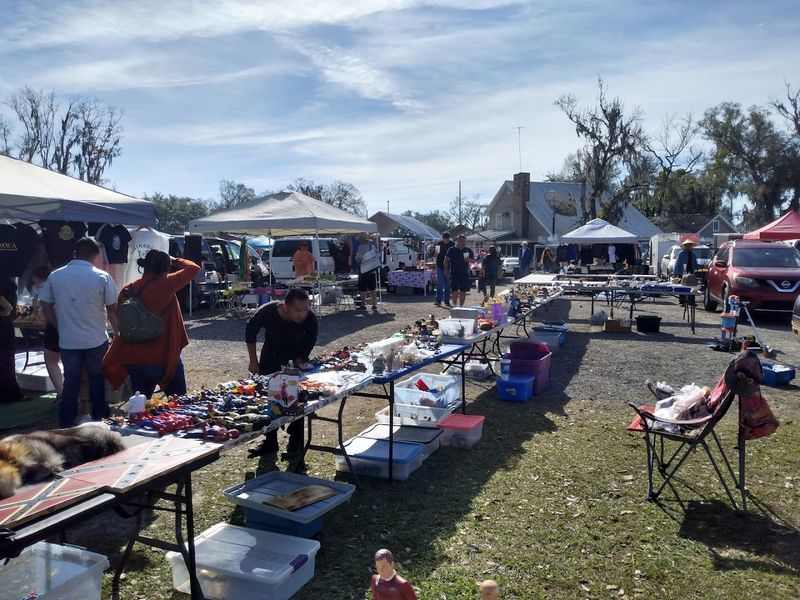
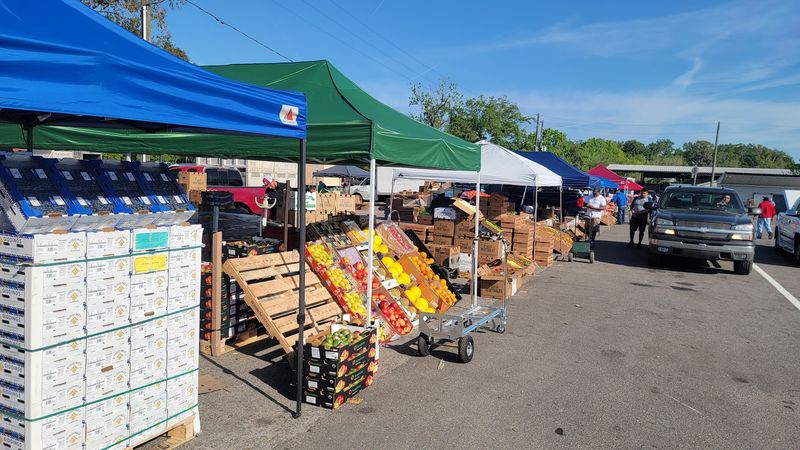
The market sprawls across a massive open lot, with vendor rows stretching out in every direction. Some areas are covered by a large pavilion, while others are open-air setups where the Florida sun keeps things lively and warm.
Getting oriented takes a few minutes because there are no neat little maps at the entrance. My advice is to just start walking one direction and let the stalls guide you naturally from section to section.
The layout is part of the charm, honestly. Every corner you turn reveals something different, and that slightly disorganized feeling is exactly what makes the whole experience feel like a genuine treasure hunt rather than a shopping mall trip.
A Market With Deep Roots in the Community
This market has been part of Plant City’s identity for years, and you can feel that history in the way longtime vendors greet their regulars by name and the way families show up week after week like it is a standing appointment.
One shopper I chatted with mentioned she had been coming since she was a child, tagging along with her dad who worked one of the produce stalls. That kind of multigenerational connection is not something you find at a pop-up sale or a chain store.
Plant City itself is known as the Winter Strawberry Capital of the World, so agriculture runs deep in this community’s identity. The market reflects that heritage, with fresh produce playing a central role even as the vendor mix has grown more diverse over the decades.
Roots like that give the place a warmth that is hard to manufacture and even harder to forget.
Operating Hours and the Best Days to Visit
The market is open seven days a week, running from 6 AM to 3 PM every single day, which gives you a solid window to plan your visit without rushing.
Wednesday is widely considered the main day, when the most vendors show up and the energy is at its peak. Weekends also draw big crowds, especially Saturday mornings when the parking lot starts filling up well before 8 AM.
Getting there early is genuinely worth the effort. The best produce goes fast, the food vendors have shorter lines, and the whole atmosphere feels electric when the market is just waking up and vendors are still arranging their displays.
If you show up after 10 AM on a busy day, expect to circle the parking lot a few times and navigate some serious foot traffic. Early birds at this market do not just get the worm, they get the best avocados too.
Fresh Produce That Rivals Any Farmers Market
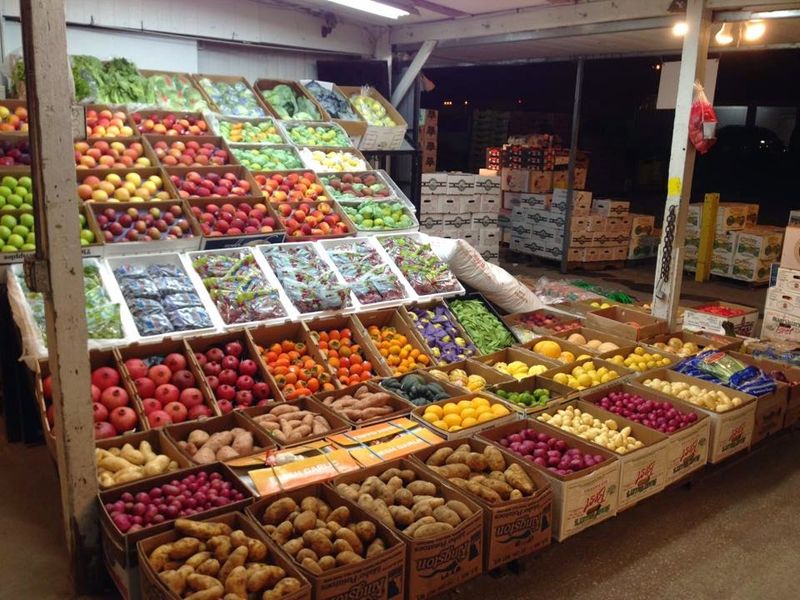
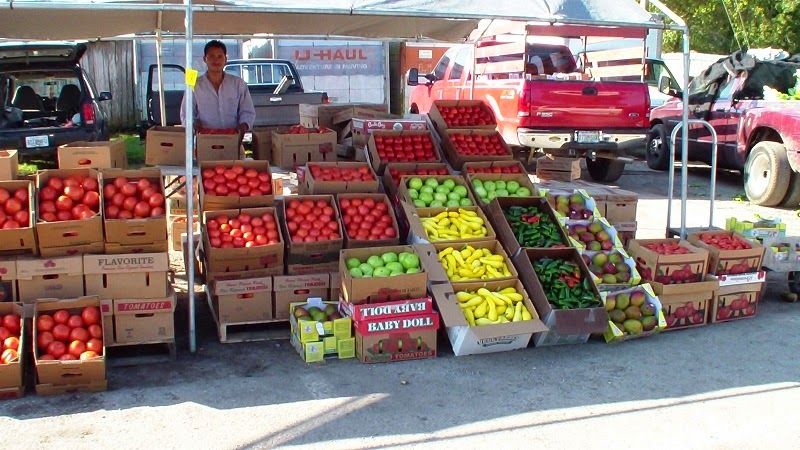
The produce section is where the market truly earns its reputation, with vendors offering piles of pineapples, oranges, papayas, green beans, tomatoes, and much more at prices that make grocery store tags look embarrassing.
The variety changes with the seasons, so what you find in January might look completely different from what fills the stalls in July. That rotating selection keeps regular shoppers coming back to see what is fresh and what is on special.
Shopping around between vendors is smart strategy here, since prices for the same item can vary noticeably from stall to stall. A box of tomatoes at one stand might cost half what another vendor is asking just a few rows over.
Bringing a small wagon or a rolling cart is one of the best pieces of advice anyone can offer, because once you start loading up on produce, those bags get heavy fast.
The Food Vendors That Keep You Fueled All Morning
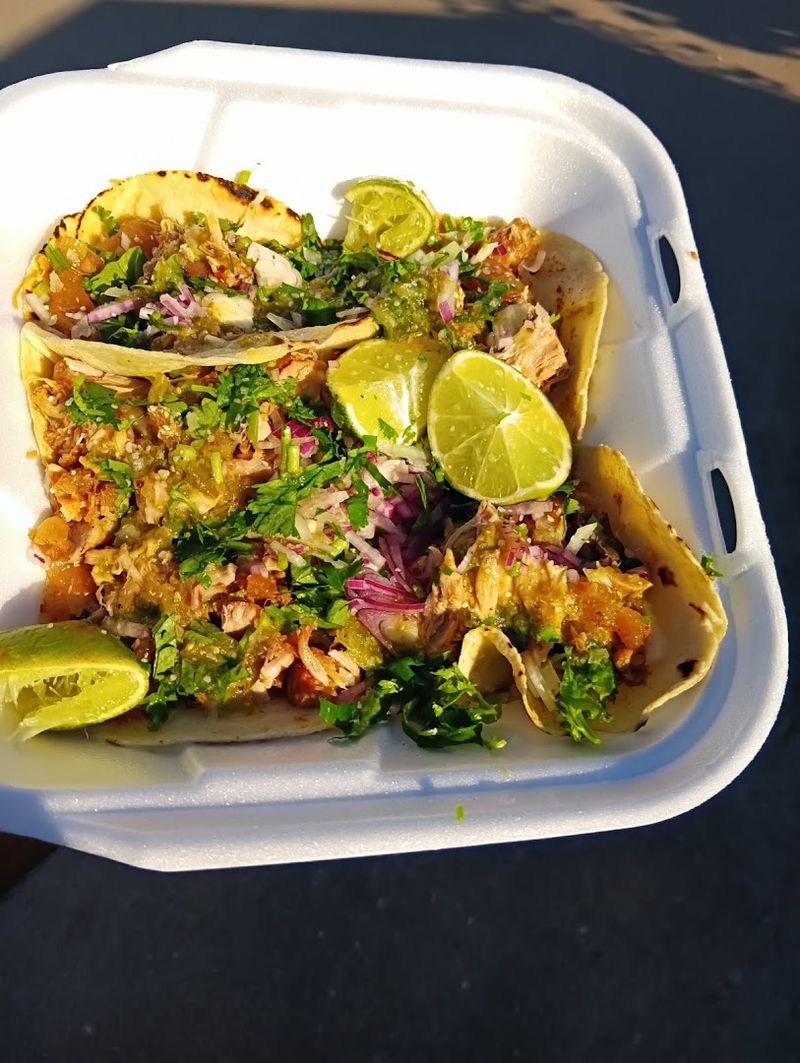
Walking through a massive market for three hours works up a serious appetite, and the food vendors scattered throughout the grounds make sure nobody goes hungry.
The taco trucks are a particular highlight, with the red taco truck near the covered pavilion drawing a loyal crowd of regulars who swear by the flautas. Hot tacos, fresh corn, and coconut stands pop up throughout the market, giving you plenty of reasons to take a snack break between stalls.
The food here is not fancy, but it is exactly the kind of satisfying, flavorful street food that tastes even better when you are eating it outdoors on a warm Florida morning with a good haul of finds already in your bag.
Bring cash for the food vendors, since most of them do not accept cards, and budget a little extra because resisting the smell of fresh tacos is basically impossible once you are in the thick of it.
Vintage Finds and Secondhand Treasures
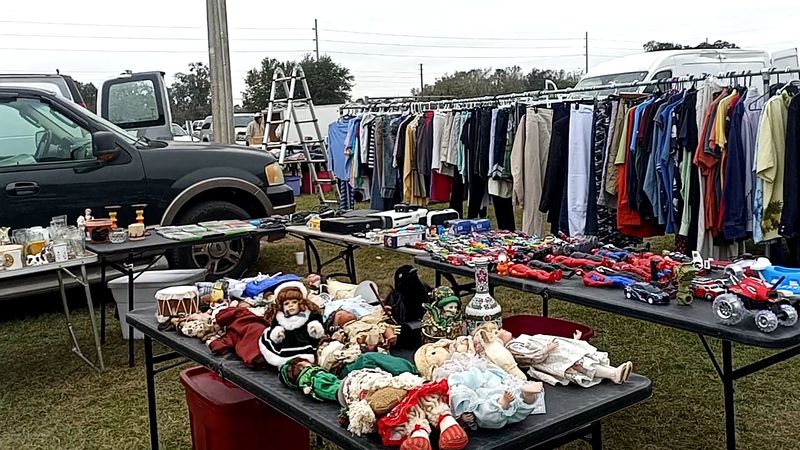
Beyond the produce and food, the market is a genuine hunting ground for anyone who loves vintage goods, secondhand tools, antique collectibles, and unexpected oddities.
Old pocket knives, vintage boom boxes, Tonka toys, yard tools, and even rare coins have all turned up in the stalls here, and the thrill of not knowing what you will find around the next corner is a big part of what keeps people coming back week after week.
The key to finding the good stuff is patience and a willingness to dig through bins, flip over items to check condition, and chat up vendors who often have more stock tucked away behind their tables.
Some of the best scores happen when you least expect them, like spotting a vintage item you have been hunting for months sitting casually between a stack of DVDs and a box of mismatched kitchen tools.
New Merchandise and Everyday Deals
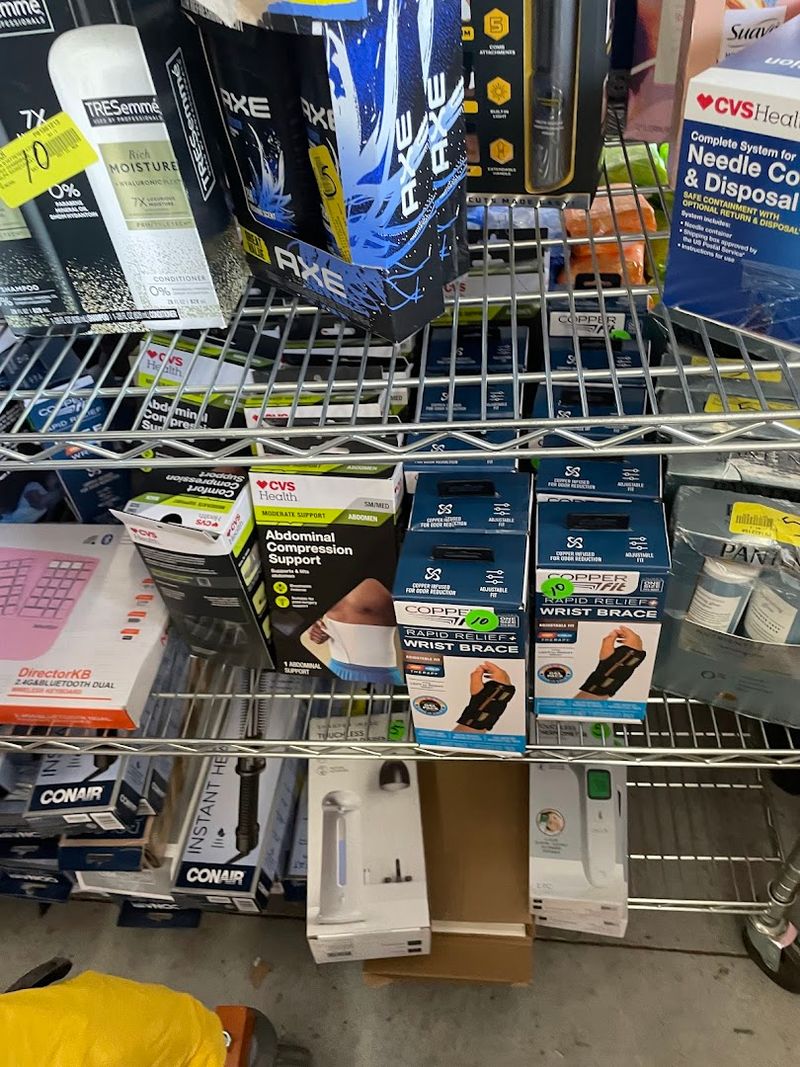
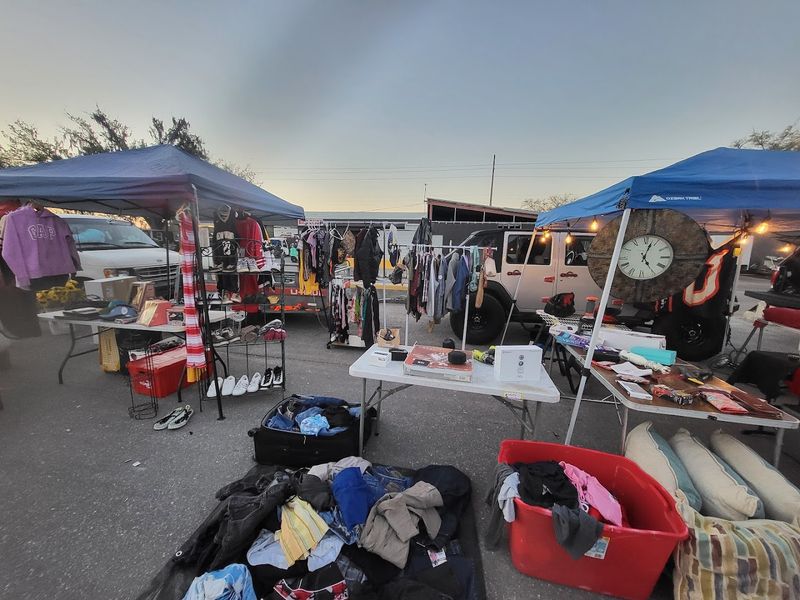
Not everything at the market is secondhand, and that is part of what makes it appealing to such a wide range of shoppers. Plenty of vendors sell brand-new items, from clothing and shoes to watches, household goods, and electronics accessories.
The mix of new and used merchandise means you can come in looking for a specific practical item and leave with something completely unexpected that you did not know you needed until you saw it on a folding table for five dollars.
Prices on new goods vary widely, and some vendors do price things close to what you would pay at a big box store. Bargaining is part of the culture here, though, and a polite offer can sometimes bring the price down, especially later in the day when vendors are looking to move stock before packing up.
Keeping an open mind is the best shopping strategy this market has to offer.
The Wholesale Farmers Market Side of Things
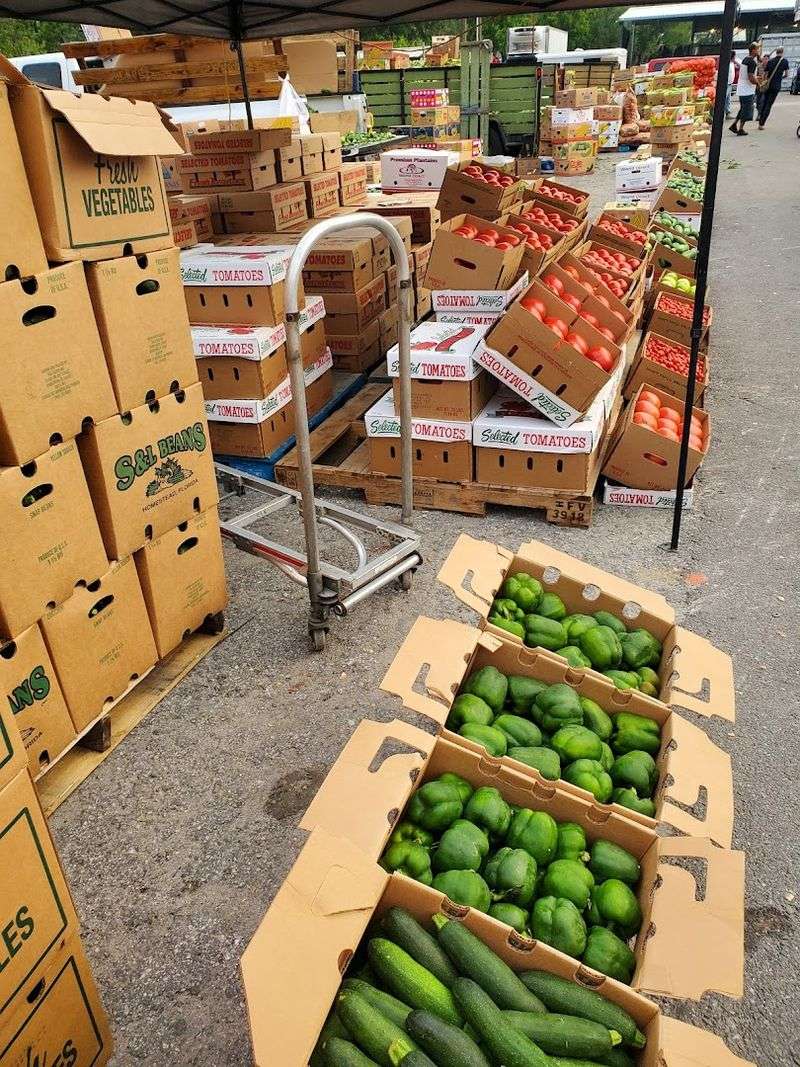
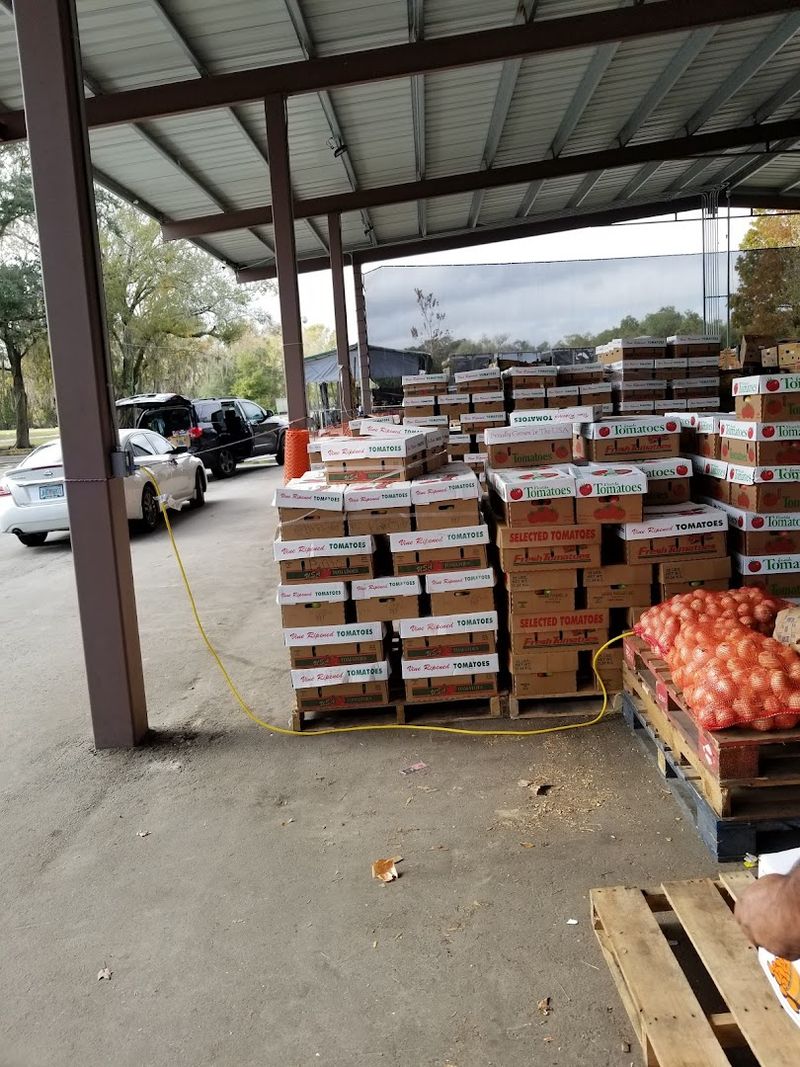
One thing that sets this market apart from a typical flea market is its dual identity as both a retail flea market and a wholesale farmers market that is open to the public.
That wholesale side means you can buy produce in bulk at prices that make serious sense if you are feeding a large family, hosting a party, or simply stocking up for the week. Big boxes of onions, flats of berries, and crates of citrus are all part of the regular inventory.
Buying in bulk here does require some planning ahead. You will want to make sure you have enough refrigerator and counter space at home before getting carried away by the low prices on a twenty-pound box of tomatoes.
For anyone who runs a small food business, caters events, or just loves having a fully stocked kitchen, this wholesale access is a genuinely valuable perk that most markets simply do not offer.
Navigating the Parking Situation
Parking costs two dollars, which is a small price to pay for access to everything inside, but finding a spot can be a genuine challenge once the crowds pick up after 10 AM.
On busy days, cars spill out onto the grass along the road and into any available patch of ground near the entrance. Getting there early solves most of the parking headache, and the two-dollar fee is collected at the lot rather than at the market entrance itself.
If you plan to buy produce in bulk or haul home a collection of larger finds, parking closer to the exit saves you a long walk back with heavy bags. Some shoppers drive their cars slowly through the market lanes to pick up large purchases, which is allowed but requires careful attention to the foot traffic around you.
A little patience goes a long way in that parking lot, especially on a busy Saturday morning.
The Atmosphere and Local Vibe
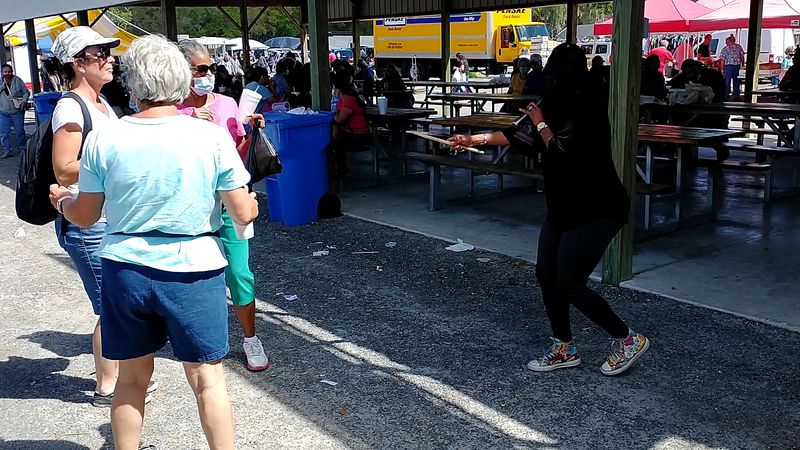
The atmosphere at this market is genuinely one of its strongest selling points. It is laid-back without being sleepy, busy without feeling overwhelming, and full of the kind of casual social energy that makes strangers strike up conversations over a bin of old tools or a display of fresh mangoes.
Regular visitors come not just for the shopping but for the experience of being out in the community, running into neighbors, and spending a few hours in a space that feels rooted in local life rather than corporate retail culture.
The vendor mix reflects the area’s diverse population, with stalls run by vendors from a wide variety of backgrounds offering goods that range from Latin American produce to southern-style homemade goods and everything in between.
That cultural variety shows up in the food, the merchandise, and the conversations, making every visit feel like a small, unscripted tour of the community itself.
Tips for First-Time Visitors
First-timers should come prepared, because the market rewards those who show up ready. Cash is essential since most vendors do not accept cards, and small bills make transactions much smoother when prices are in the five-to-twenty-dollar range.
Wearing comfortable shoes is non-negotiable. The grounds are large, the terrain is uneven in spots, and you will cover a lot more distance than you expect once you get into browsing mode.
Bringing a rolling cart or a collapsible wagon for produce and bulky purchases is one of the smartest moves you can make. A reusable tote bag handles smaller finds nicely, and a handheld umbrella provides welcome shade during those peak Florida sunshine hours.
Arriving with no firm agenda and a genuine sense of curiosity tends to produce the best results. The market has a way of surprising you, and the less rigid your plan, the more fun the whole adventure becomes.
Vendor Opportunities at the Market
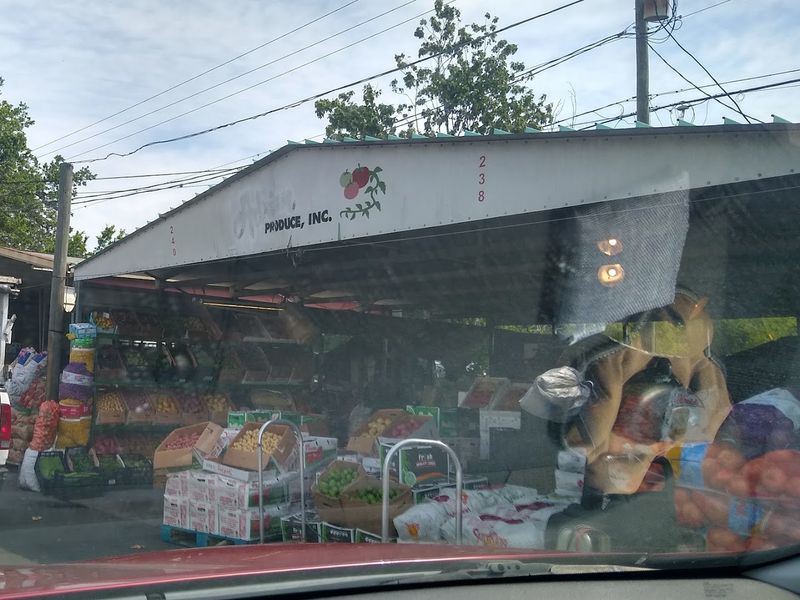
For anyone thinking about setting up as a vendor, this market offers some genuinely accessible entry points. On weekends, space fees are currently free, making it a low-risk option for sellers who want to test a product or clear out inventory without a big upfront cost.
Wednesday is the main market day and carries a small space fee, generally around fifteen to twenty dollars per spot. Vendors who want a good location typically show up between 3 and 4 AM to claim their space before the prime spots fill up.
The vendor community here is a mix of long-established regulars and occasional newcomers, and the market draws enough foot traffic to give sellers a real shot at a productive day. Multiple reviewers who have sold here report doing well and returning repeatedly.
For small business owners and independent sellers, it functions as both a sales floor and a built-in marketing opportunity in front of thousands of potential customers.
Homemade Goods and Local Crafts
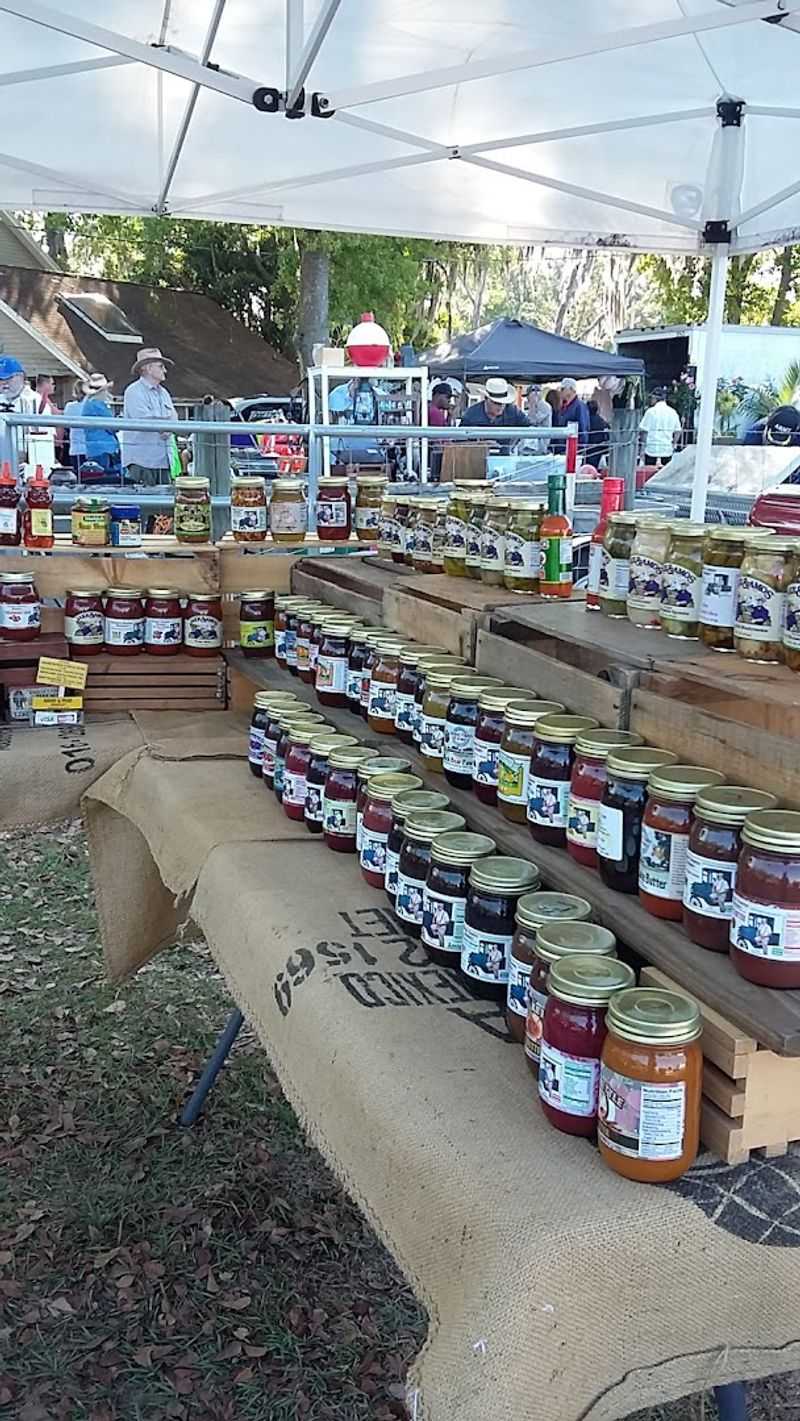
Scattered throughout the vendor rows, you will find stalls selling homemade goods that range from baked treats to handcrafted items that you simply cannot find anywhere else. These are the stalls worth slowing down for, because the stories behind the products are often just as interesting as the products themselves.
Homemade cookies, jarred sauces, handmade jewelry, and locally crafted goods appear regularly, depending on which vendors are set up that particular day. The rotating nature of the market means the selection is never exactly the same twice.
Supporting these small makers directly is one of the most satisfying parts of shopping here. Every dollar you hand over goes straight to the person standing in front of you, not to a distant corporation or an online platform taking a cut.
That direct connection between maker and buyer gives the whole transaction a warmth that a typical retail experience rarely delivers.
Share this story