There is a spot in Detroit where the menu reads like a friendly argument between Dublin and Munich, with a little Italian voice chiming in from the back of the kitchen. The combination sounds unusual on paper, but one bite and the whole concept clicks.
Set in historic Corktown, this restaurant blends bold architecture, warm service, and genuinely creative cooking in a way that feels effortless. Whether you are a longtime Detroiter or just visiting, the buzz around this place is hard to ignore.
Read on to see why this neighborhood favorite is worth every mile of the drive.
The Address, the Neighborhood, and Why Location Matters
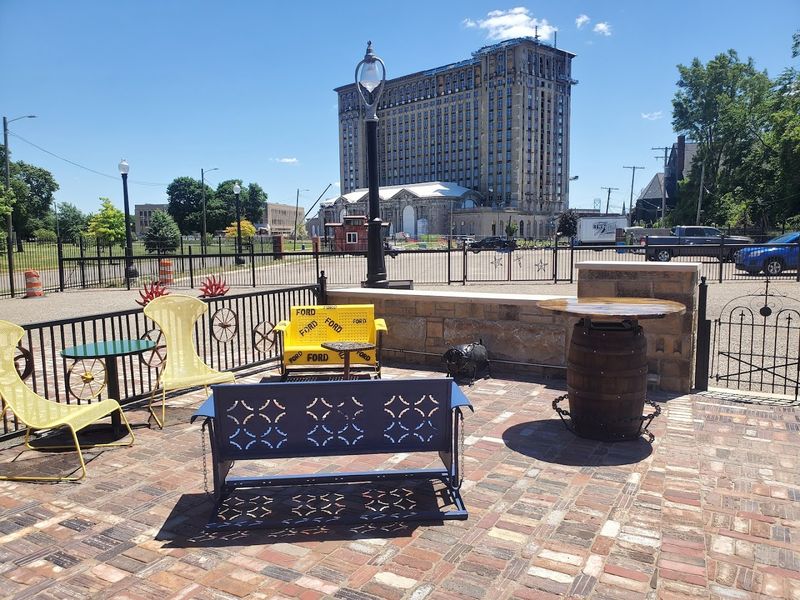
Corktown is Detroit’s oldest surviving neighborhood, and Michigan Avenue is its main artery. Cork and Gabel sits at 2415 Michigan Ave, Detroit, MI 48216, right in the heart of a block that has watched the city change for over a century.
The address puts you within easy view of the iconic Michigan Central Station, which has become a symbol of Detroit’s ongoing revival. That backdrop alone makes arriving here feel like a moment, not just a dinner reservation.
The restaurant opened in December 2018, choosing a neighborhood named after County Cork in Ireland, which makes the Irish half of the menu feel less like a marketing angle and more like a genuine nod to local history.
There is a free private parking lot behind the building, which is a rare and welcome bonus in this part of the city. Street parking is also available nearby.
The combination of a meaningful address and practical convenience sets a confident tone before you even reach the front door.
The Front Door That Sets the Tone Immediately
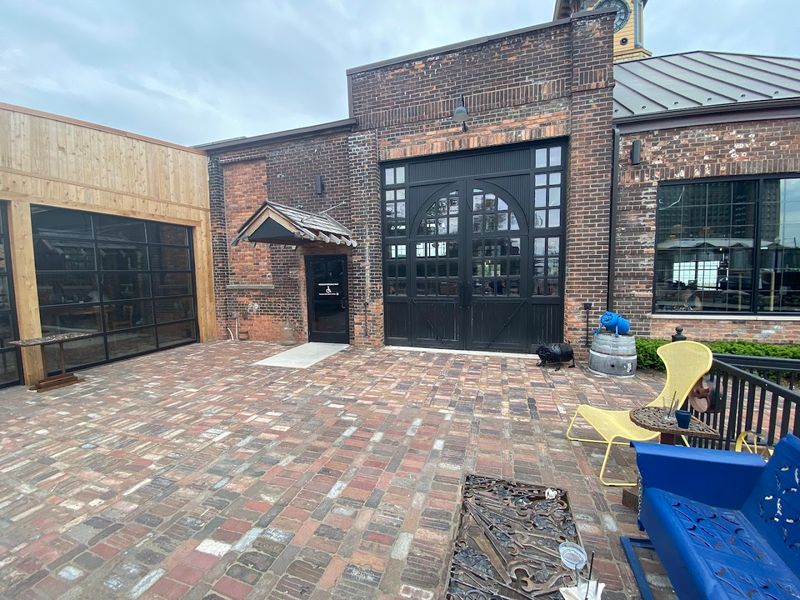
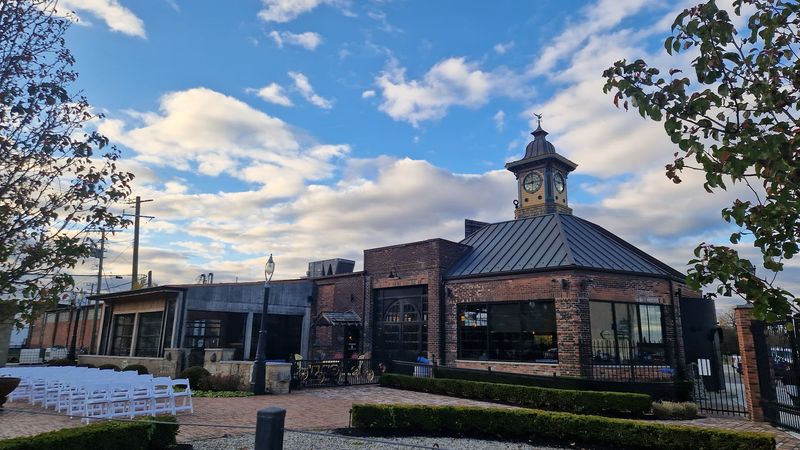
Before a single dish arrives, the front door already tells you something important about this place. A repurposed oil barrel serves as the main entrance, and it is one of those design choices that is so specific and committed that you cannot help but grin when you see it.
The rooftop clock tower adds another layer of personality, giving the building a silhouette that stands out on Michigan Avenue without trying too hard. These are not decorations added for Instagram appeal; they feel like genuine expressions of a creative vision.
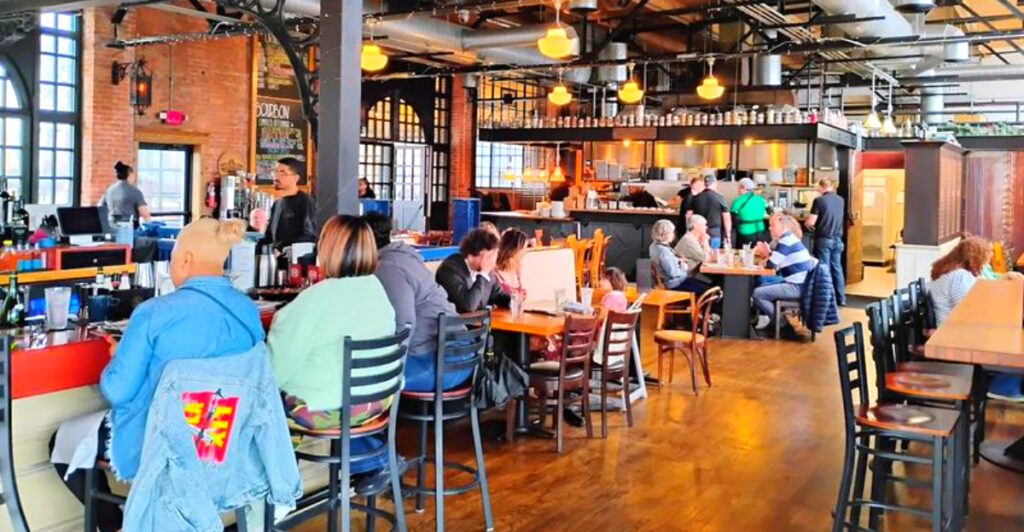
The 4,450-square-foot interior continues that philosophy with high ceilings, an open kitchen, and an industrial aesthetic that feels airy rather than cold. Old props and recycled materials are woven into the design throughout, giving the space a sense of history that most new restaurants spend years trying to fake.
The horseshoe bar anchors the room and doubles as some of the best seating in the house. From there, you can watch the kitchen move at full speed while the whole room hums around you.
The Menu Concept That Actually Works
Fusion menus can feel gimmicky when the concept is forced, but Cork and Gabel avoids that trap by grounding everything in genuine comfort food traditions. Irish, German, and Italian cuisines share a deep love of hearty, satisfying dishes, and the kitchen uses that common thread to build a menu that feels cohesive rather than chaotic.
Crispy Dubliner cheese and soft pretzels with beer cheese anchor the appetizer section, giving you an immediate sense of where the kitchen’s loyalties lie. The pretzel hoagies loaded with apple-sage bratwurst show how the German and Irish sides of the menu shake hands in the most delicious way.
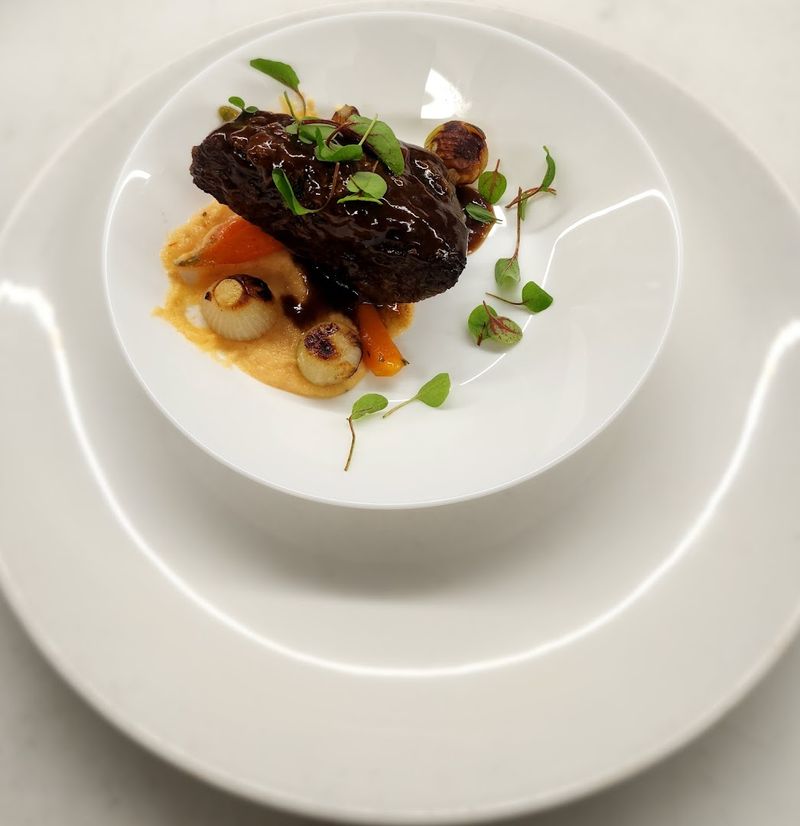
Entrees like schnitzel BLTs and lamb bolognese with rye pasta push the concept further, pairing ingredients that have no historical reason to meet but taste like they were always meant to be together. The Guinness stew with braised beef short rib and herb gnocchi is a standout example of this kitchen’s confidence.
Every section of the menu rewards curiosity, which means regular visitors rarely feel stuck ordering the same thing twice.
Appetizers Worth Building a Meal Around
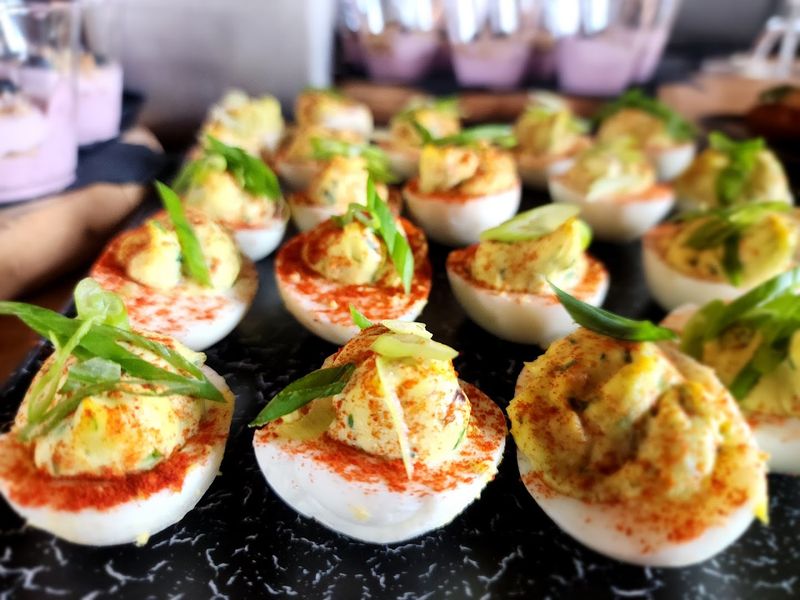
The steak bites and the crispy Dubliner cheese have a way of making you forget that an entree is coming. Both dishes are the kind of small plates that disappear from the table faster than anyone planned, and the table always ends up debating whether to order a second round.
The soft pretzels arrive warm and properly chewy, and the beer cheese alongside them is rich without being heavy. It is the sort of appetizer that feels familiar enough to be comforting but specific enough to be memorable.
Apple-sage bratwurst on a pretzel hoagie sits in a happy middle ground between snack and sandwich, making it a strong choice if you want something more substantial before the main course arrives. The seasoning is careful and confident, not overloaded.
One practical tip worth knowing: the kitchen moves quickly, so if you order an appetizer and an entree at the same time, both may arrive close together. Ordering in stages lets you actually enjoy the starters before the main event takes over the table.
Entrees That Prove the Kitchen Has Range
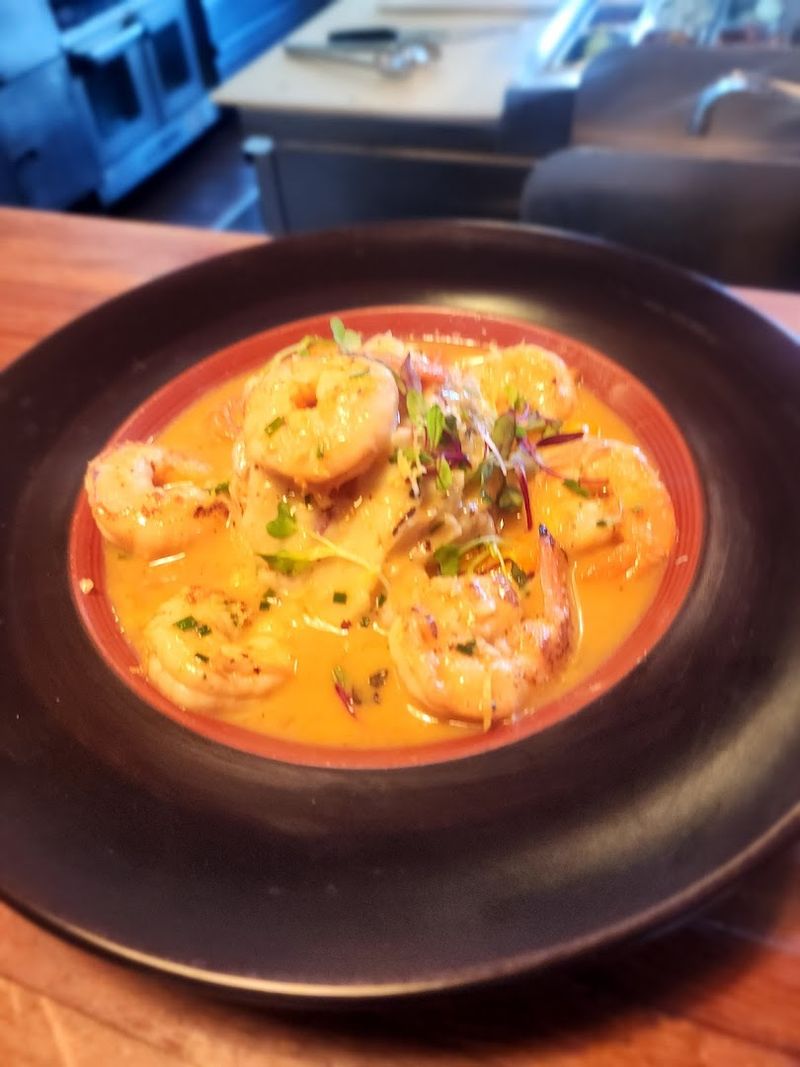
The Guinness stew with braised beef short rib and herb gnocchi is the kind of dish that makes you slow down and pay attention. The short rib is tender and deeply flavored, and the gnocchi soaks up the broth in a way that makes every bite feel complete.
It is hearty without being heavy, which is a difficult balance to strike.
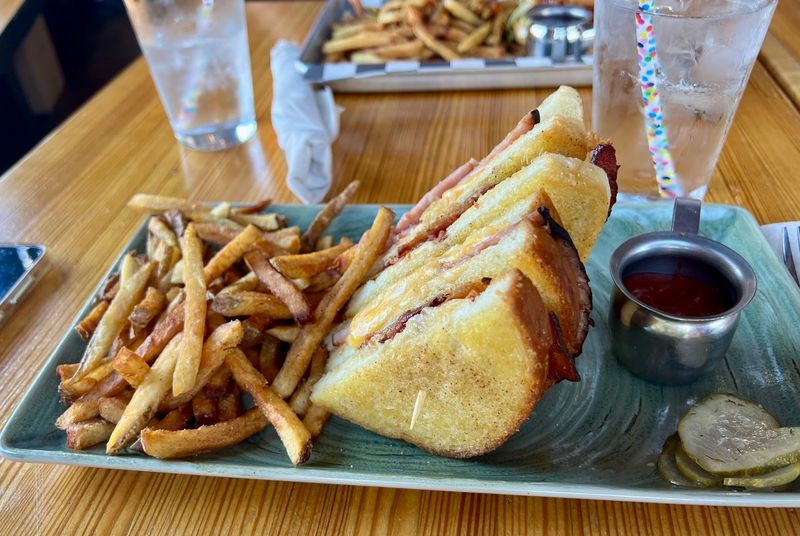
Schnitzel BLTs sound playful, and they are, but the execution is serious. The schnitzel is properly crispy, and the sandwich construction is thoughtful rather than just stacked for height.
It is one of those dishes that regulars come back for specifically.
Shrimp and lobster dishes round out the seafood side of the menu, and the kitchen gives them the same careful attention as the heavier comfort food options. The portions are generous across the board, which makes the price point feel fair rather than steep.
The menu rewards adventurous eaters and satisfies those who want something familiar done exceptionally well, which is a rare combination that keeps the dining room consistently full on weekend evenings.
Brunch Is a Whole Different Kind of Special
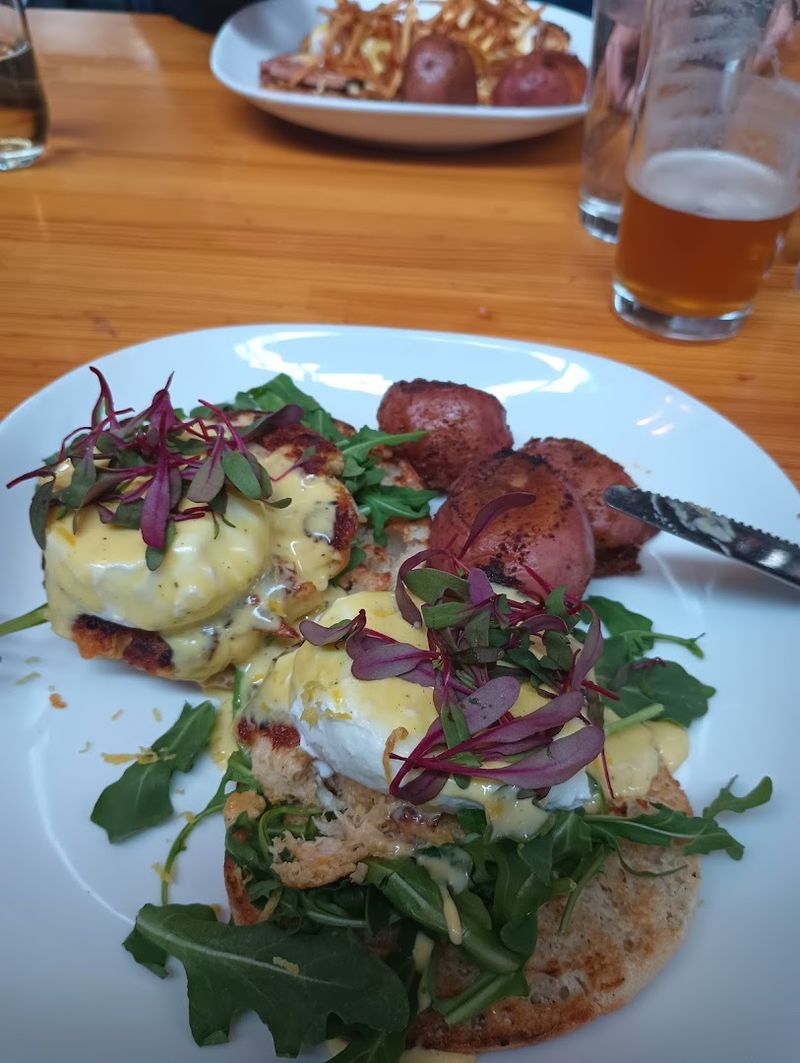
Saturday brunch runs from 10 AM to 2 PM, and Sunday brunch goes until 3 PM, giving you a generous window to show up without rushing. The brunch menu takes the same Irish and German sensibility from the dinner side and applies it to morning food in ways that feel genuinely inventive.
The lamb eggs Benedict is the kind of dish that makes you question every standard brunch you have ever had. Real shredded lamb, not pressed or processed meat, sits beneath a properly runny yolk, and the accompanying sauce ties everything together with quiet confidence.
Corned beef hash gets a respectful treatment here, turning a dish that is often an afterthought into something worth ordering on purpose. The Greek omelet, loaded with real lamb, is another example of the kitchen refusing to take shortcuts on ingredients.
Cinnamon rolls arrive warm and are worth ordering for the table regardless of what else you choose. Two full brunch plates plus a non-alcoholic specialty drink can come in well under fifty dollars, which makes the whole experience feel generous rather than extravagant.
Desserts That Earn Their Place on the Menu
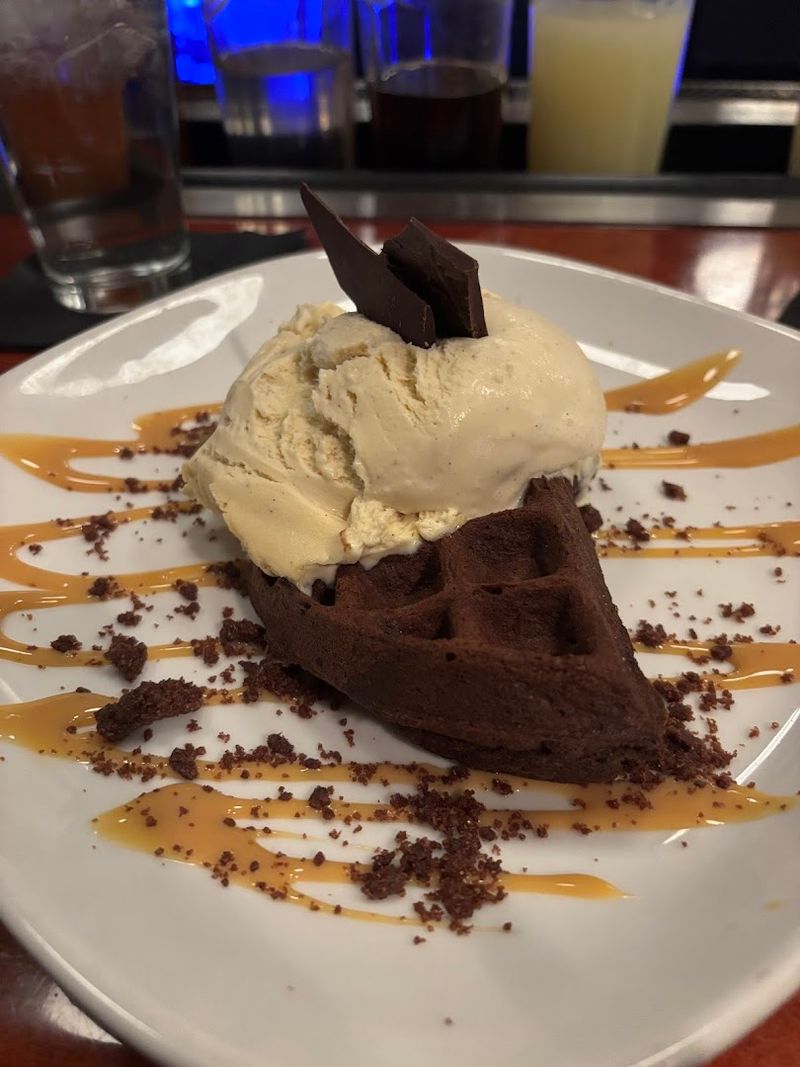
The Irish waffle bomb is the kind of dessert that sounds like it was invented during a very creative brainstorming session, and the result is fully worth the concept. A Guinness-infused chocolate waffle serves as the base, topped with Baileys Irish Cream ice cream and a Jameson caramel sauce that pulls all three elements into a cohesive finish.
It is rich without crossing into overwhelming territory, and the waffle texture keeps the whole thing grounded rather than letting it drift into pure indulgence. The Irish flavor profile runs all the way to the last bite, which shows a real commitment to the restaurant’s core identity.
Creme brulee has also appeared on seasonal and special occasion menus, and the kitchen executes it with the same care it brings to everything else. Dessert at Cork and Gabel does not feel like an afterthought added to pad the bill.
Finishing a meal here with something sweet from this section of the menu is a genuinely satisfying way to close out an evening, and it gives you an easy reason to linger a little longer at the table.
The Bar Scene and the People Who Run It
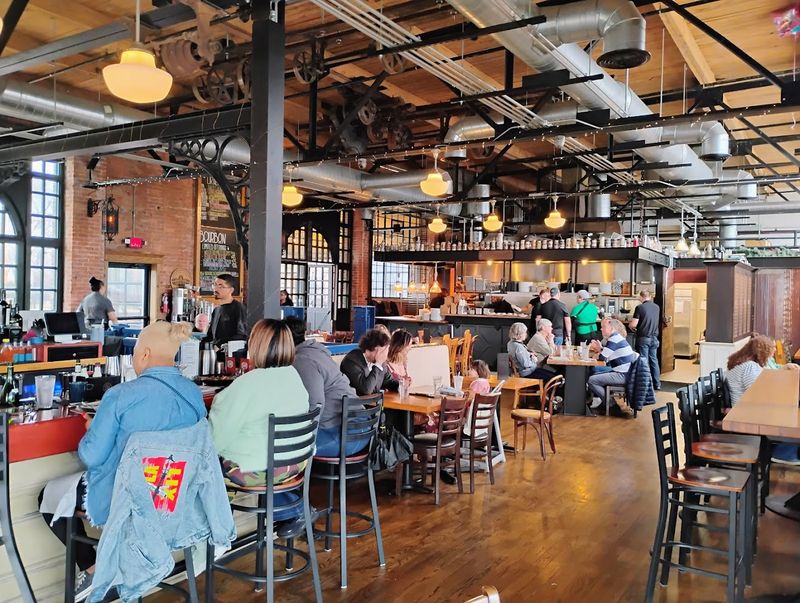
The horseshoe bar is the social center of the room, and the team behind it runs things with a kind of easy confidence that makes sitting there feel like the obvious choice. Regular guests tend to drift toward bar seating specifically because the service there has a natural, attentive rhythm that makes the whole visit more enjoyable.
The bartenders are known for reading what a guest wants and tailoring suggestions accordingly, whether that is a familiar favorite or something slightly outside a person’s usual order. That kind of personalized attention is hard to manufacture and harder to maintain, but the bar staff here seems to do it consistently.
Cocktails are crafted with care and the ingredient quality shows in the finished glass. The menu rotates seasonally, so there is almost always something new to try alongside the established favorites.
Happy hour runs Wednesday through Friday until 6 PM, offering discounted appetizers and cocktails that make an early evening visit particularly appealing. The bar fills up as the night moves forward, so arriving early gives you the best chance at a comfortable seat with full attention from the team.
The Atmosphere That Makes You Want to Stay Longer
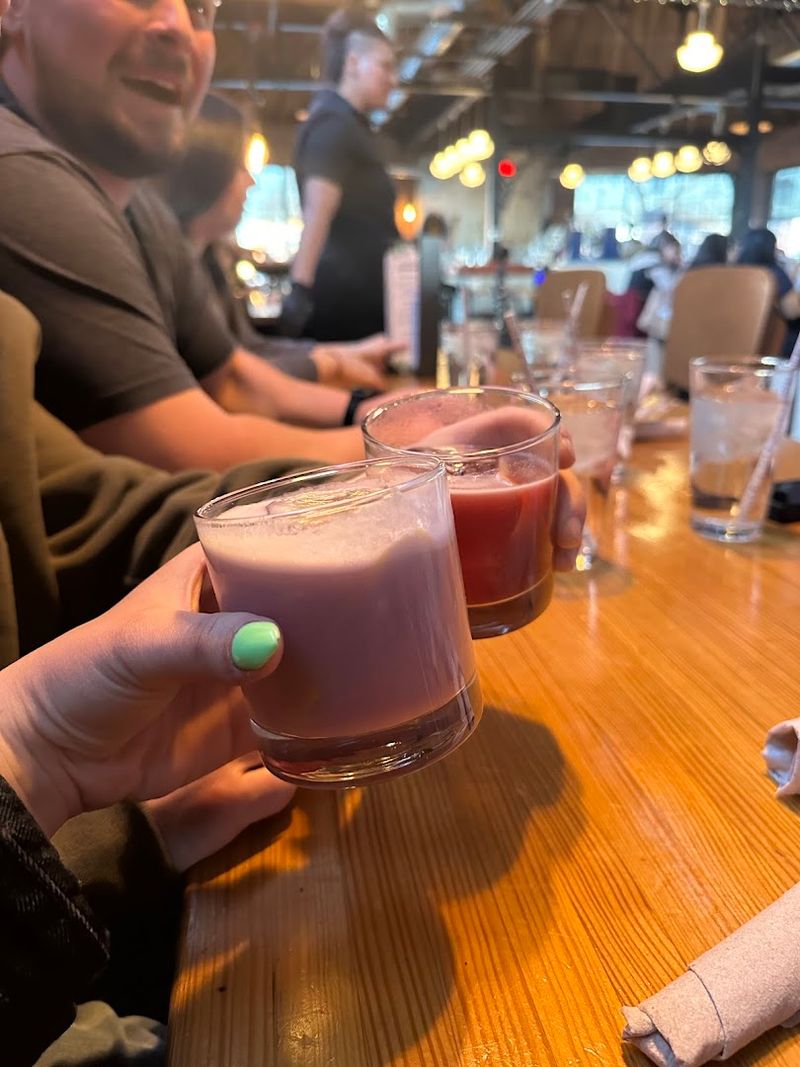
High ceilings and warm lighting create a room that feels both open and intimate at the same time, which is a difficult balance for a space this large. The industrial framework never feels cold or unwelcoming because the lighting and the material choices soften everything just enough.
Tables are spaced generously, which means conversations stay at the table rather than drifting into neighboring ones. That physical breathing room makes the dining experience feel more relaxed, especially on busy weekend evenings when the room is fully occupied.
The outside patio adds another dimension to the experience, with a view toward the Michigan Central Station that gives the meal a distinct sense of place. On a clear evening, the light hits the old train station in a way that reminds you exactly where you are and why Detroit keeps drawing people back.
The overall atmosphere is nostalgic without being stuck in the past, which mirrors the menu’s approach of honoring tradition while doing something genuinely new with it. Guests who come for the food tend to stay longer than they planned simply because the room encourages it.
Hours, Reservations, and Practical Visiting Tips
Cork and Gabel is open Wednesday and Thursday from 4 to 9 PM, Friday from 4 to 10 PM, Saturday from 10 AM to 2 PM for brunch, and Sunday from 10 AM to 3 PM for brunch. Monday and Tuesday are closed, so planning ahead is essential to avoid a wasted trip.
Reservations are strongly recommended, especially for weekend brunch, which draws consistent crowds. The restaurant does accommodate walk-ins at the bar when space is available, which is a useful option if you arrive without a booking and are flexible about seating.
The free private parking lot behind the building is a genuine convenience in a neighborhood where parking can otherwise be unpredictable. Street parking on nearby blocks is also available, but the lot removes any stress from that part of the visit.
Budget around sixty to seventy dollars for two people at dinner, which covers appetizers and entrees comfortably. Brunch tends to run leaner, with two full plates and a specialty drink coming in well under fifty dollars.
Calling ahead at 313-638-2261 or visiting corkandgabel.com covers both reservations and any menu questions.
Why This Place Has Earned Its Loyal Following
A 4.6-star rating across nearly 900 reviews is not an accident. Cork and Gabel has held that standing since opening in 2018 by doing the basics consistently well and adding enough creativity to keep things interesting for regulars who return every few weeks.
The kitchen uses fresh, quality ingredients, and that commitment shows in the flavor of even the simplest dishes. Seasoned fries, well-constructed omelets, and carefully built sandwiches all reflect a kitchen that cares about the details as much as the showpiece entrees.
The staff, from the bartenders to the servers to the owner himself, creates an environment where guests feel recognized rather than processed. That human element is what turns a good restaurant into a neighborhood institution, and Cork and Gabel has clearly figured that out.
Corktown continues to evolve as one of Detroit’s most interesting neighborhoods, and this restaurant has grown alongside it without losing the character that made it worth visiting in the first place. Some places earn loyalty through novelty, but Cork and Gabel earns it through consistency, creativity, and a genuine warmth that you feel from the moment you push open that barrel door.
Share this story