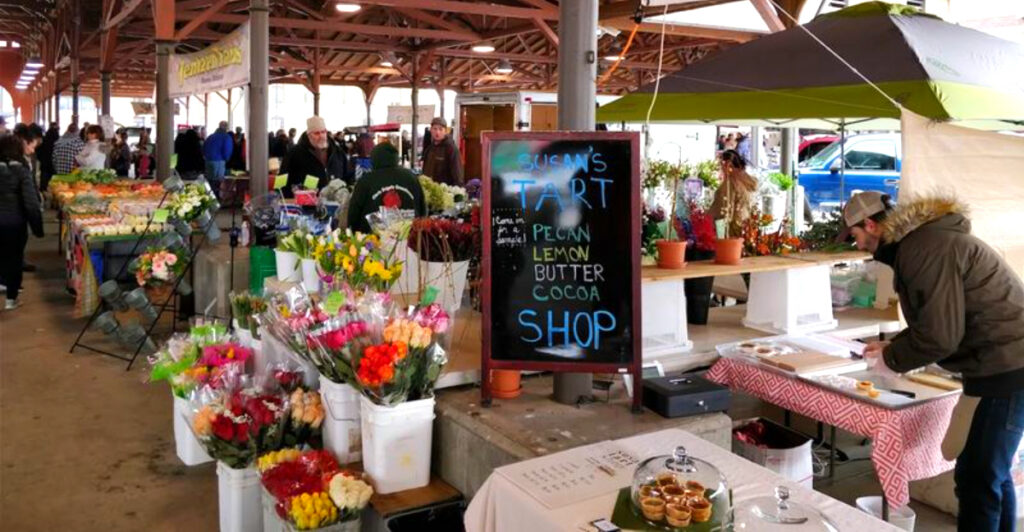
Every Saturday, one Detroit tradition brings together farmers, chefs, artists, and everyday shoppers in a lively community hub. It has survived wars, economic downturns, and the rise of big-box stores – and after more than 150 years, it’s still going strong.
Spanning 43 acres and drawing tens of thousands of visitors each week, this historic market has been a cornerstone of the city since the 1800s. Whether you’re a foodie, a traveler, or just someone who loves a great deal on fresh produce, there’s something here that keeps people coming back – and might just inspire your next trip to the Motor City.
A Market With Deep Detroit Roots
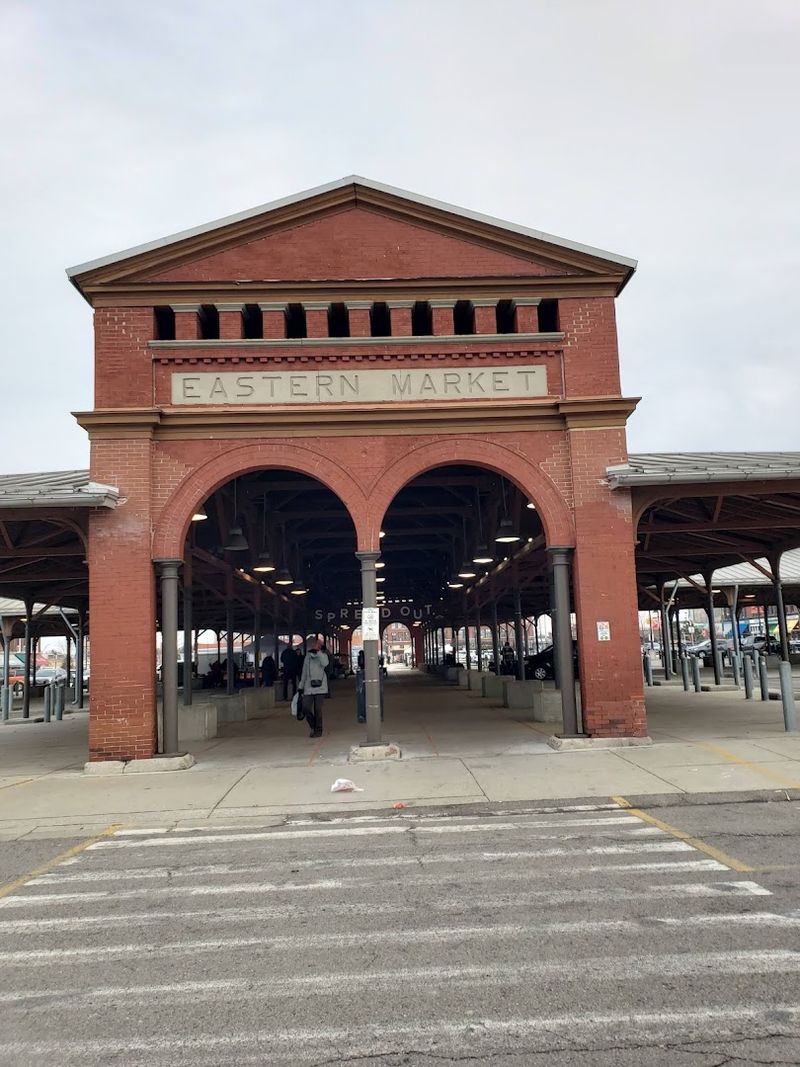
Eastern Market has been feeding Detroit since long before anyone alive today was born. The market traces its origins to 1841, when a public market was established on Campus Martius in downtown Detroit.
It relocated to its current home in the Eastern Market Historic District in 1891, and the name has stuck ever since.
The full address is 2934 Russell Street, Detroit, Michigan 48207, and it sits just east of downtown in a neighborhood that feels like it has always belonged to the people. The district covers 43 acres and is recognized as the largest historic public market district in the entire United States.
What makes this place remarkable is not just its size, but its staying power. Generations of Detroit families have shopped here, and many of the vendors have been passing their stalls down from parent to child for decades.
That kind of legacy is not something you can manufacture.
The Scale of It All
Most markets feel cozy and compact. Eastern Market feels like its own small city.
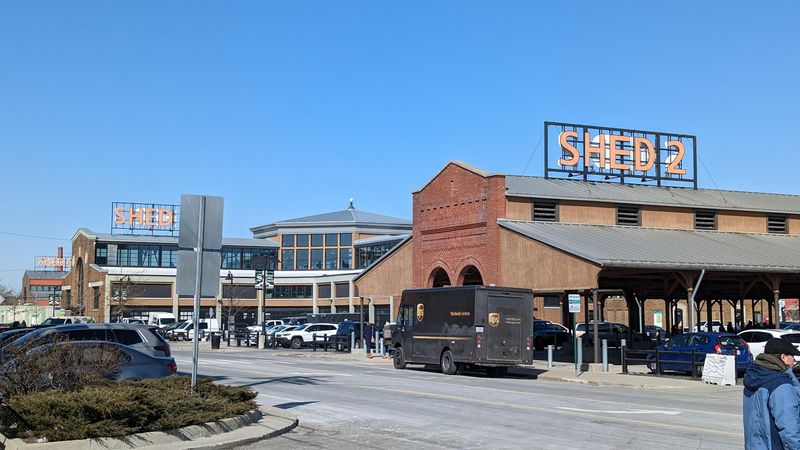
The district spans 43 acres and is home to more than 150 businesses operating year-round, ranging from specialty food shops and butchers to spice importers and flower wholesalers.
On a typical Saturday, the market draws up to 45,000 visitors. That number is not a typo.
Forty-five thousand people, all converging on one neighborhood to shop, eat, browse, and soak up the atmosphere. The covered market sheds, known as Sheds 2 through 6, fill up fast, so arriving early is always a smart move.
Beyond the sheds, the surrounding streets are lined with storefronts, restaurants, and pop-up stalls that stretch the experience well beyond the main market footprint. The whole district buzzes with energy in a way that feels genuinely alive, not curated for tourists, and that honesty is exactly what keeps people coming back.
What You Can Actually Buy Here
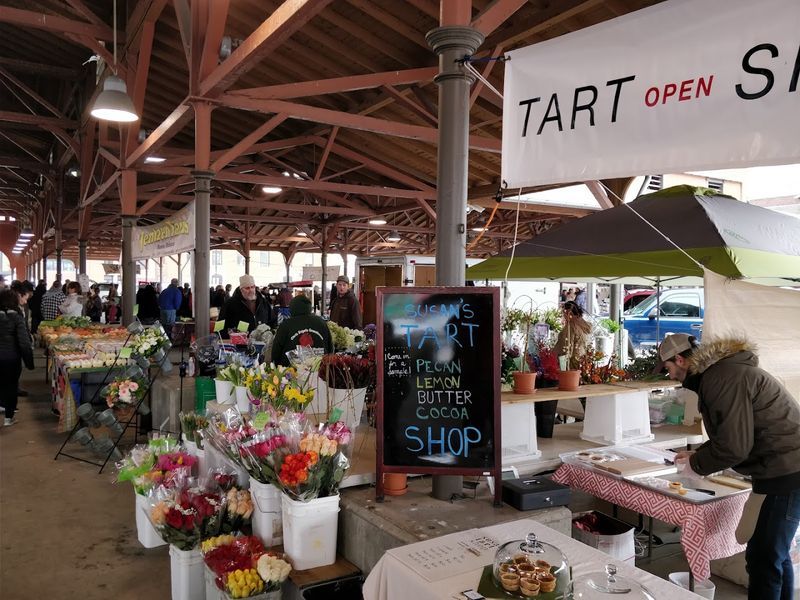
Fresh produce is the heart of the market, and the variety on display any given Saturday is genuinely impressive. Local farmers bring in seasonal fruits and vegetables, and the selection shifts throughout the year to reflect what Michigan’s soil is actually producing that week.
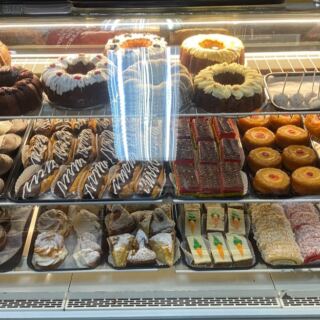
Beyond produce, shoppers can find fresh-cut flowers, pasture-raised meats, artisan cheeses, fresh-baked breads, handmade pasta, dried spices from around the world, and jars of honey that taste nothing like what you find in a grocery store aisle. The meat market vendors here are legendary among Detroit chefs, and many of the city’s best restaurants source their proteins directly from Eastern Market suppliers.
Specialty food shops within the district carry everything from imported olive oils to house-made hot sauces. A single trip through the market can fill a cooler, stock a pantry, and inspire a week’s worth of cooking all at once.
That kind of one-stop freshness is hard to beat.
The Saturday Experience
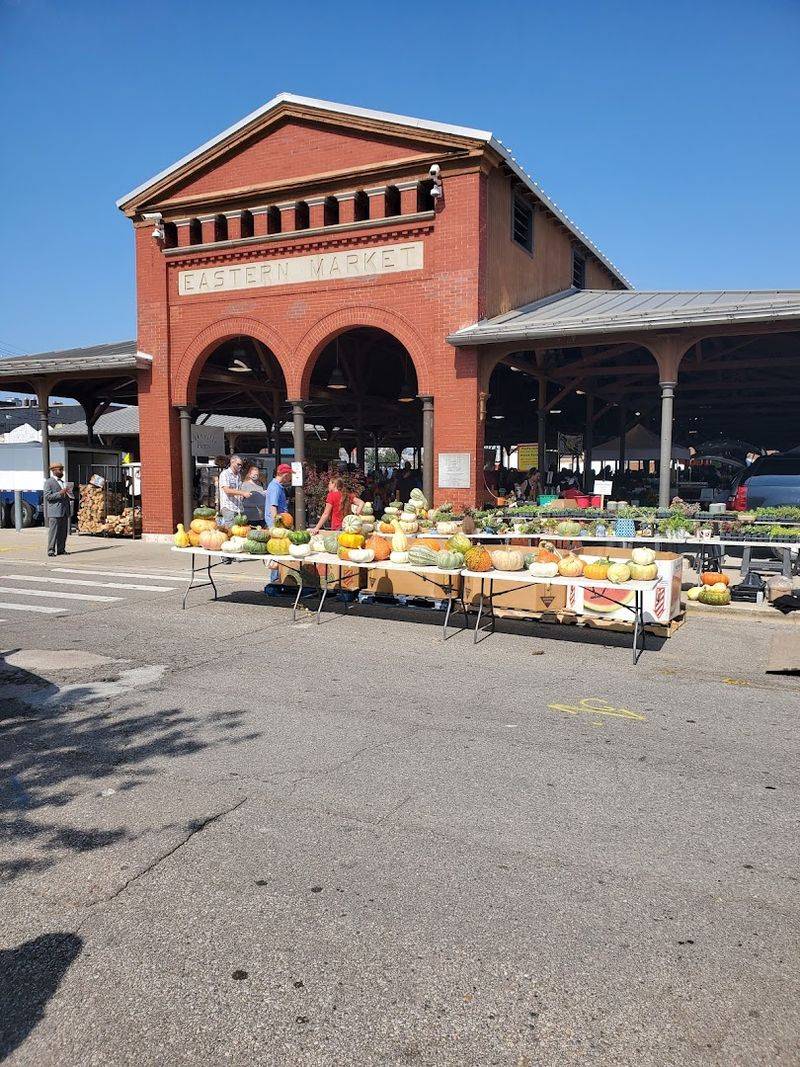
Saturday is the main event. The market officially opens early, and serious shoppers know that the best picks go fast.
By 8 a.m., the sheds are already filling up with regulars who have their favorite vendors mapped out like a personal grocery route built over years of loyal shopping.
The energy on a Saturday morning is hard to describe without sounding like you are overselling it. Music drifts through the air from various corners of the market.
Kids ride on their parents’ shoulders. Chefs in aprons squeeze tomatoes next to retirees comparing pepper varieties.
It is a genuine cross-section of Detroit life all gathered in one place.
Street food vendors set up around the perimeter, offering everything from tacos to classic Detroit Coney Island hot dogs, which means you can easily make a full morning of it without ever needing to leave the neighborhood. Comfortable shoes are strongly recommended, and so is bringing a reusable bag or two.
Flower Day: The Market’s Biggest Celebration
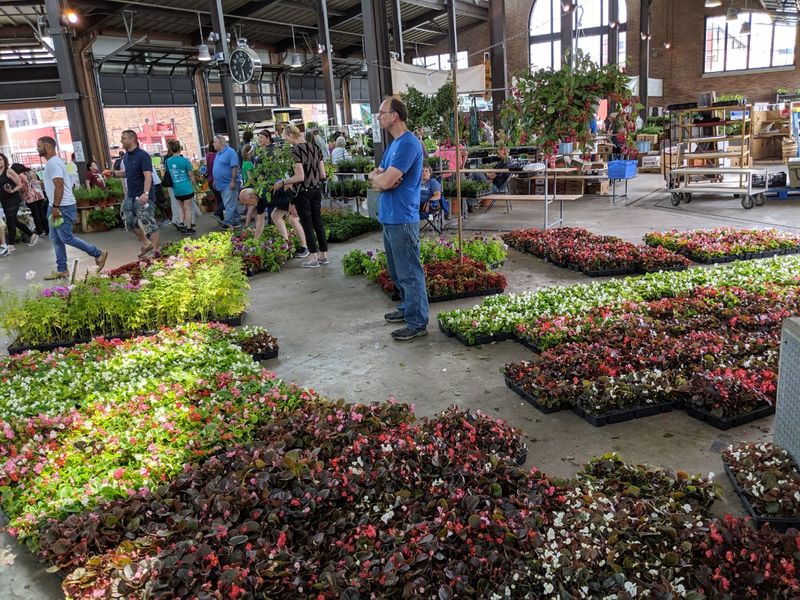
Once a year, Eastern Market transforms into something that feels almost unreal. Flower Day, held on the Sunday after Mother’s Day, is the market’s single biggest annual event, and the numbers back that up in a dramatic way.
The event draws upwards of 200,000 visitors in a single day, making it one of the largest single-day events in all of Michigan.
Every corner of the market fills with flowers. Hanging baskets, potted plants, flat after flat of annuals and perennials, herb starts, vegetable seedlings, and ornamental trees all spill out from the sheds into the surrounding streets.
The color alone is worth the trip.
For many Detroit families, Flower Day is a tradition that goes back generations. Grandparents bring grandchildren, and the ritual of picking out plants for the season has a warmth to it that no online garden shop can replicate.
If you only visit Eastern Market once a year, making it Flower Day is a very solid choice.
The Art on the Walls

Eastern Market is not just a place to shop. It is also one of Detroit’s most impressive open-air art galleries, and you do not need a ticket to see any of it.
The surrounding warehouse walls have become a canvas for some of the most striking murals in the entire Midwest.
The market district hosts the annual MURALS IN THE MARKET festival, which brings together local and international artists to paint large-scale works directly onto the buildings throughout the neighborhood. The result is a constantly evolving outdoor exhibition that changes year to year as new works go up alongside established favorites.
Even on a quiet weekday, a slow walk through the district offers a visual experience that rivals any formal gallery. The murals range from hyper-realistic portraits of Detroit icons to abstract geometric explosions of color, and they give the market neighborhood a creative identity that feels inseparable from its food culture.
Art and appetite, it turns out, make excellent neighbors.
Sunday at the Market: A Different Vibe
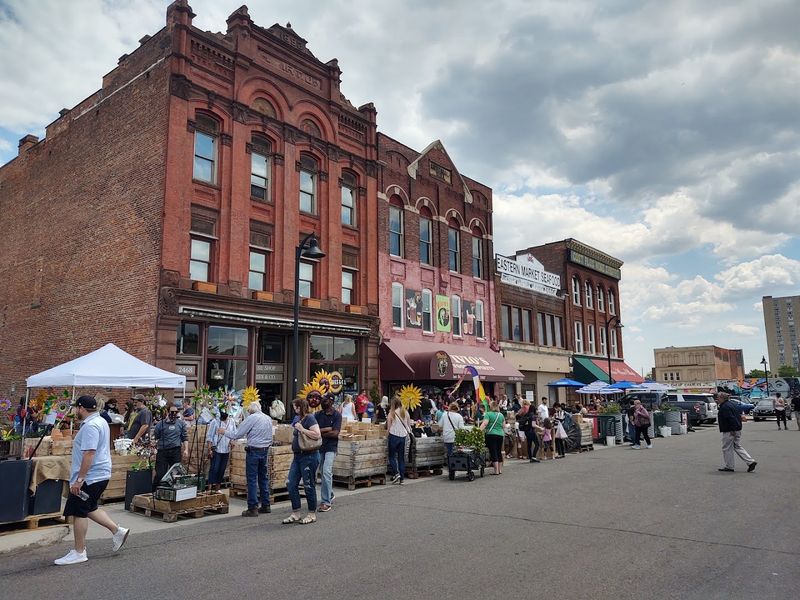
Saturday gets most of the attention, but Sunday at Eastern Market has its own distinct personality worth knowing about. The Sunday market leans heavily toward local artists, jewelers, and craftspeople, creating an atmosphere that feels more like a creative bazaar than a traditional farmers market.
Handmade jewelry, original paintings, vintage clothing, ceramics, and one-of-a-kind decorative items fill the stalls. The pace is a little slower, the crowds a little thinner, and the overall vibe is more relaxed and browsable.
It is the kind of morning where you might spend twenty minutes talking to the person who made the ring you are thinking about buying.
The food options are still going strong on Sundays, with several vendors and nearby restaurants keeping their doors open for the weekend crowd. If Saturday felt like a sprint through a colorful obstacle course, Sunday is the version where you actually stop to look at everything.
Both experiences are worth having, just for different reasons.
Live Music and the Bert’s Warehouse Connection
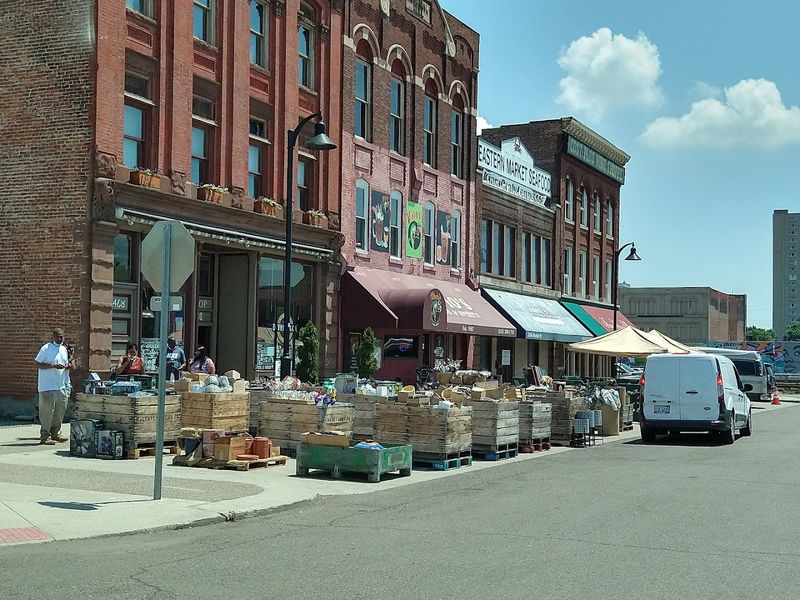
Eastern Market has always had a soundtrack, and one of the most iconic contributors to that sound is Bert’s Warehouse Theatre. This legendary Detroit venue sits right in the heart of the market district and has been a home for live jazz and Motown music for decades.
On market days, the area around Bert’s and the surrounding streets fills with the sound of live performances that drift through the neighborhood and mix with the general hum of commerce and conversation. It adds a layer to the market experience that goes well beyond shopping.
Detroit’s musical heritage is deeply embedded in this neighborhood, and the presence of live music at the market is not a gimmick or a marketing add-on. It is a genuine expression of the city’s cultural identity.
Hearing a Motown classic played live while you carry a bag full of fresh peaches and handmade pasta is the kind of moment that makes a city trip feel truly memorable.
Supporting Local Farmers and Small Businesses
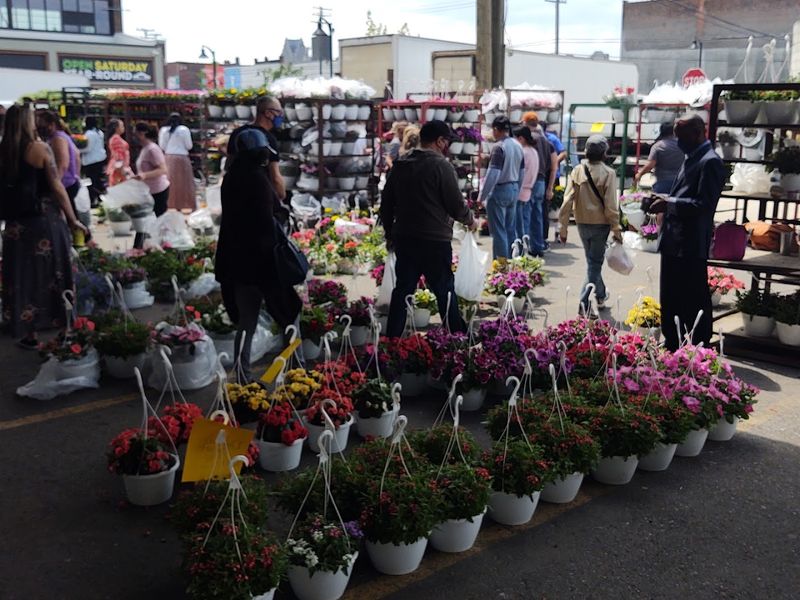
Behind every stall at Eastern Market is a story of hard work, and many of those stories belong to small-scale Michigan farmers who depend on the market as a primary sales channel. Eastern Market gives these growers direct access to urban consumers in a way that cuts out the middleman and keeps more money in local pockets.
The market supports hundreds of farmers and small food businesses, many of which would struggle to find a comparable retail outlet anywhere else. For shoppers, this means the produce is fresher, the prices are often lower than grocery stores, and the person selling you your vegetables is very likely the same person who grew them.
The City of Detroit has also invested in the market’s future, with grant programs designed to support Detroit-based food entrepreneurs who operate within the district. That kind of institutional backing helps ensure that Eastern Market remains a real economic engine for the city, not just a tourist attraction dressed up in nostalgia.
Food Culture Beyond the Stalls
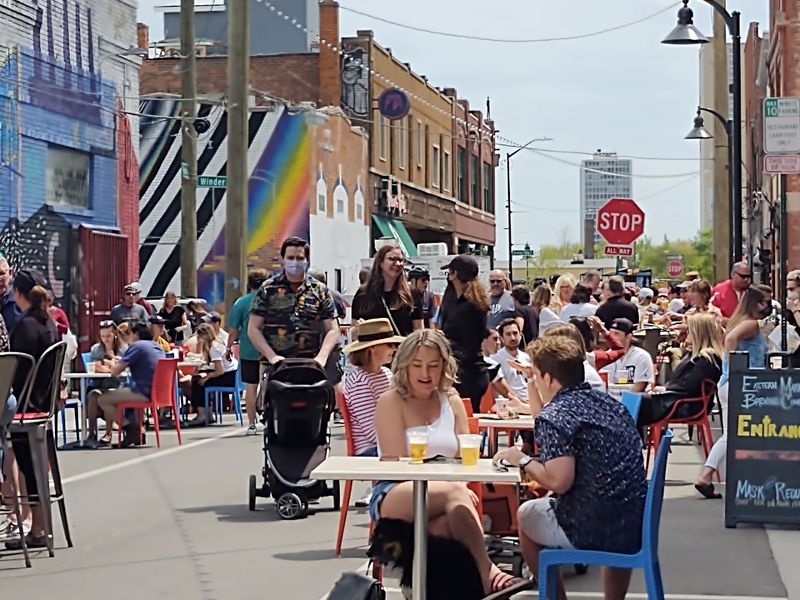
The market sheds are the main attraction, but the food experience at Eastern Market extends well beyond the vendor stalls. The surrounding streets are packed with cafes, delis, specialty shops, and casual restaurants that have grown up around the market’s gravity over many decades.
Classic Detroit Coney Island hot dogs are a staple of the neighborhood, and several spots near the market serve the kind of loaded, saucy version that locals will tell you is the only acceptable way to eat one. Hip cafes have moved into revitalized warehouse spaces, offering locally roasted coffee alongside pastries made with ingredients sourced directly from market vendors.
The food culture here feels genuinely layered, mixing old-school Detroit traditions with newer culinary energy in a way that does not feel forced. A morning at the market can easily turn into an afternoon of eating your way through the neighborhood, and nobody who has tried that particular plan has ever regretted it.
Practical Tips for First-Time Visitors
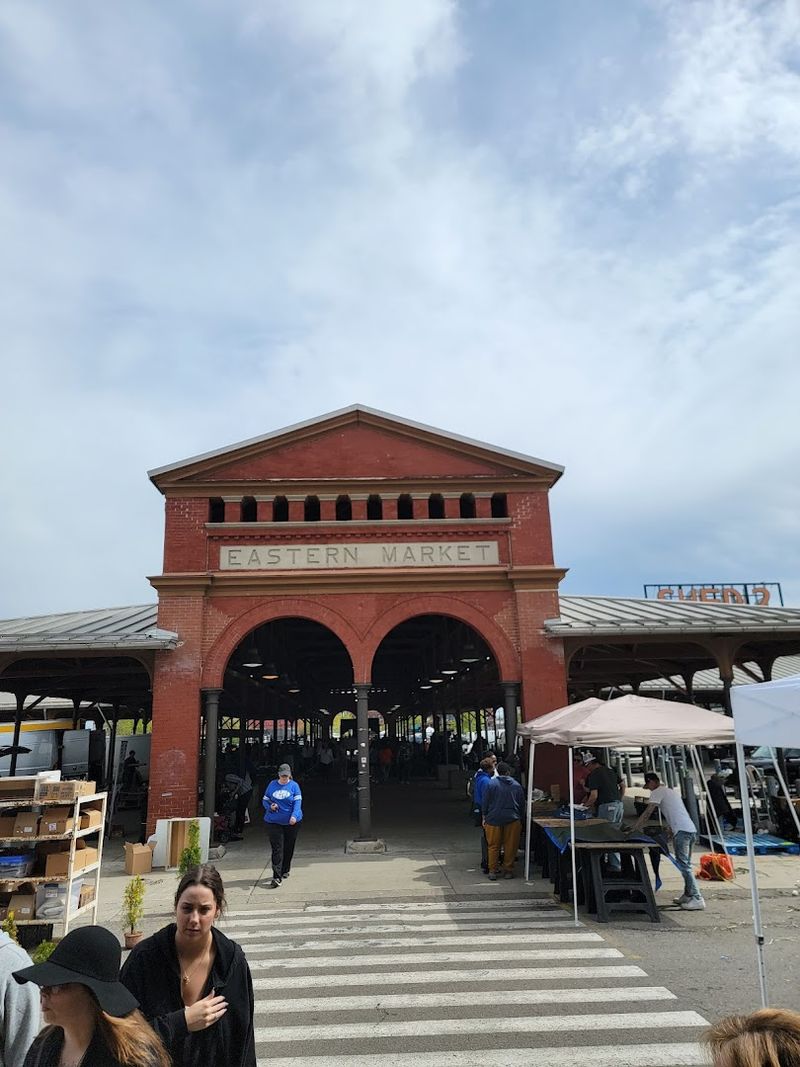
A first visit to Eastern Market can feel a little overwhelming in the best possible way, so a few practical notes go a long way. Saturday is the biggest and most vibrant day, but arriving before 9 a.m. gives you the best shot at the widest selection and a more manageable crowd level.
Bring cash. Many vendors accept cards, but cash moves faster and is universally accepted throughout the market.
Reusable bags or a rolling cart are highly recommended, because you will almost certainly buy more than you planned. Parking is available in the surrounding streets and nearby lots, but it fills up quickly on busy Saturdays.
Wear comfortable shoes, because the market district covers a lot of ground and the cobblestone streets are charming but uneven. The market operates year-round, with some seasonal shifts in the outdoor vendor lineup during winter months.
The official website at easternmarket.org has up-to-date schedules, event listings, and vendor information to help you plan your visit efficiently.
Why Eastern Market Still Matters
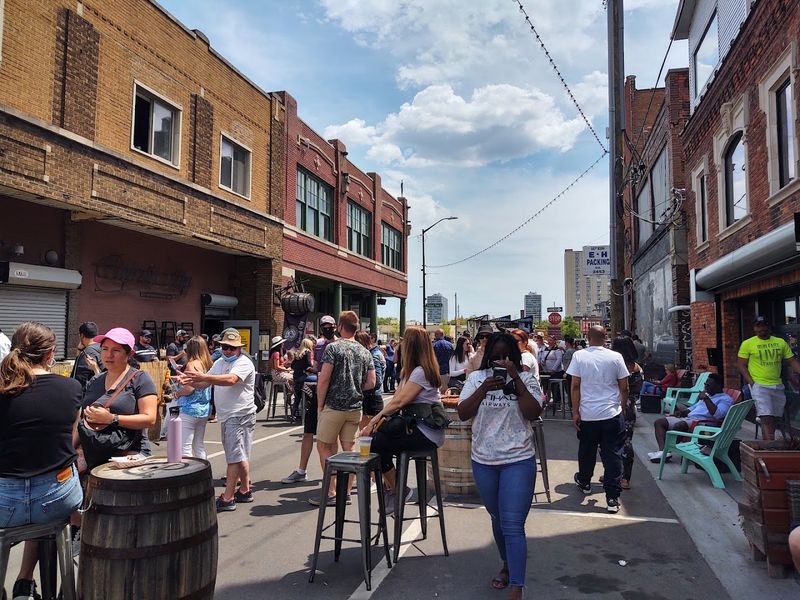
In an era when grocery delivery apps and big-box stores have made it easier than ever to buy food without ever leaving your couch, Eastern Market’s continued relevance feels like a small act of cultural resistance. People keep coming back not because they have to, but because the experience offers something that no algorithm can replicate.
The market is a place where community actually happens. Strangers share recipe ideas in the spice aisle.
Chefs debate the merits of different tomato varieties with the farmers who grew them. Kids try their first piece of fresh fruit that tastes nothing like the supermarket version, and their expressions say everything.
Eastern Market celebrated its 150th anniversary in 2023 with a full year of events, and the celebration felt earned. A market that has survived this long, through this much, in one of America’s most storied cities, deserves every bit of recognition it gets.
Detroit built something here worth protecting, and the people of this city clearly know it.
Share this story