America is home to some of the most stunning wine regions in the world, from sun-drenched California valleys to mist-covered Oregon hillsides. Whether you’re a seasoned wine enthusiast or just love a great glass with a gorgeous view, there’s a destination out there with your name on it.
These 15 incredible spots prove that a wine escape doesn’t have to mean flying overseas — the best bottles might be just a road trip away.
Napa Valley — California’s Legendary Wine Heart
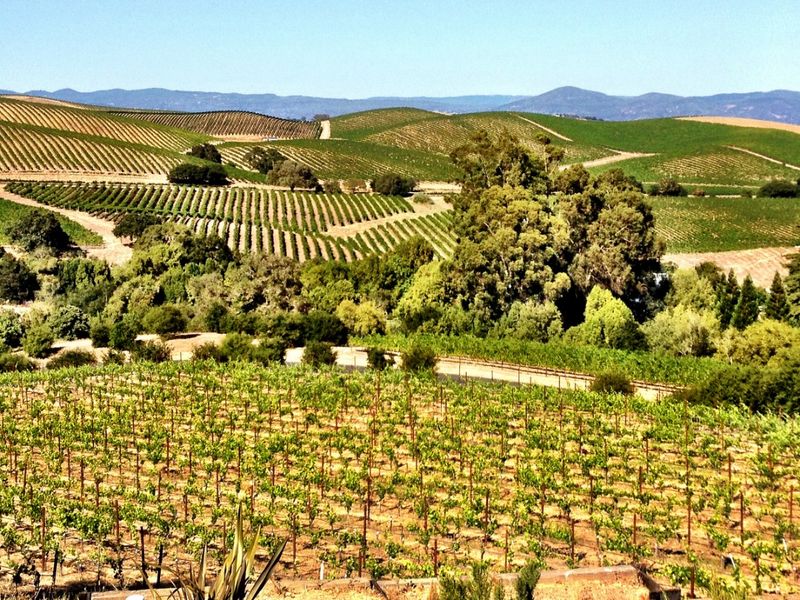
Forget Paris — Napa Valley is where romance really pours freely. Stretching across a sun-drenched corridor in Northern California, Napa is the undisputed heavyweight champion of American wine.
Its Cabernet Sauvignon alone has humbled French winemakers in blind tastings, and that’s not a small thing to brag about.
Over 400 wineries call this valley home, ranging from grand, castle-like estates to intimate family-run cellars tucked behind oak trees. Michelin-starred restaurants line the main drag, making food and wine pairings an Olympic-level sport here.
You can arrive hungry and leave thoroughly impressed — both by the food and your own refined taste.
Hot air balloon rides over the vineyards at sunrise are an absolute must. The light turns everything golden, and you’ll feel like you’re floating inside a painting.
Napa isn’t cheap, but every dollar spent here feels like a worthy investment in pure, unapologetic luxury. Book early, dress comfortably, and prepare to fall completely in love.
Sonoma County — Rustic Beauty & Diverse Wines (California)
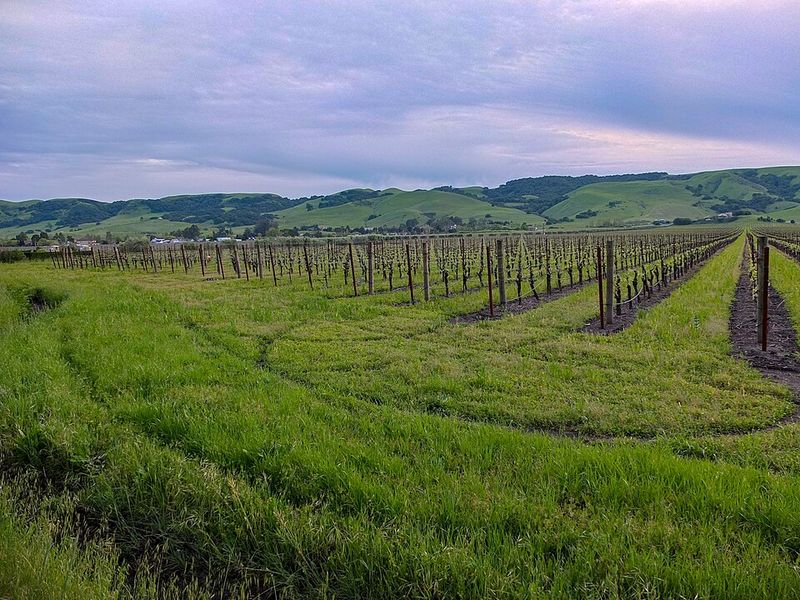
Sonoma County is the laid-back cousin Napa never talks about — but honestly, it’s the one everyone ends up loving more. With over 425 wineries spread across wildly different landscapes, Sonoma keeps wine lovers on their toes in the best possible way.
One minute you’re sipping Pinot Noir under redwood trees; the next, you’re tasting Zinfandel beside a sun-baked hillside.
The county’s sheer variety is its superpower. Coastal fog rolls in from the Pacific, cooling vineyards and creating ideal conditions for delicate, expressive wines.
Farmers markets, artisan cheese shops, and roadside farm stands make every back-road drive feel like a treasure hunt worth taking.
Picnicking among the vines here isn’t just allowed — it’s practically a local tradition. Pack a blanket, grab a bottle of something interesting, and find a grassy spot with a view.
Sonoma rewards slow travelers who take their time exploring. It has none of Napa’s pretension but all of its passion for exceptional winemaking.
Come for the wine, stay for the soul-restoring scenery and surprisingly affordable tasting fees.
Santa Barbara County — Ocean-Breeze Vineyards (California)
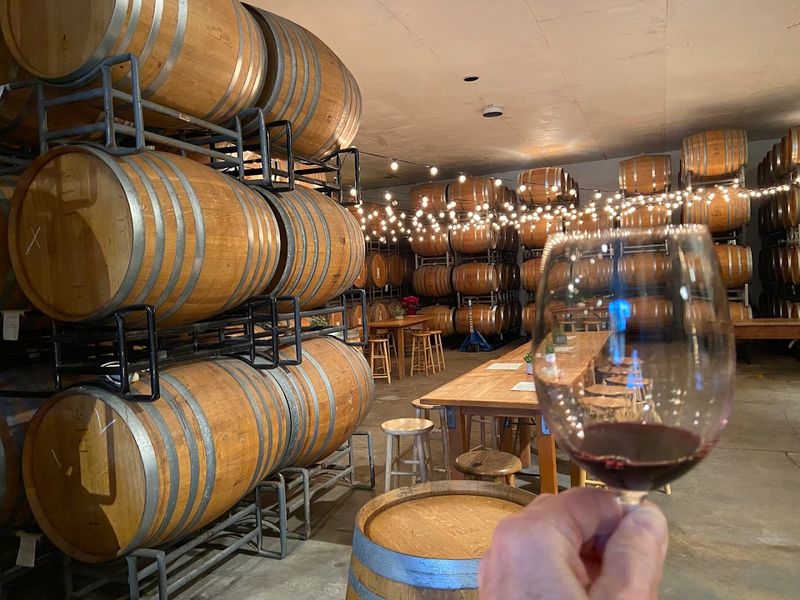
Santa Barbara County didn’t become famous overnight — it took one little movie called Sideways to put it firmly on the wine map. But the truth is, this region was already producing some of California’s most exciting Pinot Noirs long before Hollywood came calling.
The cool Pacific breezes that sweep through the Santa Ynez Valley create a natural refrigerator effect that grapes absolutely adore.
The landscape here feels like someone blended Tuscany with a California beach postcard. Golden hills, wildflowers, and oak-studded valleys frame tasting rooms that range from barn-chic to architecturally stunning.
Sustainably farmed vineyards are especially common here, so eco-conscious wine lovers will feel right at home.
Downtown Santa Barbara is just a short drive away, offering excellent dining, boutique shopping, and Spanish Colonial architecture that adds cultural richness to your trip. Many wineries are small and appointment-only, which means fewer crowds and more personal attention from the winemakers themselves.
That one-on-one experience is genuinely priceless. Come with curiosity, leave with a full case of wine and zero regrets about the luggage weight.
Willamette Valley — Pinot Noir Paradise (Oregon)
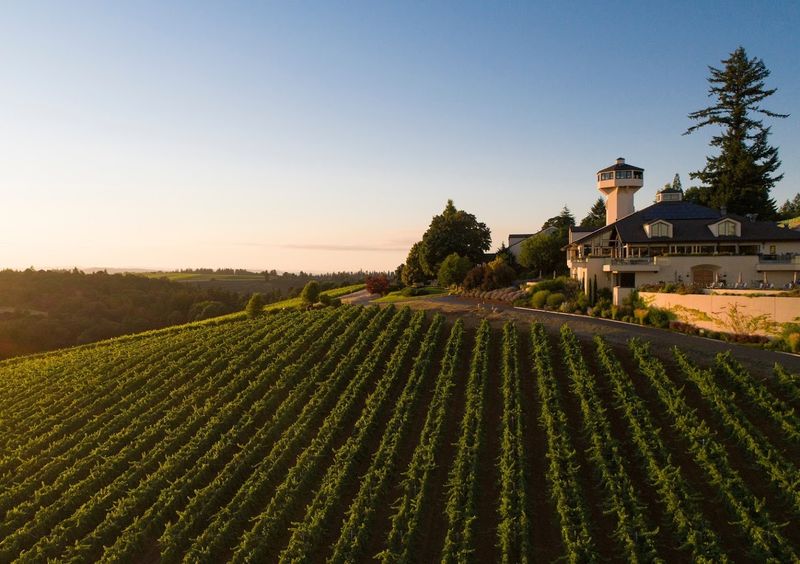
Oregon’s Willamette Valley has a quiet confidence that serious wine lovers absolutely respect. It doesn’t shout — it whispers, and what it whispers is usually something about silky, nuanced Pinot Noir that rivals Burgundy without the eye-watering price tag.
The valley’s cool, rainy climate is practically tailor-made for this notoriously finicky grape.
Stretching roughly 150 miles from Portland southward, the valley is dotted with charming small towns like Dundee, Carlton, and McMinnville. Each one feels like a film set for a cozy indie movie — independent bookshops, farm-to-table bistros, and wine bars where the owners actually know your name by your second visit.
Unlike California’s more glamorous wine hubs, Willamette keeps things refreshingly unpretentious. Tasting fees are reasonable, winemakers are accessible, and the pace is wonderfully unhurried.
The harvest season in September and October is especially magical, when the hillsides blush with color and the air smells faintly of fermenting fruit. If Pinot Noir is your grape of choice, this valley isn’t just worth visiting — it’s practically a pilgrimage you owe yourself.
Finger Lakes — Scenic Lakeside Vines (New York)
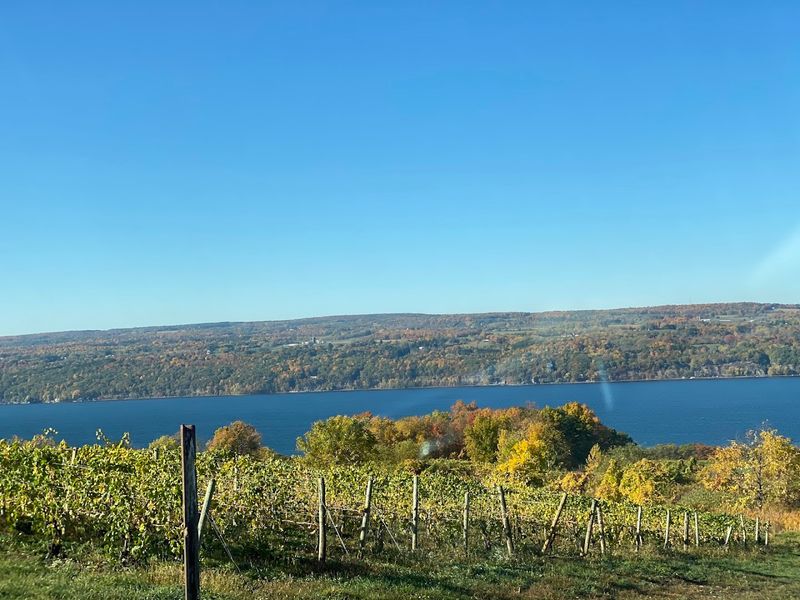
Carved by glaciers thousands of years ago, the Finger Lakes region of upstate New York is one of the most dramatically beautiful wine landscapes in the entire country. Eleven long, narrow lakes reflect the sky like mirrors, and the surrounding hillsides are blanketed in vines that produce some of America’s finest Rieslings.
If you’ve never tried a dry New York Riesling, consider this your official invitation.
With over 140 wineries spread across the region, there’s no shortage of places to explore. Seneca and Cayuga Lakes are the most wine-dense, with tasting rooms practically every half mile along the winding lake roads.
Fall is peak season, when harvest energy fills the air and the foliage turns into a fiery masterpiece of red, orange, and gold.
Beyond wine, the Finger Lakes offer gorge hiking, waterfall chasing, and farm stands overflowing with local produce. Ithaca, home to Cornell University, adds a vibrant college-town energy with great restaurants and live music.
This region proves that world-class wine doesn’t require a California zip code — sometimes all you need is a glacier and a few thousand years of patience.
Walla Walla Valley — Boutique Charm & Big Reds (Washington)
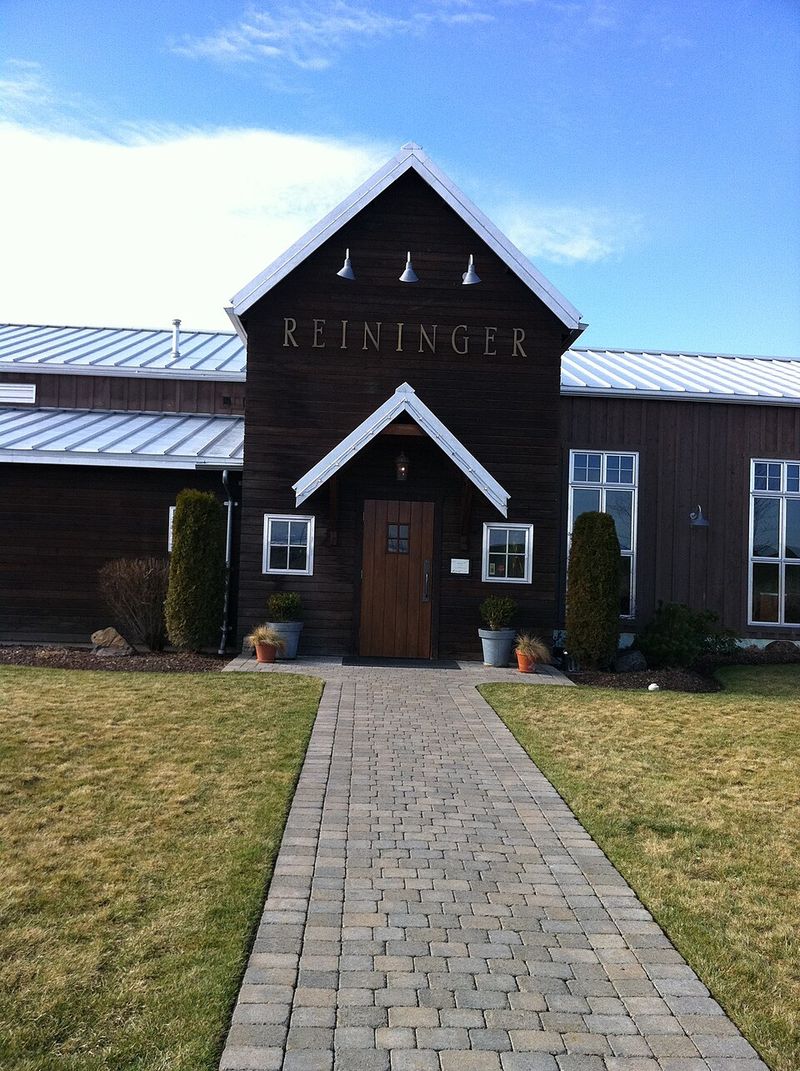
Walla Walla sounds like a place someone made up, but one sip of its bold Cabernet Sauvignon will convince you it’s very, very real. Straddling the border between southeastern Washington and northeastern Oregon, this valley has transformed from a quiet agricultural town into one of the Pacific Northwest’s most celebrated wine destinations.
The journey happened fast, but the quality has been consistent throughout.
What makes Walla Walla special is its boutique character. Most wineries here are small, family-owned operations where the winemaker might personally pour your tasting flight and then stick around to debate grape varieties for an hour.
That kind of personal connection is increasingly rare in wine tourism, and here it feels completely natural.
The historic downtown is walkable and charming, lined with tasting rooms housed in converted warehouses and old bank buildings. Local restaurants take farm-to-table seriously, sourcing ingredients from the same fertile valley soils that grow the grapes.
Weekend getaways here feel genuinely restorative. Pair a big, structured Syrah with a plate of local lamb, find a sunny patio, and let the afternoon disappear entirely.
You won’t miss whatever you were supposed to be doing.
Texas Hill Country — Rolling Fields & Warm Hospitality
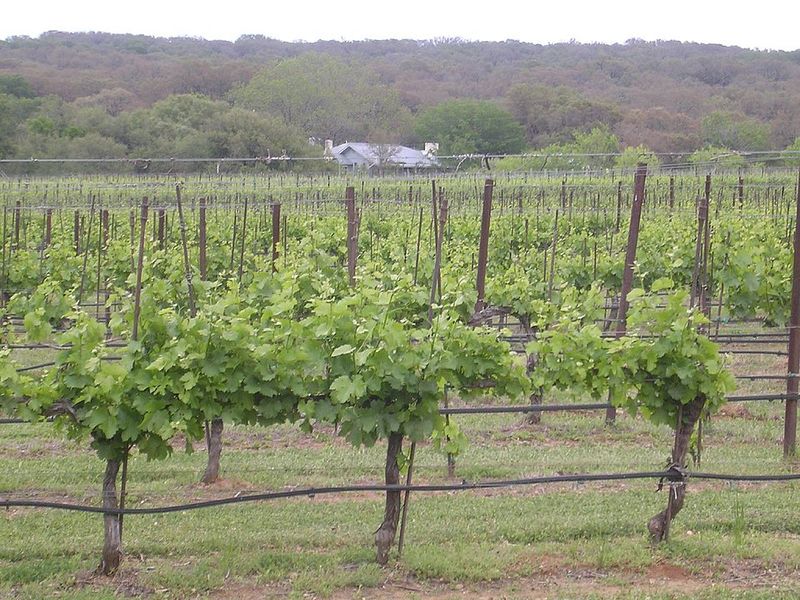
Everything really is bigger in Texas — including the wine scene. The Hill Country around Fredericksburg has exploded into one of America’s fastest-growing wine regions, and it’s easy to understand why.
Warm days, cool nights, and limestone-rich soils create growing conditions that suit bold, expressive grapes like Tempranillo, Viognier, and Mourvèdre surprisingly well.
What truly sets Texas Hill Country apart is the atmosphere. Tasting rooms here double as live music venues, barbecue joints, and gathering spots for locals who treat wine like a community event rather than a luxury hobby.
German heritage runs deep in Fredericksburg, adding a unique cultural flavor to the whole experience — think schnitzel alongside your Syrah.
The wildflower season in spring, when bluebonnets carpet the roadsides, makes the drive between wineries feel genuinely cinematic. Over 80 wineries now dot the region, ranging from polished estates to wonderfully quirky roadside operations with hand-painted signs and dogs sleeping on the porch.
Texas wine won’t always follow the rules — and honestly, that’s exactly what makes it so much fun to explore and drink.
Paso Robles — Bold Reds & Rustic California Vibes
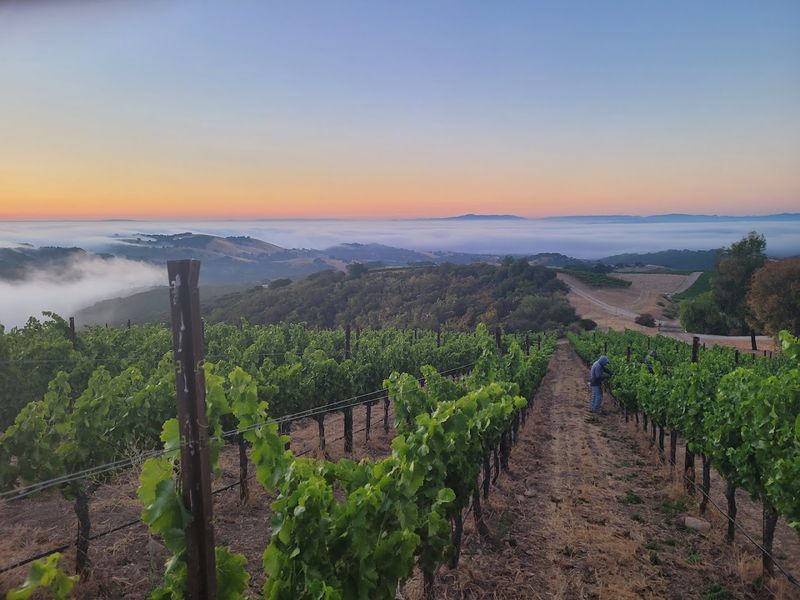
Paso Robles is the scrappy, sun-baked middle child of California wine country, and it has zero interest in playing second fiddle to anyone. Located in San Luis Obispo County, smack between San Francisco and Los Angeles, Paso has built its reputation on bold Zinfandels, Rhône-style blends, and a relaxed, boots-on-the-ground attitude that wine snobs simply cannot ruin.
The region splits into distinct east and west sides, each with its own soil personality and wine character. The west side, cooled by marine air from the Pacific, produces more elegant, structured wines.
The warmer east side leans into rich, jammy reds that are crowd-pleasers in the best possible sense. Exploring both sides in a single weekend feels like visiting two completely different wine regions.
Tasting rooms in Paso range from sleek modern spaces to converted barns with mismatched furniture and resident chickens wandering nearby. Farm-to-table dining has taken serious root here, with chefs sourcing locally and pairing menus thoughtfully with regional wines.
Paso proves that California wine doesn’t have to cost a fortune or come with attitude. Bring an open mind, an empty trunk, and a reliable designated driver.
Columbia Valley — Washington’s Expansive Vineyards
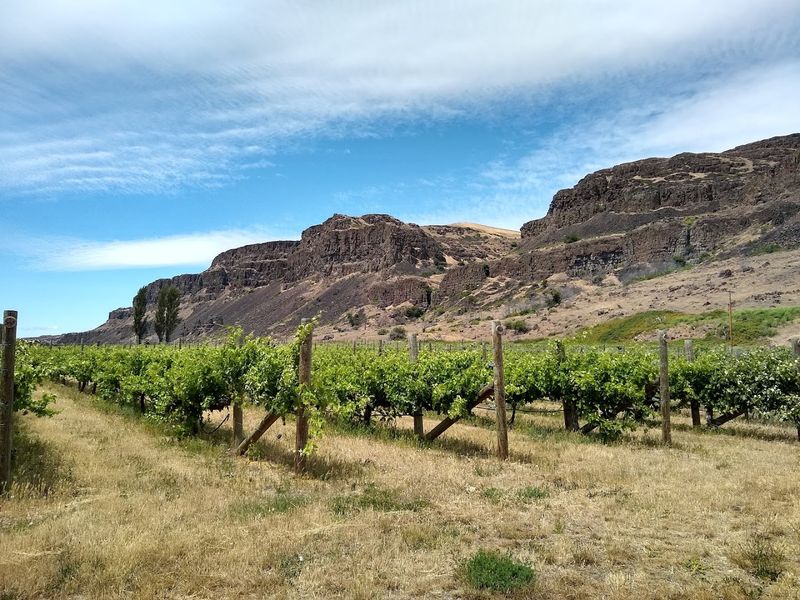
Columbia Valley is Washington wine country on an epic scale — and the numbers back that up. As one of the largest American Viticultural Areas in the entire country, it covers roughly a third of Washington State and produces the lion’s share of the state’s celebrated wines.
The landscape feels almost otherworldly: high desert terrain, volcanic soil, and a river system that makes agriculture possible in an otherwise arid environment.
Cabernet Sauvignon, Merlot, and Riesling thrive here with remarkable consistency, earning Columbia Valley wines a loyal following among collectors and casual drinkers alike. The extreme temperature swings between day and night — sometimes 40 degrees or more — concentrate flavors in ways that cooler climates simply cannot replicate.
The result is wines with intensity, structure, and remarkable aging potential.
Because the region is so vast, planning a multi-day itinerary is the smartest approach. Base yourself in Kennewick or Richland, explore sub-AVAs like Red Mountain and Horse Heaven Hills, and let the dramatic scenery shift your perspective on what Pacific Northwest wine can be.
Sunsets over the Columbia River, glass in hand, have a way of making every previous plan feel completely irrelevant.
Sonoma’s Russian River Valley — Cool Climate & Pinot Noir
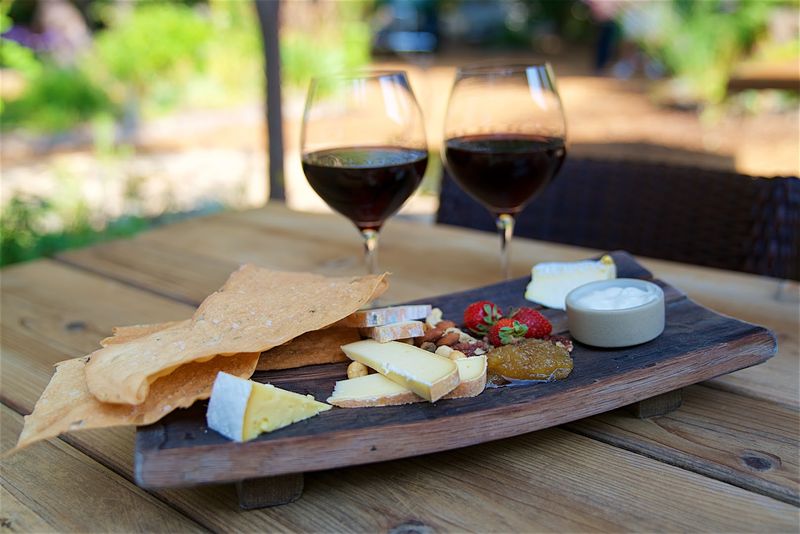
Mornings in the Russian River Valley arrive wrapped in fog so thick you can practically wear it. That marine layer, sneaking in from the Pacific through the Petaluma Gap, is the secret weapon behind some of California’s most hauntingly beautiful Pinot Noirs and Chardonnays.
When the fog burns off by midday, the vines soak up warmth before temperatures drop again at dusk — a daily rhythm that grapes find absolutely irresistible.
Smaller and more intimate than Napa, the Russian River Valley rewards explorers who enjoy winding backroads and unexpected discoveries. Wineries like Williams Selyem, Gary Farrell, and Merry Edwards have earned cult followings for their precise, terroir-driven wines.
Getting a reservation at some of these places takes planning, but the payoff is absolutely worth the effort involved.
The towns of Guerneville and Sebastopol add personality to the region — artsy, welcoming communities with excellent coffee shops, vintage stores, and restaurants that treat local produce like the treasure it is. Kayaking the Russian River between tastings is an experience that sounds unusual but feels completely logical once you’re out there.
This valley has a way of making everything feel like exactly the right idea.
Lake Michigan Shore Wine Country — Midwest Beauty (Michigan)
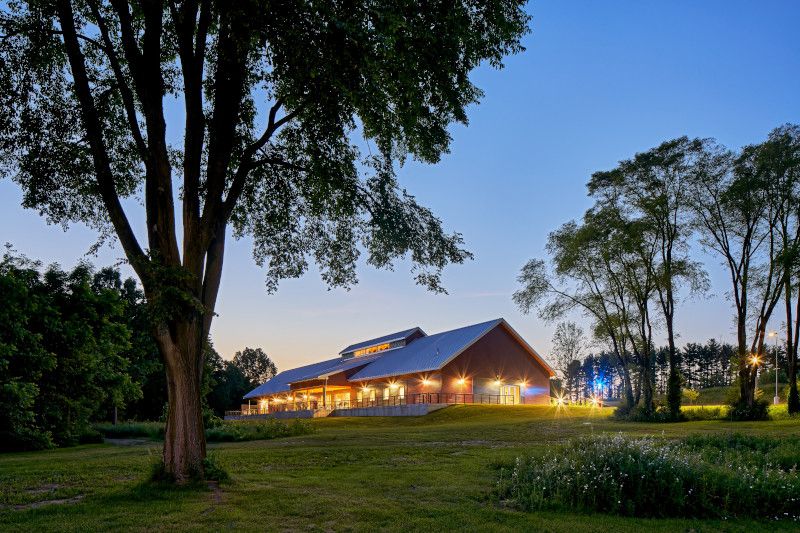
Michigan wine? Absolutely, yes — and it’s better than you might expect.
The Lake Michigan Shore wine region benefits from one of the Midwest’s best-kept meteorological secrets: the lake effect. Lake Michigan moderates temperatures so effectively that grapes ripen reliably in a climate that would otherwise be far too cold.
The result is a wine region with genuine character and growing national recognition.
Wineries like Chateau Chantal and Chateau Grand Traverse are destination-worthy in their own right, offering sweeping lake views alongside well-crafted Rieslings, Pinot Grigio, and sparkling wines. The tasting experience here feels warmly unpretentious — Midwestern hospitality is real, and it shows up in every pour and every conversation at the tasting bar.
The surrounding landscape is genuinely stunning. Sand dunes, cherry orchards, and charming lakeside towns like Traverse City and Saugatuck frame the wine trail with postcard-worthy scenery.
Summer weekends here fill up quickly, so booking ahead is wise. But even a spontaneous visit tends to reward you with something memorable — a wine you didn’t expect to love, a view you weren’t prepared for, and a region that quietly earns your deep respect.
Shenandoah Valley AVA — Historic East Coast Wine Routes
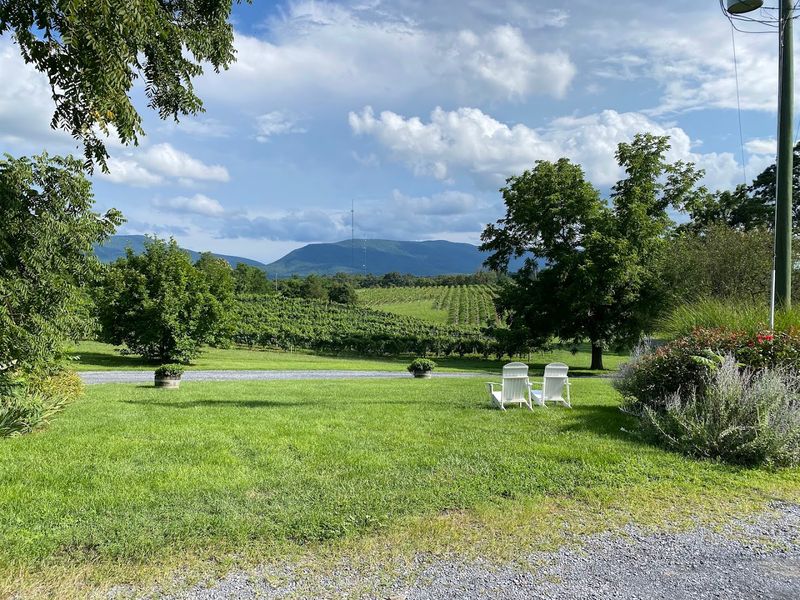
Thomas Jefferson dreamed of great American wine, and the Shenandoah Valley is proof that the dream eventually came true. Straddling Virginia and West Virginia, this historic AVA is framed by the ancient Blue Ridge and Appalachian mountain ranges, which do more than just look beautiful — they shape the climate, funnel cool air through the valley, and create conditions ideal for aromatic, food-friendly wines.
Cabernet Franc, Petit Verdot, and Viognier thrive in Virginia’s portion of the valley, while Riesling and Chardonnay show impressive complexity on both sides of the state line. The limestone-rich soils add a distinctive mineral quality that experienced tasters find genuinely exciting.
Virginia winemakers have worked hard to establish their own identity, and it’s paying off with increasing critical recognition.
The Shenandoah Valley wine trail winds through some of the East Coast’s most scenic countryside — rolling pastures, covered bridges, and small towns where history feels present in the architecture and the pace of life. Civil War history, Skyline Drive, and Luray Caverns are all nearby, making this region ideal for travelers who want more than just wine.
Pack hiking boots alongside your corkscrew.
Sonoma’s Alexander Valley — Cabernet Country
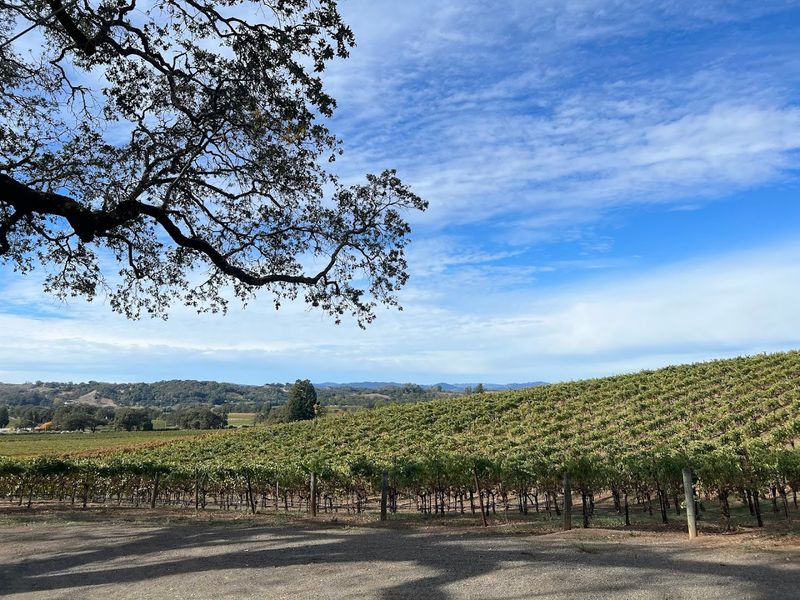
Alexander Valley is where Sonoma County gets serious about Cabernet Sauvignon, and serious is an understatement. Tucked into the northern reaches of Sonoma, this warm, sheltered valley produces Cabs with a plush, approachable character that has won over collectors who once swore loyalty to Napa alone.
The rivalry is friendly, but Alexander Valley is clearly playing to win.
Long, warm growing days and cool nights build wines with excellent structure and surprising elegance. Estates like Alexander Valley Vineyards and Stonestreet Winery have been quietly setting benchmarks here for decades.
Visiting feels less like a tourist experience and more like being welcomed into someone’s personal passion project — which, for most of these family-owned operations, is exactly what it is.
The valley floor and hillside vineyards offer dramatically different views, and scenic drives along Highway 128 make the journey between wineries part of the pleasure. Healdsburg, just south of the valley, has evolved into one of California’s best small food towns, with restaurants, bakeries, and wine bars that would hold their own in any major city.
Spend a long weekend here and return home with a full trunk, a satisfied palate, and a very strong opinion about Cabernet.
Santa Cruz Mountains — Ocean Air & Vine-Covered Hills
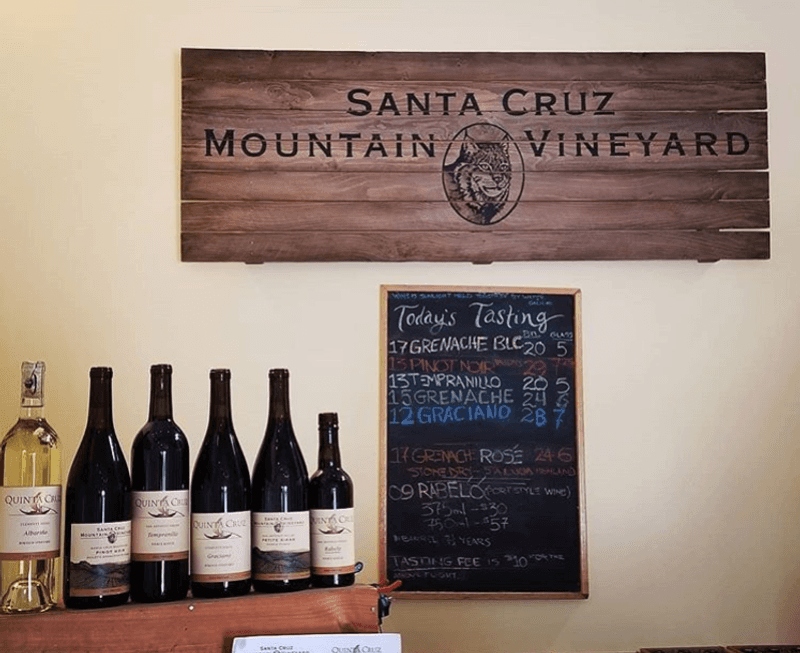
Sandwiched between the tech-driven buzz of Silicon Valley and the laid-back surf culture of Santa Cruz, the Santa Cruz Mountains AVA occupies one of California’s most unlikely — and most rewarding — wine landscapes. Vineyards cling to steep mountain slopes at elevations up to 2,600 feet, surrounded by ancient redwoods and punctuated by coastal fog that rolls in with quiet persistence.
Growing grapes here is not for the faint-hearted.
The effort produces wines of remarkable intensity and precision. Chardonnay and Pinot Noir are the stars, shaped by a climate that swings dramatically between warm, sunny afternoons and cold, foggy nights.
Wineries like Ridge Vineyards and Mount Eden have earned international reputations for producing wines that improve dramatically with age. Tasting a ten-year-old Ridge Monte Bello is a genuinely humbling experience.
Because the terrain is rugged and many wineries are appointment-only, visiting the Santa Cruz Mountains feels like joining an exclusive club — except the membership fee is just curiosity and a willingness to navigate winding mountain roads. The payoff is real: stunning views, extraordinary wines, and the satisfying feeling of discovering something most casual wine tourists never find.
Bring a good map and a sense of adventure.
Temecula Valley — Southern California’s Wine Haven
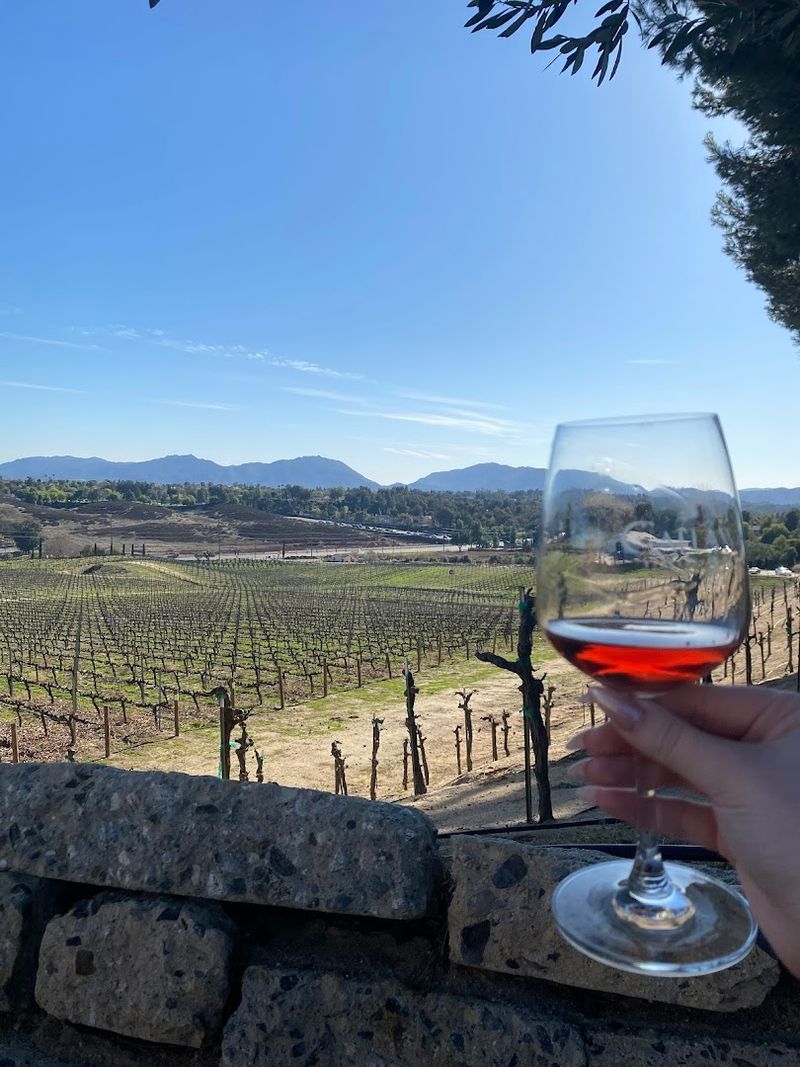
Just 60 miles north of San Diego and a world away from the freeway chaos of greater Los Angeles, Temecula Valley offers Southern California something it desperately needs: a reason to slow down. Gentle vineyard-covered hills, warm sunshine, and mountain backdrops create a setting that feels far more Italian countryside than Southern California suburb — which is exactly its charm.
The valley’s Mediterranean climate suits Cabernet Sauvignon, Merlot, Chardonnay, and Syrah beautifully. Over 40 wineries operate here now, ranging from polished resort-style estates with spas and restaurants to smaller family operations where the welcome is warm and the pours are generous.
Hot air balloon rides at dawn are a popular way to see the entire valley from above, which is a perspective that changes everything.
Temecula is also a favorite for weddings and weekend getaways, which means the infrastructure for a comfortable stay is well-developed. Excellent restaurants, boutique hotels, and vineyard B&Bs make it easy to extend a day trip into a full weekend.
It’s close enough to major cities for a spontaneous escape but feels distant enough to genuinely decompress. Temecula won’t intimidate beginners or bore experts — it just keeps pouring.
Share this story